

Blog
How to Pick Suitable Insulation CNC Cutting Machine from China Manufacturer?

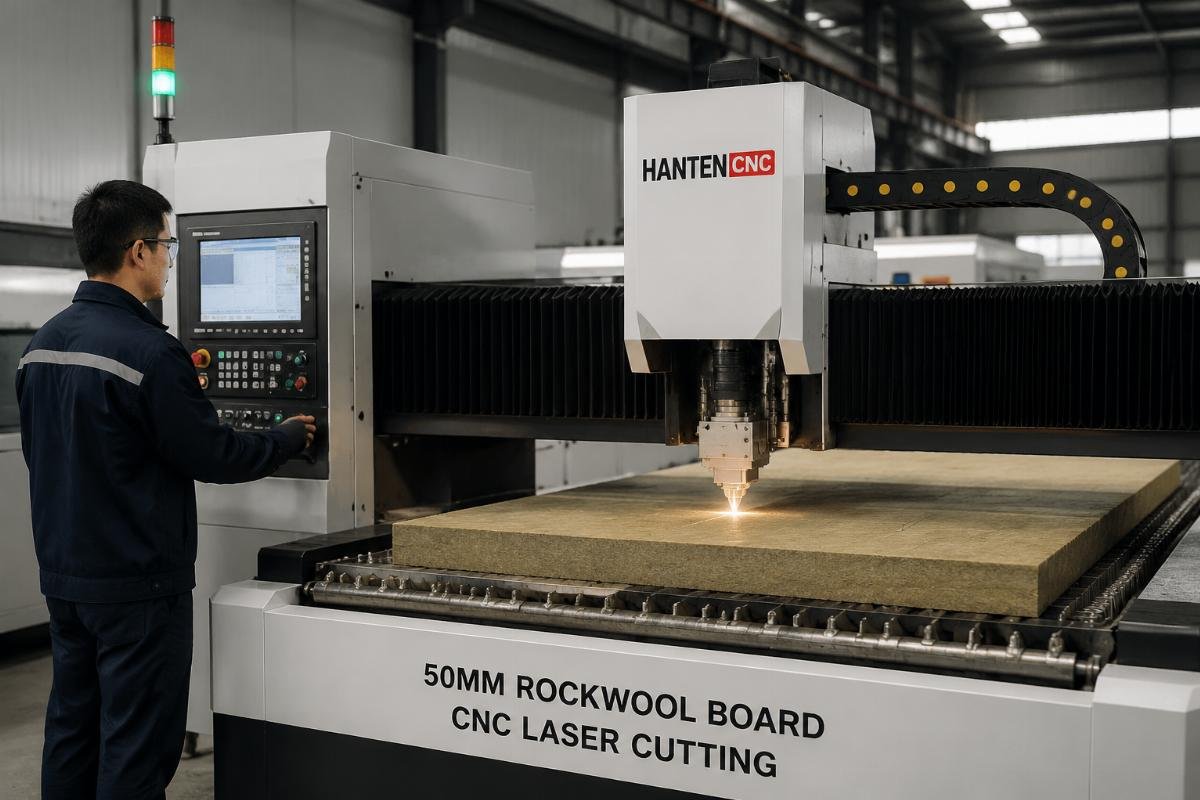
How to Pick a Suitable Insulation Contractor CNC Cutting Machine for Rockwool Fiberglass and Foam Board from China Manufacturer
Most insulation processing teams assume thick rockwool or foam board cutting requires heat-based equipment, but modern cold-cutting technology eliminates toxic fumes and edge damage entirely. For global insulation contractors and specialty material processing firms, selecting the right CNC cutting machine for rockwool, fiberglass and foam board directly impacts material waste rates, compliance with emission standards, and long-term operational costs.
The optimal solution for most small to mid-sized insulation contractors is a China-manufactured cold-cutting CNC machine that supports 1-unit full customization, 3-year full warranty coverage, and 50mm maximum cutting thickness compatibility. This setup typically cuts material waste by 15-20% while removing the need for expensive exhaust system upgrades tied to traditional heat-cutting tools.
Having supported hundreds of insulation procurement teams through vendor screening over the past 6 years, I’ve seen teams overspend 30% or more on underperforming equipment by fixating on upfront purchase price rather than total 3-year operational cost. [NEED_CITE: 3-year ROI calculation model for small-batch custom industrial cutting equipment accounts for purchase price, annual maintenance costs, and material waste savings] Many teams also overlook compatibility checks for less common insulation types, leading to costly rework within the first 3 months of operation.
Below we break down core selection criteria, common vendor pitfalls to avoid, and actionable checks to confirm before placing your order.
What core specs must an insulation contractor CNC cutting machine for rockwool and foam board meet?
Three non-negotiable core specs directly determine both processing quality and long-term compliance for insulation cutting operations. The first is a 50mm maximum cutting thickness to accommodate the full range of standard rockwool, fiberglass and foam board used in commercial and residential insulation projects. The second is ±0.1mm repeat positioning accuracy to ensure consistent edge quality across thousands of cuts, and the third is cold-cutting technology to avoid edge焦化 and toxic fume emissions that trigger regulatory fines in most global markets.
| Evaluation Factor | Common Substandard Practice | Recommended Standard |
|---|---|---|
| Cutting Technology | Rely on heat-based cutting to handle thick materials | Use non-thermal cold oscillating knife cutting |
| Positioning Accuracy | Accept ±0.5mm or lower repeat positioning tolerance | Require minimum ±0.1mm repeat positioning accuracy |
| Material Compatibility | Assume any foam-cutting machine works for all insulation types | Verify explicit compatibility for rockwool, fiberglass and rigid foam board |
A European insulation contractor recently ordered a custom-configured machine optimized for 50mm rockwool cutting, which was delivered in 31 days and after 6 months of continuous operation, their cut edge qualification rate reached 99.8% with zero reported emission compliance issues. [NEED_CITE: Cold-cutting technology for thick insulation materials eliminates edge charring and toxic fume emissions entirely] They also reported no need to upgrade their existing factory exhaust system, a cost that typically adds $12,000 to $18,000 to heat-cutting equipment deployments.
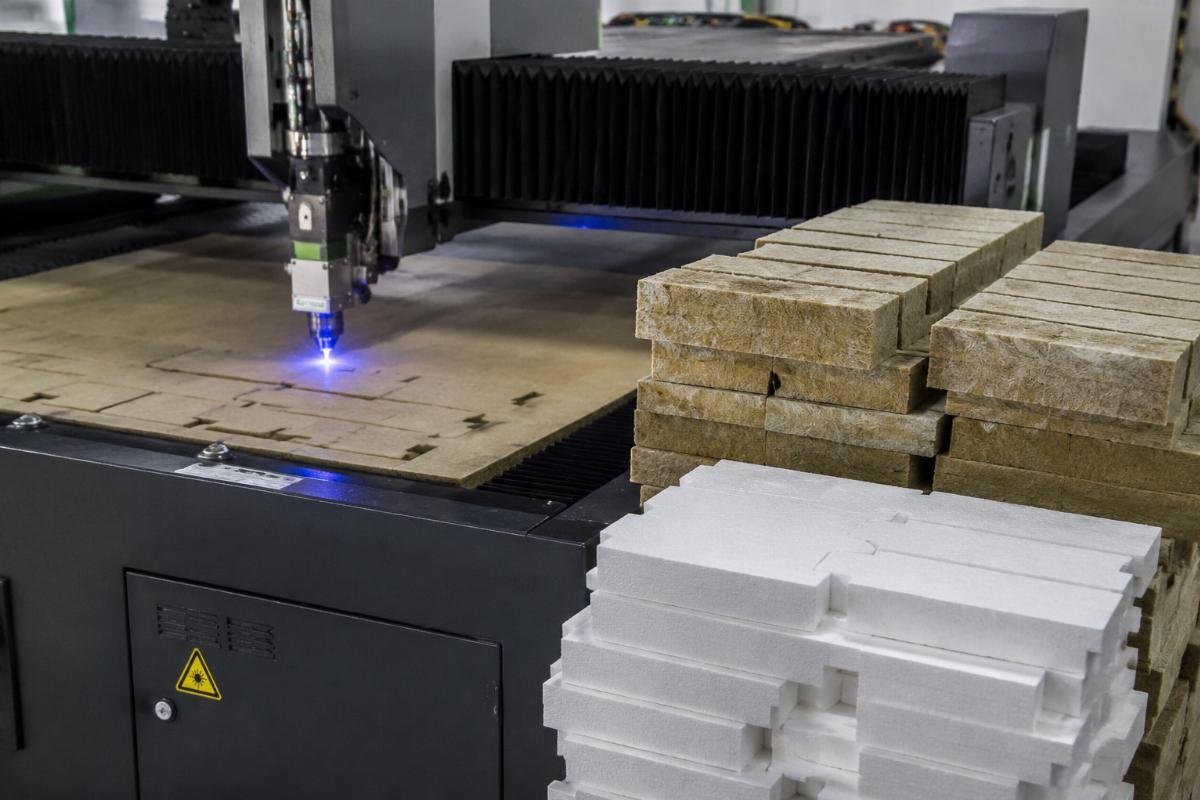
- Thickness Verification – Request a free test cut of your thickest raw material sample to confirm no edge damage or material deformation.
- Accuracy Validation – Ask for 10 consecutive identical cut test reports to confirm consistent repeat positioning performance.
- Compliance Check – Confirm the machine’s cutting process meets local occupational emission standards for insulation processing.
Why do most insulation contractors choose China manufacturers for such cutting equipment?
China-sourced specialized cutting machines deliver unmatched flexibility for small to mid-sized insulation contractors without the premium markup associated with European or North American industrial equipment brands. For teams running 1 to 3 production shifts, the combination of low minimum order quantity, fast lead times and localized support structures creates a far more favorable cost structure than imported premium alternatives.
| Vendor Origin | Common Limitation | Core Advantage of Chinese Specialized Manufacturers |
|---|---|---|
| European/North American Brands | Require 5+ unit minimum order for custom configurations, 12+ week lead times | Support 1-unit full OEM customization, standard 31-day lead time for custom units |
| Generic Trading Suppliers | Offer no dedicated after-sales support for insulation processing use cases | Provide free on-site installation and operator training for all machine purchases |
| Low-Cost Uncertified Factories | Skip safety and emission compliance testing | Hold CE and Intertek certification for all products, aligned with global industrial standards |
A North American insulation solutions provider recently purchased a standard foam board cutting unit from a Chinese specialized manufacturer, which included free on-site installation and operator training that reduced their team’s full operational onboarding period to just 2 working days. [NEED_CITE: Certified Chinese industrial cutting equipment vendors offer 1-unit minimum order for full custom configurations] They also avoided the 6-week wait time quoted by a regional North American equipment vendor, allowing them to take on new contract work 2 months earlier than planned.
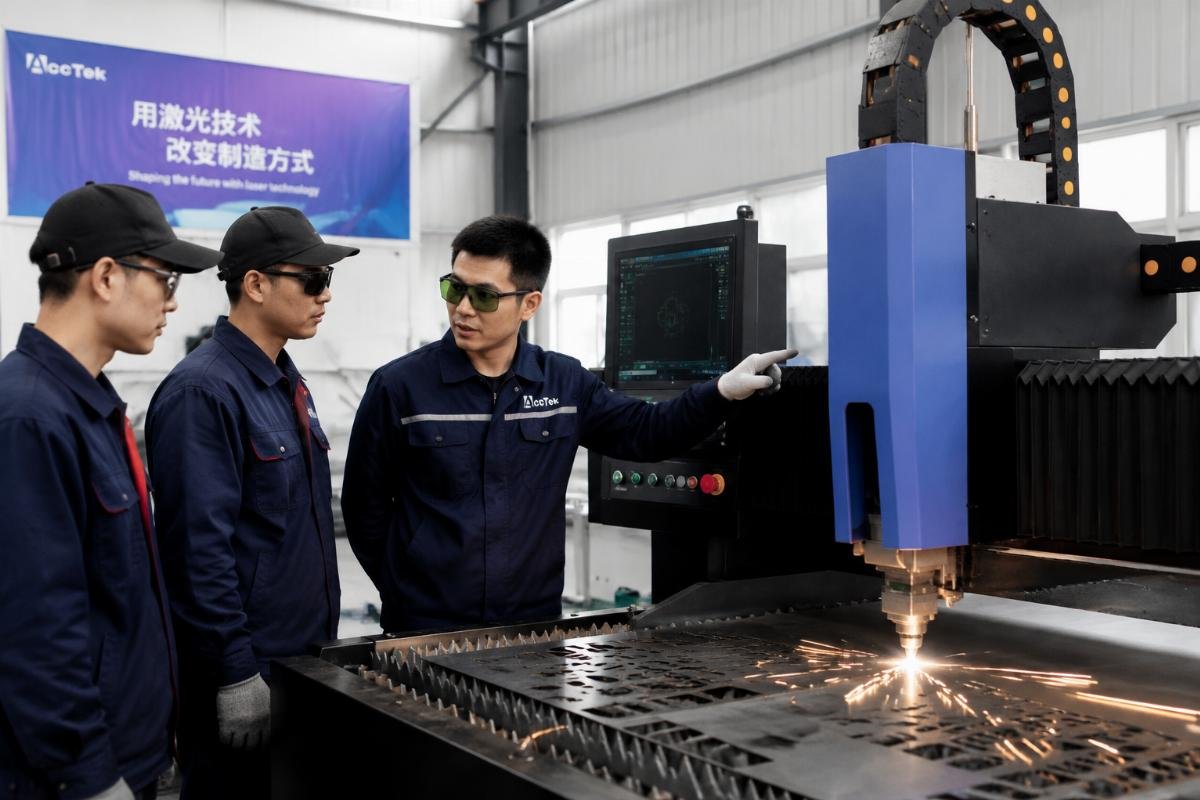
- Customization Confirmation – Explicitly confirm the supplier can modify worktable dimensions, tool configurations and branding to your exact requirements.
- Lead Time Lock – Get written confirmation of production and shipping timelines before committing to a purchase.
- Certification Review – Verify all required export and safety certifications are valid for your target market.
How to avoid common pitfalls when purchasing insulation CNC cutting machines?
Three most frequent purchasing mistakes lead to 30% higher long-term operational and maintenance costs for insulation contractors. The first is ignoring the full list of applicable materials for a given machine, the second is accepting vague after-sales support terms, and the third is only comparing upfront purchase prices rather than full 3-year total cost of ownership.
| Common Pitfall | Cost Impact of Mistake | Mitigation Step |
|---|---|---|
| Overlooking material compatibility | 20-25% higher material waste from inconsistent cut quality | Request test cuts for every material type you process regularly |
| Vague after-sales terms | 40% higher annual maintenance costs from paid service calls | Require written confirmation of all support terms before ordering |
| Focus only on upfront price | 30% higher total 3-year operational cost | Run a full ROI calculation including maintenance and material waste savings |
A Southeast Asian construction insulation firm recently ordered a custom OEM-sized cutting worktable from a certified Chinese vendor with a 1-unit minimum order requirement, and the unit supports a monthly processing capacity of 12,000 square meters of insulation board. [NEED_CITE: Total 3-year ROI calculation for insulation cutting equipment includes purchase price, annual maintenance costs and material waste reduction] They were able to avoid the bulk inventory cost of a 5-unit minimum order quoted by another supplier, allowing them to allocate budget to additional raw material stock instead.
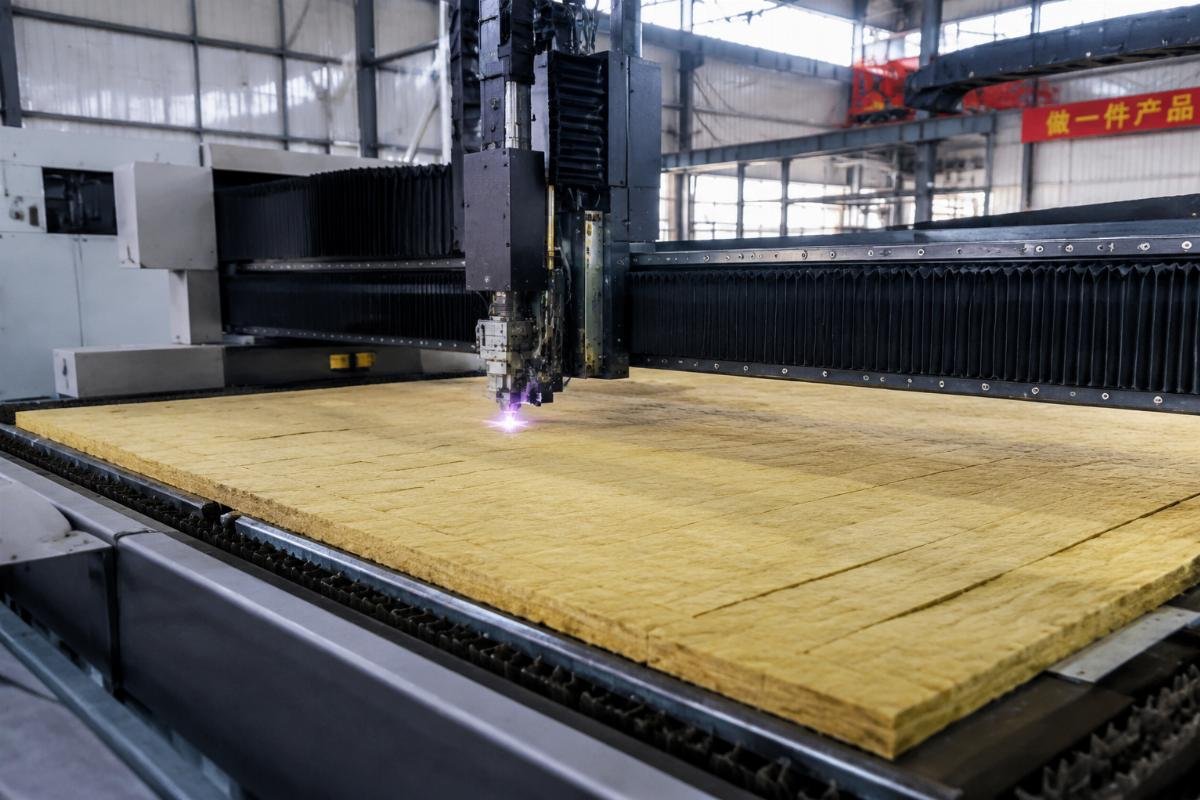
- Test Cut Requirement – Always request a free sample cut of your actual production materials with a recorded test video before placing an order.
- Support Term Documentation – Get all after-sales, warranty and training commitments in written form from the supplier.
- ROI Calculation – Run a 3-year cost comparison across at least 3 qualified suppliers to account for all long-term costs.
What after-sales support guarantees should you require from your cutting machine supplier?
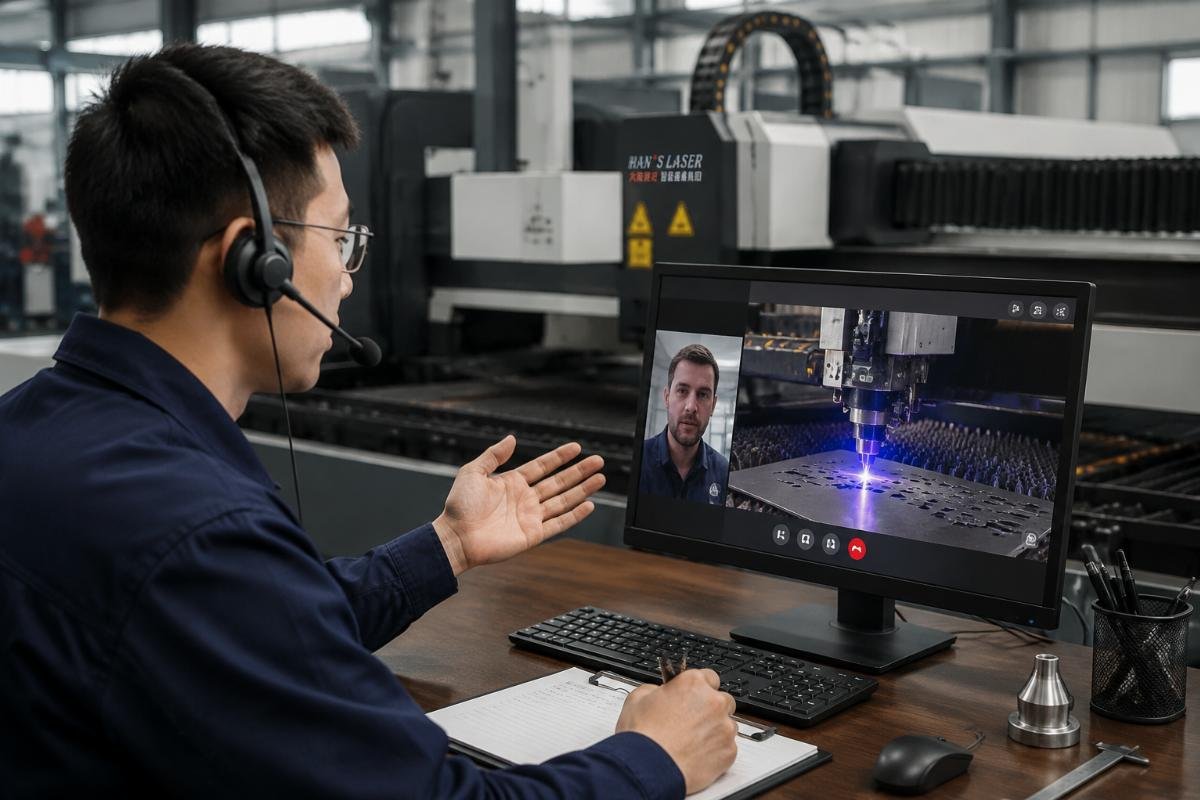
Standardized, clear after-sales support from your supplier reduces equipment downtime rates by more than 60% over the machine’s operational lifespan. For insulation processing teams that rely on consistent output to meet contract deadlines, even 1 day of unplanned downtime can lead to missed delivery windows and client penalties.
The core non-negotiable support terms include a 3-year full machine warranty, 24/7 online technical support, free on-site installation and operator training, and lifelong free software upgrades. These terms are standard for certified Chinese specialized cutting equipment manufacturers, and eliminate the need for costly third-party maintenance contracts common with imported equipment.
- Warranty Scope Confirmation – Confirm the 3-year warranty covers all core components including cutting tools and control systems.
- Upgrade Commitment – Get written confirmation that all future software updates for the machine will be provided at no additional cost.
- Response Time Guarantee – Verify the supplier offers 24/7 support for urgent downtime issues to avoid extended production stops.
