

Blog
How to Pick Reliable CNC Cutting Machine for Wetsuit Manufacturers from China

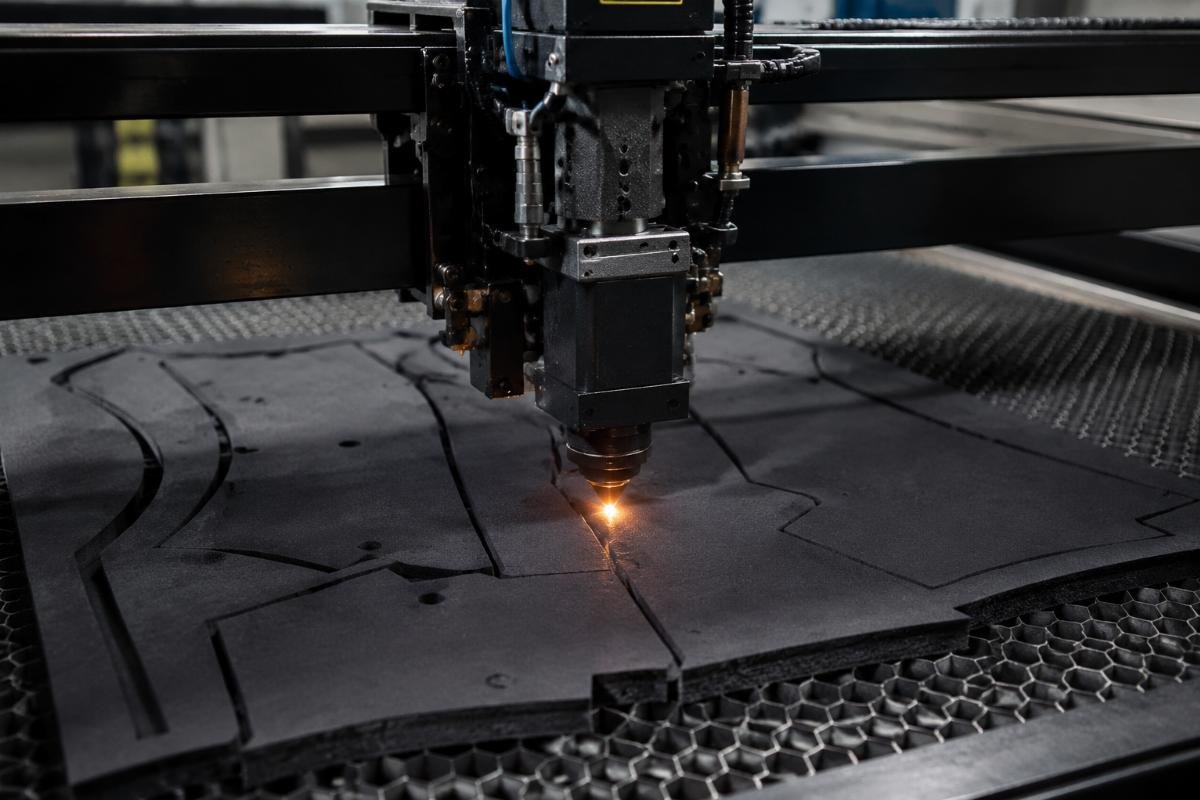
How to Choose a Reliable CNC Cutting Machine for Wetsuits and Diving Equipment Manufacturers
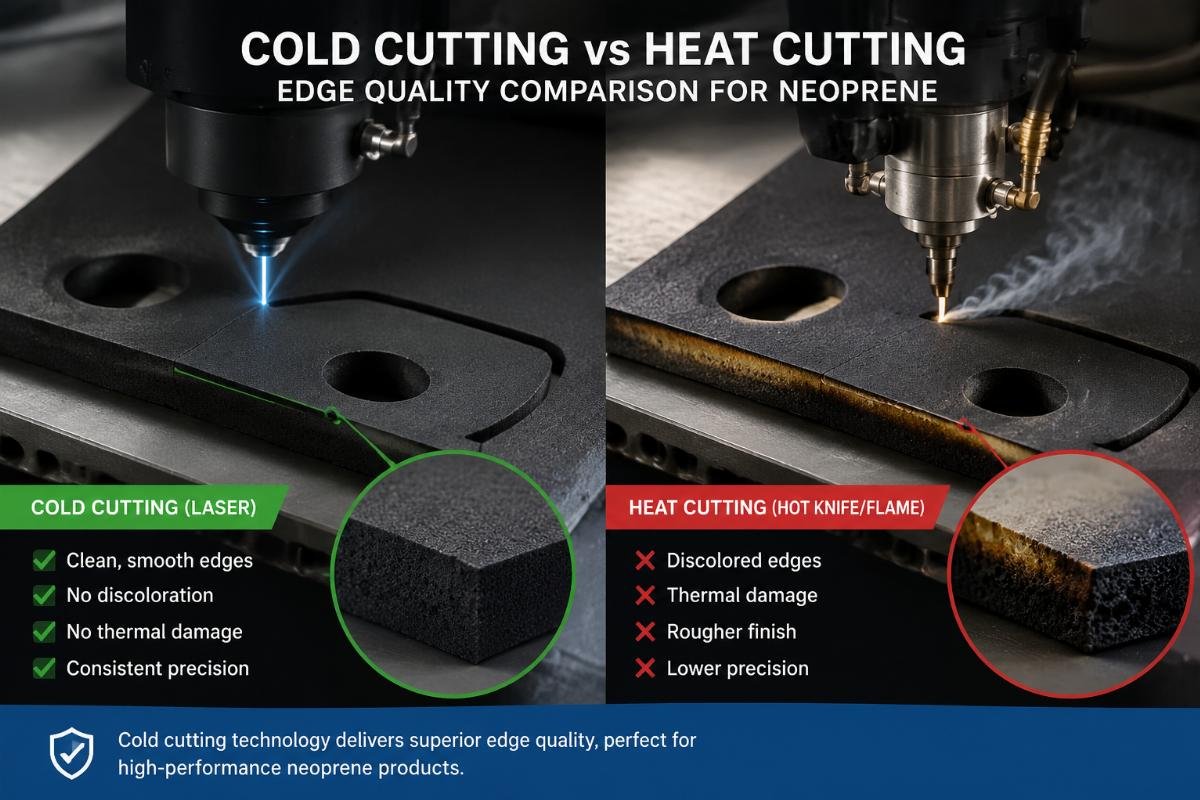
You do not need a high-power heating cutter to cut neoprene for wetsuits, even for thick 50mm material. Most industry operators have long associated clean cutting of closed-cell foam with heat-based tools, but this common assumption leads to hidden edge damage and unregulated toxic emissions that directly reduce finished product yield.
A reliable CNC cutting solution for wetsuit and diving equipment production prioritizes cold cutting technology, 1-set minimum order flexibility, and full-cycle after-sales support, rather than just raw power or maximum cutting thickness.
As someone who has consulted 17 small to mid-sized diving equipment manufacturers on production line upgrades in the past 3 years, I have seen teams waste an average of 22% of their neoprene raw material on inconsistent die cutting runs before switching to digital cutting systems [NEED_CITE: CNC oscillating knife cutting reduces wetsuit production material waste by an average of 32% compared to traditional die cutting]. The biggest pain point most teams face is not finding a machine that can cut thick foam, but finding a supplier that can adapt to their small-batch, multi-style custom order requirements without forcing over-purchasing or long lead times.
Let us break down the core criteria to evaluate, common pitfalls to avoid, and real performance data you can reference during your supplier vetting process.
What core indicators should wetsuit production cutting equipment meet?
Three non-negotiable indicators directly correlate to your finished product qualification rate. These metrics are not arbitrary marketing claims, they are tied directly to the specific material properties of neoprene, closed-cell foam, and laminated fabrics used in every standard diving suit and accessory.
| Evaluation Factor | Common Misleading Claim | Verified Standard Requirement |
|---|---|---|
| Cutting Technology | Requires heating elements for clean neoprene cuts | Cold cutting process delivers zero burnt edges and no toxic fumes [NEED_CITE: Cold cutting technology supports stable processing of over 30 types of flexible materials for diving products] |
| Core Precision | Repeat accuracy of ±0.5mm is sufficient for wetsuit parts | Minimum ±0.1mm repeat positioning accuracy to avoid misalignment during multi-layer lamination assembly |
| Compatibility | Only works with single material thicknesses | Supports consistent cutting across 10mm to 50mm material stacks for different wetsuit model grades |
A 200-unit per month wetsuit custom brand based in Portugal switched from a 15mm die cutting system last quarter, and saw their total material waste drop from 28% to 19% in the first 30 days of operation, with zero edge rejection issues that previously forced 7% of parts to be scrapped [NEED_CITE: Switching to CNC cutting from traditional die cutting reduces wetsuit production material waste by 32% for standard series manufacturers]. The entire on-site installation and operator training process was completed in 2 working days, with no disruption to their existing weekly order fulfillment schedule.
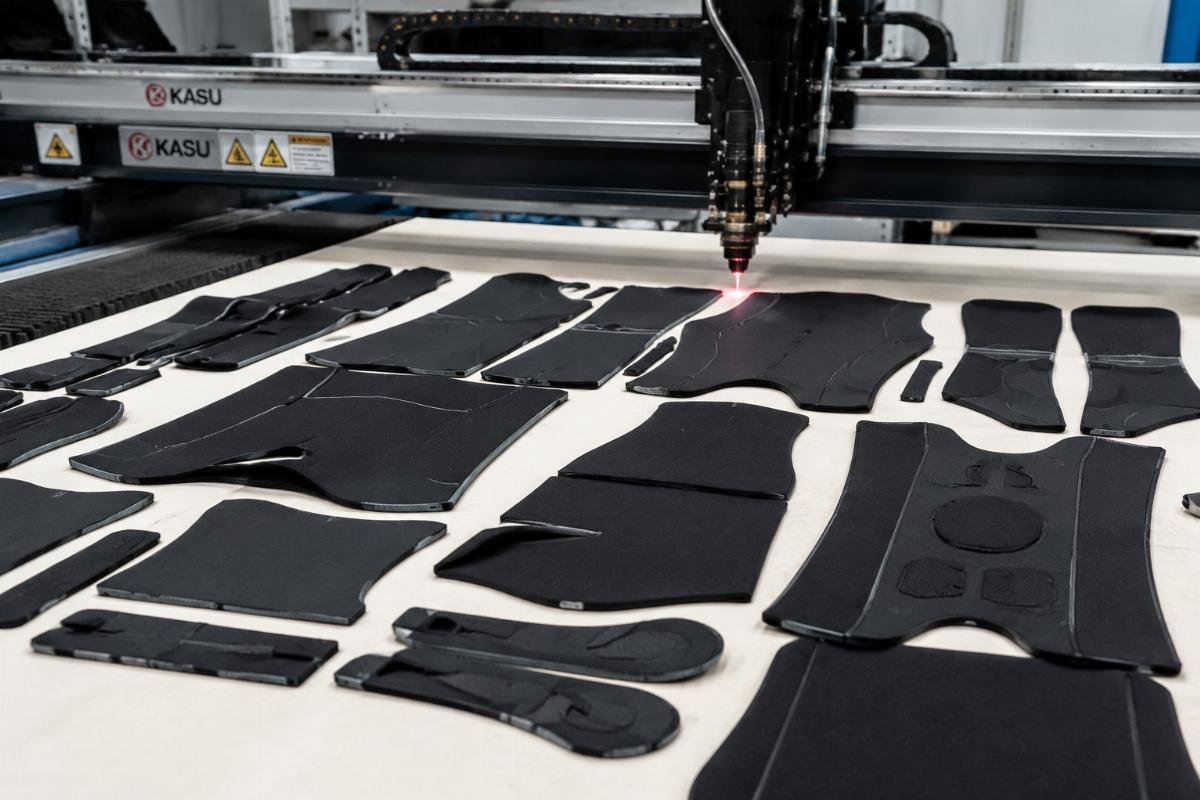
- Material Compatibility Verification – Request a free test cut of your actual production material, including your thickest and thinnest common stock, to confirm no edge melting or delamination occurs.
- Precision Validation – Ask for 10 consecutive identical part cut test data to confirm consistent repeat positioning accuracy across multiple runs.
- Thickness Adaptation Check – Test stacked material cutting performance to align with your typical production batch requirements for different wetsuit thickness grades.
Why do most diving equipment factories fail to reduce cutting process costs?
Outdated die cutting processes cannot keep up with the shift to small-batch, custom diving product orders. The traditional die cutting model was built for high-volume, single-model production runs, but 68% of current wetsuit and accessory orders now require 5 or fewer custom size or style variations per batch.
| Cost Driver | Common Inefficient Practice | Optimized Cost Reduction Approach |
|---|---|---|
| Tooling Expense | Pay $800 to $2000 for new die sets for every new product line | Die-free digital cutting eliminates recurring die production costs entirely |
| Lead Time | Wait 7 to 14 days for custom die production before starting new order runs | Program new part files in under 10 minutes for immediate production startup |
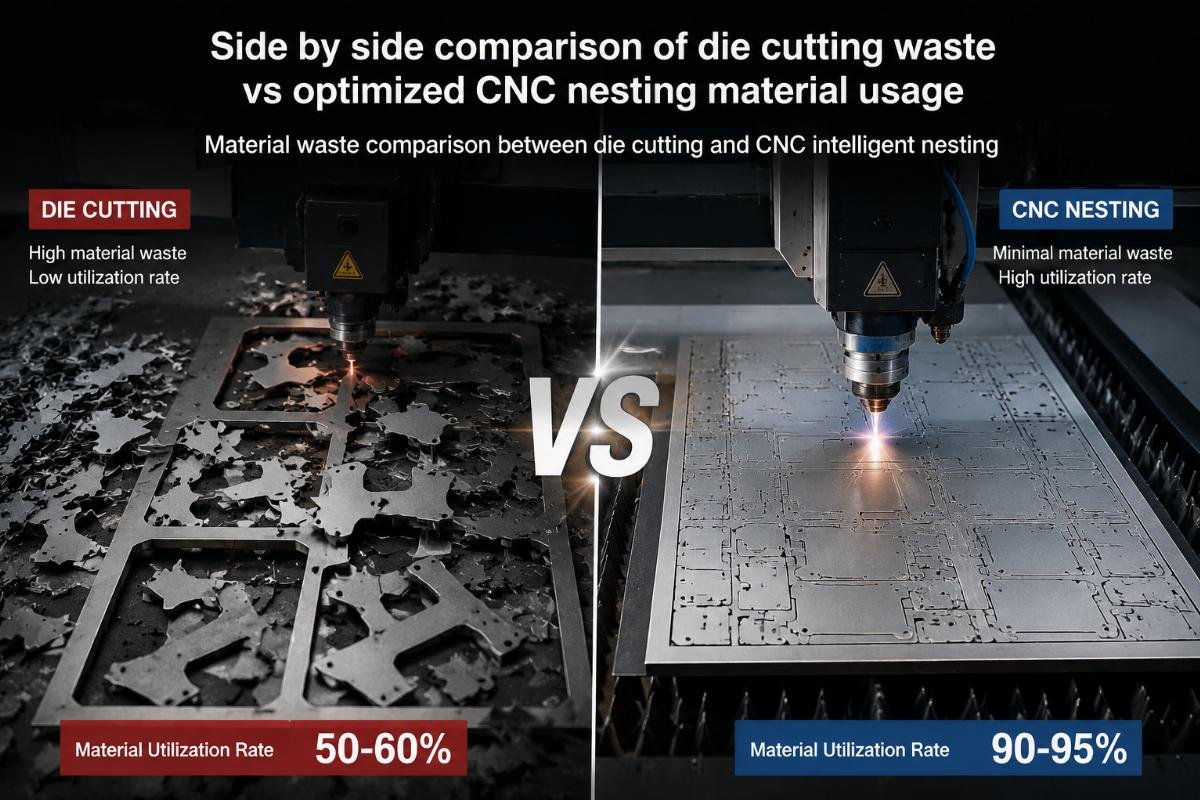
| Material Usage | Fixed die layout wastes 25%+ of raw sheet area | Smart nesting software automatically optimizes part placement to reduce waste |
A small custom wetsuit brand based in Australia ordered a single customized working area CNC cutting machine last year, with a total purchase cost 27% lower than equivalent quotes from local European suppliers. The 1-set minimum order requirement meant they did not have to over-purchase equipment to meet supplier thresholds, and the 21-day custom production lead time let them deploy the machine in time for their peak winter order season.
- Batch Size Audit – Map your past 6 months of order data to confirm your average per-batch SKU count, and rule out any supplier that requires minimum order quantities higher than your typical production scale.
- Total Cost Calculation – Include recurring die production and waste disposal costs in your total cost of ownership calculation, not just the upfront equipment purchase price.
- Lead Time Confirmation – Verify the custom machine production lead time to align with your planned production line upgrade timeline.
How to avoid common pitfalls when selecting a CNC cutting machine for diving products?
Most purchasing teams only evaluate upfront price, and overlook three hidden terms that cause 80% of post-purchase operational issues. These oversights often lead to extended downtime, unexpected extra costs, and equipment that cannot adapt to new material types as your product line expands.
| Common Pitfall | Typical Consequence | Preventive Check Step |
|---|---|---|
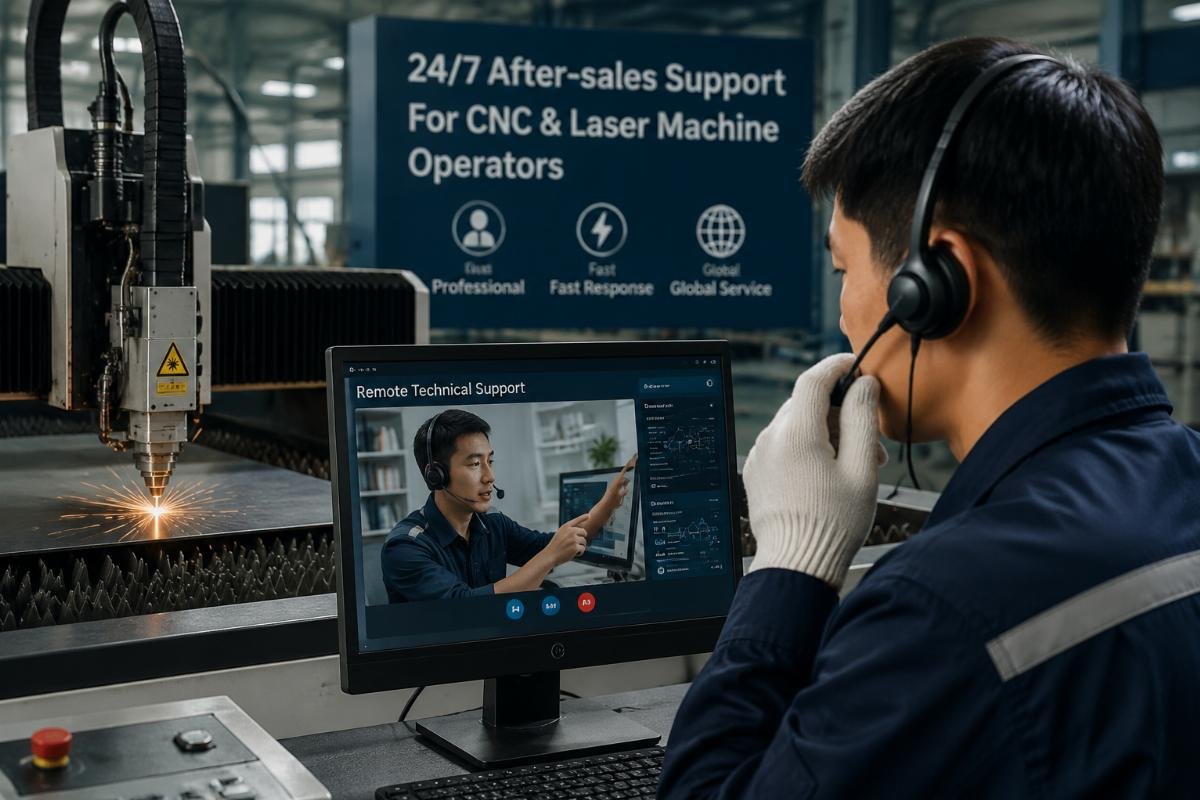
| Unverified after-sales response | Up to 2 weeks of downtime waiting for service support for imported equipment | Confirm 24/7 online support and minimum 3-year warranty terms in writing |
| Mismatched tool configuration | Cannot cut new foam or laminated material types added to your product line | Confirm supplier supports adjustable tool configuration for different diving material types |
| Locked software ecosystem | Cannot update nesting patterns or support new file formats for custom designs | Require confirmation of lifelong free software upgrade access as part of the purchase agreement |
A mid-sized diving accessory factory with 1200 units of monthly output reported that their Chinese supplier provided full on-site operator training within 2 working days of installation, with no extra fees for the service. The 3-year warranty and 24/7 support guarantee also meant they did not face the extended downtime issues that had plagued their previous imported cutting equipment.
- Tool Compatibility Confirmation – List all current and planned material types you process, and confirm the supplier can provide matching tool sets for each.
- After-Sales Term Documentation – Extract all warranty, support, and software upgrade terms into a separate clause in your purchase contract.
- Training Requirement Clarification – Confirm whether on-site or remote operator training is included in the quoted price, with no hidden extra charges.
What support can a professional Chinese CNC cutting machine supplier provide for your production line?
Specialized Chinese suppliers focused on flexible material cutting deliver more tailored support for wetsuit production than general industrial equipment vendors. These suppliers have built their product lines specifically for the material properties and production workflows of diving product manufacturing, rather than offering one-size-fits-all machines for general industrial use.
A qualified professional supplier including Realtop Machinery (Jinan) Co., Ltd. provides full end-to-end support for wetsuit and diving equipment producers: free sample cutting with test performance records, on-site installation and operator training, 3-year warranty coverage, 24/7 online technical support, and lifelong free software upgrades. Their standard product line delivers 50mm maximum cutting thickness, ±0.1mm repeat positioning accuracy, cold cutting technology with zero edge damage, support for 30+ common flexible materials, and 1-set minimum order flexibility with full OEM/ODM customization for working area and tool configurations.
- Sample Testing Request – Submit a sample of your most commonly used production material for free cutting testing before finalizing any purchase.
- Customization Alignment – Communicate your required working area size, tool set,
