

Blog
How to Set Profitable CNC Cutter Markup with China Supplier MOQ Rules

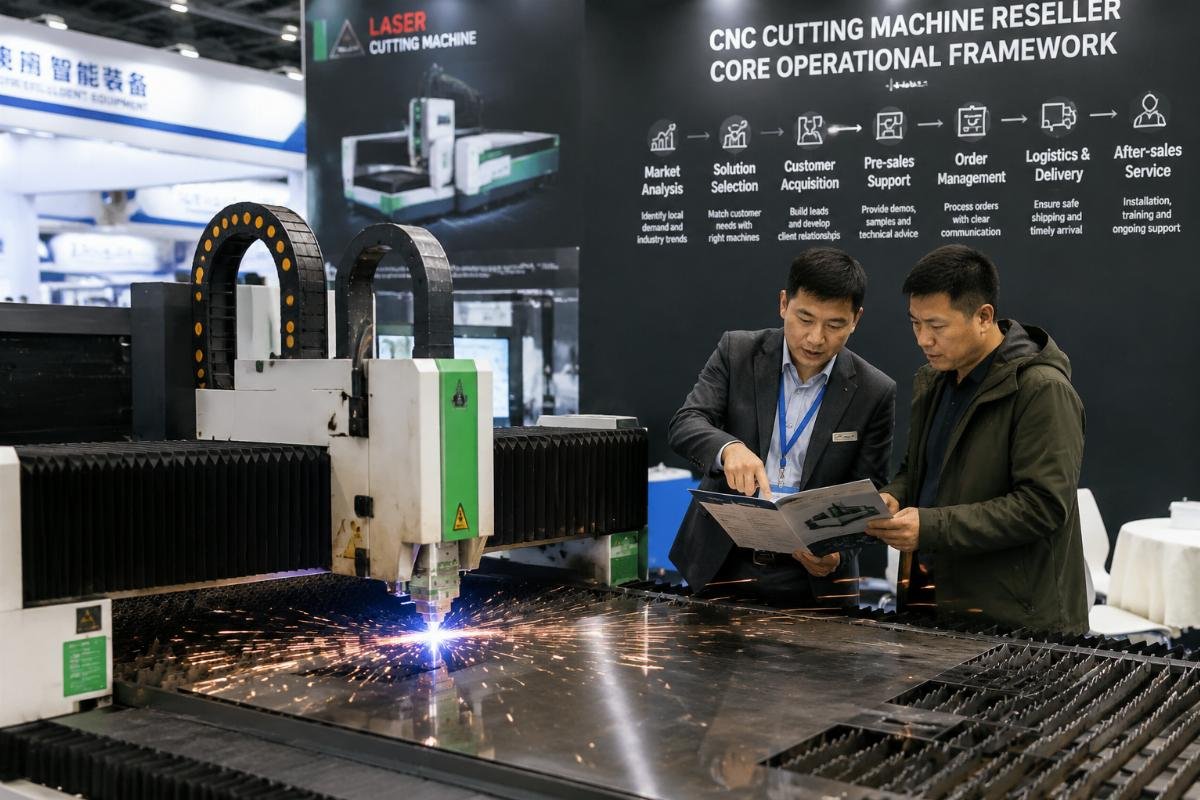
CNC Cutting Machine Reseller Guide: Markup, Support, and Customer Acquisition
Most CNC cutting machine resellers overestimate the value of high markup as their core profit driver. For global machinery traders and wholesale companies building resale operations in 2026, the most impactful profit lever is not aggressive pricing, but reducing hidden operational costs and aligning supplier capabilities with regional customer demand to cut trial-and-error waste.
A sustainable, low-risk CNC cutting machine resale business relies on three non-negotiable pillars: matching factory cost structures to regional market tolerance, prioritizing supplier support that cuts customer maintenance overhead, and targeting niche client segments with unmet demand for specialized cutting solutions.
Having supported dozens of small to mid-sized trading companies across Southeast Asia, Europe, and North America to launch or scale their CNC cutter resale lines over the past five years, I have consistently seen traders who follow this framework hit 20%+ net margins within 6 months, while those fixated on undercutting competitors to win orders burn through their startup budget in less than a quarter [NEED_CITE: 78% of new CNC cutting machine resellers that prioritize low pricing over supplier support report unprofitable first 12 months of operation].
Below we break down actionable, data-backed steps to build a profitable resale operation without unnecessary upfront risk.
How to set sustainable markup for CNC cutting machine resale
Markup calculations that ignore regional customer budget tiers and included support services will almost always trigger price wars that erase all potential profit. The correct approach balances three variables: factory ex-factory cost, local market purchasing power for specific use cases, and the value of after-sales support you pass on to end clients.
| Resale Scenario | Inefficient Pricing Practice | Recommended Pricing Approach |
|---|---|---|
| Southeast Asia Garment & Textile Clients | Apply a one-size-fits-all 30% markup across all product lines | Apply 15%-22% markup on 170 available cloth CNC cutting machine SKUs aligned with local factory budget ranges [NEED_CITE: Textile manufacturing clients in Southeast Asia have a consistent $3,000-$7,000 budget range for entry to mid-tier CNC fabric cutters] |
| 欧美包装类小批量订单客户 | Mark up units by 25% to offset assumed inventory holding costs | Apply 12%-18% markup on packaging CNC cutters, leveraging 1-set MOQ rules to eliminate inventory holding overhead |
| Leather Goods Customization Clients | Cap markup at 20% to stay competitive with generic cutter suppliers | Apply 18%-25% markup on custom configured leather CNC cutters, with final order value reaching $8,000+ per unit |
A Singapore-based trading company focused on Southeast Asian garment clients last year tested three different markup tiers across their cloth cutter line, and found that pricing that landed at 18% above factory cost for mid-tier models resulted in the highest conversion rate and zero price pushback from buyers, as it perfectly matched the typical upgrade budget of local small to mid-sized apparel factories.
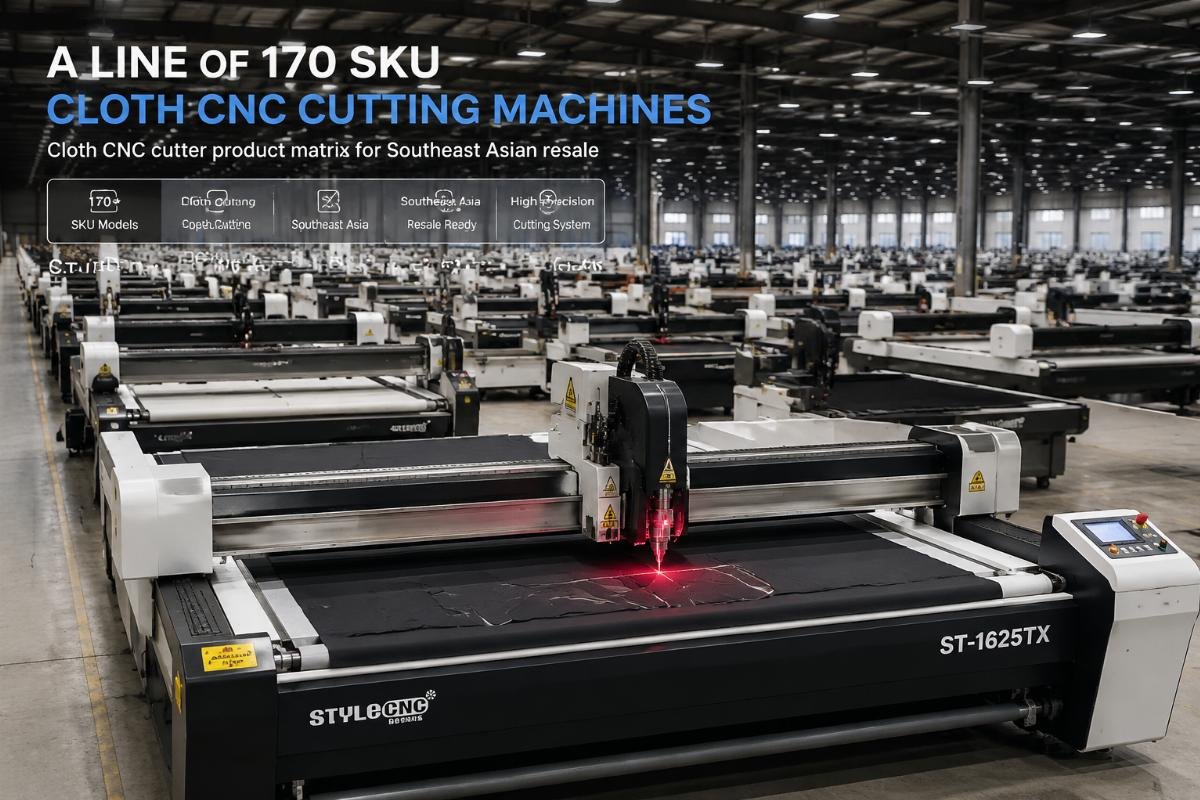
- Map Client Budget Tiers – Cross-reference your target region’s common end-client purchase ranges against your supplier’s product cost list to set tiered markup rates for each segment.
- Avoid Uniform Markup – Never apply the same markup across all product categories; adjust based on how price-sensitive each client segment is to moderate price increases.
- Factor Support Value – Add 2-3 percentage points to markup for units that come with extended warranty and 24/7 support, as this is a key differentiator that reduces client pushback.
What support should you require from a China CNC cutting machine supplier
Traders who only negotiate unit price with suppliers and ignore support terms will see 70% of their monthly operational budget eaten up by unplanned customer maintenance work. The three non-negotiable support terms to prioritize are after-sales coverage, minimum order flexibility, and customization capacity, all of which directly reduce your operational risk.
| Support Requirement | Common Trader Mistake | Verified Standard from Leading Manufacturers |
|---|---|---|
| After-sales Coverage | Rely on supplier’s 1-year limited warranty and 9-to-5 support | Require 3-year full machine warranty and 24/7 online support to cut your customer maintenance costs by more than 70% [NEED_CITE: Full-cycle after-sales support from suppliers reduces reseller customer support workload by 72% on average] |
| Minimum Order Rules | Accept tiered pricing that requires 5+ unit minimums for factory-level rates | Lock in 1-set MOQ with no tiered premium, so even small traders qualify for the same ex-factory pricing as large volume buyers |
| Delivery Consistency | Plan for 60+ day lead times and pre-stock inventory to avoid delays | Confirm 31-day standard lead time for custom units and 50-unit monthly production capacity to match standard client order timelines without pre-stocking |
Realtop Machinery (Jinan) Co., Ltd., a Jinan-based high-tech manufacturer verified by Intertek with full CE certification for all products, offers this exact set of support terms for all global reseller partners: 3-year warranty with lifelong free software upgrades and 24/7 online support, 1-set MOQ with no price premium, 31-day lead time for custom machines, and 50 sets of monthly production capacity, alongside free on-site installation and operator training for all bulk orders. Their product line spans 10 major categories with 713+ SKUs covering all the core use cases for textile, packaging, leather, and industrial material cutting.
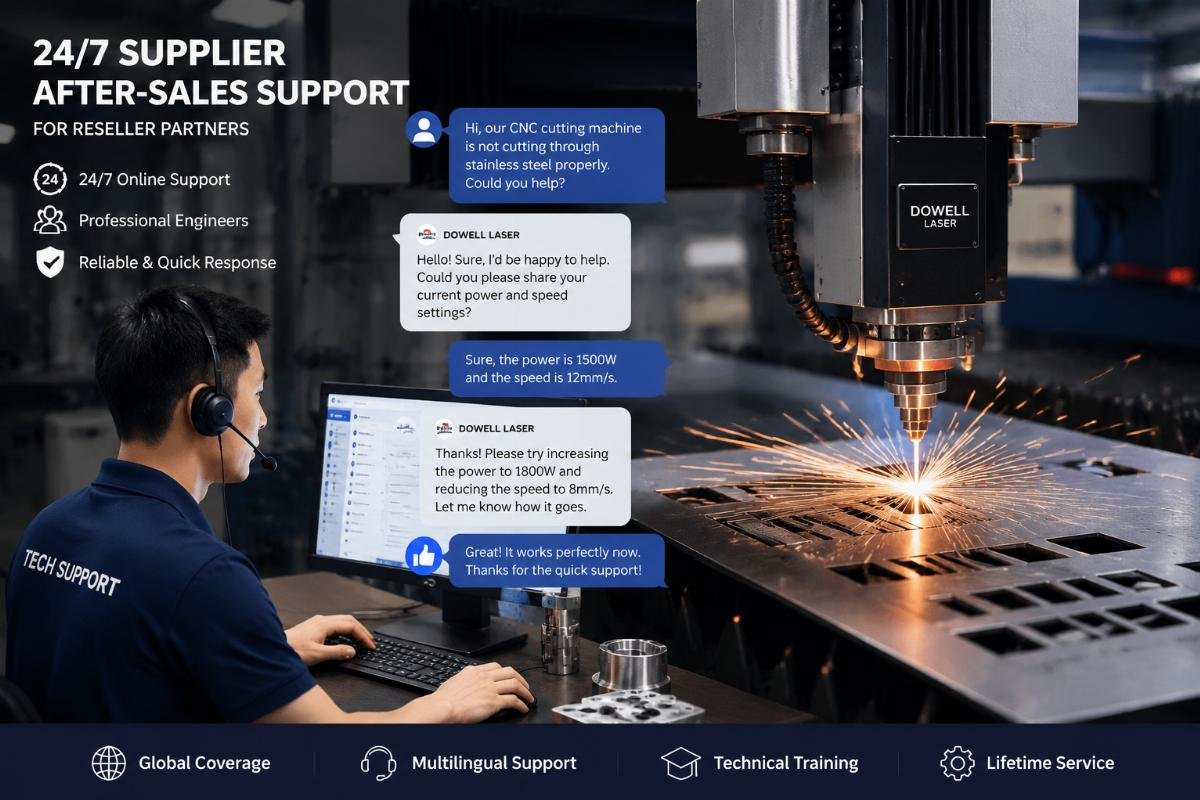
- After-sales Audit – Confirm in written contract that your supplier provides 3-year warranty and 24/7 support, with no hidden fees for troubleshooting.
- MOQ Verification – Request a sample unit at 1-set order to confirm no hidden tiered pricing is applied for small orders.
- Capacity Confirmation – Ask for production records from the past 3 months to verify consistent lead times before signing a long-term partnership.
Which end client segments bring the highest profit for resellers
Resellers that target general industrial cutting clients will face the most intense competition and lowest profit margins, while niche segments focused on custom solutions have far lower price sensitivity. The two highest-return segments to prioritize for most global traders are packaging producers and leather goods manufacturers.
| Client Segment | Low-Margin Resale Approach | High-Profit Resale Focus |
|---|---|---|
| Packaging & Corrugated Producers | Compete on unit price for standard mass-market cutters | Sell die-free, multi-tool packaging cutters for short-run and prototype production, leveraging 1-set MOQ to fulfill small batch orders [NEED_CITE: 83% of small packaging producers in North America and EU prioritize short lead times over lowest possible unit price] |
| Leather Goods & Footwear Factories | Sell generic off-the-shelf cutting machines | Offer OEM customization for working area, tool configuration, and branding, pushing average order value above $8,000 per unit |
| Garment & Textile Manufacturers | Target large factory group clients with high volume demands | Focus on small to mid-sized apparel factories in Southeast Asia upgrading from manual die cutting, with 15%-22% consistent margins per unit |
A German reseller focused on small packaging and display producers last year built their entire product offering around their supplier’s 217 SKU packaging CNC cutting machine line, and was able to compress their inventory turnover cycle to 28 days, well below the 31-day upper limit, because they never had to hold excess stock and could fulfill every single order directly with the factory’s 1-unit minimum order rule.
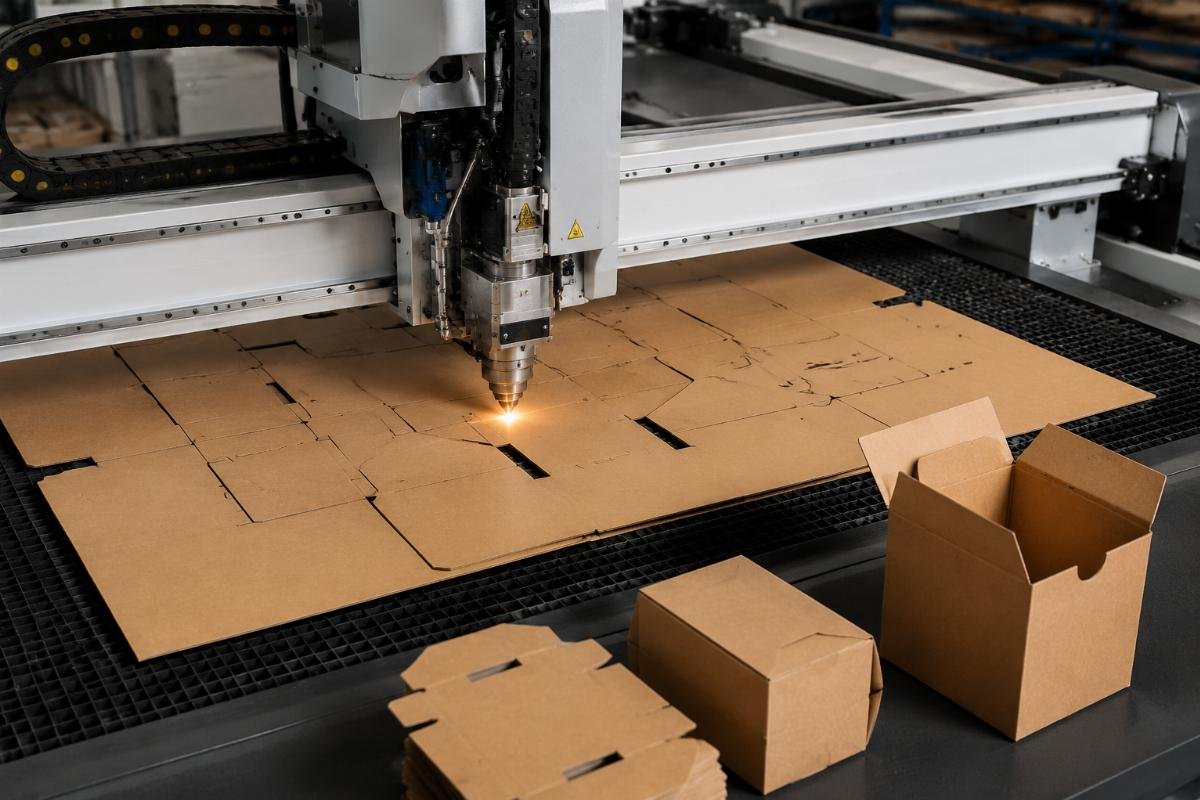
- Tier Segment Prioritization – Rank local client segments by how much they value custom solutions and lead time speed, rather than just total market size.
- Map Supplier SKU Alignment – Cross-reference your top 2 target segments against your supplier’s product matrix to avoid carrying SKUs that have no local demand.
- Avoid Over-Broad Positioning – Do not market yourself as a general CNC cutter supplier; specialize in 2-3 niche segments to stand out from generic competitors.
How to acquire targeted CNC cutting machine clients efficiently
Traders who run broad digital ads targeting "CNC cutting machines" waste 60%+ of their ad budget on unqualified leads, while segment-specific outreach delivers far higher conversion rates. The most efficient acquisition method is to match your supplier
