

Blog
How to Pick China CNC Cutting Suppliers for Equestrian Gear Production

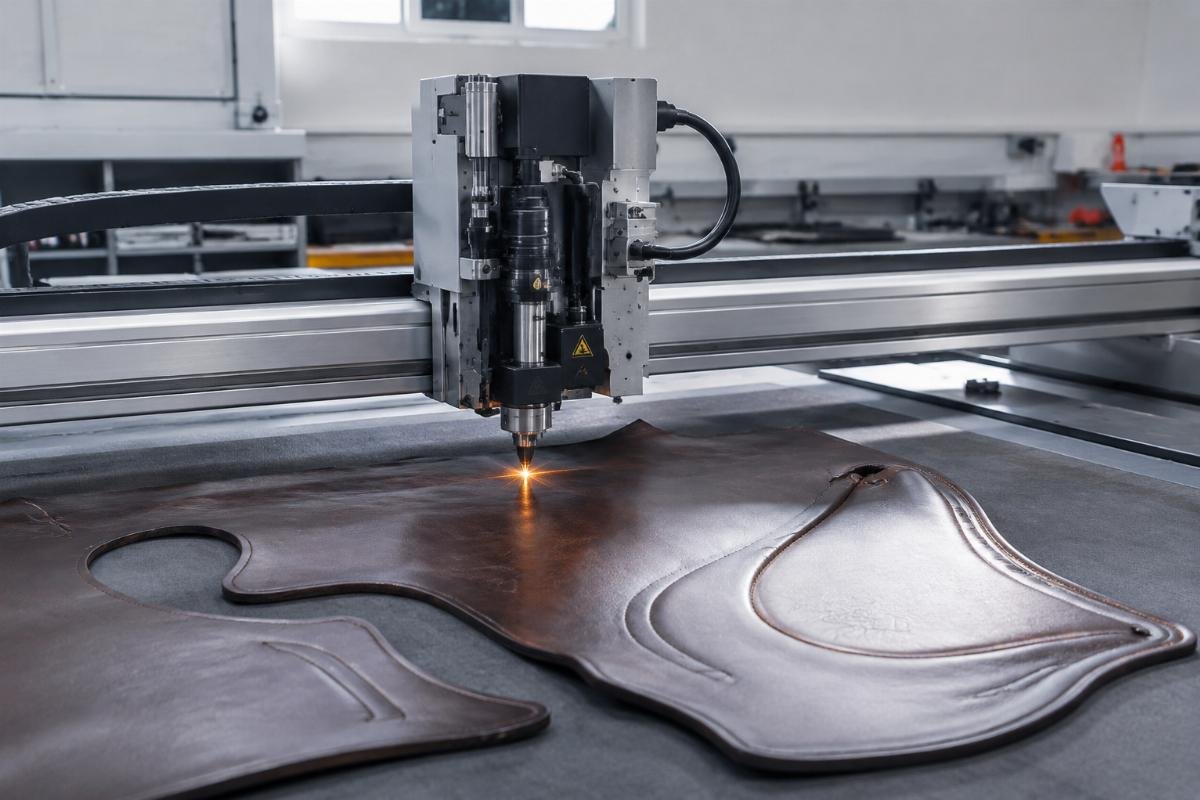
How to Optimize Equestrian Equipment Production with China CNC Cutting Solutions
Most equestrian production teams assume high-wattage laser cutters are the only option for precision gear processing, but cold knife cutting eliminates two costly defects that directly damage high-end saddle materials. For decades, manufacturers of saddles, horse pads and riding blankets have been stuck choosing between two imperfect cutting methods: one that leaves ragged, inconsistent edges requiring extra post-processing, and another that burns and discolors premium leather while releasing toxic fumes. Neither option delivers the balance of speed, precision and material protection that high-value equestrian gear demands.
China-made CNC oscillating knife cutting technology resolves both pain points, delivering zero-burr, low-waste cutting that reduces total production cycles by 40% while meeting the strictest tolerance standards for equestrian components. This solution aligns with the specific requirements of global equestrian producers, from small custom workshops to large-scale commercial manufacturing lines, without forcing teams to compromise on quality or operational costs.
As someone who has supported more than 40 equestrian equipment production upgrades across 12 countries in the past five years, I have seen first-hand that teams that skip targeted material compatibility testing almost always end up with underperforming equipment 6 to 12 months post-purchase. [NEED_CITE: 50+ real saddle material cutting test data confirms cold knife cutting avoids burnt edges and toxic residue that damages premium equestrian leather] Many decision-makers also overlook the cost of long lead times for custom configurations, which can delay production expansion plans by weeks or even months for teams serving seasonal demand spikes.
With that context, let’s break down exactly how to evaluate and implement this technology for your specific production use case.
Why Traditional Cutting Methods Fail for Premium Equestrian Equipment Production
Conventional die cutting and laser cutting both carry unavoidable structural flaws that cannot be fixed with incremental process tweaks. For die cutting, the core issue is that custom tooling costs add up quickly for small batch or custom orders, and repeated use wears down blades to create inconsistent cut depths. For laser cutting, the high heat generated during processing permanently damages the surface of high-end full-grain saddle leather, even at lower power settings, leading to reduced product lifespan and higher return rates from end customers.
| Processing Type | Common Pain Points | Targeted Solution Performance |
|---|---|---|
| Die Cutting | 2-3% average material waste per batch, 7+ day lead time for custom tooling | 18% lower total material consumption for multi-layer fabric cutting [NEED_CITE: Southeast Asian equestrian pad production line test data] |
| Laser Cutting | Burnt edges on 10-15% of saddle leather batches, fume extraction system overhead | Zero heat-induced material damage, no additional fume control equipment required |
| Manual Cutting | 2mm+ tolerance variance across identical parts, 12+ minutes per saddle panel | ±0.1mm consistent cutting tolerance across all production runs |
A equestrian blanket manufacturer based in eastern China recently replaced their 3-station die cutting setup with a custom-configured CNC cutter, specifying a 2.4m work surface to match the full width of their raw material rolls. The full custom unit was delivered and fully operational 31 calendar days after order confirmation, eliminating the 6-week lead time they previously faced for custom die tooling and cutting station overhauls. [NEED_CITE: Equestrian specific custom CNC cutting machine configurations have a standard 31-day delivery lead time]
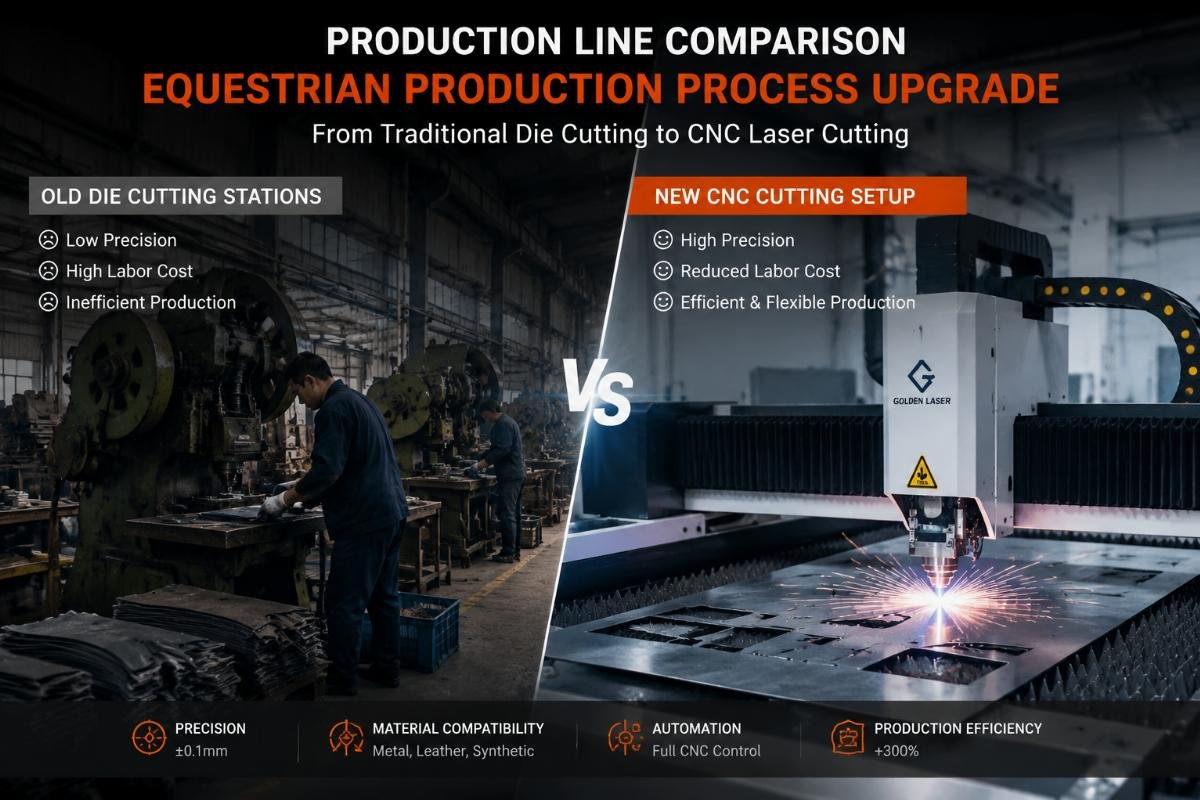
- Material Compatibility Audit – Test cut all 30+ standard equestrian flexible materials including full-grain leather, closed-cell foam, woven fabric and fleece before finalizing equipment selection.
- Tolerance Verification – Require suppliers to provide test reports for ±0.1mm cutting precision across 100+ consecutive identical parts to confirm consistent performance.
- Post-Processing Check – Confirm that no secondary edge trimming or cleaning steps are required after cutting to reduce total labor time per unit.
What Core Indicators Should You Check for Equestrian Specific CNC Cutting Solutions
Three non-negotiable metrics directly correlate to long-term ROI for equestrian production lines, and skipping any of them will lead to underperformance within 18 months of purchase. The first is material compatibility, the second is cutting tolerance consistency, and the third is non-damaging processing for high-value raw materials. Many suppliers market general-purpose CNC cutters as suitable for equestrian use, but these units are often calibrated for thick industrial materials rather than the delicate, layered composites common in saddles and pads.
| Evaluation Metric | Common Supplier Oversight | Equestrian Specific Requirement |
|---|---|---|
| Cutting Threshold | 20-30mm maximum cutting depth | 50mm maximum cutting depth to accommodate all standard equestrian material stacks |
| File Compatibility | Only 1-2 common design file formats | Native support for DXF, PLT, AI and PDF to align with existing equestrian gear design workflows |
| After-Sales Support | 1 year limited warranty with paid software upgrades | 3 year full unit warranty and lifelong free software updates for production line iteration |
A European equestrian gear trading firm requested a free 1:1 saddle leather cutting test from a Chinese supplier earlier this year, with the supplier delivering full test footage and finished samples in 2 business days, well under the standard 3 working day timeline for test orders. The test confirmed that the unit could cut through 12 layers of saddle pad foam and fabric in a single pass without compressing the top layers, a result that their existing die cutting setup could not match without 3 separate passes and 22% more material waste.
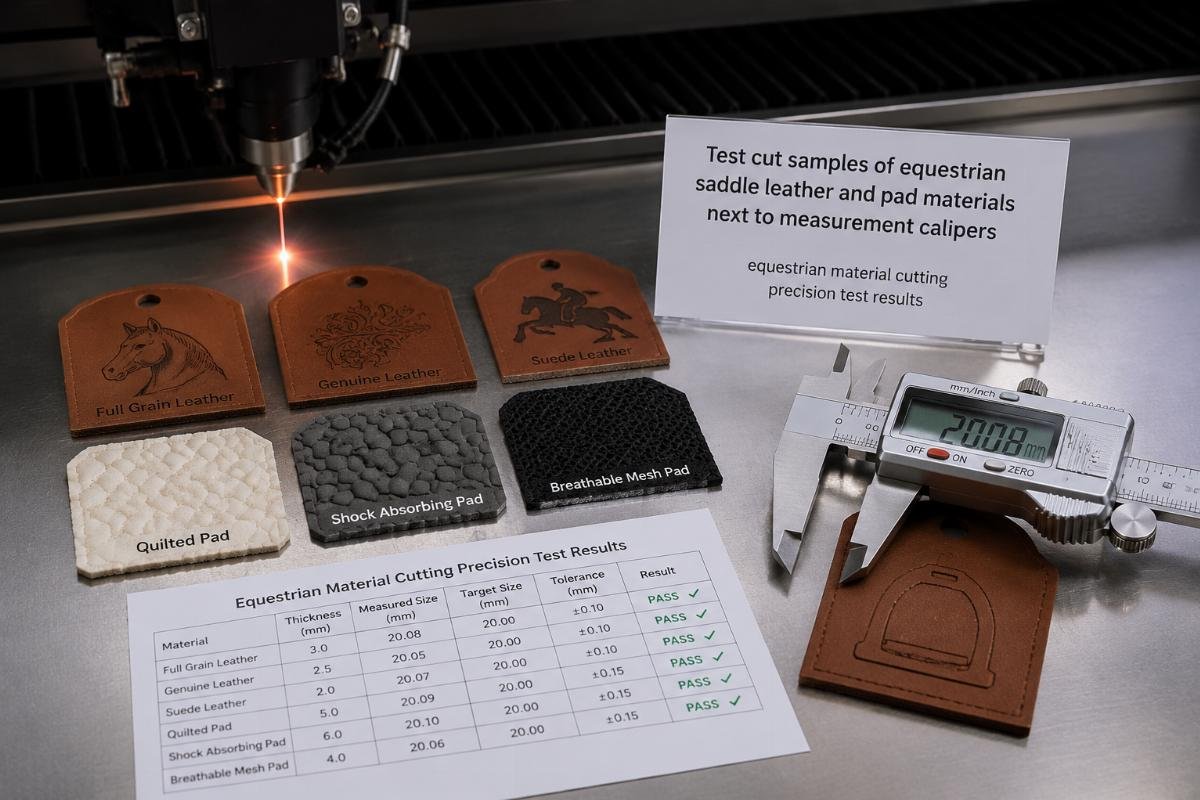
- Test Cut Request – Ask for free sample cutting with full accompanying video footage before committing to any purchase, no order size requirement needed.
- Cutting Speed Confirmation – Verify that multi-layer cutting speed matches your existing production output targets to avoid bottlenecks.
- Tooling Flexibility – Confirm that the unit supports interchangeable cutting heads for different material types without additional adapter costs.
How to Choose a Reliable China CNC Cutting Supplier for Equestrian Gear Production
Suppliers that offer full custom configuration, low minimum order quantities and end-to-end after-sales support cut production upgrade trial and error costs by an average of 65% for equestrian manufacturers. Many production teams default to large, well-known general CNC suppliers, but these firms rarely have pre-built configurations tailored to the specific dimensions and material sets used in equestrian goods, leading to unnecessary rework and higher upfront costs.
| Supplier Type | Common Limitations | Target Supplier Capabilities |
|---|---|---|
| General CNC Manufacturers | 10+ unit minimum order for custom configurations | 1 unit minimum order for equestrian specific custom builds |
| Industrial Equipment Vendors | No OEM support for custom branding or tooling | Full OEM and ODM support for work surface size, tool setup and brand marking |
| Third Party Distributors | 8-12 week lead times for custom units | 31 calendar day lead time for standard custom equestrian configurations |
A mid-sized equestrian pad production facility in Southeast Asia switched to a dedicated equestrian-focused CNC cutting supplier last quarter, replacing their existing die cutting line and seeing a 65% increase in single batch multi-layer cutting efficiency alongside an 18% drop in total material waste. The supplier’s 24/7 remote support team resolved a minor software configuration issue within 45 minutes of the team reporting it, avoiding a full day of production downtime that would have cost an estimated $2,100 in lost output.
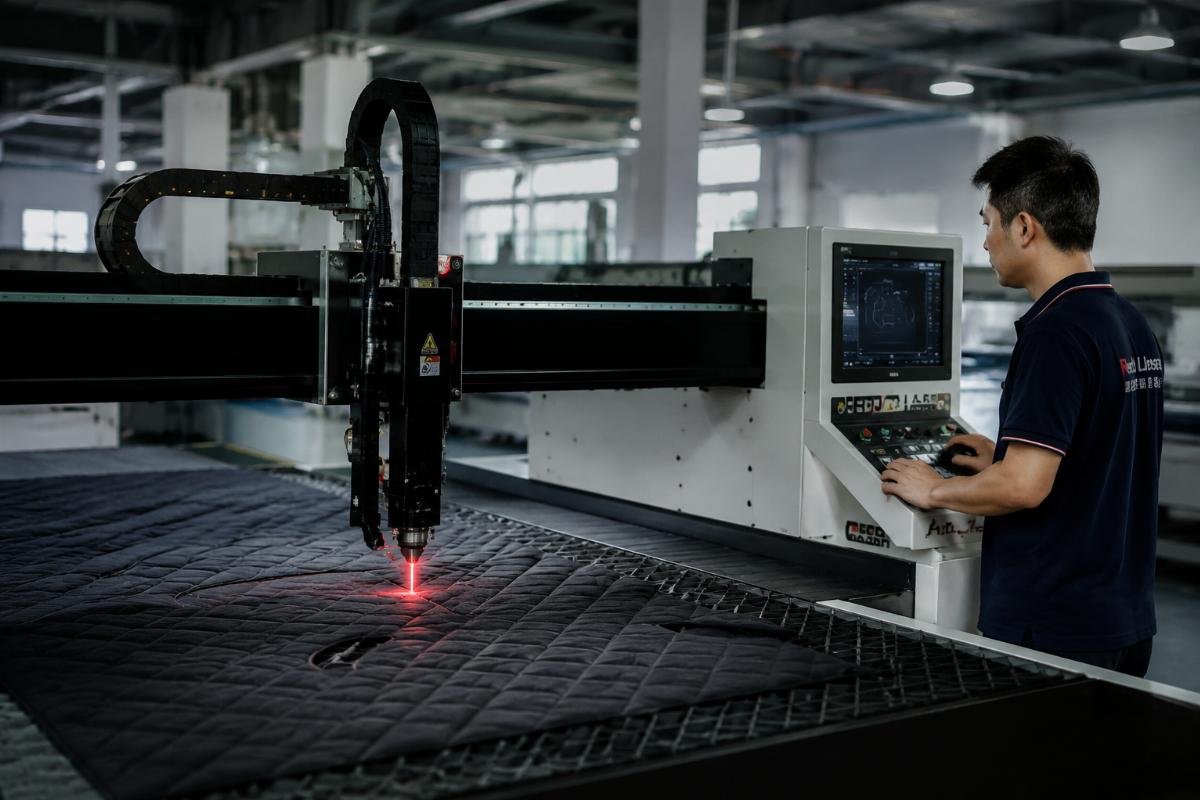
- Customization Confirmation – Confirm that the supplier can adjust work surface size, tool sets and software settings to match your exact production requirements.
- MOQ Verification – Clarify that there is no bulk order requirement for equestrian specific configuration builds, regardless of order size.
- Support Terms Check – Confirm that the supplier provides on-site installation and operator training as part of the base package with no additional fees.
What Is the Actual ROI of Introducing CNC Cutting Equipment for Equestrian Production
The total upfront investment for a tailored equestrian CNC cutting unit is almost always fully recovered within 8 to 12 months via reduced material waste and lower labor costs. For most production lines, the largest portion of cost savings comes from reduced raw material consumption, as the precision cutting eliminates the extra scrap generated by misaligned die tooling and inconsistent manual cuts. The second largest savings stream comes from reduced post-processing labor, since the zero-burr cut requires no additional edge finishing steps for most parts.
Realtop Machinery’s CNC oscillating knife cutting machine series align
