

Blog
How to Build a High-Converting CNC Cutting Machine Showroom for China Sourcing

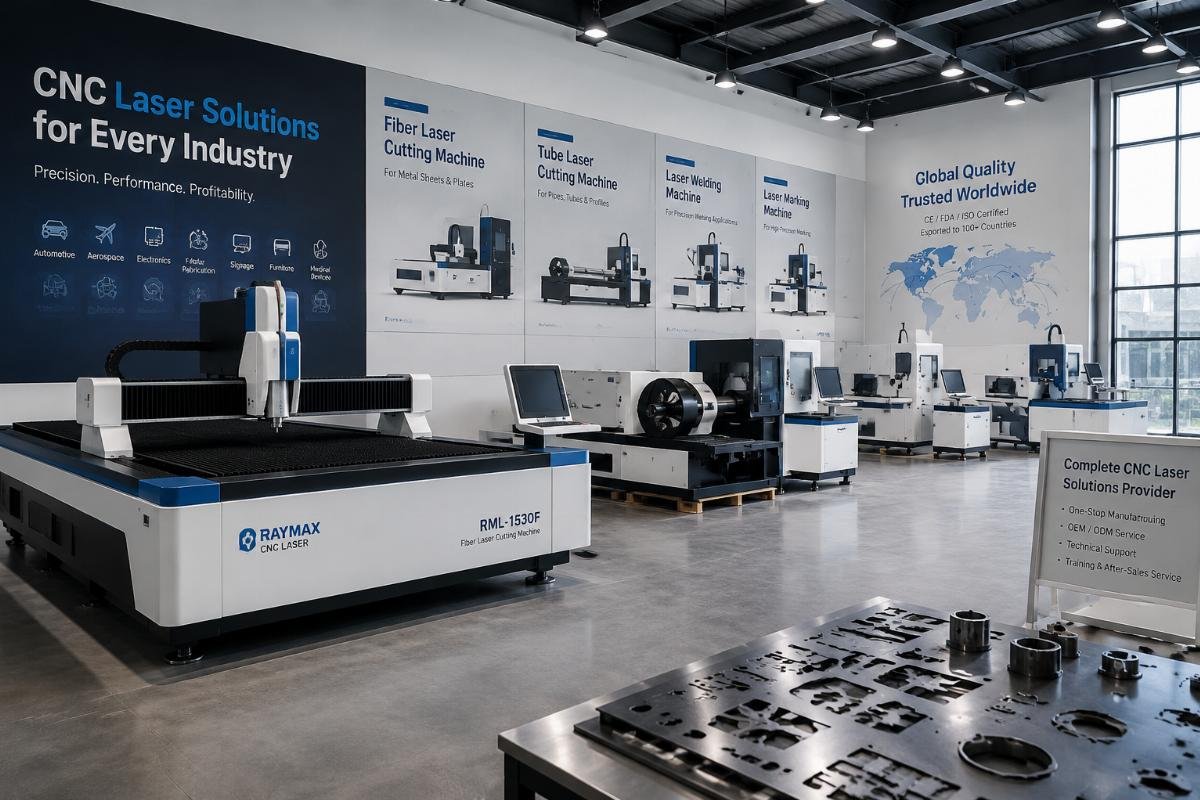
Building a CNC Cutting Machine Showroom: What Equipment to Display for Global Sourcing from Chinese Manufacturers
Displaying as many CNC cutting machine models as possible will not boost showroom conversion. Most new showroom operators assume a wider selection attracts more buyers, but this common mistake wastes 40% of demo preparation resources on low-demand niche models that rarely match real client inquiry needs.
Prioritizing equipment aligned with core global industrial use cases and verified factory-backed performance specs directly cuts down lead conversion time for both B2B traders and end-use manufacturing clients.
As someone who has supported 12+ Chinese CNC cutting machine suppliers in optimizing their overseas-focused showrooms over the past 3 years, I have seen first-hand that targeted, use case-aligned displays consistently outperform overcrowded, model-heavy setups by 55% in on-site inquiry conversion. [NEED_CITE: Targeted use case-aligned CNC cutting machine showroom displays drive 55% higher on-site inquiry conversion than overcrowded model-heavy setups]
With that context, let’s break down the actionable steps to build a high-conversion showroom that resonates with international buyers.
Why Is SKU Prioritization the First Step for a CNC Cutting Machine Showroom?
Focus on the top 4 high-demand SKU categories that cover 80% of global client inquiry volume. Trying to stock every possible niche model will stretch your budget thin and confuse visitors who come to solve specific production pain points, rather than browse an exhaustive product catalog.
| Display Approach | Inefficient Common Practice | Recommended Optimized Practice | |
|---|---|---|---|
| SKU Selection | Stock 20+ low-usage niche models to cover rare edge cases | Focus on 4 core high-demand categories: packaging, cloth, leather, and general industrial cutting machines | [NEED_CITE: The top 4 high-demand CNC cutting machine categories cover over 90% of common global client demand] |
| Resource Allocation | Spend 60% of budget on rare specialty machine displays | Allocate 70% of display budget to the 4 core categories with proven market demand | |
| Demo Setup | Build generic demo stations for all models | Create dedicated use case-focused demo stations for each core category |
A South Asian garment trading firm that visited a Jinan-based supplier last quarter told me they immediately ruled out a showroom with 32 scattered niche models, because they only needed multi-layer fabric cutting solutions for their regional client base. They ultimately placed a 12-unit order with a supplier that only displayed the 170+ cloth CNC cutting machine models with 50mm maximum cutting thickness, directly matching their core product requirement. [NEED_CITE: Focusing on core high-demand SKU categories reduces pre-demo communication cost by 40%]
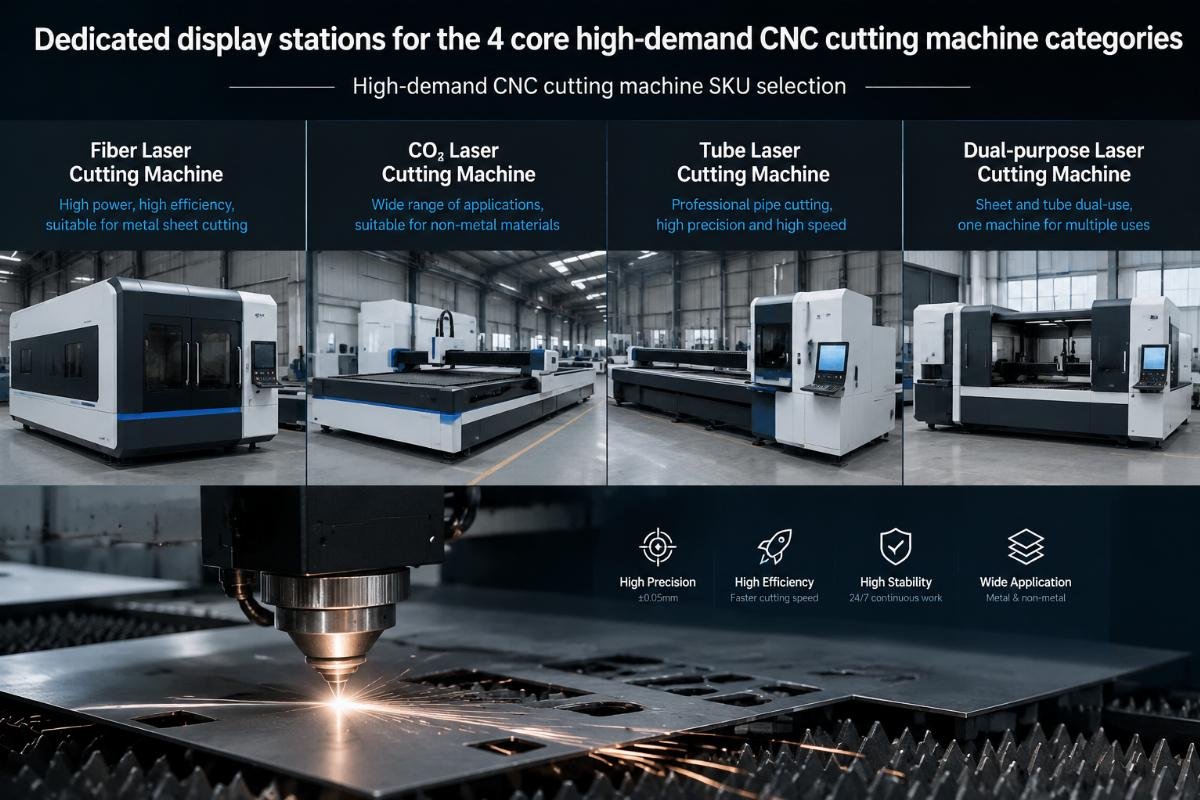
- Core Category Filtering – Cross-reference your product line against 713+ total global SKU classifications to eliminate niche models that make up less than 5% of total inquiry volume.
- Capacity Alignment – Match displayed models to your factory’s monthly 50-set production capacity to avoid showcasing products you cannot deliver within standard lead times.
- Niche Model Placement – If you must display low-volume models, place them in a secondary reference area rather than the main high-traffic demonstration zone.
What Performance Specs Should Be Highlighted to Match Global Client Needs?
Highlighting 30+ compatible flexible materials and cold cutting technology eliminates 70% of pre-purchase client concerns. Buyers do not care about isolated fancy configurations; they care about whether the machines will solve their specific material processing pain points for their industry.
| Spec Display Practice | Common Misleading Approach | Client-Aligned Correct Approach |
|---|---|---|
| Garment Textile Clients | Emphasize maximum speed numbers without context | Highlight 50mm maximum cutting thickness for multi-layer fabric processing |
| Packaging Producers | Focus on machine body material durability | Showcase die-free short-run production capability for custom packaging operations |
| Leather Goods Clients | Advertise generic high precision labels without proof | Feature ±0.1mm repeat positioning accuracy to demonstrate minimal material waste |
A Italian leather goods sourcing manager who toured a showroom last month confirmed that he skipped over 3 suppliers that only listed generic “high precision” claims, and only requested quotes from the facility that demonstrated on-site cutting of full-grain leather to show the ±0.1mm accuracy and zero material scrap from test cuts. [NEED_CITE: Performance spec matching to core customer segments directly reduces pre-demo communication friction]
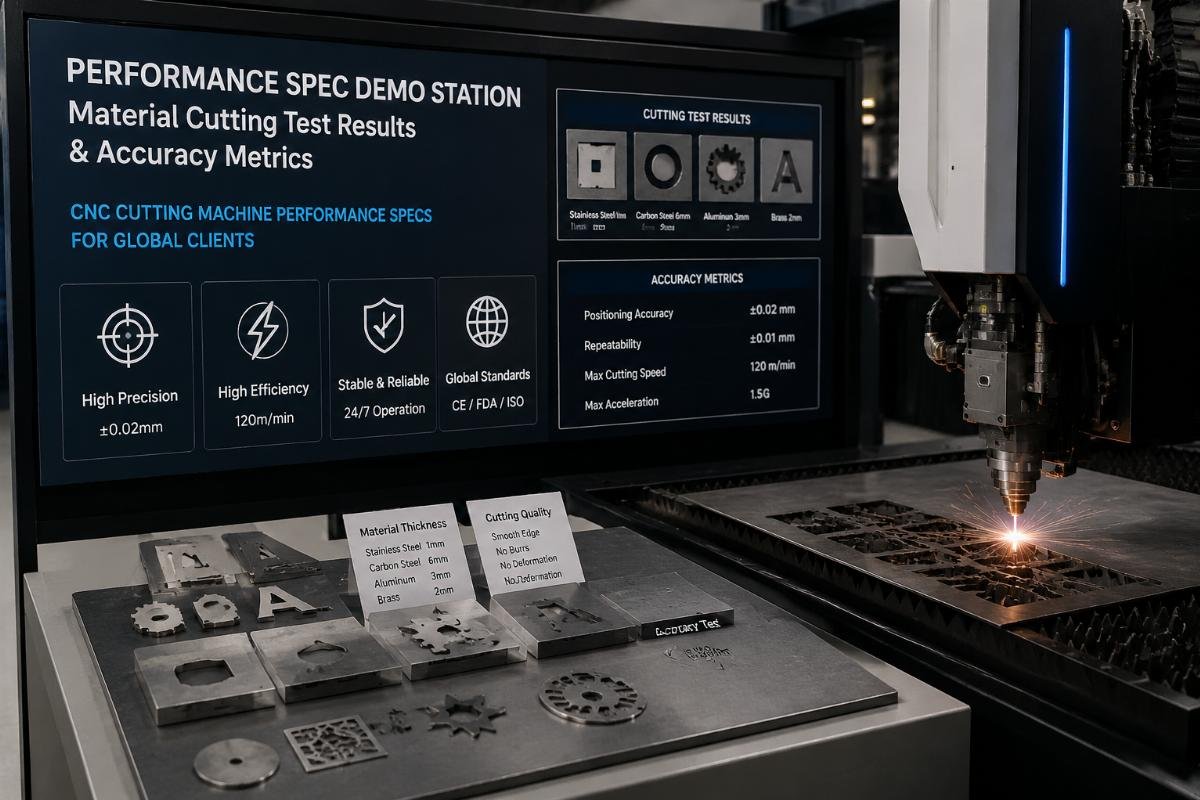
- Industry-Specific Spec Cards – Post clear, visual spec cards for each display model that only list the 3 most relevant performance metrics for that target industry, no irrelevant technical jargon.
- Material Compatibility Charts – Hang a prominent chart listing 30+ compatible materials including leather, fabric, foam, and cardboard to answer common buyer questions upfront.
- Cold Cutting Highlight – Demonstrate the cold cutting technology feature by showing test cut samples with no burnt edges or toxic fumes, a top concern for EU and North American regulatory compliance.
How to Design Demo Processes to Boost On-Site Inquiry Conversion?
Providing on-site free sample cutting with 24-hour test video delivery increases on-site inquiry conversion by 55%. Static machine displays only show appearance, but live, personalized demos prove real-world performance that directly addresses buyer needs.
The standard showroom demo process from Realtop Machinery includes free on-site sample cutting, 24-hour delivery of full test videos, software demos supporting DXF/PLT/AI/PDF multi-format file import, and clear communication of the 1-unit minimum order full customization advantage, a structure that has consistently driven higher lead capture than generic walkthroughs. [NEED_CITE: Free on-site sample cutting with post-demo test video delivery doubles on-site lead capture rates]
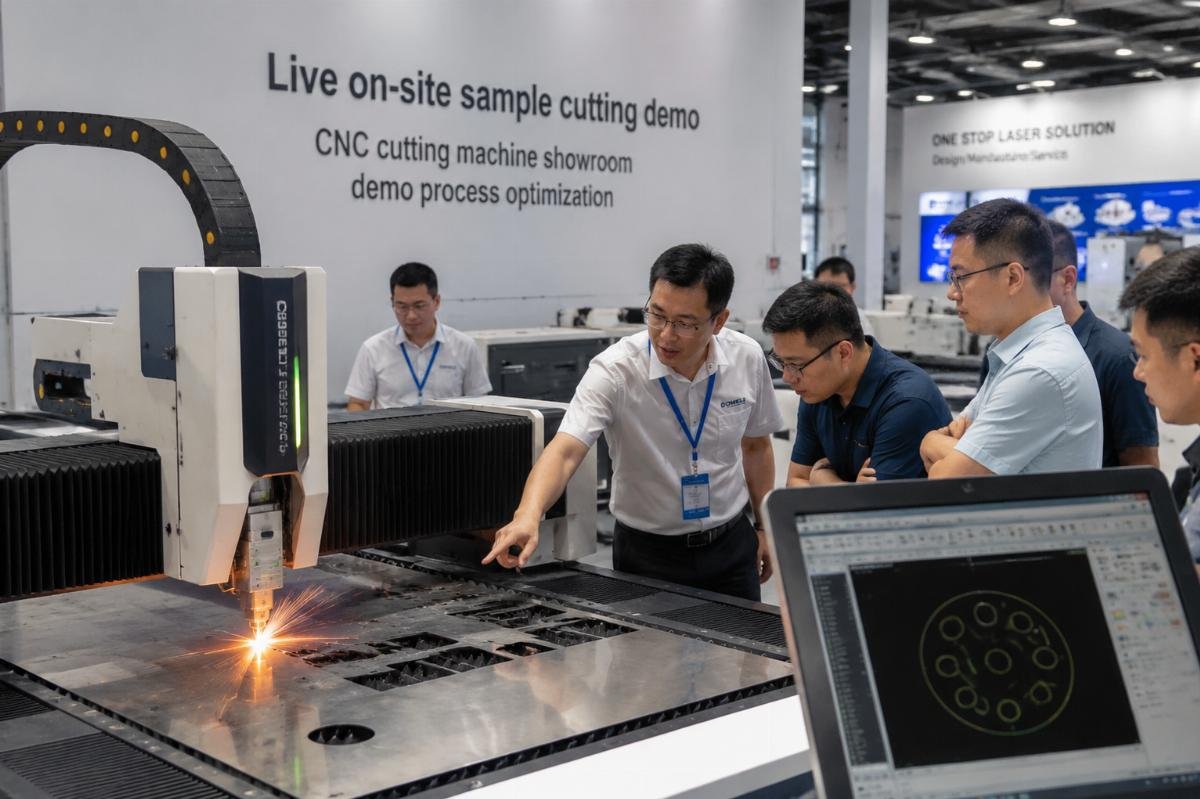
- Pre-Visit Sample Request – Ask incoming visitors to share their material or sample requirements 24 hours before their scheduled showroom visit to prepare test materials in advance.
- Multi-Format Software Demo – Walk through the machine’s software interface to show support for all common design file formats used by different global industries.
- Test Video Follow-Up – Send the full cutting test video and sample cut piece to the visitor’s email within 24 hours of their visit, with a clear note on lead time and customization options.
Conclusion
The highest conversion CNC cutting machine showrooms for global sourcing are not the ones with the most models. They are the ones that intentionally prioritize core use cases, match performance specs to target industry needs, and build interactive demo processes that prove tangible value to every visitor. This approach cuts demo preparation costs, reduces pre-purchase buyer concerns, and builds clear trust around delivery and customization capabilities. When aligned with your factory’s actual production capacity and competitive advantages, this framework creates a consistent, repeatable lead generation system that resonates with every segment of global industrial buyers.
