




-
 Courier delivery
-
 DHL Courier delivery
-
 Warranty 1 year
-
 Free 30-Day returns

In-House Build Control — Frame welding, motion assembly, and tool head integration are completed under one roof in Jinan, letting us trace every structural and drive component back to our own production floor.
Technical Specifications
| Parameter | Value |
|---|---|
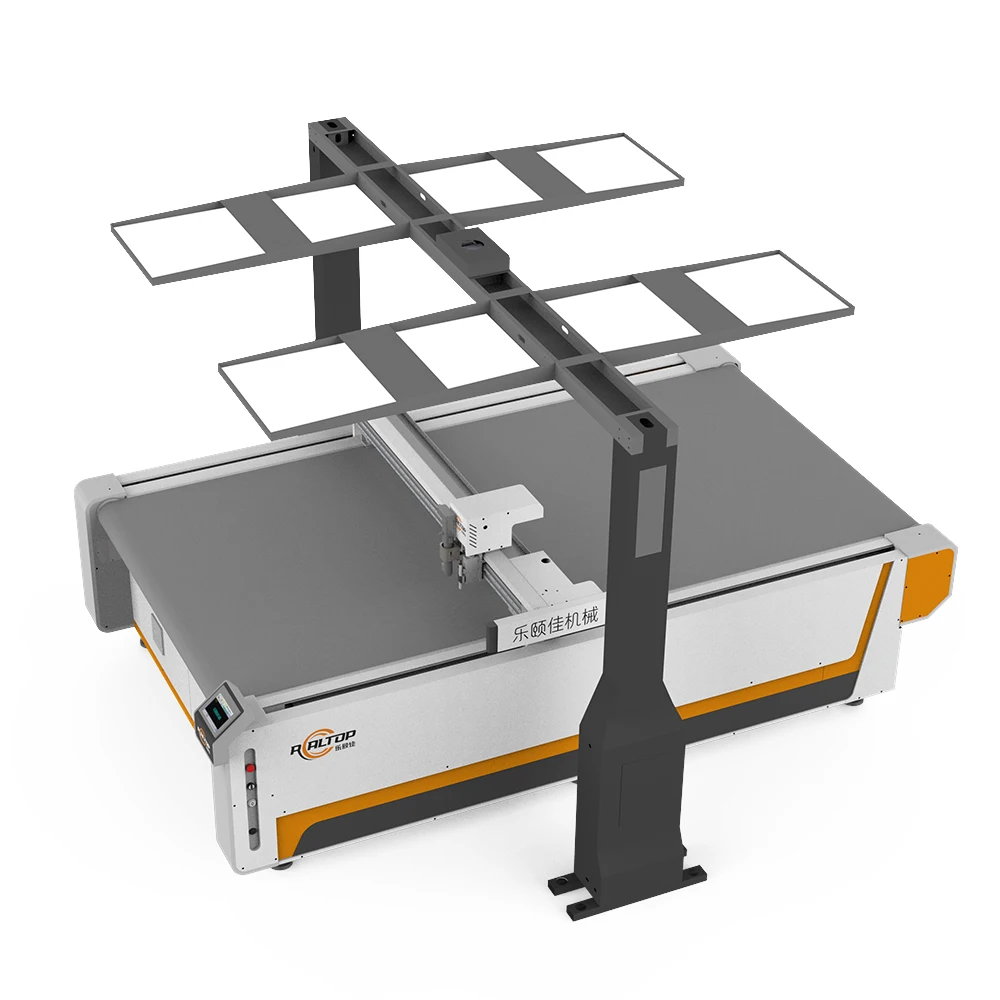
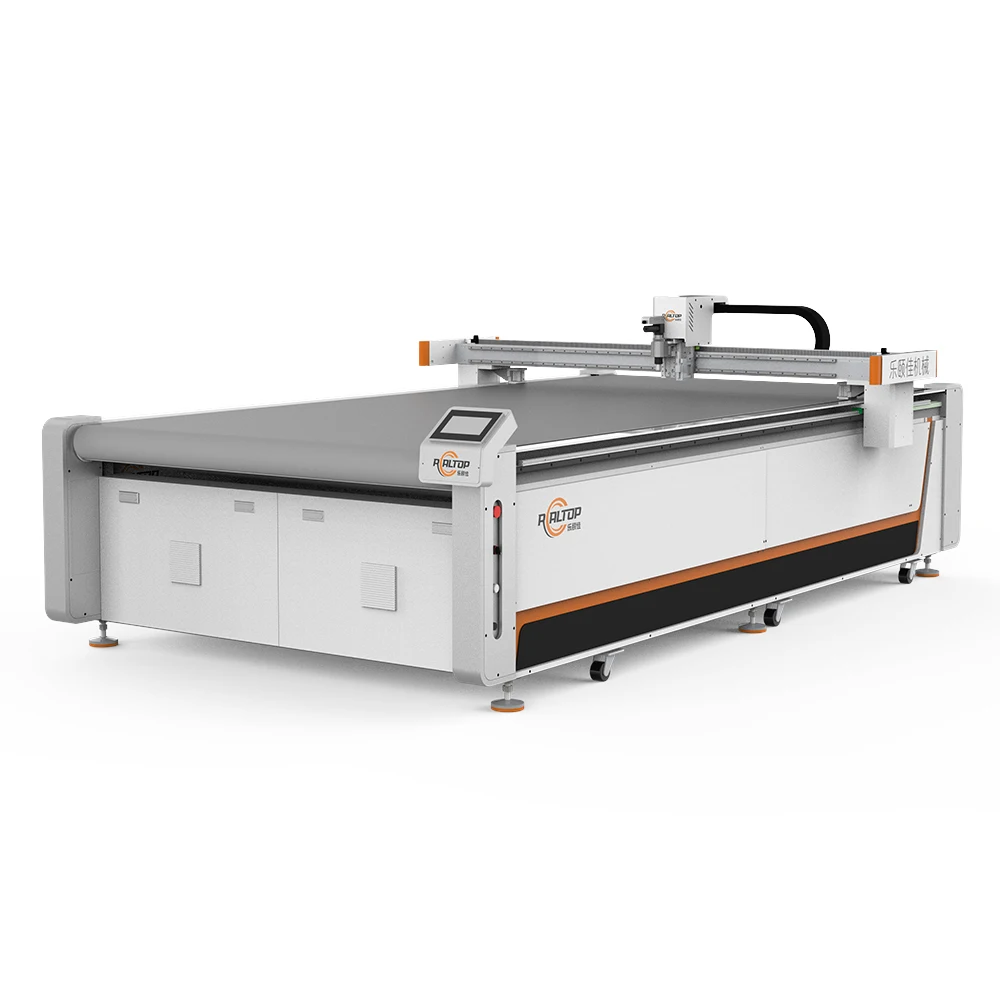
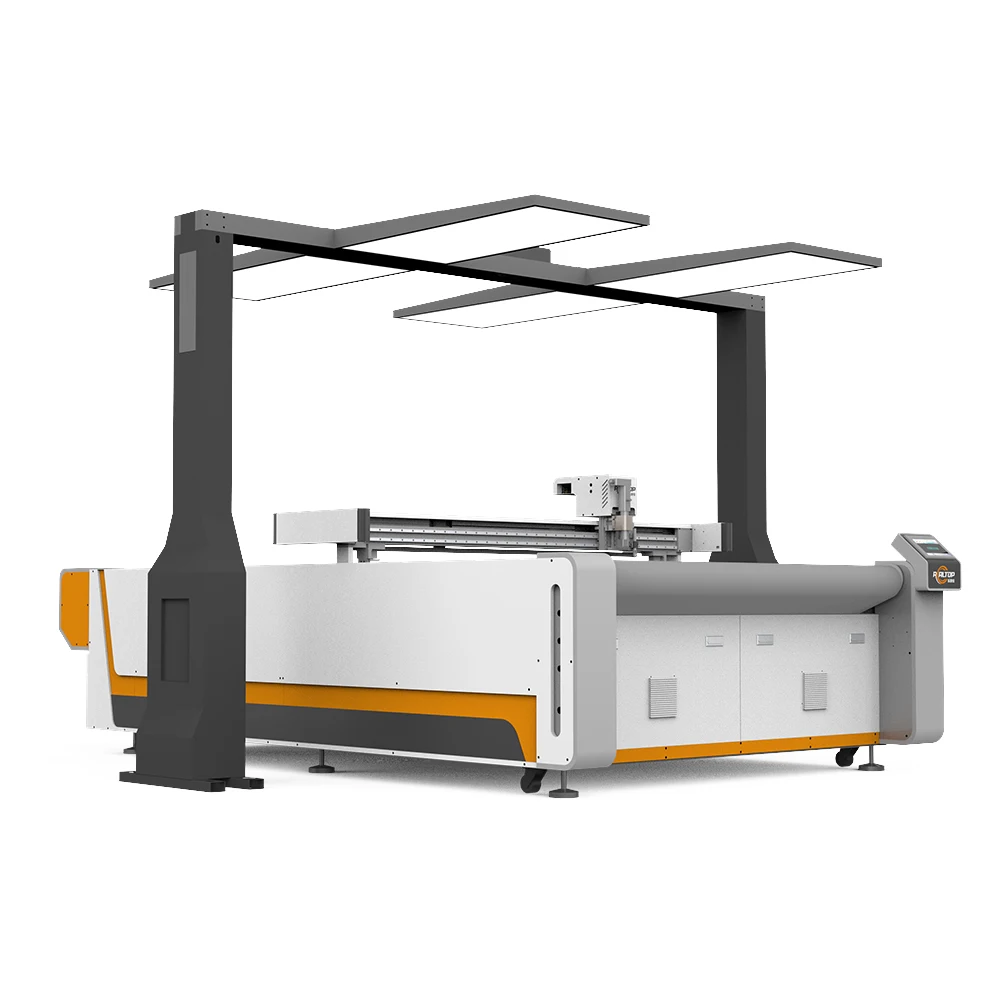
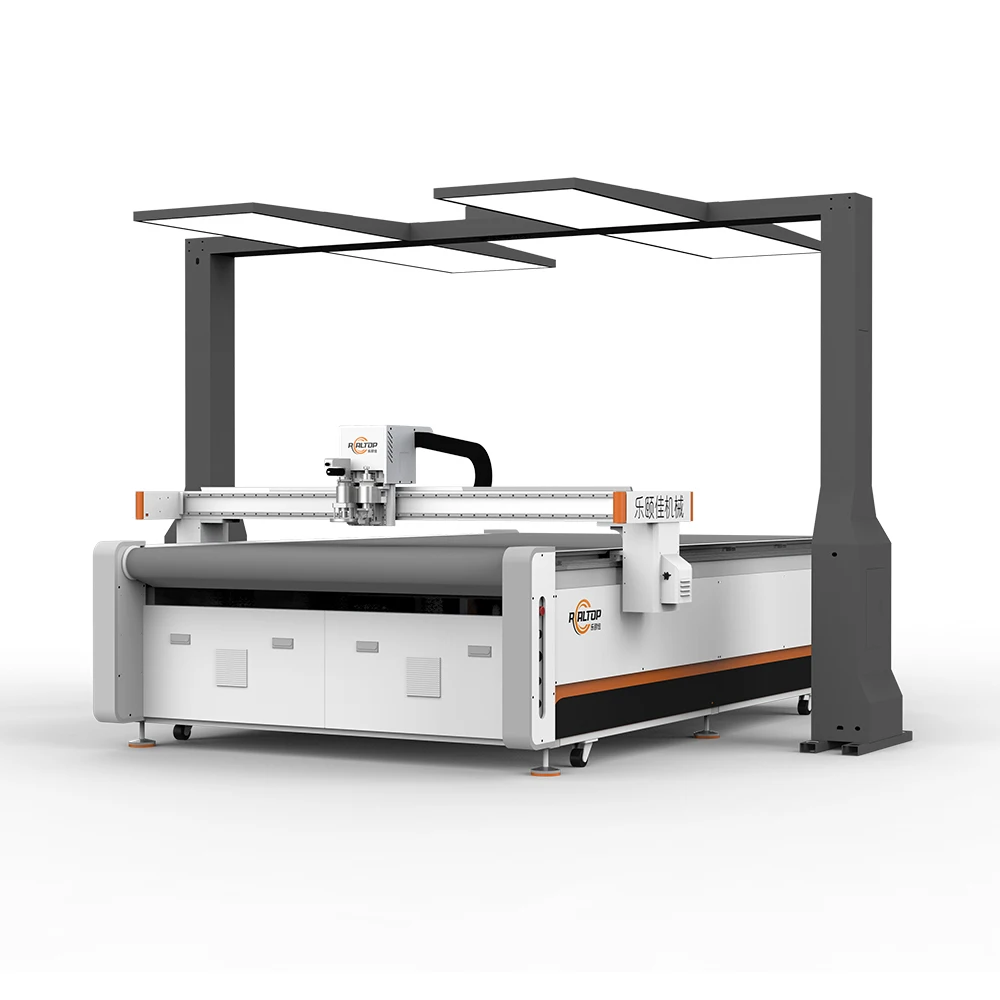
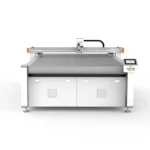
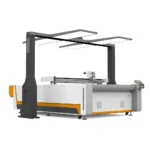
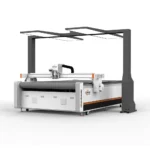
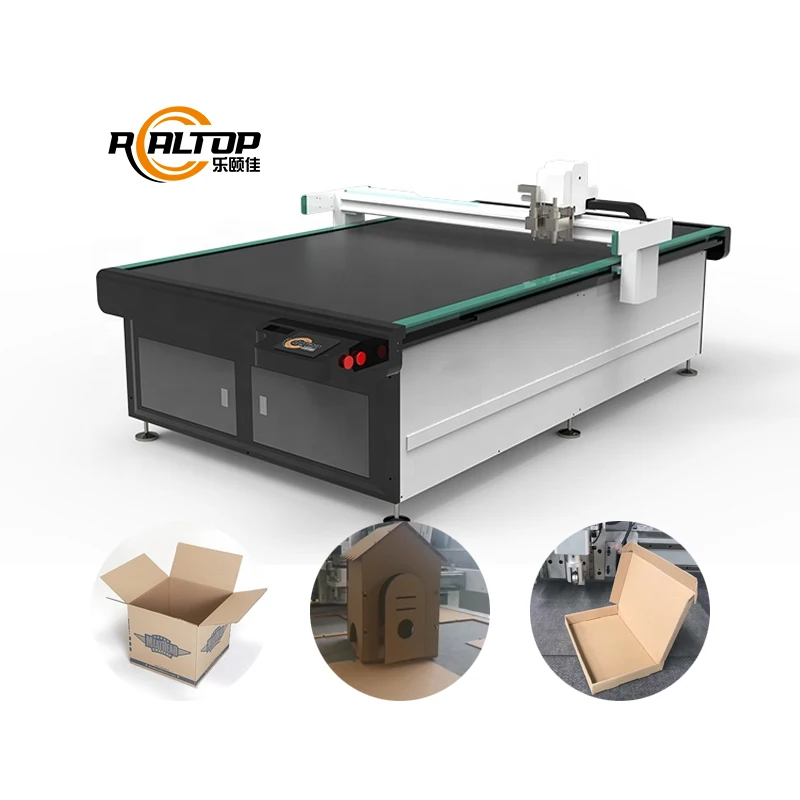
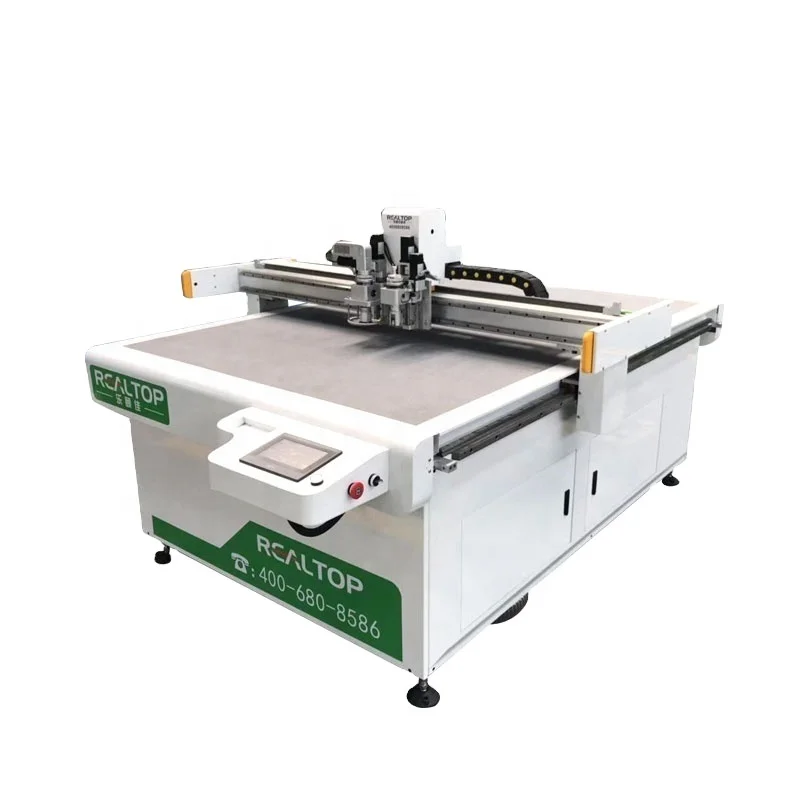
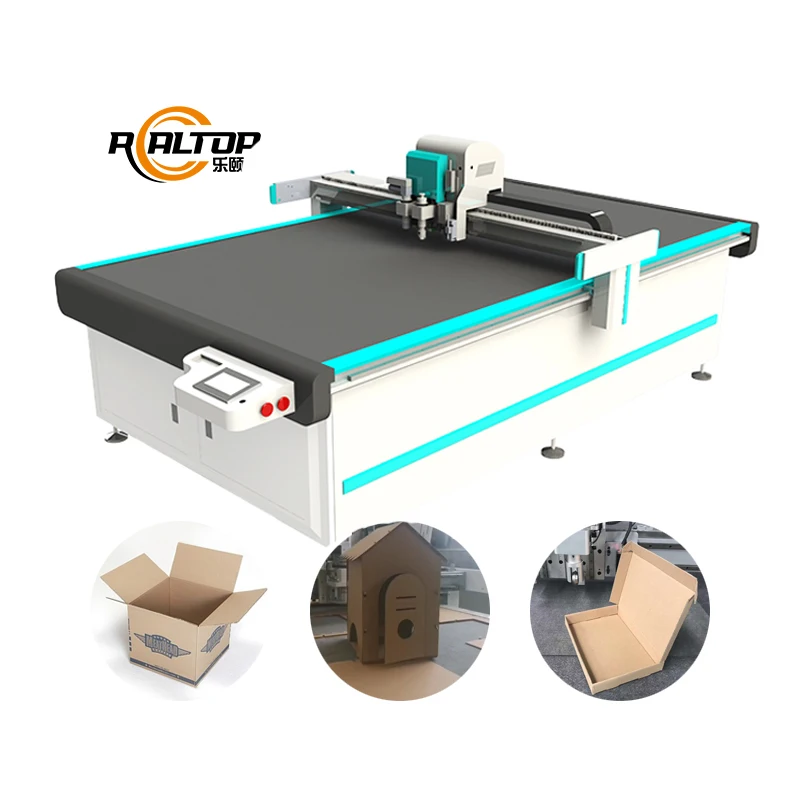
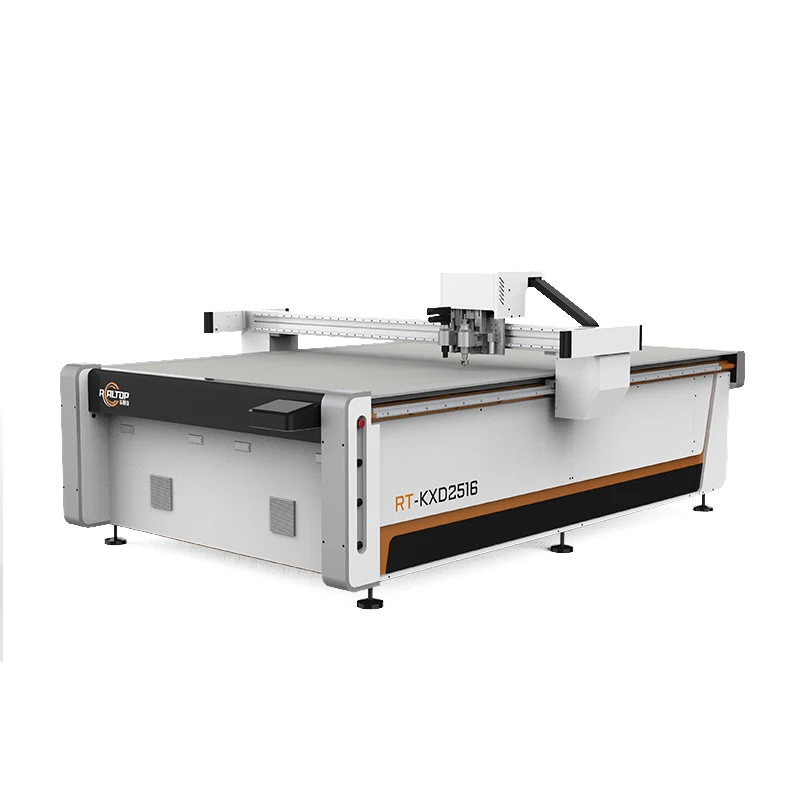
| Product Type | CNC Oscillating Knife Cutting Machine for Leather |
| Working Area | 1600×2500 mm |
| Cutting Speed | 0–2000 mm/s |
| Cutting Thickness | ≤ 30mm (basis not stated in source) |
| Cutting Accuracy | ±0.1 mm |
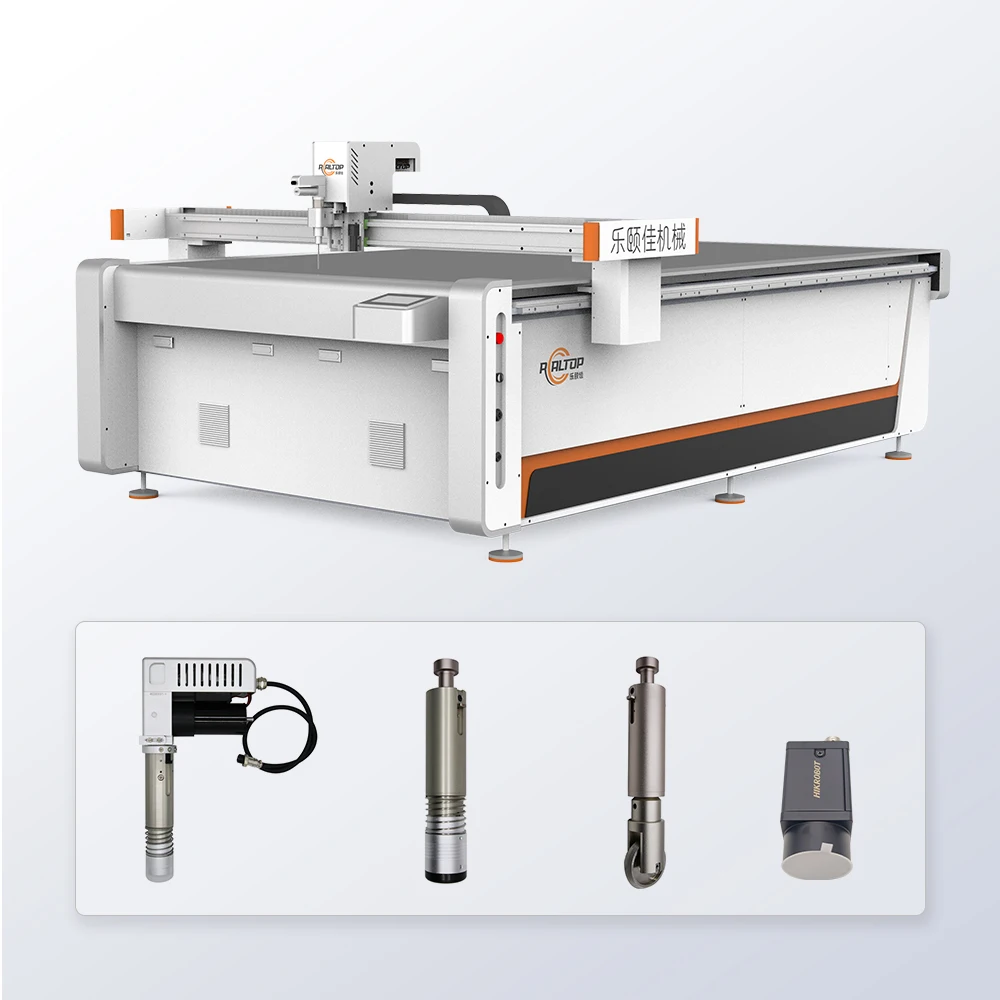
| Tool Heads Available | Oscillating knife, Driven rotary knife, Creasing wheel, Kiss cutting tool, Pneumatic knife, Milling tool, V groove knife |
| Vacuum Pump | 9 kW |
| Voltage Options | 110V / 220V / 380V (frequency to be confirmed) |
| Control System | PLC control panel |
| File Formats Supported | PLT, DXF, AI, PDF |
| Safety Devices | Infrared sensor, Emergency stop |
| Machine Dimensions (L×W×H) | 3300×2100×1350 mm |
| Vacuum Table | Aluminum bellows vacuum table |
| Servo Drive Options | Panasonic, Delta, Dorna |
| Software Language Options | English, Russian, Italian, Chinese (custom available) |
| CCD Camera | Yes (contour recognition) |
| Auto-Nesting System | Camera-based defect detection |
| Certification | CE (scope to be verified) |
Application Suitability
| Application | Material or Output |
|---|---|
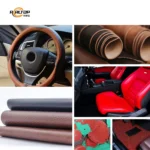
| Footwear uppers and leather goods | Natural leather, PU leather, synthetic leather sheets |
| Automotive seat covers and interior trim | Automotive-grade leather, composite upholstery fabrics |
| Bags, belts, and accessories | Full-grain and split leather, coated textiles |
| Sofa and soft furniture upholstery | Thick upholstery leather, multi-layer fabric composites |
| Shoe components and insoles | Leather board, fiberboard, EVA foam layers |
When a Machine Spec’d for Leather Fails on Leather
A CNC oscillating knife leather cutting machine manufacturer must confirm more than working area before production starts. Tool head selection, vacuum zoning, and blade oscillation frequency must be matched to the specific leather type, thickness, and backing layer before the order is placed.
I recall an early order from an automotive interior client who specified a vibrating knife cutter for what he called genuine leather. We configured the tooling accordingly. When the material arrived for sample testing, it turned out to be synthetic leather with a non-woven backing layer. The oscillating knife tore through the face but dragged and frayed the backing, leaving unusable edges across the entire batch. That single mismatch cost him a full production run. Since then, every material that crosses our floor gets a physical test cut before any configuration is locked in. [NEED_CITE: common failure modes in leather cutting due to incorrect tool head selection]
Frame and Motion Built to Hold Tolerance on Thick Hides
Leather cutting demands consistent blade penetration through dense, uneven material. The frame on this platform is welded and stress-relieved in our Jinan factory, then machined on our own boring mills so the gantry travels true across the full 1600×2500 mm envelope. Servo drives from Panasonic, Delta, or Dorna are specified at order based on the buyer’s preference and local service availability. When the gantry decelerates into a tight corner on a shoe upper pattern, the servo response determines whether the blade exits the cut cleanly or leaves a witness mark on expensive hide.
CCD Contour Recognition for Printed and Patterned Leather
Many leather goods producers now work with pre-printed or embossed hides where the cut path must align to a printed outline. The integrated CCD camera captures reference marks on the material surface and adjusts the cut file in real time, compensating for stretch, skew, and placement variation. This is particularly relevant for automotive seat cover panels and designer bag components where a misaligned cut against a printed grain pattern rejects the entire piece. Camera-based defect detection also flags scars, holes, or thin spots in natural hides so the nesting software routes cut paths around them, preserving yield on high-cost material. [NEED_CITE: CCD contour recognition accuracy on stretched natural leather]
What the Specification Sheet Means for Your Cutting Floor
Cutting thickness is listed at ≤ 30mm, but that figure alone tells you little without knowing the leather density and whether you are cutting single-ply or stacked layers. A 4mm vegetable-tanned sole leather behaves very differently under an oscillating knife than a 2mm chrome-tanned upholstery hide. The 9 kW vacuum pump paired with the aluminum bellows table generates full-surface adsorption, which matters when cutting small pattern pieces like belt loops or strap components that tend to lift under blade drag. File format compatibility — PLT, DXF, AI, PDF — means your existing design workflow transfers without intermediate conversion steps that can distort bezier curves on complex contours. The PLC control panel with multi-language support ensures your operators read prompts and alarms in their working language rather than guessing at translated error codes.
The Cost of Skipping Material-Specific Configuration
Choosing the wrong tool head for your leather type produces visible defects immediately. A standard oscillating knife on thick, fibrous sole leather will leave stepped edges that require secondary trimming. A pneumatic knife on thin garment leather can crush the grain surface before the blade fully penetrates. Vacuum table zoning that is too coarse for your smallest pattern pieces allows material lift mid-cut, shifting the hide and throwing every subsequent piece out of tolerance. These are not warranty claims — they are configuration errors that surface only when the machine meets your actual production material. [NEED_CITE: vacuum table zoning requirements for small leather pattern pieces]
Why Buyers Source This Platform from Our Factory
Our design team engineers both knife and laser cutting platforms, so when a leather processor’s material profile shifts — say from natural hide to multi-layer synthetic composite — we can re-evaluate the cutting method rather than forcing one technology to cover everything. Every tool head and table configuration is specified against the buyer’s material sample before the order is confirmed. Voltage, plug type, and control language are documented and locked before production begins, eliminating the common problem of machines arriving on-site with incompatible electrical connections. The aluminum bellows vacuum table is manufactured and flatness-checked in our own facility, not sourced from a third-party table supplier. Sample cutting on your own leather, with a written report covering edge quality, tool head used, and cutting parameters, is standard procedure before commitment.
Documentation & Verification
- Machine specification sheet covering frame construction, servo brand, and motion component origins
- Electrical schematic and voltage confirmation matched to your facility’s supply standard
- Tool head and vacuum table configuration list tied to your tested leather sample
- Factory test record with cutting results on your material before dispatch
- Software licence and file format compatibility note for PLT, DXF, AI, PDF workflows
- Spare parts list identifying wear items specific to your configured tool heads
Installation, Commissioning & Support
- Floor space allocation based on 3300×2100 mm machine footprint plus operator clearance zones
- Dedicated electrical circuit sized for the 9 kW vacuum pump plus servo and control loads
- Machine ships fully assembled; verify doorway and overhead clearance at your facility before delivery
- First-run parameter tuning on your leather stock, including blade depth, oscillation frequency, and vacuum level
- Operator training on PLC panel navigation, tool head changeover, and CCD camera calibration
- Wear parts inventory covering oscillating blades, knife holders, and vacuum table seals for your configuration
What We Need to Configure Your Machine
To specify the correct tool head, vacuum zoning, and servo package, we need your leather type (natural, PU, synthetic, composite), typical thickness range, maximum sheet or hide size, and daily cutting volume. Share your local voltage and frequency standard, preferred control language, and whether your workflow uses CCD contour recognition on pre-printed material. If possible, send a sample of your most challenging material — thick, layered, or heavily textured — so we can run a physical test cut and document the results before quotation.
Frequently Asked Questions
Q: How does REALTOP control build quality on the frame and motion system?
A: Frame welding, stress relieving, and machining are completed in our Jinan factory. Motion rails and servo mounts are aligned on our own equipment, and every assembled unit undergoes a running test before crating. This means dimensional accuracy and long-term rigidity are managed internally rather than delegated to external frame suppliers.
Q: What OEM and customization options exist for distributors?
A: Distributors can specify voltage, frequency, plug type, control panel language, and branding on the machine body and software interface. Tool head configurations and vacuum table zoning are adjusted to the distributor’s target market materials. We provide documentation packages that meet regional import and certification requirements.
Q: How is tool head selection matched to leather before ordering?
A: Buyers send sample material to our factory. We test multiple tool heads — oscillating, driven rotary, pneumatic, and others — and document edge quality, cutting speed, and blade wear for each. The configuration that produces the cleanest edge on your specific leather is written into the order specification.
Q: What factory testing is done before the machine ships?
A: Each unit runs a full operational test covering axis travel accuracy, vacuum table adsorption, tool head changeover, CCD camera recognition, and safety sensor response. If the buyer has provided sample material, a production-representative cutting test is performed and recorded. Test results are documented and shared before dispatch.
Q: Can I send my own leather for a sample cutting test?
A: Yes. We request a representative sample of your production material, including the most challenging variant you process. We run cutting tests across applicable tool heads, document edge quality and parameters, and provide a written sample cutting report so you can evaluate results before committing to an order.
You may also like

商品评价
Clear filtersThere are no reviews yet.