





-
 Courier delivery
-
 DHL Courier delivery
-
 Warranty 1 year
-
 Free 30-Day returns

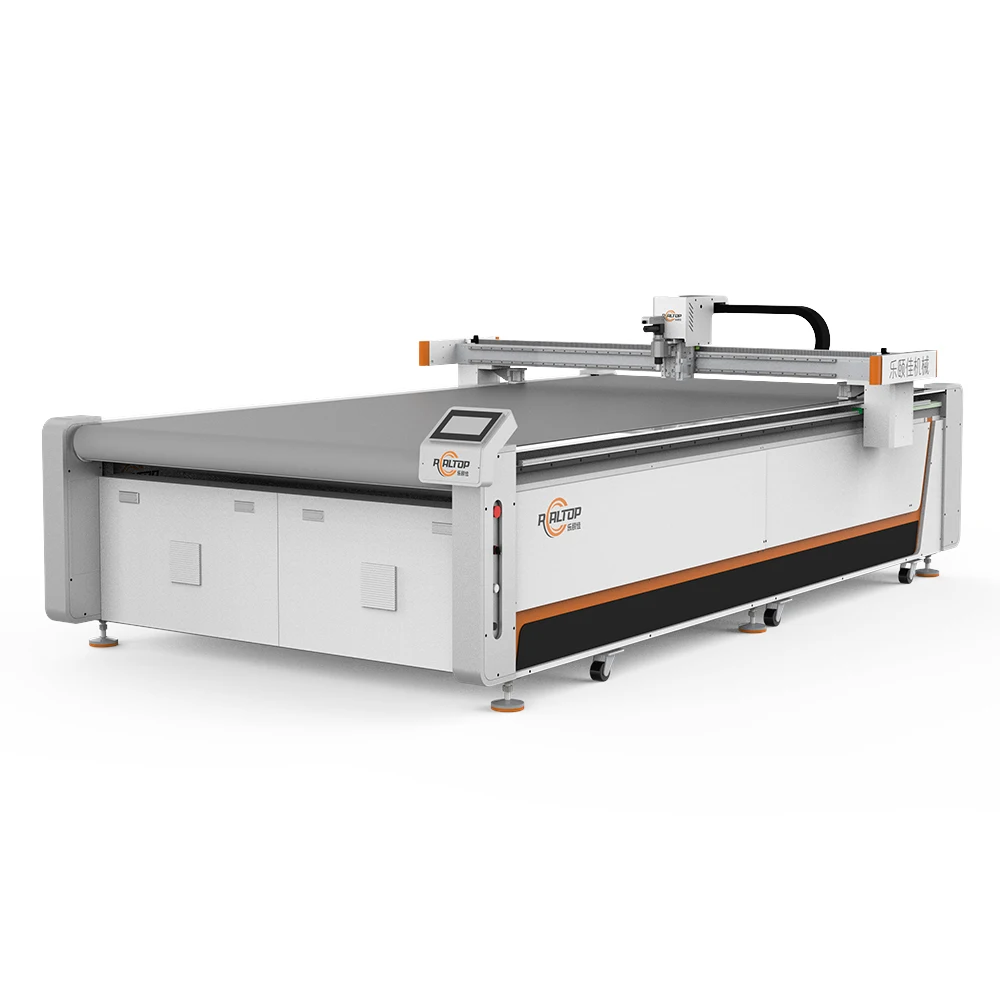
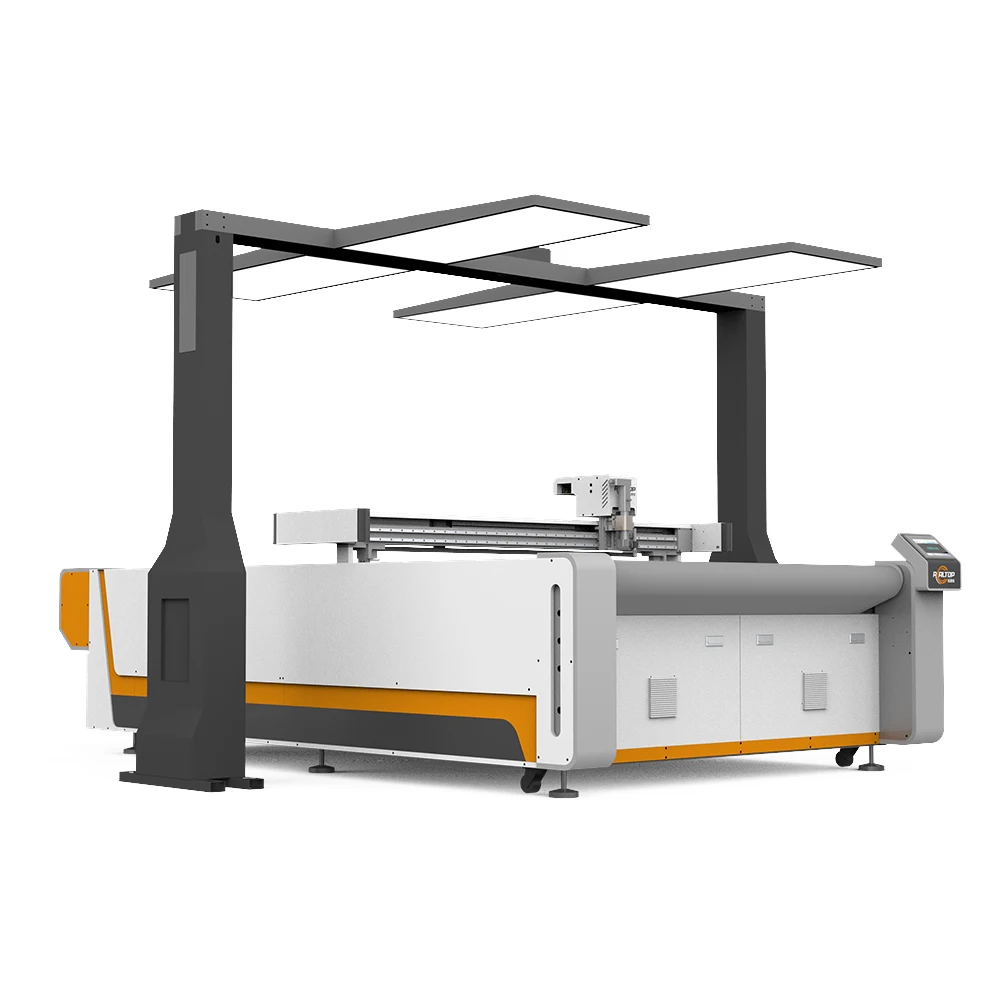
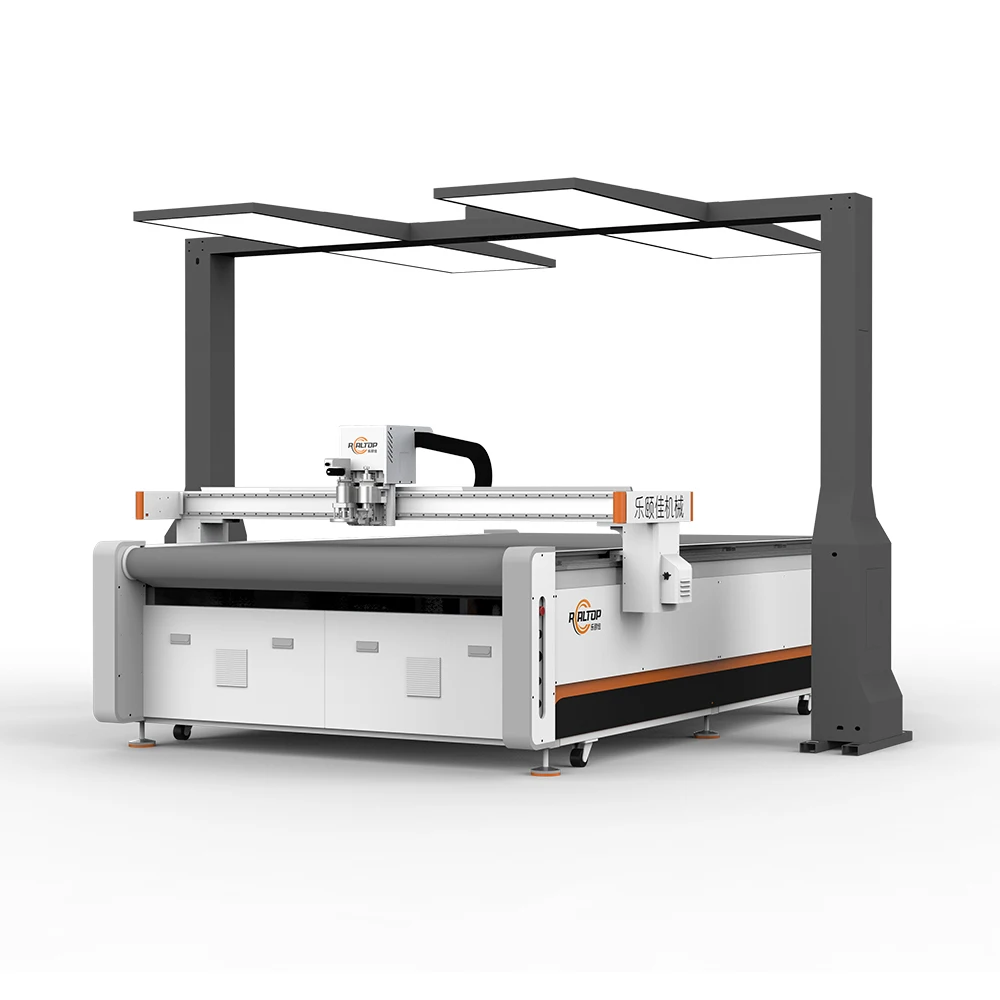
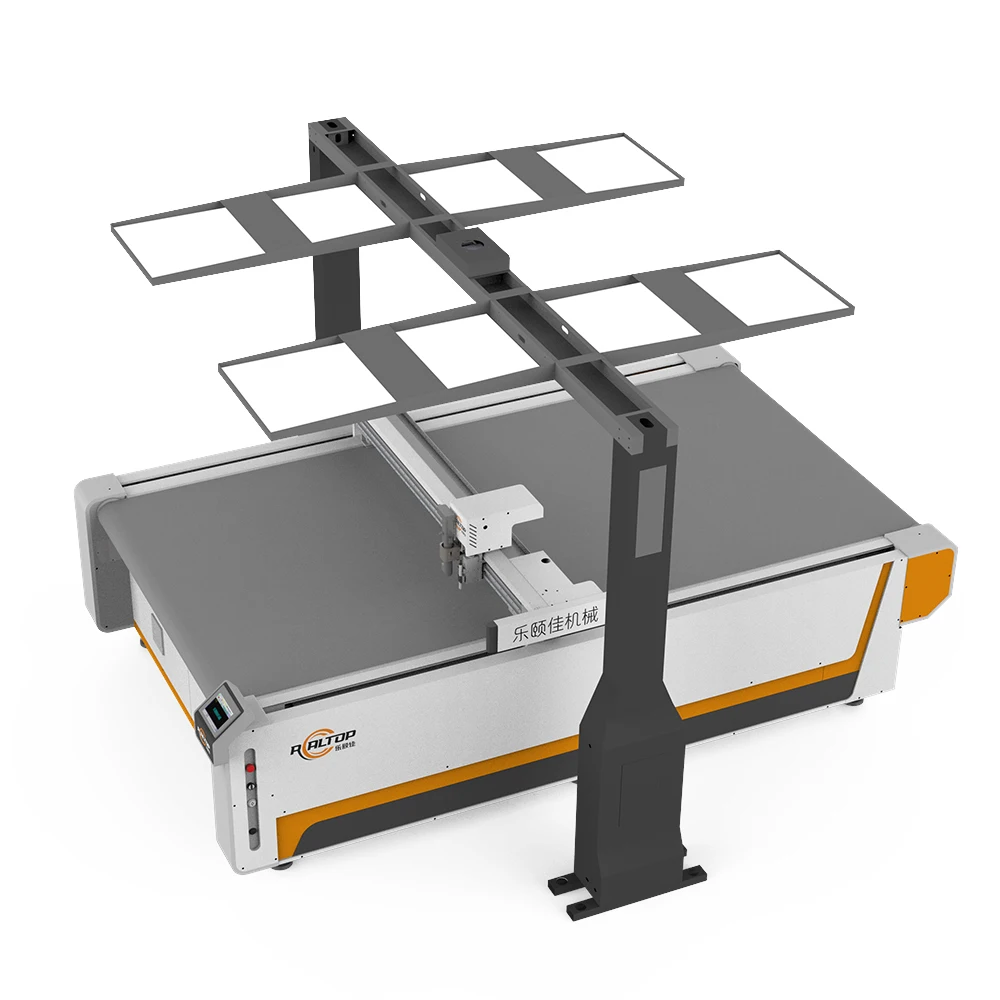
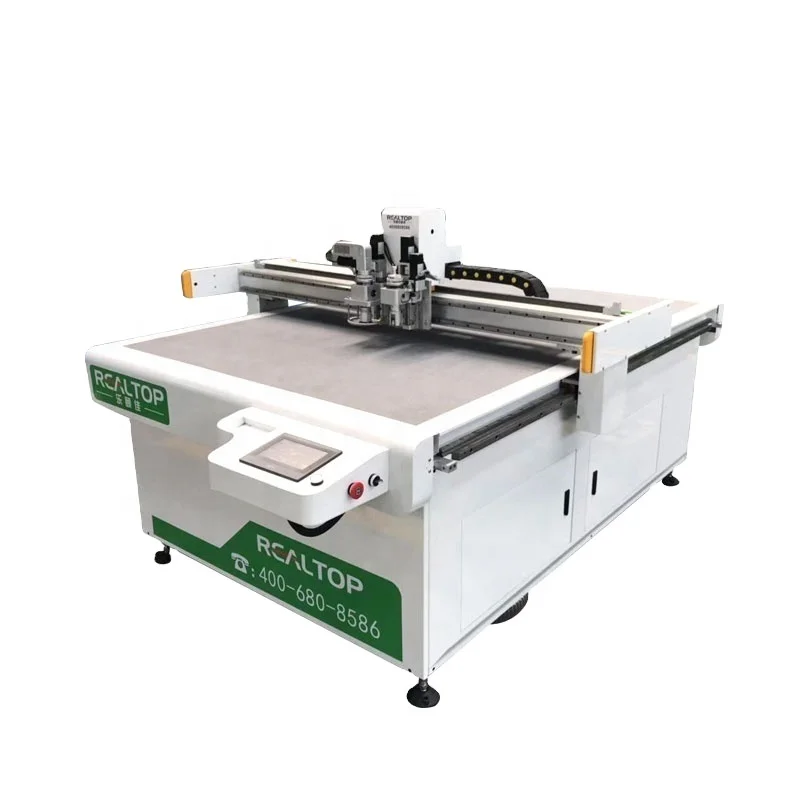
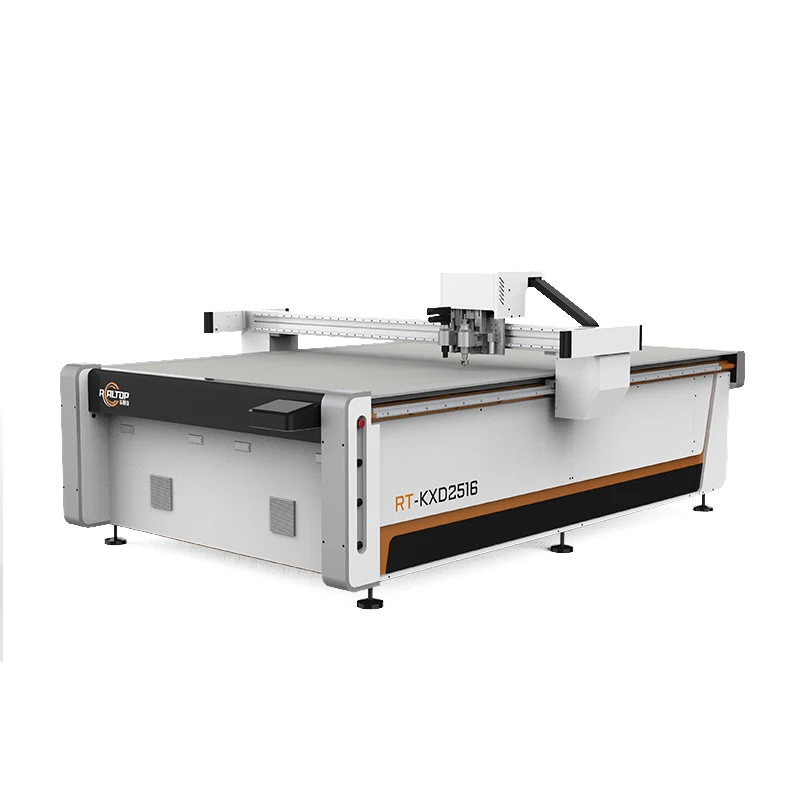
Precision-Built Frames — Every 2516 oscillating knife cutter undergoes in-house machining and alignment checks before assembly, ensuring the structural foundation matches the motion accuracy required for continuous leather and textile cutting.
Technical Specifications
| Parameter | Value |
|---|---|
| Model | 2516 |
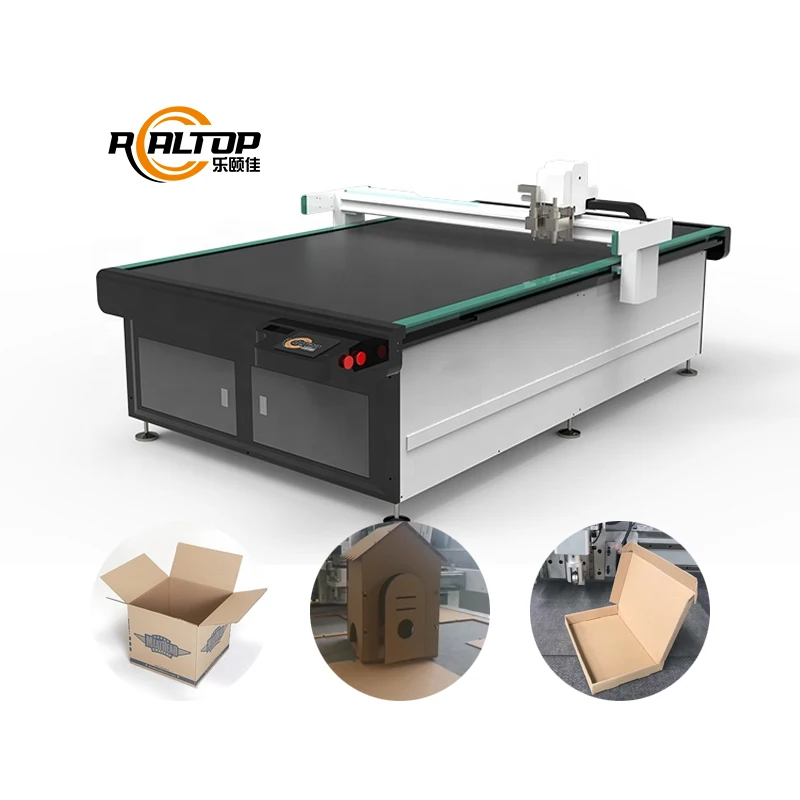
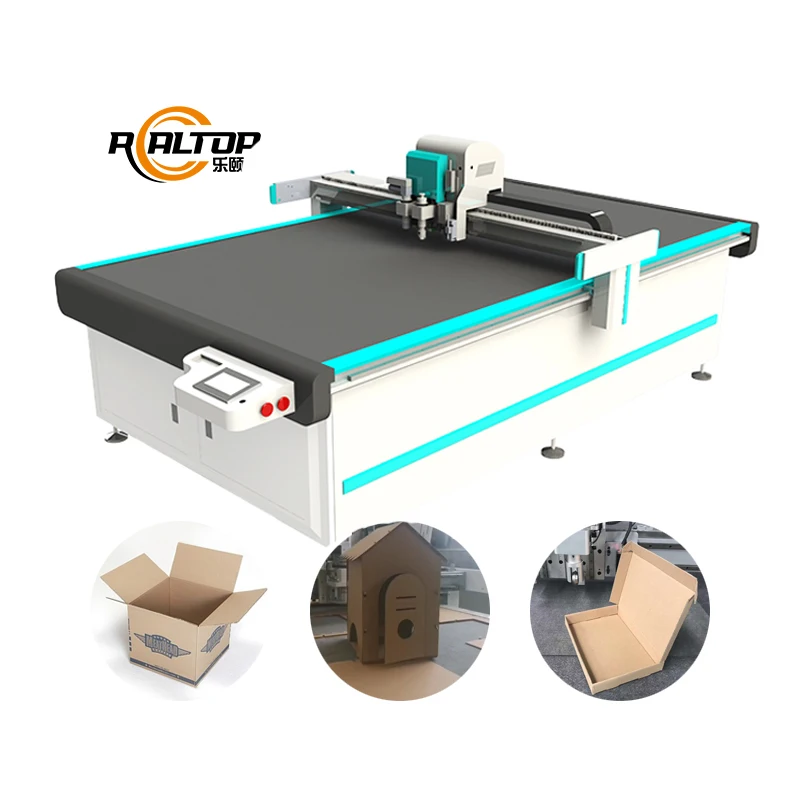
| Product Type | CNC Oscillating Knife Cutting Machine |
| Working Area | 1600 × 2500 mm |
| Cutting Speed | 0–1500 mm/s |
| Cutting Thickness | Up to 40 mm (basis to be confirmed by material density) |
| Cutting Accuracy | ±0.1 mm |
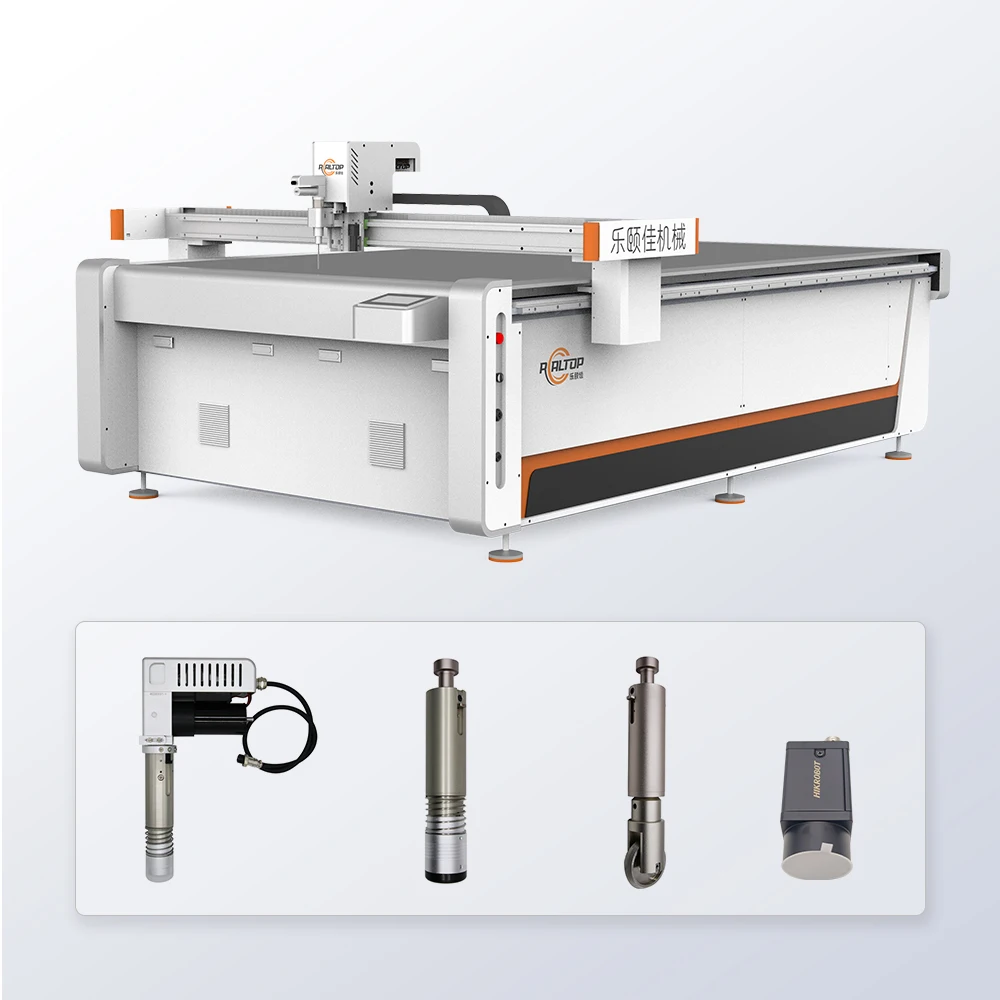
| Tool Head Options | Oscillating knife, driven rotary knife, creasing wheel, kiss cutting tool, pneumatic knife, milling tool, V-groove knife |
| Positioning System | CCD camera available |
| Vacuum Table | Aluminum bellows vacuum table |
| Vacuum Pump | 9 kW |
| Servo Motor Options | Panasonic, Delta, Dorna |
| Control System | PLC control panel |
| Voltage Options | 110V / 220V / 380V (frequency to be confirmed per market) |
| File Format Compatibility | PLT, DXF, AI, PDF |
| Safety Devices | Infrared sensor device and emergency stop |
| Machine Dimensions | 3300 × 2100 × 1350 mm |
| Language Options | English, Russian, Italian, Chinese, custom languages available |
| Certification | CE |
Application Suitability
| Application | Material or Output |
|---|---|
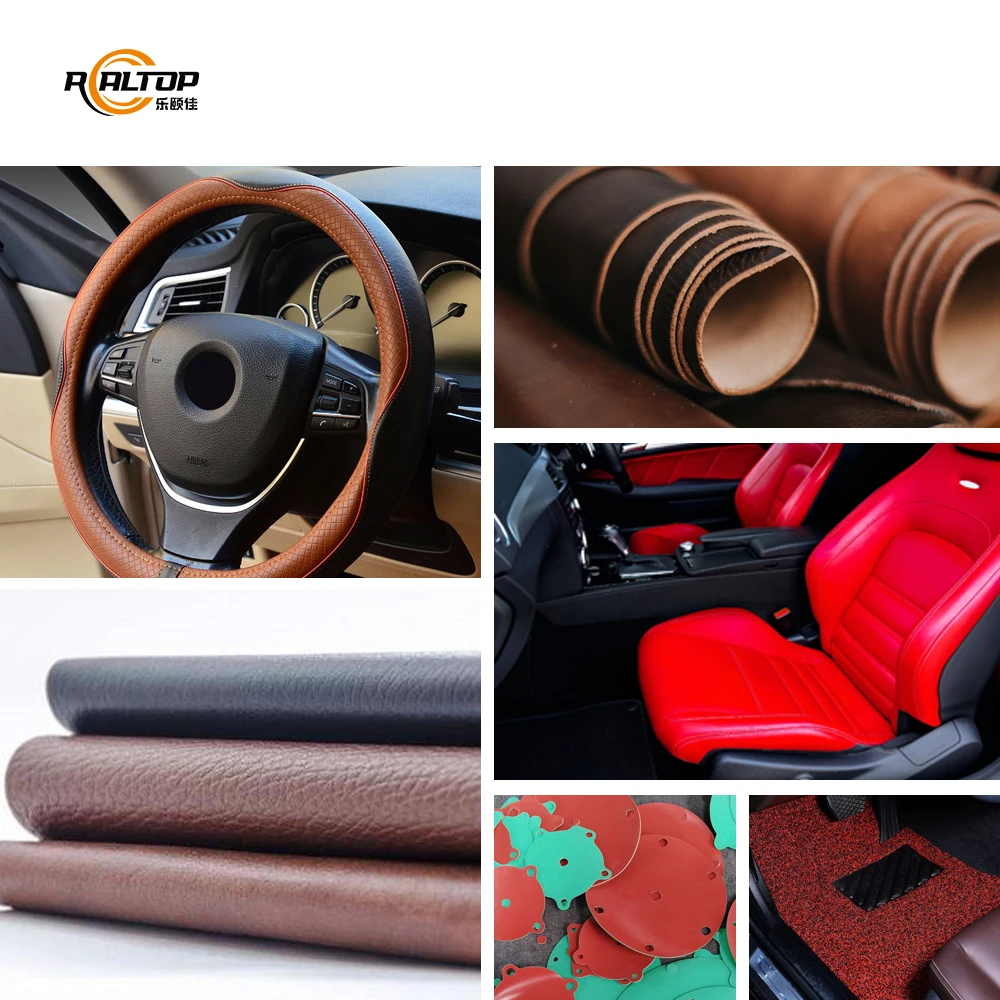
| Automotive leather seat cover cutting | Natural and synthetic leather hides with coating layers |
| Footwear upper and insole production | PU leather, genuine leather, EVA foam sheets |
| Garment pattern cutting | Velvet, fleece, non-woven fabric, woven textile rolls |
| Gasket and seal fabrication | Rubber mats, PTFE sheets, composite gasket materials |
| Packaging prototype and short-run | Corrugated cardboard (E-flute, B-flute, BC-flute), greyboard, cardstock |
| Signage and display production | PVC sheets, Coroplast, thin acrylic, adhesive-backed vinyl |
Why Cutting Thickness Claims Fail on Coated Leather
Material density and surface coating determine real cutting depth, not the number on the spec sheet.
I have seen buyers specify a CNC oscillating knife cutting machine manufacturer based solely on working area and quoted thickness capacity, only to discover during production that coated automotive leather creates significantly more blade resistance than the test material. The machine physically reaches the stated depth, but edge quality degrades and feed rate must be reduced to maintain accuracy. This gap between laboratory conditions and shop-floor reality disrupts delivery schedules and erodes buyer confidence. [NEED_CITE:]
A distributor committing to bulk inventory or an importer presenting equipment to a leather goods factory needs documented proof that the configuration handles the specific material — not a generic thickness rating. That verification must happen before the purchase order is signed.
Frame Construction and Motion System Integrity
The 2516 is built on a heavy-duty frame with precision-ground mounting surfaces. During assembly, each linear guide rail is aligned and measured before the gantry is seated. This process ensures the ±0.1 mm cutting accuracy is not merely a catalog figure but a repeatable outcome across the full 1600 × 2500 mm working area. For a CNC oscillating knife cutting machine manufacturer serving distributors, frame quality is the foundation that every downstream component depends upon.
Servo drive selection is configurable among Panasonic, Delta, and Dorna systems. Each option carries different torque curves and response characteristics, allowing the motion system to be matched to the intended production intensity and the buyer’s existing service infrastructure in their local market.
Tool Head Integration and Material-Specific Configuration
The interchangeable tool head system supports oscillating knife, driven rotary knife, creasing wheel, kiss cutting tool, pneumatic knife, milling tool, and V-groove knife options. Selecting the correct tool head for a given material is not optional — a drag knife that works cleanly on cardstock will crush EVA foam, and an oscillating blade set for thin textile will stall on multi-layer rubber mat stock. [NEED_CITE:]
The CCD camera positioning system is available for printed contour cutting, where registration marks on pre-printed leather or vinyl must be tracked at production speed. Camera calibration and software compatibility are verified during factory testing against the buyer’s actual print files before dispatch.
Understanding the Specifications That Matter
The 9 kW vacuum pump paired with an aluminum bellows vacuum table generates holding force across the entire cutting surface. Aluminum bellows construction provides better flatness and seal integrity compared to PVC-based tables, which is critical when cutting small leather components that tend to lift under knife vibration. The vacuum table zoning can be configured to match the typical part layout of the buyer’s production.
Cutting speed is rated at 0–1500 mm/s, but achievable speed on any given material depends on blade resistance, material thickness, and contour complexity. A straight cut through thin fabric approaches the upper range, while intricate curves through coated leather require substantially slower feeds to maintain the ±0.1 mm accuracy specification.
File format compatibility covers PLT, DXF, AI, and PDF inputs. Before order confirmation, the buyer’s existing nesting software output is tested against the machine controller to confirm that file translation does not introduce geometry errors or lost layers.
The Cost of Skipping Material-Specific Verification
When a distributor stocks machines configured for generic material assumptions, the first customer running an uncommon stock — such as adhesive-backed composite or high-density foam — encounters problems that surface only under sustained production conditions. Blade wear accelerates, vacuum hold-down proves insufficient for nested small parts, and the operator compensates by reducing speed until throughput falls below the level needed to justify the investment. [NEED_CITE:]
These issues are not defects. They are configuration mismatches that could have been identified and resolved during the pre-order sample cutting stage. The hidden cost includes return shipping, field retrofits, and reputational damage in the distributor’s local market.
Why Source This Equipment from Our Factory
In-house design and production span both the mechanical frame and the cutting tool integration, meaning a single engineering team controls the interface between gantry rigidity and tool head performance rather than assembling purchased sub-assemblies.
Every 2516 leaving the Jinan facility is built against a tool head and table configuration list matched to the buyer’s declared material and production volume, not a default stock setup. Voltage, frequency, plug type, and control panel language are confirmed in writing before production begins.
Sample cutting on the buyer’s own material is a standard step in the sales process. The resulting sample cutting report documents edge quality, achievable speed, and blade wear rate — giving distributors and importers evidence they can present to their end customers.
OEM branding, custom color schemes, and documentation packages are available for distributors building their own equipment line under local market identity.
Documentation & Verification
- Machine specification sheet with full component and motion system breakdown
- Electrical schematic and voltage confirmation matched to destination market
- Tool head and vacuum table configuration list tied to declared material type
- Sample cutting report produced on buyer-supplied leather or textile stock
- Factory test record documenting accuracy and speed verification before crating
- Operation and maintenance manual in confirmed control language
Installation, Commissioning & Support
- Foundation must support 3300 × 2100 mm footprint with level tolerance for the aluminum bellows table
- Dedicated circuit required matching confirmed voltage (110V/220V/380V) and the 9 kW vacuum pump load
- Machine ships partially assembled; gantry and tool head require on-site alignment after positioning
- First-run commissioning includes vacuum zone mapping and servo parameter tuning for selected drive brand
- Operator training covers tool head changeover, CCD camera calibration, and file import workflow
- Spare parts list provided with recommended consumable blade and vacuum seal inventory
What We Need to Configure Your Machine Correctly
To recommend the right tool head, vacuum table zoning, and servo configuration, we ask for the specific material types, typical thickness range, and maximum sheet or hide dimensions you plan to process. Share your target market voltage and frequency standard, preferred control panel language, and whether your existing nesting workflow outputs PLT, DXF, AI, or PDF files. If you have coated or composite materials in your production mix, send physical samples so we can run cutting tests and document real achievable parameters before you commit.
Frequently Asked Questions
Q: How does the factory verify cutting thickness capability for specific leather or foam materials?
A: We request physical samples of your actual production material, including any surface coatings or backing layers. The sample is cut on a 2516 configured with the proposed tool head and vacuum table setup. We document edge quality, achievable cutting speed, and blade wear rate in a sample cutting report that accompanies the quotation, so you have verified data rather than generic thickness claims.
Q: What OEM customization is available for voltage, control language, and branding?
A: Voltage is configurable across 110V, 220V, and 380V options with frequency matched to your market. The PLC control panel language can be set to English, Russian, Italian, Chinese, or a custom language. OEM branding including custom color, nameplate, and documentation package is available for distributors building their own equipment identity in local markets.
Q: How are frame and motion components quality-controlled during production?
A: The heavy-duty frame undergoes precision grinding of mounting surfaces before linear guide installation. Each rail is aligned and measured before the gantry is seated. Servo drives from Panasonic, Delta, or Dorna are installed and tuned to the specific motion profile required by the buyer’s material, with full axis calibration documented in the factory test record before shipment.
Q: What factory testing is performed before shipment to distributors?
A: Every 2516 completes a full functional test including axis travel verification across the 1600 × 2500 mm working area, vacuum table seal and zone check, tool head changeover cycle, CCD camera registration accuracy if equipped, and file format import validation. All results are recorded in a factory test record that ships with the machine documentation package.
Q: Can the manufacturer provide CE declaration and electrical schematics for import compliance?
A: Yes. A CE declaration is provided where applicable, along with a complete electrical schematic showing all circuit paths, component ratings, and voltage specifications confirmed for the destination market. These documents are included in the shipping documentation package and can be formatted to support customs clearance and local regulatory registration requirements.
You may also like

商品评价
Clear filtersThere are no reviews yet.