



-
 Courier delivery
-
 DHL Courier delivery
-
 Warranty 1 year
-
 Free 30-Day returns

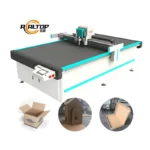
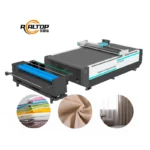
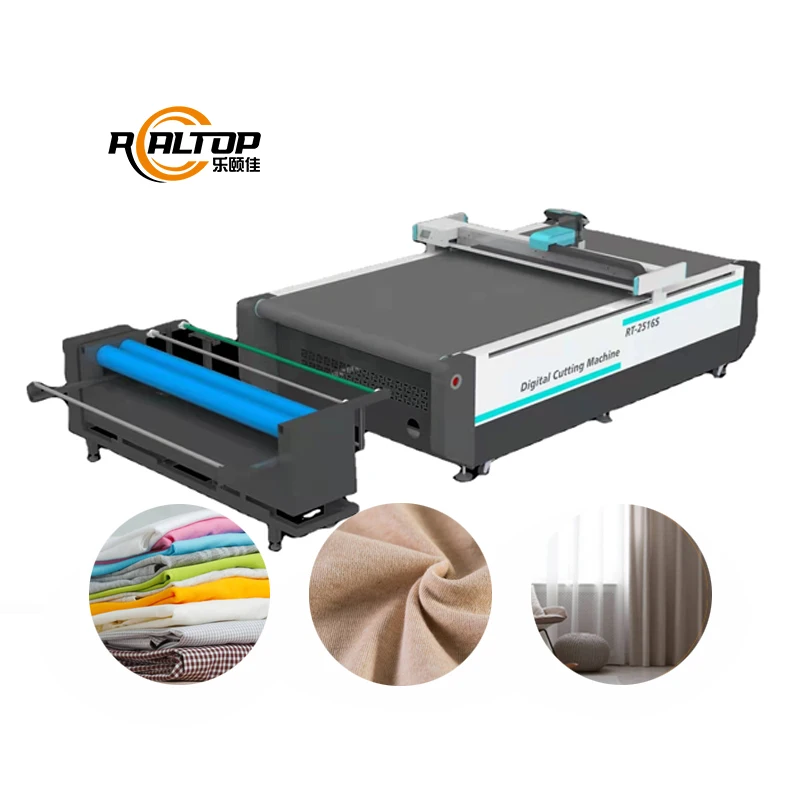
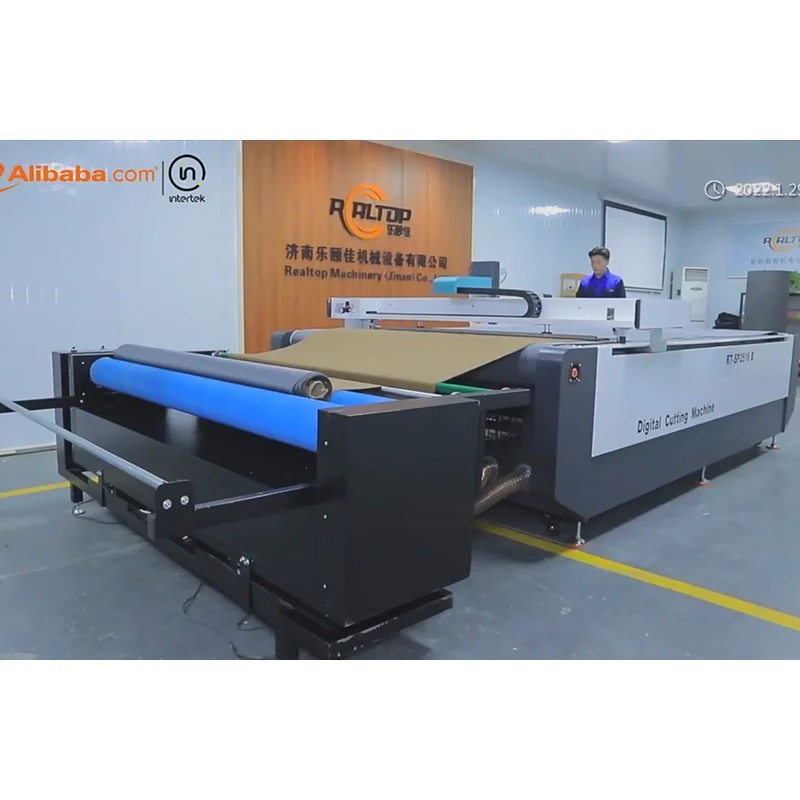
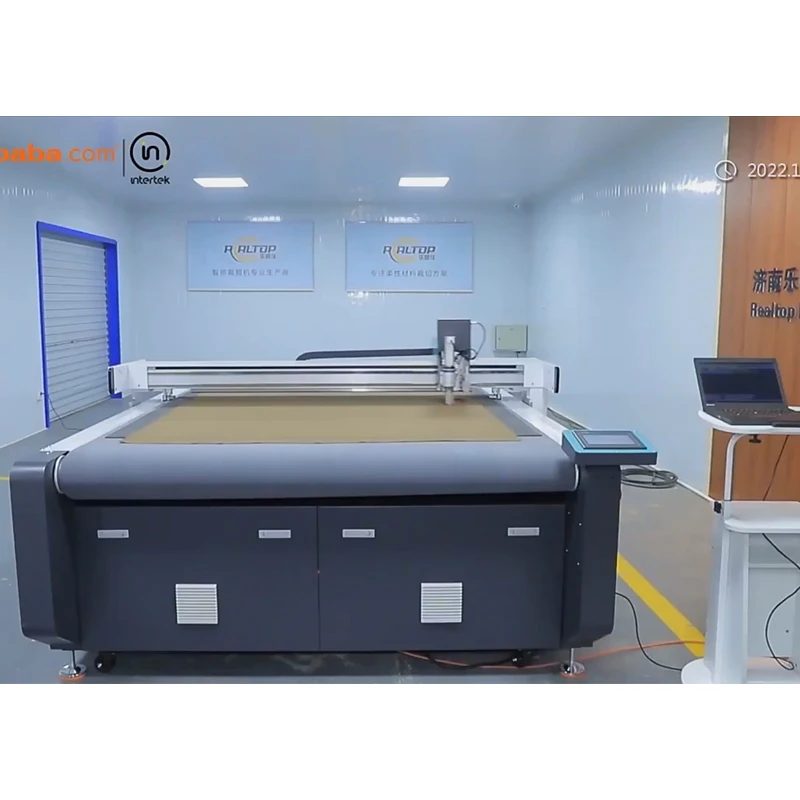
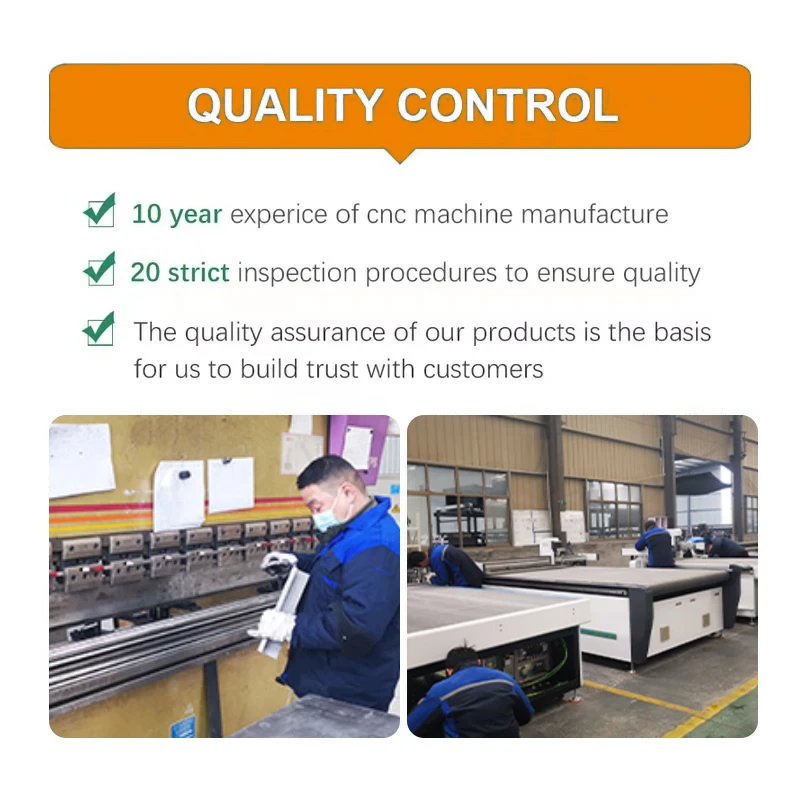
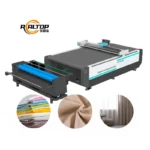
Precision-Built Frames — Every RT-D2516/RT-S2516 chassis undergoes high-temperature tempering and CNC machining center finishing in our own facility, ensuring geometric stability that trading companies cannot verify or guarantee.
Technical Specifications
| Parameter | Value |
|---|---|
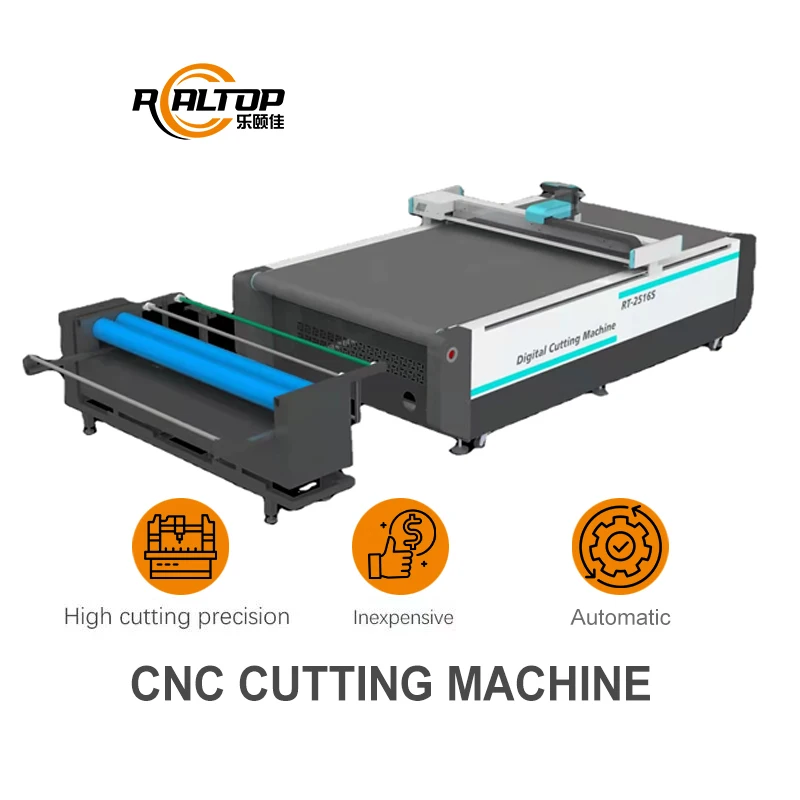
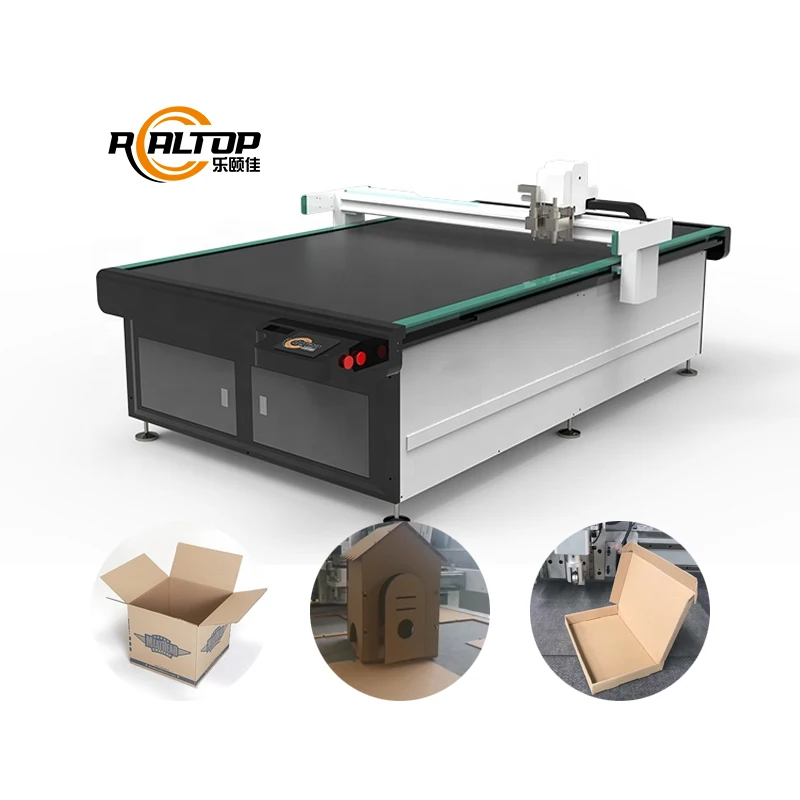
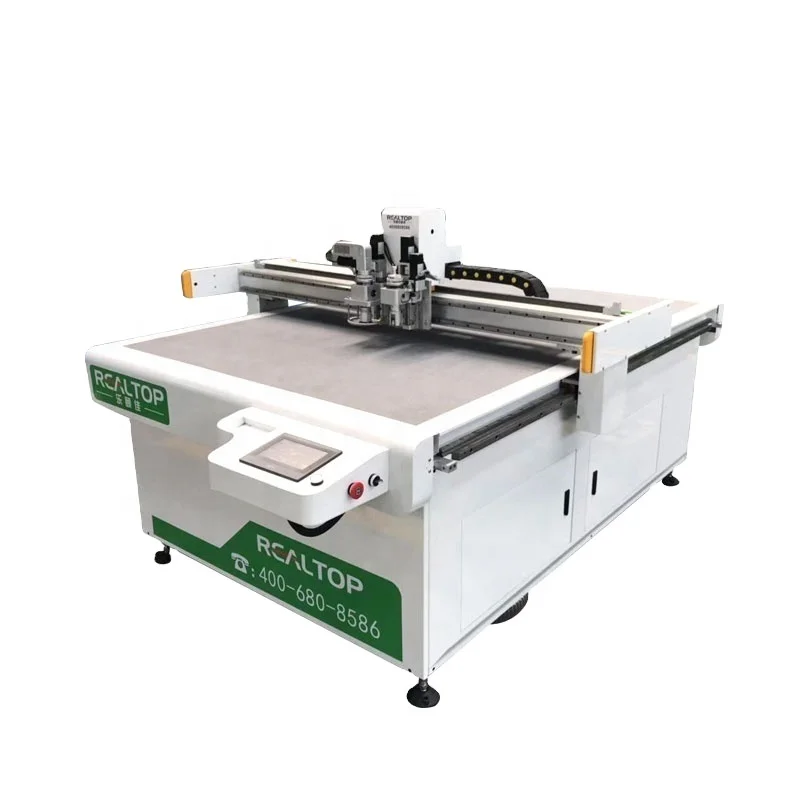
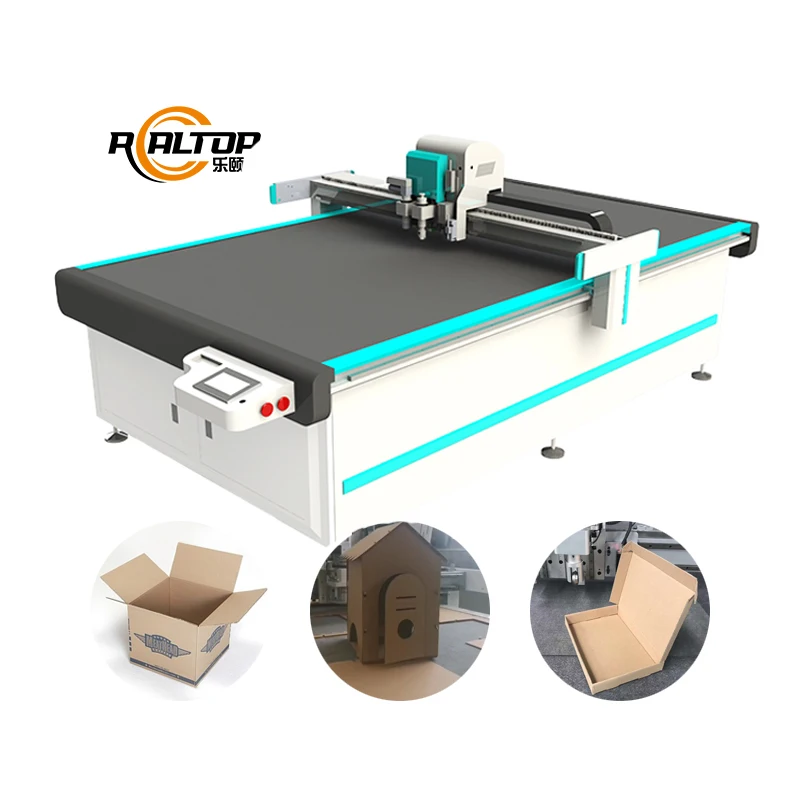
| Product Type | CNC Oscillating Knife Cutting Machine |
| Model | RT-D2516/RT-S2516 |
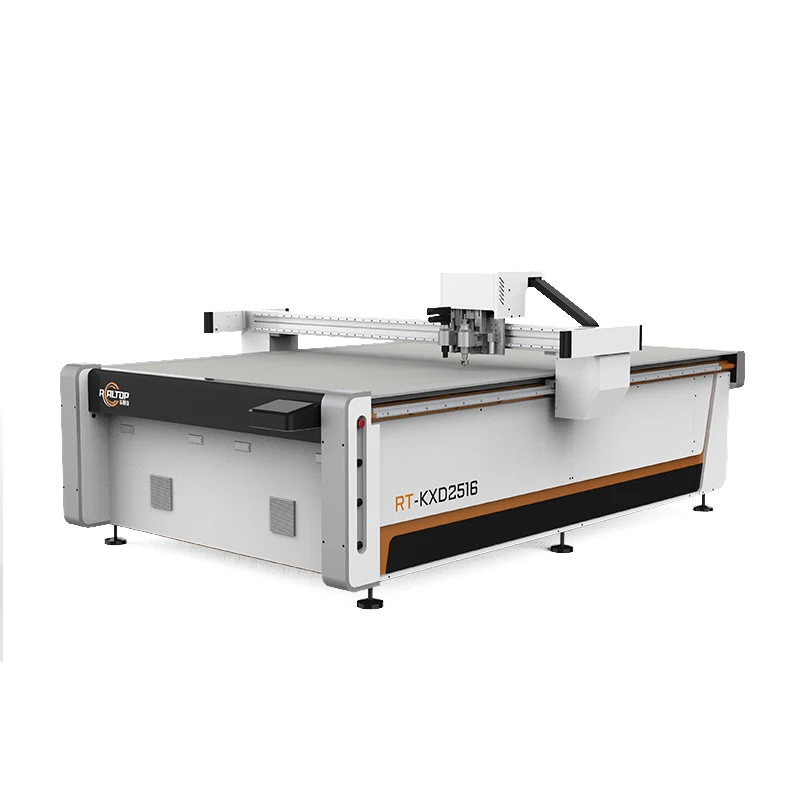
| Working Area | 1600×2500 mm |
| Overall Dimensions | 3450×2300×1250 mm |
| Rated Power | 9 kW |
| Voltage | 380V ±10% |
| Control System | CNC (HP-GL compatible format) |
| Transmission System | Digital servo motor, linear guide, synchronous belt, ball screw |
| Servo Motor Brand | Delta (Panasonic optional) |
| Translational Velocity | 800–1200 mm/s |
| Repeated Accuracy | ≤0.1 mm |
| Cutting Thickness | 20–80 mm (according to different cutting materials) |
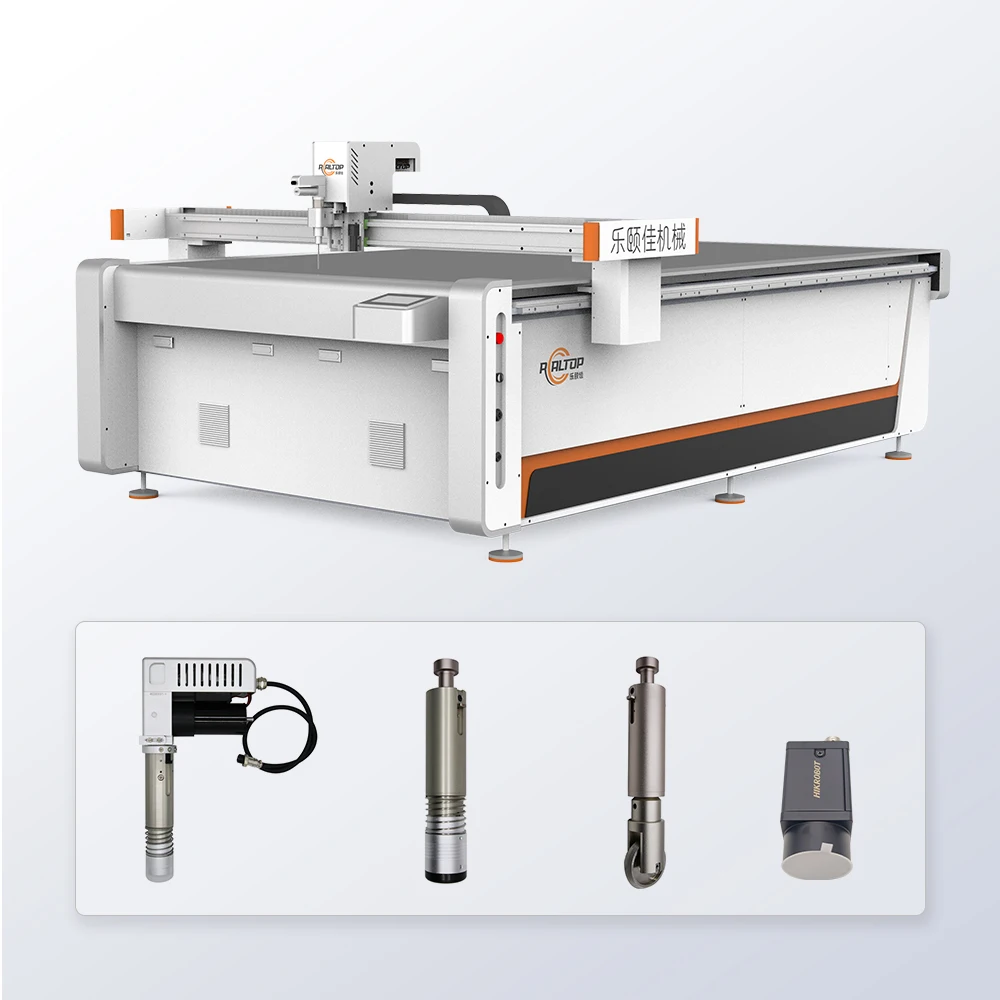
| Tool Head Type | Swiss imported knife; multifunctional head supports oscillating, pneumatic, high-power vibrating, circular, V-cutting, drag, creasing, dotted line, punching, brush tools |
| Visual Positioning | Small CCD camera mark point, panoramic camera recognition, projection positioning |
| Work Table | Magnesium-aluminum alloy vacuum adsorption with PVDF coating, anodic and hard oxidation |
| Vacuum Pump | 7.5 kW, integrated aviation aluminum shell with built-in silencer |
| Safety Device | Infrared blocking, anti-collision, emergency stop |
| Language Options | English, Russian, Italian, Chinese (special languages customizable) |
| Assembly State | Fully assembled |
Application Suitability
| Application | Material or Output |
|---|---|
| Automotive Interior Trimming | Leather, synthetic fabrics, and composite gaskets for dashboards and seating |
| Footwear and Luggage Production | Shoe materials, PU, EVA, and heavy-duty textiles requiring clean edge finishes |
| Packaging and Carton Sampling | Corrugated cardboard, plastic boxes, and sticker films for prototype and short-run output |
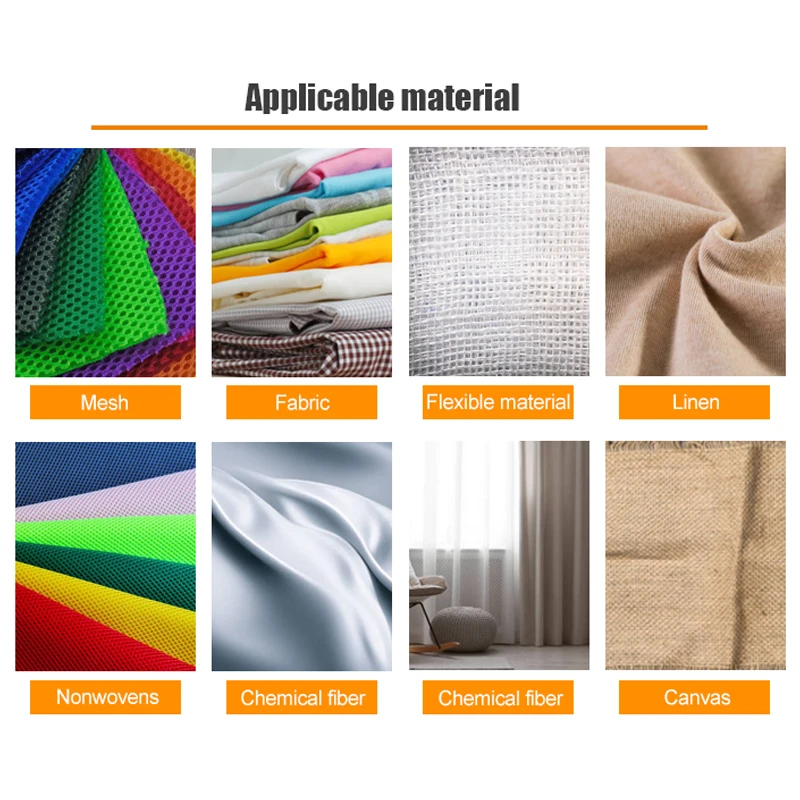
| Soft Furnishings and Carpets | Non-woven fabrics, sponge, carpets, and floor mats cut to complex contours |
| Composite Material Fabrication | Fiberglass, PTFE, ETFE, and multi-layer technical textiles for industrial sealing |
Why the Vacuum Zoning Question Matters More Than Working Area
A large-format table only performs if the suction matches the part size and material porosity you actually run.
Many buyers specify a CNC oscillating knife cutting machine factory based on bed size, then discover that small gaskets or narrow fabric strips lift during high-speed cutting because the vacuum zones cannot isolate suction effectively. When processing porous materials like non-wovens or corrugated board, air leakage across a poorly zoned table destroys holding force. This problem compounds at the 800–1200 mm/s translational velocity range where airflow dynamics shift rapidly [NEED_CITE: vacuum table zoning principles for porous and non-porous materials]. The RT-D2516/RT-S2516 magnesium-aluminum alloy table addresses this through multi-process surface treatment including PVDF powder spraying and hard oxidation, which maintains flatness and seals micro-gaps that cheaper tables develop after months of knife contact.
Frame Engineering That Distributors Can Actually Audit
Distributors evaluating an OEM partner need to see how the frame is built, not just read a spec sheet. The RT-D2516/RT-S2516 uses a thick-walled seamless steel structure that undergoes high-temperature tempering to relieve welding stress before any CNC machining center work begins. This sequence matters because untreated weld stress releases gradually over months, shifting the linear guide alignment and degrading the ≤0.1 mm repeated accuracy. Our in-house machining center finishes all mounting surfaces after tempering, so the geometric baseline you verify at factory acceptance is the baseline that persists in the field. For a CNC oscillating knife cutting machine factory direct buyer, this means the distributor can audit every production stage rather than relying on a trader’s assurances.
OEM Configuration Depth Beyond the Brochure
The multifunctional tool head on the RT-D2516/RT-S2516 is not a fixed package. Buyers select from oscillating knife, pneumatic knife, high-power vibrating knife, circular knife, V-cutting knife, drag knife, creasing wheel, dotted line knife, punching, and brush tools based on their actual material stack. A footwear producer cutting layered EVA and leather needs a different tool combination than a gasket fabricator working PTFE sheets. Voltage configuration extends beyond the standard 380V ±10% to match local grid conditions, and control language is confirmed before production starts [NEED_CITE: industrial machinery voltage and frequency standards for export markets]. This CNC oscillating knife cutting machine factory configuration flexibility means importers receive machines that plug in and run without on-site electrical modifications or software workarounds.
What the Specs Actually Mean on the Production Floor
The 9 kW rated power and 7.5 kW vacuum pump together define what this machine can sustain during continuous operation, not just peak moments. The Delta servo motors (with Panasonic optional) drive the synchronous belt and ball screw transmission at 800–1200 mm/s, but sustained accuracy at those speeds depends on the Taiwan Hiwin linear guides maintaining preload without deflection. The 20–80 mm cutting thickness range is material-dependent — dense rubber gasket material at 80 mm requires a different oscillation frequency and knife geometry than 20 mm sponge. The Swiss imported knife assembly delivers vibration full cutting, half cutting, and cursor location within the same head, reducing tool change time when a single job requires both through-cuts and kiss-cuts on laminated materials. The integrated aviation aluminum vacuum pump housing with built-in silencer sponge reduces operational noise while resisting the corrosion that standard steel housings develop in humid production environments.
The Hidden Cost of Skipping the Material Test
When a buyer commits to a configuration without running their actual material through the machine, the consequences surface weeks after installation. A CCD camera that tracks printed marks perfectly on rigid board may fail to register contours on flexible textile at production speed because the material shifts under the tool head. A vacuum zone layout optimized for full-sheet nesting leaves small automotive interior pieces drifting during the final cuts of a program. Tool pressure calibrated for cardboard crushes foam layers instead of shearing them cleanly. These are not defects — they are mismatches between specification assumptions and production reality [NEED_CITE: material-specific cutting configuration validation procedures]. The sample cutting step exists to surface these issues before the machine ships, not after.
Why Sourcing Directly from the Build Floor Changes the Conversation
Our in-house design team covers both the mechanical engineering and the control integration, so a request to modify the working area or add a specific tool head does not require negotiating with a third-party supplier. The frame welding, machining, and assembly all happen under one roof, meaning quality control traces every component from raw steel to the factory test record. Distributors gain access to electrical schematics and voltage confirmation documents before production begins, not after the machine is crated. The CE declaration documentation is prepared based on the actual configuration shipped, not a generic template. Sample cutting on the buyer’s own material generates a report that travels with the machine, providing a baseline for future tool wear and calibration checks. This CNC oscillating knife cutting machine factory direct model eliminates the information gap that typically widens when intermediaries handle technical specifications.
Documentation & Verification
- Machine specification sheet detailing every selected tool head and table configuration for your RT-D2516/RT-S2516
- Electrical schematic with voltage and frequency confirmation matching your facility’s grid supply
- Sample cutting report produced on your submitted material with edge quality and cycle time recorded
- Factory test record documenting repeated accuracy verification across the full 1600×2500 mm working area
- Packing photographs showing crating, component securing, and container loading sequence before dispatch
Installation, Commissioning & Support
- Fully assembled delivery requires floor space of at least 3450×2300 mm plus clearance for the auto-feeding conveyor
- Dedicated 380V ±10% circuit required to supply the combined 9 kW machine and 7.5 kW vacuum pump load
- First-run calibration includes vacuum zone mapping across the magnesium-aluminum table for your specific material porosity
- Operator training covers tool head changeover procedures across all configured tools from oscillating knife to creasing wheel
- Spare parts list identifies wear items including knife blades and vacuum seals with sourcing specifications for local procurement
What We Need to Specify Your Machine Correctly
To recommend the right configuration for the RT-D2516/RT-S2516, provide your primary material type, typical thickness range, and maximum sheet or roll dimensions. Confirm your facility voltage and frequency, along with the control interface language your operators require. If your workflow involves printed contour cutting, share sample files so we can verify CCD camera tracking at production speed. Tell us your daily volume expectations so we can match tool head selection and conveyor feeding to your throughput needs.
Frequently Asked Questions
Q: What OEM customization range does the factory offer for working area, tool heads, and electrical specifications?
A: The RT-D2516/RT-S2516 working area, tool head combination, and voltage are all configurable at the factory level. Our in-house design team modifies the frame, selects from over ten tool options including oscillating, pneumatic, and drag knives, and matches electrical components to your local grid. Special control languages beyond English, Russian, Italian, and Chinese are arranged before production begins.
Q: How does the factory verify frame precision — what machining and quality control processes are used?
A: Every frame undergoes high-temperature tempering after welding to relieve internal stress, then enters our CNC machining center for finishing of all guide and mounting surfaces. This sequence ensures the ≤0.1 mm repeated accuracy is built into a stress-free structure. Factory test records document the verification results before any machine ships to a distributor or end user.
Q: Can the factory perform sample cutting on my specific material before I commit to an order?
A: Yes. Send your material samples to our facility and we run them on the RT-D2516/RT-S2516 with the proposed tool head and vacuum configuration. The resulting sample cutting report documents edge quality, cutting speed, and any configuration adjustments needed. This step prevents costly mismatches between machine capability and your production requirements.
Q: What documentation ships with each machine, and how is voltage and language confirmed before production?
A: Each RT-D2516/RT-S2516 ships with a specification sheet, electrical schematic, tool head configuration list, sample cutting report, factory test record, operation manual, software licence note, and spare parts list. Voltage, plug type, and control language are confirmed in writing during the specification stage, well before the machine enters production.
Q: What is the factory’s spare parts supply policy, and how are wear parts sourced after warranty?
A: The spare parts list shipped with your machine identifies all wear items including Swiss knife blades, vacuum seals, and guide components with full specifications. Standard consumables are available directly from the factory, while common transmission parts like Delta servo motors and Hiwin rails can be sourced through established industrial supply channels in most markets.
You may also like

商品评价
Clear filtersThere are no reviews yet.