


-
 Courier delivery
-
 DHL Courier delivery
-
 Warranty 1 year
-
 Free 30-Day returns

Cold-cutting process verified on your material — Realtop tests each composite sample on our oscillating knife tables before finalizing tool head, blade geometry and vacuum zoning, so buyers avoid thermal damage to resin systems and delamination on honeycomb cores.
Technical Specifications
| Parameter | Value |
|---|---|
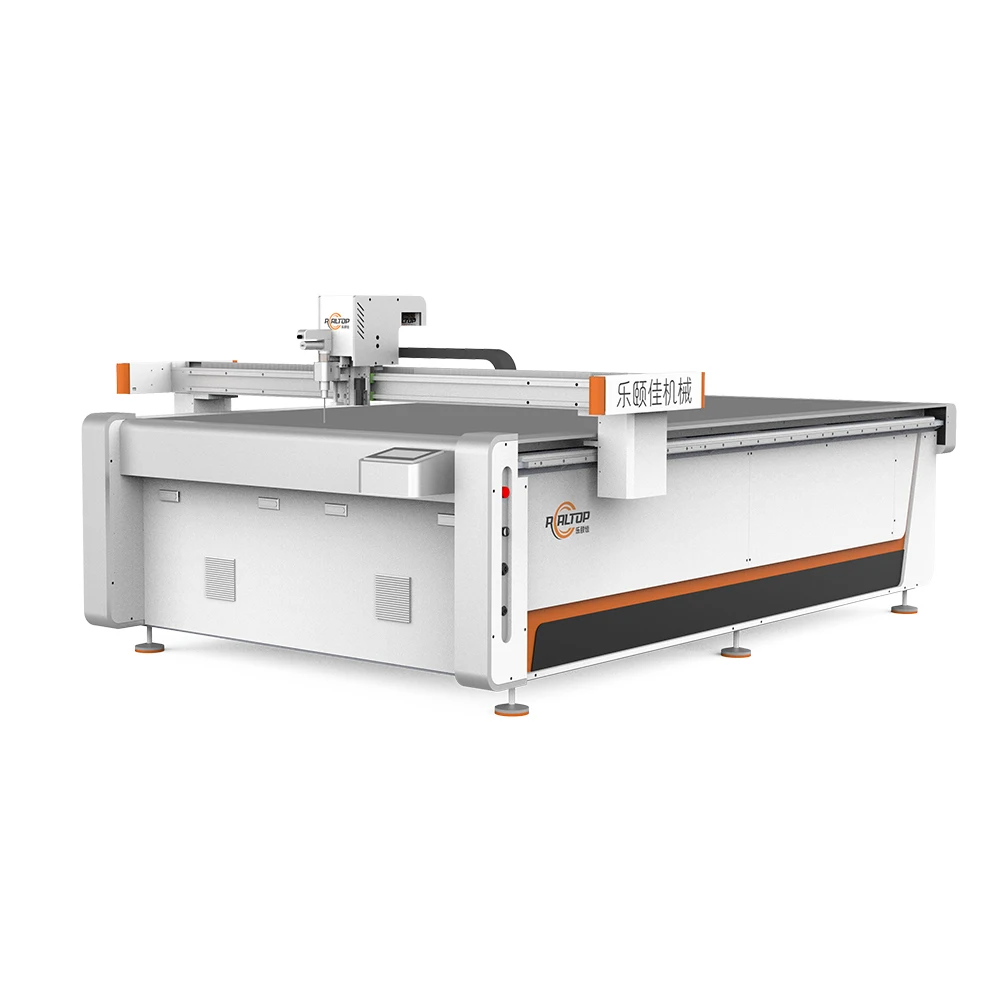
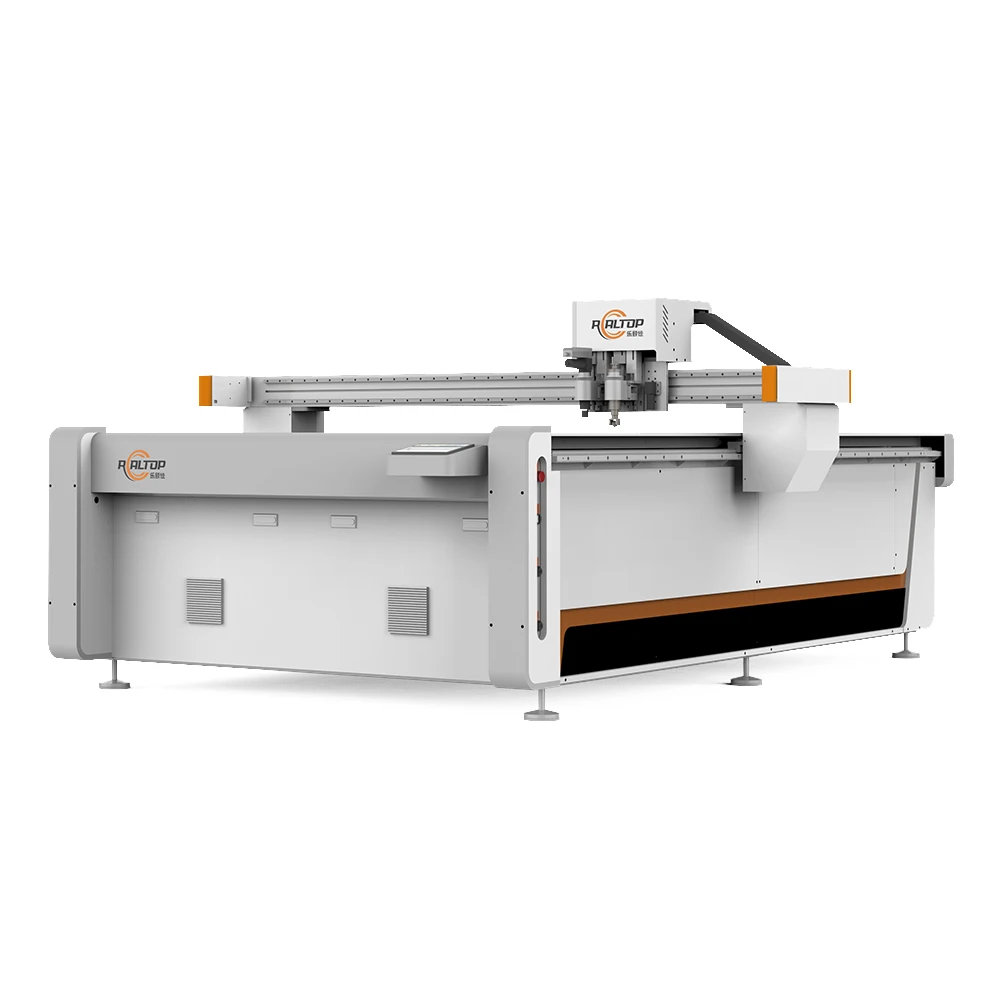
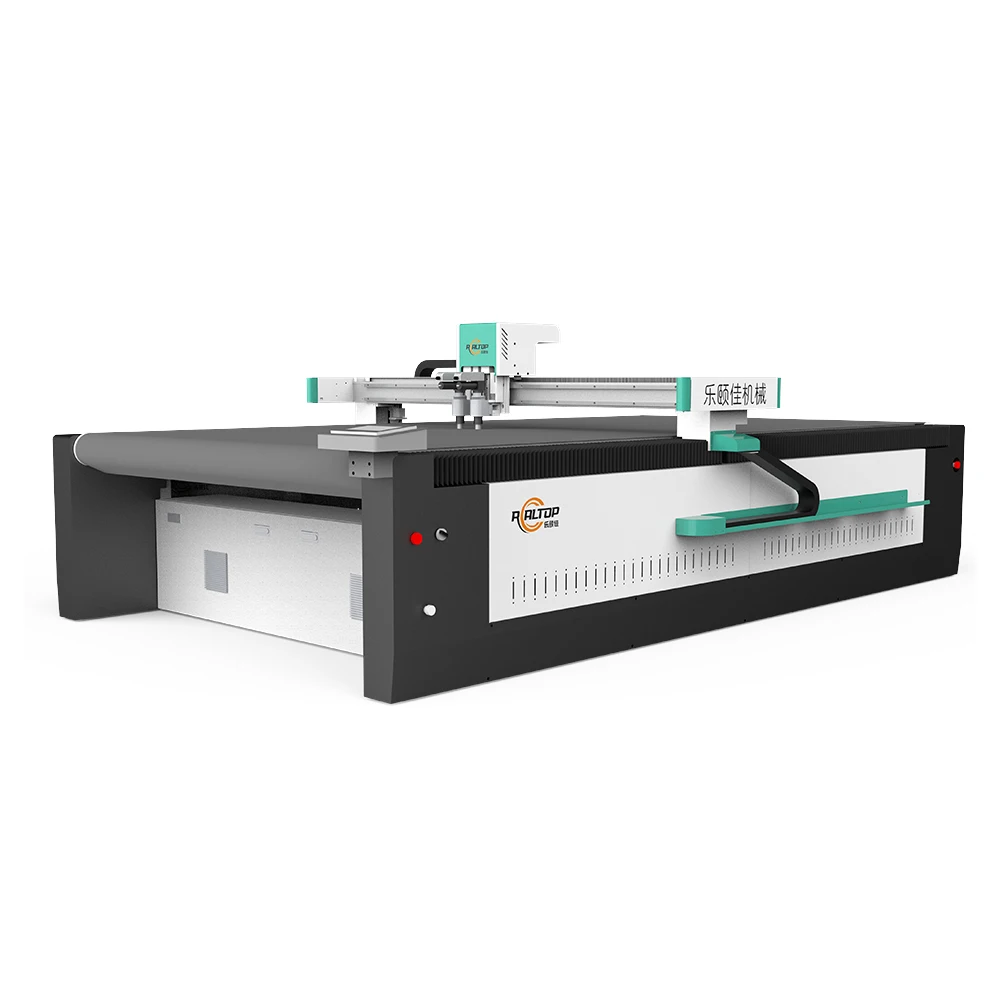
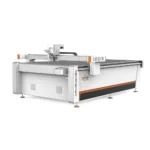
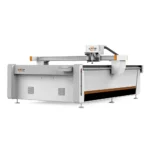
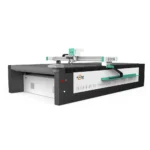
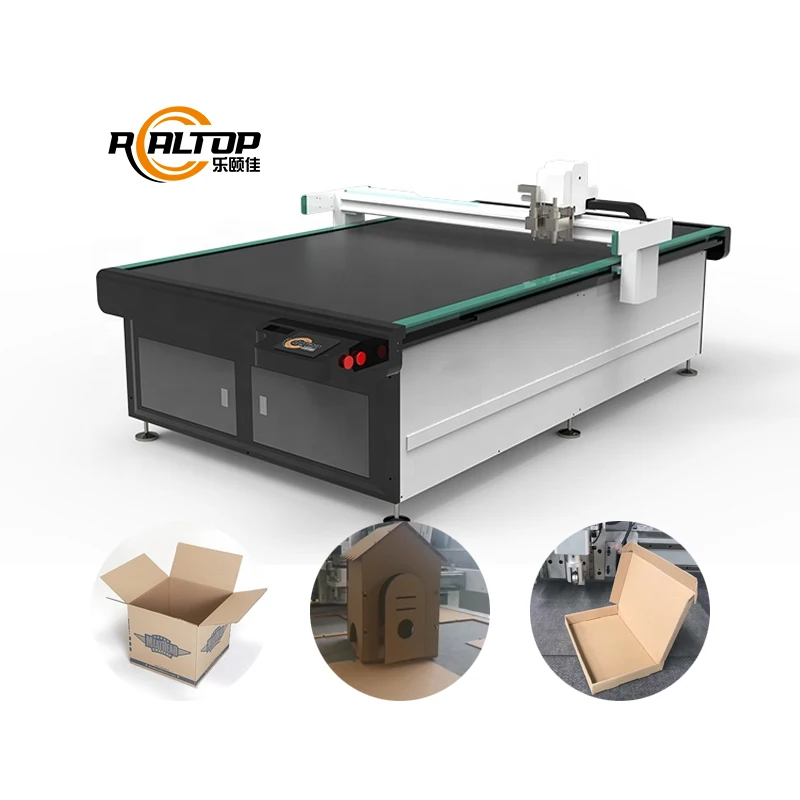
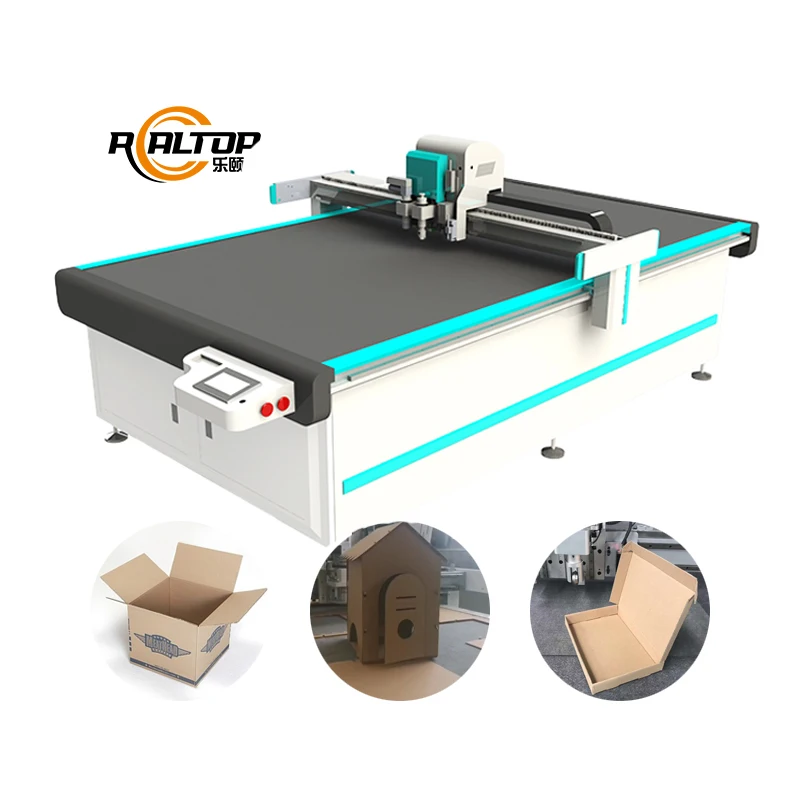
| Product Type | CNC Oscillating Knife Cutting Machine |
| Working Area | 1600×2500 mm |
| Cutting Thickness Capacity | ≤ 30 mm |
| Cutting Accuracy | ±0.1 mm |
| Cutting Speed Range | 0-2000 mm/s |
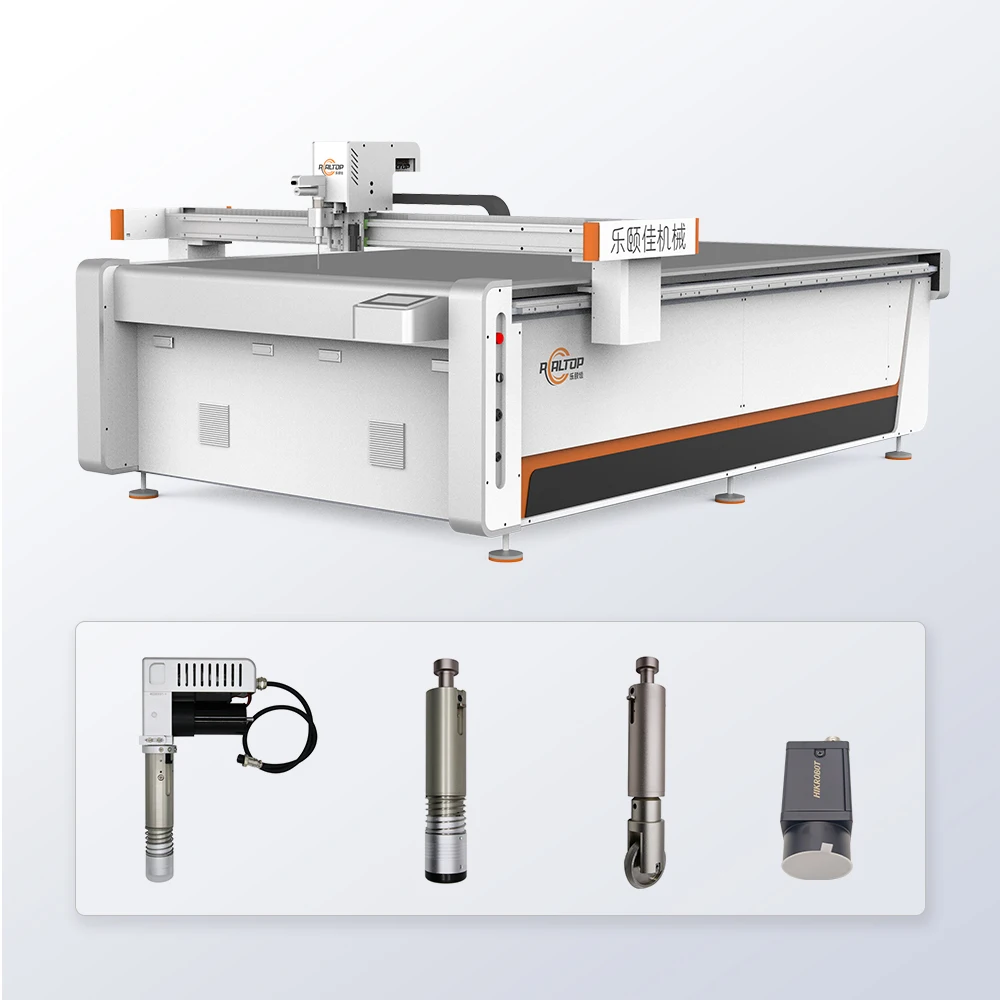
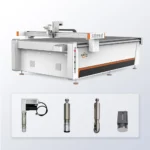
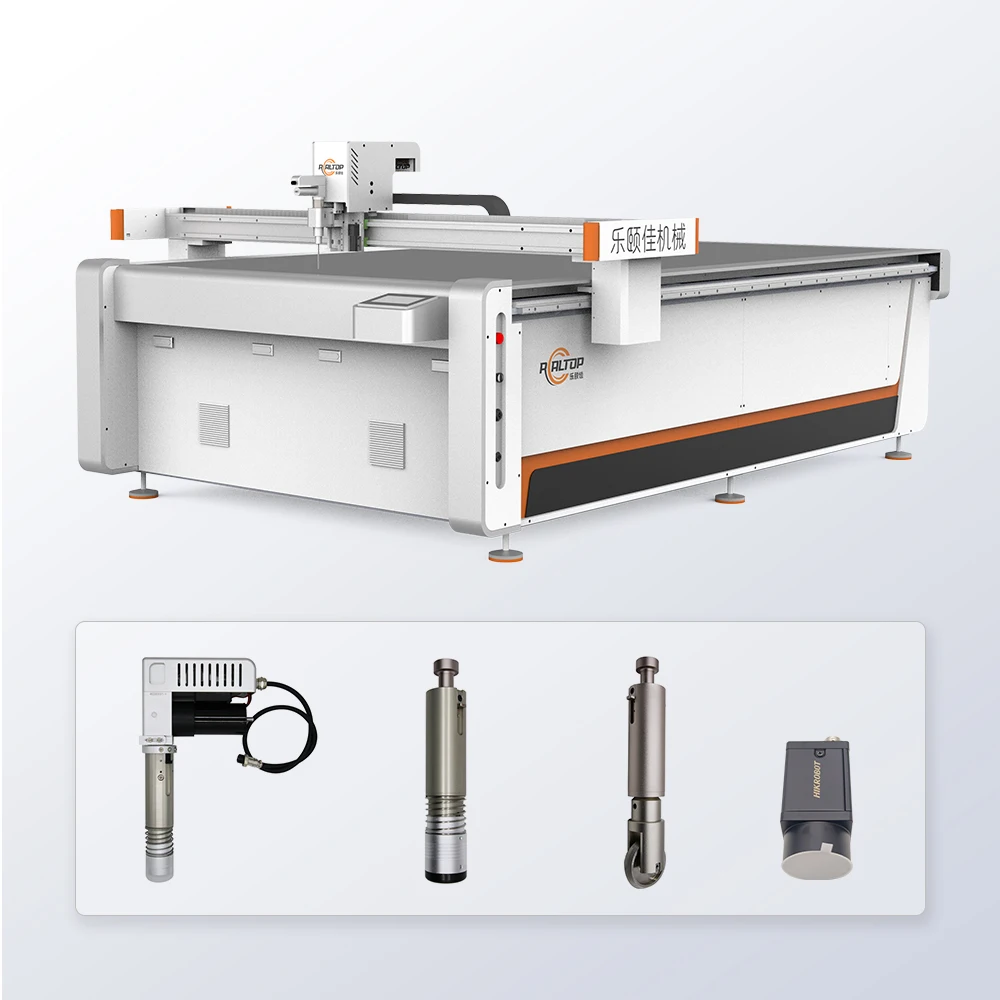
| Tool Head Options | Oscillating knife, Driven rotary knife, Creasing wheel, Kiss cutting tool, Pneumatic knife, Milling tool, V groove knife |
| Vacuum Table | Aluminum bellows with full-surface adsorption |
| Vacuum Pump | 9 kW |
| Machine Frame | Heavy-duty with precision-ground surface |
| Servo Motor Options | Panasonic, Delta, Dorna |
| Control System | PLC control panel with intuitive interface |
| Software Compatibility | PLT, DXF, AI, PDF |
| Voltage Options | 110V, 220V, 380V |
| Safety Devices | Infrared sensor and emergency stop |
| Machine Dimensions | 3300×2100×1350 mm |
| Language Options | English, Russian, Italian, Chinese (custom available) |
| Certification | CE declared |
Application Suitability
| Application | Material or Output |
|---|---|
| Aerospace component fabrication | Carbon fiber prepreg, aramid honeycomb (Nomex), thermal and acoustic insulation foam, wing and tail skin panels |
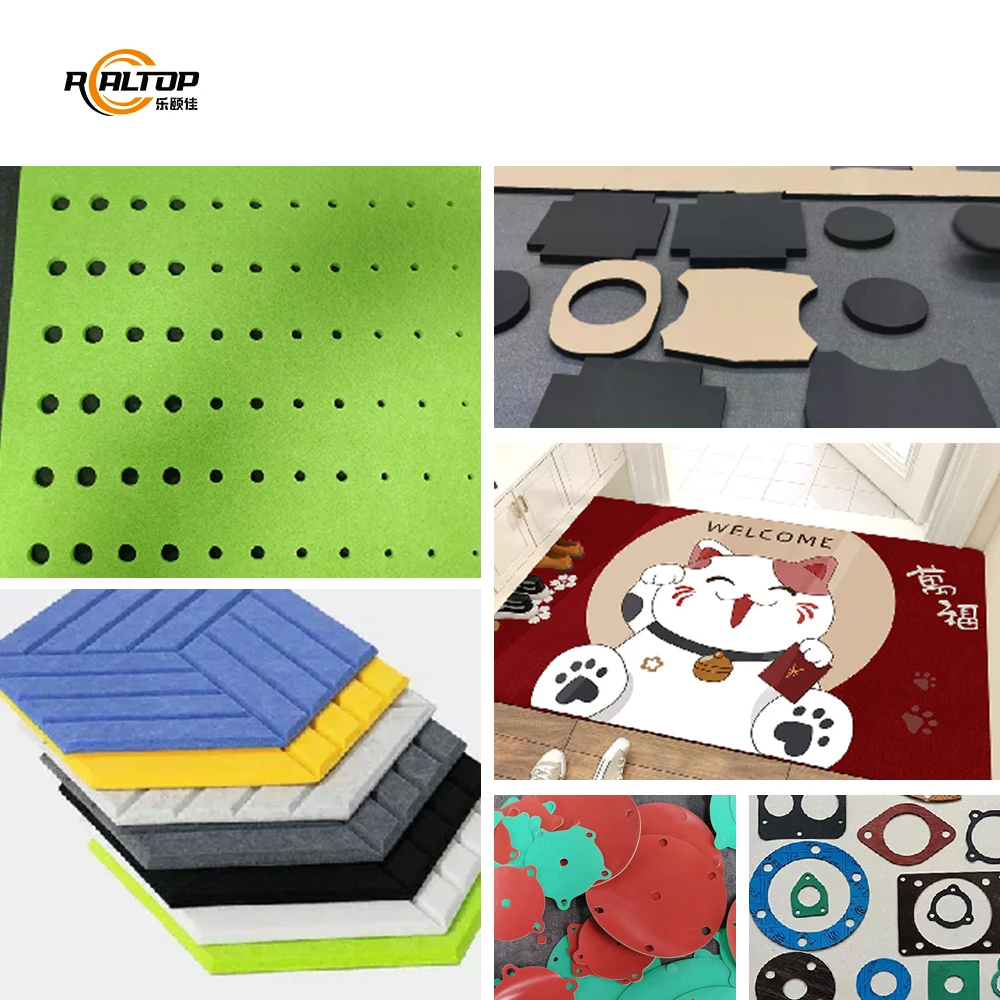
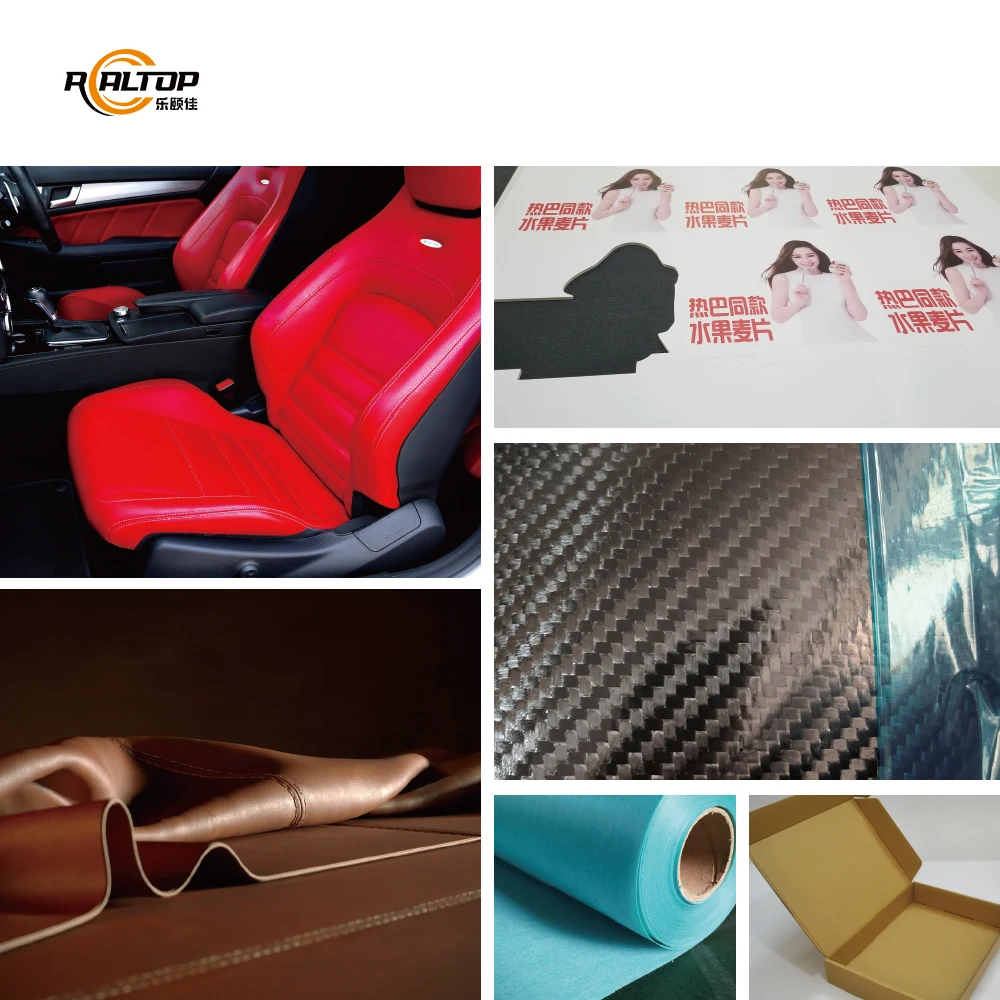
| Automotive and rail interior production | Carbon fiber covers, FRP panels, acoustic felt, damping pads, headliners, floor carpets |
| Wind turbine blade material processing | Fiberglass cloth, carbon fiber cloth, vacuum infusion mesh, PET and PVC foam core materials |
| Sporting goods and leisure equipment | Carbon fiber sheets and fabric, Kevlar, high-performance foam, bicycle frame prepreg, helmet liners, surfboard components |
Why "Working Area" Is the Wrong Starting Point for Composite Cutting
Buying a CNC oscillating knife cutting machine based solely on table size is the most common mistake composite fabricators make. The cutting method must match the resin system, fiber architecture and laminate thickness before the working area is even discussed.
I have seen buyers specify a 1600×2500 mm bed and assume the machine will handle their 25 mm aramid honeycomb the same way it cuts 3 mm fiberglass cloth. The result is crushed cell walls, delaminated edges, and a production line that stops while the buyer waits for replacement blades and reconfigured tool heads. Composite materials demand a cutting specification built around the material itself, not the footprint of the machine. [NEED_CITE: common failure modes in composite cutting equipment specification]
Blade Selection Dictates Edge Quality on Resin-Bound Laminates
The tool head system on this CNC oscillating knife cutting machine offers seven interchangeable options because no single blade geometry works across all composite architectures. Soft fiberglass cloth requires a high-frequency oscillating knife to shear fibers cleanly without pulling, while rigid carbon fiber board demands a milling tool or pneumatic knife to manage the abrasive matrix. Driven rotary knives handle continuous fabric rolls at production speed, and V groove knives produce fold-ready edges on sandwich panels. The manufacturer’s responsibility is to match the blade to the buyer’s exact material before the order is confirmed.
Thermal Damage Is Not an Option With Heat-Sensitive Resin Systems
Laser cutting introduces thermal stress that chars edges, melts resin matrices and compromises the structural integrity of carbon fiber and Kevlar laminates. [NEED_CITE: thermal degradation thresholds in composite resin systems] The cold-cutting oscillating knife process preserves resin chemistry and fiber orientation, maintaining mechanical properties that aerospace and automotive engineers specified in the first place. This distinction matters most on prepreg materials and honeycomb cores, where even localized heat exposure destroys the bond between skin and core. A CNC oscillating knife cutting machine manufacturer that builds both knife and laser systems will route composite work to the knife table without hesitation.
Reading the Specification Sheet for Real Production Impact
The 9 kW vacuum pump paired with an aluminum bellows table is not just a holding force number — it determines whether large-format fiberglass cloth stays flat during high-speed cutting or lifts at the edges and produces dimensional errors. Aluminum bellows construction maintains seal integrity across the full 1600×2500 mm surface, which matters when cutting vacuum infusion mesh or wide prepreg rolls where any localized lift translates into scrapped material. The ±0.1 mm cutting accuracy, driven by selectable Panasonic, Delta or Dorna servo motors, ensures that aerospace brackets and automotive interior panels meet assembly tolerances without secondary trimming. PLC control with PLT, DXF, AI and PDF import means the buyer’s existing nesting software feeds directly into the machine workflow without intermediate file conversion steps.
The Cost of Underspecification Shows Up After Shipment
When a buyer accepts a standard configuration without confirming the tool head against their actual composite stack, the consequences unfold over weeks rather than days. The wrong blade produces micro-delamination that passes visual inspection but fails ultrasonic testing downstream. [NEED_CITE: quality control standards for aerospace composite components] Vacuum zoning that does not match the buyer’s typical part size allows small components to shift during cutting, generating scrap that erodes material yield. Voltage mismatches discovered after arrival delay commissioning while transformers are sourced locally. Every one of these outcomes is preventable when the specification conversation starts with the material.
What an In-House Build Process Changes for the Buyer
Realtop designs and produces both knife and laser cutting systems under one roof, which means the cutting method recommendation is driven by material behavior rather than by whichever machine line needs orders filled. The in-house design team adjusts vacuum table zoning, tool head configuration and blade selection per composite material type and daily production volume before the build begins. Factory testing runs the buyer’s own material on the configured machine, generating a sample cutting report that documents edge quality, achievable thickness and cycle parameters. Voltage, plug type and control language are confirmed against the destination market before shipment, and the software license covers the buyer’s file format compatibility from day one. [NEED_CITE: CE machinery directive compliance requirements for CNC cutting equipment]
Documentation & Verification
- Machine specification sheet listing configured tool heads and matched composite materials
- Electrical schematic confirming voltage, frequency and plug type for destination market
- Sample cutting report on buyer’s composite material documenting edge quality and thickness
- Tool head and vacuum table configuration list tied to material type and production volume
- Software license with confirmed PLT, DXF, AI and PDF file format compatibility
- Factory test record captured before dispatch with buyer material on configured machine
Installation, Commissioning & Support
- Heavy-duty frame requires level concrete floor with clearance for 3300×2100×1350 mm machine footprint
- Dedicated electrical circuit matching confirmed 110V, 220V or 380V supply before connection
- 9 kW vacuum pump requires separate breaker and ducting for composite dust extraction
- PLC control panel configured to buyer’s language before first power-on and calibration cycle
- Servo motor tuning and ±0.1 mm accuracy verification performed on buyer’s composite sample material
- Spare blade inventory and tool head wear parts list provided based on composite abrasion characteristics
What We Need From Your Side to Build the Right Machine
Composite cutting configurations vary more than any other material category we handle. To get this right, we need your material data sheet showing fiber type, resin system, laminate thickness and whether the material arrives as prepreg, dry fabric or cured panel. Tell us your largest typical sheet dimension, your daily cutting volume and whether your nesting software exports PLT, DXF, AI or PDF. Confirm your facility voltage and frequency, and let us know if your operators need a control language beyond our standard options. If you can ship us a sample of your actual production material, we will run it on the configured machine and send back a cutting report before you commit to the order.
Frequently Asked Questions
Q: How do you select the right knife tool head for my specific composite material?
A: We evaluate your material’s fiber architecture, resin hardness and laminate thickness to choose from seven available tool heads. Soft fabrics like fiberglass cloth get high-frequency oscillating knives, while rigid carbon fiber boards require milling or pneumatic tools. The selection is confirmed through sample cutting on your actual material before the order is finalized.
Q: Can I send my composite material for sample cutting before placing the order?
A: Yes, sample cutting is a standard step in our process. Ship us your production material and we run it on the configured machine, documenting edge quality, achievable thickness and any delamination. You receive a sample cutting report to review before committing to the purchase.
Q: How is the vacuum table zoned, and will it hold small composite parts without lift?
A: The aluminum bellows vacuum table provides full-surface adsorption across the 1600×2500 mm area. We configure zoning based on your typical part size and production layout to prevent small components from shifting during high-speed cutting, which is critical for maintaining dimensional accuracy on aerospace and automotive parts.
Q: What voltage and control language options are confirmed before shipment?
A: We offer 110V, 220V and 380V configurations and confirm plug type, frequency and control language with you before production begins. The PLC interface is available in English, Russian, Italian and Chinese, with custom languages available to match your operator requirements.
Q: What is the OEM capability and how does the in-house design team support custom configurations?
A: Our in-house design team adjusts tool head selection, vacuum zoning, servo motor specification and safety device layout to match your production requirements. Because we build both knife and laser systems in the same factory, we can recommend and configure the cutting method that suits your composite material rather than limiting you to a single technology.
You may also like

商品评价
Clear filtersThere are no reviews yet.