


-
 Courier delivery
-
 DHL Courier delivery
-
 Warranty 1 year
-
 Free 30-Day returns

Precision Tool Head Matching — Every leather cutting configuration is verified against the buyer’s actual material sample before the order is finalized, ensuring the oscillating knife pressure, vacuum zoning, and CCD settings handle real production conditions rather than catalog assumptions.
Technical Specifications
| Parameter | Value |
|---|---|
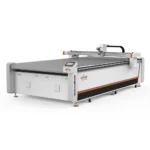
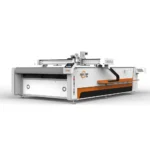
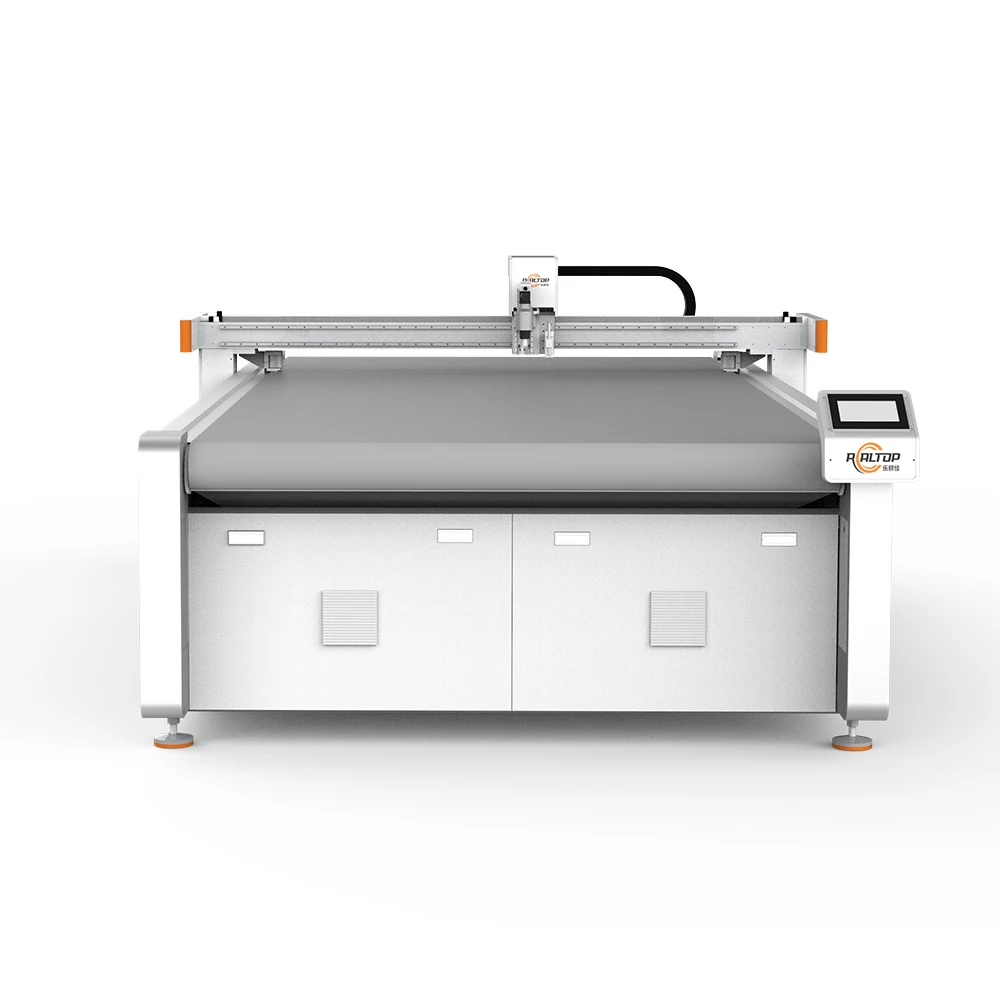
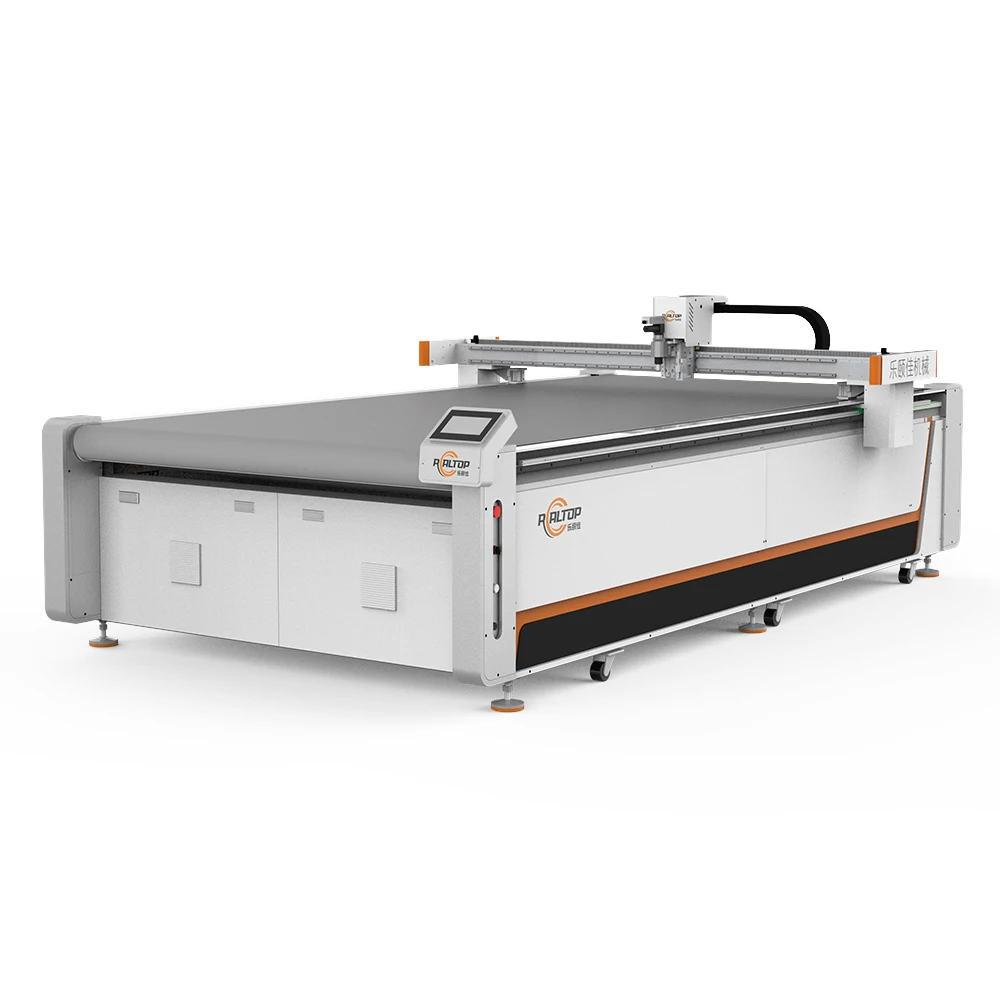
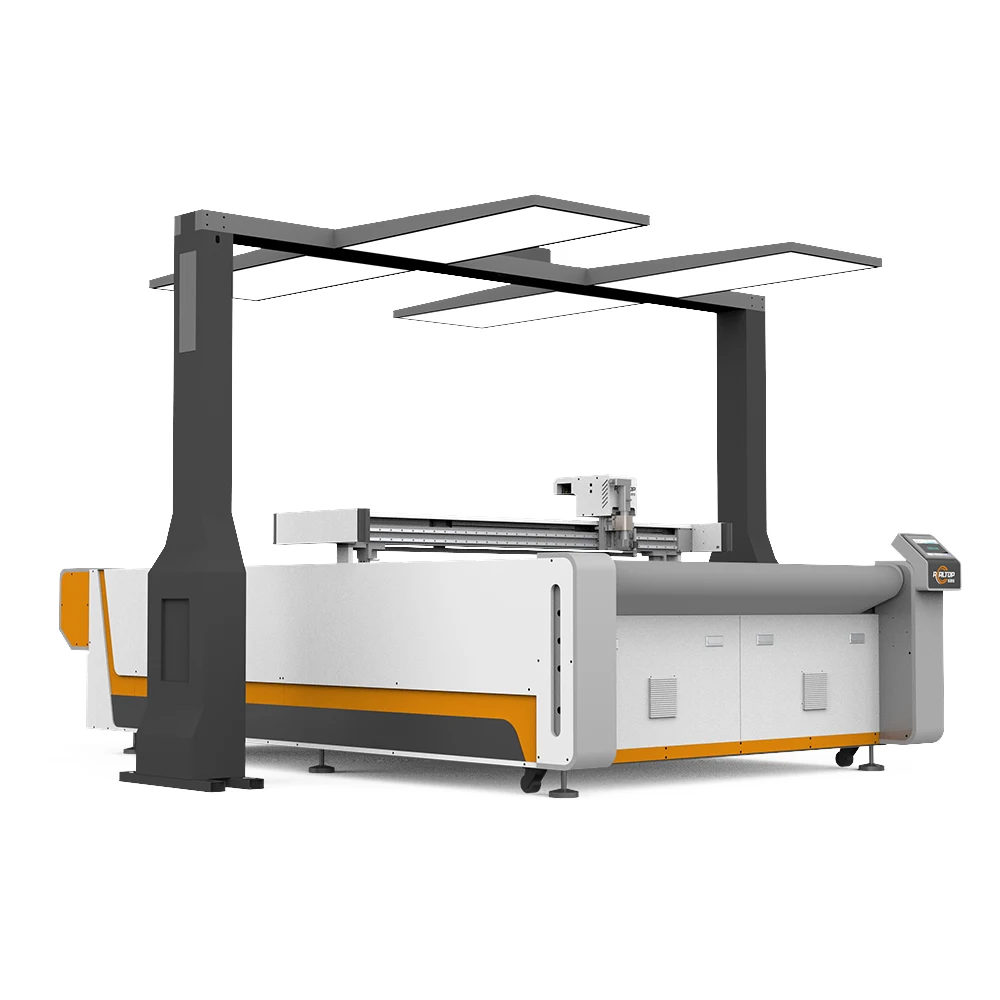
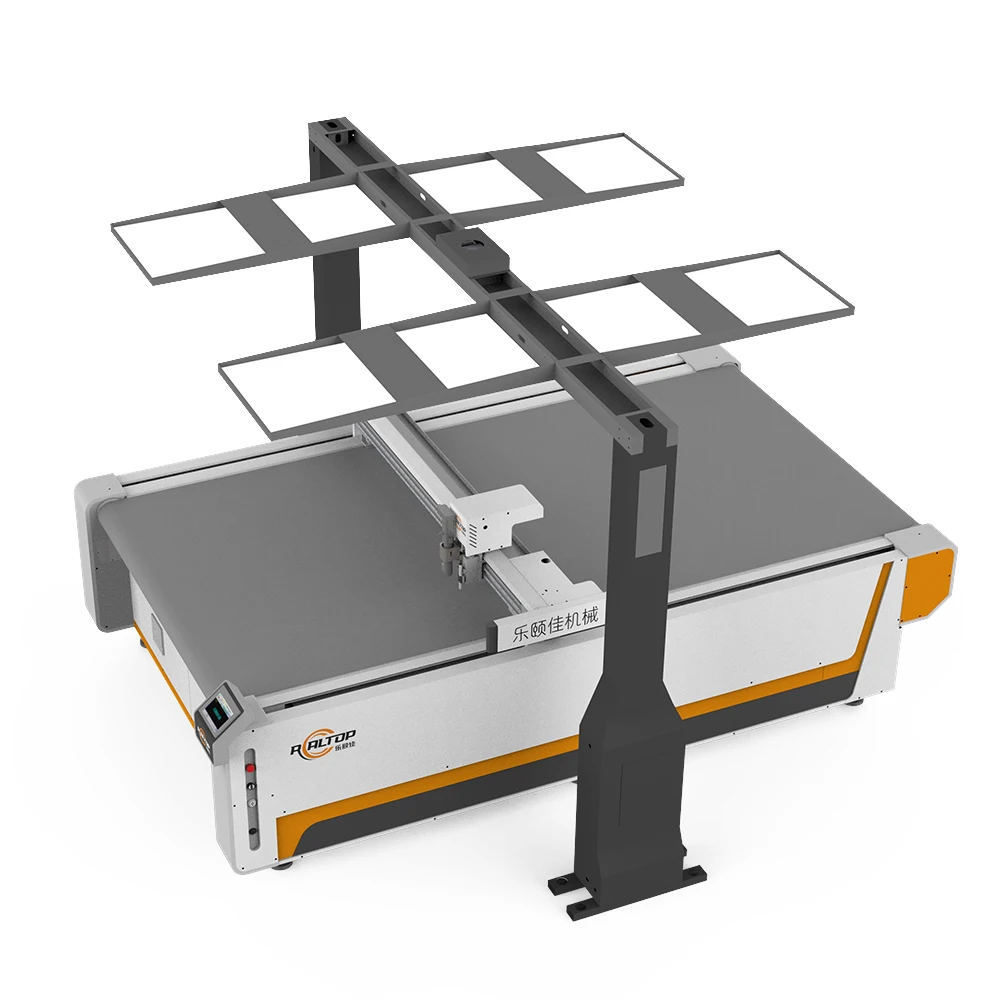
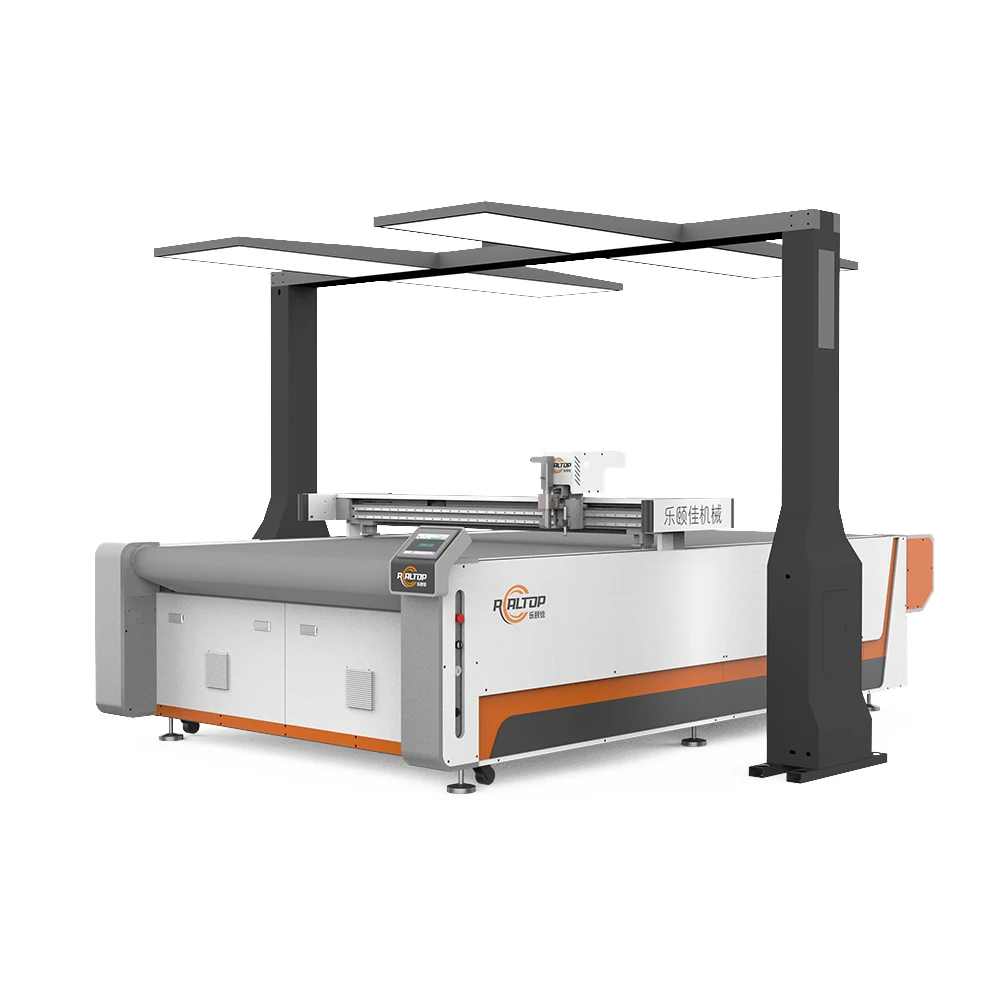
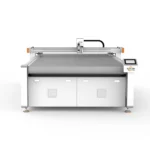
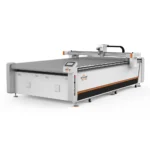
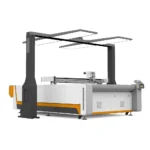
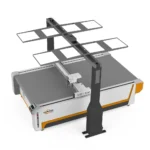
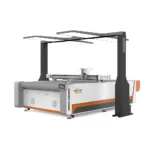
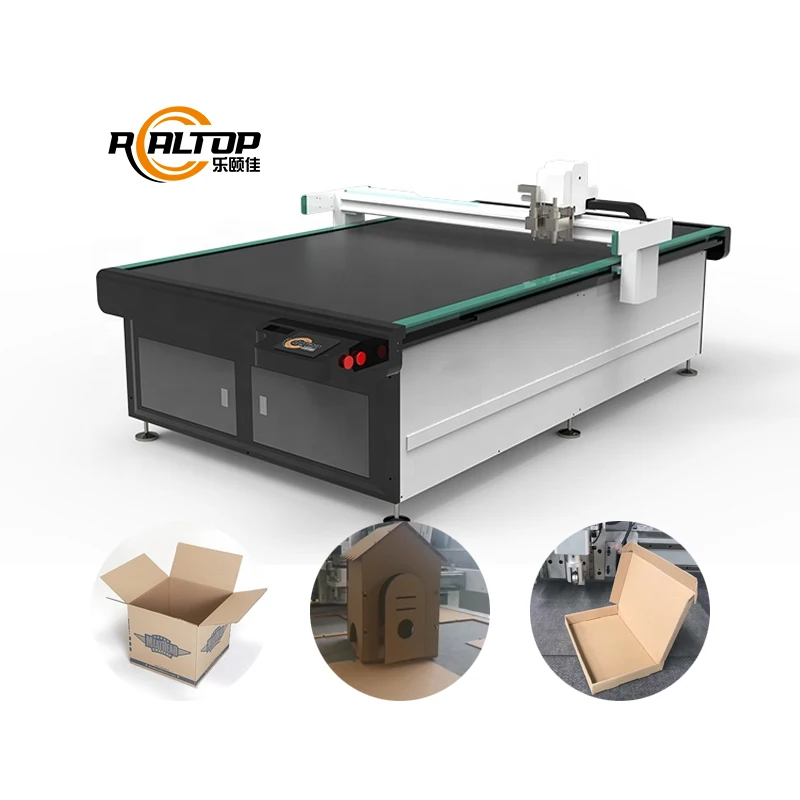
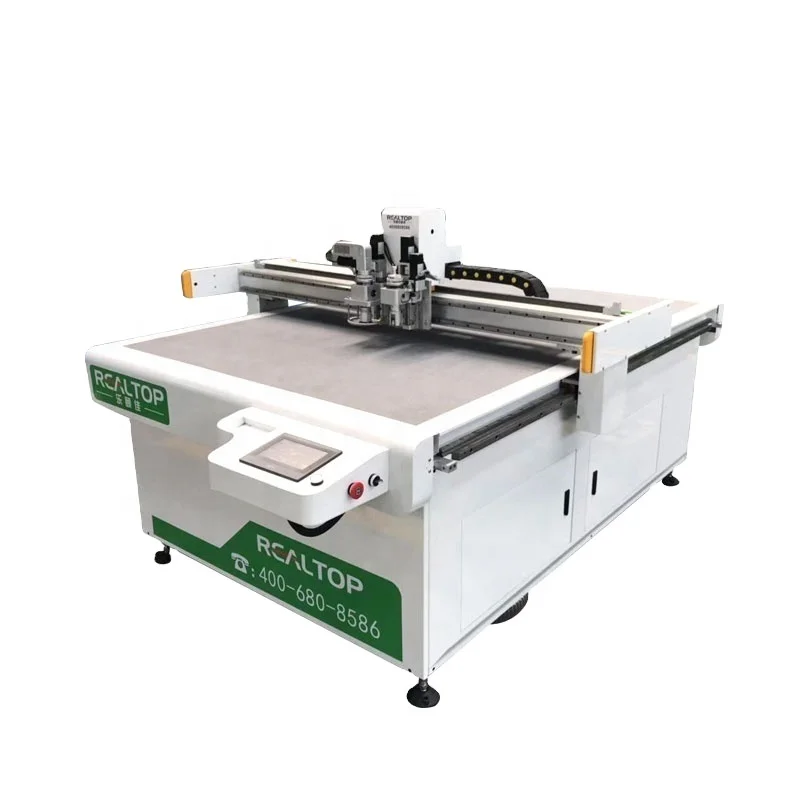
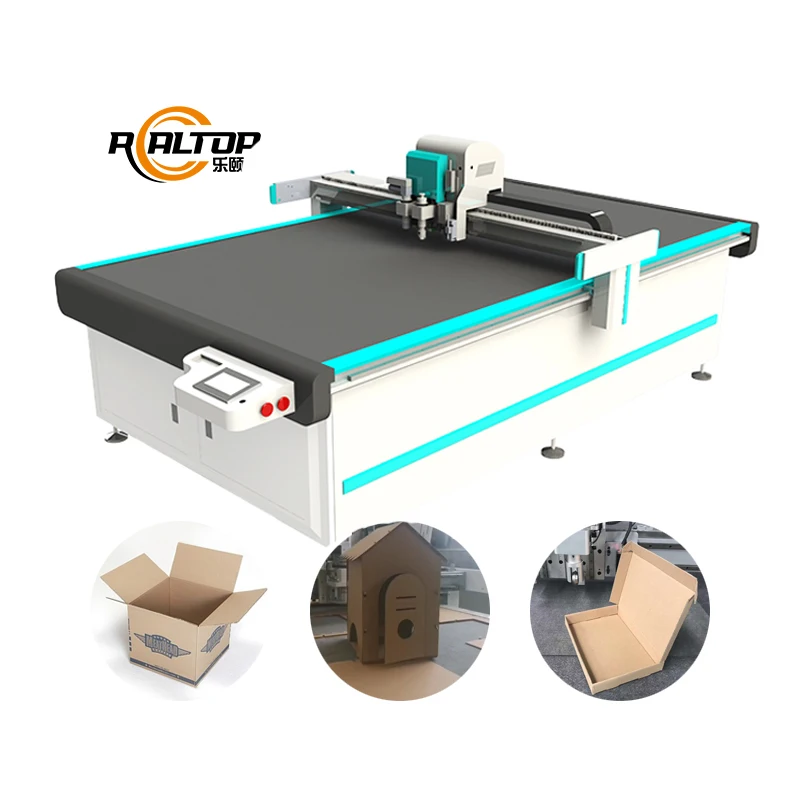
| Product Type | CNC Oscillating Knife Cutting Machine with CCD Camera |
| Working Area | 1600×2500 mm |
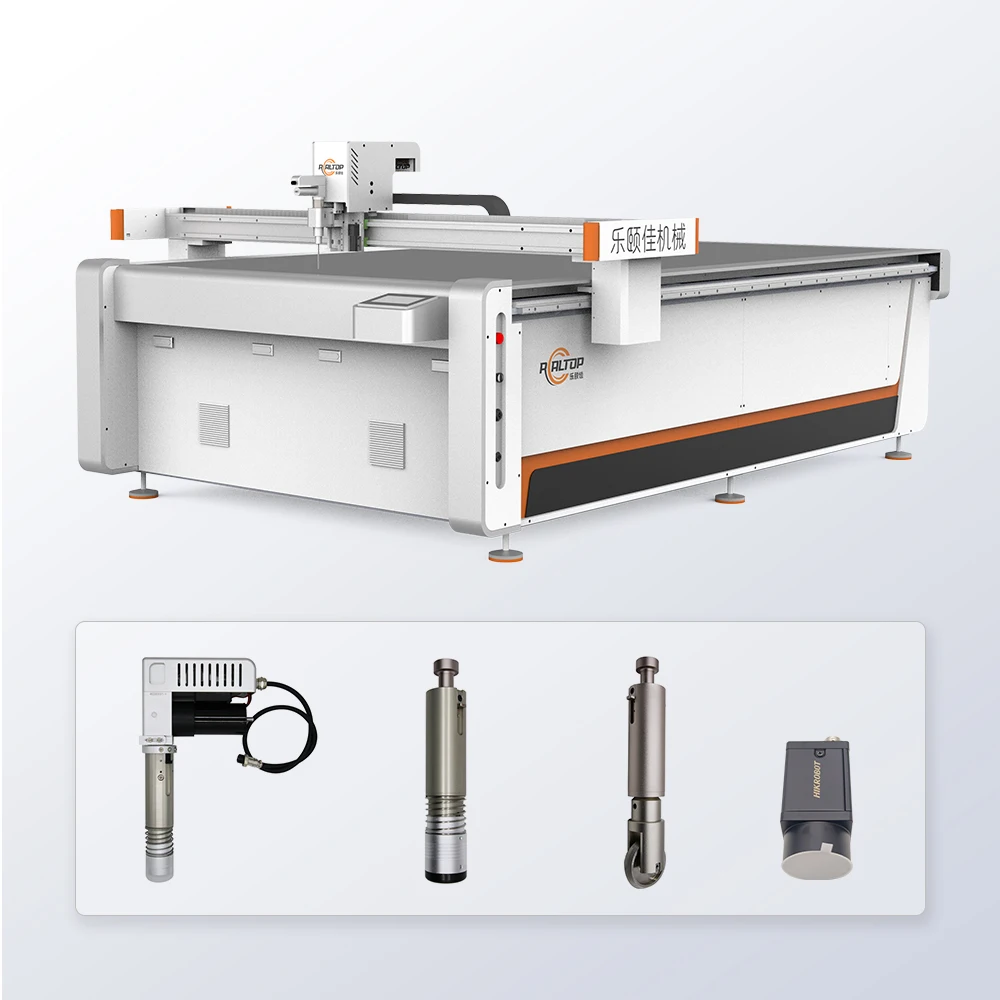
| Tool Head Options | Oscillating knife, Driven rotary knife, Creasing wheel, Kiss cutting tool, Pneumatic knife, Milling tool, V-groove knife |
| Cutting Thickness | Up to 30 mm (basis not stated in source — confirm material type and density) |
| Cutting Speed | 0–2000 mm/s (basis not stated in source — confirm material and thickness) |
| Cutting Accuracy | ±0.1 mm |
| Vacuum Pump Power | 9 kW |
| Voltage Options | 110V, 220V, 380V (frequency to be confirmed per target market) |
| Control System | PLC control panel |
| File Formats Supported | PLT, DXF, AI, PDF |
| Safety Devices | Infrared sensor device and emergency stop device |
| Machine Dimensions | 3300×2100×1350 mm |
| Machine Frame | Heavy-duty frame with precision-ground surface |
| Vacuum Table | Aluminum bellows vacuum table |
| Servo Motor Options | Panasonic, Delta, Dorna (source value — verify against manufacturer catalog) |
| CCD Camera | Contour recognition and positioning for printed materials |
| Nesting System | Camera-based auto-nesting with defect detection |
| Software Language Options | English, Russian, Italian, Chinese (special languages customizable) |
| Certification | CE (declaration where applicable) |
Application Suitability
| Application | Material or Output |
|---|---|
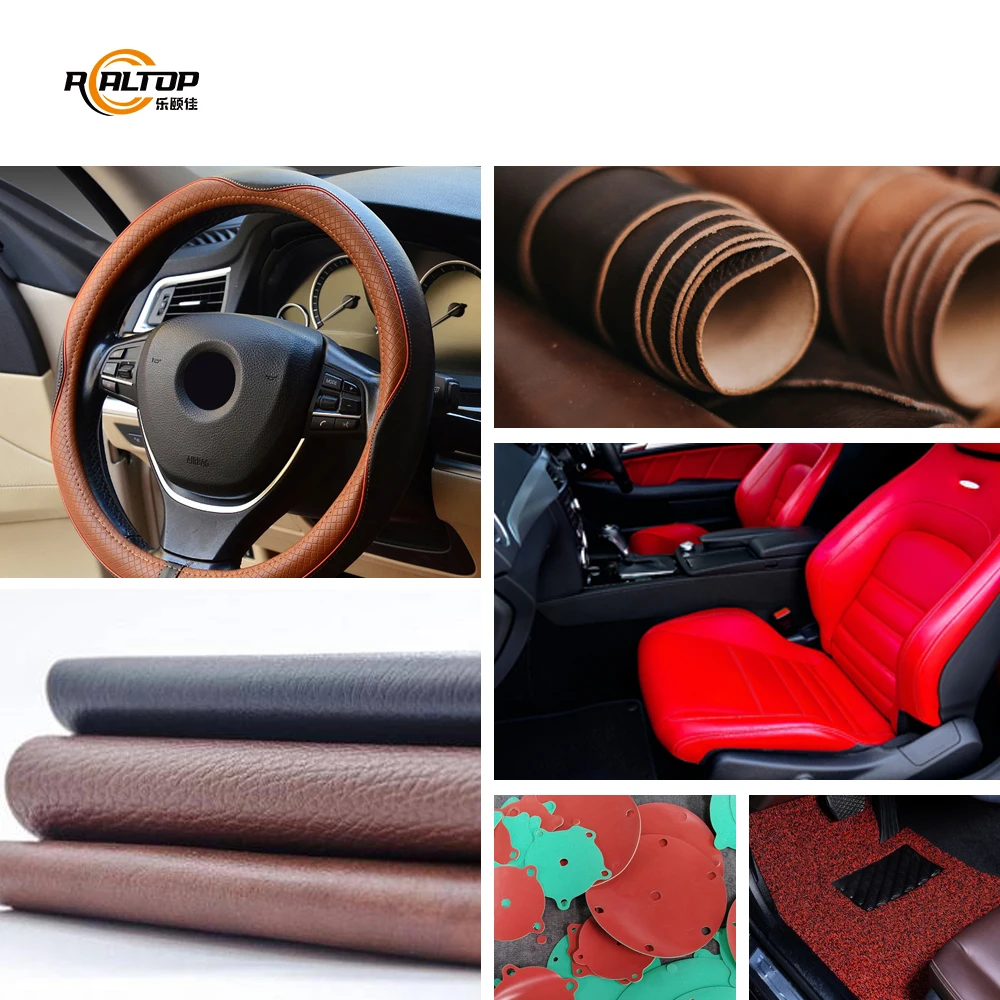
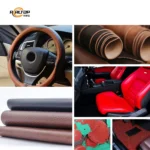
| Shoe upper and bag production | Genuine leather, synthetic leather, PU and PVC leather with printed grain patterns |
| Automotive leather interiors | Seat covers, door panel inserts, and trim components from multi-layer bonded leather and foam |
| Garment and leather goods cutting | Apparel hides, belts, wallets, and handbags from full-grain and corrected-grain leather |
| Sofa and upholstery fabrication | Furniture leather panels, armrest covers, and decorative textile pieces |
| Packaging sample making | Cartons, gift boxes, and corrugated board using creasing wheel and kiss cutting tools |
| Automotive floor mats | Composite materials combining leather surface layers with EVA foam backing |
Why the Wrong Tool Head Ruins More Than Just One Batch
The oscillating knife frequency and blade angle must match the leather’s density and layer structure, or you get crushed edges and torn backing.
I once watched a buyer specify a CNC leather cutting machine manufacturer based on working area alone. The 1600×2500 mm table fit his shop floor perfectly. But the material he ran daily — a three-layer bonded automotive leather with high-density foam core — needed a pneumatic knife head with adjustable downward pressure, not the standard oscillating knife the machine shipped with. The standard blade compressed the foam layer before cutting through, leaving a ragged tear along every curve. Three days of production material went to scrap before anyone traced the problem back to tool head selection [NEED_CITE: tool head selection criteria for composite leather materials]. A CNC leather cutting machine manufacturer should flag this mismatch during the inquiry stage, not after installation.
How CCD Contour Recognition Changes Leather Utilization
When cutting genuine leather, the natural grain pattern and any printed contour marks vary from hide to hide. A standard CNC path assumes every sheet is identical, which means it cuts blindly across scars, brand marks, and thin spots. The CCD camera on this CNC leather cutting machine manufacturer configuration reads printed registration marks on each hide and adjusts the cutting path accordingly, shifting nested parts to avoid defects detected in real time. This matters for shoe uppers and bag panels where even a small surface flaw means a rejected piece downstream.
Vacuum Table Zoning for Small Leather Components
Full-surface vacuum adsorption works well when cutting large panels, but leather production often involves dozens of small pieces — strap loops, tab closures, decorative inserts — that can lift and shift once surrounding material is cut away. The aluminum bellows vacuum table allows zoning so that suction concentrates on the active cutting area. The heavy-duty precision-ground frame keeps the table surface flat across the 1600×2500 mm working area, which means the vacuum seal holds consistently rather than leaking at the edges.
Reading the Specs That Actually Matter for Leather
The ±0.1 mm cutting accuracy is meaningful for tight-tolerance components like shoe uppers where multiple pieces must align during stitching. The 9 kW vacuum pump provides sufficient suction for dense leather hides that weigh considerably more than textile sheets. File format compatibility with PLT, DXF, AI, and PDF means buyers can send patterns directly from most leather grading and nesting software without intermediate conversion [NEED_CITE: common CAD file formats in leather cutting workflows]. The PLC control panel handles tool head changes and vacuum zoning without requiring separate software modules, which simplifies operator training on the shop floor.
What Happens When Configuration Details Get Skipped
Buyers who skip material sample testing often discover problems only after the machine is running in their own facility. A CCD camera that tracks printed marks perfectly on high-contrast test material may struggle with low-contrast grain markings on dark leather. A vacuum table that holds large panels securely may fail to grip small gasket-shaped leather pieces during high-speed contour cuts. Voltage mismatches between the machine’s configured power supply and the buyer’s local grid cause servo motor overheating and control panel failures — problems that surface weeks after installation, not during factory acceptance testing [NEED_CITE: voltage and frequency standards by export market].
Why Buyers Source This Equipment From the Factory
In-house design and production cover the full range of knife cutting tool heads, so buyers match the cutting method to their specific leather type rather than adapting their process to a single fixed tool. The CCD camera positioning system is integrated at the design stage, not bolted on as an aftermarket addition, which keeps contour tracking aligned with the cutting head across the entire working area. Every machine ships after a factory test run on the buyer’s own material sample, with a cutting report documenting edge quality, contour accuracy, and vacuum hold performance. Electrical schematics and voltage configuration are confirmed against the buyer’s local grid specifications before assembly begins, eliminating field rewiring after delivery. Software licenses and file format compatibility are verified with the buyer’s existing nesting workflow, so production files transfer without reformatting.
Documentation & Verification
- Factory test record cut on your actual leather material before dispatch
- Electrical schematic and voltage confirmation matched to your local grid
- Tool head and vacuum table configuration list specified for your leather type
- Software license and file format compatibility note for PLT, DXF, AI, PDF workflows
- Operation and maintenance manual in your selected control language
- CE declaration documentation where applicable for your import market
Installation, Commissioning & Support
- Heavy-duty frame requires level concrete floor capable of supporting the 3300×2100 mm footprint
- Dedicated electrical circuit matching confirmed voltage option of 110V, 220V, or 380V
- Machine arrives with vacuum table and CCD camera pre-assembled and factory-calibrated
- First-run parameter setting covers oscillating knife frequency, vacuum zoning, and contour sensitivity
- Operator training includes tool head changes across all seven configured knife types
- Spare parts list covers blades, vacuum seals, and CCD calibration targets
What We Need to Quote the Right Configuration
Send a sample of the leather or composite material you run most frequently, including thickness and layer composition. Specify the voltage and frequency standard at your facility, along with the control language your operators prefer. Let us know whether your current workflow uses DXF, PLT, AI, or PDF files so we can verify software compatibility before the order.
Frequently Asked Questions
Q: How do I match the correct tool head to my leather type and thickness?
A: Different leather types respond to different cutting actions. Genuine full-grain leather typically cuts cleanly with an oscillating knife, while bonded multi-layer leather with foam backing may need a pneumatic knife with adjustable downward pressure. We run a sample cutting test on your actual material to confirm which of the seven available tool heads produces the cleanest edge without compressing or tearing the backing layers.
Q: What print mark quality does the CCD camera need for reliable contour tracking?
A: The CCD camera reads registration marks printed on or adjacent to the leather surface. High-contrast marks with sharp edges track reliably at production speed, while low-contrast or blurred marks may cause the system to pause and re-search. We test your specific printed material during the sample cutting phase to confirm the camera can maintain tracking accuracy across the full 1600×2500 mm working area.
Q: How is voltage and control language confirmed before shipment?
A: During the order confirmation stage, we collect your facility voltage, frequency, and plug type along with your preferred control panel language. The electrical schematic is configured accordingly before assembly, and the PLC interface is loaded with your selected language from the available options including English, Russian, Italian, Chinese, or a custom language.
Q: Will the vacuum table hold small leather pieces without lifting?
A: The aluminum bellows vacuum table supports zoning, which concentrates suction on the active cutting zone rather than spreading it across the entire surface. This prevents small leather parts from lifting once surrounding material is cut away. We configure the zone layout based on your typical nesting pattern during the factory test to confirm hold-down performance.
Q: How does the sample cutting process work before I commit to an order?
A: You send a representative sample of your leather material to our facility. We configure the tool head, vacuum settings, and CCD parameters to match your specifications, then run a cutting test. You receive a sample cutting report documenting edge quality, dimensional accuracy, contour tracking performance, and any configuration recommendations before you finalize the purchase.
You may also like

商品评价
Clear filtersThere are no reviews yet.