


-
 Courier delivery
-
 DHL Courier delivery
-
 Warranty 1 year
-
 Free 30-Day returns

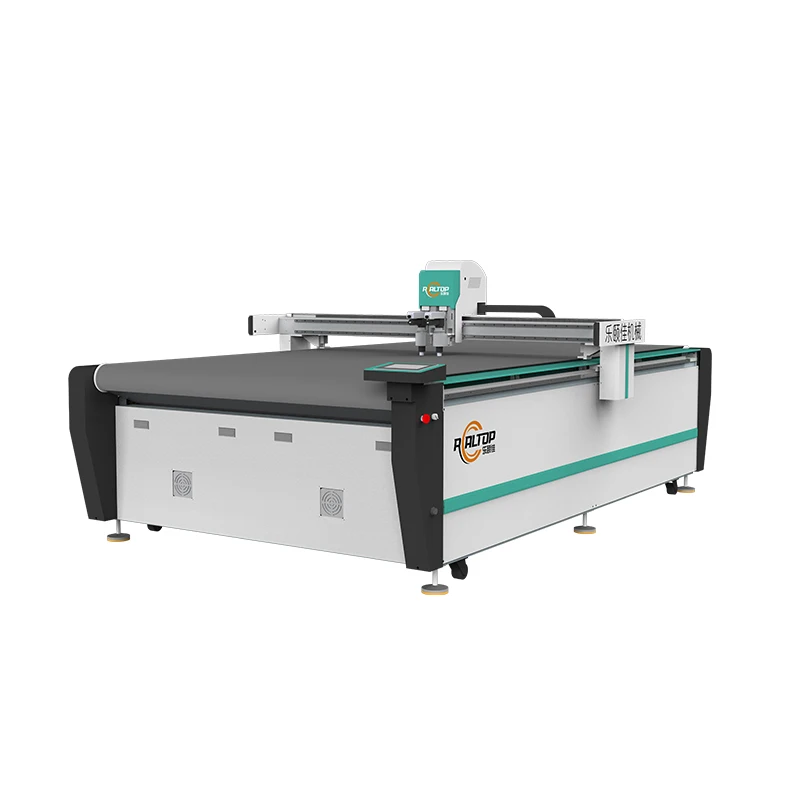
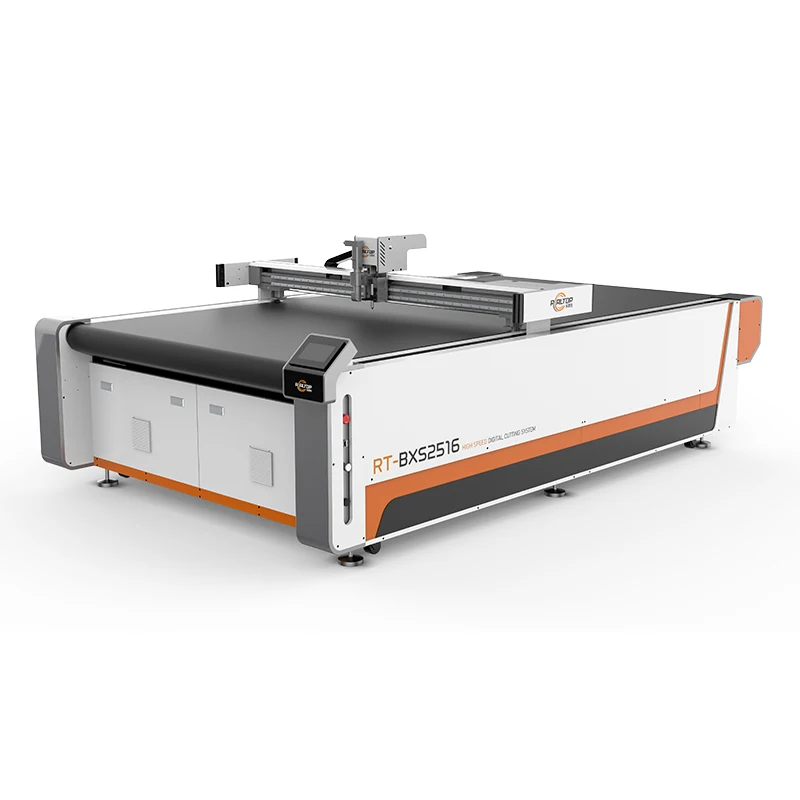
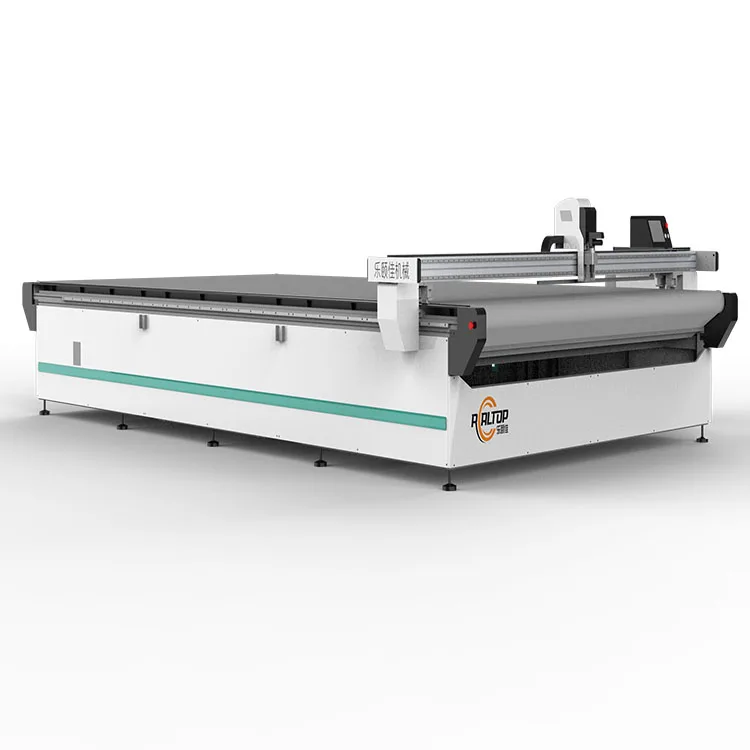
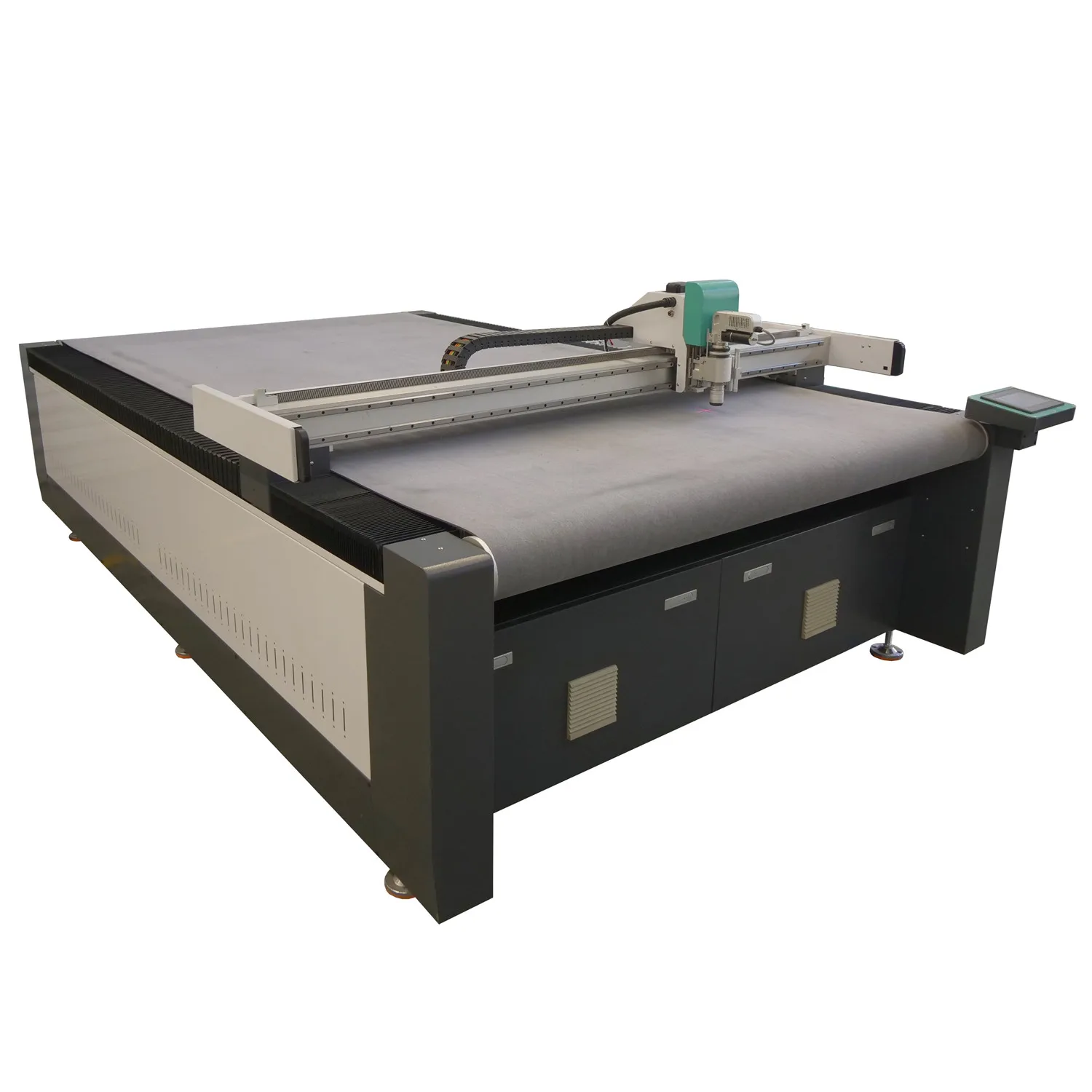
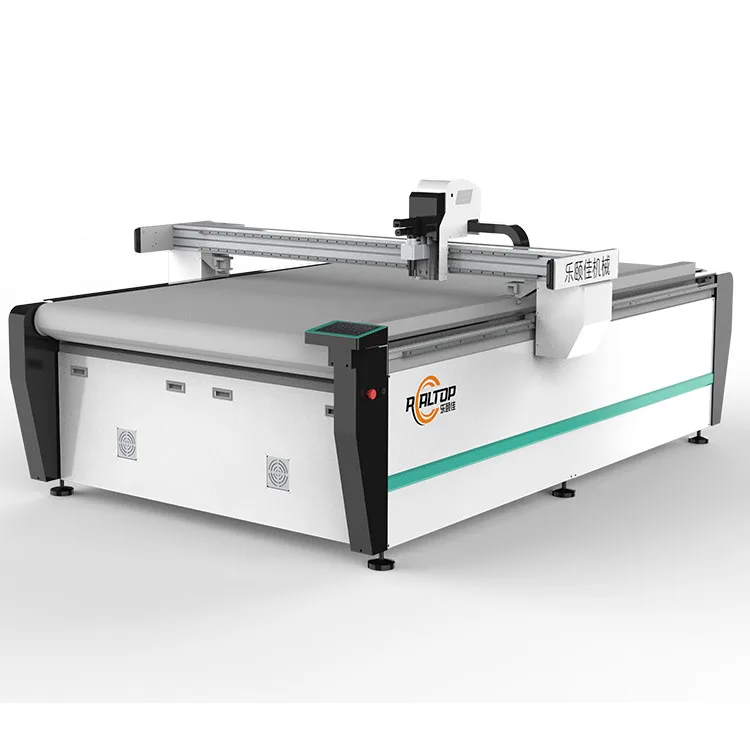
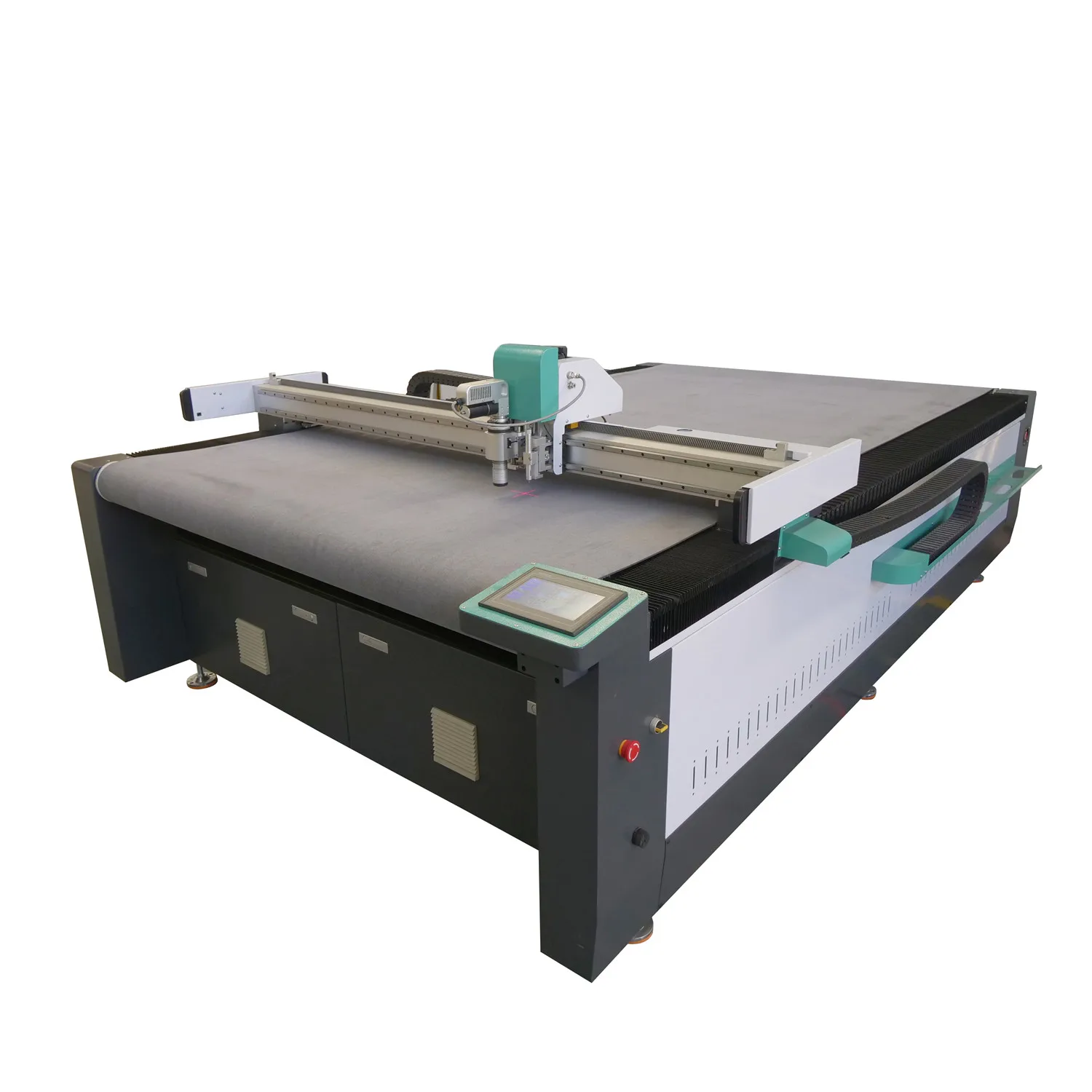
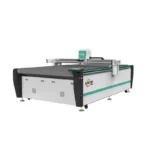
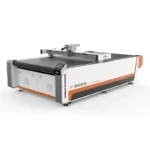
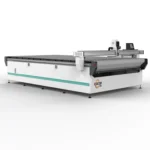
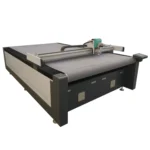
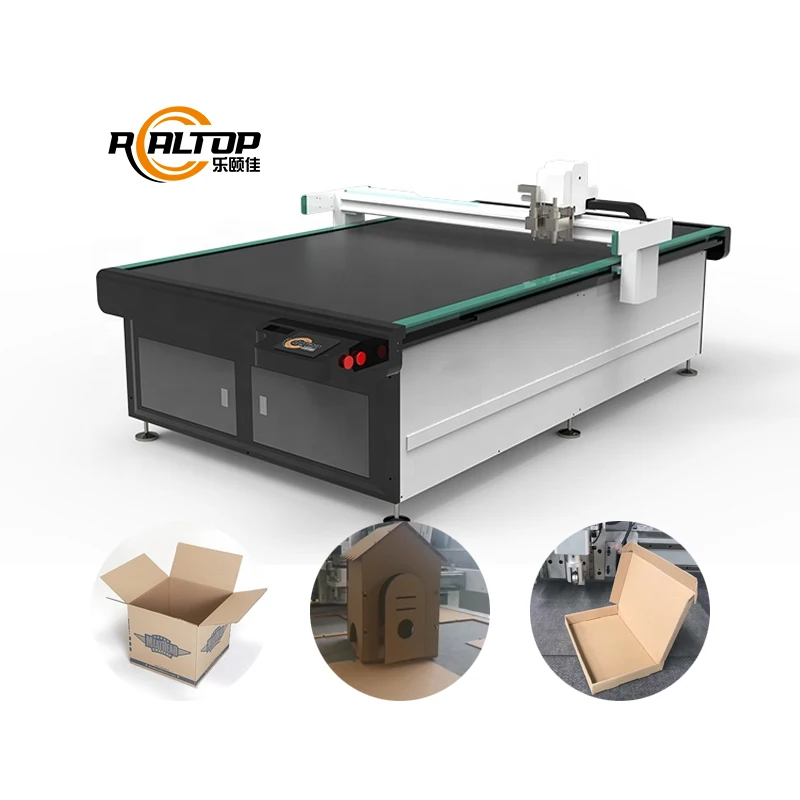
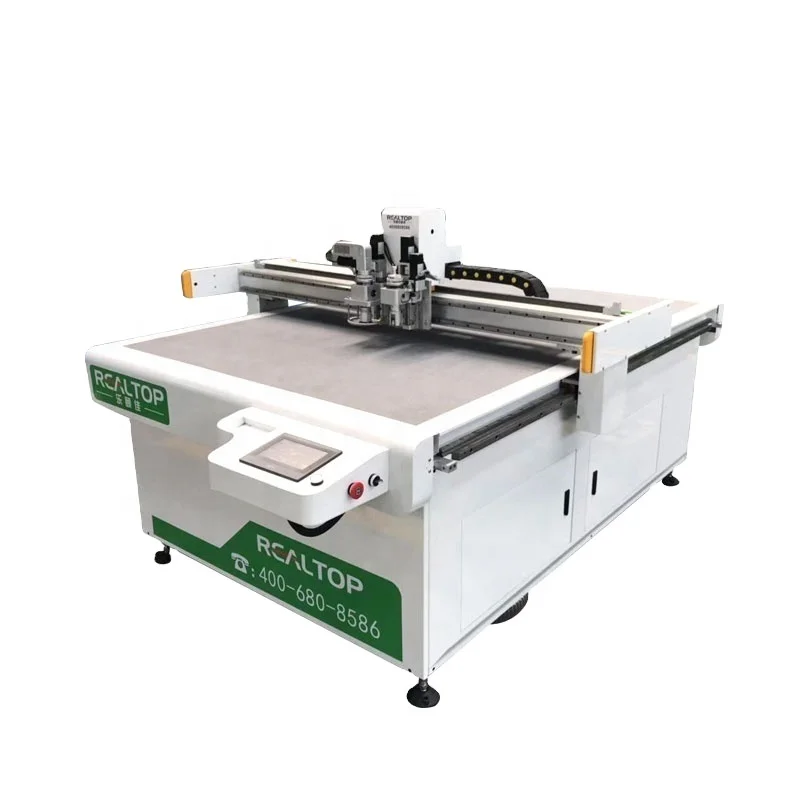
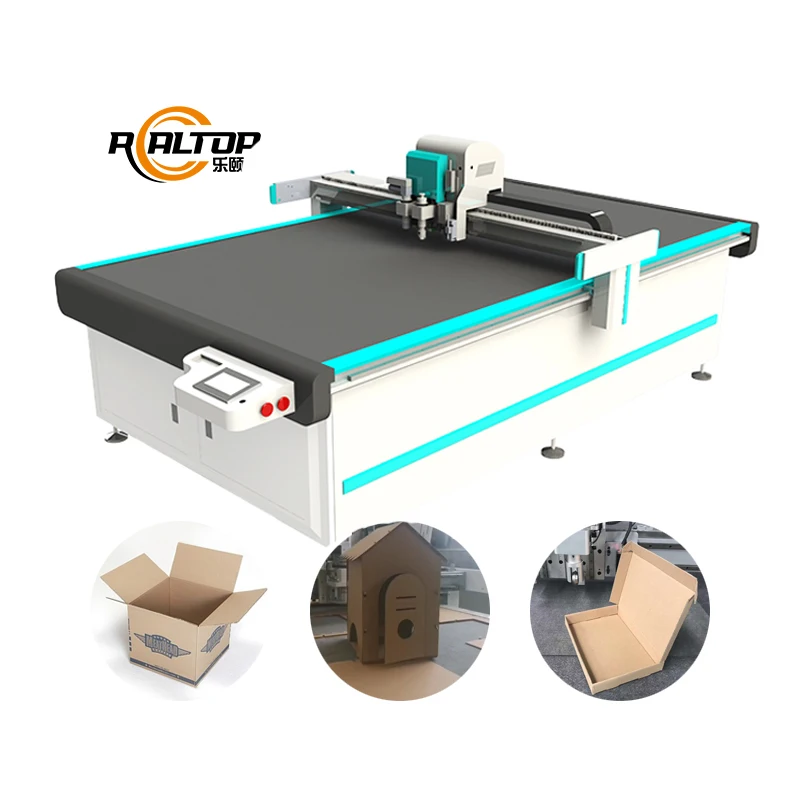
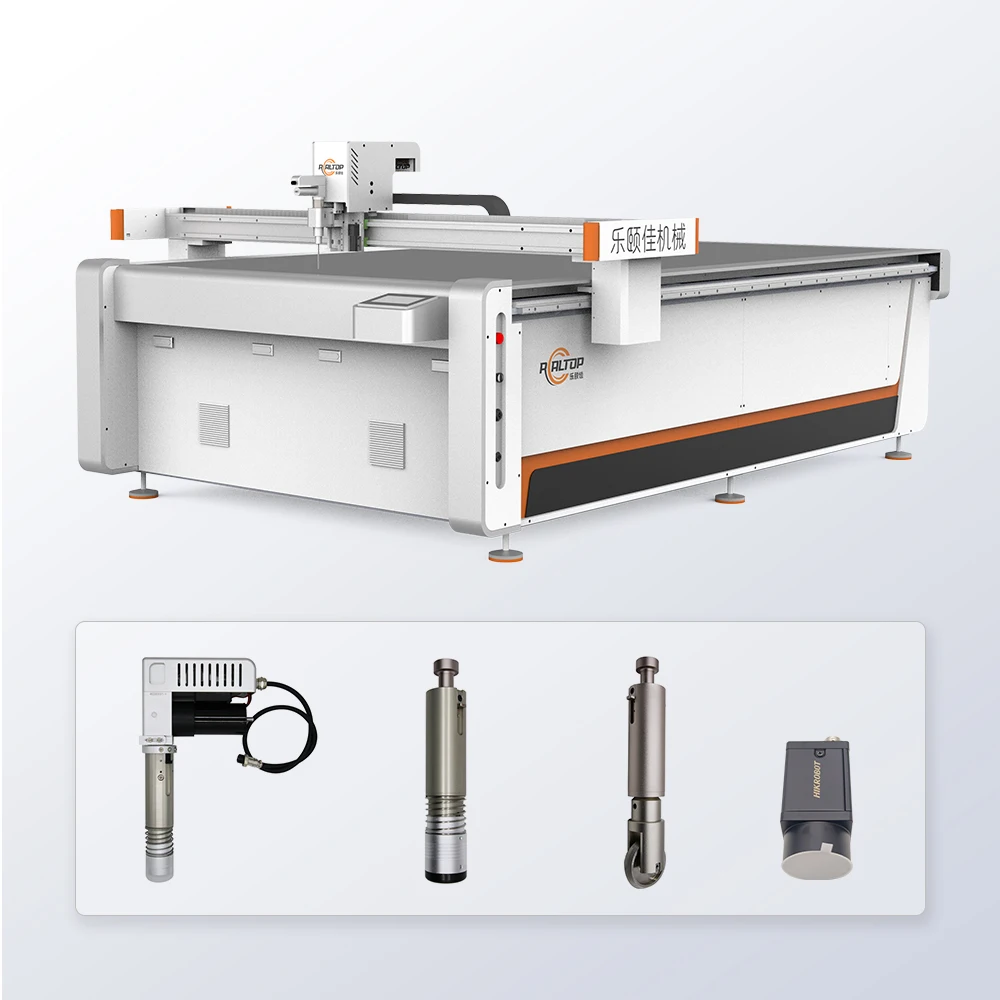
Factory-Built Frame Rigidity — The RT-D2516/RT-S2516 chassis is welded from thick-walled seamless steel, high-temperature tempered and finished on a CNC machining center, giving garment and flexible material producers a verifiable mechanical foundation before any cutting head is mounted.
Technical Specifications
| Parameter | Value |
|---|---|
| Model | RT-D2516/RT-S2516 |
| Product Type | CNC Oscillating Knife Cutting Machine |
| Working Area | 1600 × 2500 mm |
| Overall Dimensions | 3450 × 2300 × 1250 mm |
| Rated Power | 9 kW |
| Voltage | 380V ±10% |
| Vacuum Pump Power | 7.5 kW |
| Translational Velocity | 800 – 2000 mm/s |
| Cutting Speed | 200 – 800 mm/s (basis not stated in source — confirm material type and thickness) |
| Repeatability | ≤ 0.1 mm |
| Maximum Cutting Thickness | ≤ 100 mm (varies with material density and tool head) |
| Transmission System | Digital servo motor, linear guide, synchronous belt, ball screw (imported) |
| Servo Motor Options | Delta (China) or Panasonic (Japan) |
| Work Table Options | Flat working table or auto-feeding conveyor table |
| Vacuum Platform | Magnesium-aluminum alloy, PVDF fluorocarbon coating, anodic and hard oxidation |
| Multifunctional Tool Head | Swiss imported oscillating knife; options include pneumatic knife, high-power vibrating knife, circular knife, V-cutting knife, drag knife, creasing wheel, dotted line knife, punching, brush |
| Visual Positioning Options | Small CCD camera mark point positioning, panoramic camera recognition, projection positioning |
| Control System | CNC with touch screen panel |
| Instruction System | HP-GL compatible |
| Software Formats | PLT, DXF, AI |
| Control Language Options | English, Russian, Italian, Chinese (custom languages available) |
| Safety Devices | Infrared induction blocking, beam anti-collision sensors, emergency stop, intelligent infrared sensor stop |
| Assembly State | Fully assembled |
| Certification | CE declared |
Application Suitability
| Application | Material or Output |
|---|---|
| Single-ply garment fabric cutting | Cotton, polyester, blended woven and knit textiles on flat or conveyor table |
| Multi-layer textile stacking | Layered fabric lays for batch garment and soft furnishing production |
| Leather and shoe upper cutting | Natural leather, PU synthetic, shoe lining materials |
| Automotive interior trimming | Seat upholstery, headliner fabric, carpet and sound-deadening composites |
| Luggage and bag panel cutting | Nylon, canvas, Oxford cloth, coated bag fabrics |
| Composite and foam processing | Sponge composite leather, EVA, XPE, PU foam sheets |
| Sports and outdoor gear | Technical textiles, neoprene, laminated performance fabrics |
| Packaging and graphic arts | Corrugated cardboard, sticker film, foam board sample making |
Why a Spec Sheet Alone Won’t Tell You If the Machine Fits Your Fabric
Cutting speed numbers are meaningless unless tied to the exact material weight, coating and layer count you run every day.
I have watched a garment producer receive a machine that looked perfect on paper, only to discover the vacuum zoning could not hold his small pattern pieces flat during high-speed oscillation. The fabric lifted at the edges, the knife dragged, and the whole first batch was scrapped. That kind of mismatch rarely shows up in a brochure — it surfaces the week after the container arrives [NEED_CITE: vacuum zoning requirements for small-part fabric cutting]. The CNC oscillating knife cutting machine factory you buy from should be able to show you a sample cut report on your actual roll goods before a purchase order is signed, not after.
How Frame Construction Affects Long-Term Cutting Accuracy
A cutting table that deflects under its own vacuum load will drift in repeatability over months of continuous shifts. The RT-D2516/RT-S2516 frame is built from thick-walled seamless steel tube, welded into a single bed and then sent through high-temperature tempering to relieve internal stress. After tempering, the entire mounting surface goes onto a CNC machining center for finishing, which keeps the linear guide rails and rack seats in a single geometric plane. This matters when you are cutting plies of garment fabric stacked several millimeters deep: any twist in the bed translates directly into dimensional error across the 1600 × 2500 mm working area. Distributors evaluating an OEM build can inspect the weld seams and tempering records at the factory before committing to a container order.
Why the Vacuum Platform Treatment Matters for Textile Workloads
Fabric cutting generates lint, static and occasional adhesive residue from fusible interlinings. An untreated aluminum table would corrode or stain under these conditions, gradually losing flatness and suction uniformity. The magnesium-aluminum alloy platform on this CNC oscillating knife cutting machine receives a PVDF fluorocarbon powder spray, followed by anodic oxidation and hard oxidation, giving the surface both chemical resistance and a low-friction finish that lets fabric slide during auto-feeding without snagging. The 7.5 kW vacuum pump is housed in an aviation aluminum shell with a built-in silencer sponge, keeping noise down during double-shift garment production runs [NEED_CITE: industrial noise exposure limits for textile cutting workshops].
Reading the Specs That Actually Matter on the Shop Floor
The cutting speed range of 200 – 800 mm/s should always be read against the material you plan to process: a single ply of lightweight polyester lining will run near the upper end, while a dense sponge composite leather for automotive interiors requires the lower range with a high-power vibrating knife. Servo motor selection — Delta or Panasonic — affects the torque envelope available at low speed, which in turn determines how cleanly the blade starts and stops on tight pattern corners. Repeatability of ≤ 0.1 mm is measured on the linear guide and ball screw assembly; for garment markers this means nested pieces stay within pattern tolerance across a full table lay. Tool head choice is the single biggest variable in edge quality: the Swiss imported oscillating knife handles most woven and knit fabrics, but a circular knife may be specified for continuous long cuts on non-fray technical textiles.
The Cost of Skipping the Sample Cutting Step
I once worked with a buyer who ordered based on working area alone, assuming any oscillating knife would handle his coated composite fabric. When the machine arrived, the standard knife head compressed the coating instead of slicing it, leaving a crushed edge that frayed after washing. We spent days swapping tool heads and adjusting stroke frequency until the edge was acceptable. Had he sent a roll sample before ordering, the correct pneumatic knife and conveyor table combination would have been specified from the start. Buyers who skip this step absorb the cost in downtime, wasted material and delayed shipments to their own customers [NEED_CITE: material-specific tool head selection for coated composite fabrics].
Why Buyers Source This Platform Directly from the Factory
In-house design and production of both the knife cutting platform and the motion system means frame modifications — such as extending the bed length for long garment markers — can be engineered and tested before shipment rather than improvised on site. The tool head and table configuration is specified per material and daily volume, so a footwear factory cutting thick PU leather gets a different setup than a signage shop cutting vinyl. Voltage, plug type and control language are confirmed in writing before production begins, eliminating the arrival-day surprise of a wrong mains connection. Sample cutting on the buyer’s own material is standard procedure, producing a signed report that locks in configuration choices. The factory test record, electrical schematic and packing photographs are reviewed together before the crate is sealed.
Documentation & Verification
- Machine specification sheet listing every confirmed option — tool head, table type, servo brand, voltage
- Electrical schematic with 380V ±10% wiring diagram and breaker sizing for your local panel
- Sample cutting report on your fabric or composite material, signed off before dispatch
- Factory test record showing repeatability and cutting depth on your specified lay height
- Software licence and file format compatibility note for PLT, DXF and AI workflows
- CE declaration and packing photographs for customs and insurance documentation
Installation, Commissioning & Support
- Floor space planning based on 3450 × 2300 mm overall footprint plus operator clearance on three sides
- Dedicated 380V ±10% circuit with breaker sizing matched to the 9 kW rated power plus 7.5 kW vacuum pump
- Machine arrives fully assembled; only vacuum hose, power cable and control panel connection required on site
- First-run parameter setting on your specific fabric weight and layer count, verified against the sample report
- Operator training covering tool head changeover between oscillating, drag and creasing knife positions
- Spare parts list including Swiss oscillating blades, vacuum seals and drive belts for the first maintenance cycle
What to Include in Your Next Inquiry
Send the material data sheet or a physical sample roll so the tool head and vacuum zoning can be matched before quoting. Specify your daily cutting volume and whether single-ply or multi-layer lays are standard on your line. Confirm your local voltage and frequency, the control panel language your operators need, and whether a flat table or auto-feeding conveyor suits your workflow. If you have existing nesting software, note the file format so compatibility is verified before production starts.
Frequently Asked Questions
Q: What OEM customization range is available for frame size, tool head and electrical configuration?
A: The working area, frame length and conveyor extension can be adjusted to suit your material roll width and marker length. Tool heads are selected from the full oscillating, pneumatic, circular, drag and creasing range based on your fabric type. Voltage, frequency, plug type and control panel language are confirmed in writing before production begins.
Q: How is build quality controlled during frame welding and finishing?
A: Each frame is welded from thick-walled seamless steel tube, then high-temperature tempered to relieve stress. The mounting surfaces are finished on a CNC machining center to maintain flatness across the full 1600 × 2500 mm area. Welding and tempering records are available for review during factory visits or third-party inspections.
Q: What documentation ships with the machine for customs and commissioning?
A: You receive the full specification sheet, electrical schematic with confirmed voltage, CE declaration, factory test record on your material, operation and maintenance manual, software licence note and a spare parts list. Packing photographs are shared before the crate leaves the factory floor.
Q: How is software compatibility verified before the order is finalized?
A: We confirm that your existing PLT, DXF or AI nesting files import correctly into the Auto typesetting software, and that the HP-GL instruction system matches your workflow. If you use a proprietary format, a test import is run and signed off before the control system is loaded onto your machine.
Q: What is the process for sample cutting and factory visit before placing a bulk order?
A: Send your production material to the factory. We run cutting trials with the recommended tool head and table configuration, measure edge quality and repeatability, and produce a signed sample report. Distributors and importers are welcome to inspect the assembly line, test records and finished machines during the same visit.
You may also like

商品评价
Clear filtersThere are no reviews yet.