



-
 Courier delivery
-
 DHL Courier delivery
-
 Warranty 1 year
-
 Free 30-Day returns

In-House Design and Production — Every cutting method, tool head, and table configuration is engineered and assembled under one roof, matching the process to your material rather than forcing a single technology across different jobs.
Technical Specifications
| Parameter | Value |
|---|---|
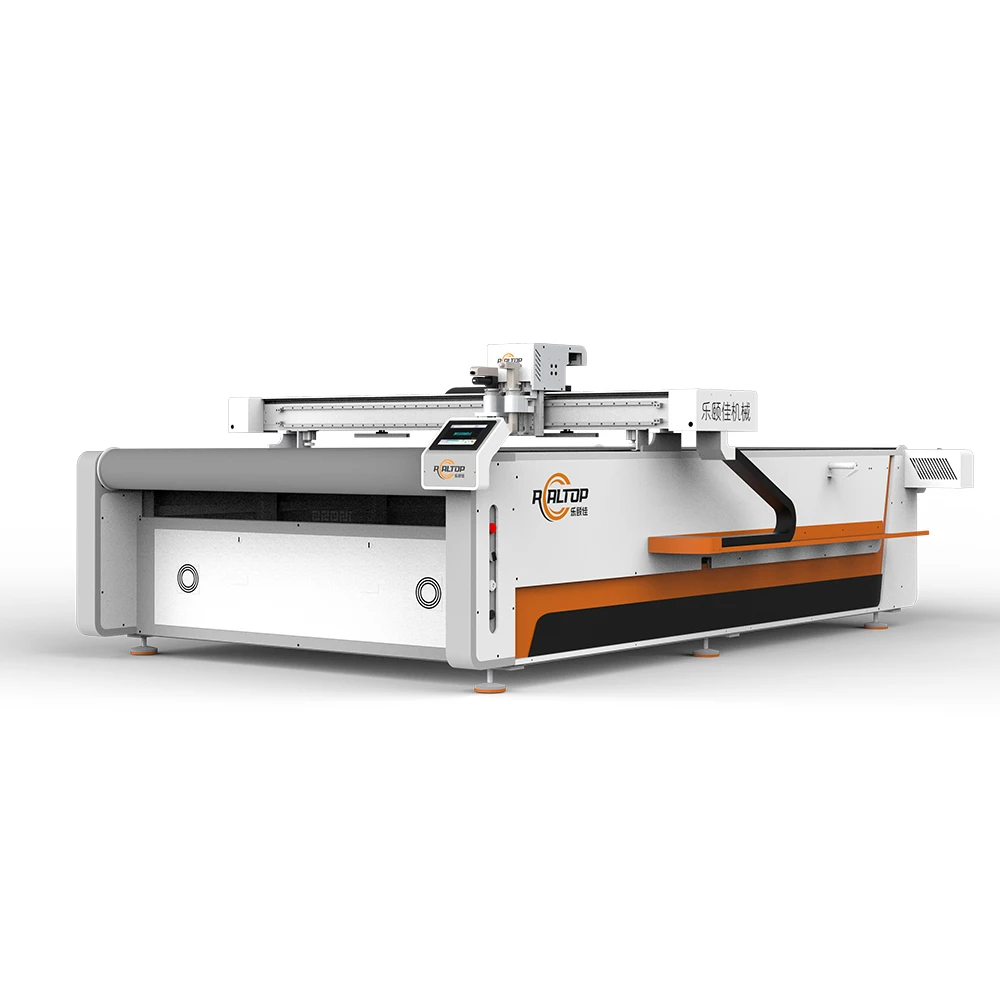
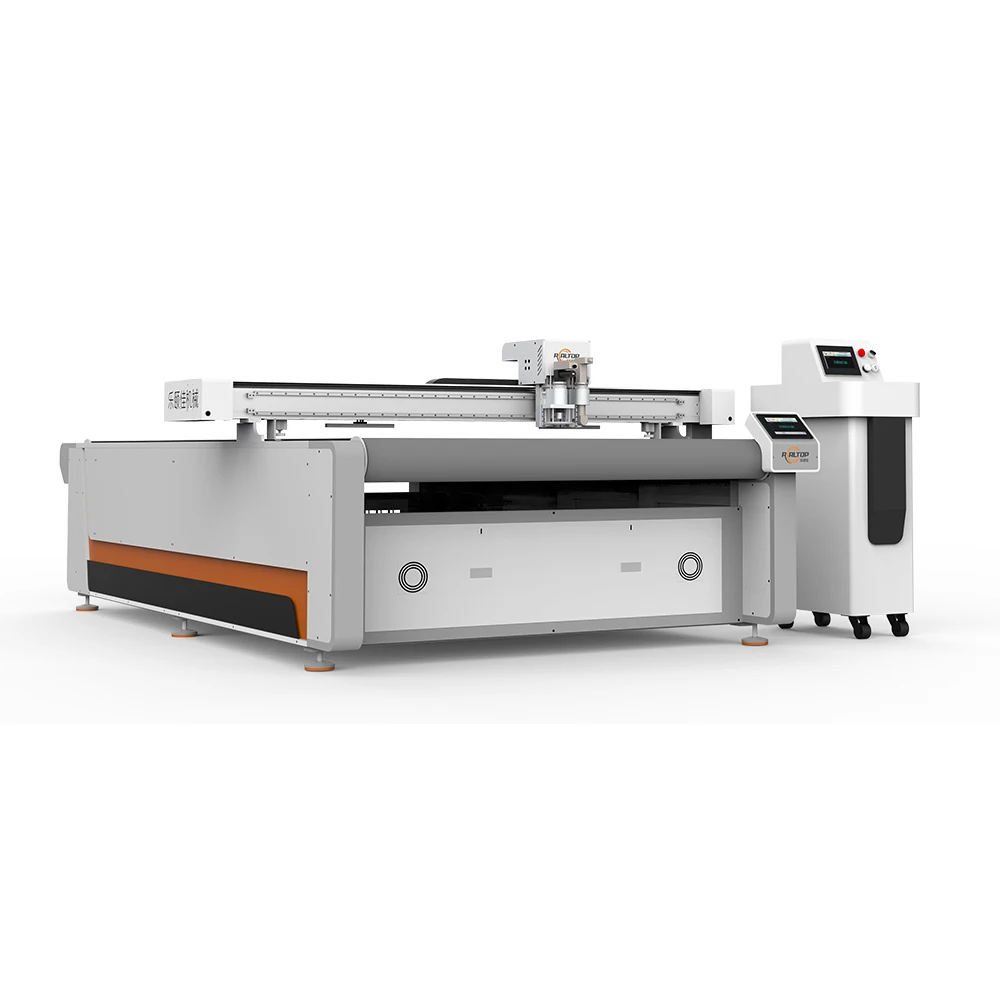
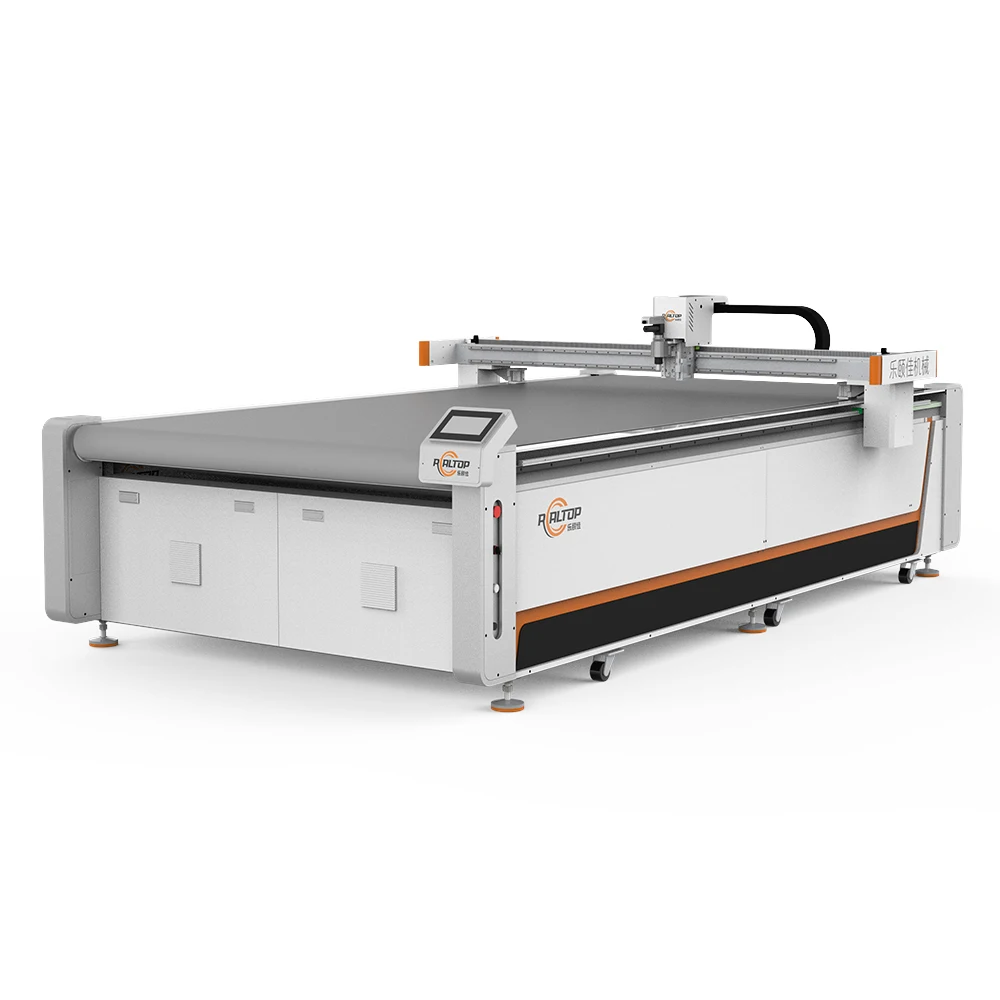
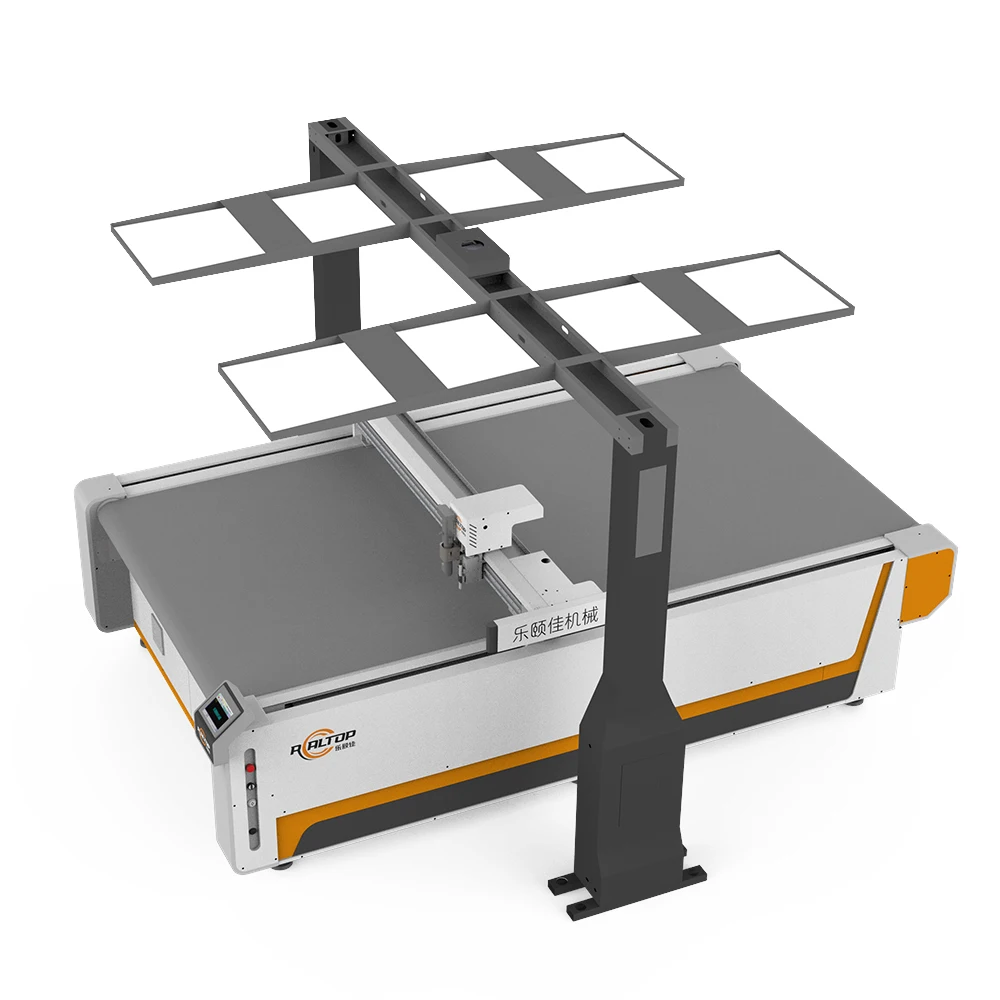
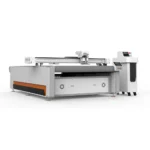
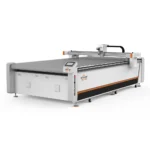
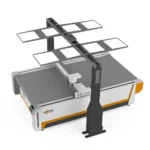
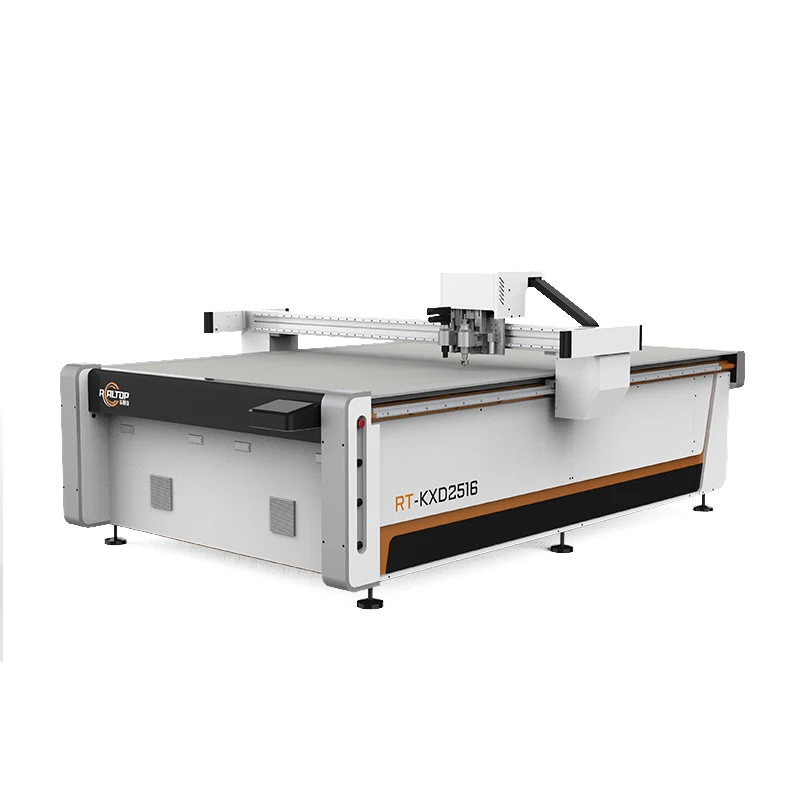
| Product Type | CNC Oscillating Knife Fabric Cutting Machine |
| Working Area | 1600 × 2500 mm |
| Cutting Speed | 0 – 2000 mm/s |
| Cutting Thickness | Up to 30 mm (multi-layer capability depends on material density and compressibility) |
| Cutting Accuracy | ±0.1 mm |
| Vacuum Pump Power | 9 kW |
| Vacuum Table Type | Aluminum bellows vacuum table |
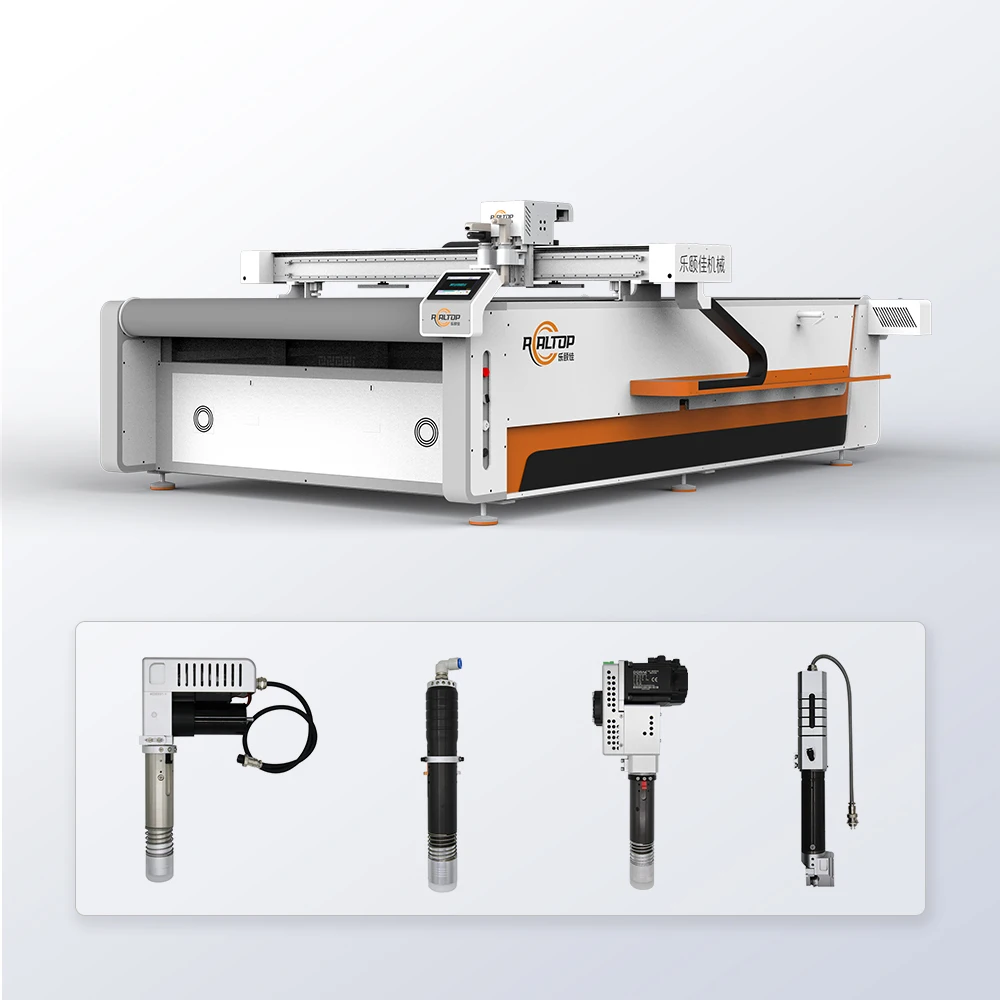
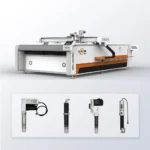
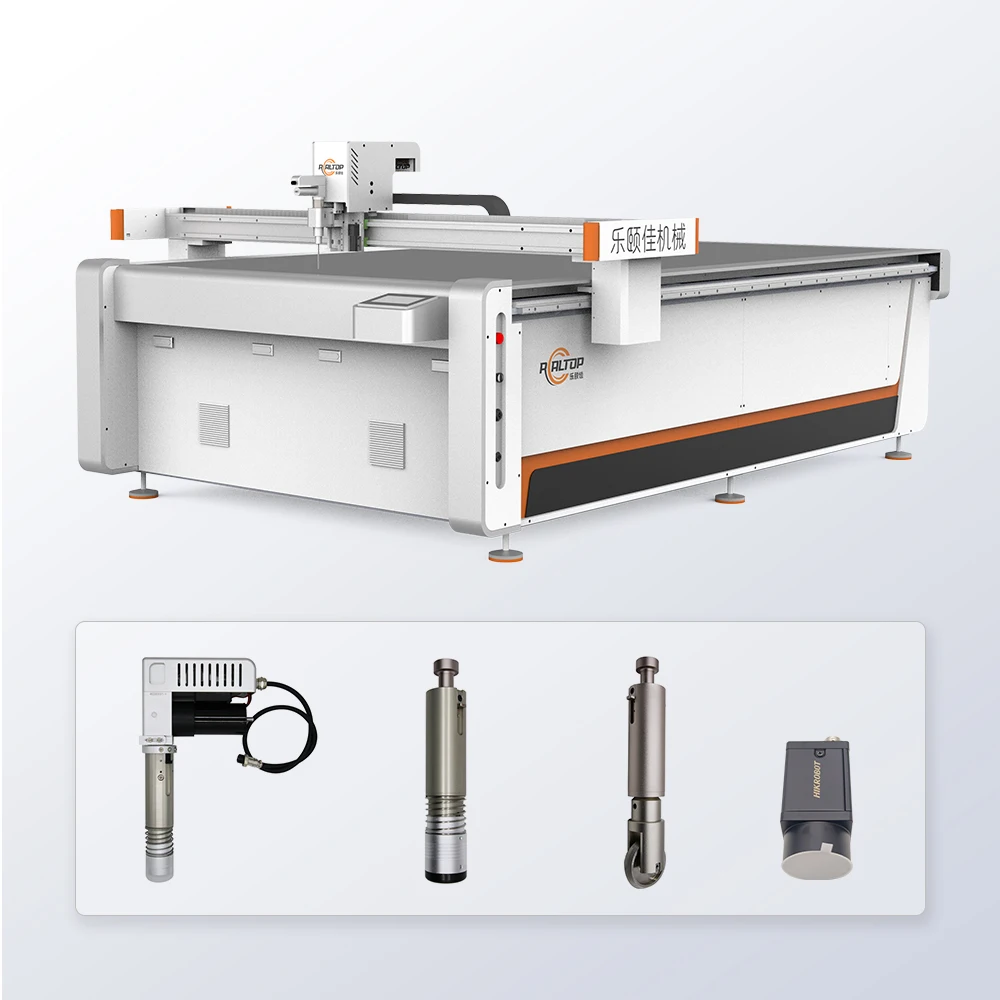
| Tool Head Options | Oscillating knife, Driven rotary knife, Creasing wheel, Kiss cutting tool, Pneumatic knife, Milling tool, V-groove knife |
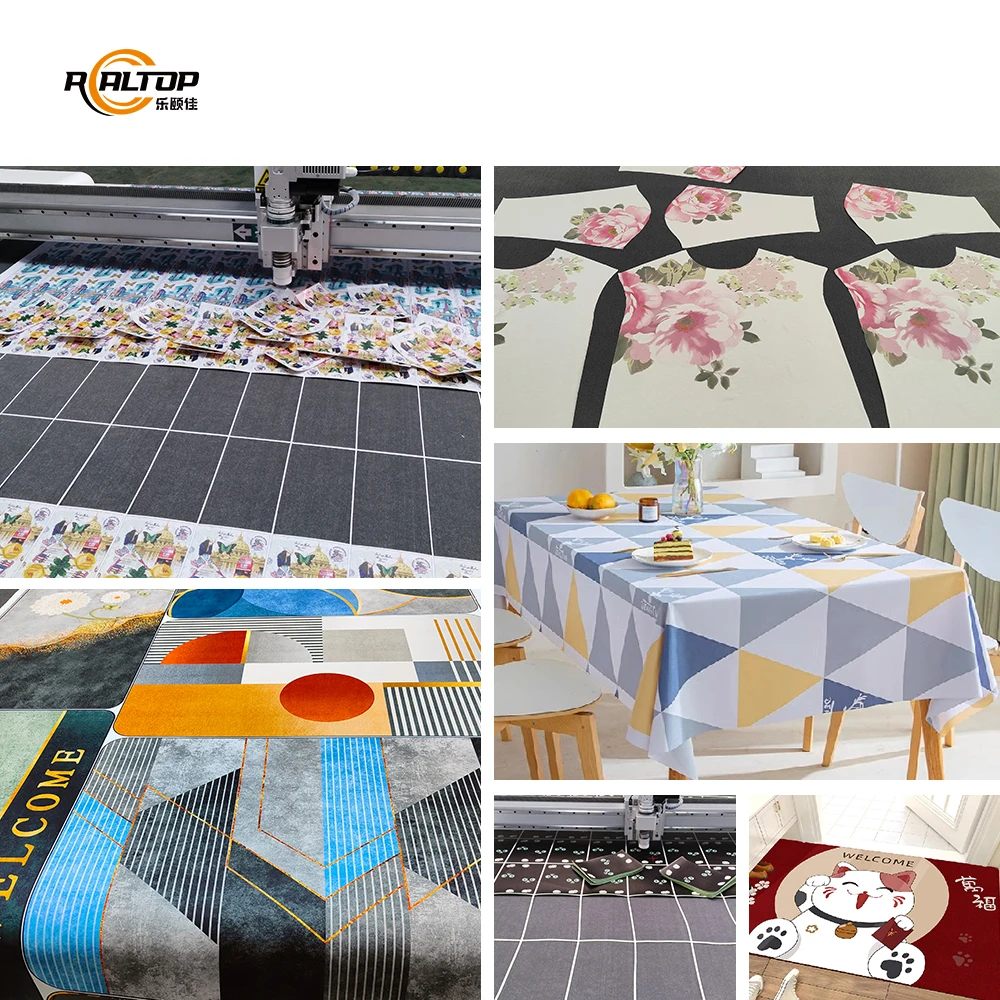
| Applicable Materials | Fabric, Cardboard, Carton, Mats, PVC, EVA, Leather, Acrylic, Foam, PTFE, Rubber |
| File Formats Supported | PLT, DXF, AI, PDF |
| Control System | PLC with intuitive interface, optional display languages (English, Russian, Italian, Chinese; custom available) |
| Servo Motor Options | Panasonic, Delta, Dorna |
| Frame Construction | Heavy-duty with precision-ground surface |
| Nesting System | Intelligent nesting for defect avoidance and layout optimization |
| Safety Devices | Infrared sensor, Emergency stop |
| Overall Dimensions (L×W×H) | 3300 × 2100 × 1350 mm |
| Voltage Options | 110V / 220V / 380V |
| Certification | CE |
Application Suitability
| Application | Material or Output |
|---|---|
| Apparel manufacturing | Suits, knitwear, lace, complex fabrics with pattern-matching layouts |
| Automotive interiors | Seat fabrics, carpets, PVC floor mats requiring burr-free edges |
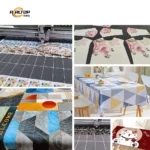
| Home textiles | Sofa fabrics, curtains, area rugs in multi-layer cutting stacks |
| Composite material processing | Carbon fiber prepreg, aramid, specialty laminates avoiding thermal damage |
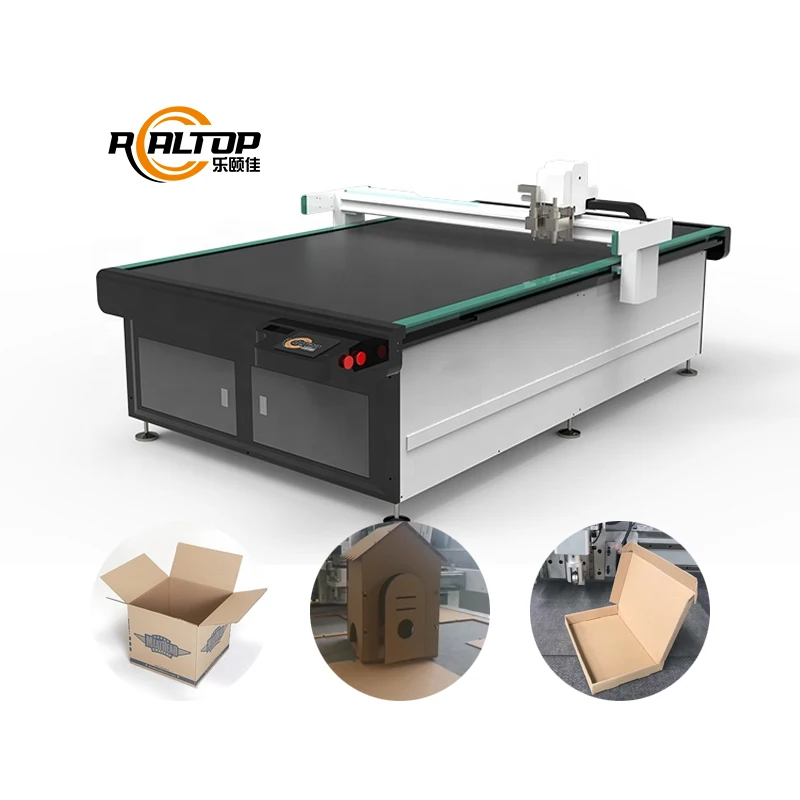
| Packaging sample making | Corrugated cardboard, folding carton with creasing and kiss-cut lines |
| Signage and gaskets | PVC sheets, rubber gaskets, foam seals cut to contour |
Why Material Thickness Alone Is Not Enough to Specify a CNC Oscillating Knife Cutting Machine
A cutting system is only as reliable as the match between tool head, vacuum hold-down, and the actual production material.
I learned this the hard way years ago when we configured a vibrating knife unit for a customer making automotive floor mats. The sample they sent cut cleanly, so we shipped based on that. In their actual production run, the composite included a fiberglass reinforcement layer the sample lacked. Blade wear spiked, and throughput dropped to less than half the expected rate. Since then, I never finalize a configuration without running the buyer’s real production stock on the machine first. A CNC oscillating knife cutting machine factory OEM that skips this step is leaving the buyer to absorb the cost of the mismatch on the shop floor [NEED_CITE: material variability in composite cutting operations].
Matching Tool Heads to Material Behavior
The cutting head is where the engineering decision actually happens. Fabric, leather, foam, and gasket materials each respond differently to blade oscillation frequency, stroke length, and downward pressure. The available tool head range on this platform — oscillating knife, driven rotary knife, creasing wheel, kiss cutting tool, pneumatic knife, milling tool, and V-groove knife — exists because no single blade geometry handles all of them well. A driven rotary knife suits continuous-ply fabric stacks where a clean shear is needed layer after layer. A pneumatic knife addresses thicker, denser materials like EVA foam or rubber where oscillation alone would cause the blade to deflect. Specifying the correct head before the order is placed prevents ragged edges, crushed foam cores, and premature blade consumption.
Vacuum Zoning and Small-Part Stability
Flatness and suction distribution across the cutting bed determine whether small pattern pieces stay registered or lift mid-cut. The aluminum bellows vacuum table on this system provides full-surface adsorption with high flatness, which matters when cutting nested garment panels where a single lifted piece can shift an entire layout. The 9 kW vacuum pump supplies sufficient negative pressure for multi-layer fabric stacks, though zoning configuration should be confirmed during the sample phase to ensure small parts remain held when cutting density varies across the sheet [NEED_CITE: vacuum hold-down requirements for nested small parts].
Reading the Specifications Against Production Reality
The 1600 × 2500 mm working area accommodates standard fabric roll widths and automotive carpet blanks without re-fixturing. Cutting accuracy of ±0.1 mm means pattern pieces for tailored garments or precision gaskets stay within tolerance over long production runs. The PLC control system supports multiple display languages, which reduces operator error when the machine is installed in a non-English-speaking facility. File format support for PLT, DXF, AI, and PDF means most buyers can feed their existing design files directly into the nesting software without re-drawing patterns from scratch.
The Hidden Cost of a Mismatched Configuration
When the vacuum table zoning is not matched to the smallest part in the nest, pieces lift and shift during the final cuts of a layout, producing out-of-tolerance panels that must be scrapped. When the wrong tool head is paired with a dense composite, blade changes happen every few hours instead of every few shifts, and the operator is effectively babysitting the machine rather than running production. These problems do not show up on a spec sheet, and they rarely appear during a short sample cut on a single material type [NEED_CITE: cost of unplanned downtime in cutting operations]. They surface weeks after installation when the buyer is running their full product mix.
Why Source This Platform from the Factory
The design team engineers both knife and laser cutting systems in-house, so a buyer evaluating this CNC oscillating knife cutting machine can compare cutting methods against their actual material portfolio instead of being funneled into a single technology. Tool head and table configurations are specified per material and daily volume before the order is confirmed, not selected from a fixed catalogue. Sample cutting runs on the buyer’s own production stock are completed and documented before commitment. Voltage, plug type, and control language are confirmed in writing before shipment, eliminating field rewiring or operator confusion at startup.
Documentation & Verification
- Machine specification sheet with confirmed tool head and table configuration for your material
- Electrical schematic with voltage and frequency matching your facility supply
- Sample cutting report completed on your production stock before order confirmation
- Factory test record documenting cutting accuracy and edge quality at rated speed
- Operation and maintenance manual with spare parts list matched to your tool head setup
- Software license and file format compatibility note for your design workflow
Installation, Commissioning & Support
- Foundation must be level within tolerance for the 3300 × 2100 mm overall footprint
- Dedicated circuit matching confirmed voltage option (110V, 220V, or 380V) with correct breaker rating
- Machine ships partially assembled; table and gantry require on-site alignment
- First-run commissioning includes vacuum pressure calibration and tool head stroke tuning
- Operator training covers nesting software, file import, and multi-tool head changeover
- Spare blade inventory and pneumatic knife seals included based on your material type
What to Include in Your Inquiry
Provide the exact material type, thickness range, and sheet or roll dimensions you will be cutting daily. Specify your local voltage and frequency, the control panel language your operators need, and whether your existing design files are in PLT, DXF, AI, or PDF format. If your material includes reinforcement layers, coatings, or laminates, send a representative production sample — not a catalog swatch — so the tool head and vacuum configuration can be validated before the machine is built.
Frequently Asked Questions
Q: How is the correct tool head selected for my material and thickness?
A: We run sample cuts on your actual production material, testing blade type, oscillation frequency, and stroke length against your thickness and cutting speed requirements. The tool head recommendation is based on edge quality, blade life, and throughput observed during these tests, not on a generic chart.
Q: What voltage, plug type, and control language will be confirmed before shipment?
A: Your facility voltage, frequency, and plug standard are confirmed in writing during the quotation stage. The PLC control panel language — English, Russian, Italian, Chinese, or a custom option — is locked before production begins so the interface matches your operators at startup.
Q: Can I send my own material for sample cutting before placing the order?
A: Yes. We require a representative sample of your actual production stock, including any reinforcement layers or coatings, to validate tool head selection, vacuum hold-down, and cutting parameters. A written sample cutting report is provided before you commit.
Q: What software file formats are supported and how is nesting configured?
A: The system accepts PLT, DXF, AI, and PDF files directly. The intelligent nesting software handles automatic defect avoidance and layout optimization to maximize material yield, and file format compatibility with your existing design workflow is confirmed during the pre-order stage.
Q: What is the OEM and customization scope for distributors and importers?
A: Configuration customization includes working area adjustments, tool head packages, control language, voltage, branding, and documentation formatting. The in-house design team works directly with distributors to scope these requirements and validate them through factory testing before shipment.
You may also like

商品评价
Clear filtersThere are no reviews yet.