



-
 Courier delivery
-
 DHL Courier delivery
-
 Warranty 1 year
-
 Free 30-Day returns

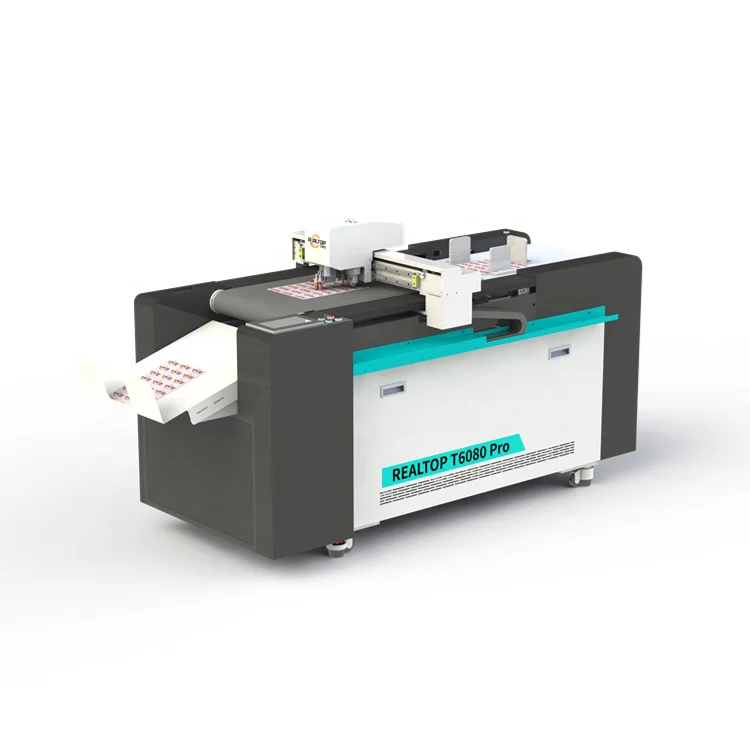
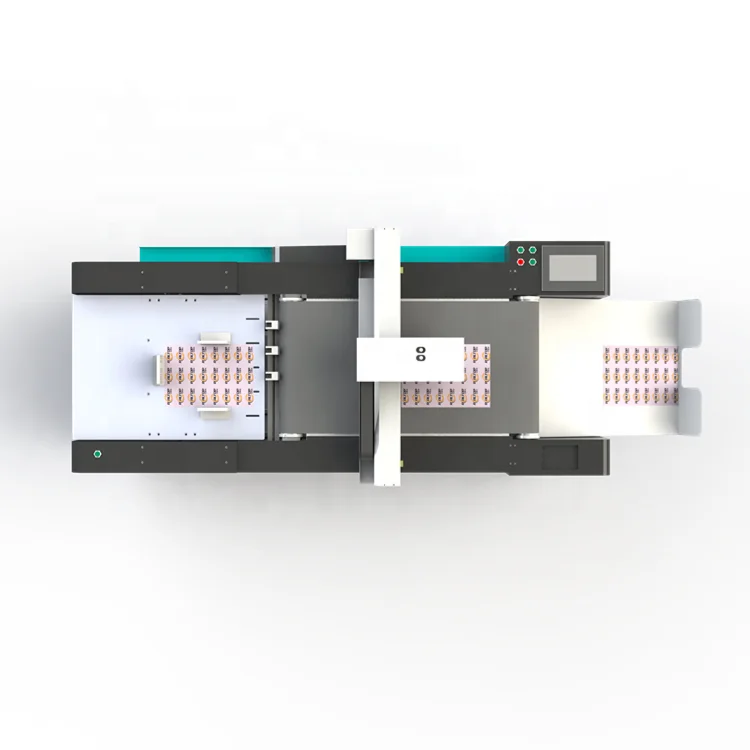
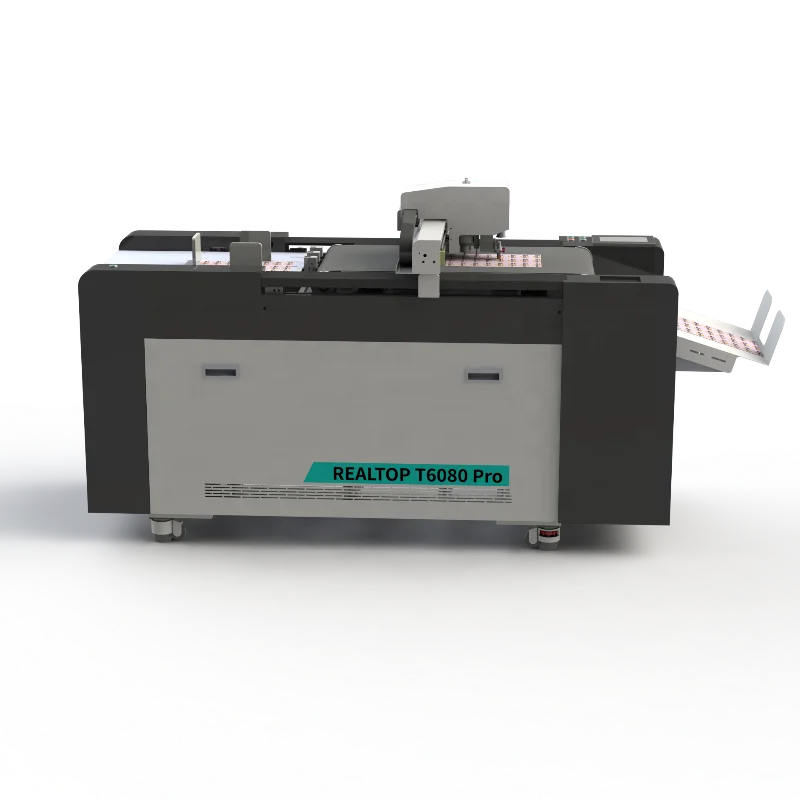
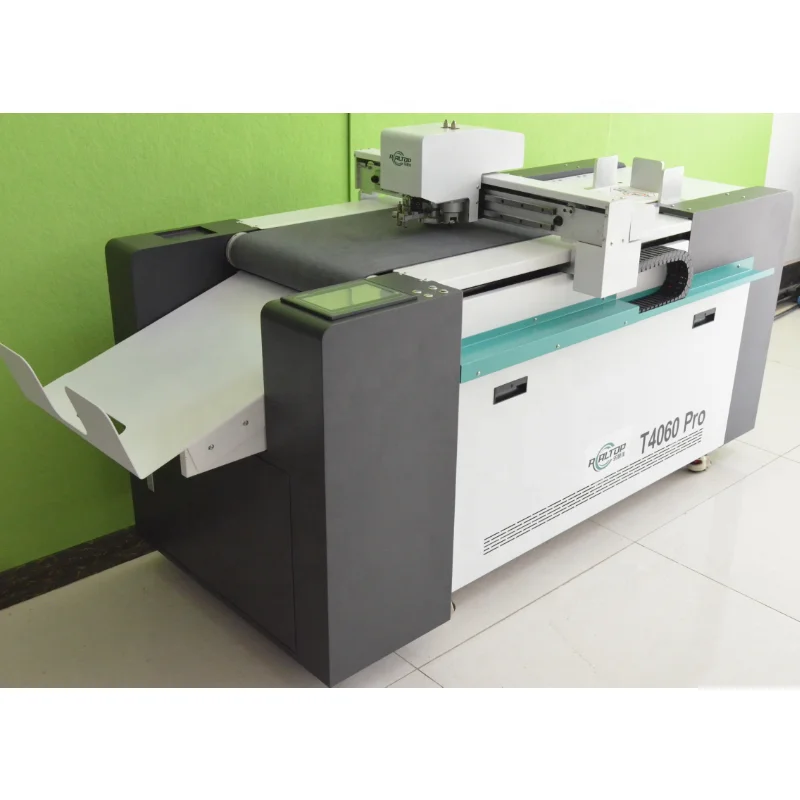
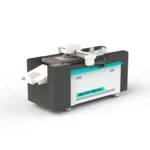
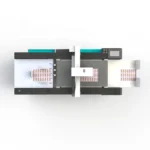
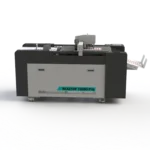
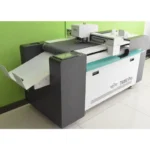
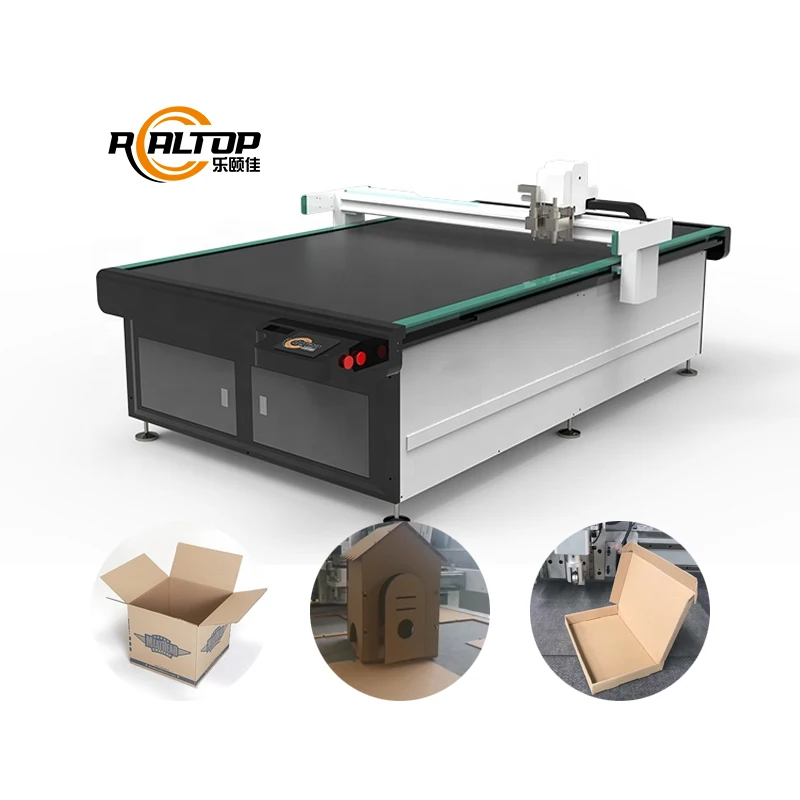
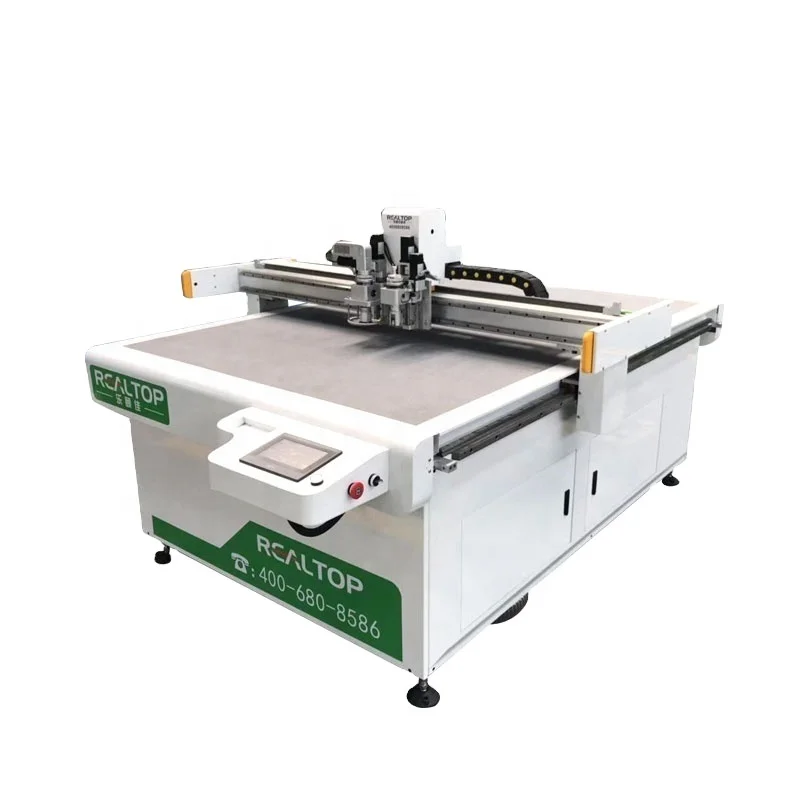
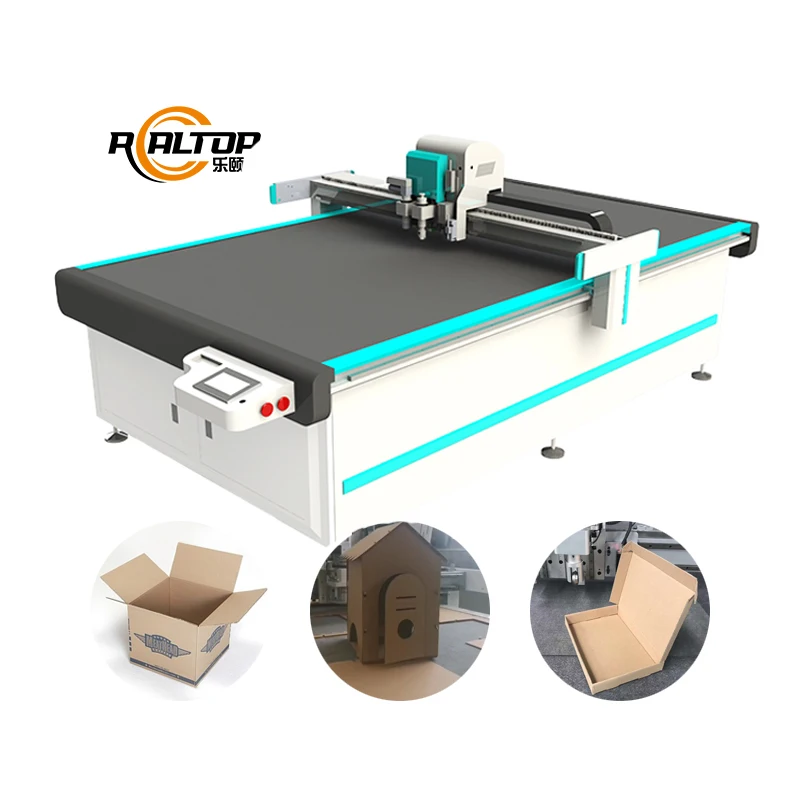
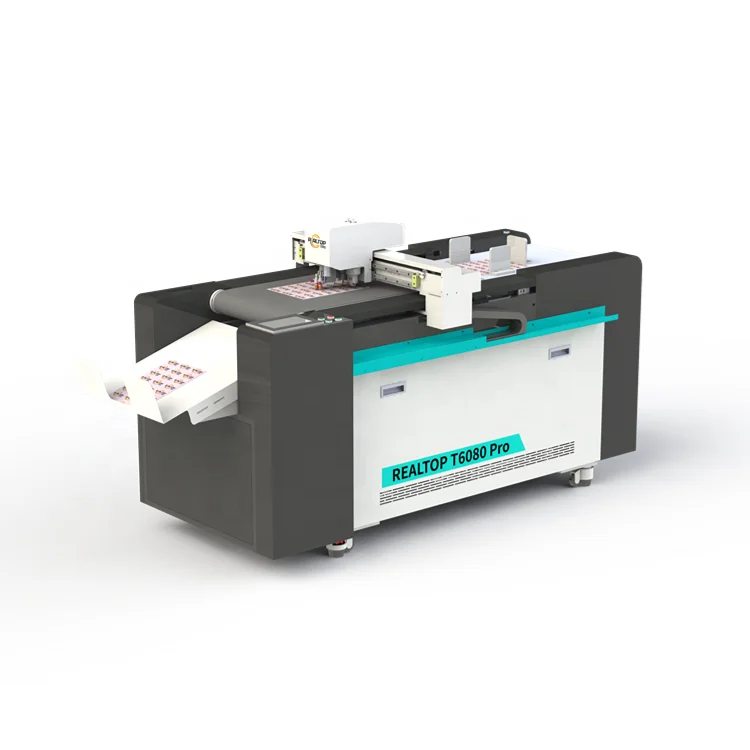
In-house dual-process design — The RTT6080 series is engineered on a single platform that accommodates both oscillating knife and creasing tools, allowing packaging and signage prototyping without forcing one cutting method onto the wrong substrate.
Technical Specifications
| Parameter | Value |
|---|---|
| Model | RTT6080 / RTT6080 Pro |
| Product Type | CNC Digital Die Cutting Machine |
| Max Working Area | 600mm × 800mm |
| Tool Head Options | Cutting tool, kiss cutting tool, creasing tool, CCD camera, high speed oscillating knife (Pro version) |
| Max Cutting Speed | 1500 mm/s (basis not stated in source — confirm material type / thickness) |
| Cutting Thickness | ≤2mm (RTT6080) / ≤5mm (RTT6080 Pro) (basis not stated in source — confirm material type) |
| Positioning Accuracy | 0.05mm |
| Supported File Formats | DXF, PLT, PDF, AI |
| Data Transfer Method | Ethernet port |
| Rated Power | 3.2KW |
| Voltage & Frequency | 220V/380V, 50Hz |
| Standards | CE declaration (where applicable) |
Application Suitability
| Application | Material or Output |
|---|---|
| Packaging and Carton Sample Making | Folding carton, corrugated board, and thin greyboard for structural prototyping |
| Advertising and Signage Prototyping | Vinyl graphics, foam board, and magnetic sheet for short-run display elements |
| Small-Format Gasket Production | Non-asbestos fiber and cork composite for automotive and industrial sealing |
| Label and Sticker Converting | Self-adhesive vinyl and paper using kiss cutting to preserve the backing liner |
Why Cutting Thickness Ratings Fail on the Shop Floor
Most buyers select a flatbed cutter by looking at the X and Y travel, only to discover the Z-axis cannot push through the board or foam they actually run in daily production. The RTT6080 and RTT6080 Pro address this by splitting the platform into two distinct cutting depth classes, forcing the conversation toward material density before the order is placed.
When a machine is quoted with a single thickness figure, it usually reflects a soft, uniform substrate tested under ideal conditions. Real packaging sample rooms deal with layered corrugated, coated carton, and adhesive-backed composites that demand different tool geometries and oscillation frequencies. [NEED_CITE: relationship between oscillation frequency and material density in digital cutting] Choosing the wrong configuration means ragged edges on thick stock or crushed flutes on delicate board, and neither outcome survives a client review.
Tool Head Selection Drives Edge Quality
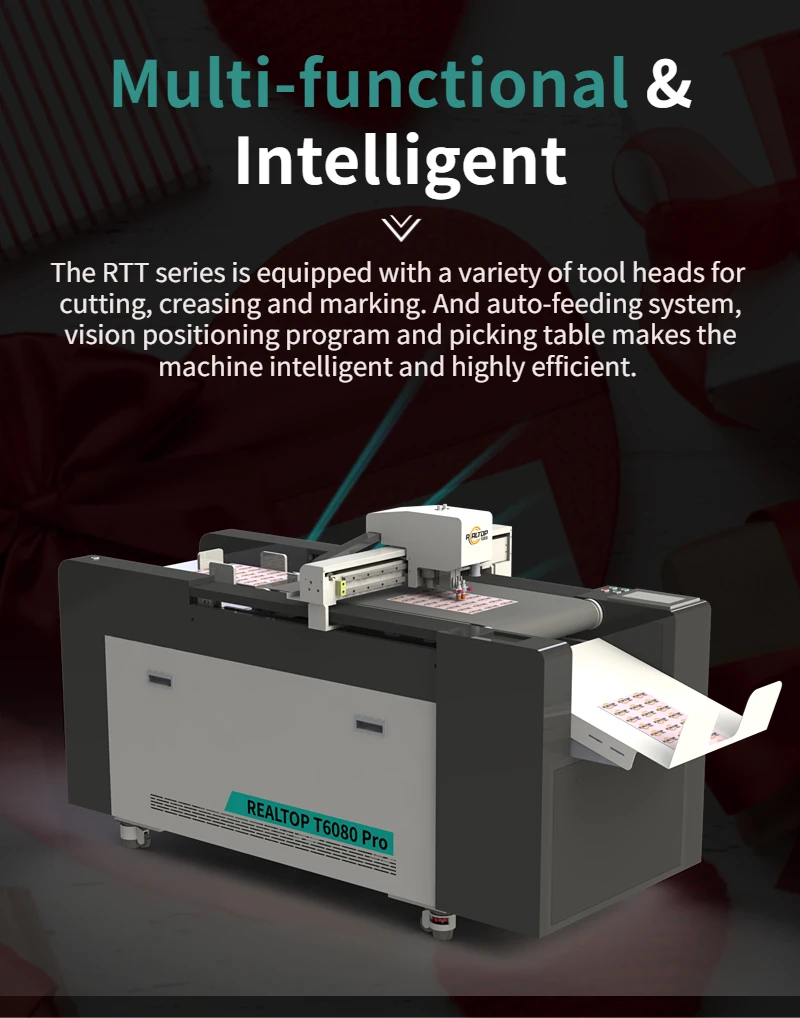
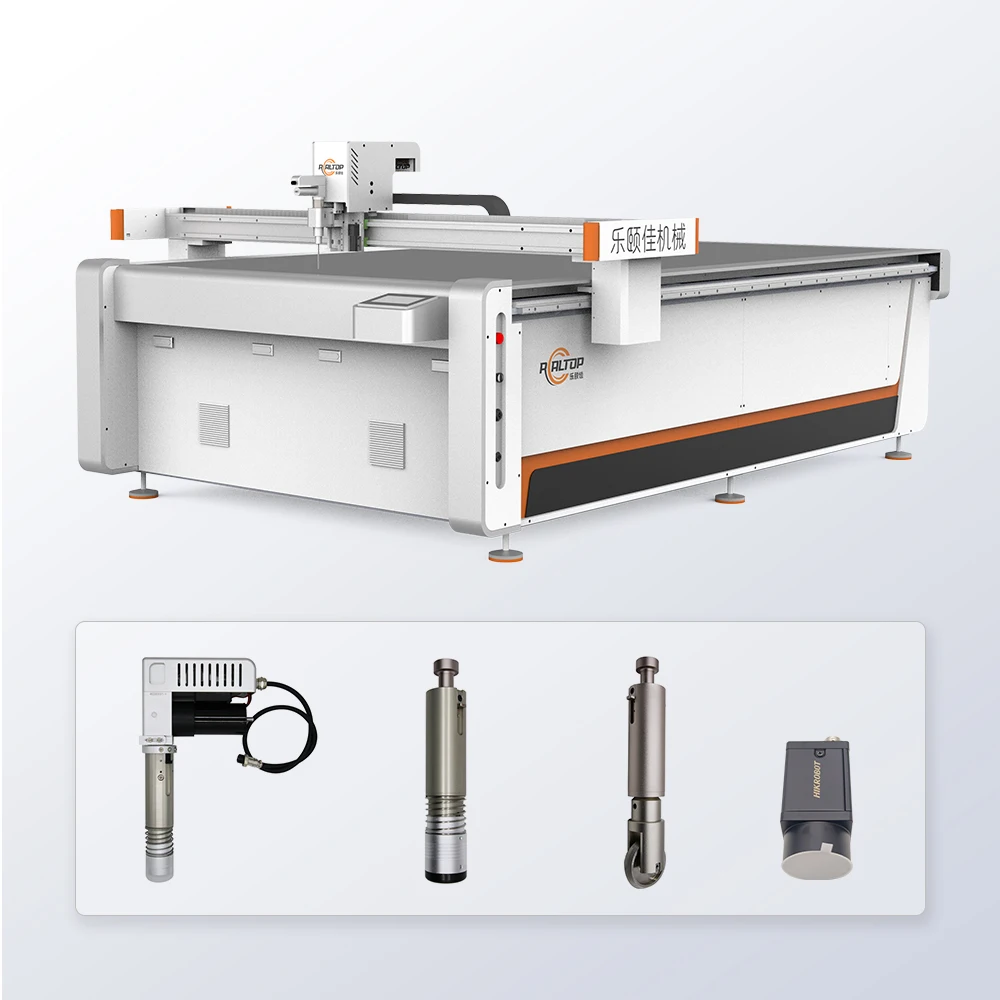
A CNC digital die cutting machine manufacturer must specify the tool head against the buyer’s actual material stack, not a generic demo board. The RTT6080 platform offers a cutting tool, a dedicated kiss cutting tool, a creasing wheel, and an optional CCD camera, while the Pro version adds a high speed oscillating knife for denser substrates. Each tool mounts on the same gantry, so a sample maker can score a fold line and cut the outline in one cycle without manual repositioning.
CCD Positioning for Printed Contours
Printed registration marks shift during lamination and storage, which throws off blind contour cuts. The optional CCD camera reads these marks before each cut path executes, compensating for stretch and skew in the sheet. This matters when a signage producer is cutting pre-printed vinyl decals or a packaging house is trimming litho-laminated carton where the print-to-cut tolerance is measured in fractions of a millimeter. [NEED_CITE: CCD registration accuracy on stretched or skewed printed substrates]
Reading Between the Speed and Thickness Numbers
The published 1500 mm/s max cutting speed and the 2mm / 5mm thickness ratings are starting points, not guarantees. Oscillation frequency, blade geometry, and vacuum hold-down all interact with material behavior. A 5mm rating on soft foam tells you nothing about how the machine handles 5mm solid gasket material. That is why sample cutting on the buyer’s own stock is the only reliable verification step, and it should happen before the purchase order is signed.
The Cost of Skipping Configuration Validation
Selecting a vacuum table without checking zone layout can leave small die-cut parts lifting off the bed mid-cycle, forcing operators to slow the feed rate or add mechanical clamps. Equally, a machine delivered with the wrong voltage or control language wastes days on the factory floor before production resumes. [NEED_CITE: common causes of digital cutter downtime related to configuration errors] These are not warranty issues; they are specification gaps that a proper pre-shipment review should have caught.
What the Build Process Covers
Our design team controls both the knife cutting and the motion system architecture, so the RTT6080 frame and gantry are matched to the tool loads rather than borrowed from a generic router chassis. We run sample cuts on the buyer’s supplied material and document edge quality, achievable thickness, and cycle time before confirming the order. Voltage, plug type, and control interface language are locked in writing during the specification phase, not guessed at packing time. The software license and file format compatibility note ships with the machine, so DXF, PLT, PDF, and AI workflows are validated before the crate leaves the factory.
Documentation & Verification
- Machine specification sheet listing confirmed tool heads and vacuum table zoning for your material class
- Factory test record showing positioning accuracy and cut path deviation on your supplied substrate
- Sample cutting report documenting edge finish and achievable thickness on your production material
- Software license and file format compatibility note covering DXF, PLT, PDF, and AI import workflows
- Electrical schematic with voltage, plug type, and circuit protection rated for your local supply standard
- Operation and maintenance manual translated to your specified control language before dispatch
Installation, Commissioning & Support
- Requires a level concrete floor capable of supporting the RTT6080 frame and vacuum pump load
- Dedicated 220V or 380V circuit with isolation switch, confirmed before the machine leaves our factory
- Gantry and tool head assemble on-site with alignment verified against the 0.05mm positioning specification
- First-article run uses your material to validate cutting parameters and CCD registration accuracy
- Operator training covers tool change, vacuum zoning setup, and Ethernet file transfer from your design software
- Spare parts list identifies oscillating knife blades, creasing wheels, and vacuum seals as routine consumables
Sending a Useful Inquiry
Tell us the material type, thickness range, and maximum sheet size you intend to cut, along with your daily sample volume. Confirm your local voltage and frequency, preferred control language, and whether you need us to run sample cuts on material you ship to our facility before we quote a configuration.
Frequently Asked Questions
Q: How is cutting thickness verified for my specific material and what is the basis for the 2mm / 5mm rating?
A: The published ratings are reference points based on specific test substrates. We cut samples on your actual material — including density, coating, and adhesive layers — and document the clean cutting depth, edge quality, and tool configuration before you commit to an order.
Q: Can the CCD camera track my printed registration marks at the production speed I need?
A: The CCD system reads marks before each cut cycle, but reliable tracking depends on mark contrast, size, and the degree of sheet distortion. We test with your printed stock at your target cycle time and report the achievable registration tolerance before confirmation.
Q: How do I choose between RTT6080 and RTT6080 Pro based on my material stack?
A: The standard RTT6080 suits thin carton, vinyl, and paper-based sample work up to 2mm. The Pro version adds a high speed oscillating knife and a 5mm depth rating for denser foam, gasket, and composite substrates. Material sample testing confirms which configuration fits your actual production mix.
Q: Is my existing DXF or AI file compatible with the machine software and nesting workflow?
A: The system imports DXF, PLT, PDF, and AI formats via Ethernet. Before order, we issue a file format compatibility note after running your sample files through our software, checking layer recognition, cut path sequencing, and any nesting limitations specific to your workflow.
Q: How are voltage, plug type, and control language confirmed before shipment?
A: We document your local supply standard, plug configuration, and preferred interface language in the specification sheet before production begins. The electrical schematic and control language confirmation ship with the machine, so no field rewiring or software reloading is needed on arrival.
You may also like

商品评价
Clear filtersThere are no reviews yet.