


-
 Courier delivery
-
 DHL Courier delivery
-
 Warranty 1 year
-
 Free 30-Day returns

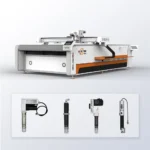
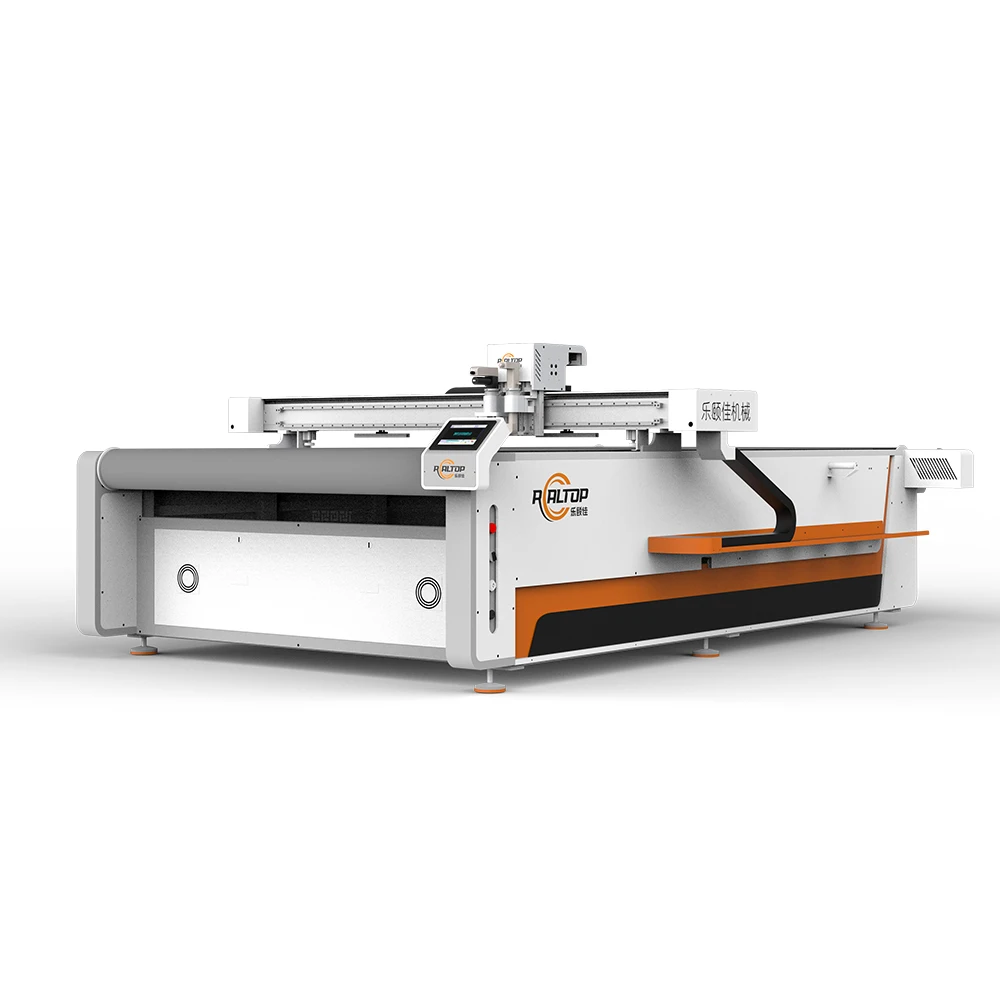
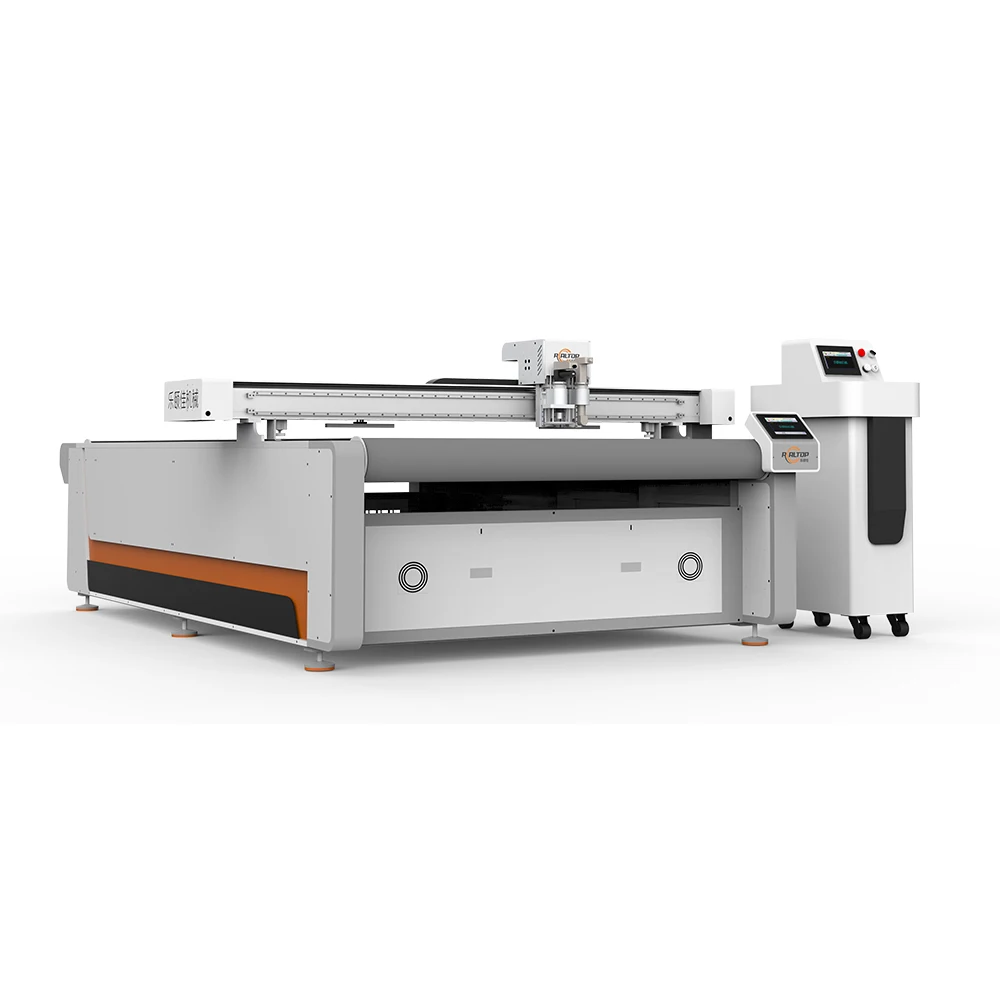
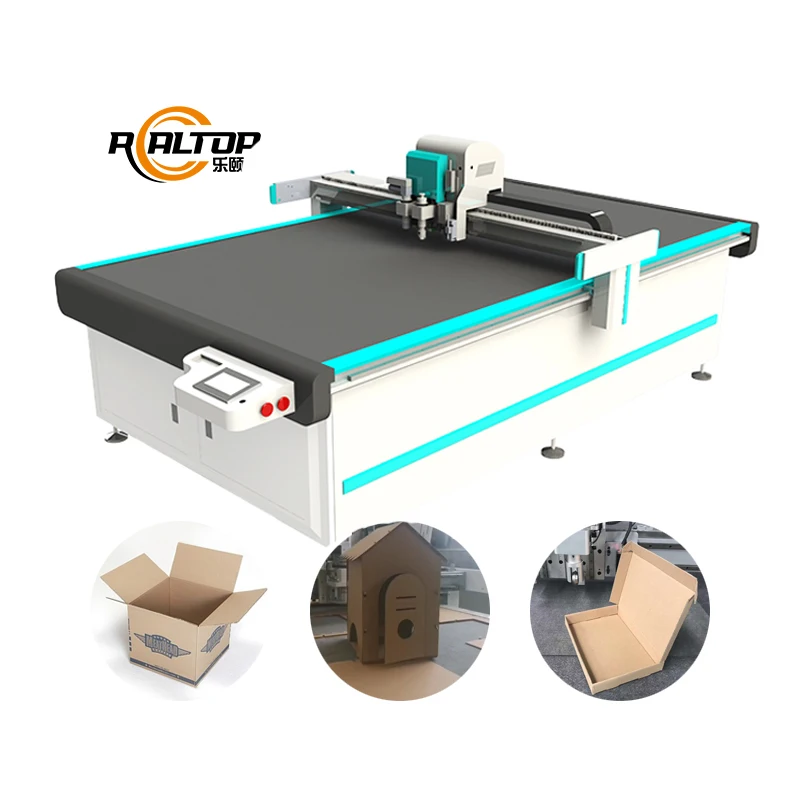
Tool Head Matched to Material — The 1625 oscillating knife platform is configured per your fabric weight, coating type, and daily volume before the order is confirmed, rather than shipped as a generic table that fails on the first production run.
Technical Specifications
| Parameter | Value |
|---|---|
| Model | 1625 |
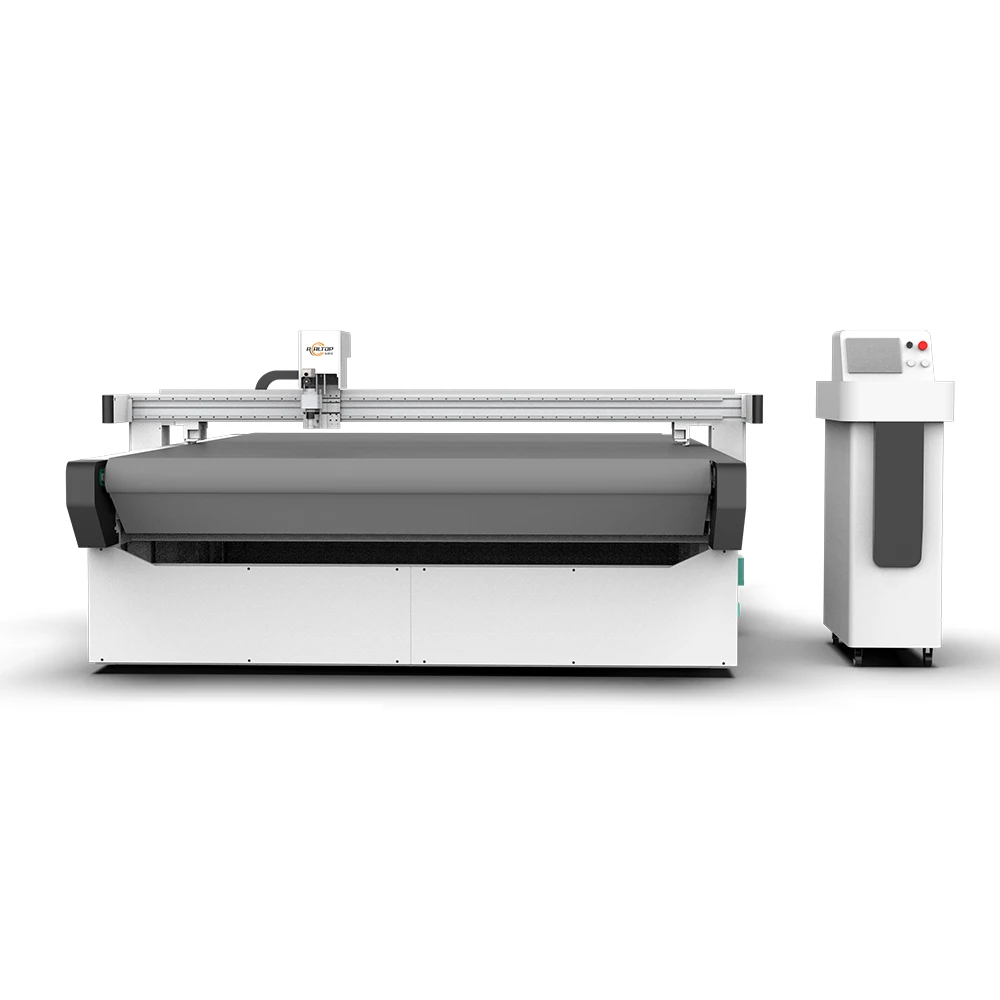
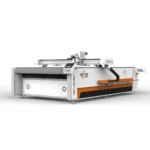
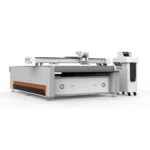
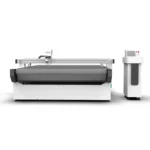
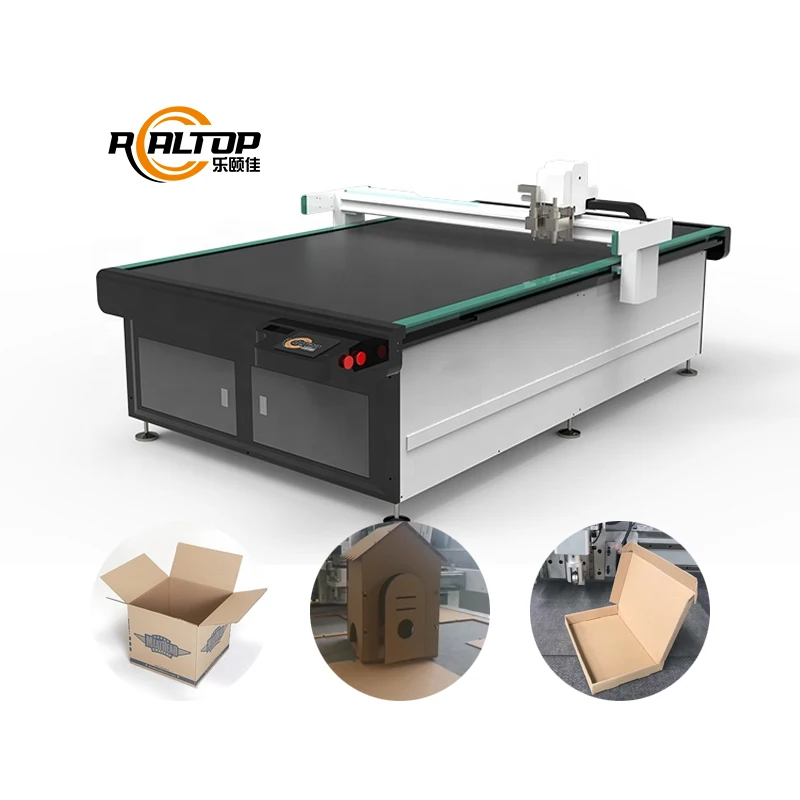
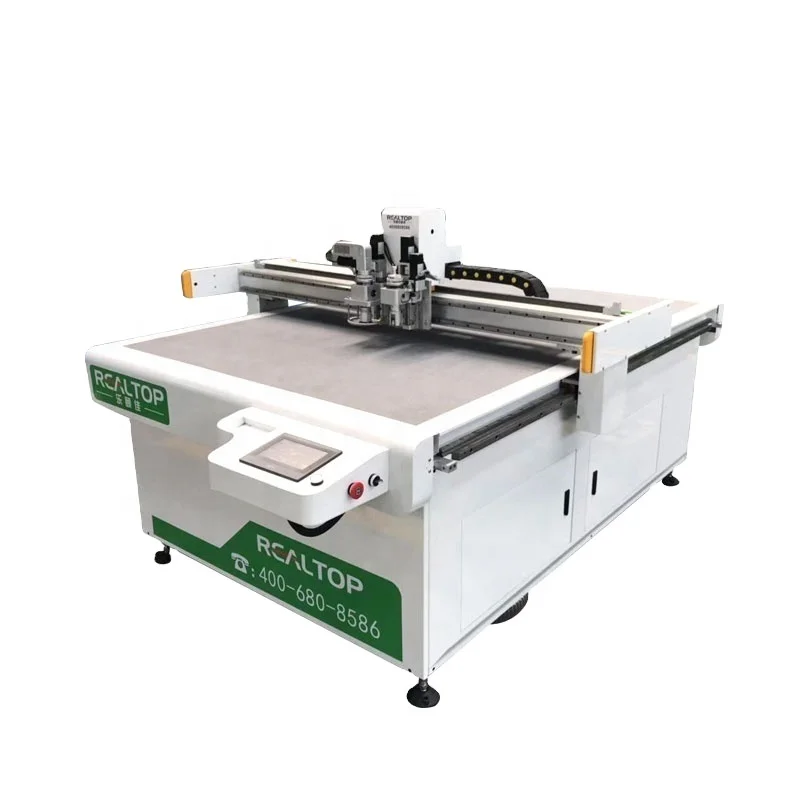
| Product Type | CNC Oscillating Knife Cutting Machine |
| Working Area | 1600×2500 mm |
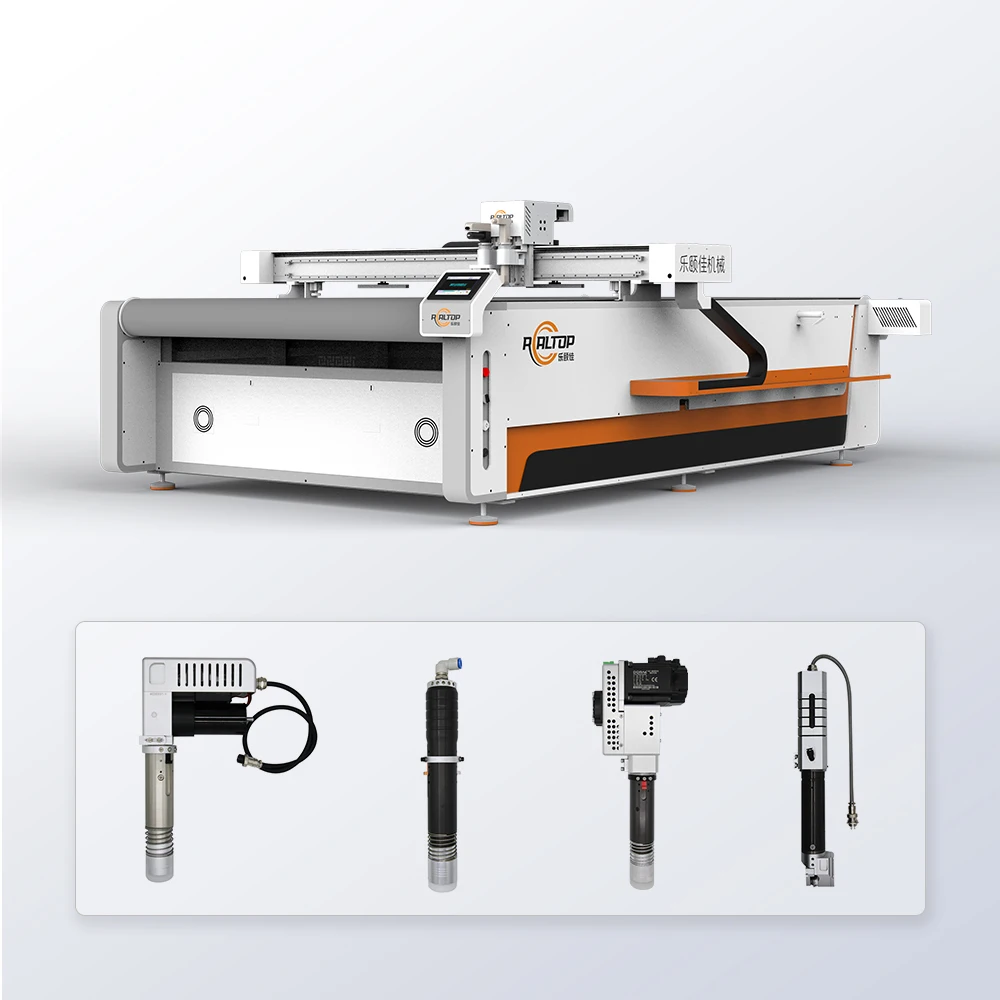
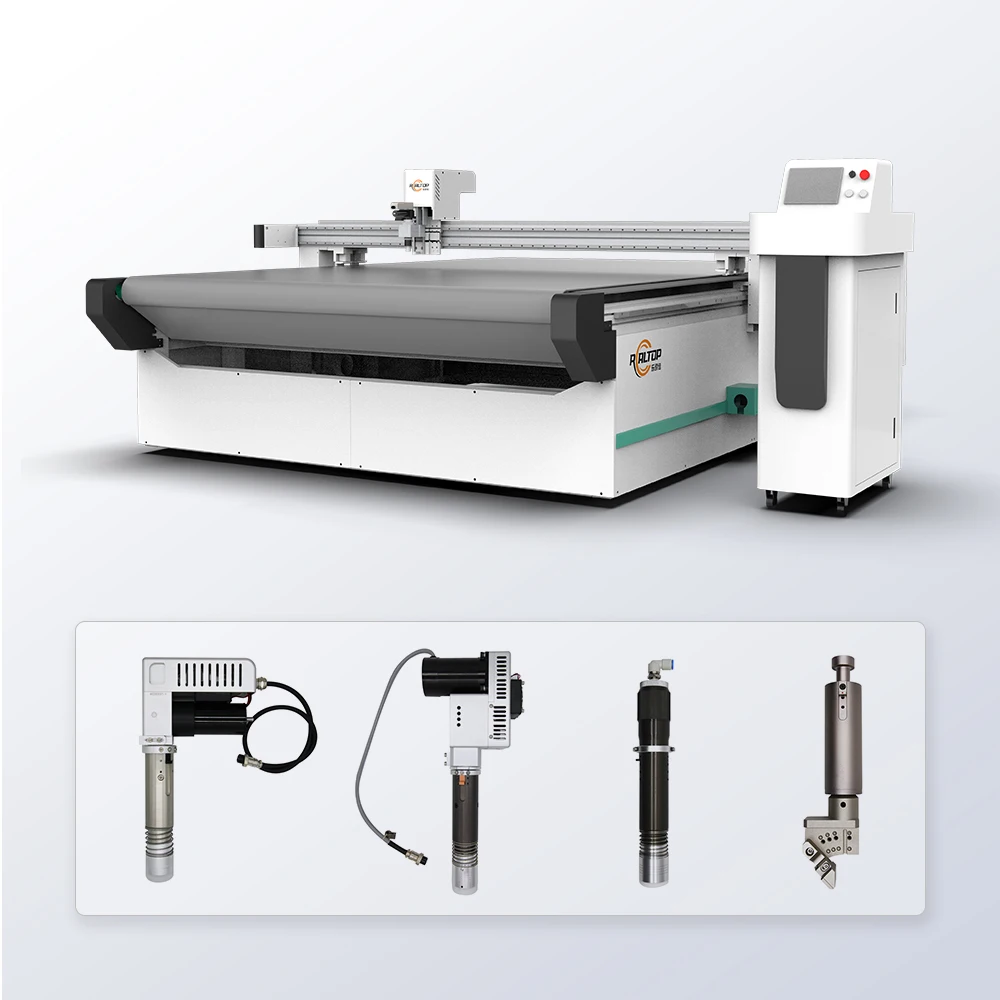
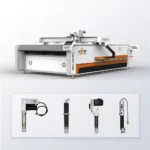
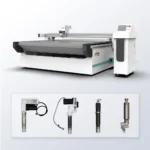
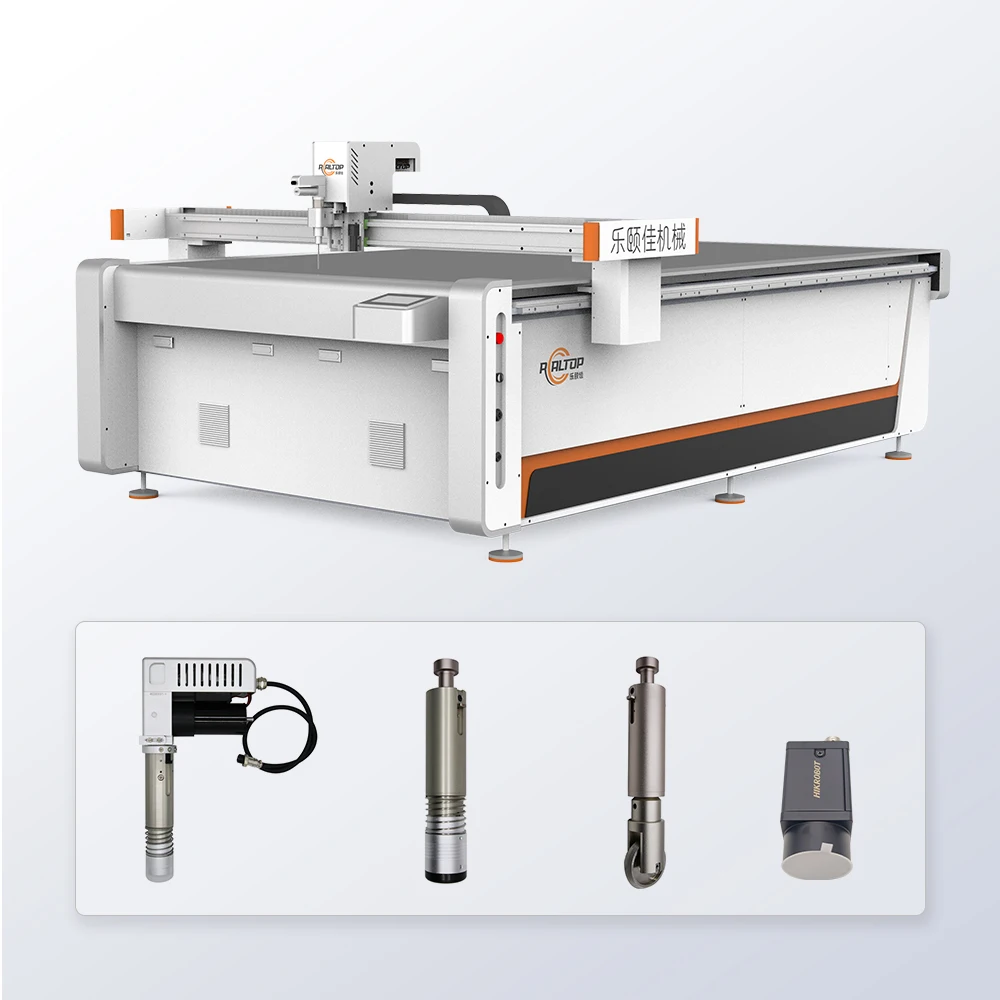
| Tool Head Options | Oscillating knife, Driven rotary knife, Creasing wheel, Kiss cutting tool, Pneumatic knife, Milling tool, V groove knife |
| Cutting Speed | 0–2000 mm/s (basis not stated in source — confirm material, thickness, and layer count) |
| Cutting Thickness | Up to 30 mm depending on material density and tool selection |
| Cutting Accuracy | ±0.1 mm |
| Repeat Positioning Accuracy | ±0.1 mm |
| Vacuum Table | Aluminum bellows vacuum table |
| Vacuum Pump Power | 9 kW |
| Machine Frame | Heavy-duty frame with precision-ground surface |
| Servo Motor Brands | Panasonic, Delta, Dorna (configurable) |
| Control System | PLC control panel |
| Voltage Options | 110V, 220V, 380V |
| Software File Formats | PLT, DXF, AI, PDF |
| Safety Devices | Infrared sensor device and emergency stop |
| Overall Dimensions | 3300×2100×1350 mm |
| Language Options | English, Russian, Italian, Chinese (special languages customizable) |
| Standards | CE |
Application Suitability
| Application | Material or Output |
|---|---|
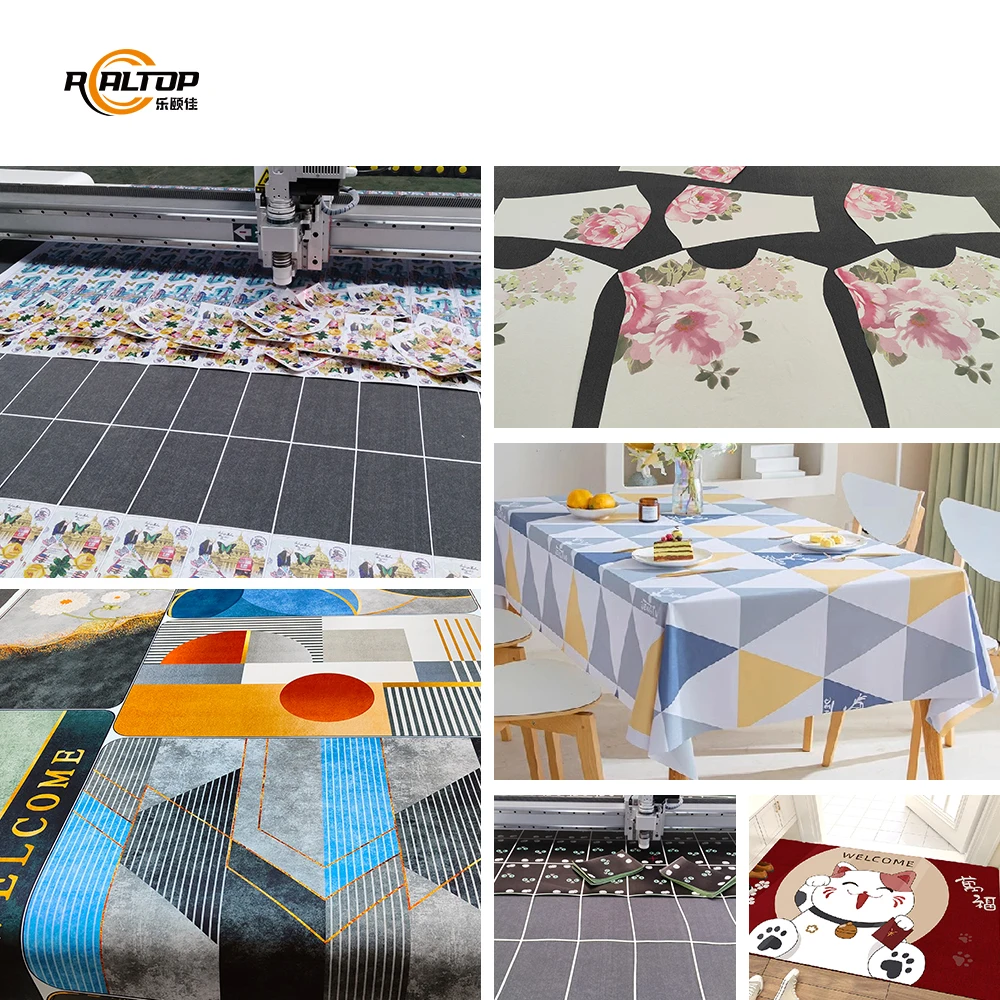
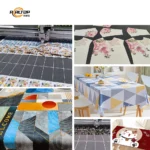
| Apparel manufacturing | Suits, knitwear, lace, complex woven and knitted fabrics |
| Automotive interiors | Seat fabrics, carpets, PVC mats |
| Home textiles | Sofa fabrics, curtains, rugs and heavy upholstery |
| Composite processing | Carbon fiber prepreg, aramid, specialty layered materials |
| Flexible material converting | Leather, foam, cardboard, PVC, EVA, PTFE, rubber |
Why Specified Cutting Speed Means Nothing Without the Material Context
A speed number on a spec sheet tells you what the servo can do — not what the knife can do to your fabric.
When I tested a CNC oscillating knife cutting machine manufacturer sample run last year on a standard knit, the edge was clean at full travel speed. Then the customer switched to a coated composite for their actual production order, and the same settings produced delaminated edges and frayed corners. The machine was not at fault — the tool head and oscillation frequency had never been matched to the material that was actually going under the blade. [NEED_CITE: oscillation frequency and material density relationship in knife cutting]
Tool Head Selection Dictates Edge Quality on Every Fabric Class
The 1625 platform supports seven tool head types, and choosing the right one is the single most important decision in the entire order. Oscillating knife handles most woven and knitted textiles cleanly. Driven rotary knife suits continuous long cuts on lightweight fabrics where a reciprocating blade would drag. Pneumatic knife cuts through denser stacks where blade pressure must be maintained consistently through the full depth. A CNC oscillating knife cutting machine manufacturer that ships every order with the same oscillating head is not engineering the solution — they are hoping the material cooperates.
Vacuum Adsorption and Small Part Stability During High-Speed Runs
The aluminum bellows vacuum table on this 1600×2500 mm platform provides full-surface adsorption across the working area. This matters most when the nesting software places small pattern pieces near the table edges, where suction tends to drop on poorly zoned systems. The 9 kW vacuum pump maintains holding force on lightweight knits and slippery coated fabrics that would otherwise lift during direction changes at higher travel speeds. Without adequate hold-down, even a perfectly specified tool head will produce shifted cuts and unusable pieces. [NEED_CITE: vacuum table zoning standards for flatbed digital cutting systems]
Reading the Specs That Actually Affect Your Production Floor
The ±0.1 mm cutting and repeat positioning accuracy is achievable because the heavy-duty frame is precision-ground, providing a flat reference surface that does not deflect under the dynamic loads of high-speed reciprocating cutting. Servo motor selection across Panasonic, Delta, and Dorna allows the drive response to be matched to the inertia of the cutting head assembly and the mass of the gantry. The PLC control panel with multi-language support means operators in different export markets work with native menus rather than translating error codes from a second language. Software compatibility with PLT, DXF, AI, and PDF formats covers the file types that garment and automotive pattern offices actually produce, avoiding the common situation where a buyer’s existing nesting workflow cannot export to the machine’s required format.
The Cost of Skipping the Sample Cut Stage
When a machine is ordered based on working area and price alone, the first production run becomes the real test. If the vacuum zoning cannot hold small pattern pieces, every nested layout must be redesigned with larger margins, reducing material yield. If the wrong tool head was fitted, the buyer discovers ragged edges only after cutting hundreds of pieces that must be discarded or sent to manual trimming. Voltage mismatches between the quoted 380V system and a facility running 220V three-phase can damage servo drives before the first cut is made. [NEED_CITE: industrial voltage and frequency compatibility requirements for exported machinery]
Why the Build Matters Beyond the Parameter Sheet
The in-house design team specifies the tool head and table configuration per material sample rather than applying a default setup. The heavy-duty frame construction is produced in the core factory with ground surfaces, not assembled from sourced weldments of unknown flatness. Sample cutting on the buyer’s actual production material is completed before the order is finalized, with a documented report on edge quality and achievable speed. Voltage, control language, and plug type are confirmed against the buyer’s facility electrical specifications before the machine enters production. The documentation package shipped with each unit includes the tool head configuration list tied to the specific material tested.
Documentation & Verification
- Factory test record documenting cut quality on buyer-supplied production material before dispatch
- Electrical schematic with confirmed voltage and plug type matching the destination facility
- Tool head and vacuum table configuration list tied to the tested material specification
- Software license note confirming PLT, DXF, AI, and PDF file format compatibility
- Operation and maintenance manual in the confirmed control language
- CE declaration and packing photographs included with shipment
Installation, Commissioning & Support
- Foundation must support 3300×2100 mm footprint and dynamic loads from the 9 kW vacuum pump
- Dedicated electrical circuit matching confirmed voltage (110V, 220V, or 380V) with proper grounding
- Machine ships partially assembled; gantry and tool head require on-site alignment on the precision-ground frame
- First-run parameter tuning for oscillation frequency and vacuum pressure using buyer’s production material
- Operator training covers PLC panel navigation, tool head changeover, and nesting software import workflow
- Spare parts list includes oscillating blades, rotary knife consumables, and vacuum table seals
Before You Request a Quote
Send the exact material type, weight per square meter, and coating specification you will run in production — not a generic fabric category. Specify your facility voltage, frequency, and preferred control language so the electrical system and PLC interface are configured correctly from the start. If you have an existing nesting software workflow, share the export file format so compatibility with the PLT, DXF, AI, or PDF import can be verified before the order. Providing a sample roll or sheet of your production material allows us to run a documented cutting test and confirm tool head selection before the machine is built.
Frequently Asked Questions
Q: How is the tool head selected for my specific fabric type and thickness?
A: We run a sample cut using your actual production material on the 1625 platform. The material’s weight, weave structure, coating, and stack thickness determine whether oscillating knife, driven rotary, pneumatic knife, or another of the seven available tool heads produces the cleanest edge. The selected configuration is documented in the tool head list shipped with the machine.
Q: What voltage options are available and how is the electrical system confirmed?
A: The 1625 supports 110V, 220V, and 380V configurations. Before production begins, we confirm your facility voltage, frequency, and plug type against the electrical schematic. The servo drives, vacuum pump, and PLC panel are all wired to match. This verification prevents drive damage and startup failures on arrival.
Q: Can I send my own material for sample cutting before placing the order?
A: Yes, and this is a standard step in the sales process. Send a representative sample of your production fabric or composite. We cut it on the aluminum bellows vacuum table, document edge quality, achievable speed, and tool head performance, and provide a sample cutting report before you commit to the order.
Q: What software file formats does the system accept and is nesting software included?
A: The control system imports PLT, DXF, AI, and PDF files. We confirm compatibility with your existing pattern design and nesting workflow before the order is finalized, so your file export process works without conversion issues on delivery.
Q: What does the factory lead time cover and what support is included after delivery?
A: Typical multi-week lead times include production, factory testing on your material, and full documentation preparation. After delivery, support covers installation guidance, PLC panel operation training, tool head changeover procedures, and ongoing after-sales service for spare parts and technical questions.
You may also like

商品评价
Clear filtersThere are no reviews yet.