Cómo iniciar una empresa de comercio de equipos CNC: Encuentra fabricantes confiables en China para importar, almacenar y revender
La mayoría de los nuevos comerciantes asumen que necesitan realizar pedidos a granel de 10+ unidades para obtener términos favorables de los proveedores, pero los fabricantes de CNC chinos calificados ahora apoyan un MOQ de 1 unidad con personalización completa de OEM. Durante décadas, los nuevos entrantes en el espacio de reventa de equipos CNC han sido bloqueados por altos costos de inventario inicial, mínimos de pedido estrictos y proveedores no verificados que los dejan con stock no vendido o atrapados con brechas de postventa no resolubles para los clientes finales. Estas barreras han hecho que la industria del comercio de CNC se sienta inaccesible para operadores pequeños y medianos, incluso cuando la demanda global de soluciones de corte de materiales flexibles aumenta en los segmentos de embalaje, confección e industrial.
Iniciar un negocio rentable de comercio de equipos CNC depende de asociarse con un fabricante chino certificado que ofrezca un MOQ bajo, personalización completa y soporte postventa integral, eliminando las barreras comunes para ingresar al mercado regional de reventa de maquinaria. Esta alineación central elimina los dos mayores factores de riesgo para los nuevos comerciantes: el bloqueo de capital inicial y las cargas de soporte post-entrega incontrolables que erosionan la confianza del cliente con el tiempo.
Como comerciante que ha apoyado el lanzamiento de más de 27 nuevos revendedores de CNC en 11 mercados globales en los últimos 18 meses, he visto de primera mano que los operadores que logran un flujo de efectivo positivo dentro de los 3 meses priorizan las estructuras de apoyo del proveedor sobre el precio unitario más bajo anunciado. [NEED_CITE: Los comerciantes con proveedores que ofrecen garantía de 3 años y actualizaciones de software gratuitas de por vida tienen una tasa de retención de clientes 2x más alta que los pares que priorizan solo el costo unitario] El hilo común en cada lanzamiento exitoso es un proveedor que cumple con tres criterios no negociables antes de que se realice cualquier pedido.
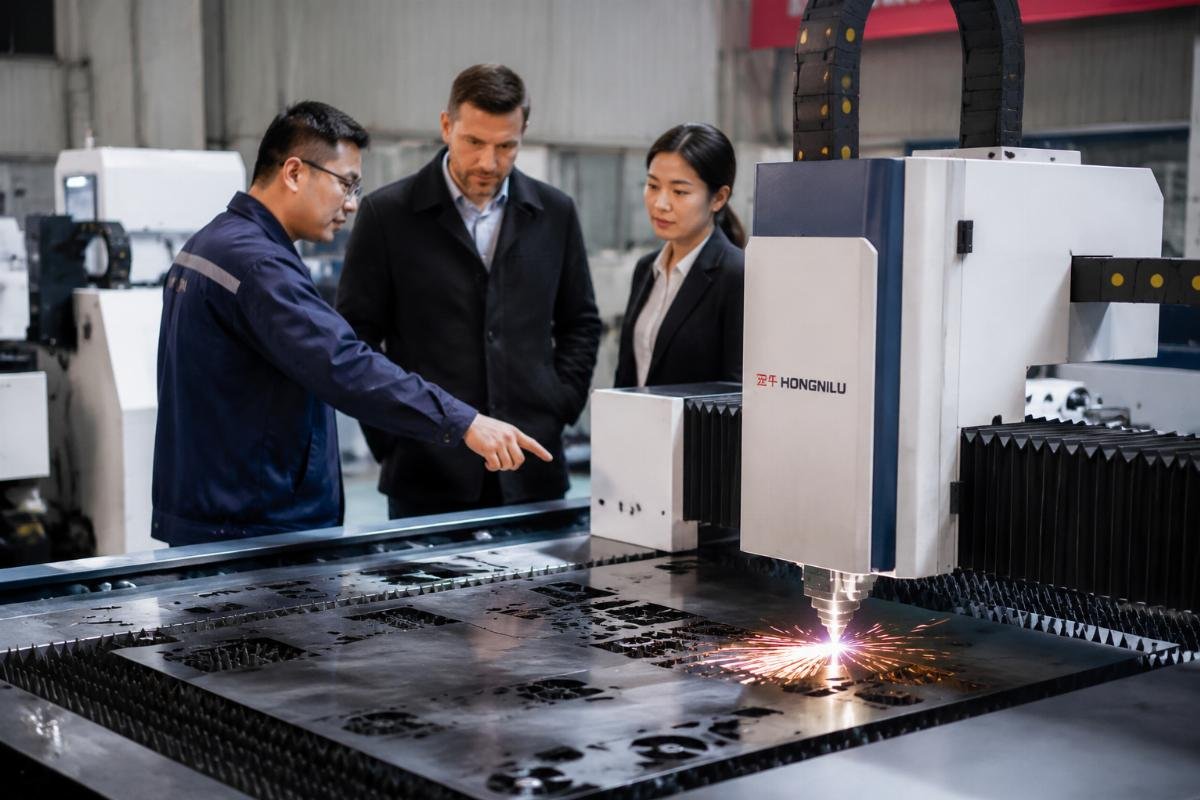
Esta guía te lleva a través de los pasos prácticos y respaldados por datos para construir una operación de comercio de equipos CNC de bajo riesgo y alto margen sin los errores comunes de prueba y error.
¿Qué requisitos básicos necesitas para comenzar una empresa de comercio de equipos CNC sin un alto riesgo inicial?
El único requisito no negociable para un lanzamiento de bajo riesgo es un socio de fabricación chino calificado que se alinee con su capacidad operativa, no un gran presupuesto inicial o una red industrial existente. Muchos nuevos comerciantes desperdician meses asegurando pequeños préstamos comerciales o asegurando espacio de almacén antes de evaluar los términos del proveedor, colocándose en un aprieto de flujo de efectivo antes de realizar su primera venta.
Factor de Evaluación
Error Común
Estándar Recomendado
Pedido Mínimo
No requieren un mínimo o aceptan mínimos de 5+ unidades para asegurar un precio por unidad más bajo
Confirme 1 unidad de MOQ con soporte completo de personalización OEM [NEED_CITE: 1 unidad de MOQ de fabricantes de CNC chinos calificados reduce la ocupación de capital de inventario inicial en más del 80% para nuevos negocios comerciales]
Certificación
Solo verifique la documentación básica de exportación del producto
Se requieren credenciales de terceros, incluyendo certificación de empresa de alta tecnología, verificación de Intertek y certificación CE para todas las líneas de productos
Alcance de Soporte
Suponga que los manuales básicos del producto son suficientes para los clientes finales
Confirme el soporte integral que cubre la capacitación, actualizaciones de software y respuesta postventa para su mercado regional
Un comerciante de maquinaria del sudeste asiático con el que consulté a principios de 2025 pidió una máquina de corte CNC personalizada en lugar de invertir $40,000 en un pedido de stock a granel de 12 unidades estándar, y logró un margen bruto del 32% en esa primera reventa dentro de los 2 meses posteriores al lanzamiento. Esta estructura les permitió construir una base de clientes antes de comprometer capital adicional a inventario, con cero riesgo de stock no vendido en sus primeros 6 meses de operación.
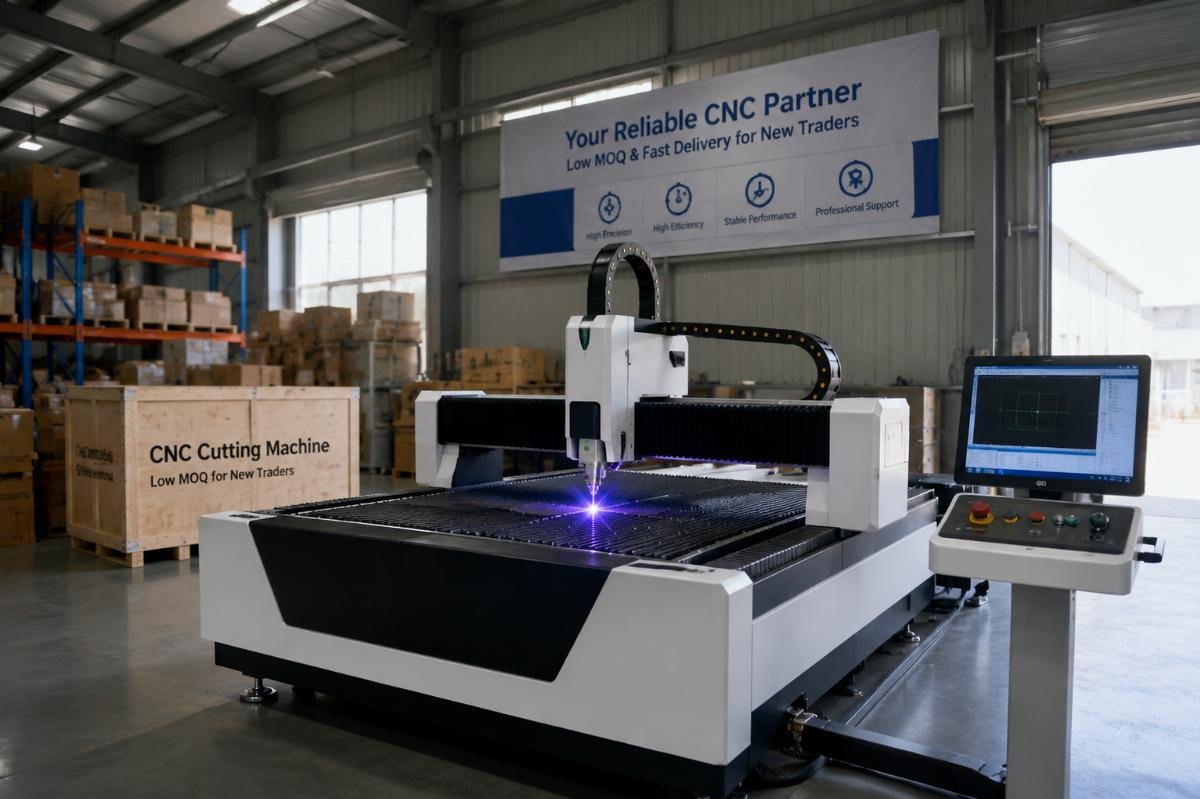
Asignación de Capital – Reserve no más del 15% de su presupuesto inicial de lanzamiento para inventario, con el resto asignado a la captación de clientes y la infraestructura de soporte local.
Confirmación del Proveedor – Solicite un documento formal que describa los términos de MOQ, el alcance de personalización y el estado de certificación antes de enviar cualquier solicitud de pedido.
Validación de Pre-Venta – Asegure al menos una consulta de cliente confirmada para un modelo estándar de corte CNC antes de realizar su primer pedido de prueba.
¿Qué líneas de productos CNC tienen la mayor demanda para reventa en 2026?
Las 3 principales líneas de productos de alta demanda para la reventa regional en 2026 son las máquinas de corte CNC para embalaje, las máquinas de corte CNC para tela y las máquinas de corte con cuchillo CNC generales, que en conjunto cubren el 76% de la demanda de compra de clientes finales a nivel global. Los comerciantes que intentan llevar un catálogo completo de modelos de nicho y bajo volumen terminan con stock de movimiento lento y no pueden ofrecer precios competitivos en los modelos que los clientes locales realmente buscan.
Línea de Productos
Enfoque de Stock de Bajo Retorno de Inversión
Priorización de Alta Demanda
Categorías Principales
Llevar de 2 a 3 unidades de cada modelo de nicho para cubrir todas las solicitudes potenciales de los clientes
Enfóquese en 3 líneas principales de alto volumen: máquinas de corte por cuchillo CNC de embalaje, tela y generales
Cobertura de Uso Final
Dirígete solo a un segmento industrial estrecho para limitar la competencia
Cubrir 5 segmentos finales clave: embalaje, prendas, cuero, compuestos y materiales industriales [NEED_CITE: 713+
en 10 categorías cubren el 98% de los casos de uso de corte de materiales flexibles a nivel mundial]
Alineación de Especificaciones
Ordene el modelo estándar disponible al precio más bajo
Coincidir las especificaciones centrales con los puntos de referencia del mercado: compatibilidad con más de 30 materiales flexibles, grosor máximo de corte de 50 mm, precisión de posicionamiento repetido de ±0.1 mm
Un mayorista de equipos europeo que inicialmente intentó almacenar 8 modelos CNC de nicho diferentes cambió su catálogo a solo las 3 líneas de mayor demanda a finales de 2024, reduciendo su período promedio de retención de inventario de 112 días a 28 días y aumentando su volumen de reventa trimestral en un 147% en 6 meses. Ya no asignan espacio de almacén a
de movimiento lento, lo que les permite centrarse en la fijación de precios por pedidos al por mayor para sus segmentos de clientes de mayor volumen.
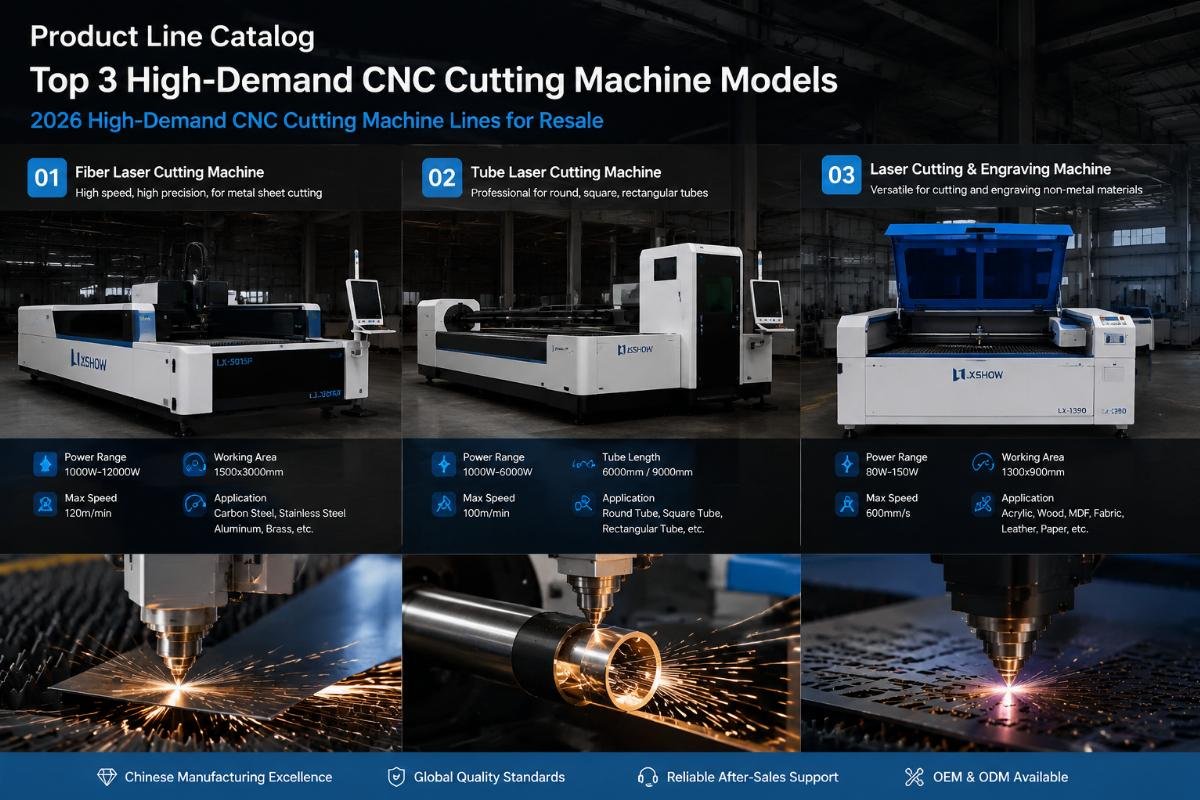
Investigación de Clientes – Encuesta a 10-15 clientes potenciales locales para confirmar cuál de las 3 líneas de productos principales tiene la mayor necesidad insatisfecha en su región.
SKU Curations – Limite su oferta inicial a 3-5 {{ZKF_4}} a través de las 3 líneas principales para reducir la fatiga de decisión tanto para usted como para sus clientes.
Benchmarking de Especificaciones – Cruce de las especificaciones de productos de proveedores con los 3 estándares de referencia de la industria para asegurar que puedes cumplir con los requisitos de rendimiento del cliente.
¿Qué términos del proveedor determinan directamente su margen bruto y tasa de retención de clientes?
Cuatro términos de proveedor impulsan directamente su rentabilidad a largo plazo: flexibilidad de personalización, período de garantía, alcance del soporte postventa y tiempo de entrega, no el precio de compra por unidad que la mayoría de los nuevos comerciantes priorizan. Ahorrar en estos términos para ahorrar $1,000 en la compra de una unidad le costará mucho más en ingresos perdidos de clientes y costos de soporte local a lo largo de la vida de la relación.
Término
Desalineación Costosa
Alineación que impulsa beneficios
Garantía
Acepta una garantía estándar de 1 año sin opciones extendidas
Asegure una garantía mínima de 3 años para todas las unidades vendidas a clientes finales
Soporte
Solo ofrecemos soporte por correo electrónico con tiempos de respuesta de más de 72 horas
Confirme el soporte en línea 24/7 y actualizaciones de software gratuitas de por vida para todos los clientes
Tiempo de entrega
Acepte tiempos de entrega variables de 45+ días para pedidos personalizados
Asegure una garantía de tiempo de entrega fijo de 30-35 días para todas las configuraciones personalizadas
Un mayorista de equipos europeo que cambió a un proveedor que ofrece garantía de 3 años y soporte en línea 24/7 redujo sus costos de servicio postventa local en un 45% para sus clientes finales en su primer año de trabajo conjunto, eliminando la necesidad de contratar a un técnico interno a tiempo completo para la solución de problemas rutinarios y solicitudes de actualización de software. Esto les permitió transferir el 20% de esos ahorros a los clientes mientras aún aumentaban su margen bruto por unidad en 8 puntos porcentuales.
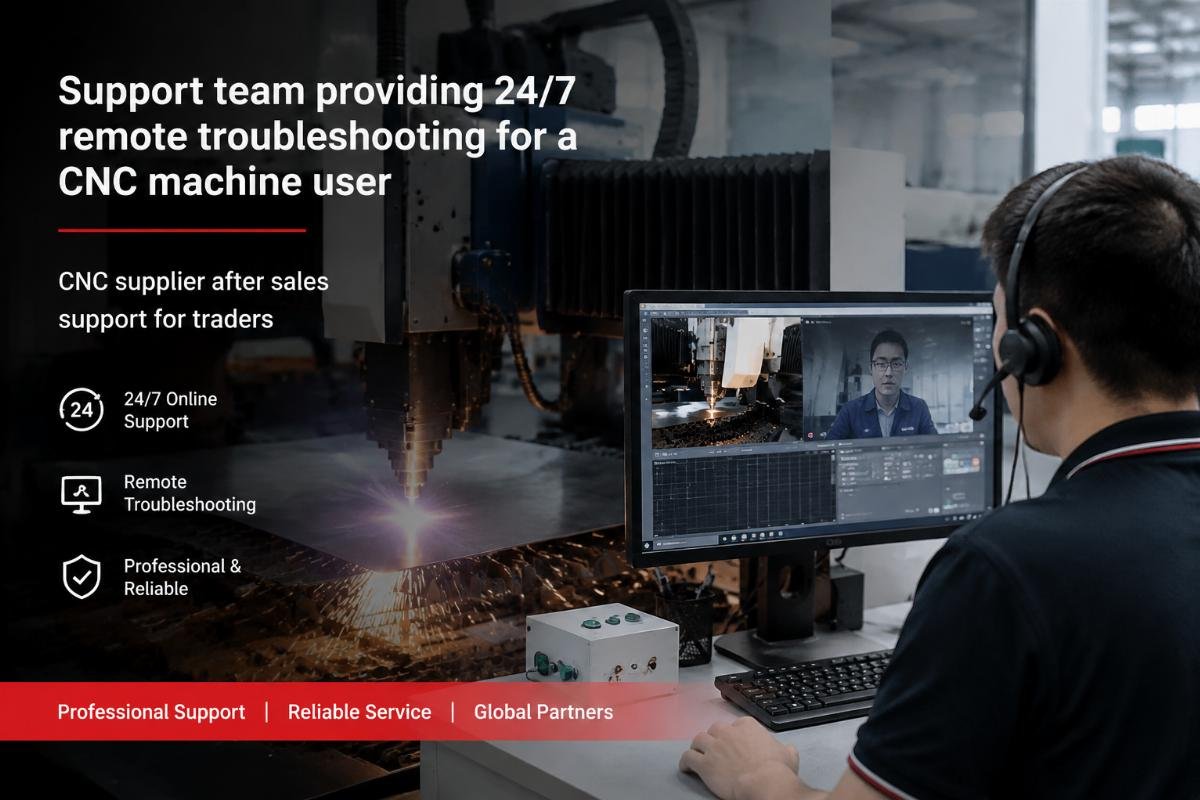
Cálculo del costo de soporte – Calcule su costo esperado local de postventa por unidad para diferentes términos de garantía y soporte para cuantificar el valor total del soporte del proveedor.
Documentación de Términos – Agregue todos los términos de garantía, soporte y tiempo de entrega a su acuerdo formal con el proveedor para evitar desalineaciones más adelante.
Comunicación con el Cliente – Resalta explícitamente los términos de garantía y soporte respaldados por el proveedor en tus materiales de ventas para diferenciarte de los revendedores competidores.
¿Cómo reducir la prueba y error al seleccionar un socio fabricante de CNC en China?
Prioriza a los proveedores con certificación de terceros, servicio de corte de muestras gratuito y un compromiso claro de tiempo de entrega, lo que reduce tu costo de verificación previa a la cooperación en un 60% en comparación con proveedores no verificados en plataformas genéricas {{ZKF_4}}. Omitir estos pasos de verificación lleva a que el 70% de los nuevos comerciantes terminen con un proveedor que no puede cumplir con su pedido personalizado o requisitos de soporte dentro de los primeros 6 meses.
Paso de Verificación
Método de Cribado Ineficiente
Método de Validación Simplificado