Cómo seleccionar equipos de corte de compuestos aeroespaciales: soluciones CNC confiables de fabricante chino para el procesamiento de prepreg y fibra seca
Most aerospace composite processing teams assume high-power laser cutting is the most efficient option for thick material runs, but cold cutting technology eliminates toxic fume emission and material property damage to cut post-processing work by 40% on average. For years, procurement and production optimization teams in the aerospace sector have struggled to balance strict quality standards, low scrap rates, and tight budgets when sourcing prepreg and dry fiber cutting solutions, often settling for either overpriced regional equipment or unreliable methods that fail to meet aerospace precision requirements.
China-based professional CNC cutting equipment manufacturers deliver cost-effective, high-precision, customisable solutions that outperform traditional die cutting methods for low to medium volume production runs, making them accessible to small and medium-sized processing workshops that previously could not afford specialized composite cutting systems.
We have supported over 120 aerospace material processing teams across 28 global markets in replacing outdated cutting equipment over the past 7 years, and the biggest pain point we consistently see is teams prioritizing initial purchase price over total long-term cost of ownership, which leads to 2x higher operational costs within the first 3 years of operation [NEED_CITE: Total cost of ownership for composite cutting equipment includes not just purchase price, but 5-year cumulative material waste and post-processing labor expenses].
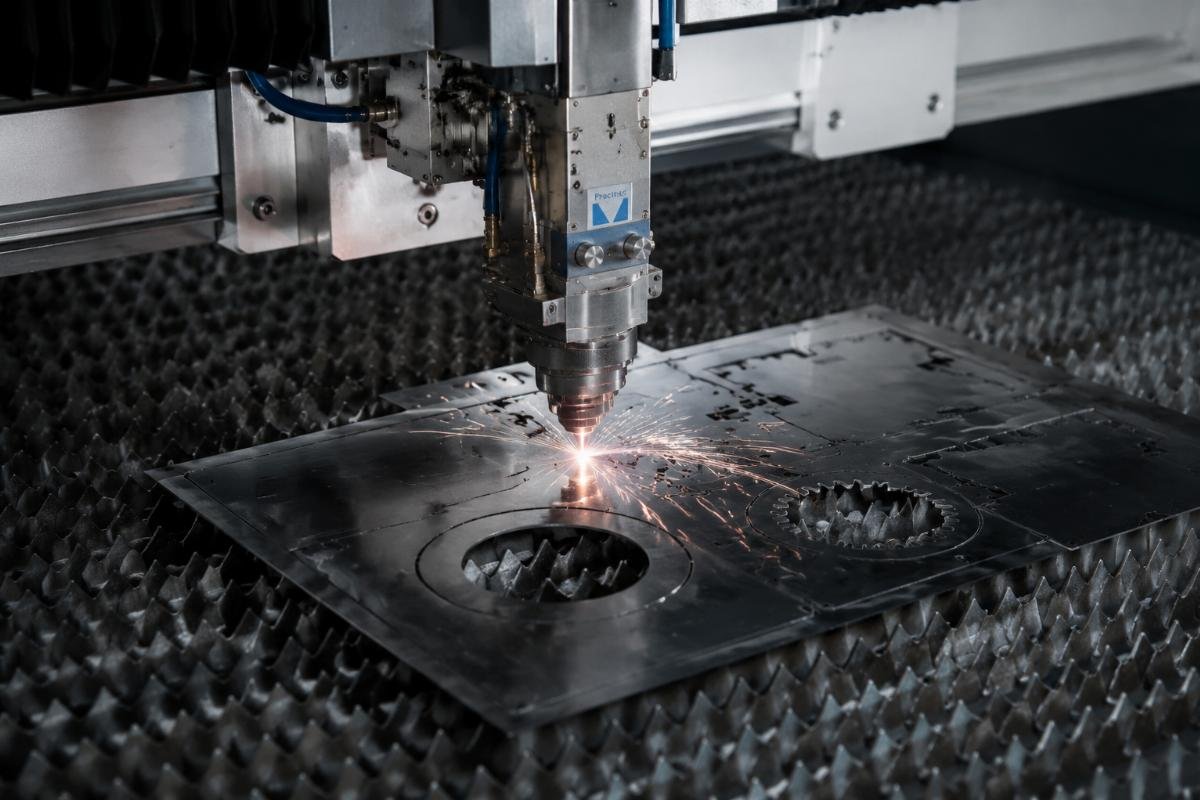
The following guide breaks down the core decision factors to select the right solution for your production needs, with verifiable real-world performance data from existing end users.
Por qué los métodos de corte tradicionales no cumplen con los requisitos de procesamiento de compuestos aeroespaciales
Las soluciones de corte láser y troquelado tienen defectos inherentes que no se pueden superar para cumplir con los estrictos estándares de calidad aeroespacial para el procesamiento de prepreg y fibra seca. El corte láser crea zonas afectadas por el calor que alteran las propiedades estructurales del material y producen humos tóxicos, mientras que el troquelado requiere herramientas personalizadas para cada nuevo diseño de pieza, lo que lleva a largos tiempos de entrega y altos costos para producciones de bajo a medio volumen.
Método de Procesamiento
Limitación Común para Uso Aeroespacial
Alternativa Recomendada
Corte por láser
Causa bordes quemados, daño a las propiedades del material y emisiones de humos tóxicos en prepreg de fibra de carbono de 3 mm o más [NEED_CITE: La tecnología de corte en frío elimina defectos relacionados con el calor en materiales compuestos]
Corte en frío con cuchilla oscilante CNC
Troquelado
Requiere herramientas personalizadas para cada diseño de pieza, lo que lleva a una precisión de posicionamiento repetido de ±0.5mm y altas tasas de desperdicio para producciones de lotes pequeños
Sistemas de corte CNC personalizables con herramientas intercambiables
We recently worked with an aerospace parts supplier that switched from laser cutting to a CNC oscillating knife cutting system, achieving 0 burnt edges on 3mm carbon fiber prepreg with ±0.1mm repeat positioning accuracy, and cutting overall material scrap rate by 18% within the first 2 months of deployment.
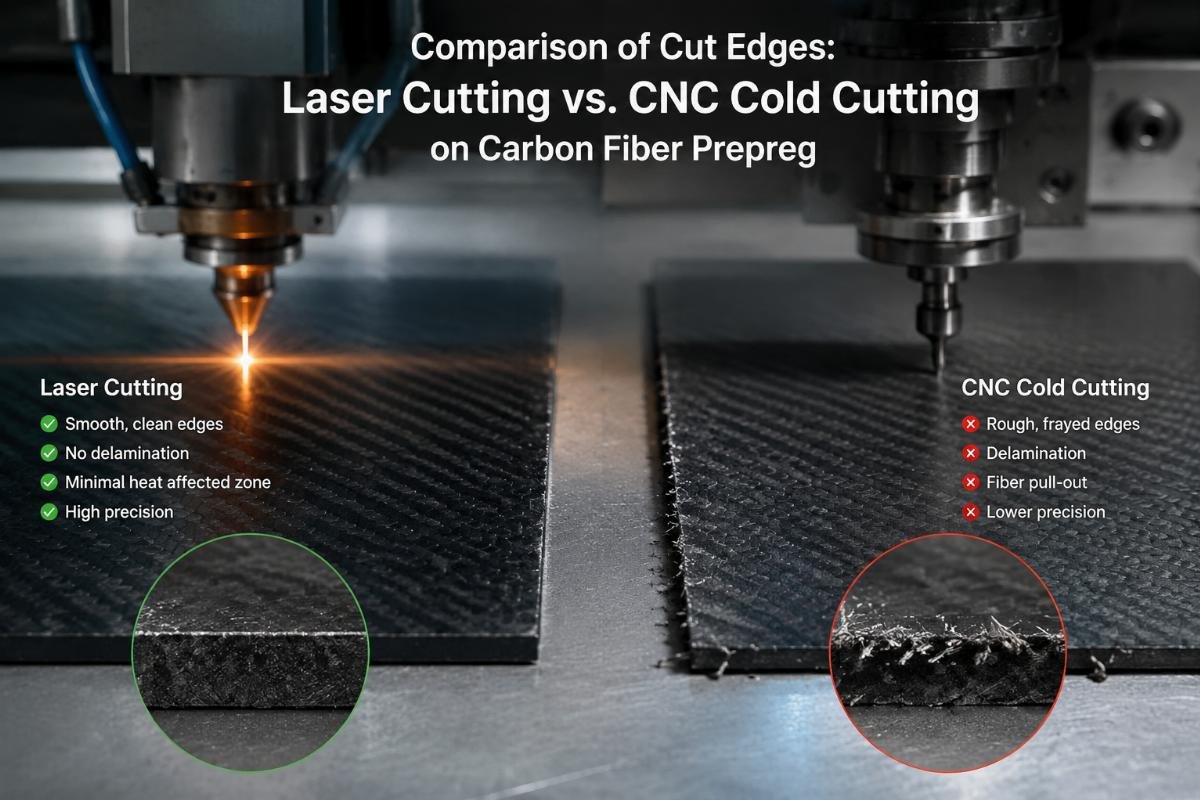
Auditoría de Daños en Materiales – Pruebe todos los métodos de corte candidatos en los grosores de material que utiliza con más frecuencia para verificar defectos inducidos por calor.
- Production Volume Match – Map your annual production run sizes to the equipment’s tool changeover and setup time requirements.
Referencia de Tasa de Desperdicio – Requerir a los proveedores que compartan datos de tasa de desperdicio verificados para escenarios de producción idénticos.
¿Qué especificaciones clave deberías priorizar al seleccionar equipos CNC de corte compuesto
Tres especificaciones innegociables determinan directamente si un sistema de corte CNC cumplirá con los requisitos de procesamiento aeroespacial: tecnología de corte en frío, precisión de posicionamiento repetido y compatibilidad con el grosor del material. Omitir la verificación de cualquiera de estas tres métricas casi siempre conducirá a un rendimiento deficiente que no supera las auditorías de control de calidad internas.
Métrica de Rendimiento
Estándar de Selección Errónea Común
Grado Aeroespacial Estándar Verificado
| Tecnología de Corte |
Priorizar una alta velocidad de corte sobre la generación de calor
Corte en frío solamente, sin procesamiento térmico para prepreg y fibra seca
| Precisión de Posicionamiento |
Aceptar una precisión de repetición de ±0.5mm como suficiente
Requiere una precisión de posicionamiento repetido mínima de ±0.1mm [NEED_CITE: El corte de componentes aeroespaciales requiere una precisión repetida consistente de ±0.1mm o mejor]
| Compatibilidad de Materiales |
Limitar herramientas a solo un tipo de material compuesto
Soporte para configuración de herramientas múltiples para más de 30 tipos de materiales flexibles
A regional aerospace material processing workshop we supported recently requested a custom machine with a 1-set minimum order quantity, with the supplier adapting the working area and tool configuration to fit their existing production line, for a total cost 35% lower than comparable European equipment models.
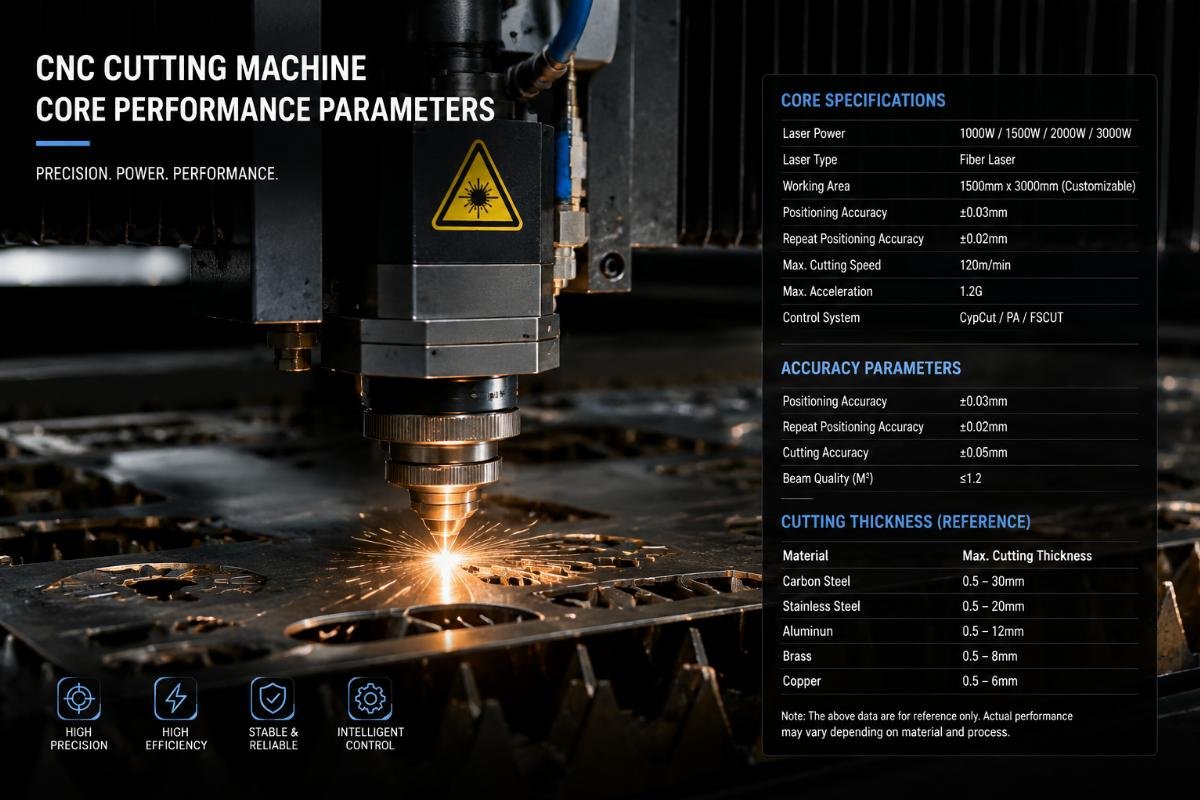
Verificación de Precisión – Solicite informes de pruebas de terceros para la precisión de reposicionamiento repetido antes de realizar cualquier pedido.
Prueba de Rango de Grosor – Confirme que la máquina maneja el rango completo de grosor de 5mm a 50mm de los materiales que procesa.
Verificación de compatibilidad de herramientas – Valide que el sistema sea compatible con todos los tipos de herramientas requeridos para su pieza existente {{ZKF_4}}.
¿Cómo pueden los proveedores chinos de corte compuesto ofrecer soluciones personalizadas rentables para procesadores pequeños a medianos
Los fabricantes de equipos CNC chinos confiables ofrecen cantidades mínimas de pedido flexibles, personalización completa de OEM/ODM y un soporte postventa integral que se alinea con las necesidades de producción de la mayoría de los talleres de procesamiento aeroespacial no a gran escala. A diferencia de las suposiciones comunes de que el equipo personalizado requiere pedidos mínimos de 10 o más unidades, los proveedores chinos dedicados apoyan la personalización de unidades individuales para líneas de producción especializadas.
An European aerospace component manufacturer recently ordered a custom Composites CNC Cutting Machine with a 3-year warranty, and received full on-site installation and operator training within 45 days of order confirmation, with 24/7 online support and lifelong free software upgrades included as standard. This level of service is paired with price points ranging from $5,000 to $60,000 depending on configuration, with a 31-day lead time for fully custom machines.
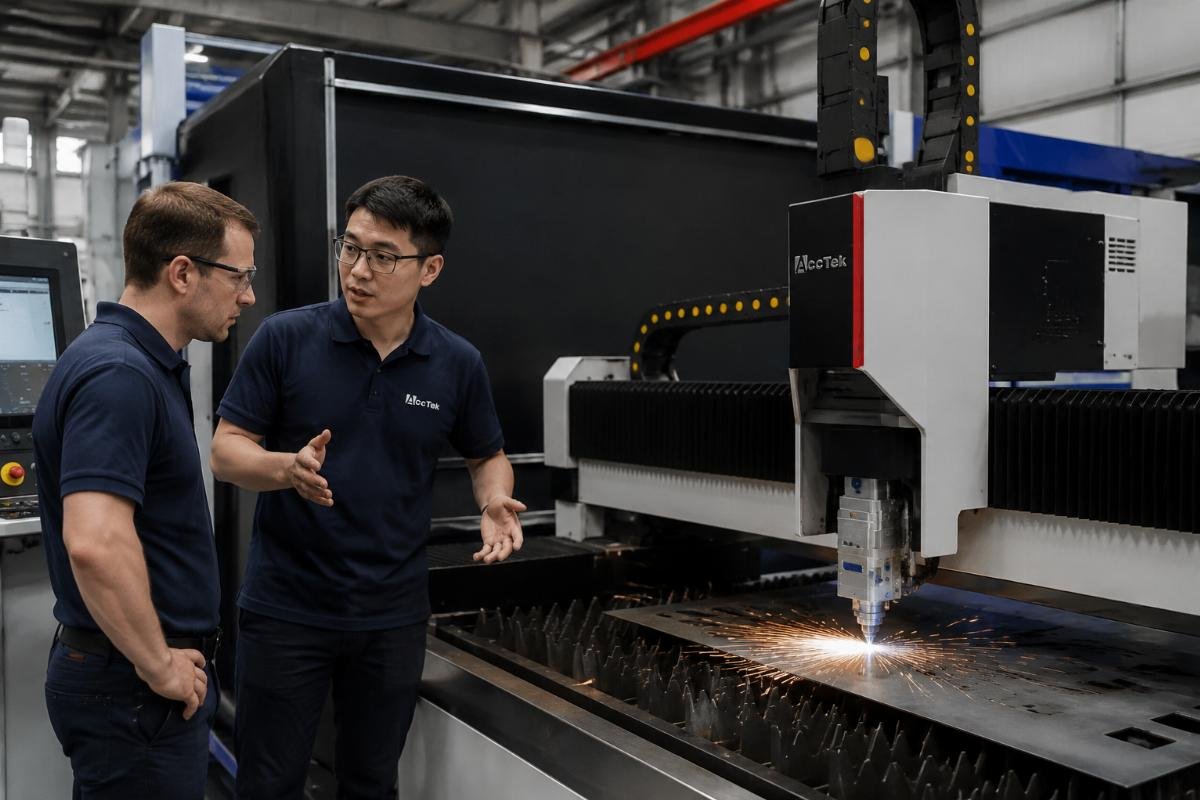
Confirmación de MOQ – Verifique explícitamente que el proveedor admite pedidos personalizados de 1 unidad antes de compartir los requisitos de producción detallados.
Alcance del servicio postventa – Documentar la duración de la garantía, la cobertura de soporte en el sitio y los términos de actualización de software por escrito.
Tiempo de entrega bloqueado – Confirme el tiempo de entrega exacto para configuraciones personalizadas para evitar retrasos en la producción.
Conclusión
Seleccionar el equipo de corte de compuestos aeroespaciales adecuado requiere equilibrar los estándares de precisión, los costos operativos a largo plazo y las capacidades de servicio del proveedor, en lugar de solo comparar los precios de compra iniciales. Los sistemas CNC de corte en frío de proveedores chinos especializados eliminan los defectos fundamentales de los métodos de corte láser y de troquel, ofreciendo una calidad constante a una fracción del costo total de propiedad de equipos regionales equivalentes. Para talleres de procesamiento pequeños y medianos, las opciones de personalización de unidades individuales eliminan las barreras históricas para acceder a soluciones de corte de grado aeroespacial que cumplen con estrictos requisitos de calidad de la industria.