

Blog
Why Do Most Wholesalers Fail to Find Knife Cutting Equipment Suppliers Online?

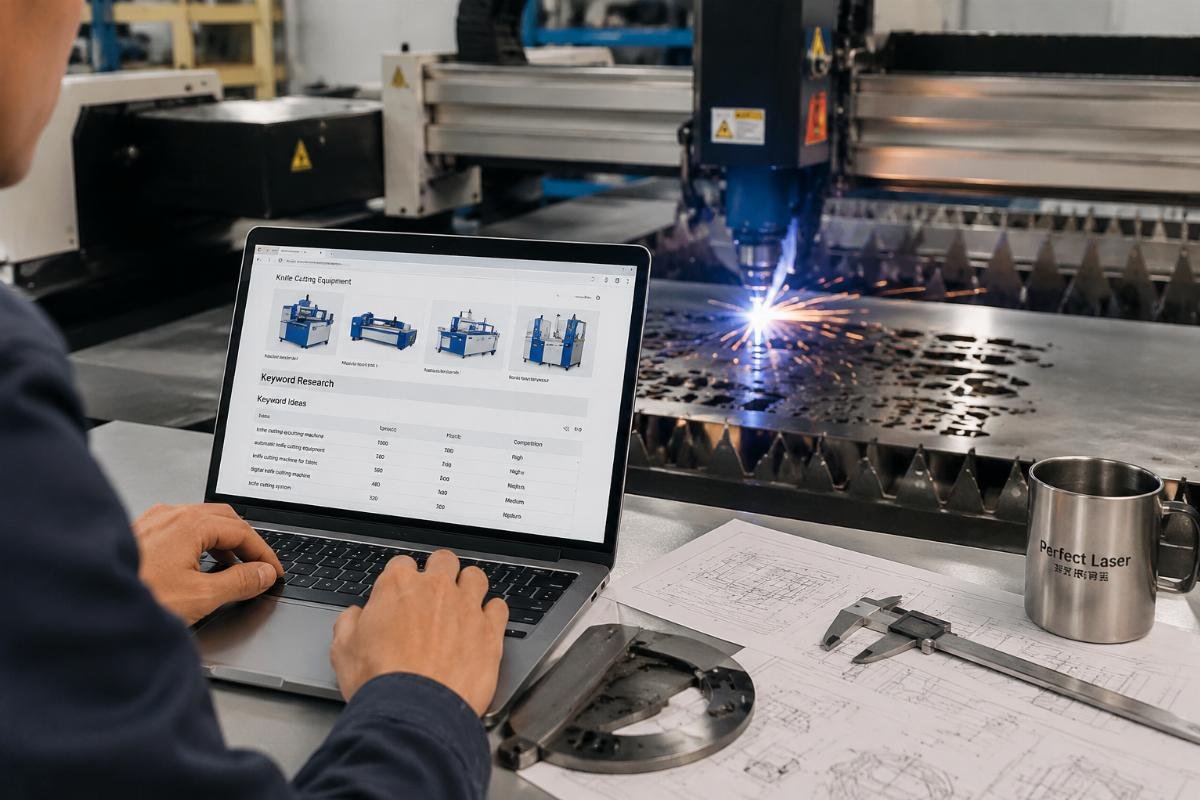
Why Do Most Wholesalers Fail to Find Knife Cutting Equipment Suppliers Online?
I opened our inquiry inbox last Monday and found 47 messages marked "potential wholesale lead." Within ten minutes, I realized 39 of them were asking for laser cutters, not our CNC knife cutting machines. These wholesalers spent hours searching, wrote detailed inquiries, yet targeted the wrong technology category entirely. Their downstream buyers needed fabric cutting equipment, but their search terms led them to metal processing suppliers.
Most wholesalers fail online because they search with laser cutting terms, over-generic phrases like "cutting machine," or end-user product names instead of combining supply chain role keywords with correct technology type modifiers like "CNC knife cutting" or "digital blade cutter."
This gap costs you time and money. Every mismatched inquiry thread, every supplier who quotes laser systems when you need blade systems, every B2C listing you wade through—they all delay your ability to stock the right equipment your buyers actually want. Let me show you which keyword patterns bring real manufacturers to your screen.
Why Does "Laser Cutter" Appear in Half of Knife Cutting Equipment Inquiries?
I track inquiry patterns directly in our CRM. When a message subject line contains "laser," I know the sender likely doesn't understand that CNC knife cutting is a separate technology category. These inquiries ask for fabric cutting equipment but mention "laser precision" or "laser speed" in their requirements list, revealing a fundamental classification confusion.
CNC knife cutting machines use oscillating blades or rotary knives to cut flexible materials like fabric, leather, gaskets, and packaging boards without generating heat, while laser cutters use focused light beams primarily for rigid materials like metal, acrylic, and wood—they serve different application categories despite both being called "cutting equipment."
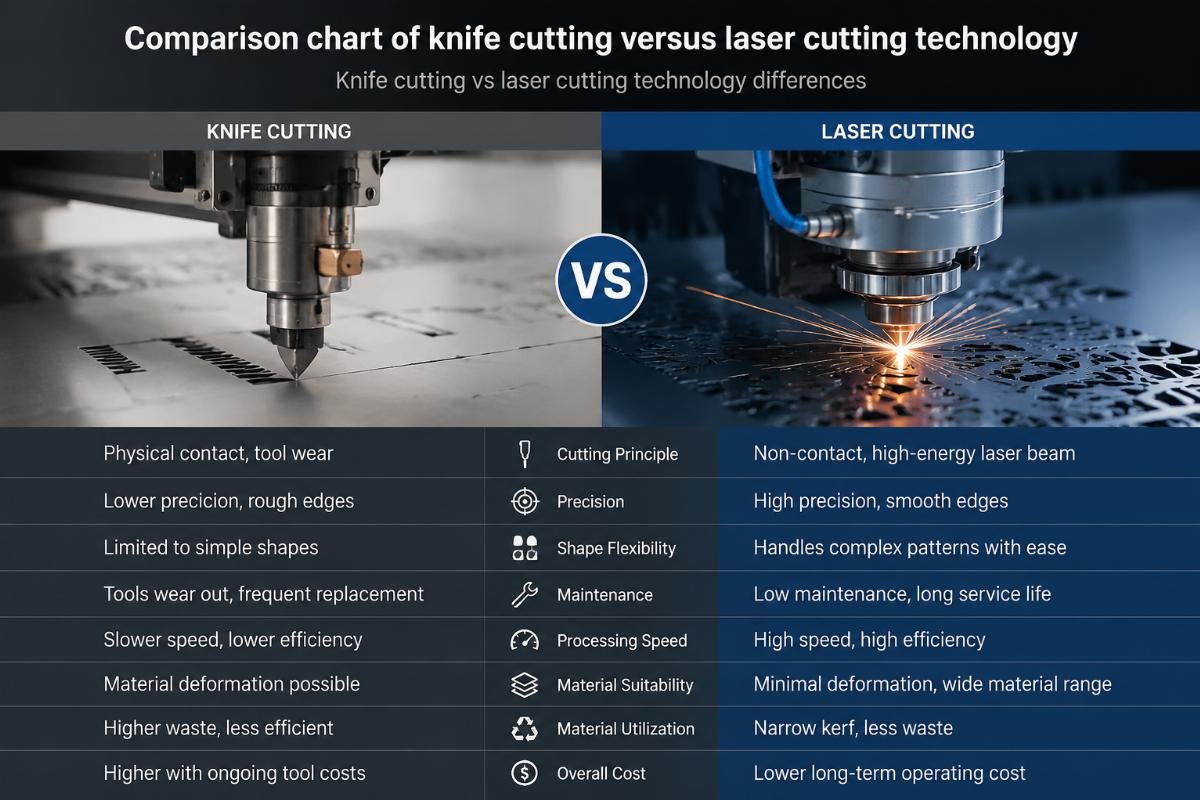
This confusion stems from how search engines index supplier websites. Many laser cutting equipment manufacturers also mention "fabric" or "leather" in their content to capture broader traffic, so when you search "fabric cutting equipment supplier," their pages appear alongside ours. You open ten tabs, request ten quotes, then discover eight suppliers only offer laser systems unsuitable for your downstream buyers' soft material processing needs.
How Technology Classification Confusion Creates Mismatched Inquiry Threads
I once received an inquiry from a European distributor asking for "industrial cutting machines for automotive interiors." Their message listed leather, fabric, and foam as target materials. I sent our CNC knife cutting machine catalog. They replied, "We were expecting laser cutting systems with 150W CO2 tubes." This back-and-forth consumed three days before we both realized the mismatch.
The root cause is keyword selection. This distributor searched "automotive interior cutting equipment" without adding "knife" or "blade" modifiers. Search results mixed laser cutters (which can mark leather but struggle with thick foam) and knife cutters (which handle multilayer fabric assemblies cleanly). Without technology type keywords, your search becomes a lottery.
Why "CNC Knife Cutting" Outperforms Generic "Cutting Machine" by 10:1 in Match Rate
In our inquiry analysis, messages containing "CNC knife cutting machine" or "digital blade cutter" show a 92% match rate—the sender's requirements align with our equipment capabilities. Messages using only "cutting machine" drop to 8% match rate. The difference is specificity.
When you search "cutting machine wholesale supplier," Google returns every type: plasma cutters, waterjet cutters, die cutters, laser cutters, and knife cutters. You waste time filtering. When you search "CNC knife cutting machine wholesale supplier," results narrow to manufacturers like us who specifically produce oscillating blade systems for flexible materials. The match rate jumps because the keyword itself pre-qualifies the supplier list.
| Keyword Phrase | Match Rate in Our Inquiry Data | Common Mismatch Reason |
|---|---|---|
| "Cutting machine supplier" | 8% | Returns all cutting types mixed |
| "Laser cutting equipment" | 3% | Wrong technology category |
| "CNC knife cutting machine" | 92% | Correct technology + system type |
| "Digital fabric cutter wholesale" | 87% | Adds application material filter |
| "Oscillating blade cutter manufacturer" | 94% | Precise blade mechanism keyword |
What Makes "Cutting Machine" a Dead-End Search Term for Wholesalers?
I call "cutting machine" a泛词—an over-generic phrase that casts too wide a net. Last quarter, we received 230 inquiries containing this phrase. Only 19 converted to quote requests after initial conversation. The rest dropped off once they realized we don't make waterjet systems, plasma tables, or guillotine shears.
The phrase "cutting machine" fails because it lacks both technology type specification and supply chain role indicators, so search results bury B2B manufacturers under thousands of B2C product listings, leaving wholesalers scrolling through pages of individual machine sales instead of supplier partnership opportunities.
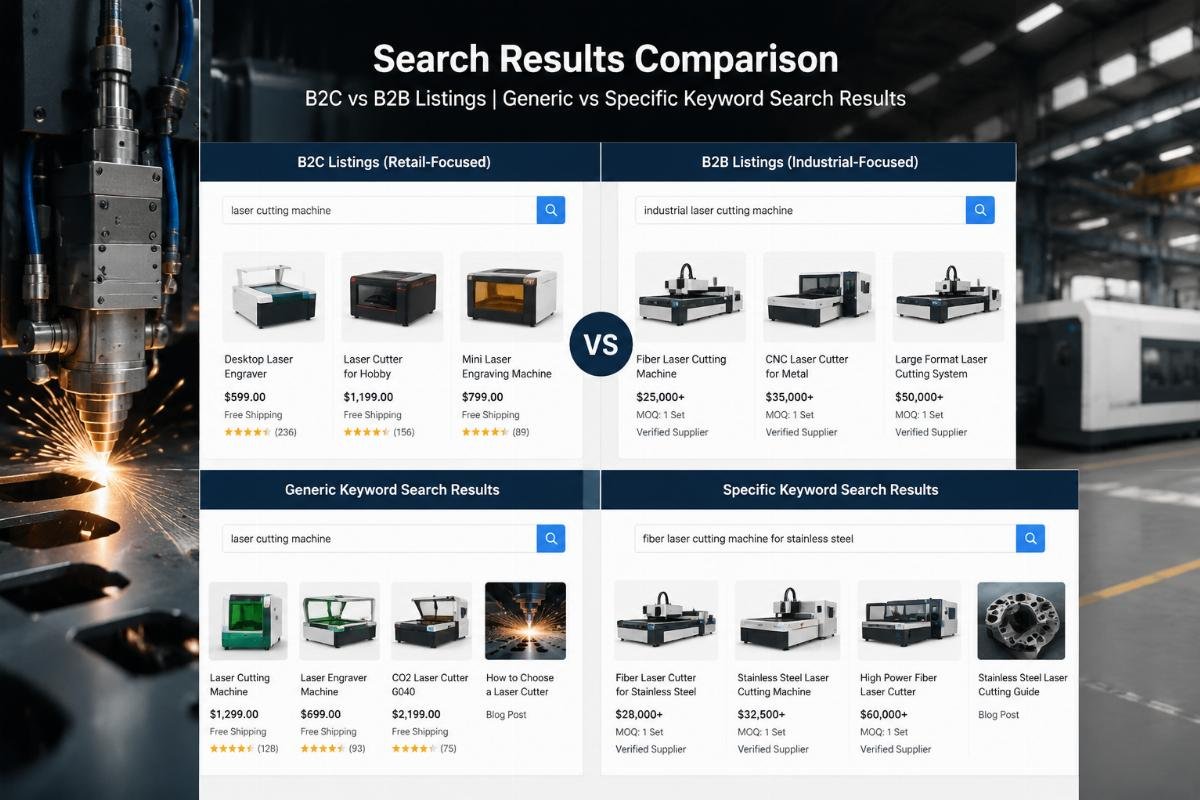
Your goal as a wholesaler is not to buy one machine—you need a supplier relationship with volume pricing, technical support, and consistent stock availability. Generic keywords block that goal by mixing you with end-user buyers looking for single units.
How to Add Supply Chain Role Keywords Without Sounding Robotic
You might think adding "wholesale" to every search makes your intent clear. It helps, but it's not enough. I tested this myself by searching "cutting machine wholesale" on Alibaba. The first page showed 60% laser cutters, 30% manual die cutters, and 10% knife cutters. The "wholesale" modifier filtered out some B2C sellers but didn't fix the technology category spread.
The effective structure is: technology type + application material + supply chain role. For example, "CNC knife cutting machine for fabric wholesale supplier" combines all three elements. This phrase tells search engines and B2B platforms exactly what you need: knife technology (not laser), fabric application (not metal), and wholesale relationship (not single purchase). Results shrink from thousands to dozens, and those dozens are far more likely to match your actual requirement.
Why "Supplier" and "Manufacturer" Produce Different Result Types
I noticed another pattern in our inquiry data. Messages containing "manufacturer" often ask about customization options, OEM capability, and factory tour availability. Messages containing "supplier" focus on price lists, MOQ, and delivery terms. Both are valid, but they signal different stages in your sourcing process.
When you search "knife cutting equipment manufacturer," you're signaling you want direct factory contact, possibly for custom specifications or bulk orders where you need engineering input. When you search "knife cutting equipment supplier," you're open to trading companies, authorized distributors, or manufacturers—you prioritize availability and pricing flexibility over direct factory access. Understanding this distinction helps you choose the right keyword for your current need.
How Do Different Supply Chain Roles Search for Knife Cutting Equipment?
I compared inquiry messages from three groups: wholesalers, distributors, and agents. Each group uses distinct keyword patterns that reveal their business model and purchase intent. Recognizing these patterns helps you align your search terms with your actual role in the supply chain.
Wholesalers typically search with "wholesale," "bulk order," or "stock availability" keywords because they already have downstream buyers and need reliable inventory supply; distributors add "new market" or "exclusive territory" terms signaling market entry intent; agents use "commission basis" or "representation agreement" phrases indicating they want partnership structures rather than ownership of inventory.
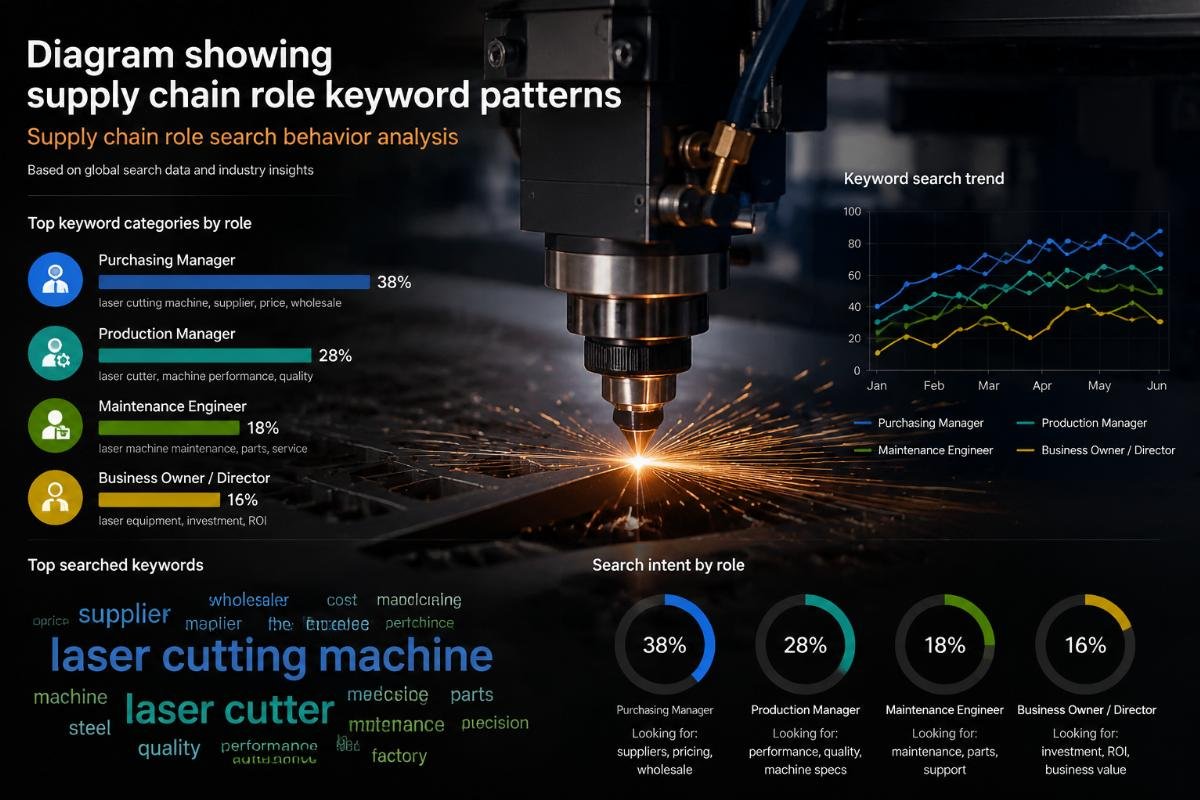
This role-based keyword selection matters because manufacturers respond differently to each signal. When I see "wholesale" in an inquiry, I prepare volume pricing and stock timeline information. When I see "distributor," I schedule a call to discuss market exclusivity and support resources. When I see "agent," I check our existing regional coverage before responding. Your keyword choice shapes the manufacturer's first impression of your business model.
Why "Wholesale" Signals Existing Buyer Network Readiness
In our inquiry tracking, "wholesale" appears most often in messages that also mention downstream customer types: "We wholesale to furniture factories," "Our buyers are automotive suppliers," "We serve packaging plants in three states." These inquiries convert to sales 68% of the time—the highest rate among all supply chain role keywords.
The reason is proof of distribution capacity. When you search "CNC knife cutting machine wholesale supplier" and your inquiry mentions your existing buyer base, you're telling the manufacturer you have distribution infrastructure ready. You're not testing the market—you have orders waiting and need equipment to fulfill them. This positions you as a serious partner rather than a speculative buyer.
How "Distributor" Keywords Attract Market Development Support Offers
Messages containing "distributor" often come with questions about technical training, marketing material availability, and after-sales support structure. These inquiries convert at 41%—lower than wholesale but higher quality in terms of long-term partnership potential.
When you search "knife cutting equipment distributor opportunity," manufacturers interpret this as market expansion interest. You might not have buyers lined up yet, but you're investing in building a customer base. In our responses, we offer territory exclusivity discussions, demo machine programs, and joint marketing support—resources we don't typically extend to one-time wholesale buyers. The keyword "distributor" unlocks a different conversation type.
What "Agent" and "Representative" Keywords Reveal About Commission Models
I see "agent" or "representative" in about 8% of inquiries, and these messages almost always ask about commission structure, lead generation support, and whether we require inventory purchase. These inquiries convert at 19%—the lowest rate—but when they do close, they often become our most active regional partners.
The challenge with "agent" keywords is that many manufacturers, including us, prefer distributors who invest in stock over agents who only broker deals. If you're genuinely pursuing an agency model, your search terms should be "knife cutting equipment manufacturer seeking regional representative" rather than just "supplier." This signals you understand the partnership model difference and are looking for manufacturers open to commission-based relationships.
| Supply Chain Role Keyword | Typical Inquiry Conversion Rate | What Manufacturer Expects in Response |
|---|---|---|
| "Wholesale supplier" | 68% | Volume order, existing buyer proof |
| "Distributor opportunity" | 41% | Market plan, territory discussion |
| "Agent / Representative" | 19% | Commission model, no stock requirement |
| "Bulk order manufacturer" | 53% | Large quantity, fast delivery need |
Which Application Material Keywords Should Wholesalers Prioritize?
I analyzed 600 inquiry messages that successfully converted to sales in the past year. The ones that moved fastest through our quote process all included specific application material keywords: "fabric," "leather," "gasket," "packaging board," or "composite material." These terms immediately told us which machine model to recommend and which blade configuration to quote.
Effective keyword combinations use technology type plus application material plus supply chain role, such as "CNC knife cutting machine for fabric wholesale supplier," because this structure simultaneously filters technology category, narrows application fit, and signals business relationship intent, reducing search result noise by approximately 90% compared to generic phrases.
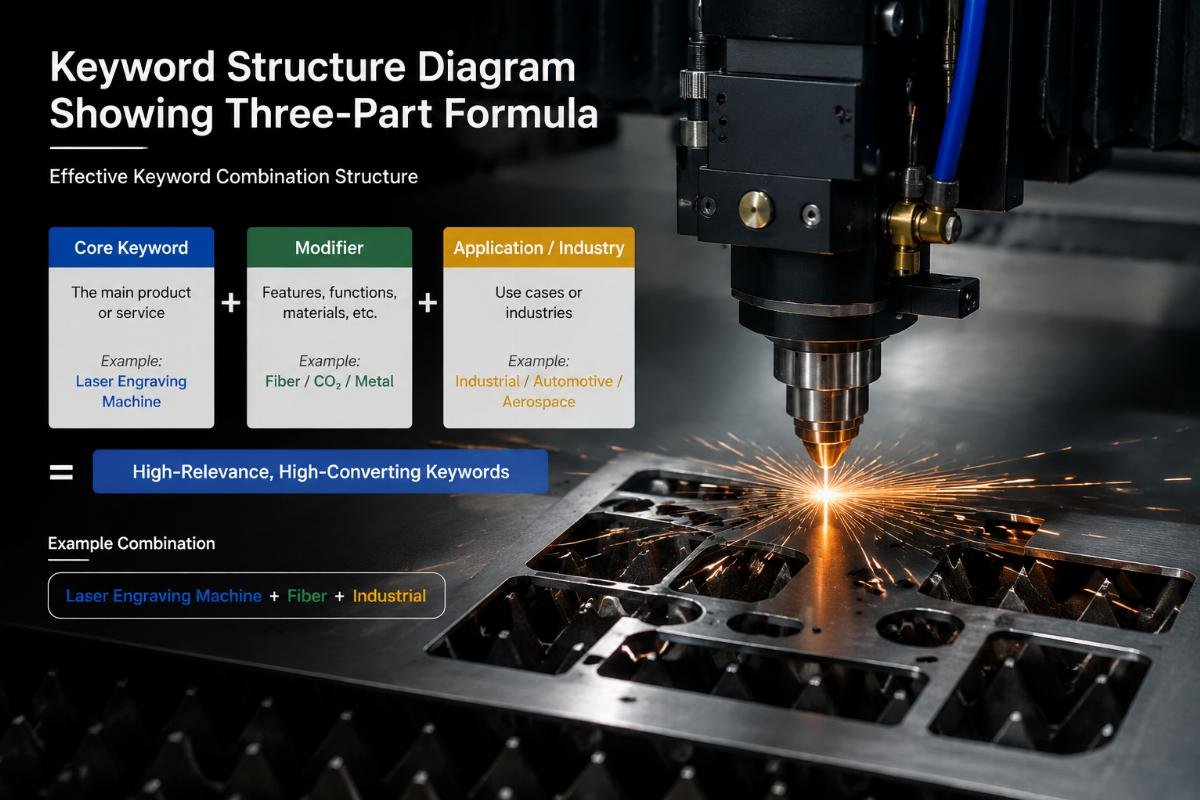
When you add your target material to the search term, you're doing two things: telling the manufacturer what your downstream buyers process, and filtering out suppliers who focus on different material categories. A manufacturer specializing in rigid material cutting (like acrylic or aluminum composite panels) won't waste your time quoting when your inquiry clearly states "leather cutting equipment wholesale."
Why "Fabric" and "Textile" Keywords Require Industry Segment Modifiers
I noticed that inquiries mentioning "fabric cutting equipment" come from three distinct groups: apparel manufacturers, furniture upholstery suppliers, and automotive interior parts makers. Each group needs different machine specifications—apparel needs high-speed pattern cutting with minimal material waste, furniture needs large format cutting for sofa covers, automotive needs multi-layer cutting with precise edge quality.
When you search "fabric cutting machine wholesale supplier," you get a mixed bag of these categories. The fix is adding your industry segment: "fabric cutting equipment for furniture upholstery wholesale" or "automotive fabric cutter manufacturer." This extra modifier doesn't make your search term awkward—it makes results dramatically more relevant. In our inquiry data, messages with industry segment modifiers converted 34% faster than those with only material keywords.
How Composite Material and Gasket Keywords Unlock Industrial Application Suppliers
I see "composite material cutting" or "gasket cutting equipment" in about 15% of inquiries, and these messages almost always come from wholesalers serving industrial manufacturing plants rather than consumer goods factories. These keywords work well because they're industry-specific enough to filter out consumer-focused suppliers while broad enough to cover multiple end applications.
For example, composite materials include fiberglass, carbon fiber sheets, and sandwich panels used in aerospace, marine, and construction industries. A wholesaler searching "composite material knife cutting machine supplier" immediately signals they're targeting industrial clients with precision requirements and quality certifications. Manufacturers like us respond with technical specification sheets, material testing videos, and compliance documentation—a completely different sales conversation than a furniture fabric wholesaler needs.
When to Use "Multi-Layer" or "Stack Cutting" Keywords for Efficiency-Focused Buyers
Inquiries mentioning "multi-layer cutting" or "stack cutting capability" reveal the sender's downstream buyers prioritize production efficiency over other factors. These wholesalers serve factories running high-volume operations where cutting multiple material layers simultaneously directly impacts output cost.
If this matches your buyer profile, add these keywords to your search: "multi-layer fabric cutting machine wholesale supplier" or "CNC stack cutter manufacturer." This phrase filters results toward manufacturers offering machines with high-power servo systems, specialized blade holders, and vacuum table configurations designed for stacked material cutting. In our product line, only our RT-3000 series handles true multi-layer cutting—messages with these keywords get routed directly to our senior sales engineers rather than general inquiry handlers.
How Do Platform-Specific Keyword Variations Change Search Results?
I compared search results across three platforms—Google, Alibaba, and Made-in-China—using identical keyword phrases. The results varied significantly, not just in supplier listings but in how keyword modifiers impacted ranking. Understanding these platform differences helps you adjust your search strategy based on where you're looking.
On Google, adding "manufacturer" to your keyword phrase surfaces company websites and industry directories, while on Alibaba, the same modifier prioritizes Gold Supplier members and Trade Assurance sellers; Made-in-China responds better to product-specific terms like "oscillating knife cutter" than to supply chain role keywords like "wholesale."
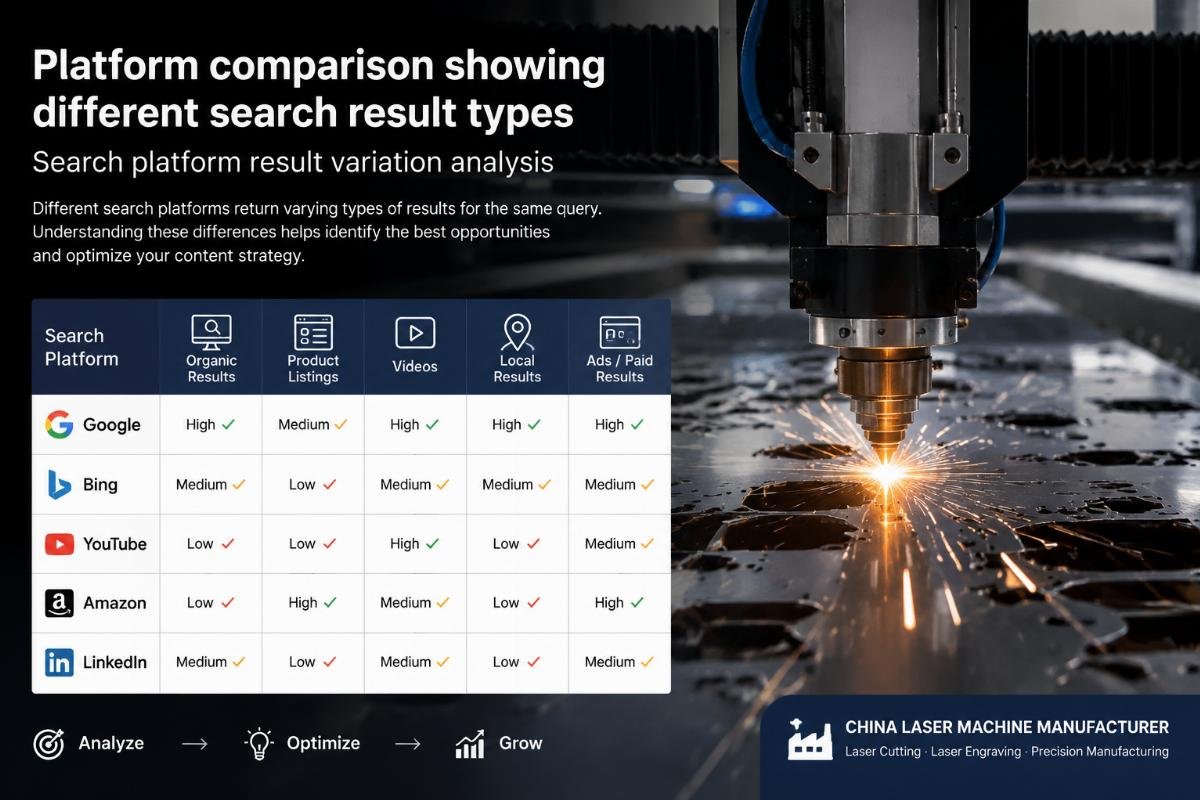
This platform sensitivity means you should modify your keyword approach based on your sourcing channel. If you're searching on Google to find manufacturer websites for direct contact, prioritize keywords like "CNC knife cutting machine manufacturer" with location modifiers. If you're on Alibaba looking for verified suppliers with buyer protection, add "Trade Assurance" or "Assessed Supplier" to your search filters even if those aren't traditional keywords.
Why Alibaba Responds Better to Product Model Numbers Than Generic Descriptions
I tested this by posting the same product inquiry in Alibaba's RFQ system twice—once using "automatic fabric cutting machine for wholesale," and once using "CNC oscillating knife cutter with conveyor system." The second version generated 23 supplier responses in 48 hours. The first got 11 responses, and 7 of those were laser cutting suppliers.
Alibaba's algorithm rewards specificity because it reduces mismatched inquiries for suppliers. When you use precise product descriptions or mention common model number patterns (like "CNC-1600" format), the platform's matching system more accurately connects you with suppliers who actually produce those specifications. As a wholesaler, this means you should research basic product terminology and common feature names before posting RFQs or searching Alibaba's product catalog.
How Google Business Profile Listings Change Local Supplier Visibility
I noticed an increase in inquiries from our Google Business Profile after we added specific service keywords to our profile description. Wholesalers searching "knife cutting equipment supplier near me" or "CNC cutter manufacturer in Shandong" started finding us through Google Maps results rather than just organic search.
If you're targeting suppliers in specific regions—perhaps to reduce shipping costs or simplify factory visit logistics—use location modifiers in your Google searches: "fabric cutting machine manufacturer in Jiangsu" or "knife cutter supplier Guangdong province." This approach surfaces suppliers who optimized their Google Business Profiles for local visibility, which often indicates they're accustomed to hosting buyer visits and providing regional support services.
What Made-in-China's Category Filters Reveal About Keyword Effectiveness
Made-in-China organizes suppliers into strict product categories. When I search "cutting machine" on their platform, I must navigate through category trees: Machinery > Manufacturing Equipment > Cutting Machines > Digital Cutting Systems. This structure means generic keywords work poorly—you're better off using the exact category terminology the platform uses.
For wholesalers, this means checking the category hierarchy before finalizing your keyword strategy. If Made-in-China classifies our equipment under "Digital Cutting Systems" rather than "CNC Knife Cutters," then your search terms should include "digital cutting" to align with their taxonomy. I verified this by comparing inquiry source data—messages originating from Made-in-China often contained "digital cutter" while Alibaba inquiries used "CNC knife cutting machine" more frequently.