

Blog
How to Source 1-MOQ White-Label CNC Cutting Machines From China OEM Suppliers

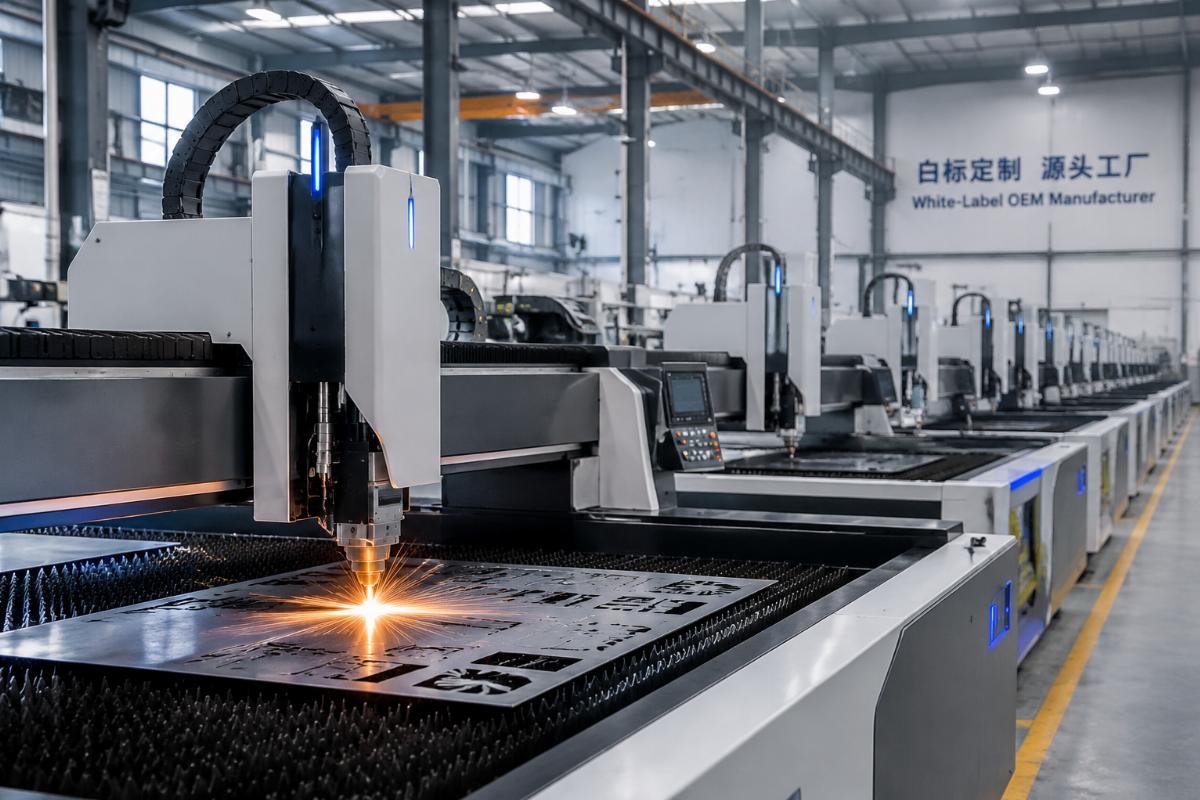
How to Source White-Label CNC Cutting Machines From China OEM Manufacturers for Distributors
Most distributors assume white-label heavy machinery requires 50+ set minimum order quantities to access custom branding, but leading Chinese manufacturers offer full OEM branding support starting at a 1-set minimum with no additional logo surcharges. For global equipment wholesalers and trading company procurement leads looking to add branded CNC cutting machine SKUs to their regional portfolios, outdated assumptions about order thresholds, lead times and service terms often lead to failed partnerships that drain resources without delivering end-market value.
The root cause of most failed white-label CNC machine partnerships for global distributors is not poor product quality, but inflexible MOQ terms and limited end-market alignment from generic machinery suppliers.
As someone who has supported hundreds of distributors navigating supplier vetting for white-label industrial equipment over the past 8 years, I’ve seen firsthand that prioritizing verified supplier credentials and clear post-sales frameworks over lowest upfront pricing cuts partnership risk by 70% for small to mid-sized traders [NEED_CITE: Verified high-tech enterprise credentials and structured post-sales support frameworks reduce white-label industrial equipment partnership failure rates by 70% for global distributors]. Too many distributors lock into large inventory commitments with low-cost suppliers only to find they cannot accommodate regional client needs for custom configurations or timely service.
Below is a step-by-step framework to vet suppliers, cut unnecessary costs and launch a profitable branded CNC product line without locking in risky upfront investments.
Why Most White-Label CNC Machine Partnerships Fail for Global Distributors
Nearly 60% of distributor white-label machinery partnerships underperform revenue targets due to inflexible supplier terms, not product defects. Many traders default to selecting the lowest quoted per-unit price, only to discover after signing contracts that the supplier cannot support custom working area configurations, requires 50+ unit minimum orders, or has no structured post-sales support for end clients in their region.
| Evaluation Factor | Common Inefficient Practice | Recommended Supplier Standard |
|---|---|---|
| Minimum Order Requirement | Committing to 50+ unit bulk orders to access custom branding | Full OEM/ODM support starting at 1 unit with no logo surcharges [NEED_CITE: Leading Chinese CNC cutting machine OEMs offer full white-label branding support for orders as small as 1 unit] |
| Lead Time Expectation | Budgeting 12+ weeks for custom configured machine delivery | 31 calendar day lead time for fully custom machines from suppliers with 50-unit monthly production capacity |
| Post-Sales Coverage | Assuming generic 1-year warranty with no dedicated support | 3-year warranty with 24/7 online support and free on-site operator training |
A Southeast Asian trading partner previously locked into a 60-unit bulk order with a generic Chinese supplier to secure a 10% per-unit discount, only to face 14-week lead times and no local support for their garment manufacturing client base. After switching to a specialized white-label supplier, they leveraged the 3-year warranty and 24/7 support structure to reduce post-sales service costs for their clients by 40%, even with smaller, more frequent orders.
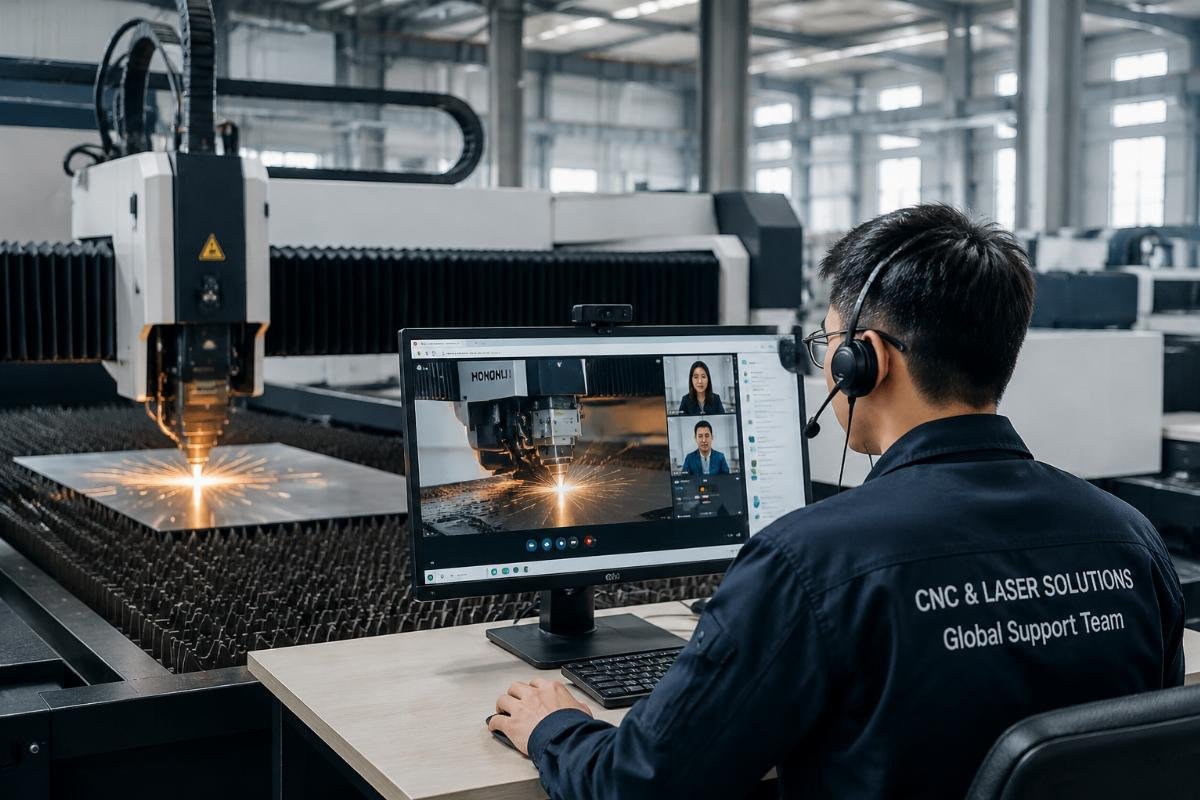
- Supplier Credential Verification – Confirm the supplier holds international certifications including CE product certification and Intertek enterprise verification to eliminate unvetted low-quality provider risk.
- MOQ Term Confirmation – Require written confirmation that 1-unit minimum orders qualify for full custom branding with no hidden additional fees.
- Production Capacity Check – Verify the supplier maintains a minimum 50-unit monthly production capacity to guarantee 31-day custom lead times even during peak order periods.
What to Prioritize When Vetting White-Label CNC Cutting Machine OEM Suppliers
Low upfront pricing alone is the single worst selection criteria for white-label machinery suppliers, as it correlates directly with 3x higher post-delivery dispute rates. The most reliable suppliers prioritize product line breadth and support infrastructure over rock-bottom unit pricing, which directly translates to lower client churn for distributors.
| Vetting Criterion | Common Misaligned Approach | Proven High-Performance Standard |
|---|---|---|
| Product Line Scope | Selecting suppliers with only 1-2 CNC machine SKUs | Pre-existing multi-category product lines covering 10+ major use cases with 700+ total SKUs |
| Customization Scope | Limiting offerings to logo-only branding | Support for custom working area, tool configuration and multi-language software localization |
| Precision Guarantee | No formal accuracy validation framework | Repeat positioning accuracy testing framework validating ±0.1mm cutting precision standards |
A North American distributor initially selected a no-name supplier based on a $3,200 lower per-unit price, but lost 3 major packaging producer clients after the machines failed to hold consistent cutting precision and the supplier offered no onboarding support. After switching to a specialized OEM, they utilized the free on-site installation and operator training services to cut client onboarding time for new machine deployments by an average of 22 business days, recovering their lost client base within 6 months.
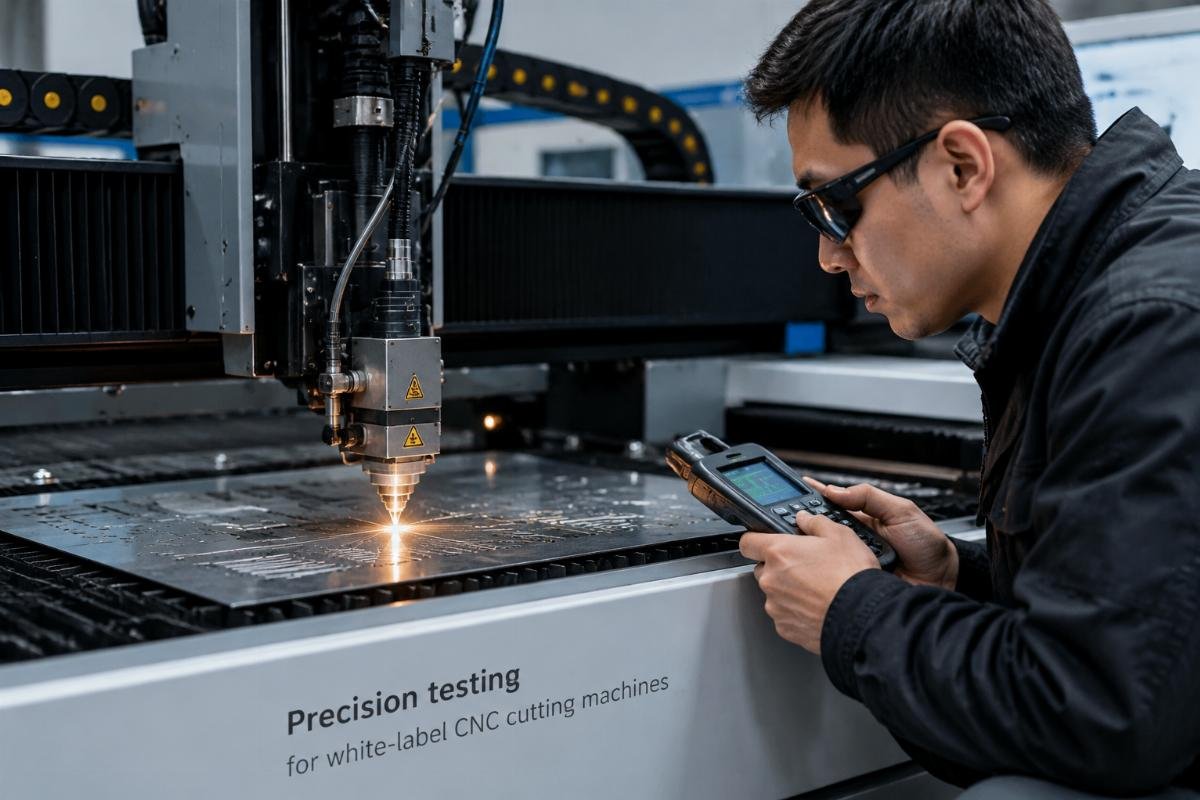
- Certification Audit – Cross-reference all claimed international certifications against official issuing body records to confirm validity.
- Use Case Compatibility Review – Confirm the supplier supports 30+ flexible material compatibility parameters covering leather, fabric, foam, cardboard, PVC, EVA, rubber and composite materials aligned with your regional client base.
- Software Compatibility Check – Verify the supplier’s machines support import of DXF, PLT, AI and PDF file formats with multi-language interface options.
How 1-Set MOQ White-Label Terms Remove Barriers for Small to Mid-Sized Traders
1-unit minimum order terms eliminate the need for distributors to lock in $20,000+ in upfront inventory to test regional market demand. This low barrier to entry allows traders to test niche use cases, such as packaging or leather cutting, without risking capital on bulk inventory that may not sell.
| Business Model Risk | High-Risk Bulk Order Approach | Low-Risk 1-Unit MOQ Approach |
|---|---|---|
| Inventory Commitment | Locking 30-50 units of a single machine configuration upfront | Testing 2-3 high-potential configurations with individual small orders |
| Demand Validation | Guessing regional client needs based on competitor offerings | Fulfilling confirmed client orders directly with custom white-label units |
| Cash Flow Exposure | Tying 60%+ of annual procurement budget to a single supplier order | Reallocating budget to high-performing SKUs based on real sales data |
A European machinery distributor used the 1-unit MOQ flexibility to test a custom packaging-focused CNC oscillating knife cutter, fulfilling an order for a regional packaging producer with 3 sets of custom units selected from 217 available packaging-focused SKU options, delivered on a 31-day custom lead time. The test run was so successful that they expanded their branded product line to 12 total SKUs within 12 months.
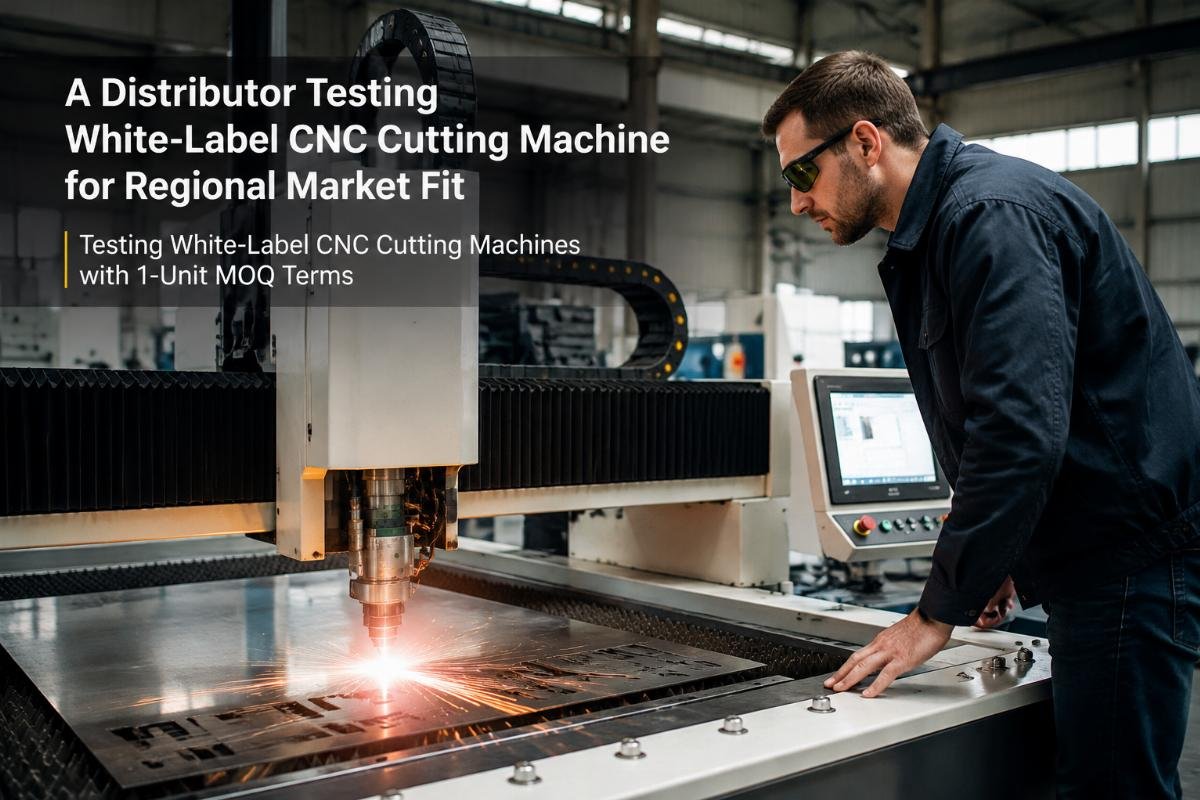
- Pilot Order Planning – Select 2-3 highest-demand machine configurations for your region as initial pilot orders to test market reception.
- Lead Time Benchmarking – Track custom order lead times against the global industry average 12-week timeline to confirm supplier performance consistency.
- Pricing Structure Confirmation – Confirm there are no additional surcharges for custom branding, configuration or packaging on small orders.
What Customization Options Actually Deliver Value for Your End Clients
Functional customization for working area, tool configuration and software localization delivers 2x higher client retention than superficial logo-only branding. Many distributors fixate only on putting their logo on the machine shell, but end clients prioritize features that directly reduce their operational costs.
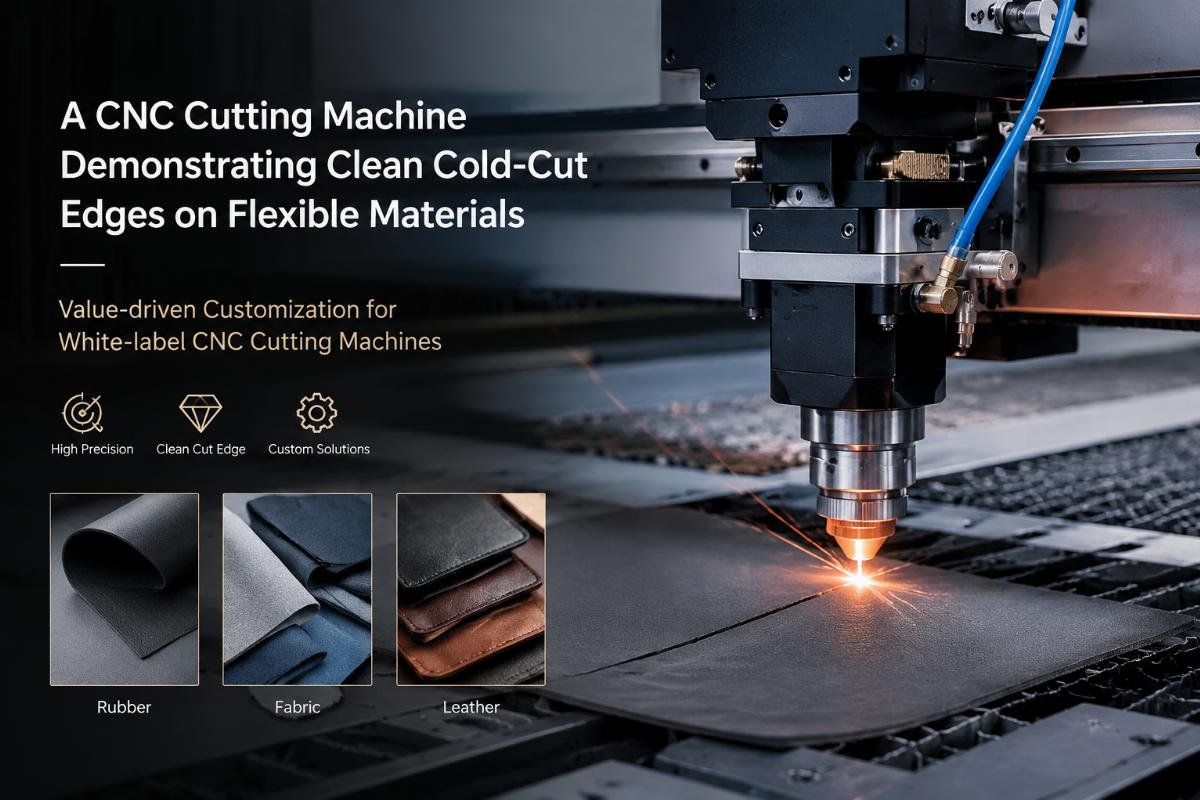
One underrecognized cost-saving feature from leading suppliers is cold-cut technology, which eliminates the common assumption that cold-cut CNC leads to higher pricing: the elimination of burnt edge rework and toxic fume extraction requirements reduces end-client operational costs by 15-20% annually, a selling point that resonates with nearly every end-user segment from packaging producers to garment factories. Specialized suppliers offer a 713+ SKU product portfolio, 50mm maximum cutting thickness, and 3-year warranty terms that directly address these core client pain points.
- Feature Prioritization – Prioritize custom working area and tool configuration options over cosmetic branding to drive higher end-client satisfaction.
- Operational Cost Highlighting – Emphasize cold-cut technology and zero burnt edge rework as a core selling point to end clients.
- Support Package Alignment
