

Blog
How Do Distributors Promote Knife Cutting Machines to the Signage Industry?

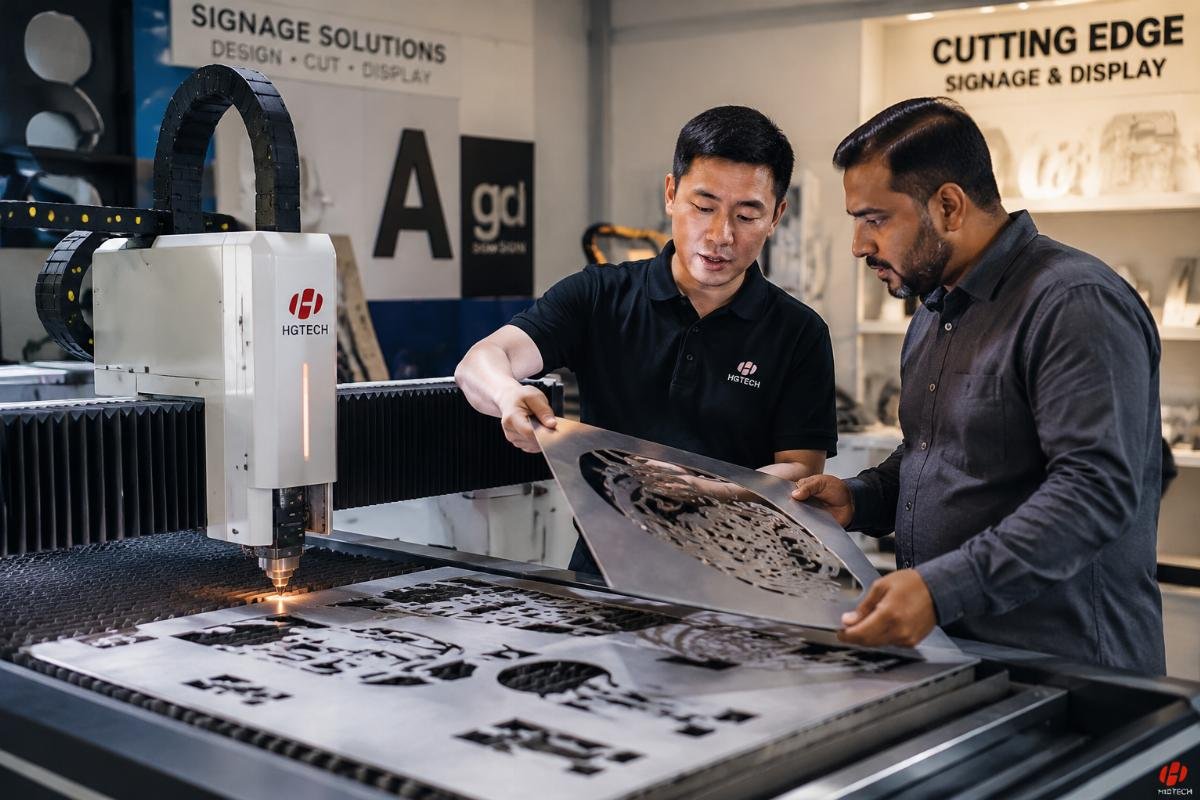
How Do Distributors Promote Knife Cutting Machines to the Signage Industry?
Most distributors lose signage customers not because their machines lack power, but because they talk about spindle speed when the customer just wants to know if it will ruin their expensive reflective film. I have watched many distributors pitch cutting specs to shop owners who only care about one thing: will this machine waste less material than their current method and can their workers actually use it without calling tech support every day?
Distributors succeed in the signage industry when they stop selling technical specifications and start demonstrating specific material outcomes—showing a 30-second test cut on the customer's own reflective vinyl or vehicle wrap proves capability faster than any spec sheet, and addressing the knife-versus-laser confusion by translating "oscillating blade" into "no burn marks on your PVC banner edge" converts skeptics into buyers.
Now let me share what I have learned from years of supporting distributors who sell to signage shops, including the specific mistakes that kill deals and the approaches that actually get purchase orders signed.
Why Do Signage Shops Hesitate to Buy Knife Cutting Machines?
Signage customers hesitate because they have been burned before by equipment that looked perfect in the demo but failed on their actual materials. I receive distributor reports every month about shop owners who bought cheap plotters that could not handle thick PVC or reflective film without edge lifting. These customers now distrust any cutting machine pitch that sounds too good.
The real hesitation comes from three specific fears: the machine will destroy expensive specialty materials they already own, their current workers cannot operate it without extensive training, and the learning curve will slow down production during the transition period—distributors who directly address these three concerns with material tests, operator simplicity demos, and transition support plans close deals at twice the rate of those who lead with horsepower and cutting speed specs.
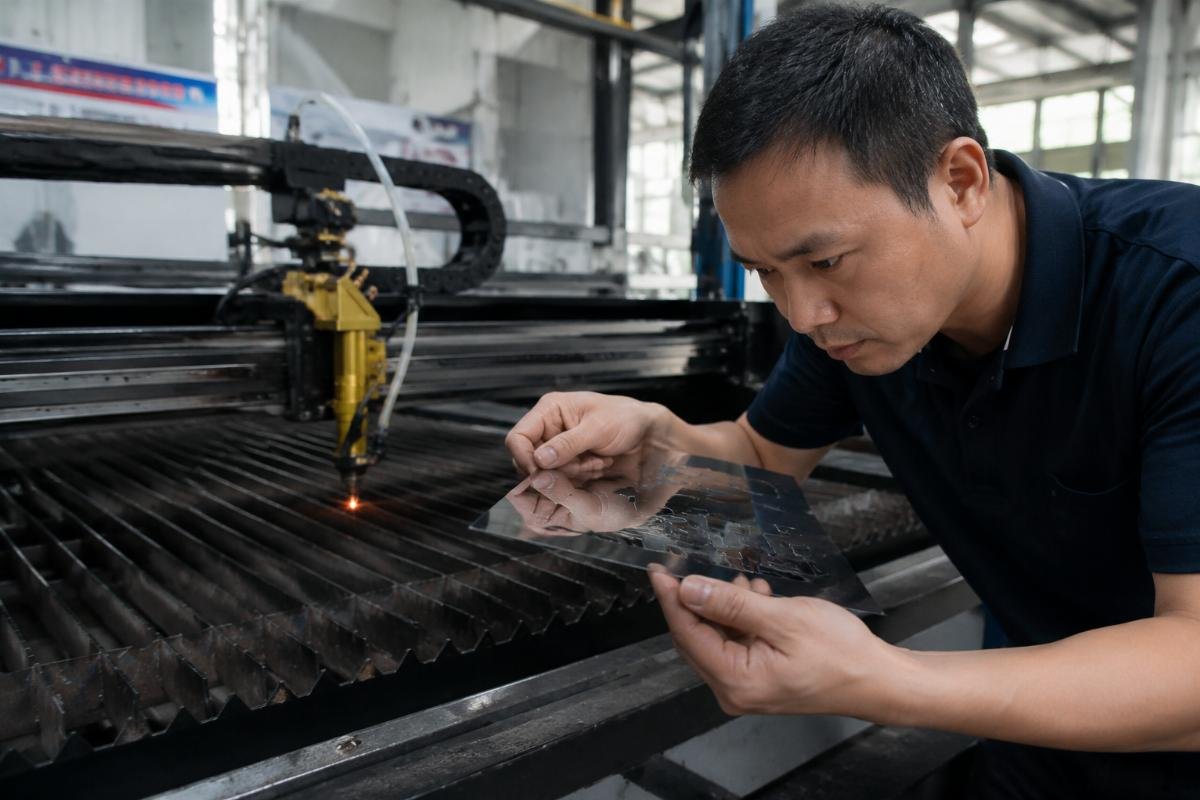
Small workshops and mid-size signage factories have completely opposite decision triggers, and distributors who use the same pitch for both will fail with at least one segment. A three-person workshop owner asks me "can I run this machine myself without hiring a CNC technician," while a twenty-person factory manager asks "will this maintain consistent quality when different shift operators use it." I have seen distributors lose workshop deals by emphasizing advanced features that require technical knowledge, and lose factory deals by understating the machine's process control and repeatability systems.
The material variety in signage work creates another decision barrier. One customer cuts only adhesive vinyl and mesh banners, another works with reflective film and magnetic sheeting, and a third specializes in vehicle wraps and window graphics. Distributors who pitch a general "cuts all materials" message trigger doubt because the customer has tried "universal" solutions before and watched them fail on their specific material mix. Our most successful distributors bring material sample packs and cut the customer's actual inventory during the demo—this eliminates the "will it work on my materials" question immediately.
What specific objections do signage customers raise?
| Customer objection | What they really mean | How distributors should respond |
|---|---|---|
| "Seems complicated to operate" | I cannot afford to hire a specialist or lose production time training staff | Show single-button operation for common cuts, demonstrate how worker loads material and starts job |
| "Not sure it handles reflective film" | I have seen cutters damage expensive specialty materials | Cut their actual reflective vinyl sample, show edge quality under magnification |
| "Worried about switching from laser" | I understand laser burn risks but fear unknown problems with knife cutting | Show side-by-side edge comparison on PVC, explain kiss-cut precision for layered materials |
| "Need to justify cost to management" | I cannot explain ROI using technical specs my boss will not understand | Provide waste reduction calculation based on their current scrap rate, show labor hour savings |
| "What if machine breaks during rush job" | Downtime will cost me customer relationships | Explain warranty terms, local service availability, remote diagnostic support, backup workflow options |
How Do You Explain Knife Cutting Versus Laser Cutting to Signage Customers?
The knife-versus-laser confusion exists because distributors explain the difference using manufacturing terms instead of material outcomes. When I tell a distributor "use non-contact cutting language," they say "our oscillating blade does not touch the material during positioning." When I ask what the signage customer hears, the distributor cannot translate that into the customer's actual concern: whether the cut edge on reflective film will lift after installation or whether a PVC kiss-cut will separate cleanly from its backing.
Signage customers do not care about contact versus non-contact cutting technology—they care whether the cut edge on their vehicle wrap will allow clean repositioning without adhesive residue, whether their mesh banner will fray after cutting, and whether their reflective film will maintain its reflective properties right to the edge—distributors who translate every technical difference into these specific material outcomes win the knife-versus-laser debate without ever mentioning blade oscillation frequency.
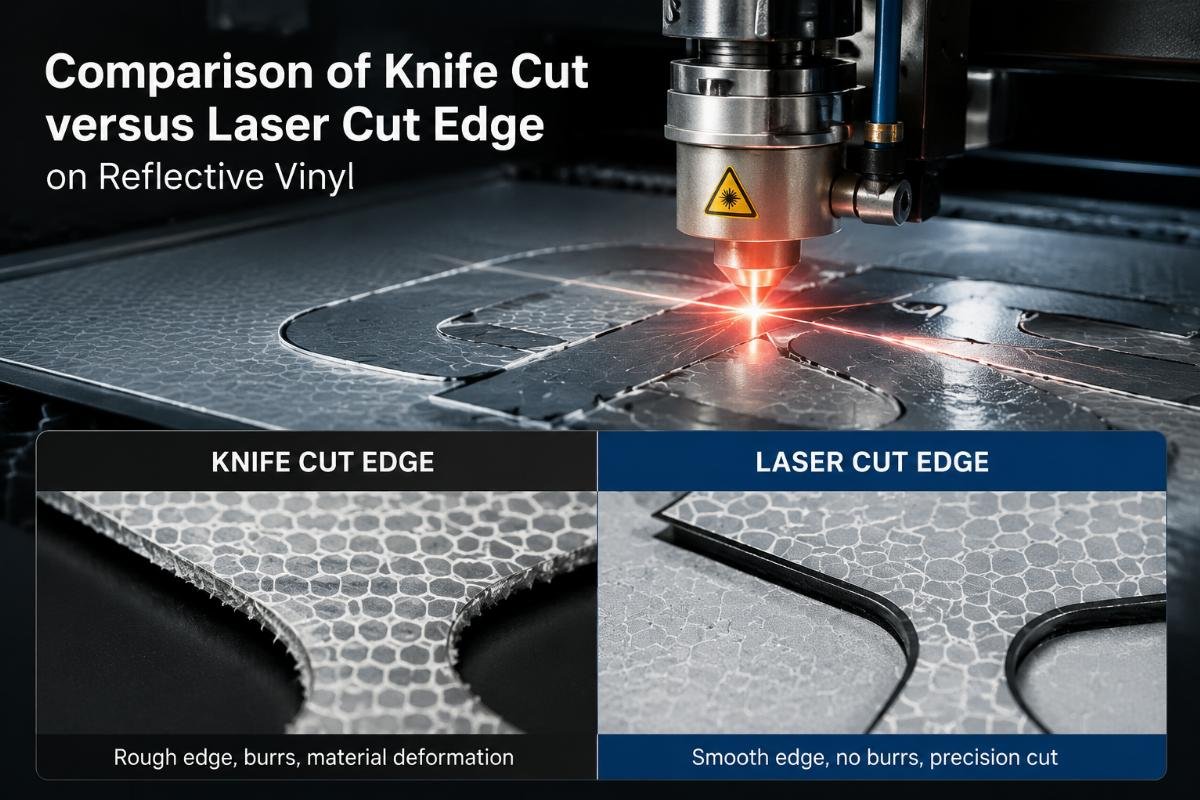
I collected distributor feedback on this question and found a clear pattern. Customers who currently use laser cutters worry about three specific problems: burn marks on PVC banner edges, heat distortion on thin films, and fume extraction requirements for certain materials. Distributors who succeed show a simple edge comparison—laser-cut PVC with visible brown edge discoloration next to knife-cut PVC with clean edge—and let the customer draw their own conclusion. Distributors who fail try to explain thermal cutting versus mechanical cutting using diagrams and theory.
The kiss-cut application creates the strongest case for knife cutting in signage work. Vehicle wrap installers need to cut through the graphic layer but leave the backing paper intact so they can position and reposition the graphic during installation. Laser cutters struggle with this because the heat penetrates through layers unpredictably, while knife cutters control depth precisely. Our distributors report that vehicle wrap shops convert to knife cutting immediately after seeing a kiss-cut demo on actual wrap material—no technical explanation needed.
Reflective film presents another clear advantage that distributors often fail to communicate properly. Laser cutting reflective material can damage the reflective coating near the cut edge due to heat exposure, creating a dark border that reduces visibility. Knife cutting maintains reflective properties right to the edge. Instead of explaining this using thermal damage theory, successful distributors simply show a reflective film sample under light—the laser-cut edge shows visible reflectivity loss while the knife-cut edge reflects uniformly.
When does laser cutting still make sense for signage applications?
Some distributors avoid this question because they fear admitting any limitation. This approach backfires when the customer discovers the limitation after purchase. I train our distributors to directly address scenarios where laser remains superior: extremely intricate patterns in thin acrylic or cardstock, very high-volume production where cutting speed outweighs edge quality concerns, and materials where heat-sealing the edge prevents fraying. Acknowledging these scenarios builds credibility and positions knife cutting accurately for its genuine advantages rather than overselling it as universal.
What Material Tests Should Distributors Demonstrate to Signage Customers?
Generic demos kill deals because signage customers have seen too many machines perform well on easy materials and fail on their actual production work. I tell distributors to never demonstrate on materials the customer does not use. If the customer specializes in vehicle wraps, cutting a sample of standard vinyl proves nothing. If they work primarily with mesh banners, showing a clean cut on solid PVC actually raises doubt about mesh performance.
The most effective material demo is not the most impressive cut—it is the cut that proves the machine will not destroy the specific material that makes the customer nervous—distributors who ask "which material gives you the most trouble with your current method" and then cut that exact material during the demo eliminate the customer's primary objection in thirty seconds, while distributors who showcase their machine's most advanced features on easy materials leave the hard questions unanswered.
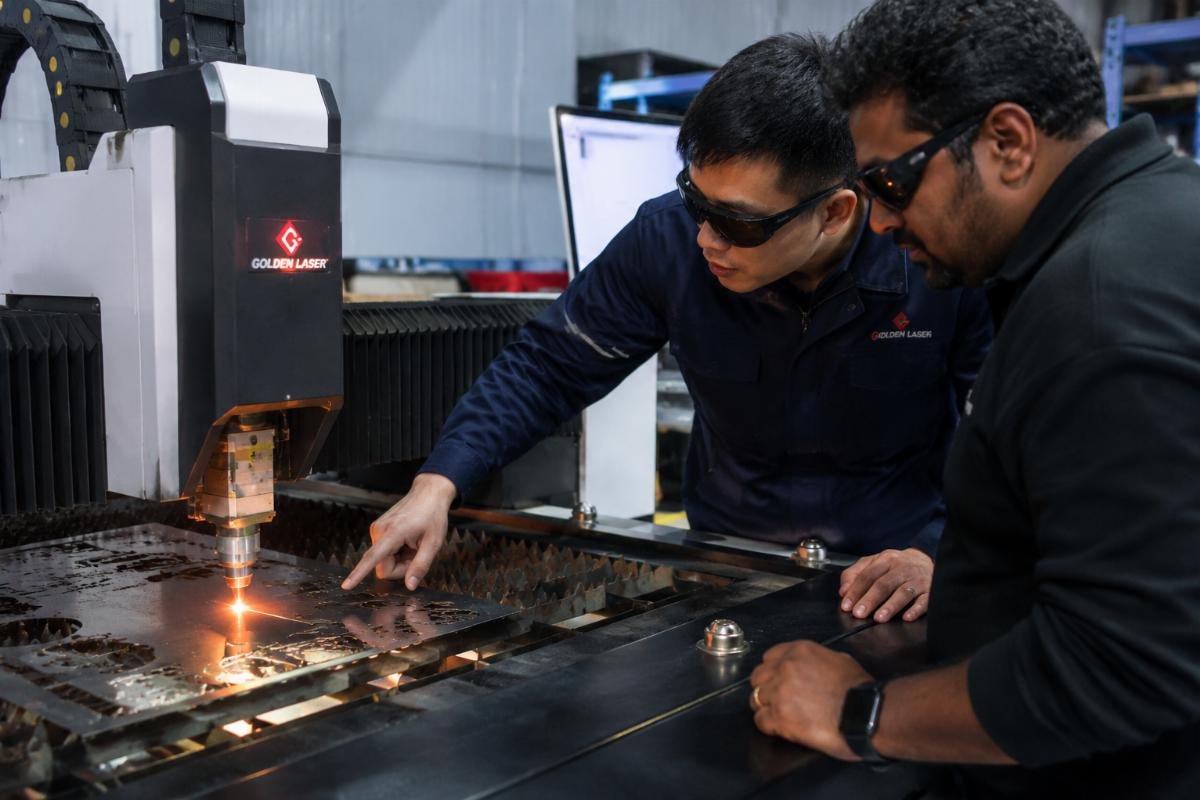
I recommend distributors carry a material test kit specifically for signage applications. This kit should include reflective vinyl in different grades, vehicle wrap film with and without air release channels, mesh banner material in various weights, magnetic sheeting, PVC board in multiple thicknesses, adhesive-backed foam, and window perf film. When a distributor walks into a signage shop with this kit and says "show me which materials you use and I will cut them right now," the customer's resistance drops immediately because the conversation shifts from sales pitch to technical proof.
The kiss-cut test demonstrates capability that most signage customers doubt until they see it. Distributors should bring layered material—graphic vinyl on backing paper—and show precise depth control by cutting through the top layer while leaving the backing intact. Then peel the cut graphic to show clean separation. This demo directly addresses vehicle wrap applications and decal production, two high-value segments in the signage industry. I have received feedback from distributors who closed deals specifically because the customer saw kiss-cut precision on their own wrap material.
Edge quality under magnification builds confidence for customers who work with premium materials. Successful distributors bring a handheld magnifier or macro lens for smartphone and examine the cut edge during the demo. This reveals potential problems like edge lifting on reflective film, fraying on mesh banner material, or rough edges on PVC board that might not be visible to the naked eye but will cause problems after installation. Customers who see this level of quality attention trust the machine will perform on their critical jobs.
How do you handle material test failures during a demo?
Material test failures during demos terrify most distributors, but I tell them failures actually build credibility when handled correctly. If a material does not cut cleanly on first attempt, the distributor should adjust blade depth, cutting speed, or blade type and try again—this shows the machine's adjustability rather than hiding a limitation. If the material genuinely exceeds the machine's capability, the distributor should admit this immediately and specify the material characteristics that cause the problem. I have seen distributors win deals after a failed test because their honest troubleshooting demonstrated expertise and built trust.
How Do You Address the Price Objection from Signage Shops?
Price objections in the signage industry usually mean the distributor triggered the wrong comparison. When a shop owner says "too expensive," they are comparing the knife cutter to something—and if the distributor pitched features without context, the customer is probably comparing to a cheap vinyl plotter instead of to their current labor cost and material waste. I review distributor proposals that lost to price objections and they almost all make the same mistake: leading with equipment cost instead of workflow cost.
Signage customers do not buy cutting machines to replace cutting machines—they buy them to replace labor hours and wasted material—distributors who reframe the price discussion from equipment cost to waste reduction and labor savings change the comparison from "this machine costs more than a basic plotter" to "this machine pays for itself in six months by eliminating the material I currently throw away and the worker hours I currently spend on manual cutting and weeding."
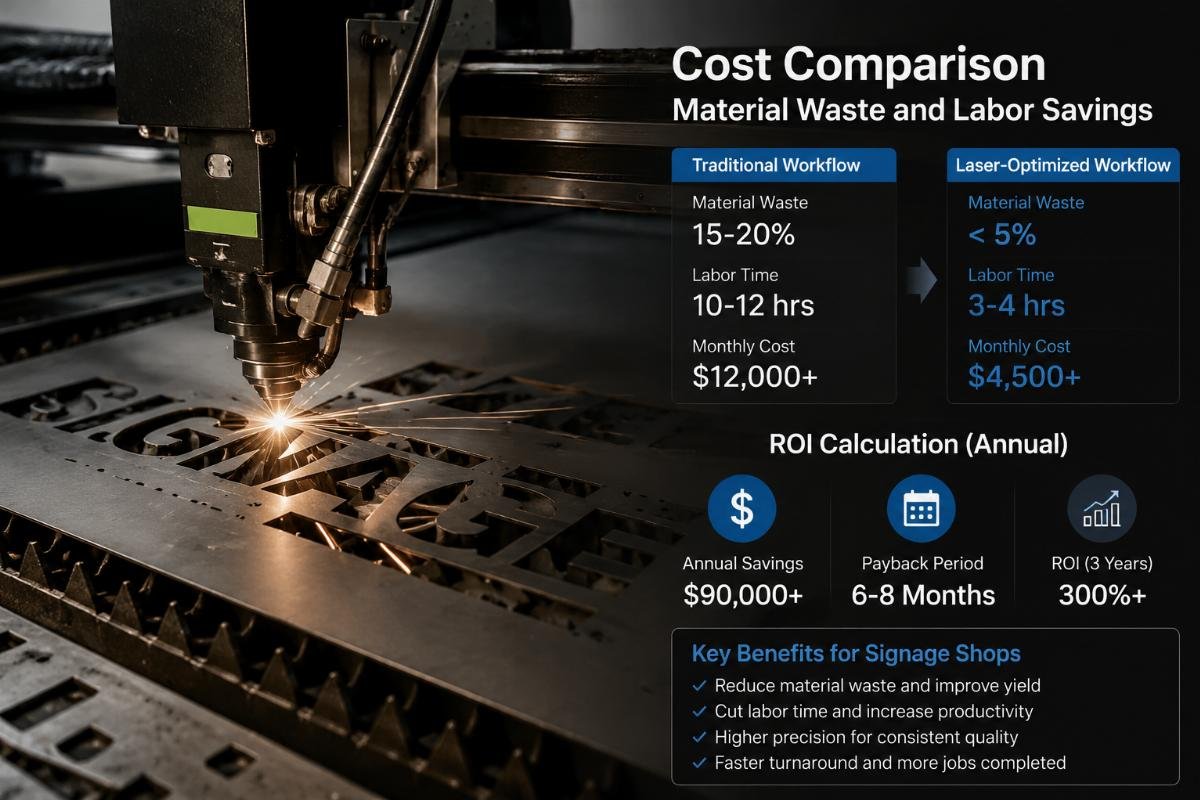
I provide distributors with a simple waste calculation tool that works better than traditional ROI spreadsheets. The distributor asks the customer three questions: how many square meters of material do you process monthly, what percentage becomes scrap due to cutting errors or manual layout inefficiency, and what is your average material cost per square meter. Most signage shops estimate five to fifteen percent waste depending on job complexity and operator skill. Multiplying monthly material volume by waste percentage by material cost gives a monthly waste number that the customer immediately recognizes as real money leaving their business. A machine that reduces this waste by half or more suddenly looks inexpensive.
Labor cost calculations require more careful handling because small shops may not think in terms of hourly labor cost. Instead of asking "what do you pay per hour," successful distributors ask "how many hours does your worker spend manually cutting and weeding a typical vehicle wrap job." Then they time the same job on the knife cutter during the demo. The time difference multiplied by monthly job volume creates a labor hour savings number. Even if the shop owner does not assign dollar value to those hours, they recognize the hours could be used for additional production or customer service.
The price objection often reveals that the customer is undercapitalized or genuinely cannot afford the machine regardless of ROI. Distributors should qualify budget early rather than invest time in demos and proposals for customers who cannot purchase. I encourage distributors to ask directly "if this machine demonstrably reduces your waste and labor cost, what is your budget range for this type of equipment." If the answer is far below the actual price, the distributor should either offer financing options or acknowledge the gap and stay in contact for future opportunities when the customer's business grows.
What payment and financing options help signage shops justify the purchase?
Signage shops often operate on tight cash flow, which makes upfront equipment purchases difficult even when ROI is clear. Our most successful distributors work with equipment financing partners who understand the signage industry and can structure payments around seasonal cash flow patterns. Some distributors offer lease-to-own arrangements that allow the customer to start with lower monthly payments and increase them as the machine proves its value. I also see distributors bundle training, warranty, and maintenance into the financing package so the customer has a single predictable monthly cost rather than worrying about surprise expenses during the first year.
What Training and Support Do Signage Distributors Need to Provide?
Training and support determine whether a knife cutter becomes a production asset or sits unused in the corner. I receive reports from distributors about customers who purchased machines and then barely use them because the initial training was insufficient or the support response was too slow when problems occurred. These customers not only stop buying from that distributor—they also tell other shops in their network to avoid the equipment.
Signage shops need training that focuses on their specific materials and job types rather than general machine operation—a distributor who trains the customer to cut their three most common jobs during installation creates confidence, while a distributor who teaches all machine features without application context leaves the customer overwhelmed—and ongoing support must include fast response to urgent problems because signage shops often work under tight deadlines where machine downtime directly costs them customer relationships.
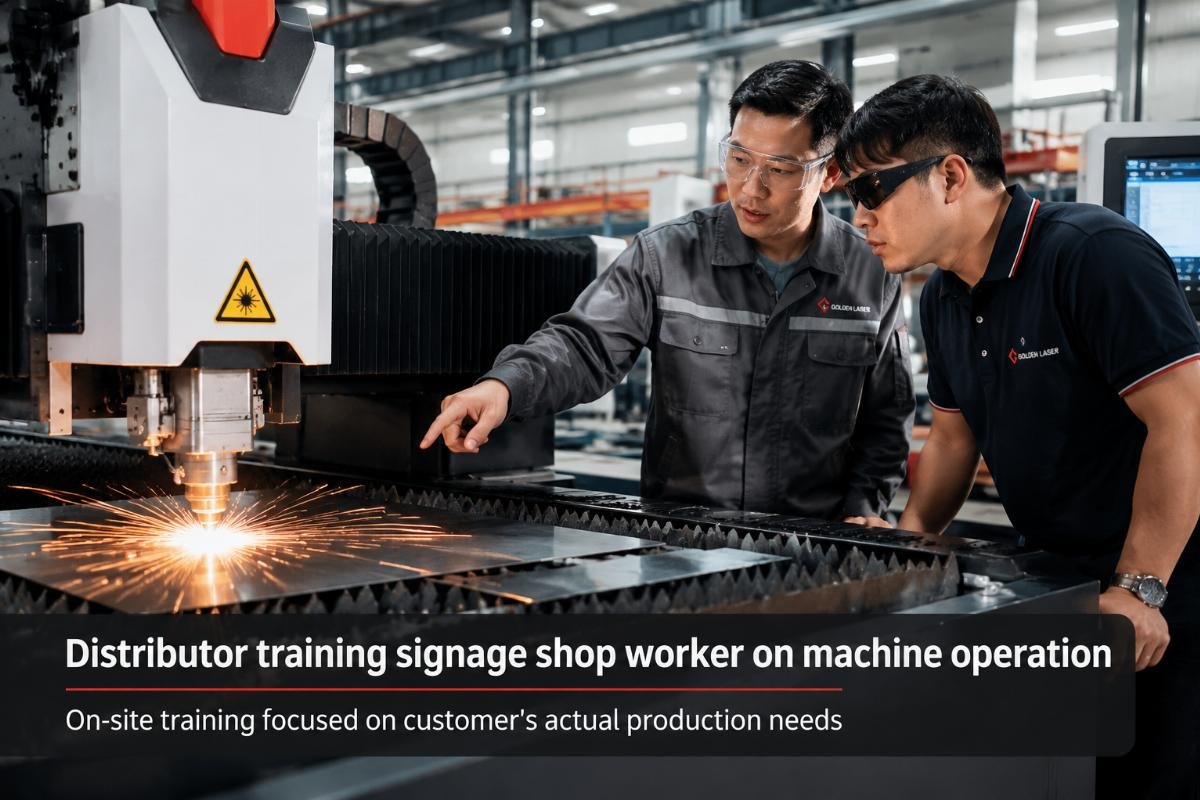
Installation day training should cover machine operation for the customer's actual production workflow. I instruct distributors to ask the customer before installation what their three most common job types are—for example, vehicle decals, banner production, and window graphics. During installation, the distributor sets up and cuts actual jobs in these categories using the customer's materials and file formats. The customer's workers operate the machine themselves during this training while the distributor guides them. This approach gets the customer producing revenue from the machine on day one rather than spending weeks learning features they may never use.
Software training causes more problems than mechanical operation. Many signage shops use Adobe Illustrator or CorelDRAW for design but have never worked with CNC cutting software. Distributors need to show file import, path optimization, and cut parameter assignment using the customer's actual design files. I recommend distributors leave behind three or four pre-configured job templates for the customer's common work—vehicle decal template with correct kiss-cut depth, banner template with appropriate cutting speed, window graphic template with proper material advance settings. The customer can modify these templates rather than starting from scratch on every job.
Remote support capability has become critical since many distributors serve customers across wide geographic areas. I require our distributors to set up remote desktop access during installation so they can diagnose problems and guide customers through solutions without traveling to the site. Video call support works well for many issues—the customer points their phone camera at the machine and the distributor can see what is happening and talk them through adjustments. This reduces response time from days to minutes for many common problems.
How do you handle customers who resist training or want to figure it out themselves?
Some signage shop owners want to skip formal training and learn by trial and error. Distributors should document that they offered complete training and the customer declined it—this protects the distributor if problems arise later. I suggest distributors provide a quick-start checklist that covers safety, basic operation, and emergency stop procedures as minimum training even if the customer refuses more comprehensive instruction. The distributor should also emphasize that support calls will be more efficient if the customer completes initial training because the support technician can assume baseline knowledge rather than teaching fundamentals during a problem situation.
How Do You Build Long-Term Relationships with Signage Industry Customers?
One-time equipment sales leave money on the table and create vulnerability to competitors. Signage shops that successfully integrate knife cutting equipment into their workflow need ongoing consumables, upgrades, and eventually additional machines as their business grows. Distributors who position themselves as long-term partners rather than equipment vendors capture this recurring revenue and build defensible customer relationships.
Long-term relationships in the signage channel depend on consistent follow-up after the sale—distributors who check in monthly during the first quarter to ensure the customer is fully utilizing the machine's capability prevent buyer's remorse and identify additional training needs, while distributors who disappear after installation only hear from the customer when something breaks—and proactive consumable supply management ensures the customer never runs out of blades or has to search for replacement parts from other vendors.
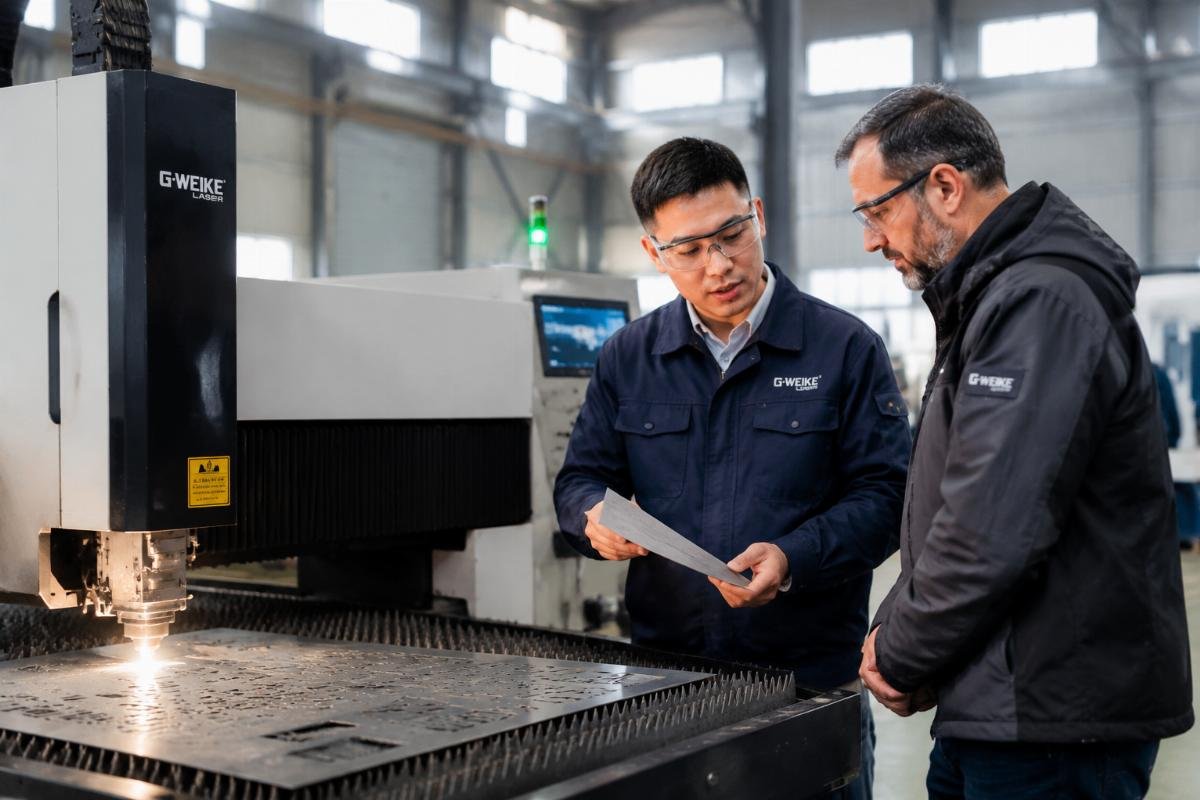
Post-sale check-ins should focus on utilization rather than sales. I coach distributors to call the customer two weeks after installation and ask "what jobs are you running on the machine and what jobs are you still doing the old way." This conversation often reveals that the customer