



-
 Courier delivery
-
 DHL Courier delivery
-
 Warranty 1 year
-
 Free 30-Day returns

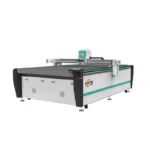
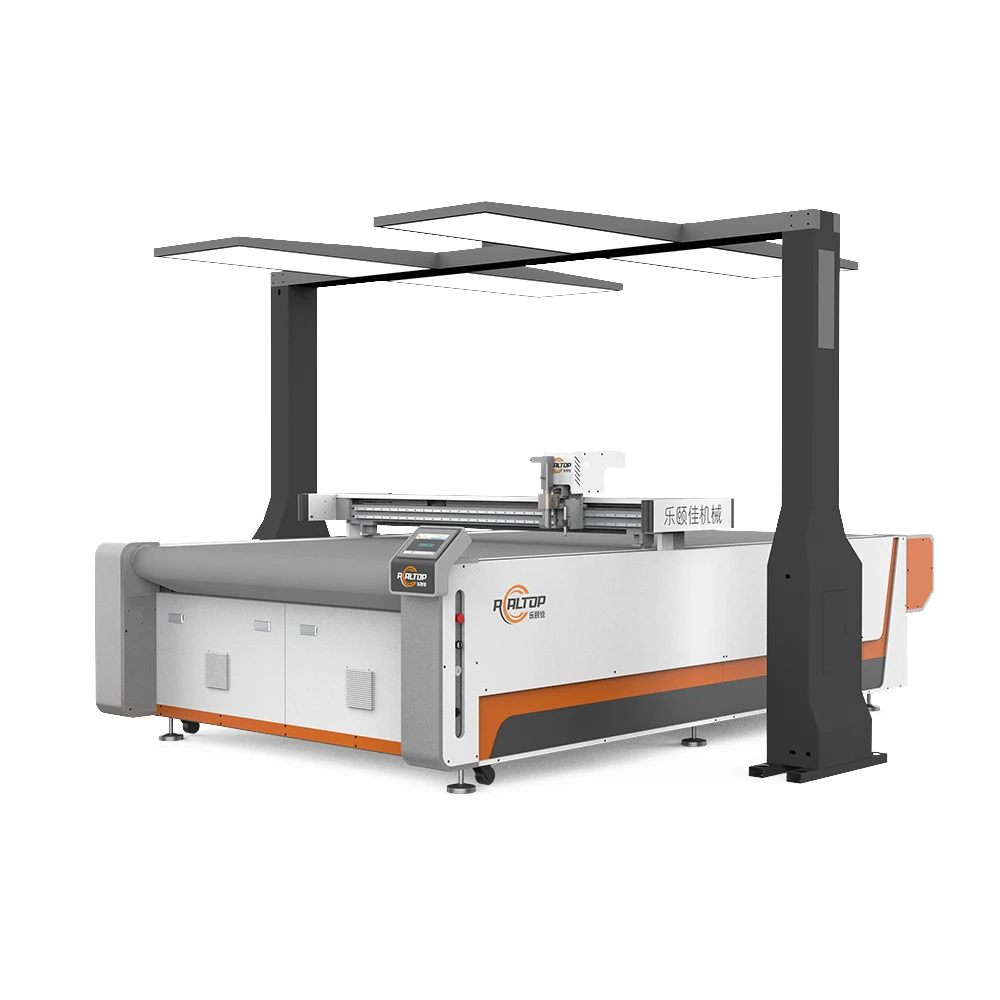
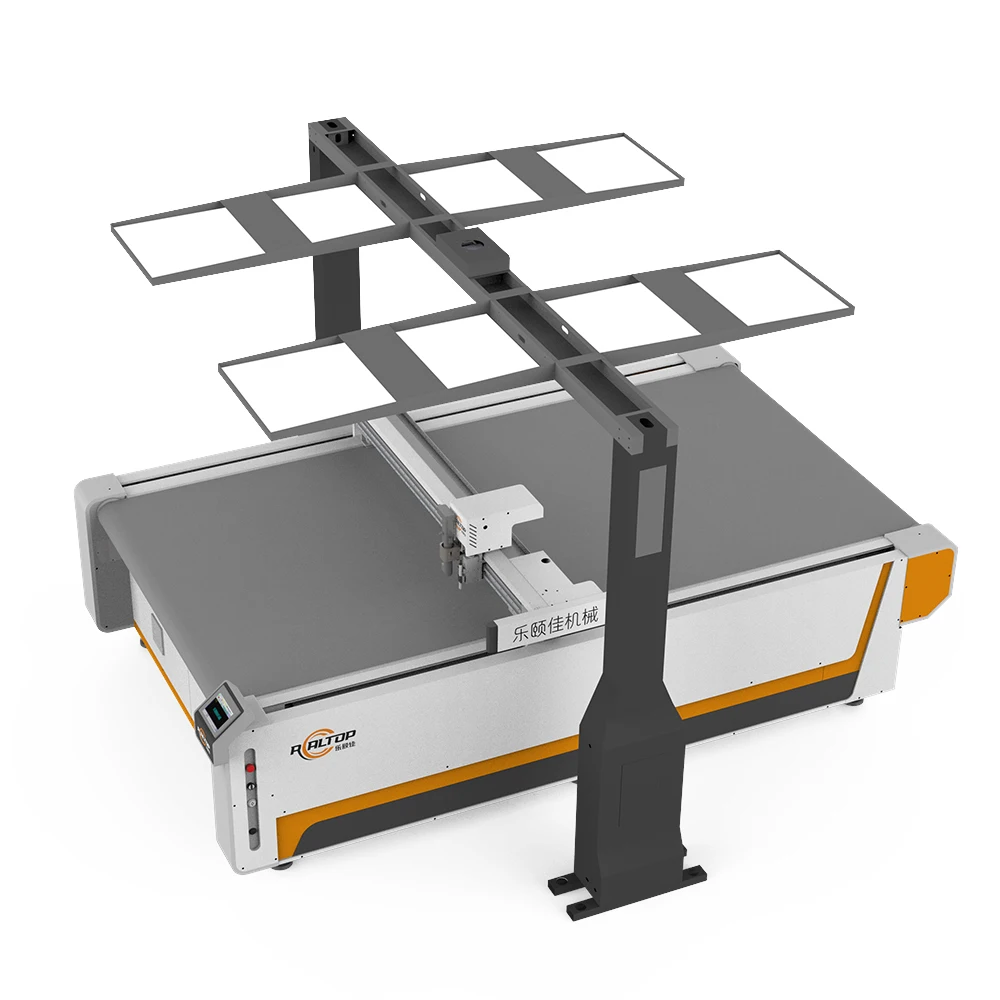
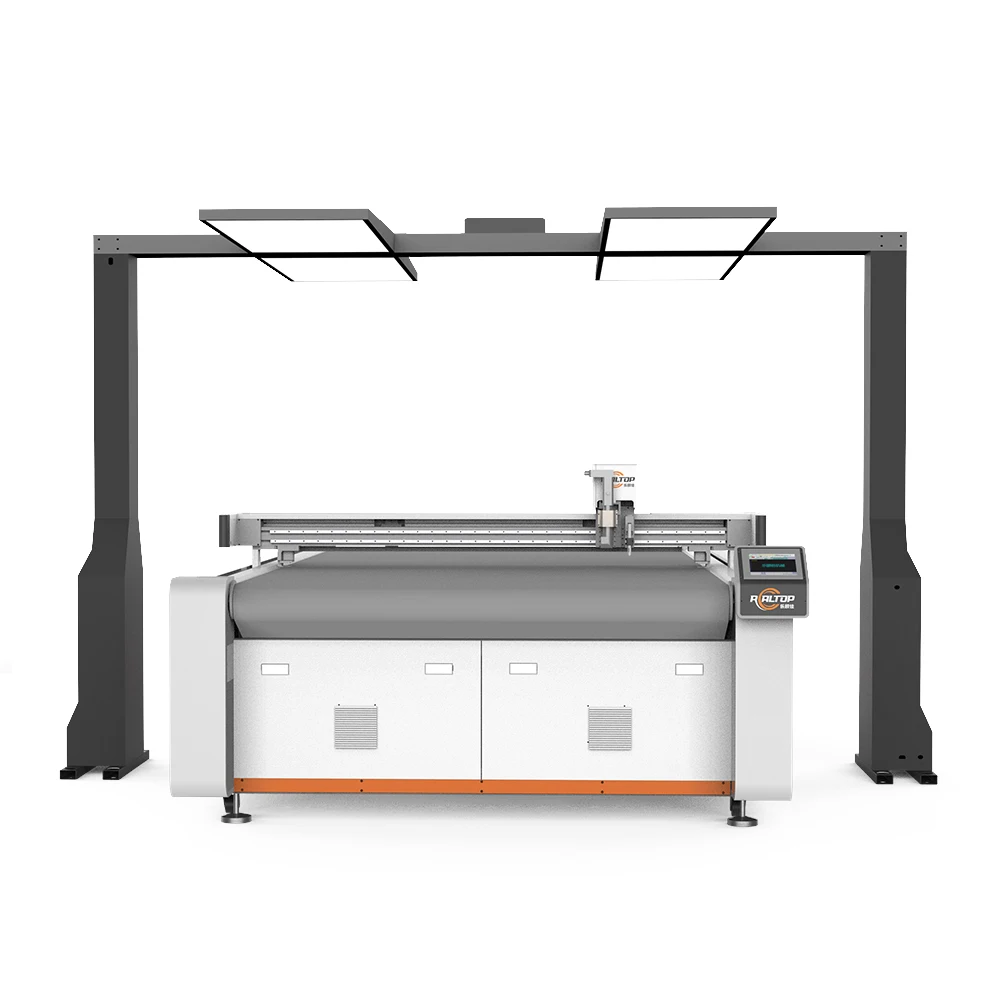
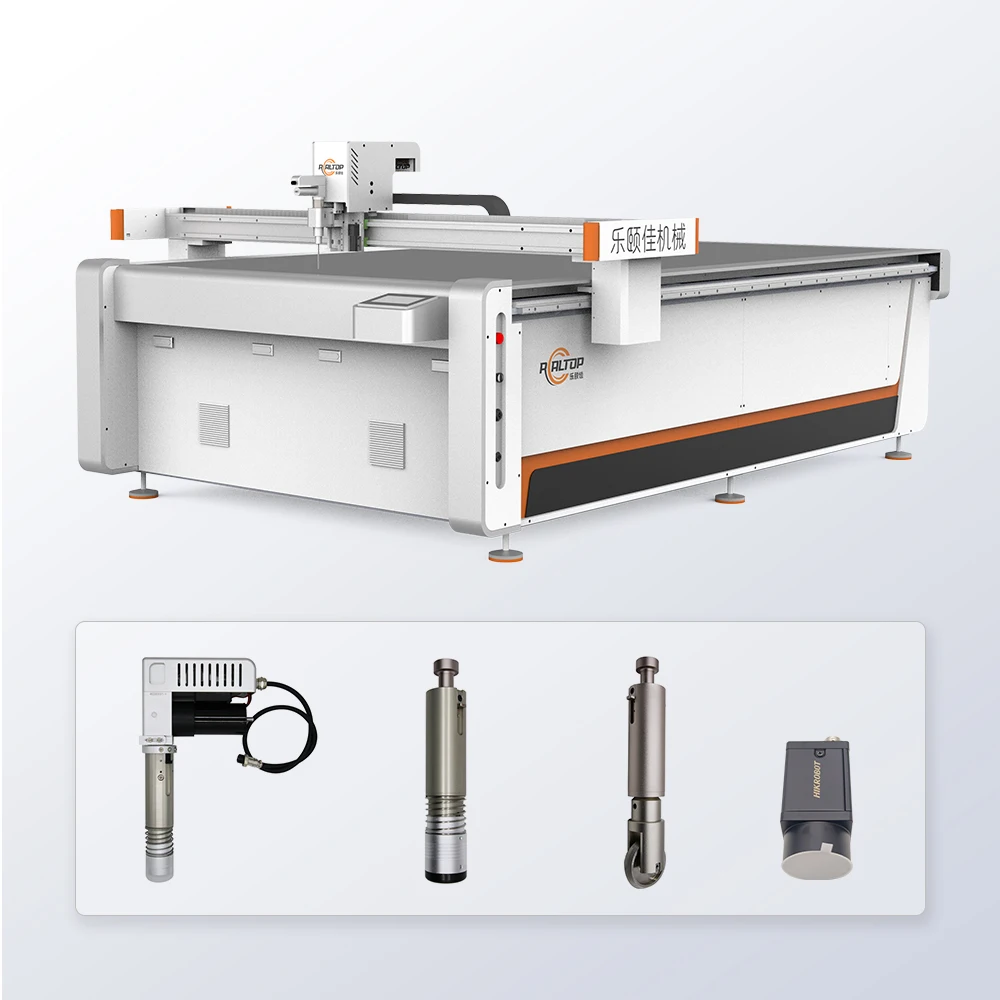
In-House Design & Build — We engineer both the knife cutting head and the vacuum table under one roof, so the configuration matches your leather grade rather than forcing a generic setup.
Technical Specifications
| Parameter | Value |
|---|---|
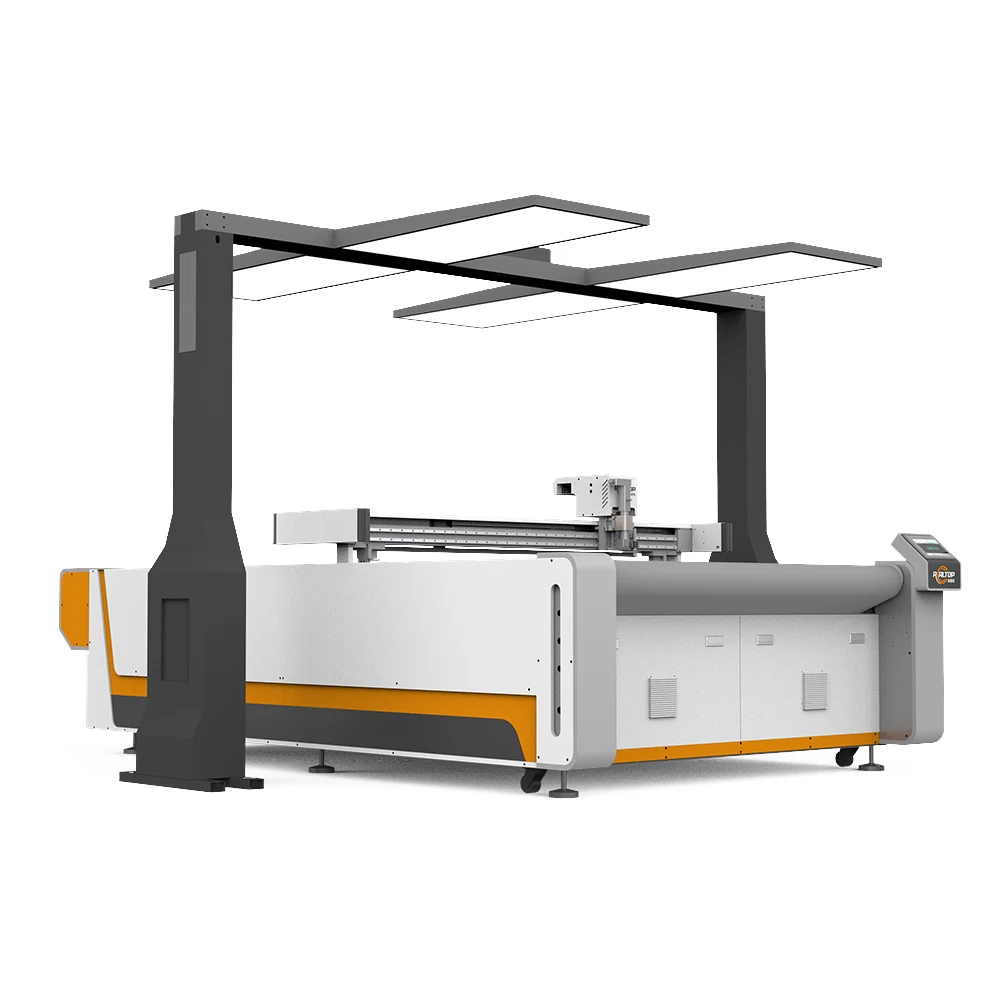
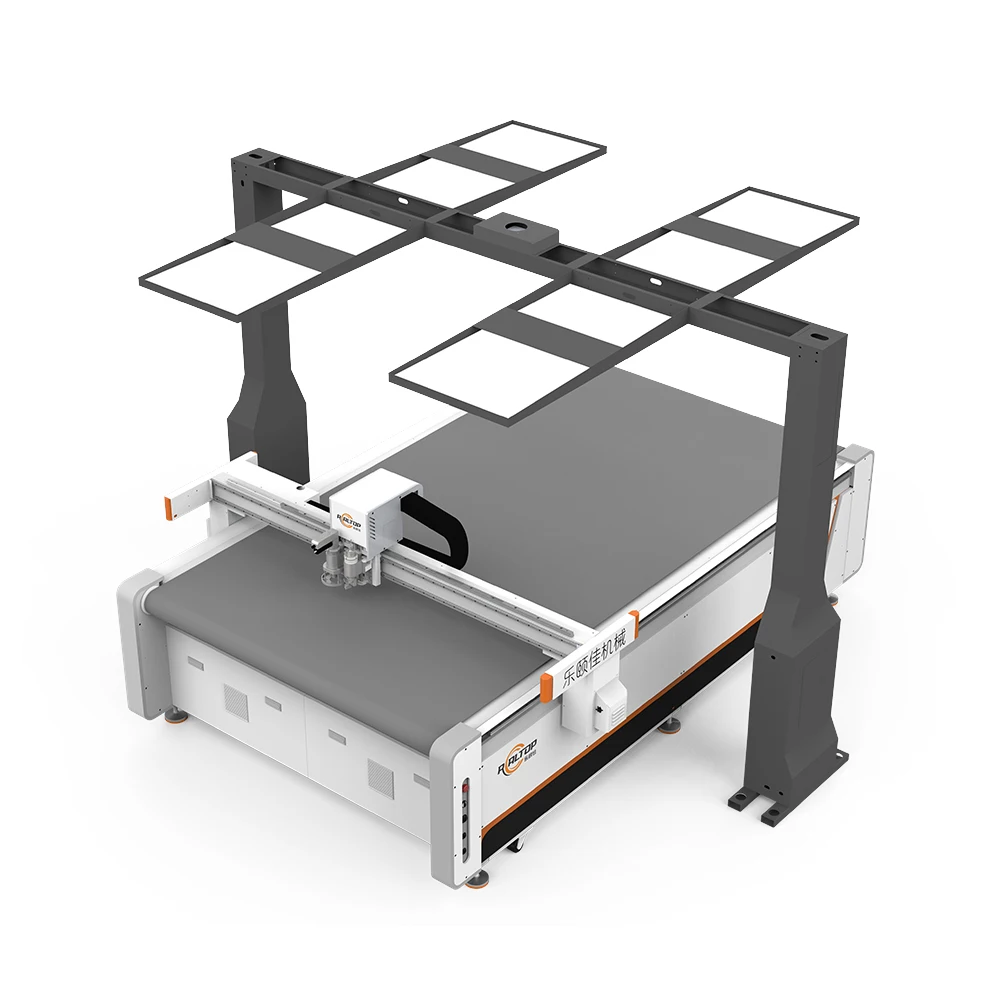
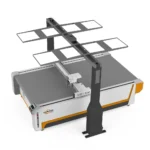
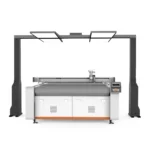
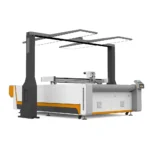
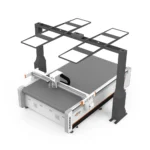
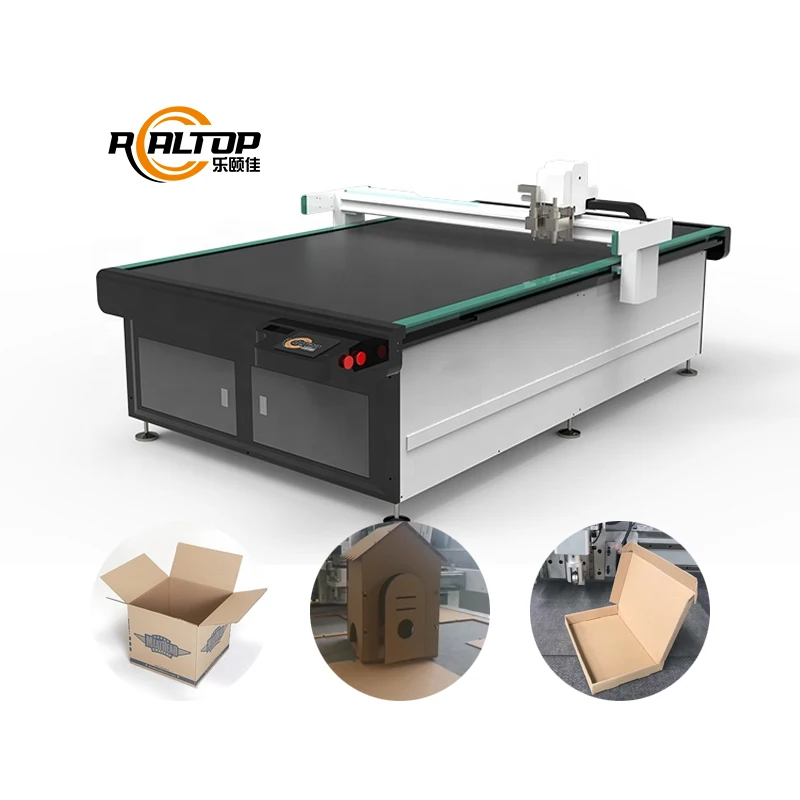
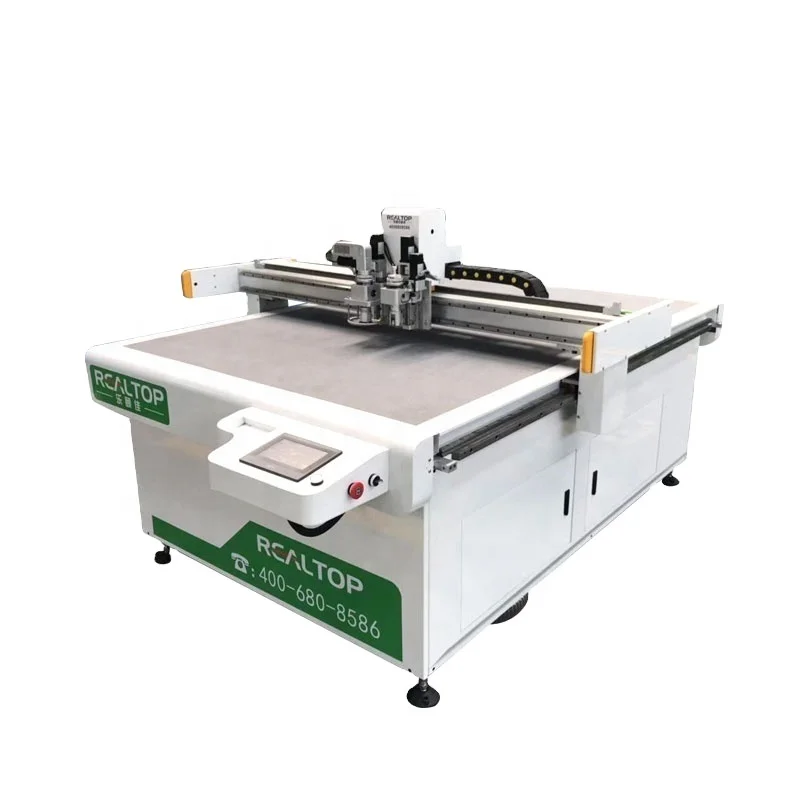
| Product Type | CNC Oscillating Knife Cutting Machine |
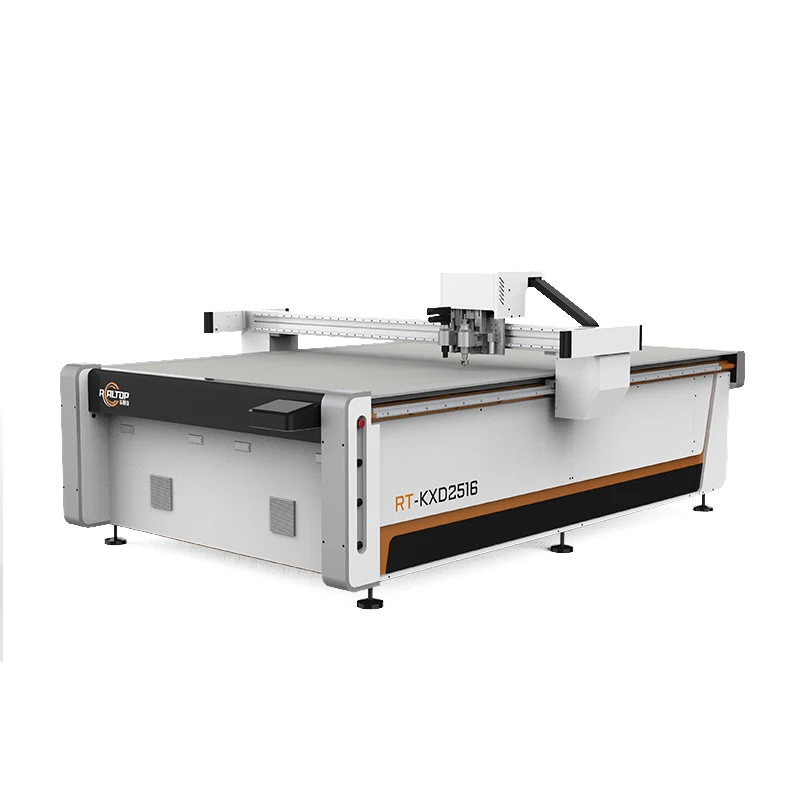
| Working Area | 1600 x 2500 mm |
| Tool Head Options | Oscillating knife, Driven rotary knife, Creasing wheel, Kiss cutting tool, Pneumatic knife, Milling tool, V groove knife |
| Cutting Thickness Capacity | Up to 30 mm |
| Cutting Speed | 0 – 2000 mm/s |
| Positioning Accuracy | ±0.1 mm |
| Vacuum System | 9 kW pump with aluminum bellows vacuum table |
| Control System | PLC control panel with multi-language interface |
| Servo Drive | Available with Panasonic, Delta, or Dorna servo motors |
| Voltage Options | Configurable for 110V, 220V, or 380V |
| File Format Compatibility | PLT, DXF, AI, PDF |
| Safety Features | Infrared sensor device and emergency stop |
| Machine Dimensions | 3300 x 2100 x 1350 mm |
| Certification | CE |
Application Suitability
| Application | Material or Output |
|---|---|
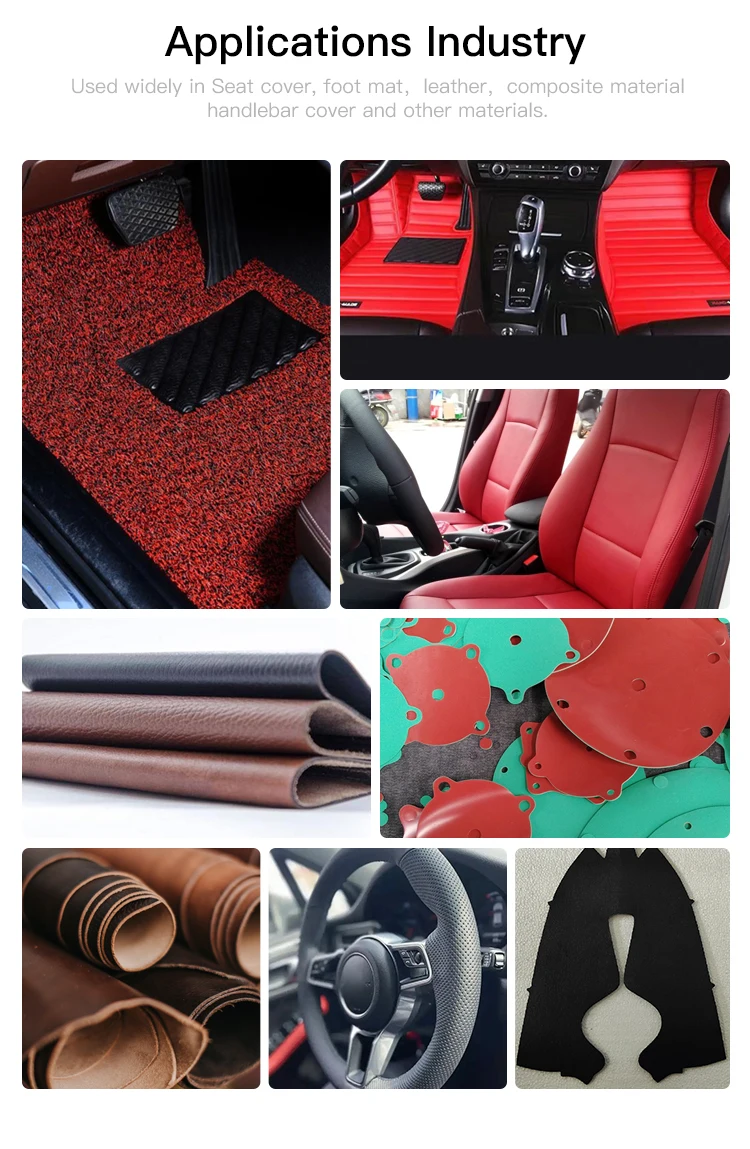
| Shoe upper and footwear production | Genuine leather, synthetic leather, PU, microfiber leather |
| Leather goods and bag manufacturing | Full-grain hides, split leather, bonded leather sheets |
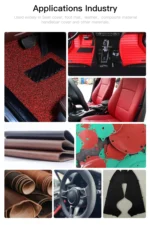
| Automotive seat covers and interiors | Multi-layer leather, composite automotive textiles |
| Sofa and upholstery fabrication | Thick upholstery-grade leather, bonded fabrics |
| Pattern sampling and prototyping | Cardboard, carton, EVA foam for template making |
Why "Cutting Thickness ≤ 30mm" Is Not the Whole Story
The right tool head matters more than the maximum depth rating on the nameplate.
When a CNC Oscillating Knife Cutting Machine manufacturer lists a 30 mm cutting capacity, that figure assumes a specific material density and tool configuration. Leather ranges from thin 0.8 mm garment-weight skins to dense 6 mm upholstery hides, and each responds differently to blade oscillation frequency and downward pressure. A buyer who specifies the machine purely on working area and maximum thickness often discovers mid-production that the standard oscillating knife struggles with their particular composite leather or leaves burnished edges on chrome-tanned hides. [NEED_CITE: material hardness and tool head selection in CNC knife cutting]
Matching the Tool Head to Your Leather Grade
Not every leather cutting job calls for the same blade action. The oscillating knife handles most mid-weight leathers cleanly, but a driven rotary knife produces smoother edges on thin, supple garment leather where vibration would cause distortion. For kiss-cutting adhesive-backed leather patches or scoring fold lines on bag panels, dedicated creasing and kiss cutting tools prevent through-cuts that ruin the workpiece. As a CNC Oscillating Knife Cutting Machine manufacturer building these heads in-house, we configure the tool carousel based on your actual material samples before the machine ships.
Holding Small Leather Pieces Flat Without Crushing Them
Leather hides are irregular, and nesting software typically arranges small pattern pieces across the surface to maximize yield. The problem arises when vacuum hold-down is uneven — small pieces lift during high-speed cutting, producing miscuts or shifting mid-contour. The aluminum bellows vacuum table on this system distributes suction across the full 1600 x 2500 mm bed. Zones can be managed so that only the active cutting area draws full vacuum, preventing edge curl on hides while keeping small components locked in place. [NEED_CITE: vacuum zoning requirements for flatbed digital cutters]
What the Specification Sheet Means on the Shop Floor
The 9 kW vacuum pump is sized to maintain hold-down on porous materials like split leather, which bleeds air more than solid vinyl or PVC. Without adequate suction, thin leather skins shift on the table surface, and the ±0.1 mm positioning accuracy of the servo system becomes irrelevant because the material itself has moved. The PLC control panel supports English, Russian, Italian, and Chinese interfaces, which matters when your operators are not reading manuals in translation. File import accepts PLT, DXF, AI, and PDF formats directly — this avoids the extra step of converting nesting layouts from your existing design software. The 0 – 2000 mm/s speed range is adjustable per contour complexity; tight radii on shoe upper patterns require slower traversal to maintain edge quality, while long straight cuts on automotive panels can run at higher speeds.
The Cost of Skipping the Material Test
I worked on an order last year where a shoe factory sent sample leather for testing, and the cuts came out perfect. They placed the order immediately. When the machine arrived, they ran production on a different batch — a composite leather with a heavy adhesive interlayer that the sample did not have. The oscillating knife could not penetrate the glue layer cleanly, and the edges came out ragged across an entire run of uppers. The machine was not at fault; the configuration was matched to the wrong material. Every leather type, coating, and backing combination behaves differently under the blade. This is why running a cutting test on the exact production material is not optional — it determines whether you need a higher-frequency oscillating knife, a different blade angle, or a pneumatic tool head entirely. [NEED_CITE: composite material behavior in digital knife cutting]
Why Buyers Source This Equipment From Our Facility
Our design team engineers the tool heads and vacuum table systems internally, which means we can modify the tool configuration for your leather type without waiting on third-party suppliers. The 9 kW vacuum system and aluminum bellows table are built and tested together as a single assembly, not bolted together from separate sourced components. We confirm voltage, plug type, and control language before production begins — a 380V machine wired for a 220V workshop is a problem nobody discovers until the electrician arrives. Software compatibility is verified against your existing PLT, DXF, or AI files during the sample stage. The CE-marked frame and electrical system are assembled in our Jinan factory, where we also run the full factory acceptance test before crating.
Documentation & Verification
- Machine specification sheet listing the exact tool heads and table configuration shipped
- Electrical schematic confirming your target voltage and phase before production starts
- Sample cutting report on your leather material showing edge quality and contour accuracy
- Software licence documentation with confirmed PLT, DXF, AI, and PDF file compatibility
- Factory test record documenting vacuum hold-down and servo positioning verification
- Spare parts list matched to your specific tool head and blade configuration
Installation, Commissioning & Support
- Floor space planning for the 3300 x 2100 mm footprint including operator access clearance
- Dedicated circuit requirement for the 9 kW vacuum pump and servo drive system
- Machine arrives on a flatbed container and requires bed leveling on-site
- First-run commissioning includes vacuum zone calibration for your leather hide thickness
- Operator training covers PLC interface navigation, tool change procedure, and nesting software setup
- Wear parts inventory includes replacement blades matched to your specific leather cutting tools
Before You Request a Quote
To configure a system that actually works on your production floor, we need to know the specific leather types and thicknesses you cut daily, the largest hide or sheet size you process, and your local voltage and frequency standard. If you have existing nesting files or design software, share a sample file so we can verify import compatibility before quoting. Tell us whether your operation involves single-layer hides or multi-layer layups, as this determines the tool head selection.
Frequently Asked Questions
Q: How is the tool head selected for different leather thicknesses and types?
A: We run cutting tests on your actual leather samples to determine which tool head produces clean edges. Thin garment leather typically uses the oscillating knife or driven rotary knife, while thick upholstery hides may require a pneumatic knife with higher downward force. The configuration is finalized before the machine enters production based on these test results.
Q: Can the system track printed marks on leather at production speed?
A: The machine supports CCD camera contour recognition for printed patterns and grain positioning on leather surfaces. The camera reads registration marks and adjusts the cutting path accordingly. We verify tracking accuracy on your specific printed leather during the sample stage to confirm it performs at your required cutting speed.
Q: Is vacuum hold-down sufficient for small leather pieces?
A: The aluminum bellows vacuum table with the 9 kW pump provides distributed suction across the full bed. Zone management allows concentrated hold-down in the active cutting area, keeping small nested pieces flat without lifting or shifting during high-speed contour cutting.
Q: What voltage and control language are confirmed before shipment?
A: We configure the electrical system for 110V, 220V, or 380V based on your workshop supply and confirm the plug type for your market. The PLC control panel language — English, Russian, Italian, or Chinese — is set before factory testing so your operators can verify the interface during the acceptance run.
Q: Can you cut samples on my leather before I commit to the order?
A: Yes. Send us your production leather — not a catalog sample, but the actual material you will run on the machine. We produce a cutting test report showing edge quality, contour accuracy, and tool head performance, and we use those results to finalize your machine configuration before building.
You may also like

商品评价
Clear filtersThere are no reviews yet.