




-
 Courier delivery
-
 DHL Courier delivery
-
 Warranty 1 year
-
 Free 30-Day returns

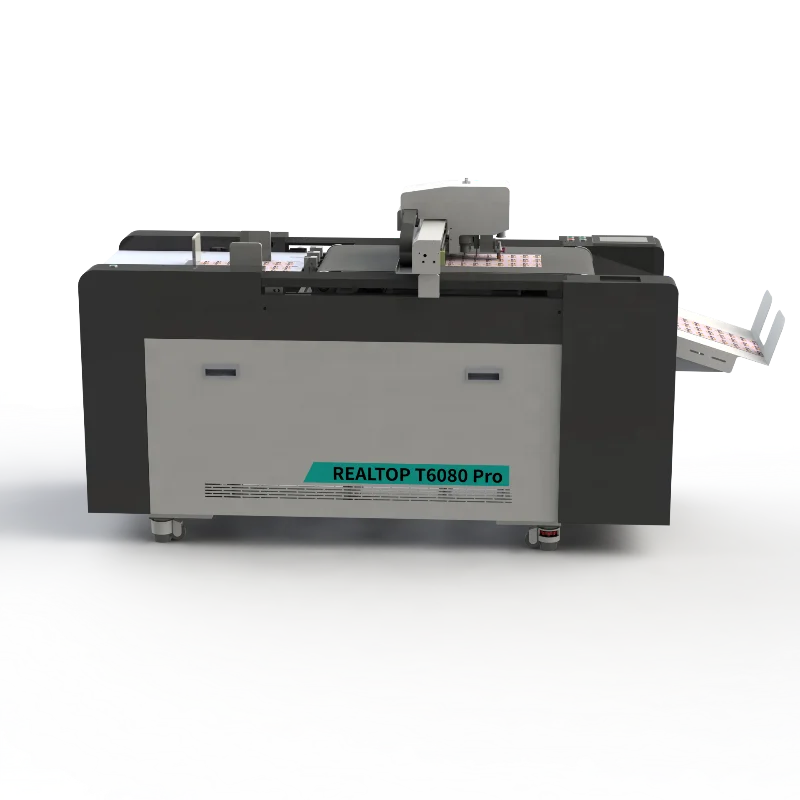
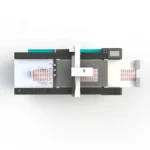
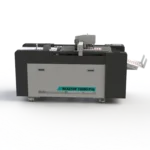
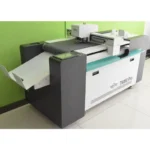
Precision Configuration Over Catalog Browsing — every RTT6080 tool group is matched to your material thickness and edge quality requirement before the order is placed, not after.
Technical Specifications
| Parameter | Value |
|---|---|
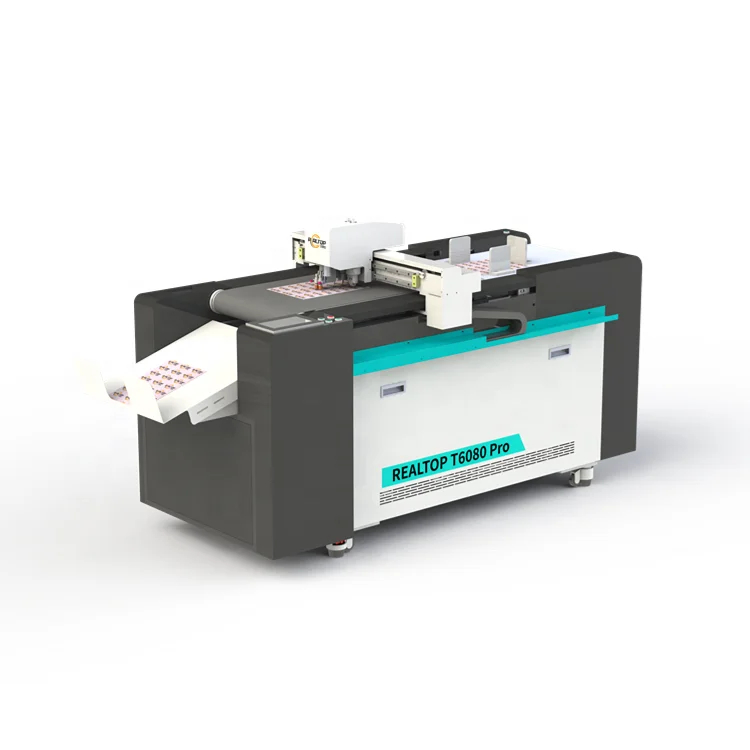
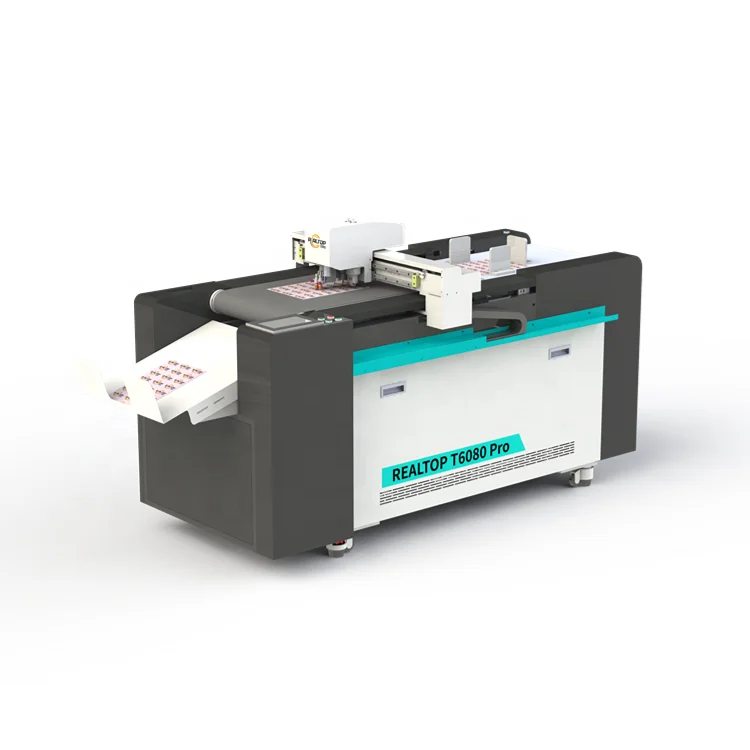
| Model | RTT6080 / RTT6080 Pro |
| Product Type | CNC Oscillating Knife Cutting Machine |
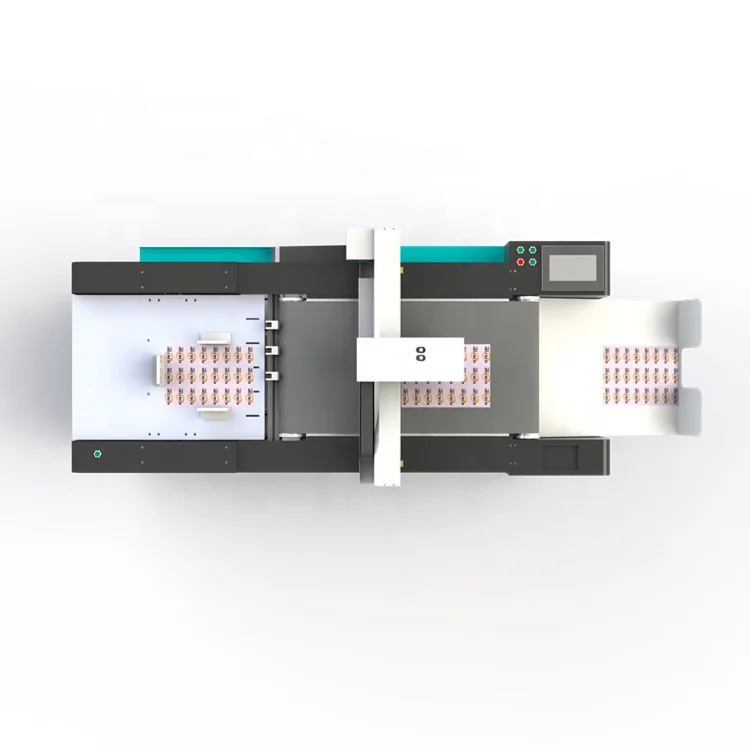
| Max Working Area | 600 mm × 800 mm |
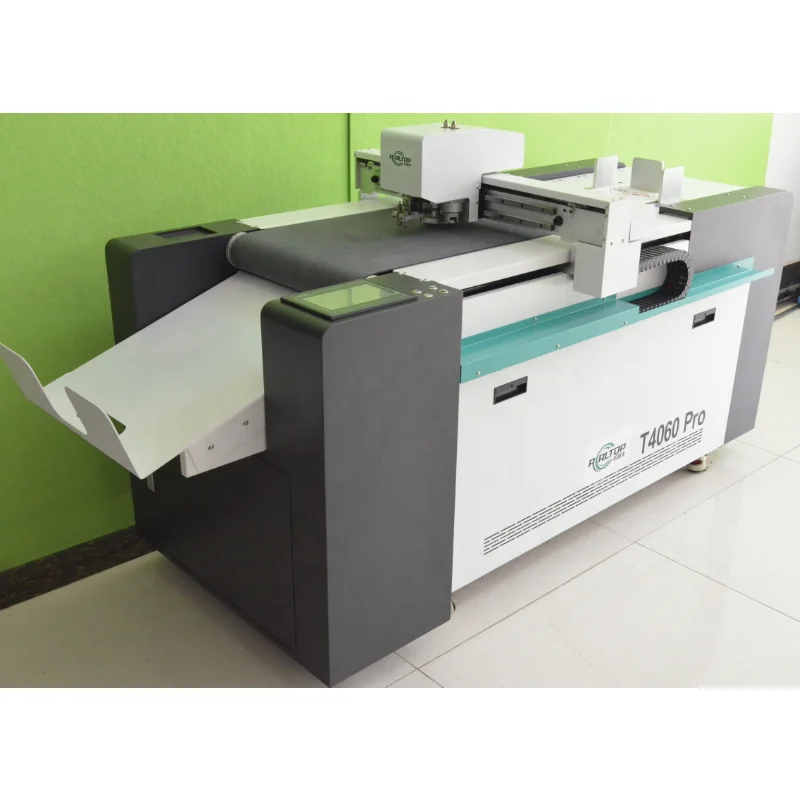
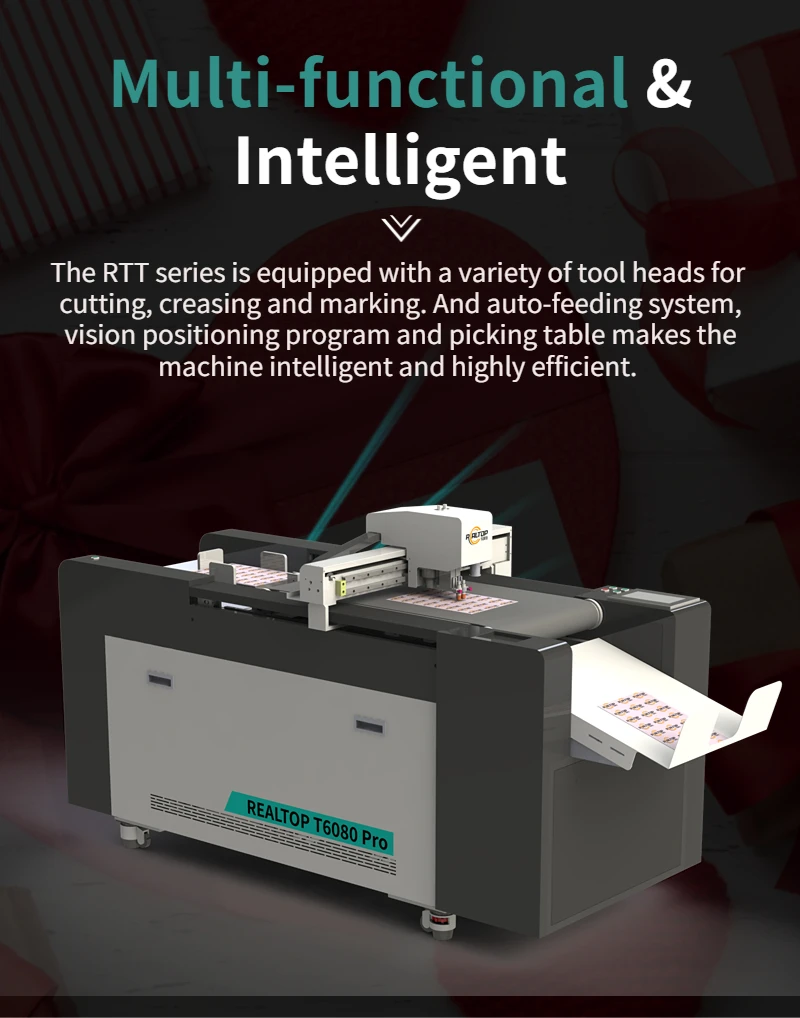
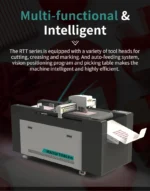
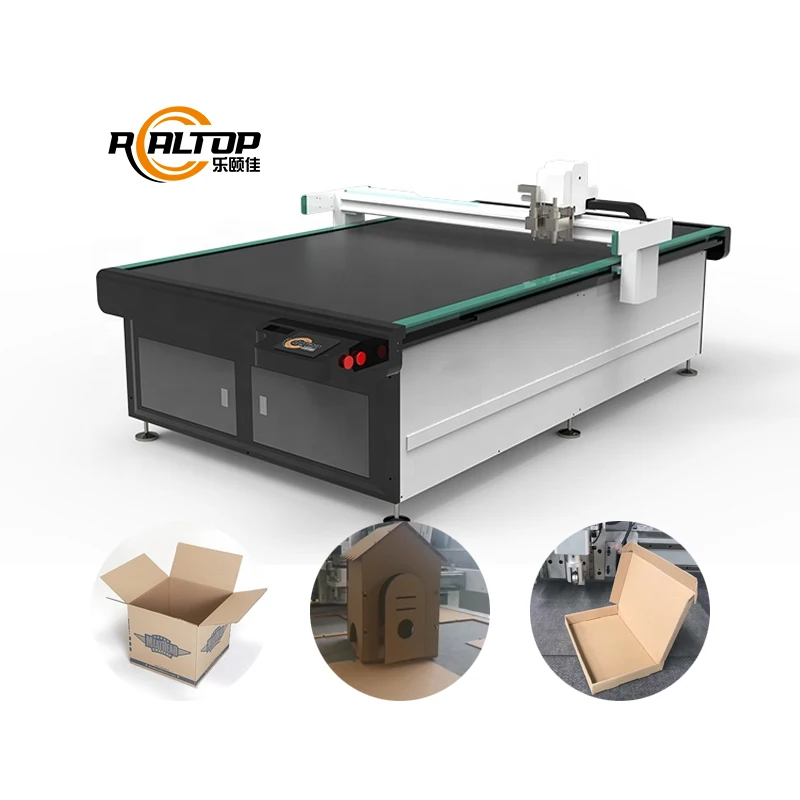
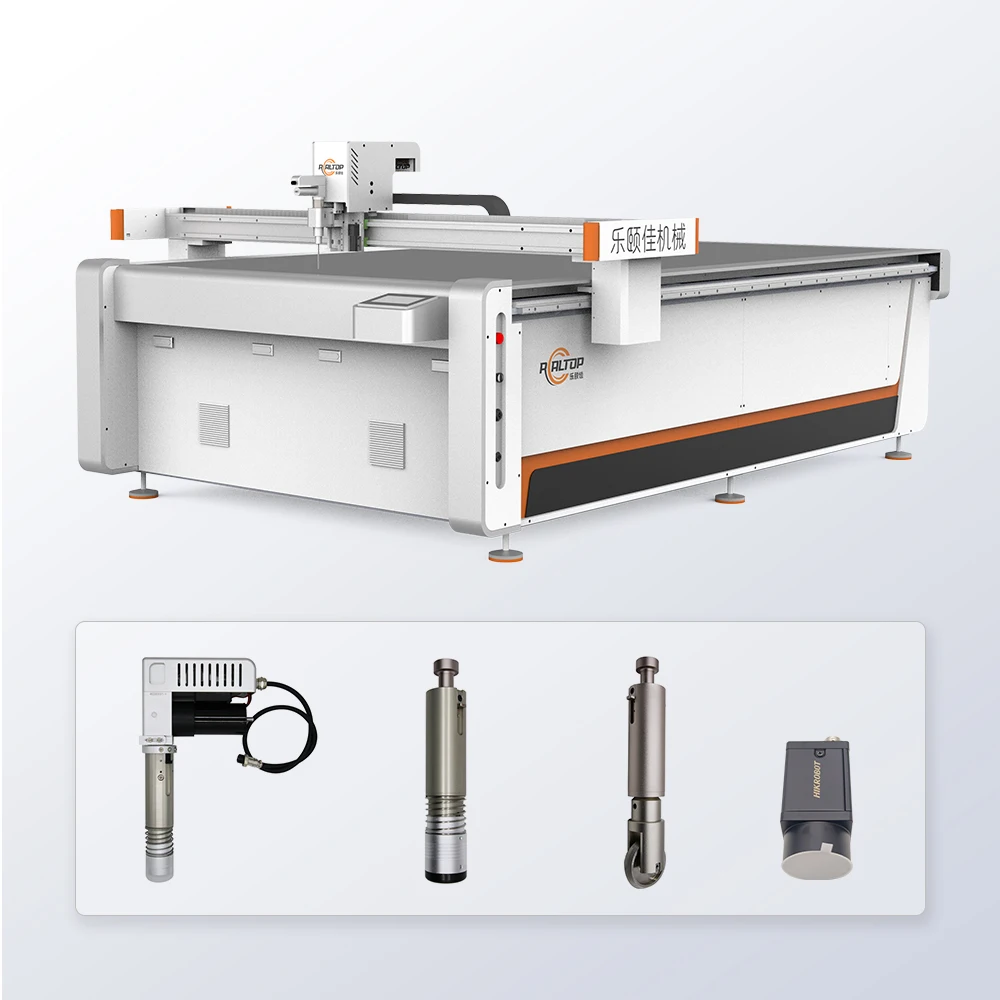
| Tool Group | Cutting tool, kiss cutting tool, creasing tool, CCD camera, high speed oscillating knife (Pro model) |
| Max Cutting Speed | 1500 mm/s (according to the material) |
| Cutting Thickness | ≤2 mm (RTT6080) / ≤5 mm (RTT6080 Pro) |
| Positioning Accuracy | 0.05 mm |
| File Format | DXF, PLT, PDF, AI |
| Transfer Method | Ethernet port |
| Rated Power | 3.2 kW |
| Voltage & Frequency | 220V / 380V, 50Hz |
| Control System | CNC |
| Standards | CE declared |
Application Suitability
| Application | Material or Output |
|---|---|
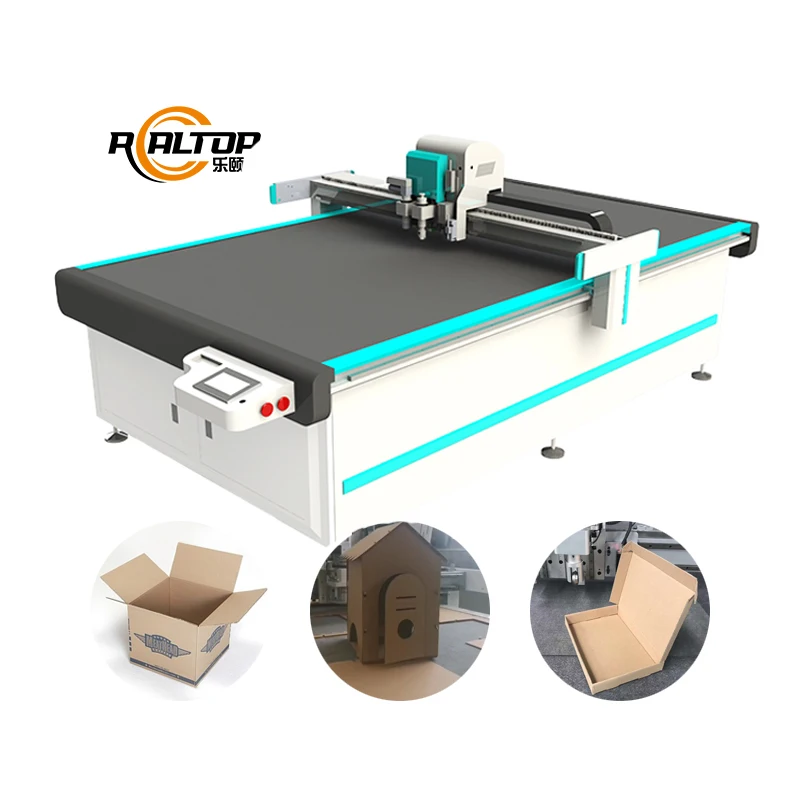
| Packaging sample making | Corrugated board, folding carton stock, greyboard up to 5 mm |
| Graphic prototyping and short-run signage | Vinyl, self-adhesive film, magnetic sheet, foam board |
| Label and sticker production | Kiss cutting on release liner with CCD contour tracking |
| Thin gasket fabrication | Non-asbestos fiber, cork-rubber, PTFE sheet ≤2 mm |
| Paper and cardstock processing | Creasing and cutting in a single setup pass |
Why "Working Area" Is the Wrong First Question for a CNC Knife Cutting Machine Manufacturer
The material and its thickness decide the tool head, not the table size.
I have watched buyers lock in a machine based on bed dimensions, only to find the standard drag knife cannot push through 3 mm foam board or leaves a crushed edge on corrugated flute. The working area tells you what fits on the table; it says nothing about what the knife can actually shear through at production speed [NEED_CITE: oscillating knife cutting force versus material density]. When a CNC knife cutting machine manufacturer skips the material conversation, you end up with a machine that handles the sheet size perfectly and fails the cut itself.
Tool Head Selection Dictates Edge Quality, Not Just Penetration
A drag knife scores and follows the path, which works on thin vinyl and sticker stock but tears corrugated fiber when the flute direction shifts mid-sheet. The high speed oscillating knife on the RTT6080 Pro vibrates through thicker substrates up to 5 mm, separating fibers rather than dragging them. Choosing between these tools is not a preference — it follows from the material density and the edge finish your downstream process demands. A CNC knife cutting machine manufacturer that ships every order with the same head is leaving your edge quality to chance.
CCD Camera Contour Recognition on Printed Graphics
When your job involves cutting around pre-printed artwork — labels, packaging prototypes, or short-run signage — the CCD camera reads registration marks and adjusts the cut path in real time. Without this, the operator manually aligns each sheet, and any print drift translates directly into scrap. The RTT6080 series integrates CCD positioning within the tool group so contour jobs and plain cuts run on the same table without hardware swaps [NEED_CITE: CCD registration mark formats supported in digital cutting workflows].
What the Specs Actually Mean on the Shop Floor
The 0.05 mm positioning accuracy matters most on kiss cutting jobs where the blade must cut the face stock without scoring the release liner — a depth window often narrower than 0.1 mm. The 1500 mm/s maximum cutting speed applies to thin, low-resistance materials; thicker substrates like 5 mm foam board require slower passes to maintain edge squareness. The 3.2 kW rated power covers the oscillating knife drive, vacuum pump, and control electronics on a single circuit, which simplifies electrical planning. Ethernet file transfer avoids USB limitations on large nested DXF files and keeps the machine on the shop network without additional converters.
The Cost of Skipping Material Verification Before Order
A creasing wheel set for 300 gsm cardstock will crack 1 mm corrugated board instead of folding it. A vacuum table zoned for large sheets leaves small gasket parts lifting during the cut, producing dimensional drift that only shows up at assembly. These are not defects in the machine — they are mismatches between the configuration shipped and the material on the table [NEED_CITE: vacuum table zoning requirements for small-part digital cutting]. Fixing them after delivery means buying additional tool heads, reprogramming zones, and absorbing weeks of downtime.
What Building Both Knife and Laser Platforms Changes for You
Our design team covers oscillating knife and laser cutting in the same factory, so material decisions are not forced into one technology. The RTT6080 tool group is specified against your sample stock before the contract, not selected from a default list. Voltage and frequency are confirmed for your market — 220V or 380V at 50Hz — so the machine powers up the day it is uncrated. Software file format compatibility (DXF, PLT, PDF, AI) is verified against your existing nesting workflow before shipment. Every unit ships with a factory test record cut on your actual material, not a generic demo sheet.
Documentation & Verification
- Machine specification sheet listing RTT6080 tool group and cutting thickness range
- Electrical schematic confirming 220V/380V wiring and 3.2 kW circuit requirement
- Sample cutting report produced on your supplied material stock before dispatch
- Software license with DXF, PLT, PDF, AI file format compatibility confirmation
- Factory test record documenting positioning accuracy and CCD mark recognition pass
- Spare parts list covering oscillating knife blades and creasing wheel consumables
Installation, Commissioning & Support
- Dedicated 3.2 kW circuit at confirmed 220V or 380V required before machine placement
- 600×800 mm working area needs clear access on three sides for sheet loading
- CNC control system language set to operator preference before shipment
- First-run calibration covers CCD mark recognition and vacuum table zone mapping
- Oscillating knife blade replacement interval and creasing wheel wear schedule documented
- Ethernet port configured to your shop network for DXF and PLT file transfer
What to Send With Your Inquiry
Share the material types you cut most often, including thickness and sheet dimensions, so the correct tool head and table zone layout can be specified. Confirm your local voltage and frequency so the electrical package matches before crating. If your workflow depends on a specific nesting software or file format, send a sample file so compatibility is checked in advance. For printed contour work, include a sample printed sheet so CCD mark format and detection speed can be validated.
Frequently Asked Questions
Q: How do I confirm the cutting thickness capability matches my actual material?
A: Send a sample of your thickest production material. We run it on the RTT6080 or RTT6080 Pro, document edge quality and cutting speed, and include the sample cutting report with your quotation. This replaces guesswork based on catalog thickness ranges alone.
Q: Which tool head should I choose for my material type?
A: It depends on the substrate. Thin vinyl and sticker stock work with the drag knife and kiss cutting tool. Corrugated board and foam up to 5 mm need the high speed oscillating knife on the Pro model. Creasing wheels handle fold lines on carton stock. We specify the combination after reviewing your material list.
Q: What printed mark formats does the CCD camera support at production speed?
A: The CCD camera reads standard registration marks on pre-printed sheets. Detection speed varies with mark size, contrast, and sheet surface. We test recognition on your printed sample during the pre-order cutting trial to confirm it holds at your required throughput.
Q: Is my local voltage and plug type configured before the machine ships?
A: The RTT6080 supports 220V and 380V at 50Hz. We confirm your local standard and plug type during the order process so the electrical schematic, breaker rating, and cable termination match your workshop supply on arrival.
Q: Will my existing DXF or AI files open directly in the control software?
A: The system accepts DXF, PLT, PDF, and AI formats. We request a sample file from your current workflow during the inquiry stage, open it in the machine software, and confirm layer mapping and nesting compatibility before you commit to the order.
You may also like

商品评价
Clear filtersThere are no reviews yet.