




-
 Courier delivery
-
 DHL Courier delivery
-
 Warranty 1 year
-
 Free 30-Day returns

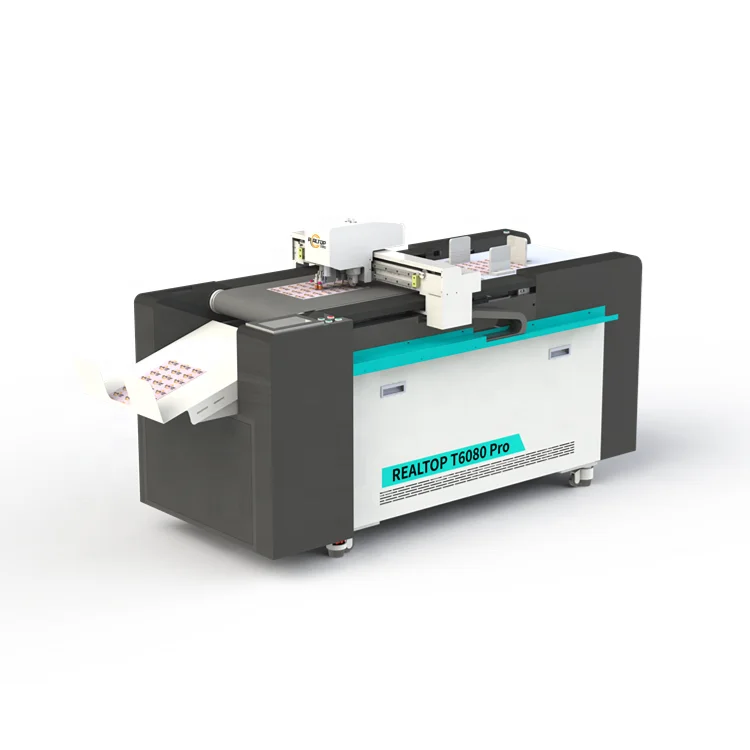
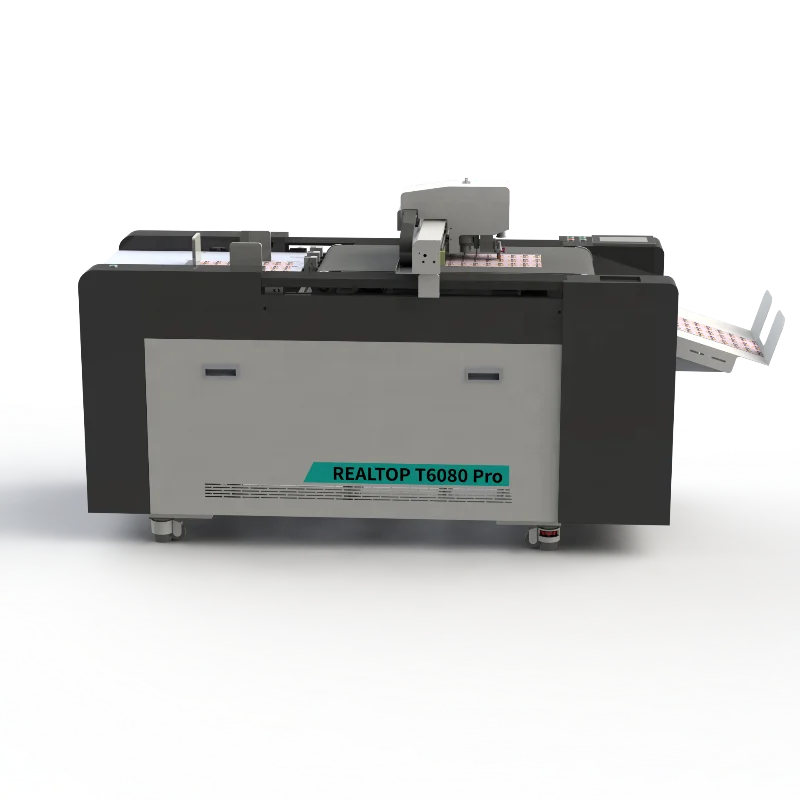
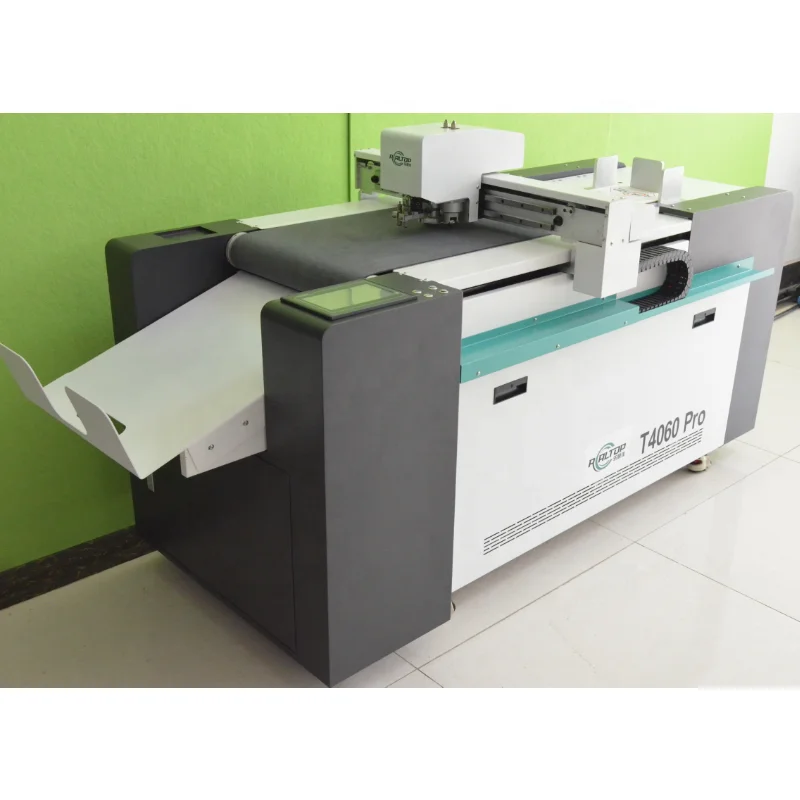
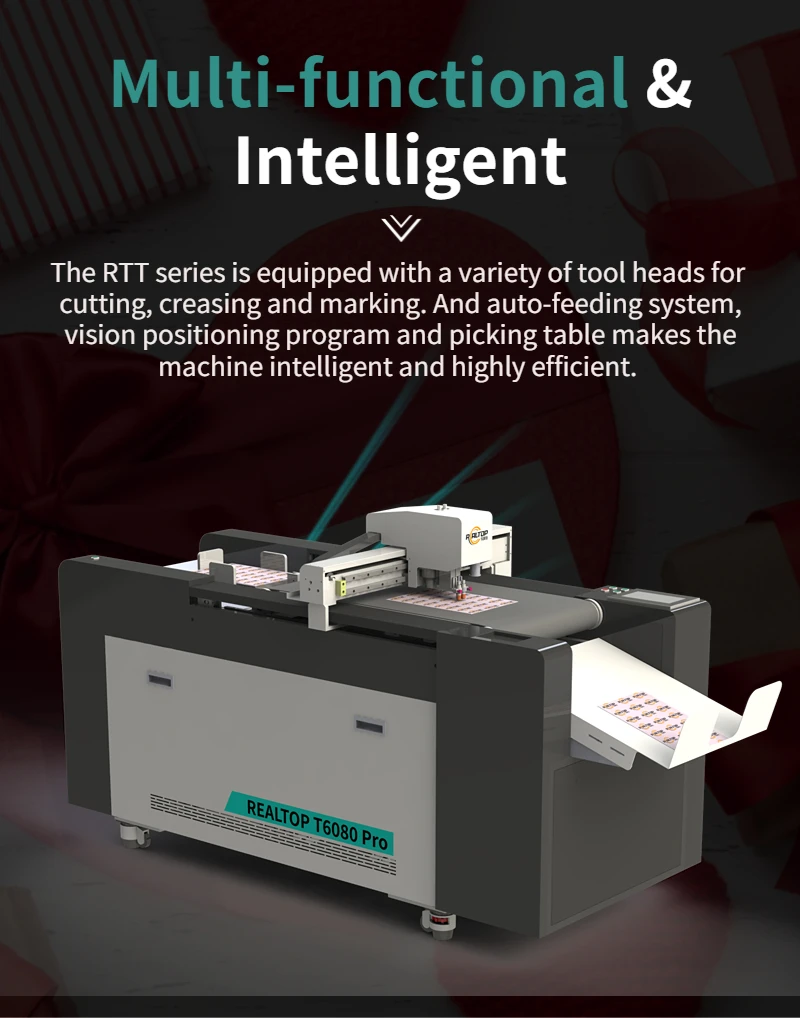
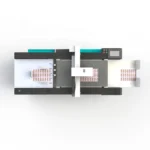
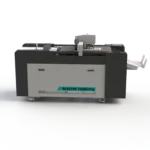
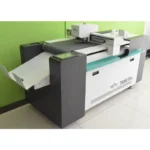
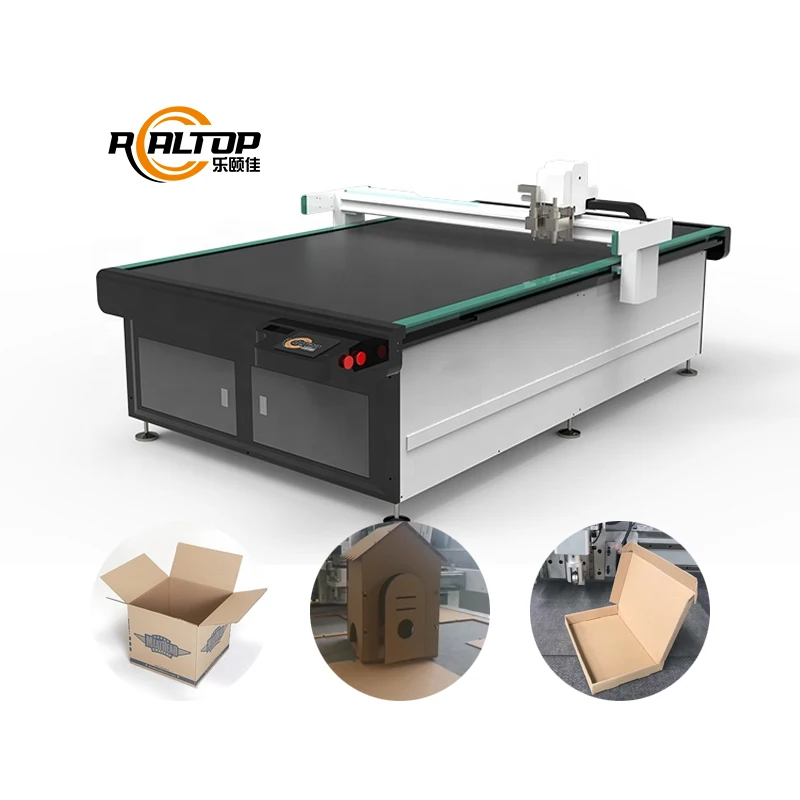
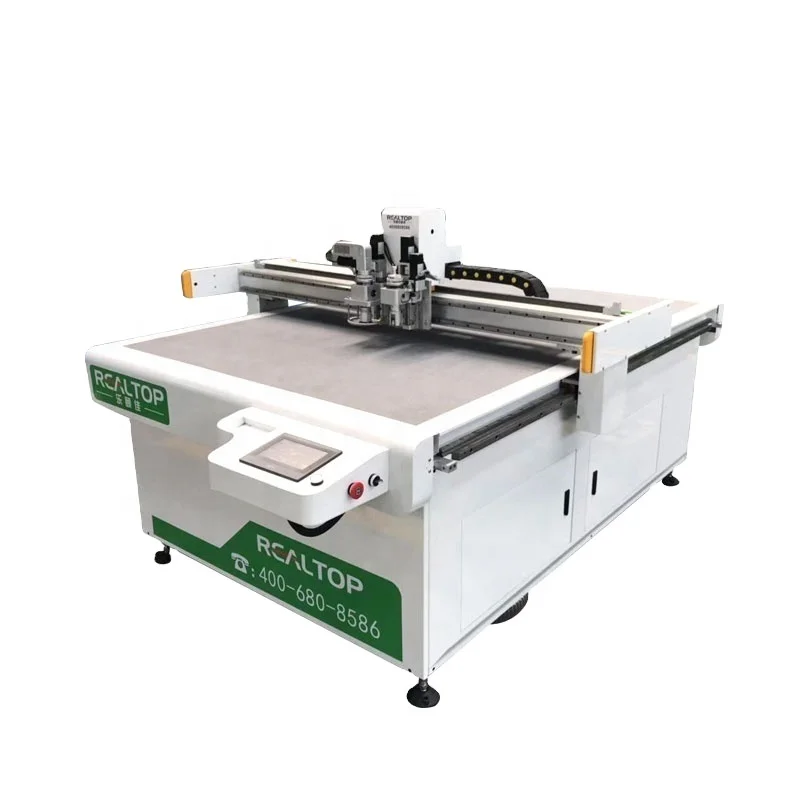
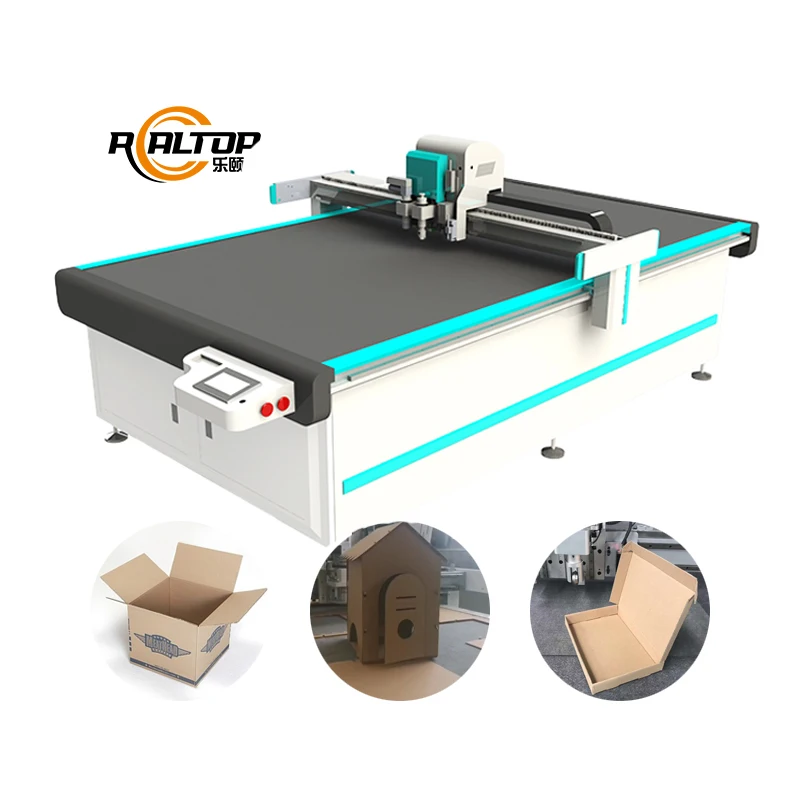
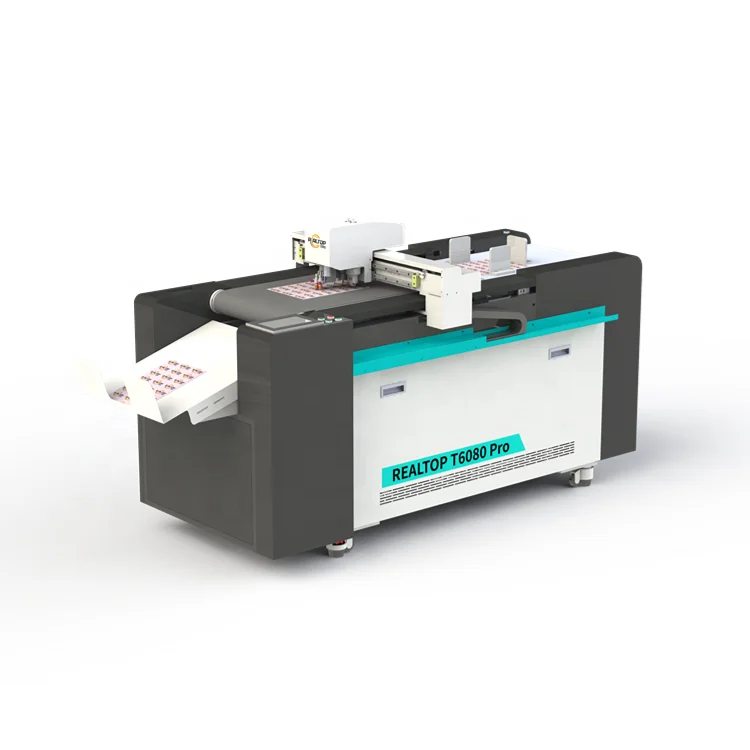
In-house design covering both knife and laser — The RT68080 CNC knife cutting machine is engineered at the Jinan facility where the frame, motion system, and tool head configurations are built under one roof, allowing a buyer to match the cutting method to their exact material rather than force one technology across every job.
Technical Specifications
| Parameter | Value |
|---|---|
| Model | RT68080 (RTT6080 / RTT6080 Pro) |
| Product Type | CNC Knife Cutting Machine |
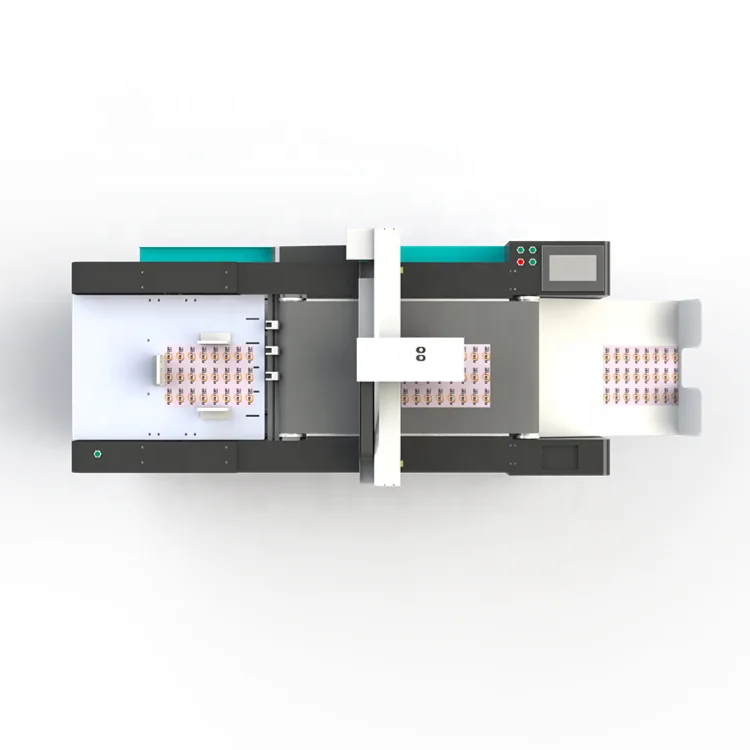
| Max Working Area | 600mm × 800mm |
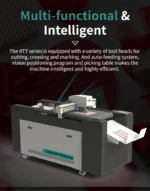
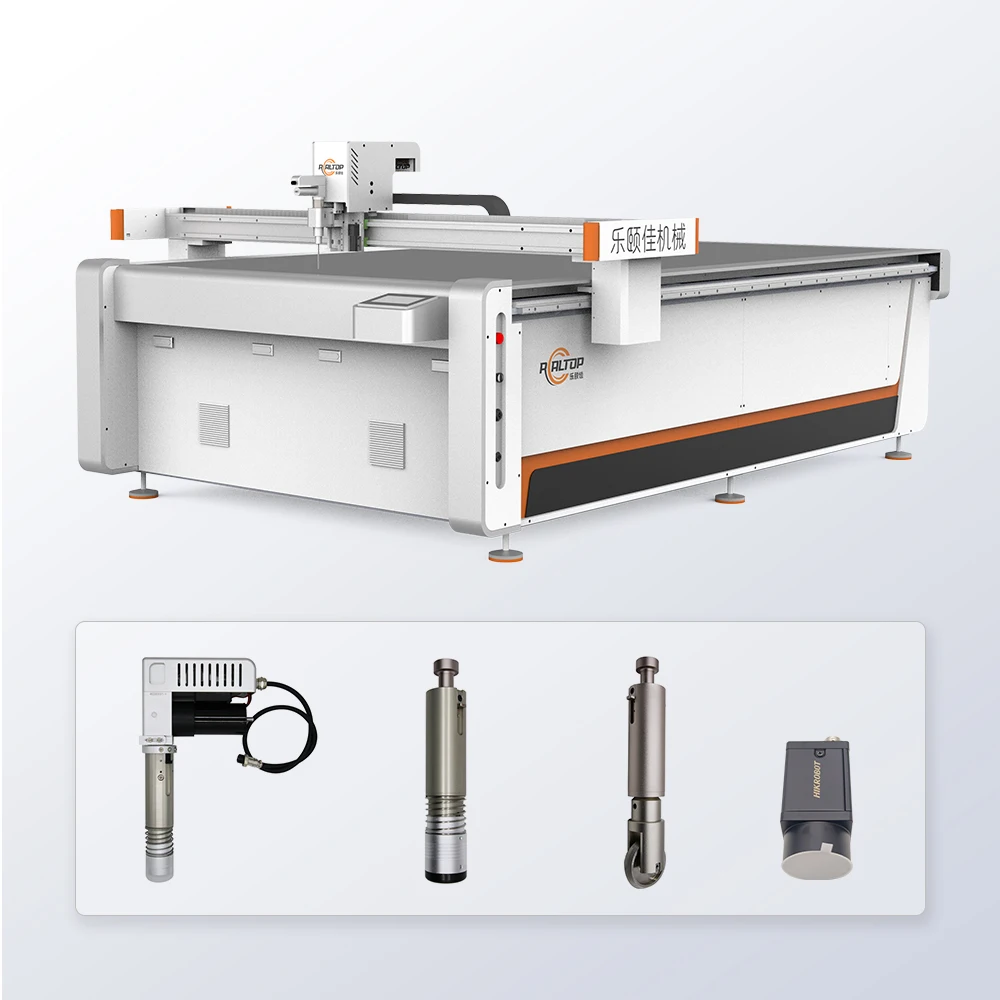
| Tool Head Options | Cutting tool, kiss cutting tool, creasing tool, CCD camera, high speed oscillating knife (Pro version) |
| Max Cutting Speed | 1500 mm/s according to the material (basis not stated in source — confirm block format / material / thickness) |
| Cutting Thickness | ≤2mm (RTT6080) / ≤5mm (RTT6080 Pro) (basis not stated in source — confirm block format / material / thickness) |
| Positioning Accuracy | 0.05mm |
| File Formats Supported | DXF, PLT, PDF, AI |
| Data Transfer Method | Ethernet Port |
| Rated Power | 3.2kW |
| Voltage & Frequency | 220V/380V, 50Hz |
| Standards | CE (where applicable) |
Application Suitability
| Application | Material or Output |
|---|---|
| Packaging and carton sample making | Corrugated board, folding carton stock, greyboard up to rated thickness |
| Short-run digital print contour cutting | Coated paper, laminated card stock, self-adhesive vinyl |
| Gasket and thin non-metal prototyping | Cork, aramid fiber sheet, compressed non-asbestos, PTFE |
| Signage and display graphic finishing | Foam board, magnetic sheet, window film |
Why the Wrong Tool Head Choice Costs More Than the Machine
A CNC Knife Cutting Machine manufacturer that does not ask for your material sample before quoting is already guessing.
I watched a packaging converter spend two days on-site adjusting blade pressure and oscillation frequency because the configuration was chosen based on an A4 paper sample, while their actual production stock was laminated card. The edge was crushed on every corner, and the CCD camera lost the registration mark at full speed because the glossy laminate threw off the contrast. Once the correct tool head and table zoning were set, the machine ran clean — but those two days of downtime and wasted sheet stock were entirely preventable [NEED_CITE: tool head selection by material type and cutting method].
Matching Tool Head to Material Before the Order
The RTT6080 base model handles cutting thickness up to 2mm, which covers standard carton stock, self-adhesive labels, and thin gasket media. The RTT6080 Pro extends that ceiling to 5mm and adds the high speed oscillating knife — necessary when the substrate is fibrous or layered, like corrugated flute or laminated composites. A drag knife scores and kisses through vinyl but will drag and tear through corrugated; an oscillating knife slices cleanly but is over-specified for a 0.1mm label film. Selecting the right CNC Knife Cutting Machine configuration starts with the material cross-section, not the work area dimensions.
CCD Camera Positioning for Printed Contours
For packaging sample makers and short-run digital print finishers, the CCD camera option tracks printed registration marks and adjusts the cut path in real time. This matters when the print has stretched or shifted on the sheet — a common occurrence with digitally printed carton where humidity changes the stock dimension between the printer and the cutter. The camera reads the mark, the controller offsets the path, and the cut aligns with the print rather than drifting off-register.
Reading the Specs That Actually Matter [NEED_CITE: CNC positioning accuracy standards for digital cutting tables]
Positioning accuracy of 0.05mm determines how tightly the blade follows the vector path, which directly affects corner definition on small carton prototypes and the seal between kiss-cut and through-cut on label sheets. The 3.2kW rated power drives the vacuum pump and servo motion together; undersizing the circuit in a workshop can cause vacuum dropout mid-cut, lifting small parts off the table. Voltage is configurable between 220V and 380V at 50Hz, but the plug type, breaker rating, and control panel language must be confirmed against the destination market before the machine leaves the factory — rewiring a control cabinet on arrival is a week-long distraction no production manager wants.
What Happens When Configuration Is Skipped
When a buyer specifies working area alone and skips the material-thickness conversation, the result is predictable: a machine that physically fits the sheet but cannot hold the material flat, or a tool head that tears instead of shears. Small parts lift off an un-zoned vacuum table and jam the knife. A kiss cutting tool set too deep scores the backing liner, ruining the entire roll. These are not machine failures — they are specification failures, and they surface only when production starts [NEED_CITE: vacuum table zoning requirements for small-part digital cutting].
Why Buyers Source the RT68080 from the Jinan Factory
Realtop designs and assembles both knife and laser cutting platforms in-house, so a converter handling both carton samples and acrylic signage can specify one control language, one software workflow, and one service point across two machines. The RT68080 tool head and table configuration is documented line-by-line against the buyer’s stated material before the order is locked. Sample cutting is performed on the buyer’s own stock — the same laminated card or gasket sheet they will run in production — and a cutting report travels with the shipment. Voltage, plug type, and control panel language are confirmed in writing, not assumed from a purchase order note.
Documentation & Verification
- Machine specification sheet listing RT68080 tool head options and cutting thickness by material
- Electrical schematic with confirmed voltage, frequency, and plug type for destination market
- Sample cutting report on buyer’s own paper, card, or gasket stock with edge quality photographs
- Software licence and file format compatibility note covering DXF, PLT, PDF, and AI import
- Factory test record documenting positioning accuracy and vacuum hold across the full 600mm × 800mm bed
Installation, Commissioning & Support
- 3.2kW rated draw requires a dedicated circuit with correctly sized breaker at 220V or 380V
- Ethernet data transfer allows direct network connection to the existing design workstation
- Vacuum table zoning configured on-site to match the buyer’s smallest part dimension
- CCD camera calibrated during commissioning against the buyer’s actual printed registration marks
- Oscillating knife and creasing wheel changeover procedure trained with operator and maintenance staff
- Spare blade and consumable list provided for the first production cycle
Before You Send an Inquiry
Send the actual material you will cut — type, thickness range, and whether it is plain, printed, or laminated — along with your typical sheet size and daily volume. Confirm your workshop voltage, frequency, and the control panel language your operators need. If you already run a nesting or design workflow, share a sample file so we verify format compatibility before the configuration is finalized.
Frequently Asked Questions
Q: How is cutting thickness verified for my specific paper or packaging material?
A: We cut samples on your own stock — the exact laminated card, corrugated flute, or gasket sheet you will run in production — and record edge quality, cutting depth, and speed. The sample cutting report ships with the machine so your operators have the proven parameters from day one.
Q: What CCD camera capabilities are included for printed mark tracking at production speed?
A: The CCD camera reads printed registration marks on the sheet and offsets the cut path in real time. It compensates for print stretch or shift caused by humidity, keeping the cut aligned with the graphic across the full 600mm × 800mm working area.
Q: How are voltage, plug type, and control language confirmed before shipment?
A: Voltage (220V or 380V at 50Hz), plug type, and control panel language are documented in the electrical schematic and confirmed in writing before production begins. The factory test record verifies the correct configuration before the machine is packed.
Q: What file formats and nesting workflows does the software support?
A: The software imports DXF, PLT, PDF, and AI files directly via Ethernet transfer. We verify compatibility with your existing design or nesting workflow using a sample file you provide, so there are no format surprises at commissioning.
Q: Can the machine be configured with different tool heads for both cutting and creasing in one setup?
A: Yes. The RT68080 supports cutting, kiss cutting, and creasing tool heads on the same table. For packaging sample making, the knife cuts the outline while the creasing wheel scores fold lines in a single pass, eliminating a separate die or manual scoring step.
You may also like

商品评价
Clear filtersThere are no reviews yet.