


![记录ID 10499 数字之和:1+0+4+9+9 = 23 23 mod 6 = 5 → 句式5:[站点修饰词] [品类词] – [规格或产能限定] 目标站 realtopcut.com → 角色:who builds the machine → 制造OEM类角色 池:OEM Available / Factory Direct / Custom Build 池长度3,23 mod 3 = 2 → Custom Build 品类词:CNC Flatbed Cutter 规格:600mm × 800mm 草稿:Custom Build CNC Flatbed Cutter – 600mm × 800mm 字符数:50](https://realtopcut.com/wp-content/uploads/2026/03/Hb543bf6c1d6f43ad859db55cbe1958fas-150x150.webp)


-
 Courier delivery
-
 DHL Courier delivery
-
 Warranty 1 year
-
 Free 30-Day returns

In-house knife and laser design — Tool head and table configuration specified per material and production volume rather than forcing one cutting method on every application.
Technical Specifications
| Parameter | Value |
|---|---|
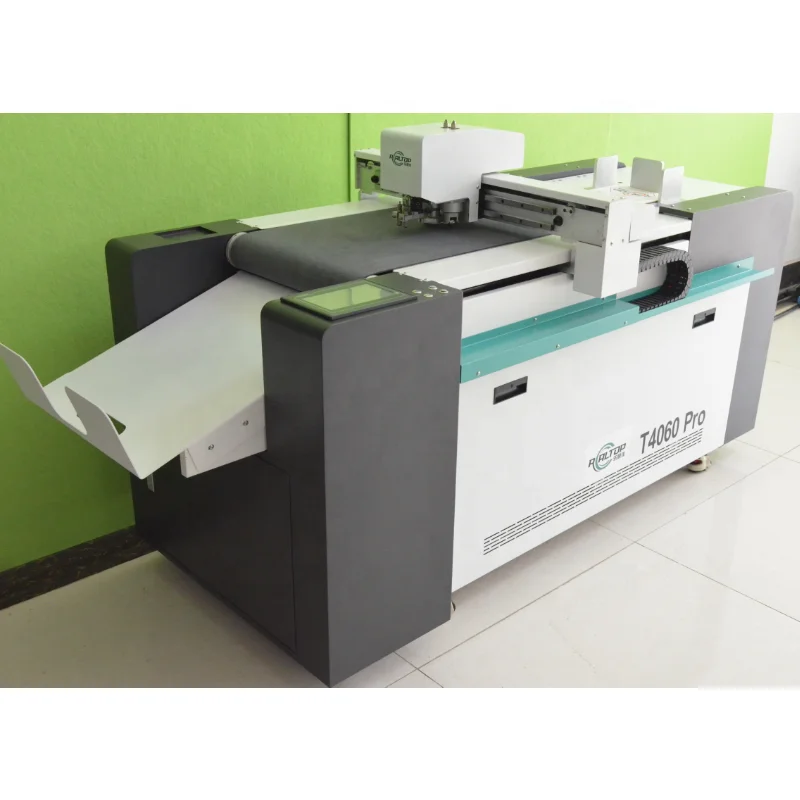
| Product Type | CNC Digital Cutting Plotter |
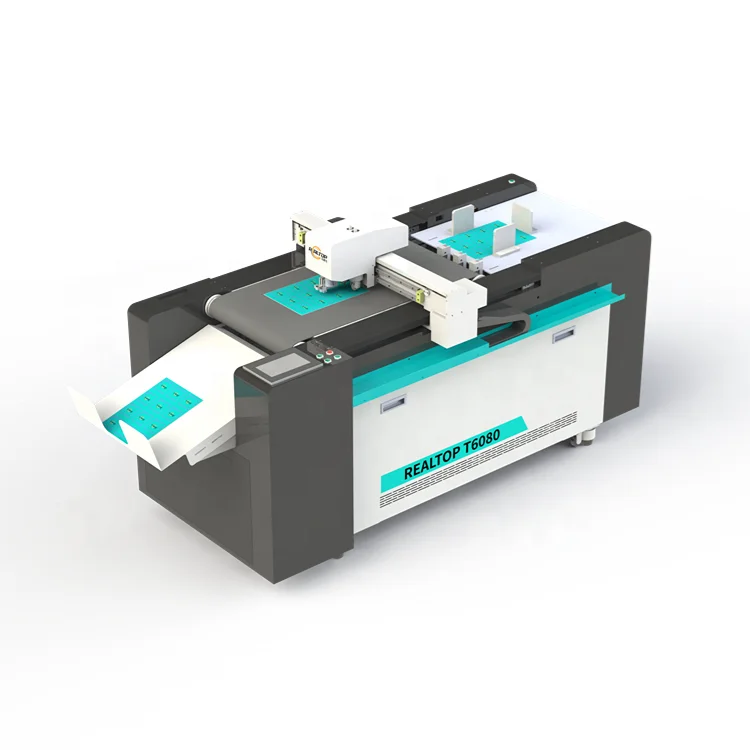
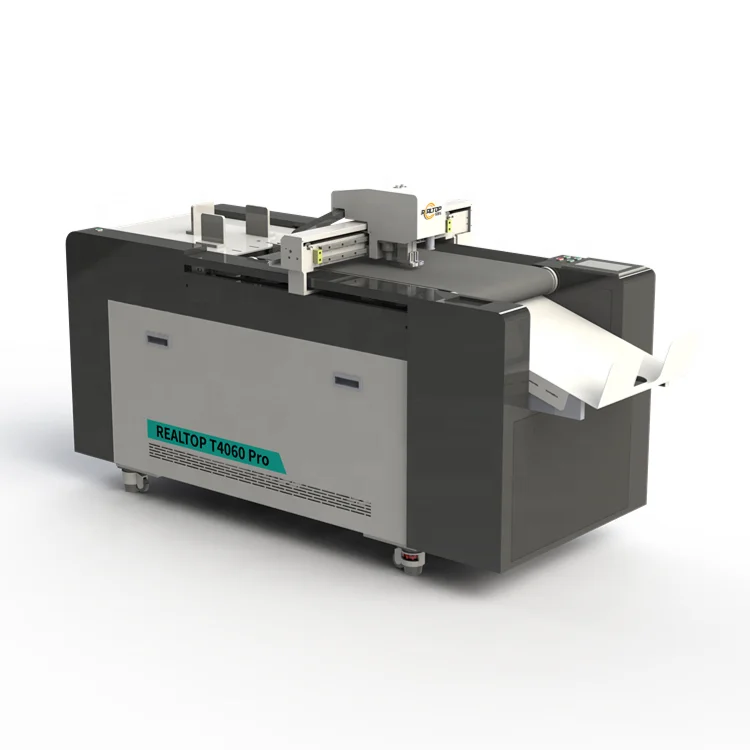
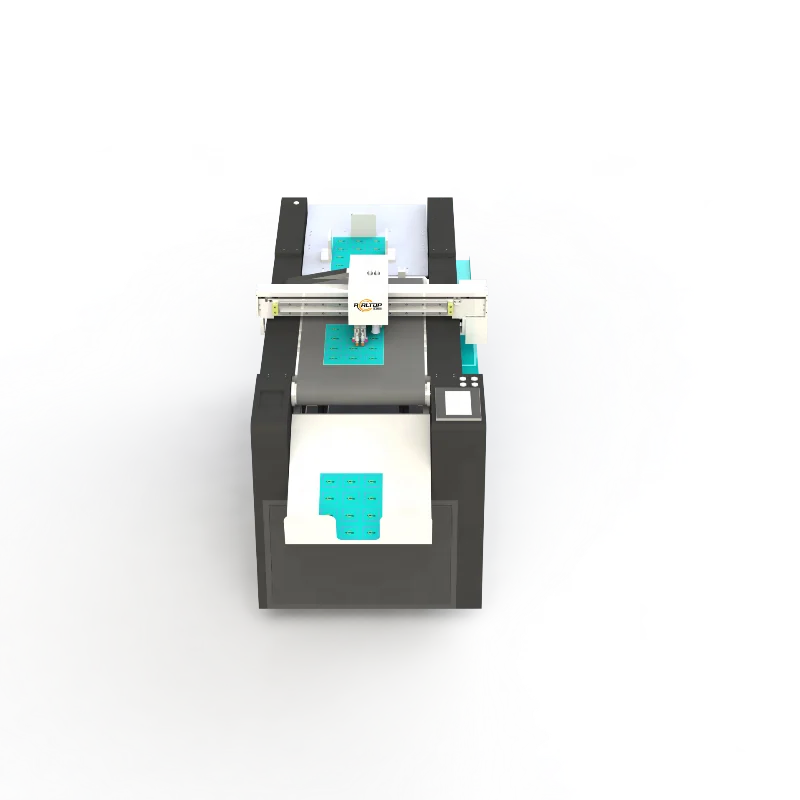
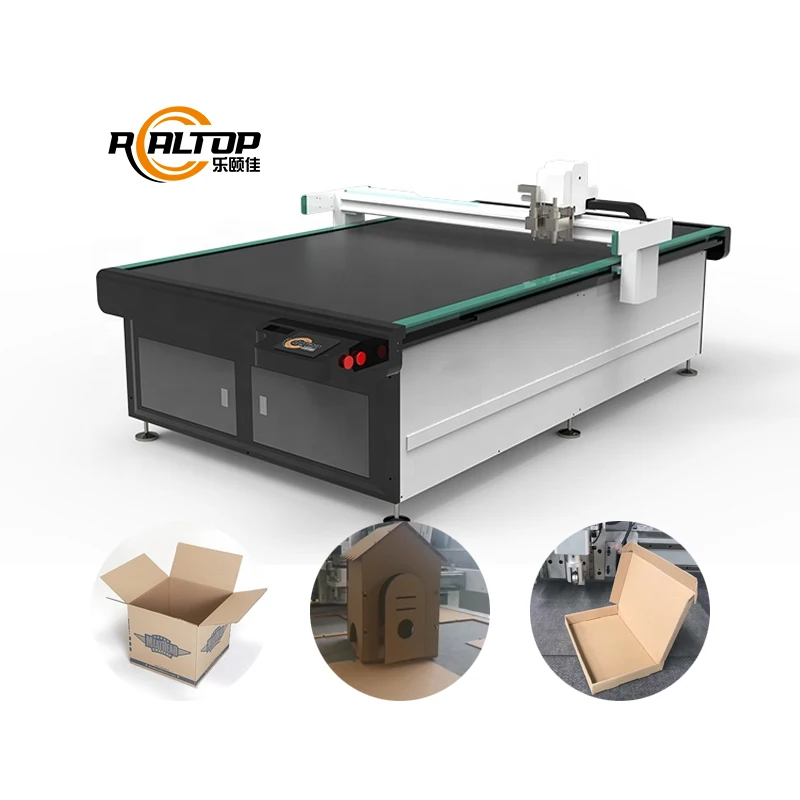
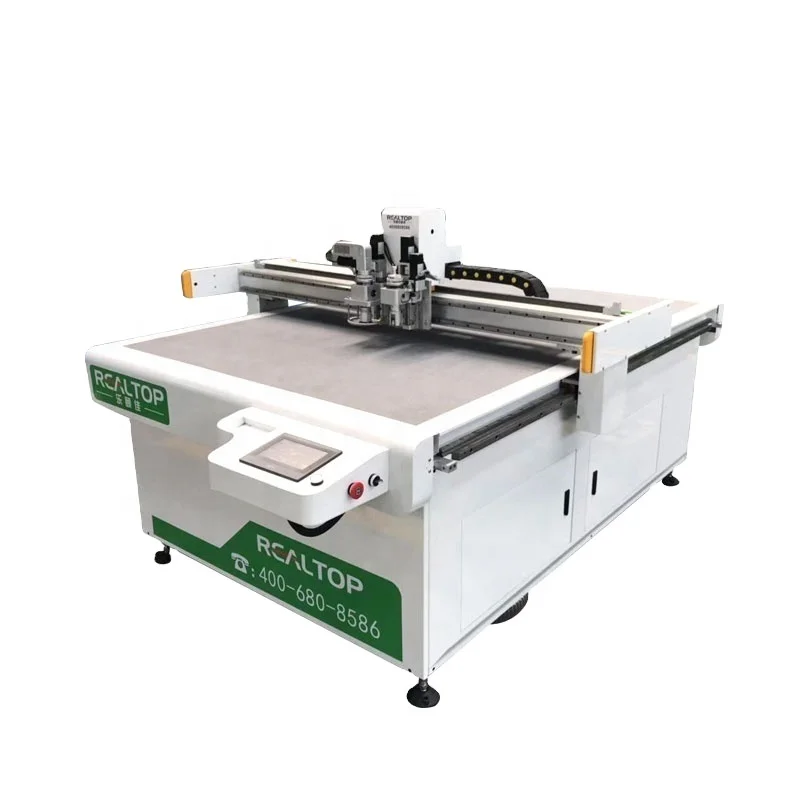
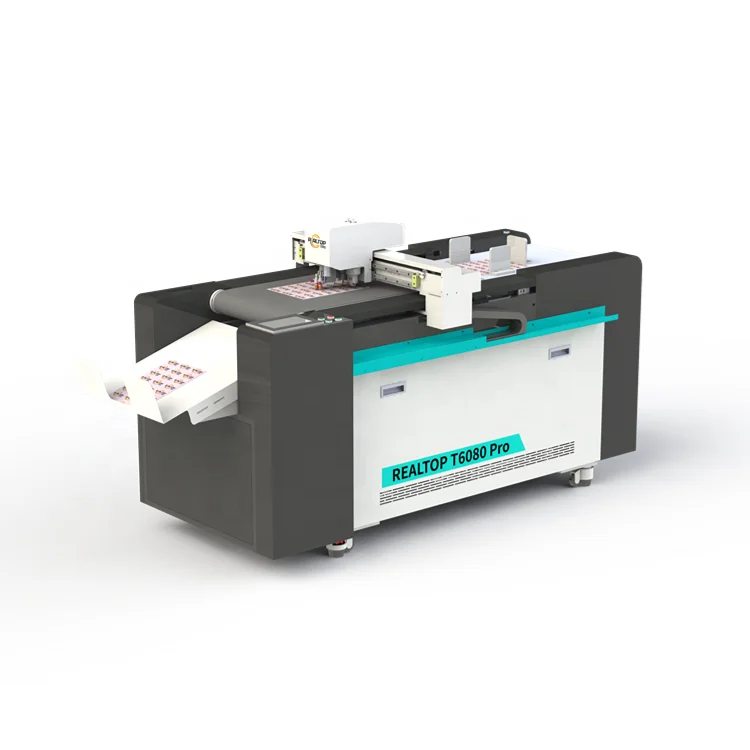
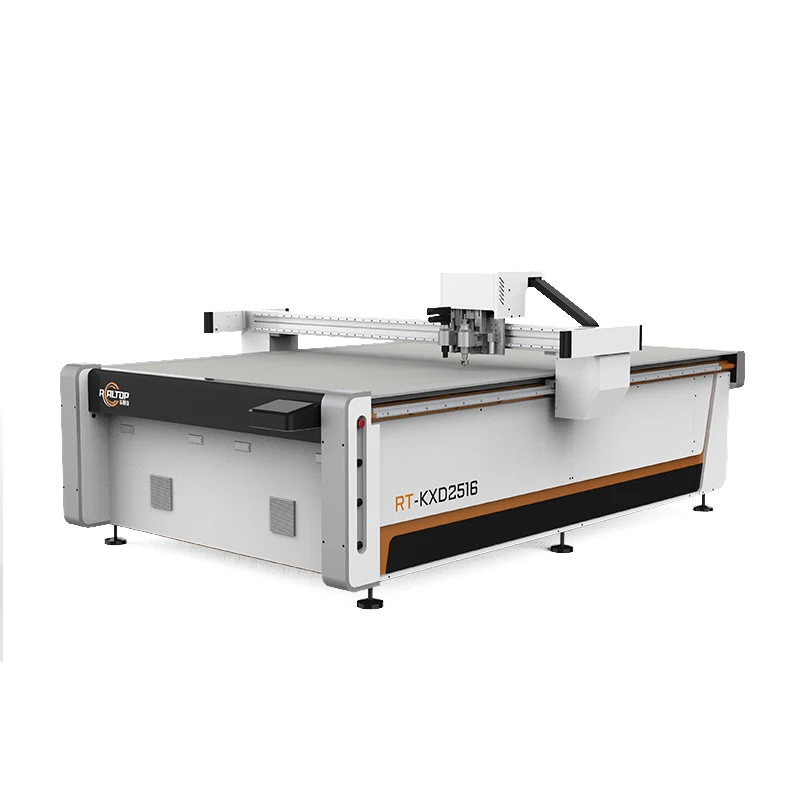
| Working Area | 400×600 / 600×800 / 900×1200 mm |
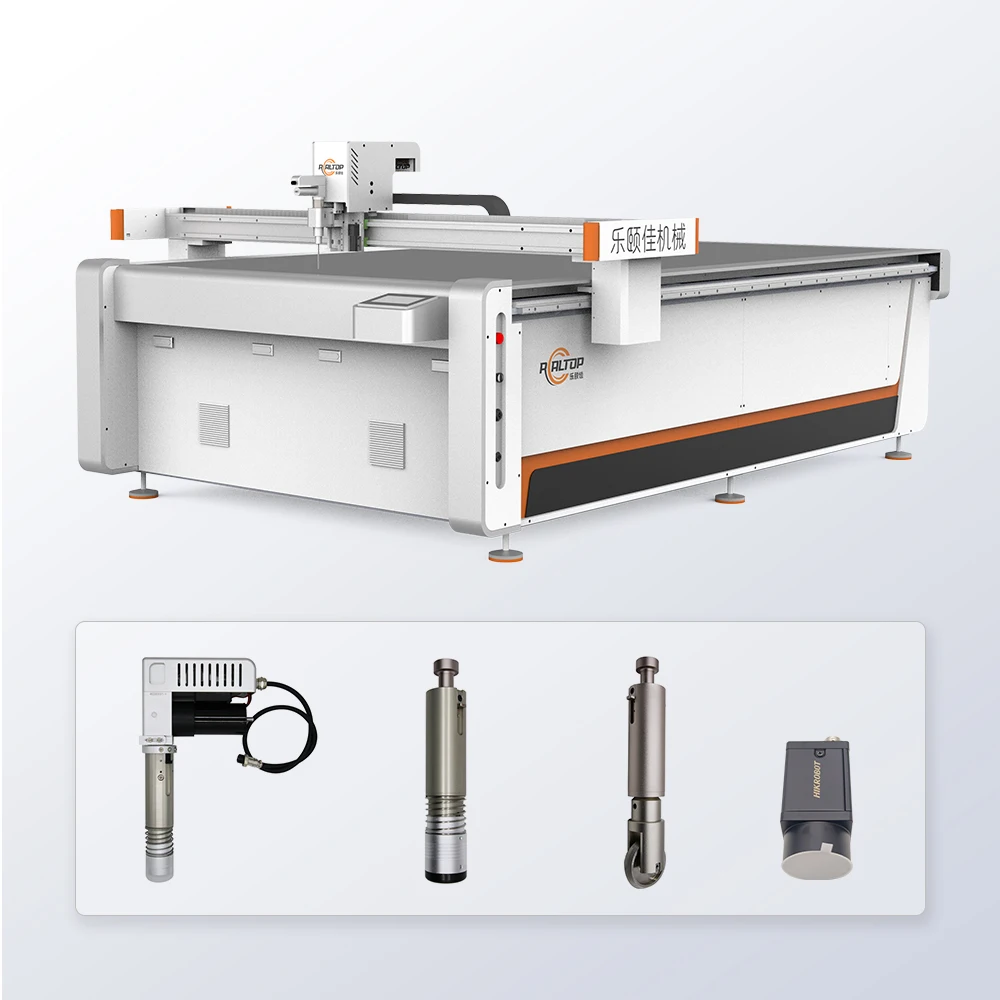
| Tool Head Options | Oscillating knife, Creasing wheel, Kiss cutting tool, CCD camera, Marking pen |
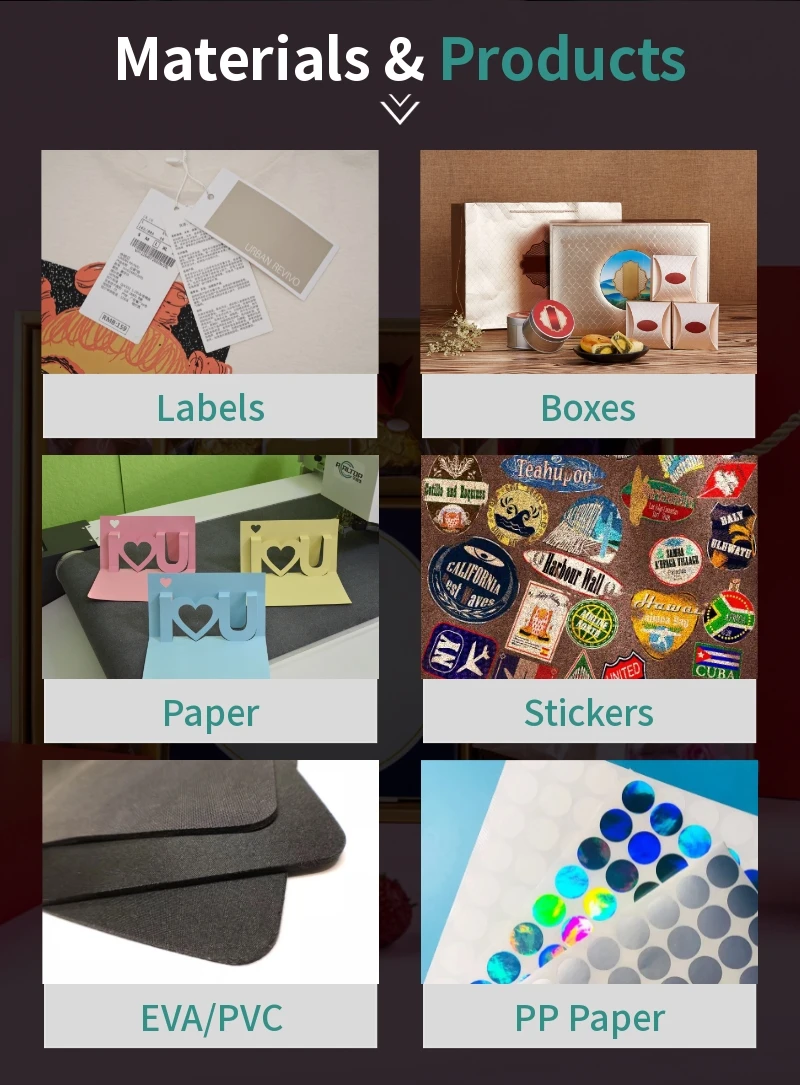
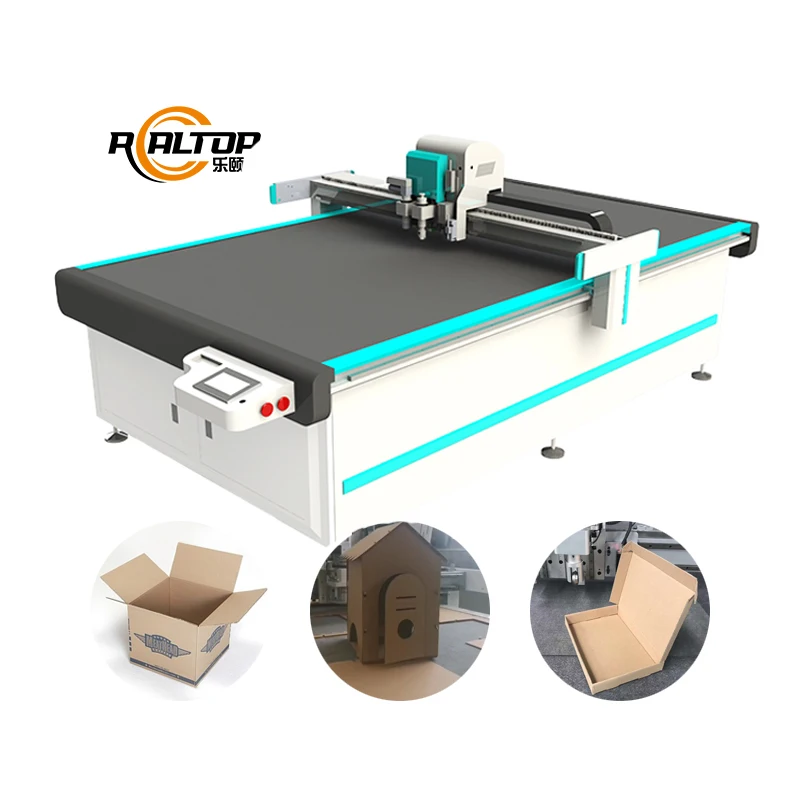
| Applicable Materials | Cardboard, Printed Carton, Cardstock, Leather, Paper, Vinyl sticker |
| Cutting Speed | 0–1500 mm/s |
| Cutting Thickness | ≤ 20mm (basis not stated in source — confirm material type and density) |
| Cutting Accuracy | ±0.1 mm |
| Positioning Accuracy | ±0.1 mm repeat positioning |
| Vacuum Pump Power | 2.5 kW / 3.2 kW |
| Voltage Options | 110V, 220V |
| Supported File Formats | PLT, DXF, AI, PDF |
| Safety Devices | Infrared sensor device, Emergency stop device |
| Language Options | English, Russian, Italian, Chinese (custom languages available) |
| Control Interface | USB / direct drive / computer control |
| Certification | CE |
Application Suitability
| Application | Material or Output |
|---|---|
| Advertising and signage production | Vinyl stickers, car decals, window clings, printed graphics contour cutting |
| Packaging and carton sampling | Cardboard, printed carton, cardstock short-run prototypes and structural mock-ups |
| Craft and cultural design | Paper-cut lamps, leather bookmarks, 3D greeting cards from cardstock and leather |
| Light industry and gasket work | Electronic foam gaskets, small-batch packaging sampling, teaching aids and templates |
Why the Material Question Comes Before the Working Area
Most buyers lead with sheet size, then discover the chosen CNC digital cutting plotter manufacturer configuration cannot produce clean edges on their actual substrate. A plotter rated on working area alone tells you nothing about how it handles the thickness, density and fiber structure of the material on your production table.
I once reviewed a case where a buyer specified a 600×800 mm table for single-layer vinyl, then switched to multi-layer composite gasket stock without re-evaluating the tool head. The oscillating knife that sliced through vinyl at full speed left ragged, crushed edges on the denser composite. Production slowed because the operator had to run multiple passes and manually clean each cut path. [NEED_CITE: relationship between tool head oscillation frequency and material fiber structure in digital knife cutting]
When the cutting thickness spec is listed without a material-type basis, the number means very little in practice. A 20 mm foam board and a 20 mm leather stack behave entirely differently under the same blade. Verifying edge quality on the buyer’s own material before order confirmation removes the guesswork.
Tool Head Selection per Substrate
The plotter platform supports five tool head options — oscillating knife, kiss cutting tool, creasing wheel, marking pen, and CCD camera — each suited to different material families. An oscillating knife vibrates at high frequency to shear through fibrous and compressible substrates like cardboard, leather and foam without dragging or crushing the edge. A kiss cutting tool scores through the face layer of a vinyl sticker while leaving the backing intact, which is essential for decal and label production where the liner must stay continuous for dispensing.
Choosing the right head at the quoting stage means the buyer does not have to compromise on edge quality or slow the feed rate to compensate for the wrong tool. The CCD camera option adds registration mark recognition for contour cutting of pre-printed graphics, aligning the cut path to the printed image rather than relying on theoretical sheet positioning.
Vacuum Zoning and Small-Part Hold-Down
Vacuum pump options of 2.5 kW and 3.2 kW provide suction through the table surface to clamp flat materials during cutting. On compact-format tables in the 400×600 to 900×1200 mm range, zoning becomes important because a full-sheet vacuum zone will not generate sufficient hold-down force on small offcut pieces near the edge of a nesting layout. [NEED_CITE: vacuum table zoning strategies for small-part retention in flatbed digital cutting]
If the vacuum zones are not matched to the typical part geometry in the buyer’s file library, small cardboard or vinyl pieces can lift during high-speed passes, producing dimensional drift or forcing the operator to reduce the feed rate. Specifying zone layout based on the buyer’s average part size, rather than accepting a default full-area zone, prevents this production bottleneck.
What ±0.1 mm Repeat Positioning Means at the Cut Table
Repeat positioning accuracy of ±0.1 mm governs how closely the machine returns to the same coordinate after a tool change or a pause-restart cycle. For intricate fonts, curved script lettering on vehicle graphics, or interlocking puzzle templates cut from cardstock, a positioning error beyond this tolerance shows up as visible stepping at the start-end join of a closed contour path.
The control interface accepts PLT, DXF, AI and PDF files directly, so the vector coordinates generated in the buyer’s design software translate to motion commands without an intermediate conversion step that could introduce rounding error. When the file format is compatible from the outset, the positioning spec on the data sheet matches what appears on the finished piece. [NEED_CITE: file format fidelity in vector-to-motion translation for digital cutting systems]
The Cost of Skipping Material-Specific Configuration
When the tool head is chosen on price rather than material behavior, the consequences surface after the machine arrives. A drag knife forced through corrugated cardboard leaves torn fibers at flute crossings. A creasing wheel set to the wrong pressure on coated cardstock cracks the print layer instead of producing a clean fold line. These are not machine failures — they are specification mismatches that no amount of operator adjustment can correct on the shop floor.
The vacuum pump may be adequate for full-sheet leather hides but insufficient for nested small-format sticker layouts, causing lift and scrap. Software that cannot import the buyer’s existing nesting workflow forces manual re-drawing, adding time to every job. [NEED_CITE: cost of rework caused by incorrect tool and vacuum specification in digital cutting procurement]
Why Source This Platform Here
In-house design covers both the knife tooling and the table structure, so the tool head recommendation is based on the buyer’s material test rather than a fixed catalogue entry. Sample cutting on the buyer’s own substrate, with a written cutting report documenting edge quality and dimensional accuracy, runs before the order is confirmed.
Voltage, plug type and control language are locked in during the specification stage, so the machine arrives wired for the destination market with the operator interface in the required language. Software file format compatibility — PLT, DXF, AI, PDF — is verified against the buyer’s existing design and nesting workflow before production begins. The tool head and vacuum table configuration list is specified per material type and typical production volume, not assigned as a default package.
Documentation & Verification
- Machine specification sheet listing confirmed working area, tool heads and vacuum pump rating
- Electrical schematic and voltage confirmation matching destination market requirements
- Tool head and table configuration list specified per buyer material and production volume
- Sample cutting report on buyer’s own substrate with edge quality and accuracy measurements
- Software licence and file format compatibility note for PLT, DXF, AI and PDF workflows
- Factory test record documenting positioning accuracy and safety device function before dispatch
Installation, Commissioning & Support
- Table leveling on a rigid, vibration-damped floor within the 400×600 to 900×1200 mm footprint range
- Dedicated circuit matching confirmed 110V or 220V supply with appropriate breaker rating for the 3.2 kW vacuum pump
- Vacuum zone configuration and suction verification on the buyer’s typical sheet material at first power-on
- Oscillating knife frequency and depth setting calibrated to the buyer’s specific material thickness and density
- Operator training on CCD registration mark setup, tool head changeover and emergency stop procedures
- Spare parts list covering oscillating blades, kiss cutting tips and vacuum table seals with reorder references
What to Include with Your Inquiry
Send the material type, maximum sheet size, typical thickness range and the file formats your design team currently uses. If your workflow involves contour cutting of pre-printed graphics, include a sample printed sheet with registration marks so the CCD camera configuration can be validated against your actual print registration tolerance. Specify the destination voltage, frequency and preferred control language so the electrical and interface build is confirmed before production scheduling.
Frequently Asked Questions
Q: How is cutting thickness capability verified for my specific material and density?
A: The ≤ 20 mm figure on the data sheet does not account for material composition. We run a sample cut on your actual substrate at your production thickness and issue a cutting report showing edge quality and dimensional accuracy before the order is confirmed.
Q: Which tool head should I choose for my material — oscillating knife, drag knife or kiss cutting?
A: It depends on fiber structure and whether the backing must remain intact. Oscillating knife suits fibrous and compressible materials, kiss cutting is for vinyl face-layer scoring, and creasing wheel handles fold-line work on cardstock. We specify based on your sample test.
Q: How is voltage, plug type and control software language confirmed before shipment?
A: These are locked during the specification confirmation stage. You provide the destination market voltage, frequency, plug standard and preferred interface language, and the electrical build and operator display are configured to match before the machine leaves the factory.
Q: Can the machine import my existing design files without conversion?
A: The control system reads PLT, DXF, AI and PDF natively. Before order, we verify compatibility with a file from your current design and nesting workflow to confirm that vector paths, layer assignments and dimensions import without manual re-drawing.
Q: What does the sample cutting process look like before I place an order?
A: You send a representative piece of your production material. We run it on the configured tool head and vacuum table, then provide a cutting report with edge photographs, measured dimensions and recommended feed settings, so you evaluate real output before committing.
You may also like

商品评价
Clear filtersThere are no reviews yet.