


-
 Courier delivery
-
 DHL Courier delivery
-
 Warranty 1 year
-
 Free 30-Day returns

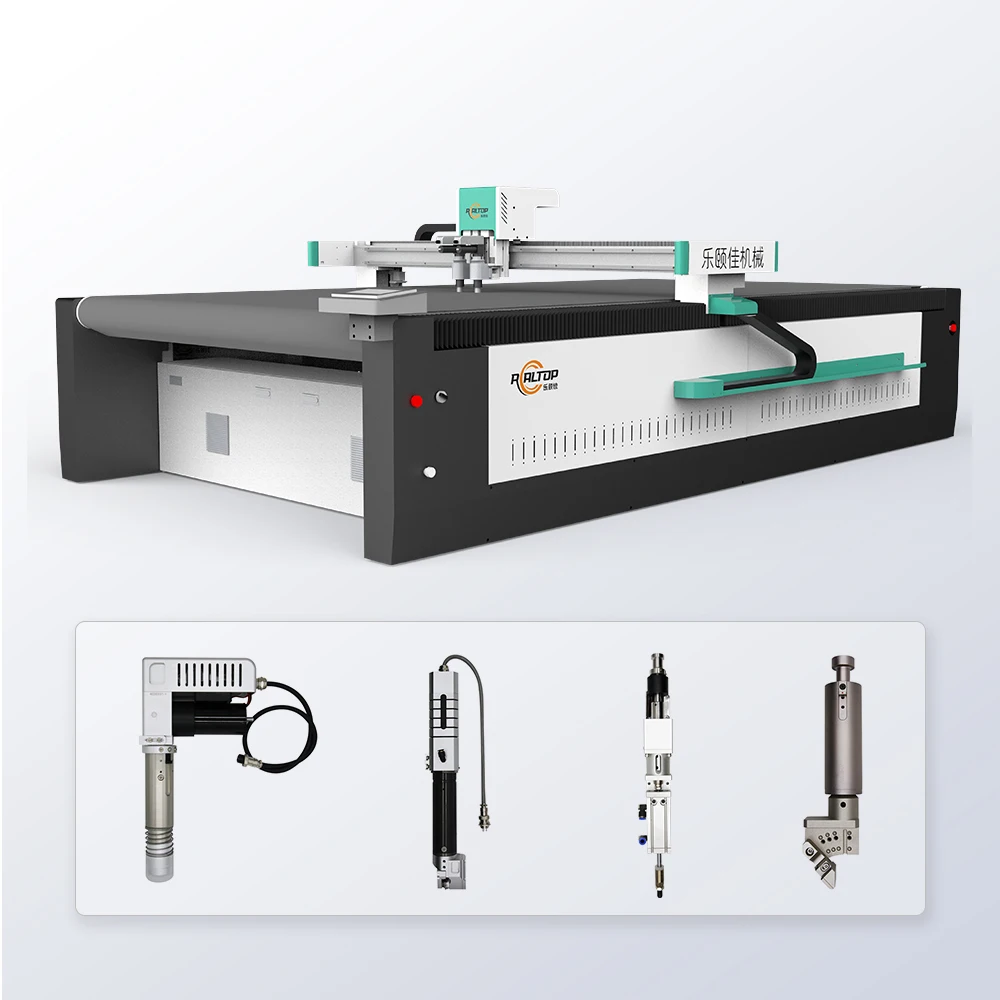
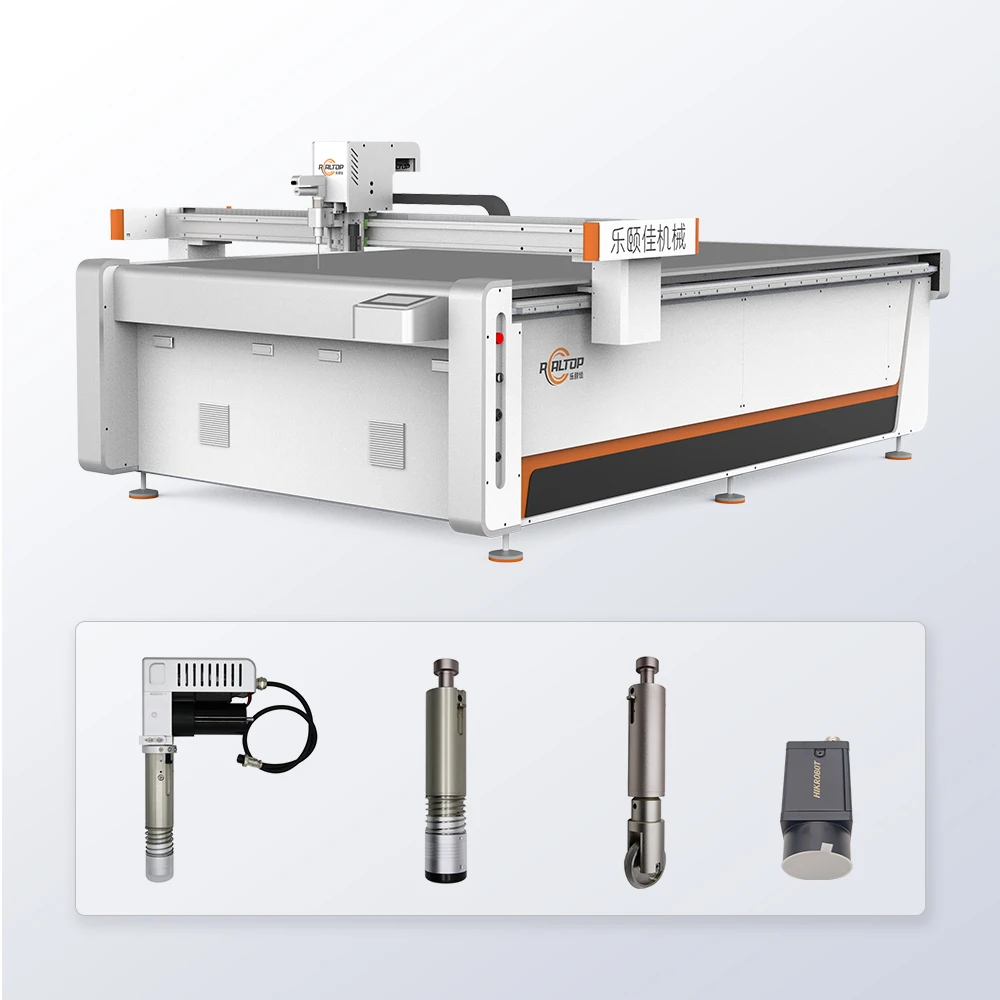
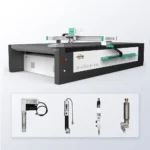
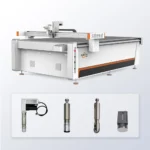
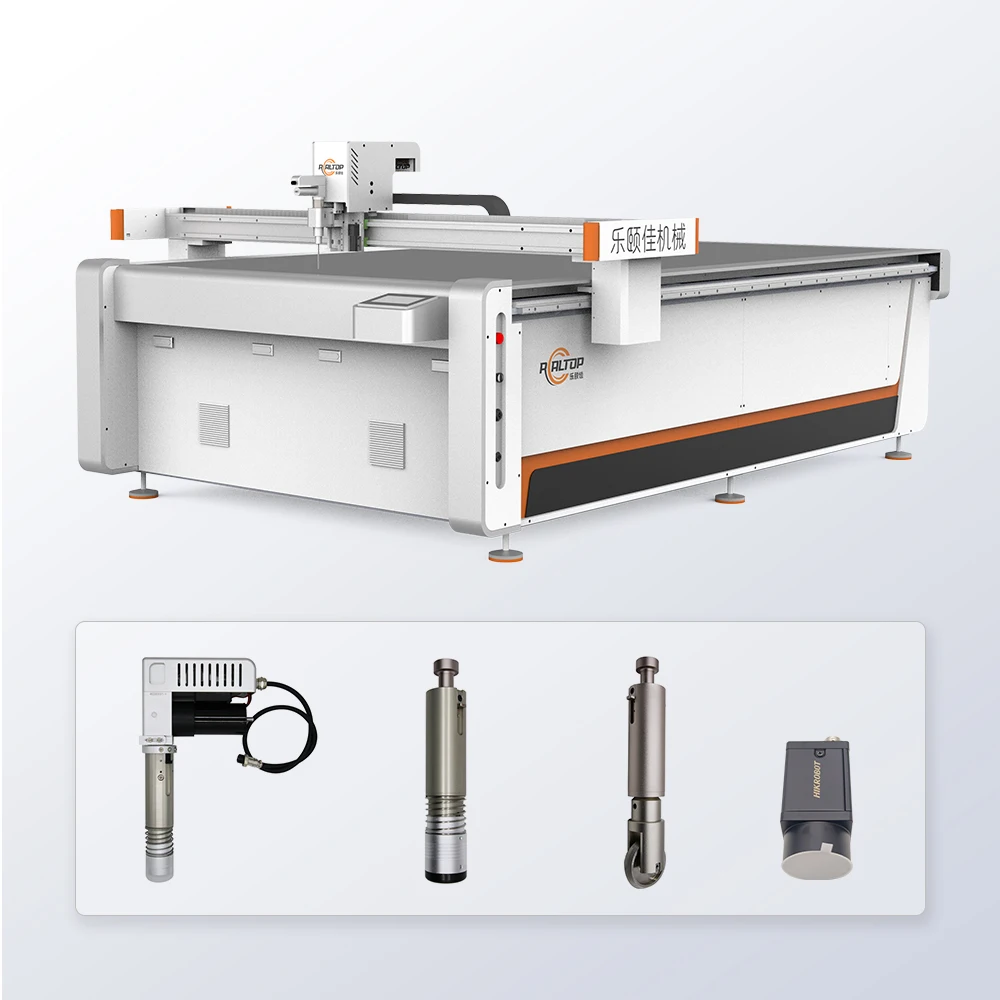
Tool Head Matched to Material — Our in-house engineering team configures oscillating, rotary, and pneumatic knife assemblies specifically for each buyer’s gasket or composite stack, eliminating edge defects before the machine leaves the factory.
Technical Specifications
| Parameter | Value |
|---|---|
| Model | 1625 |
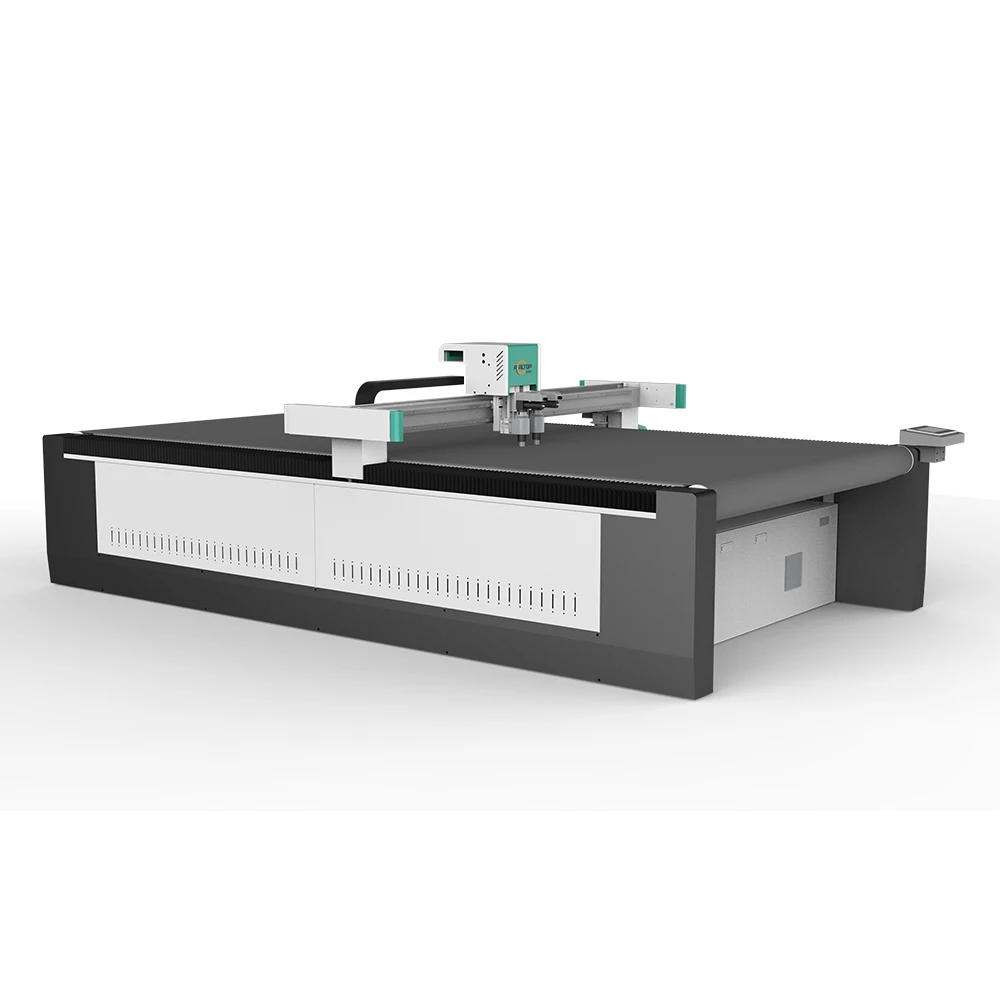
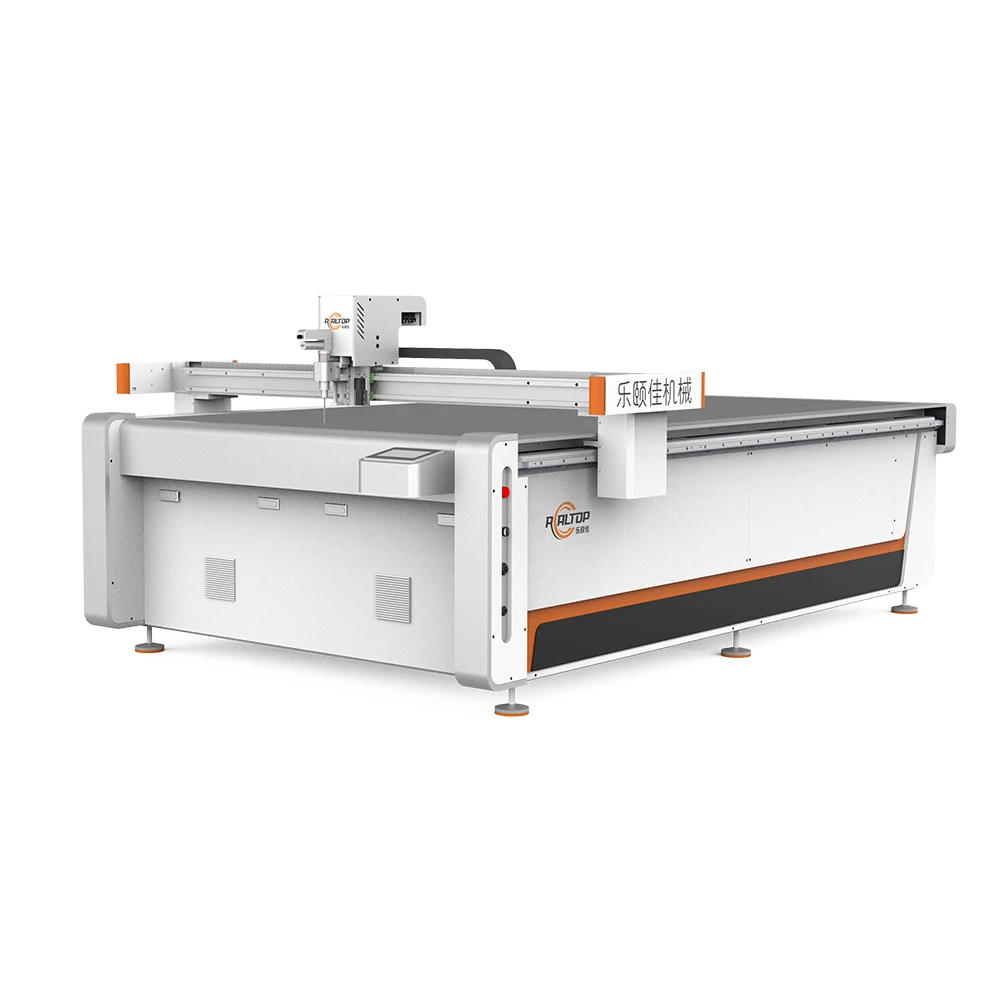
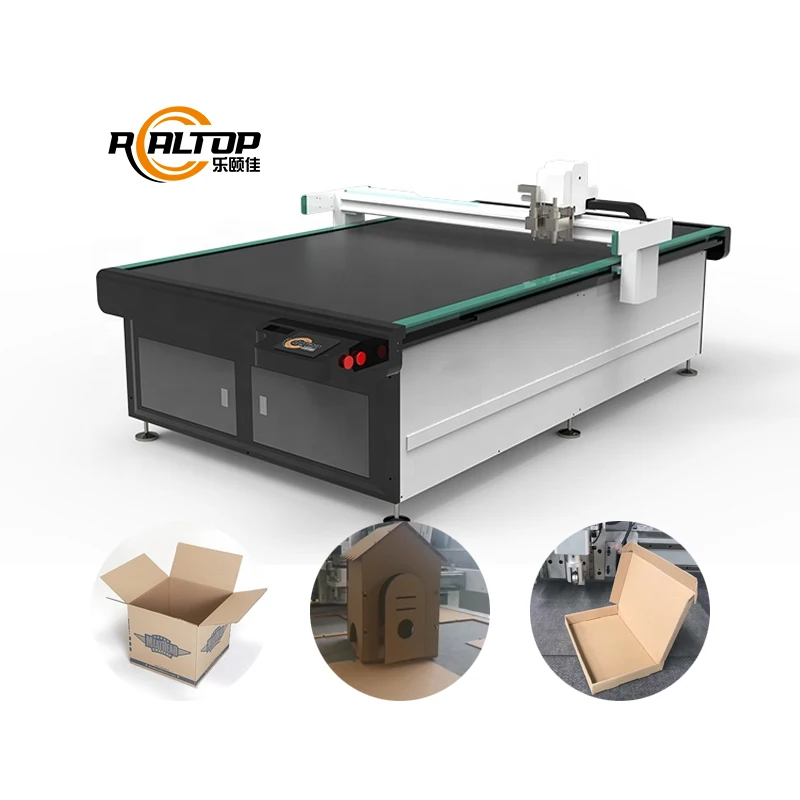
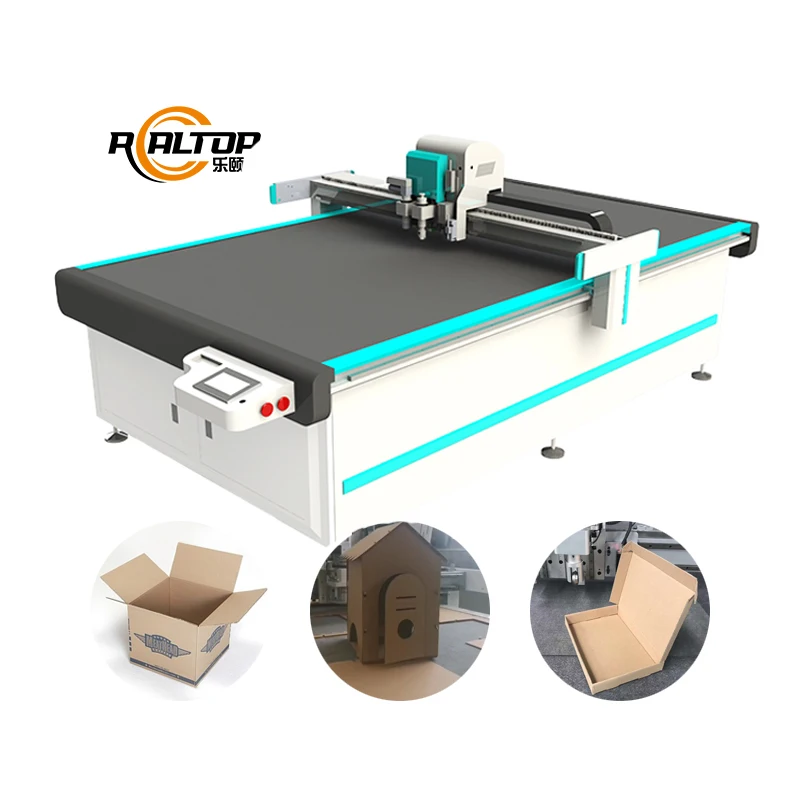
| Product Type | CNC Oscillating Knife Cutting Machine |
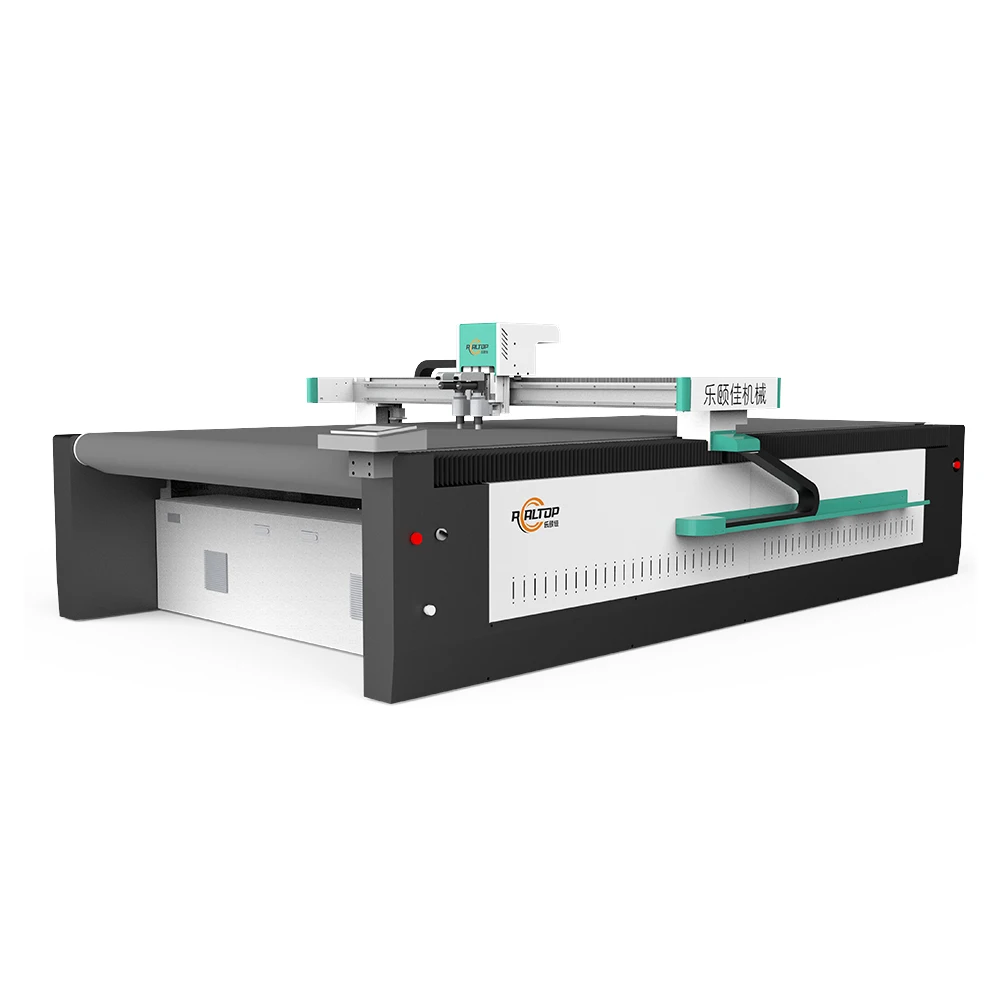
| Working Area | 1600 × 2500 mm |
| Tool Head Options | Oscillating knife, Driven rotary knife, Creasing wheel, Kiss cutting tool, Pneumatic knife, Milling tool, V groove knife |
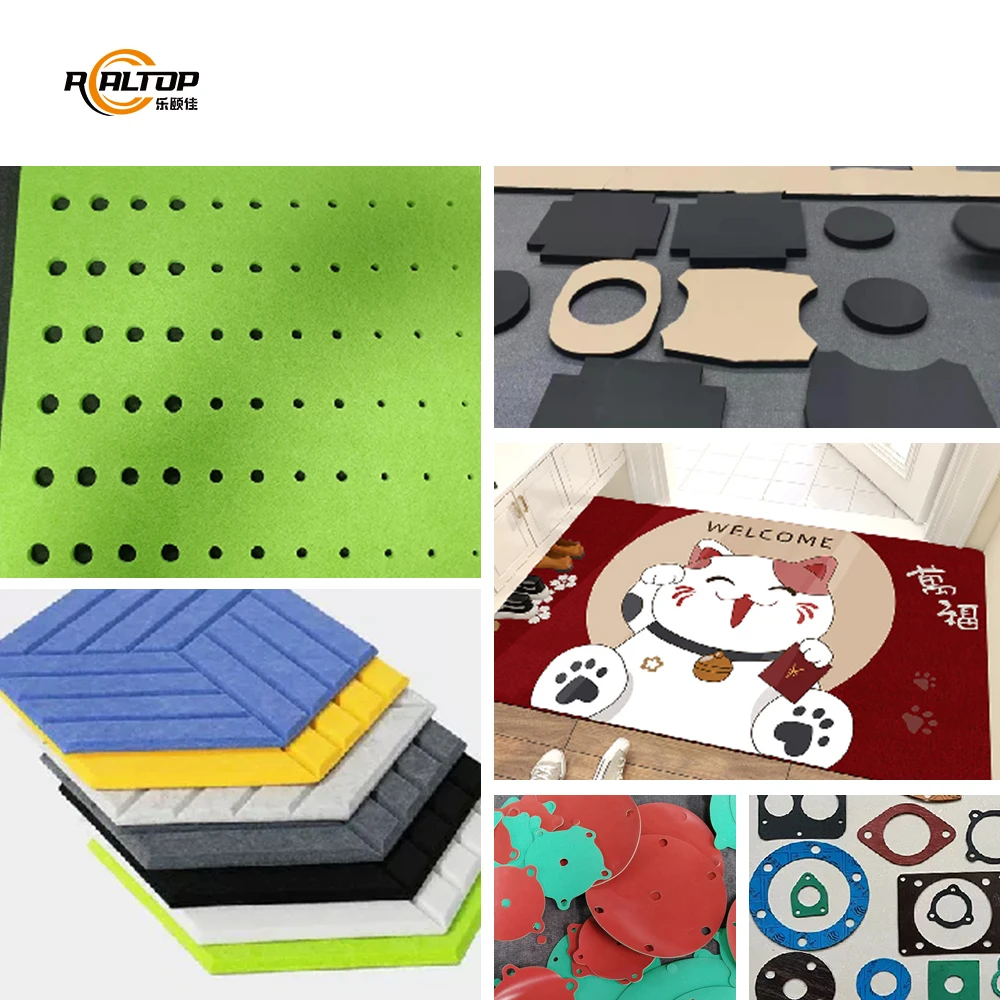
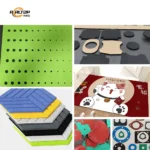
| Applicable Materials | Fabric, Cardboard, PVC, EVA, Leather, Foam, PTFE, Rubber, Carbon fiber prepreg, Aramid honeycomb, Fiberglass cloth, G10 epoxy boards |
| Cutting Speed | 0 – 2000 mm/s |
| Cutting Thickness | ≤ 30 mm (basis not stated in source — confirm material type and density) |
| Cutting Accuracy | ± 0.1 mm |
| Vacuum Pump | 9 kW |
| Voltage Options | 110 V, 220 V, 380 V (frequency to be confirmed per market) |
| Control System | PLC control panel |
| File Formats | PLT, DXF, AI, PDF |
| Safety Devices | Infrared sensor device, Emergency stop |
| Machine Dimensions (L × W × H) | 3300 × 2100 × 1350 mm |
| Servo Drive Options | Panasonic, Delta, Dorna (rated or peak not specified in source) |
| Vacuum Table | Aluminum bellows vacuum table |
| Software Language Options | English, Russian, Italian, Chinese (custom languages available) |
| Machine Frame | Heavy-duty frame with precision-ground surface |
| Certifications | CE |
Application Suitability
| Application | Material or Output |
|---|---|
| Aerospace gasket and insulation cutting | Carbon fiber prepreg, aramid honeycomb, ceramic fiber blankets, thermal and acoustic insulation foam |
| Automotive interior and sealing production | Carbon fiber covers, FRP panels, acoustic felt, damping pads, composite sealing strips |
| Wind energy component fabrication | Fiberglass cloth, vacuum infusion mesh, PET and PVC foam core, battery insulation sheets |
| Sporting goods composite processing | Carbon fiber sheets, Kevlar fabric, high-performance structural foam |
Why the Right Tool Head Matters More Than the Working Area
Many buyers select a flatbed cutter based solely on bed size, only to find the knife assembly cannot handle their actual material composition. Specifying the tool head against the real material stack is the single step that separates a production-ready gasket cutter from an expensive workshop ornament.
A buyer cutting aramid honeycomb at production speed needs a different blade geometry and oscillation frequency than one processing soft PTFE sheets. When the wrong head is fitted, edges come out ragged, delamination appears on layered composites, and operators spend more time on secondary trimming than on actual cutting. I have watched graphite gasket lines stall because a standard blade met an unexpected metal-reinforced layer and chipped within hours [NEED_CITE: tooling wear patterns on reinforced gasket materials]. The CNC oscillating knife cutting machine manufacturer must verify blade type, stroke, and feed rate on the buyer’s own sample before the configuration is locked in.
Cold-Cutting Process Protects Resin-Based Composites
Thermal cutting methods introduce heat-affected zones that weaken resin matrices in carbon fiber prepreg and G10 epoxy boards. The oscillating knife on the 1625 cuts at ambient temperature, preserving the mechanical properties of the composite. Edge surfaces remain free of charring and delamination, which matters when aerospace gaskets must pass strict visual and dimensional inspection. The CNC oscillating knife cutting machine manufacturer builds this cold-cutting capability into the base platform so composite processors do not need secondary edge finishing.
Vacuum Zoning and Table Flatness for Thin Sheet Stability
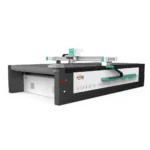
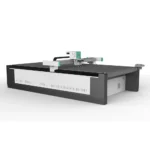
Thin composite sheets and flexible gasket materials tend to lift at the edges when vacuum hold-down is uneven. The 1625 uses an aluminum bellows vacuum table paired with a 9 kW pump, providing full-surface adsorption across the 1600 × 2500 mm bed. Zones can be configured so smaller parts remain flat even when surrounding areas are unoccupied. This matters in gasket nesting where dozens of small seals are cut from a single sheet and any lift produces dimensional drift beyond the ± 0.1 mm accuracy tolerance [NEED_CITE: vacuum zoning requirements for small-part digital cutting].
Interpreting the Specs That Affect Daily Output
The 0 – 2000 mm/s cutting speed range is achievable on straight paths through softer materials such as EVA foam and felt; intricate contours in carbon fiber prepreg require slower feed rates to maintain the ± 0.1 mm accuracy. Cutting thickness is listed at ≤ 30 mm, but this figure shifts depending on material density — a 30 mm foam sheet cuts cleanly, while 8 mm of G10 epoxy demands a different tool head and reduced speed. The PLC control panel accepts PLT, DXF, AI, and PDF files, which covers the vast majority of gasket design workflows; buyers importing niche CAD formats should confirm software compatibility before order. Servo drive options span Panasonic, Delta, and Dorna, each offering different torque characteristics suited to varying table loads and acceleration profiles. The heavy-duty frame with a precision-ground surface keeps the gantry stable over long production runs, reducing the frequency of recalibration.
The Cost of Skipping Material-Specific Configuration
When a machine arrives with a generic tool head and the buyer attempts to cut reinforced graphite or layered aramid, blade life drops to a matter of hours. The production line stops while replacement tooling is sourced, and downtime costs accumulate faster than the price difference between a standard and a specified head. Voltage mismatches create a similar problem: a 380 V machine wired into a 415 V supply without transformer adjustment will stress the servo drives, shortening their service life and voiding warranty coverage [NEED_CITE: voltage mismatch impact on servo drive lifespan]. These are not theoretical risks — they repeat across every export market where facility standards differ from the factory default.
Why Buyers Source This Machine From the Factory
In-house design covers both knife tooling and table engineering, so gasket buyers receive a system matched to their material rather than a generic platform. Every tool head and vacuum zone configuration is specified against the buyer’s actual composite stack and daily volume. Sample cutting runs on the buyer’s own material produce a documented report covering edge quality, cutting depth, and cycle time before the order is confirmed. Voltage, plug type, control language, and software format are verified against the buyer’s facility specification sheet prior to shipment. Factory test records and pre-dispatch inspection documentation accompany each machine, giving the buyer a traceable quality trail from assembly to container loading.
Documentation & Verification
- Factory test record covering cutting accuracy and edge quality on buyer’s gasket material before dispatch
- Electrical schematic confirming voltage, plug type, and frequency matched to buyer’s facility
- Tool head and vacuum table configuration list specifying blade type and zone layout per material stack
- Sample cutting report documenting edge finish, depth, and cycle time on buyer’s actual composite sheets
- Operation and maintenance manual in confirmed software language with spare parts cross-reference
- CE declaration covering machinery directive compliance for the configured tool head and safety devices
Installation, Commissioning & Support
- Floor space of at least 4000 × 3000 mm required to accommodate the 3300 × 2100 mm frame and operator access
- Dedicated circuit matching confirmed voltage (110 V, 220 V, or 380 V) with appropriate breaker rating for the 9 kW vacuum pump
- Machine ships with gantry and table separated; on-site reassembly and leveling on precision-ground base required
- First-run commissioning includes PLC parameter tuning for buyer’s specific gasket material and tool head combination
- Operator training covers file import workflow, tool head changeover, and vacuum zone activation procedures
- Spare parts list includes oscillating knife blades, drive belts, and vacuum seals with recommended reorder intervals
What to Prepare Before Requesting a Quote
Send us your gasket or composite material type, thickness range, and maximum sheet dimensions so we can select the correct tool head and vacuum configuration. Confirm your facility voltage, frequency, and preferred control language. If you run a specific nesting software or file format, share a sample file so we can verify compatibility before the order stage.
Frequently Asked Questions
Q: How is cutting thickness verified for my specific gasket material?
A: We run a sample cutting test on your actual material before the order is finalized. The test covers the full thickness range you specify, and the resulting report documents edge quality, achievable depth, and cycle time. This ensures the configured tool head and feed rate are matched to your real production conditions rather than generic catalog values.
Q: Which tool head works best for my composite or gasket material?
A: Soft foams and fabrics typically suit the oscillating knife, while reinforced composites and thicker rubber gaskets may require the pneumatic or driven rotary knife. We select the tool head based on your material composition and production volume, and the recommendation is confirmed through sample cutting before the machine is built.
Q: What electrical and language options are confirmed before shipment?
A: Voltage (110 V, 220 V, or 380 V), plug type, and frequency are confirmed against your facility specification. Control panel language is set to your preference from available options including English, Russian, Italian, and Chinese. An electrical schematic reflecting the confirmed configuration ships with the documentation package.
Q: Can the 1625 handle both soft composites and rigid boards?
A: Yes. Switching between soft materials like fiberglass cloth and rigid sheets such as G10 epoxy or carbon fiber prepreg requires changing the tool head and adjusting cutting parameters. The machine accepts multiple tool head types, and the PLC stores separate parameter sets for each material so changeover is straightforward on the shop floor.
Q: What documentation and support come with the machine?
A: Every shipment includes the factory test record, sample cutting report, electrical schematic, tool head configuration list, operation manual, and spare parts list. After delivery, our team supports installation, commissioning, and operator training. Remote troubleshooting is available for PLC and software issues during the warranty period.
You may also like

商品评价
Clear filtersThere are no reviews yet.