



-
 Courier delivery
-
 DHL Courier delivery
-
 Warranty 1 year
-
 Free 30-Day returns

Integrated Knife and Laser Engineering — Our in-house design team develops both oscillating knife and laser cutting platforms, allowing packaging producers to select the precise cutting method for their specific board stock rather than adapting to a single-technology machine.
Technical Specifications
| Parameter | Value |
|---|---|
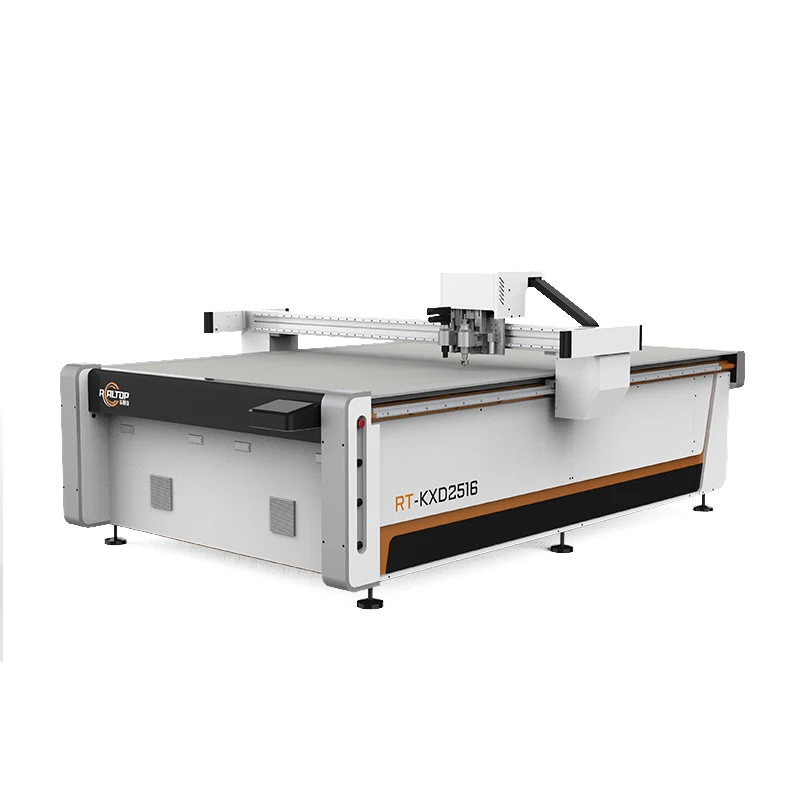
| Model | 1625 |
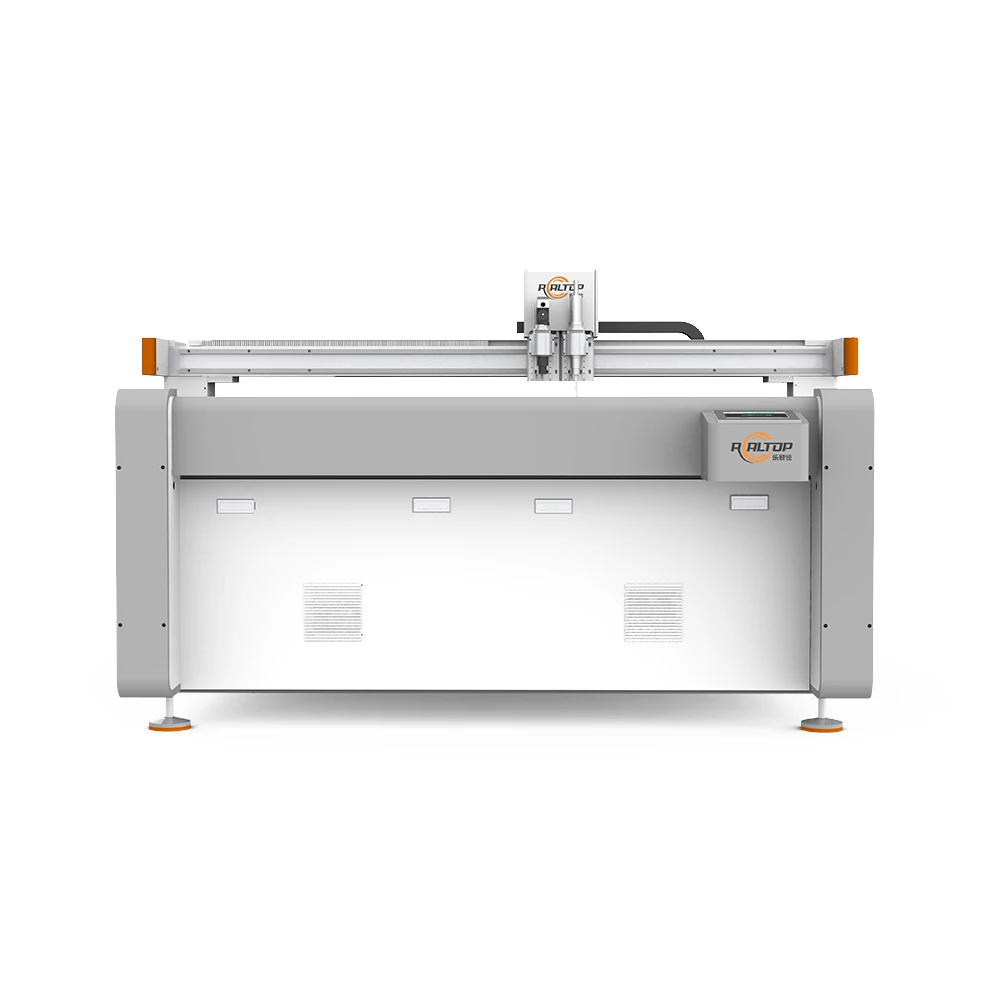
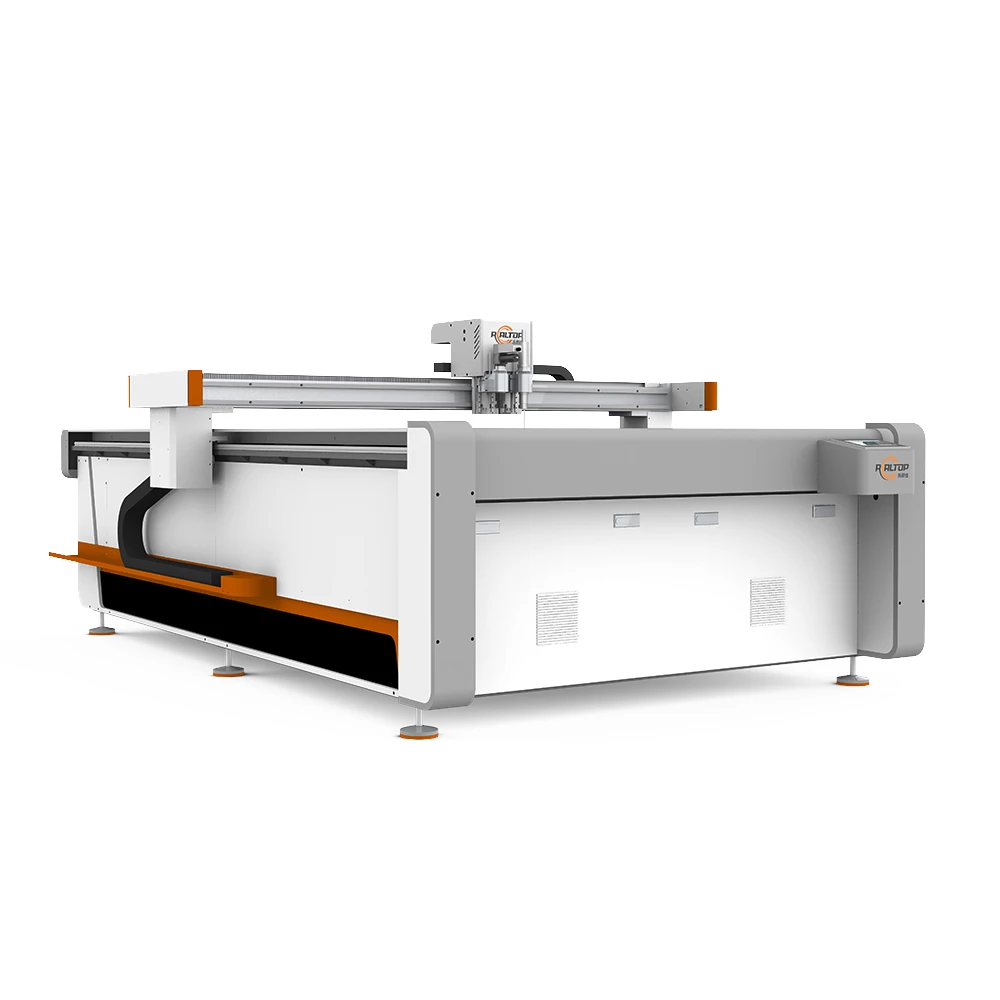
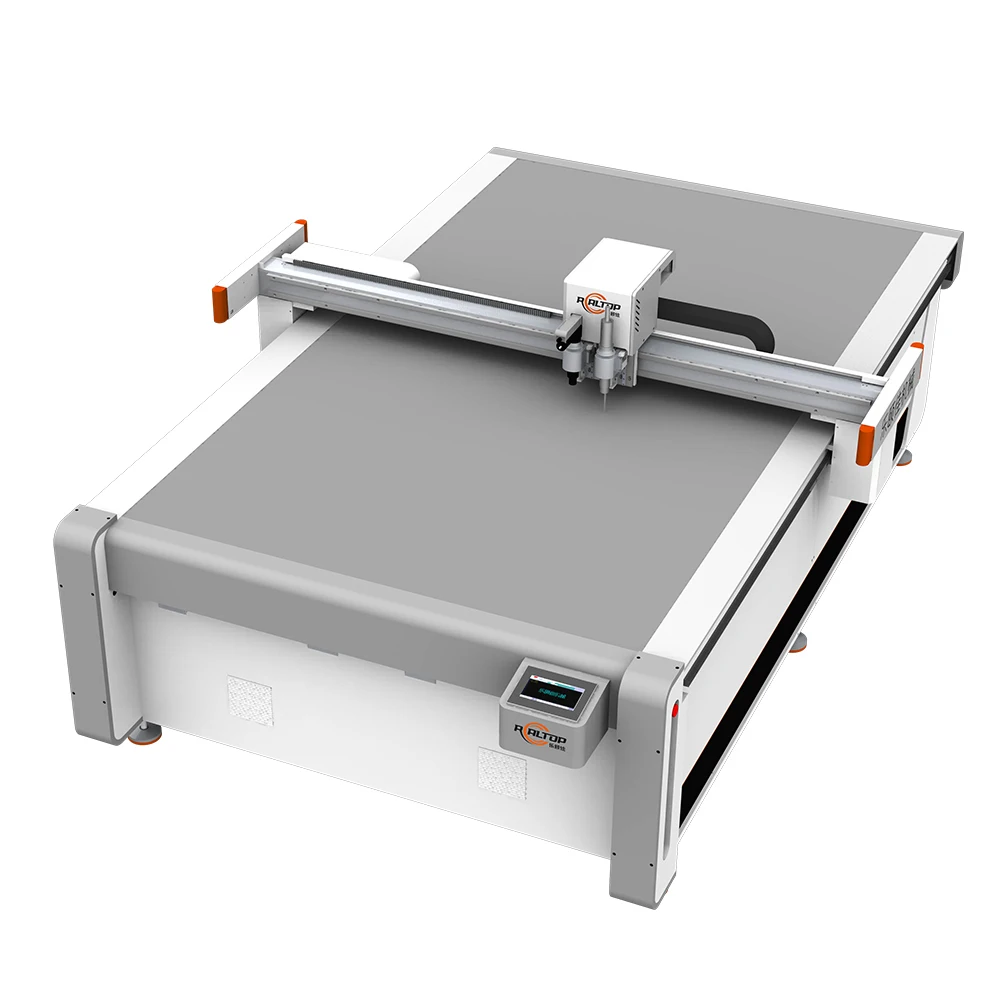
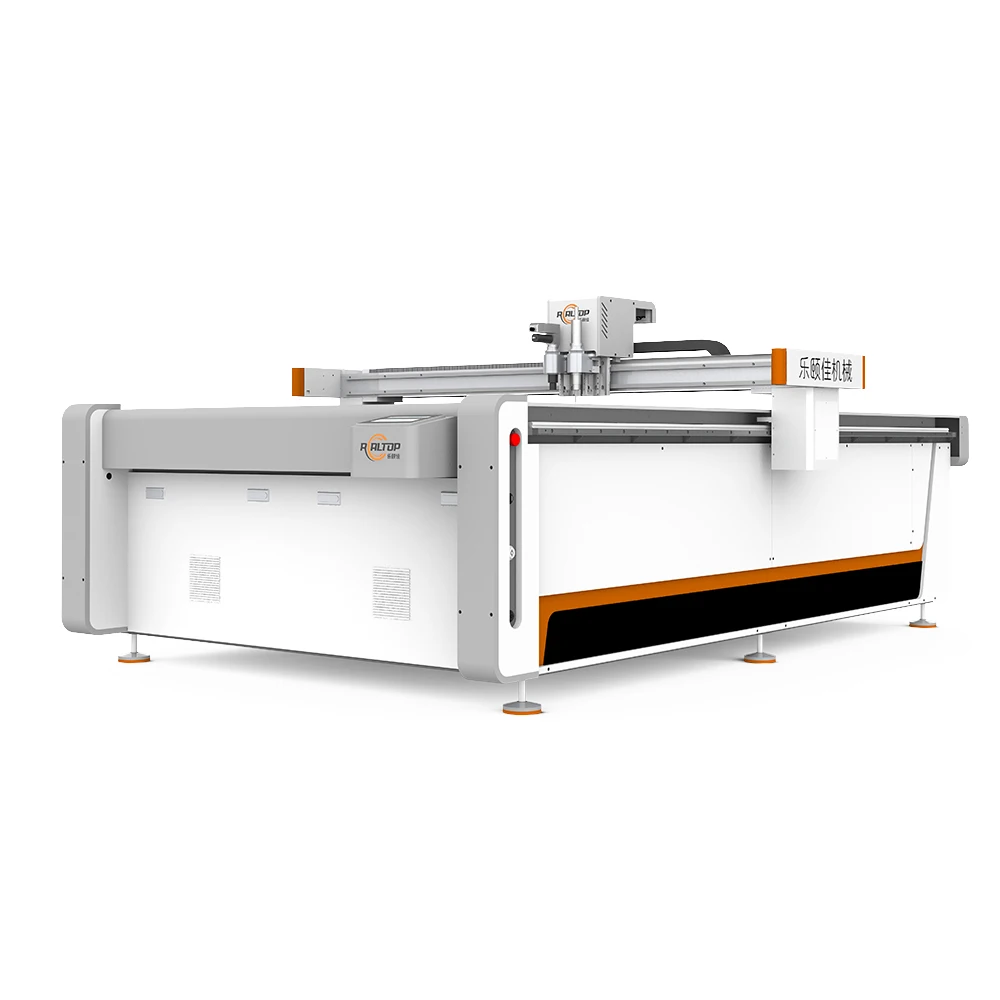
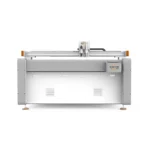
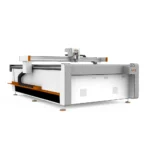
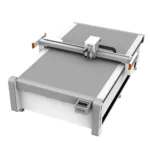
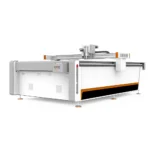
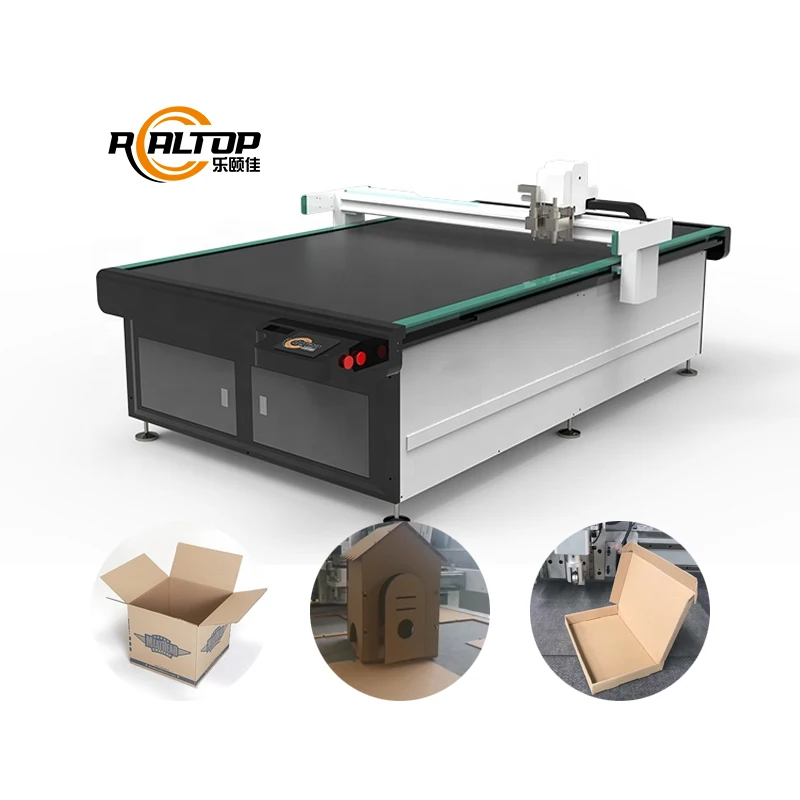
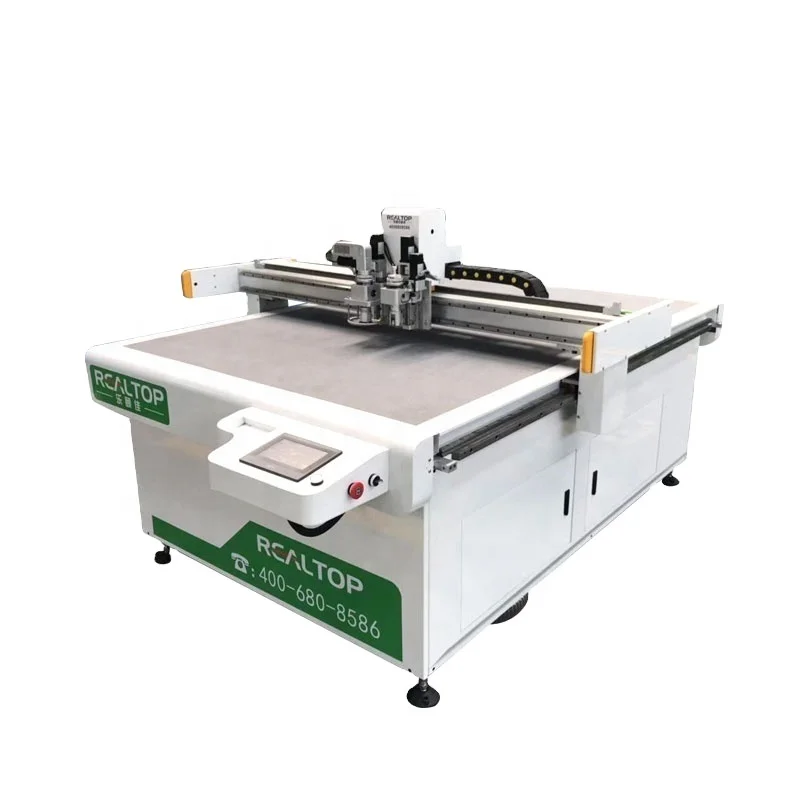
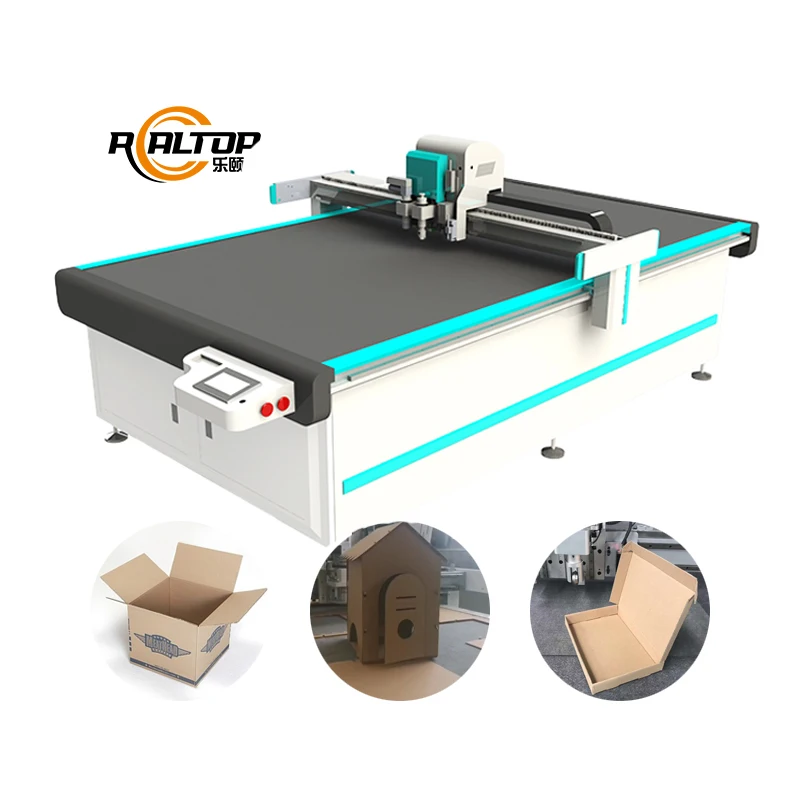
| Product Type | CNC Oscillating Knife Cutting Machine for Packaging |
| Working Area | 1600×2500 mm |
| Cutting Speed | 0–1500 mm/s |
| Cutting Thickness | ≤ 40 mm (basis not stated in source — confirm block format / material / thickness) |
| Cutting Accuracy | ±0.1 mm |
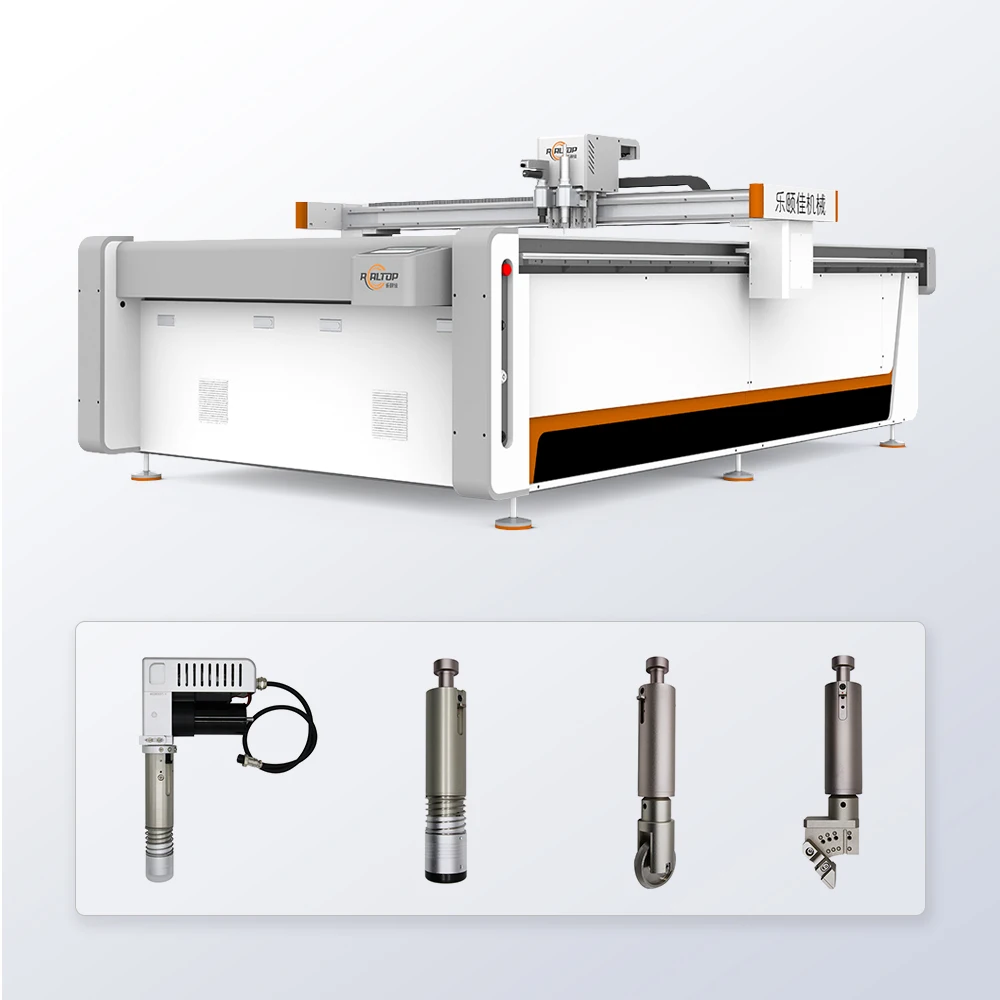
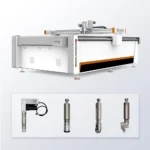
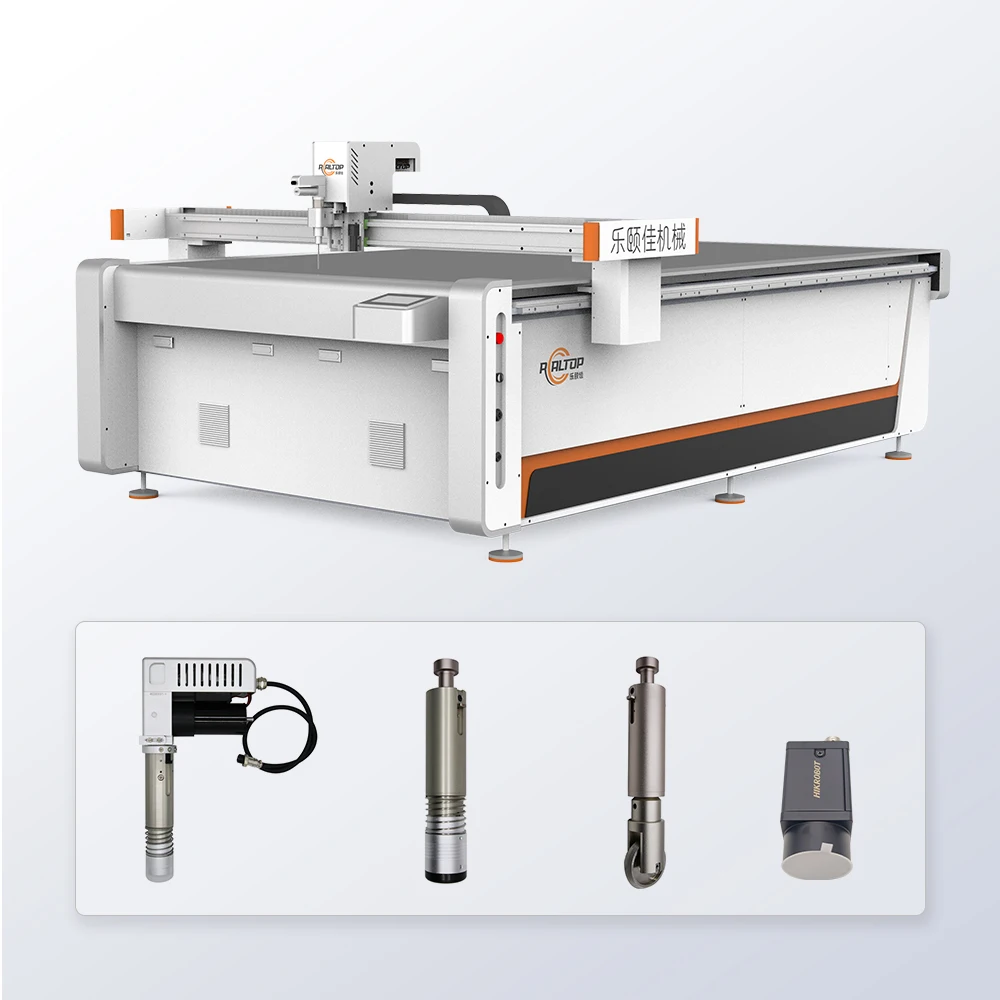
| Tool Head Options | Oscillating knife, Driven rotary knife, Creasing wheel, Kiss cutting tool, Pneumatic knife, Milling tool, V-groove knife |
| Vacuum Pump | 9 kW |
| Vacuum Table | Aluminum bellows vacuum table |
| Control System | PLC control panel with dedicated packaging box structure design software |
| Servo Motors | Panasonic, Delta, Dorna options available |
| Machine Frame | Heavy-duty frame with precision-ground surface |
| Voltage | 110V / 220V / 380V |
| File Formats | PLT, DXF, AI, PDF |
| Safety Device | Infrared sensor device and emergency stop device |
| Machine Size | 3300×2100×1350 mm |
| Language Options | English, Russian, Italian, Chinese; special languages customizable |
| Standards | CE |
Application Suitability
| Application | Material or Output |
|---|---|
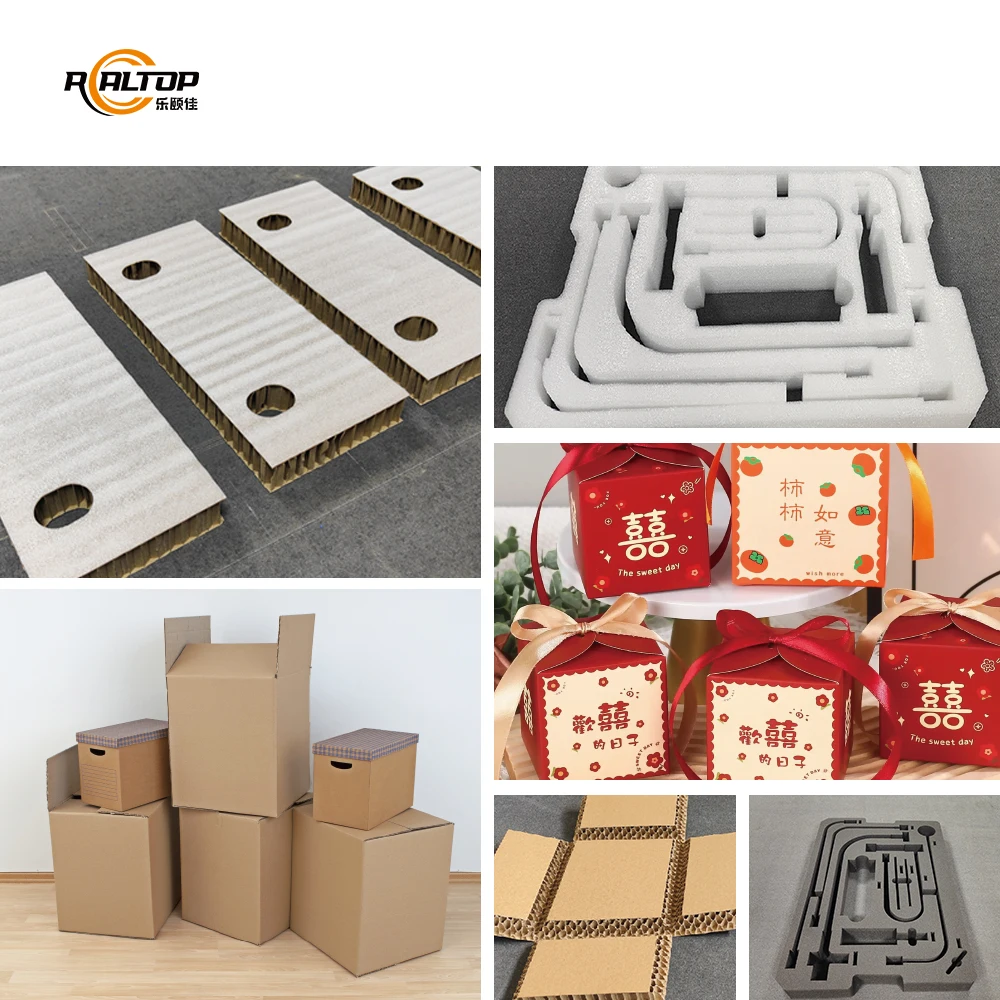
| Packaging sample making and carton prototyping | Corrugated cardboard (E-flute, B-flute, BC-flute), greyboard, cardstock |
| Short-run and customized packaging production | Art paper, specialty paper, adhesive-backed materials |
| Protective insert and cushion cutting | EVA foam, EPE foam, PU foam, rubber mats |
| Luxury box and presentation packaging | Velvet/fleece fabric, non-woven fabric, leather, synthetic leather |
| Retail display and signage substrate | Thin plastic sheets (PVC, PET), composite materials |
Why the Working Area Alone Cannot Define a Packaging Cutter
A 1600×2500 mm bed only tells you the sheet size it accepts — the tool head, vacuum zoning, and software determine whether your actual board stock cuts cleanly at production speed.
I have watched packaging shops in Southeast Asia invest in a flatbed CNC oscillating knife cutting machine manufacturer brochure promised would handle their BC-flute orders, only to discover the creasing wheel could not produce a clean fold line on double-wall stock. The machine ran, but the output went straight to the reject pile. That gap between the spec sheet and the shop floor is where most packaging cutting projects fail [NEED_CITE: common causes of digital cutting machine rejection in packaging sample rooms].
Frame Rigidity and Long-Term Cutting Precision
The 1625 model is built on a heavy-duty frame with a precision-ground surface. For packaging sample makers running short batches across dozens of board grades, frame stability is what keeps the ±0.1 mm cutting accuracy consistent from the first prototype to the fiftieth. When the frame deflects under the lateral force of an oscillating knife pushing through dense greyboard, registration drifts and slot positions miss their mark.
Vacuum Hold-Down Across the Full Bed
The aluminum bellows vacuum table, powered by a 9 kW pump, is designed to keep corrugated sheets flat against the cutting surface without crushing the flute structure. Packaging boards are lighter and more porous than metal or acrylic, so vacuum distribution matters more than raw suction. If a small carton blank lifts during a kiss-cut or creasing pass, the tool head skips and the sample is ruined — a recurring issue when vacuum zoning is undersized for the part geometry [NEED_CITE: vacuum table zoning requirements for corrugated packaging substrates].
Reading the Specs That Matter for Packaging Output
Seven interchangeable tool heads — oscillating knife, driven rotary knife, creasing wheel, kiss cutting tool, pneumatic knife, milling tool, and V-groove knife — mean the machine can be configured for the exact board grade in your workflow. A creasing wheel scores fold lines on E-flute and B-flute without crushing fibers, while a V-groove knife produces clean miter folds on greyboard for rigid luxury boxes. The dedicated packaging box structure design software integrated with the PLC control panel imports PLT, DXF, AI, and PDF files, eliminating the manual geometry work that slows down sample turnaround. Panasonic, Delta, or Dorna servo motors drive the motion system, and the selection affects acceleration behavior when the head transitions between cutting and creasing paths. Cutting speed reaches 1500 mm/s, though the usable speed on any given job depends on flute thickness and the complexity of the crease pattern.
The Cost of Skipping Material Validation
When a buyer specifies a machine by working area and price alone, the consequences show up after installation. A pneumatic knife that works on single-face corrugated may leave ragged edges on adhesive-backed laminates. A vacuum table without adequate zoning lets small carton inserts shift during cutting, producing misaligned slots. Software that cannot import the buyer’s existing structural design files forces operators to redraw every dieline from scratch, adding hours to each sample [NEED_CITE: file format compatibility issues in packaging CAD-to-CNC workflows].
Why Source This Machine from the Factory Floor
The design team engineers both knife and laser cutting platforms under one roof, so packaging producers can evaluate which technology suits their material mix rather than being locked into a single method. Tool head and table configurations are specified per material and production volume before the order is placed. Sample cutting on the buyer’s own board stock is conducted before commitment, providing physical proof that the crease depth, cut edge, and registration meet the required standard. Voltage, control language, and interface customization are confirmed against the buyer’s facility specifications. The factory test record documents the machine’s performance on the agreed material before it leaves the production floor.
Documentation & Verification
- Machine specification sheet listing all seven tool heads and vacuum table configuration
- Electrical schematic with confirmed voltage, frequency, and circuit requirements
- Sample cutting report produced on your corrugated or greyboard stock before shipment
- CE declaration covering the complete machine assembly
- Software licence and file format compatibility note for PLT, DXF, AI, PDF workflows
- Spare parts list matched to the configured tool head set
Installation, Commissioning & Support
- Floor space planning for the 3300×2100 mm machine footprint with service clearance
- Dedicated circuit provision for 110V, 220V, or 380V supply matching the 9 kW vacuum pump load
- Assembly and leveling of the heavy-duty frame and precision-ground table on site
- First-run parameter tuning for your specific flute grade and creasing depth requirements
- Operator training on the PLC control panel and packaging structure design software
- Scheduled inspection of oscillating knife blades, creasing wheels, and vacuum bellows seals
Preparing Your Inquiry
To receive an accurate configuration, share the board grades you cut most often — including flute type, grammage, and whether lamination or coating is involved. Specify your target daily sample volume and the file formats your design team currently uses. Confirm the local voltage and frequency, and indicate whether control panel language needs to be set to something beyond the standard options.
Frequently Asked Questions
Q: How does the design team configure the cutting system for my specific packaging material?
A: The process starts with your material samples — flute type, grammage, coating, and lamination details. The design team selects the appropriate combination from seven available tool heads, sets vacuum zoning for your typical blank sizes, and runs sample cuts on your actual board stock. The results are documented in a cutting report before any order commitment is made.
Q: What quality control process does the factory follow during frame and motion assembly?
A: The heavy-duty frame undergoes precision grinding to ensure surface flatness across the full 1600×2500 mm working area. Servo motors and drive components are installed and tested under load. The PLC control panel and safety devices are verified in sequence, and a complete factory test record is generated before the machine is cleared for dispatch.
Q: Can the manufacturer provide OEM customization for distributors?
A: Yes. Voltage configuration, control panel language, software interface branding, and documentation sets can all be customized for distributor partners. These requirements are confirmed during the specification review stage so that the machine ships ready for the end user’s facility without additional modification.
Q: What documentation ships with the machine?
A: Each machine is accompanied by a specification sheet, electrical schematic, factory test record, CE declaration, operation and maintenance manual, software licence note, and a spare parts list. Sample cutting reports on the buyer’s own material are included when pre-order testing has been conducted.
Q: How do I arrange a sample cut on my own packaging board before ordering?
A: Send representative samples of the board grades you produce most frequently, including any laminated or coated variants. The factory runs the cutting and creasing tests on a configured 1625 system and returns the finished samples along with a detailed report covering edge quality, crease depth, and registration accuracy.
You may also like

商品评价
Clear filtersThere are no reviews yet.