






-
 Courier delivery
-
 DHL Courier delivery
-
 Warranty 1 year
-
 Free 30-Day returns

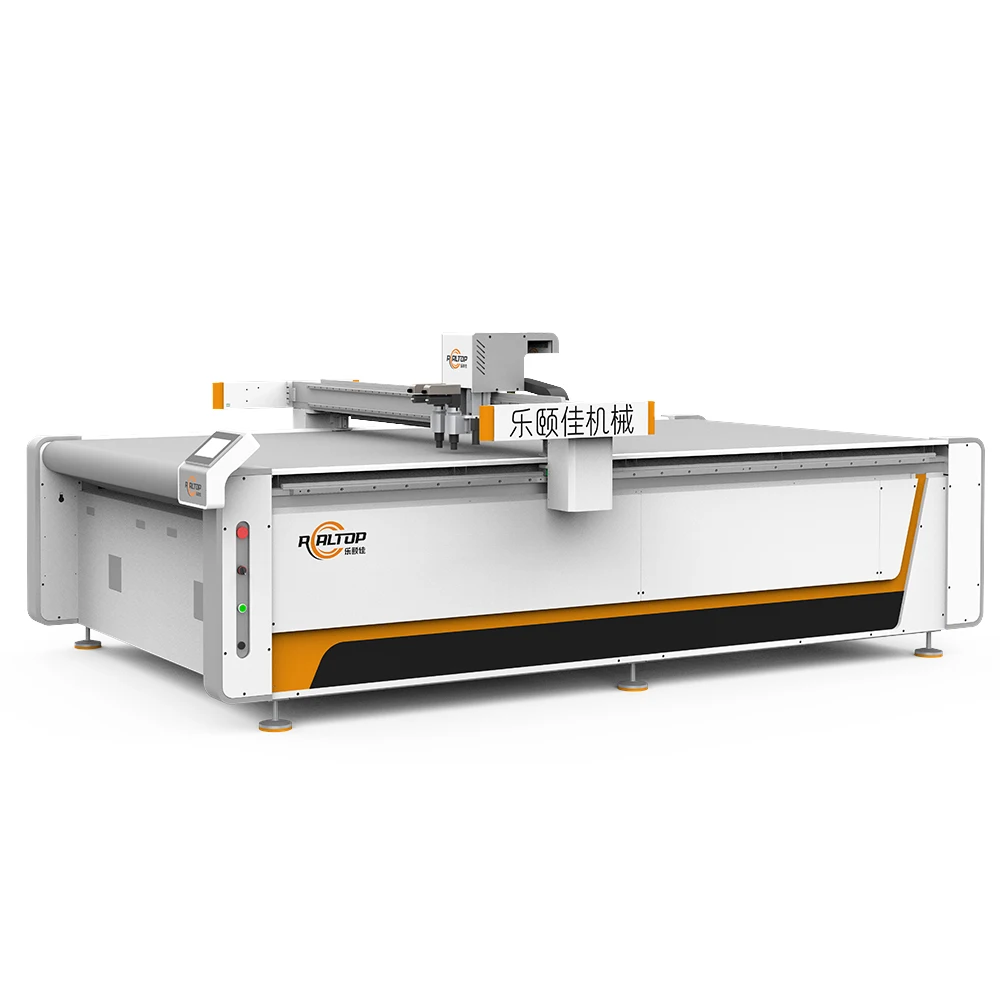
Integrated Knife and Laser Technology — in-house design covering both cutting methods lets packaging buyers match the tool to their specific board density and flute type rather than forcing a single process across every job.
Technical Specifications
| Parameter | Value |
|---|---|
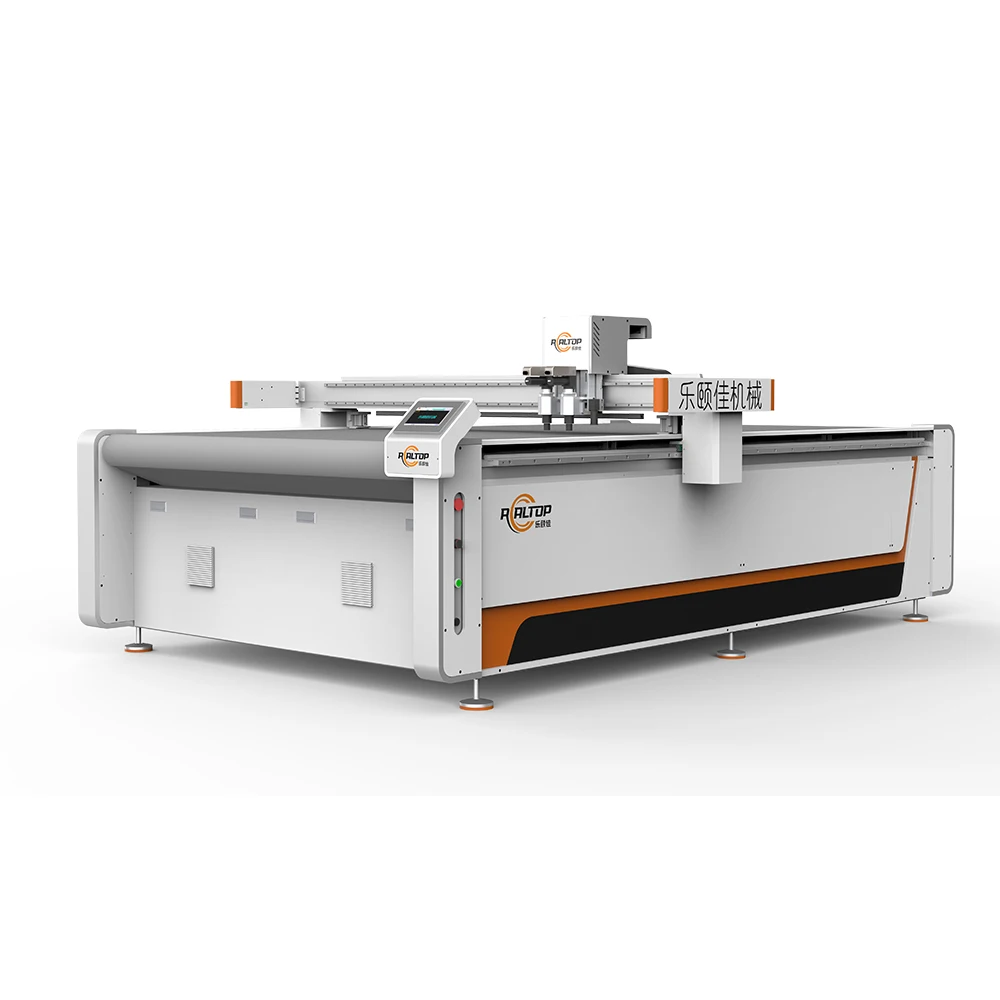
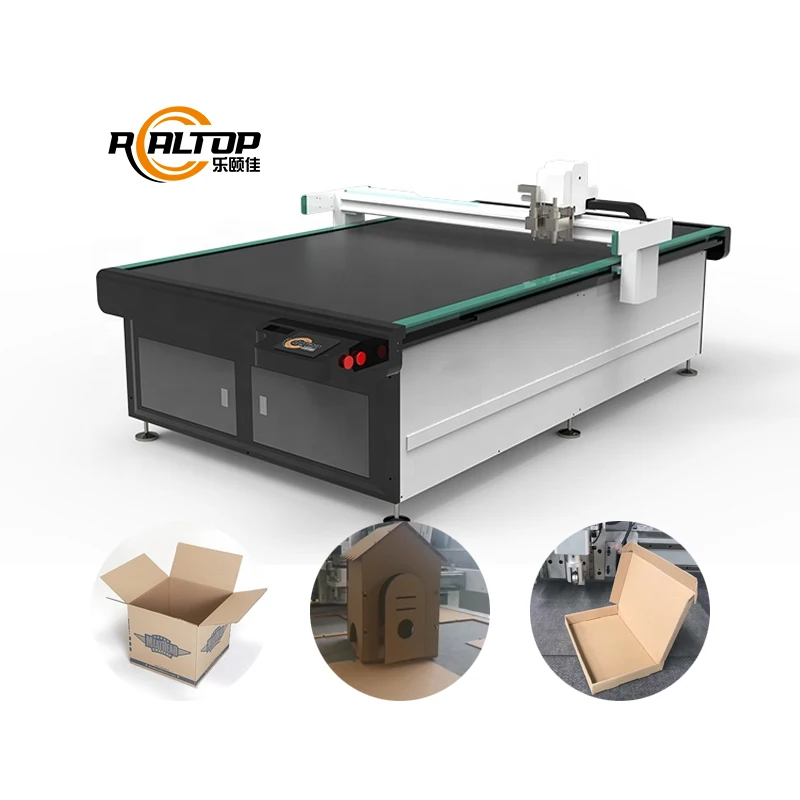
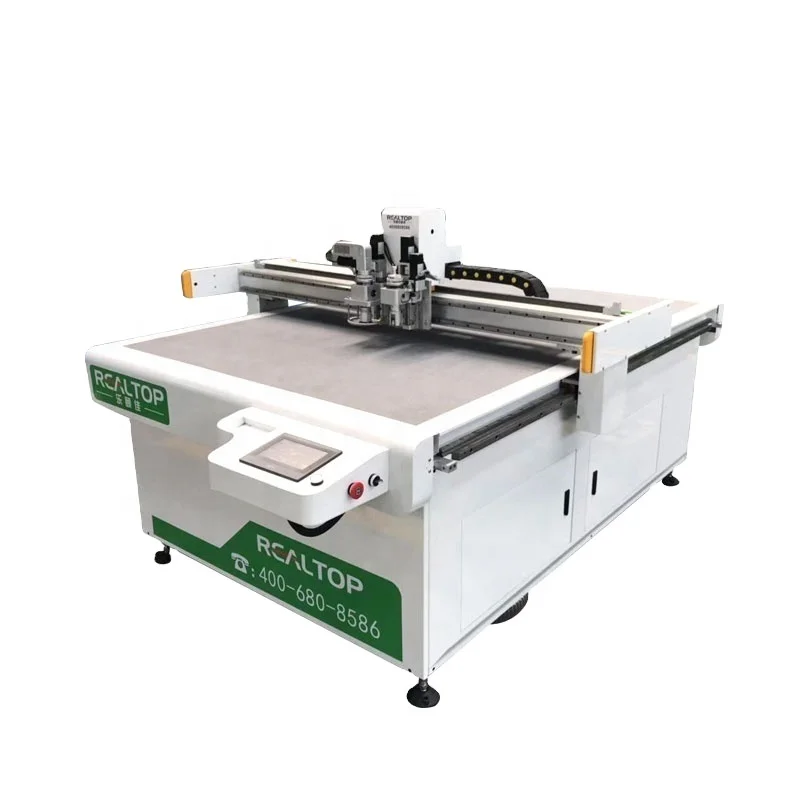
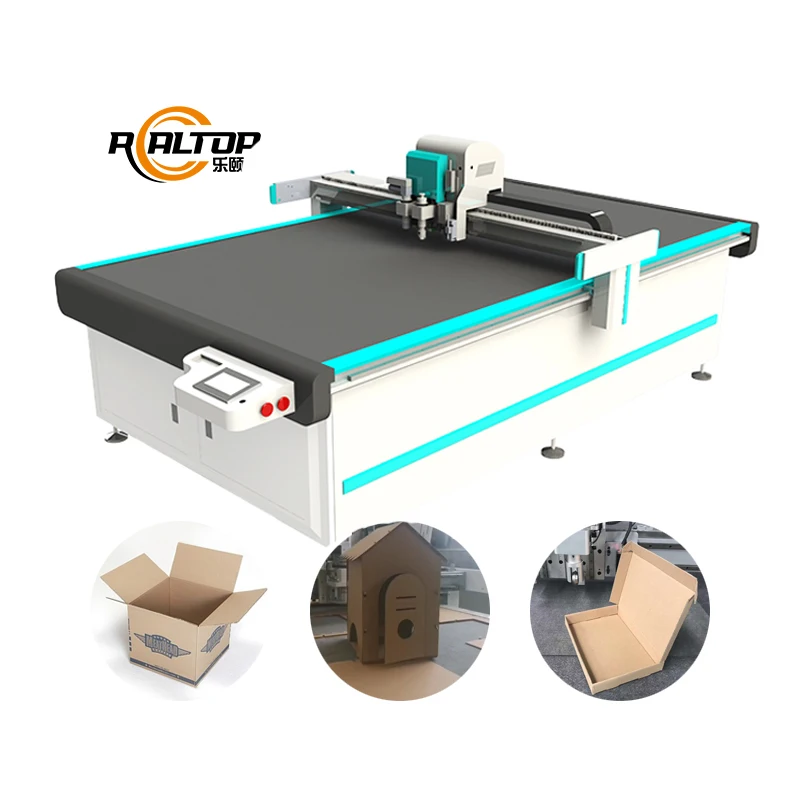
| Product Type | CNC Oscillating Knife Cutting Machine for Packaging |
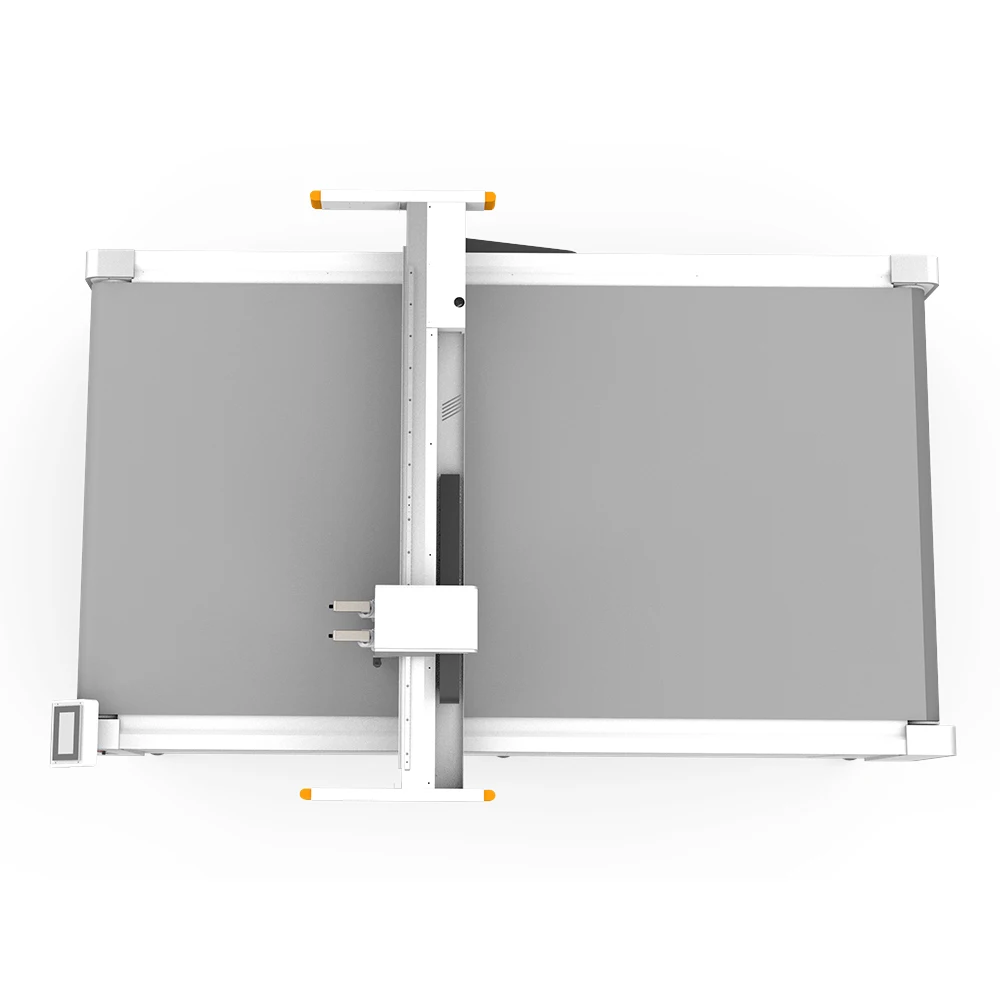
| Working Area | 1600×2500 mm |
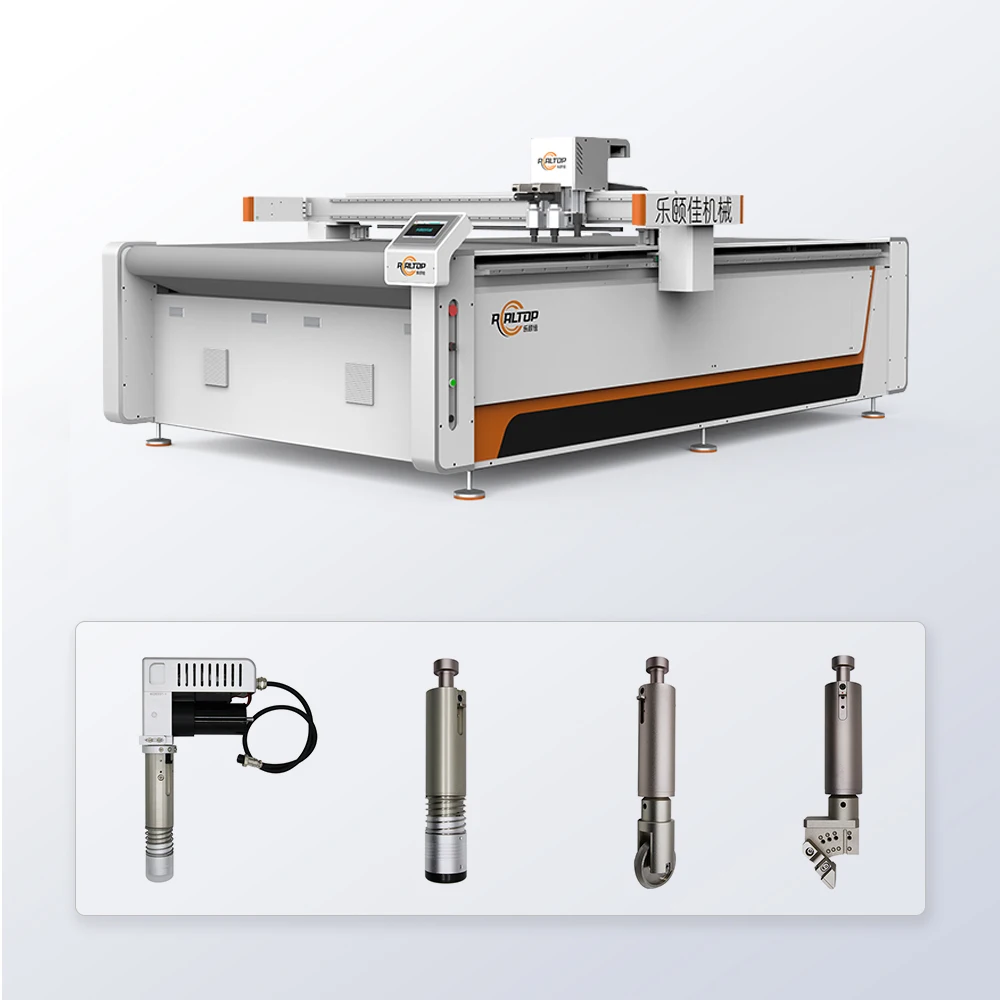
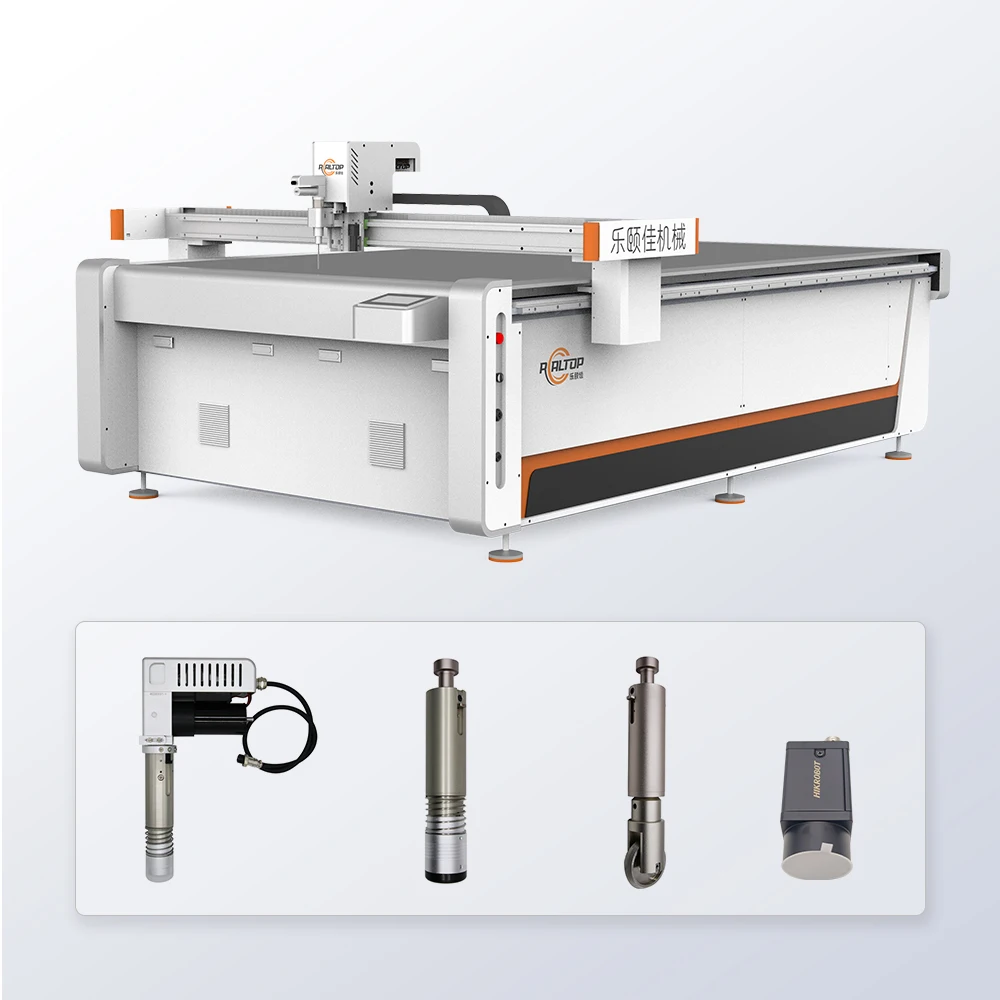
| Tool Head Options | Oscillating knife, Driven rotary knife, Creasing wheel, Kiss cutting tool, Pneumatic knife, Milling tool, V groove knife |
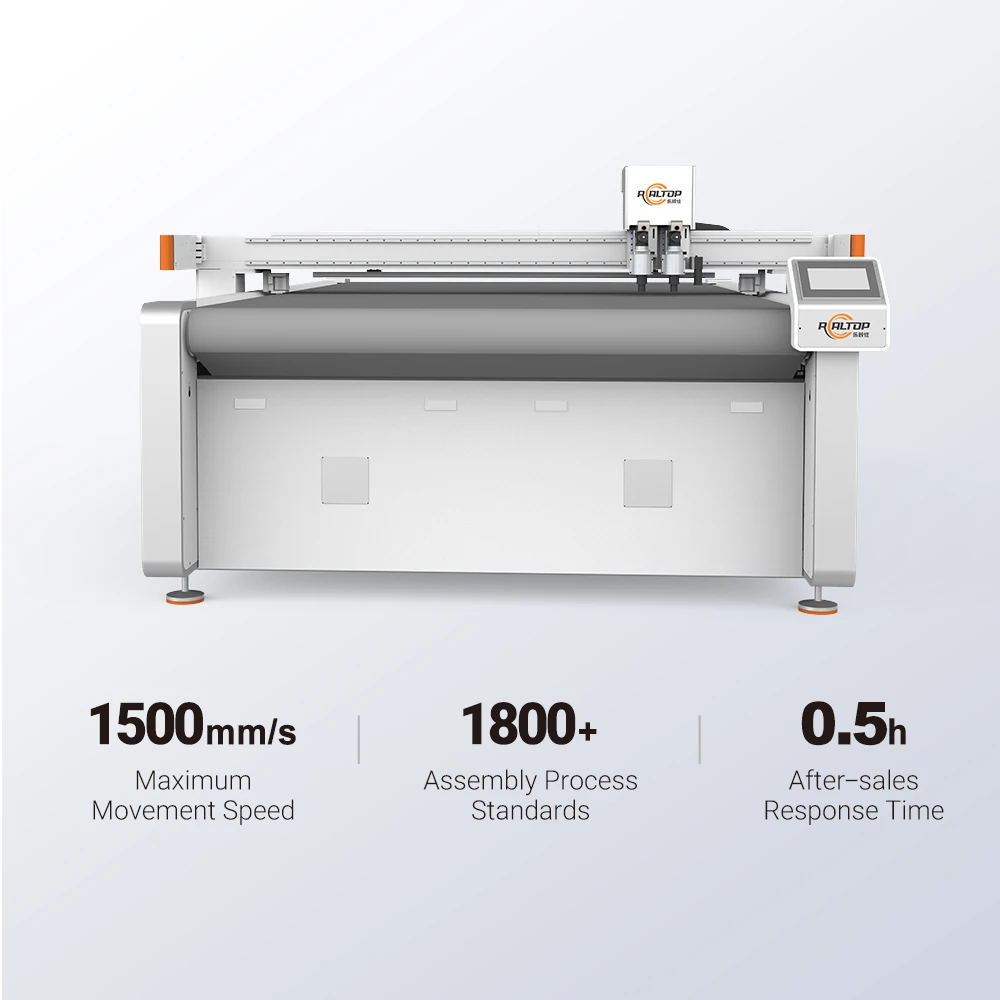
| Cutting Speed | 0–1500 mm/s |
| Cutting Thickness | ≤ 40 mm (basis not stated in source — confirm specific material type) |
| Cutting Accuracy | ±0.1 mm |
| Vacuum Table | Aluminum bellows vacuum table |
| Vacuum Pump Power | 9 kW |
| Servo Drive Options | Panasonic, Delta, Dorna (source value — verify against manufacturer catalog) |
| Voltage Options | 110V, 220V, 380V |
| Control System | PLC control panel with optional display languages |
| Supported File Formats | PLT, DXF, AI, PDF |
| Software | Dedicated packaging box structure design software |
| Safety Devices | Infrared sensor device, emergency stop device |
| Machine Dimensions | 3300×2100×1350 mm |
| Certification | CE (source mentions certification image, verify specific certification) |
Application Suitability
| Application | Material or Output |
|---|---|
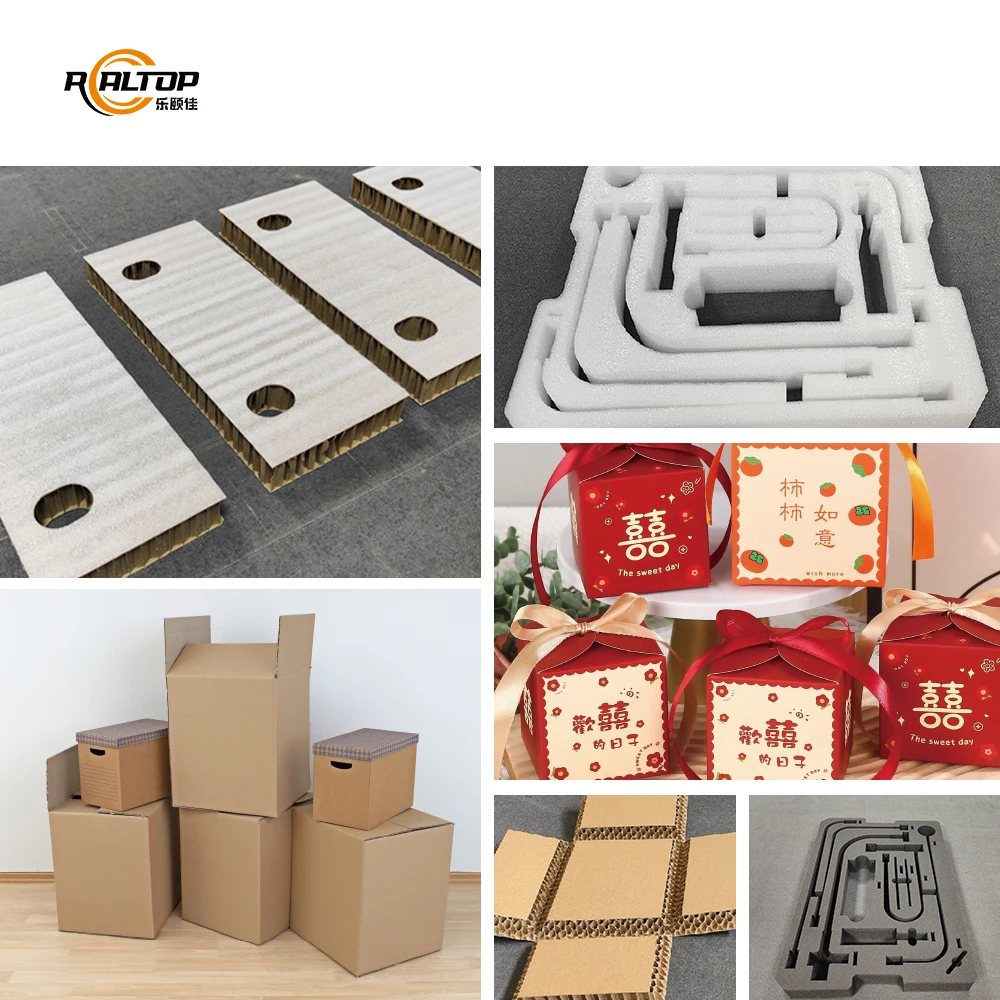
| Corrugated box sample making | E-flute, B-flute, BC-flute corrugated cardboard |
| Greyboard and specialty carton | Greyboard, cardstock, art paper, specialty paper |
| Protective foam insert fabrication | EVA foam, EPE foam, PU foam packaging inserts |
| Inner lining and cushioning | Rubber mats, velvet/fleece fabric, non-woven fabric |
| Blister and window patching | Thin plastic sheets including PVC and PET |
| Leather and synthetic packaging | Leather and synthetic leather for premium boxes |
| Composite inlays | Composite and adhesive-backed materials |
Why the Wrong Tool Head Ruins Your First Production Run
Many buyers specify a CNC oscillating knife cutting machine factory order based on working area alone, only to discover the standard oscillating blade tears through double-wall corrugated or crushes low-density EVA foam. The root cause is almost always a mismatch between the tool head and the actual material stack-up on the shop floor. [NEED_CITE: tool head selection criteria for oscillating knife cutting on corrugated materials]
Match the tool to the material before the machine ships, not after.
I once watched a packaging line in Dongguan lose an entire shift because the creasing wheel was swapped in post-delivery without recalibrating the Z-axis offset — every fold line on a run of premium gift boxes came out shallow and inconsistent. When you are running short batches of custom carton designs, a single misconfigured tool head wastes more than material; it burns through your sample approval window and delays the whole client delivery schedule.
Tool Head Configuration Per Packaging Substrate
A standard oscillating knife handles single-wall corrugated and cardstock cleanly, but denser substrates like greyboard above 2 mm demand a pneumatic knife with higher downward force. For foam inserts, a driven rotary knife prevents the compressed edges that plague static blade setups. The seven available tool heads on this CNC Oscillating Knife Cutting Machine for Packaging allow a single machine to cover the full material range a packaging sample room encounters, from thin art paper overlays to 40 mm EPE foam blocks. Selecting the correct head at the quoting stage avoids the costly mid-production tool swap that interrupts job flow.
Vacuum Table Zoning and Small-Part Hold-Down
The aluminum bellows vacuum table provides a flat, sealed surface across the full 1600×2500 mm bed, but hold-down effectiveness depends on zone configuration. Small packaging components — think insert tabs, corner protectors, or die-cut window patches — can lift during high-speed oscillation if the vacuum zone is larger than the part footprint. [NEED_CITE: vacuum table zoning requirements for small-part CNC cutting] When you submit your sample file, the zone map should be matched to the smallest piece in your typical nesting layout, not just the largest sheet you plan to process.
Reading the Spec Sheet Against Your Real Workload
The ±0.1 mm cutting accuracy matters most when you are scoring fold lines on rigid boxes where a half-millimeter drift throws off the entire assembly. At cutting speeds up to 1500 mm/s, the machine handles rapid traversals between cut paths, but actual throughput depends on the complexity of the nesting layout and the number of tool changes per job. The 9 kW vacuum pump sustains suction across the full bed; if you frequently cut small, intricate carton patterns, verify that the pump can maintain adequate hold-down when multiple zones are open simultaneously. Supported file formats — PLT, DXF, AI, PDF — cover most packaging design exports, and the dedicated packaging box structure design software integrates directly with the PLC control panel.
The Hidden Cost of Skipping Material-Specific Validation
Ordering a CNC oscillating knife cutting machine factory unit without running your actual material through a cutting test invites a chain of downstream failures. Ragged edges on corrugated fluting mean rejected samples. Crushed foam inserts mean re-cuts and missed shipment dates. [NEED_CITE: common causes of packaging sample rejection in short-run production] A machine that performs flawlessly on the supplier’s standard test card can behave entirely differently on your 3 mm BC-flute board or your high-density EVA foam — and you will not know until the machine is bolted to your floor and the first job is queued.
Why Sourcing Directly From the Production Floor Matters
In-house design and production means the engineers who select your servo drive — whether Panasonic, Delta, or Dorna — also write the motion profiles that govern acceleration and deceleration on corner paths. The PLC control panel ships with display language configured to your operator’s requirement, not a generic default. Voltage is confirmed against your facility’s supply before the transformer is wired, eliminating the 380V-to-220V mismatch that fries control boards on arrival. [NEED_CITE: voltage and frequency standards by export market] Sample cutting on your exact material — including your specific flute type, board density, and foam grade — is completed and documented before the machine leaves the Jinan facility. Software file format compatibility is verified against your existing CAD workflow so your operators can load jobs on day one.
Documentation & Verification
- Machine specification sheet listing all seven tool head options and servo drive selection
- Electrical schematic with confirmed voltage, plug type, and circuit requirements
- Sample cutting report executed on buyer-supplied corrugated, greyboard, or foam material
- Tool head and vacuum table zone configuration list matched to stated material and batch size
- Software licence and file format compatibility note for PLT, DXF, AI, PDF workflows
- Factory test record capturing cutting accuracy, speed, and vacuum hold-down under load
Installation, Commissioning & Support
- Floor space of approximately 3300×2100 mm with clearance for material loading on the 1600×2500 mm bed
- Dedicated electrical circuit matching confirmed voltage option (110V, 220V, or 380V) and the 9 kW vacuum pump load
- Machine arrives assembled; leveling and vacuum seal check performed on-site before first power-on
- PLC control panel configured with operator language preference and packaging software calibrated to tool offsets
- Tool head changeover training covering all seven heads from oscillating knife to V groove knife
- Wear parts list including oscillating knife blades, creasing wheels, and vacuum table bellows seals
What to Include With Your Inquiry
Send your most representative material samples — specify the flute type, board thickness, or foam density along with your typical sheet dimensions. Confirm your facility voltage, frequency, and the control language your operators need. If you are integrating with an existing CAD or nesting system, share a sample file so format compatibility is validated before the CNC oscillating knife cutting machine factory order is finalized.
Frequently Asked Questions
Q: How is cutting capacity verified before I commit to an order?
A: You provide material samples — corrugated flute type, greyboard thickness, or foam density — and we run a full cutting test on the actual machine configured for your order. A sample cutting report documents edge quality, fold line depth, and dimensional accuracy on your specific substrate before shipment is authorized.
Q: What voltage and language options can be configured for my facility?
A: The machine supports 110V, 220V, and 380V configurations, with plug type and wiring matched to your local standard. The PLC control panel display language is set to your operator’s preference before dispatch, confirmed in writing alongside the electrical schematic.
Q: How do you select the right tool head for my packaging material?
A: Each of the seven tool heads is matched to a material category during the configuration stage. Oscillating knives suit corrugated and cardstock, pneumatic knives handle dense greyboard, and driven rotary knives prevent foam edge compression. Your material sample determines the final selection.
Q: Which software file formats does the system accept?
A: The dedicated packaging software accepts PLT, DXF, AI, and PDF files. Before order confirmation, we run your sample design file through the system to verify layer recognition, cut path interpretation, and crease line assignment against your existing CAD workflow.
Q: What happens if my material thickness exceeds 40 mm?
A: The stated cutting thickness applies to standard packaging substrates, but actual capacity varies by material density and tool head. We test your specific material during the sample validation phase to confirm whether the standard configuration handles it or a modified setup is required.
You may also like

商品评价
Clear filtersThere are no reviews yet.