


-
 Courier delivery
-
 DHL Courier delivery
-
 Warranty 1 year
-
 Free 30-Day returns

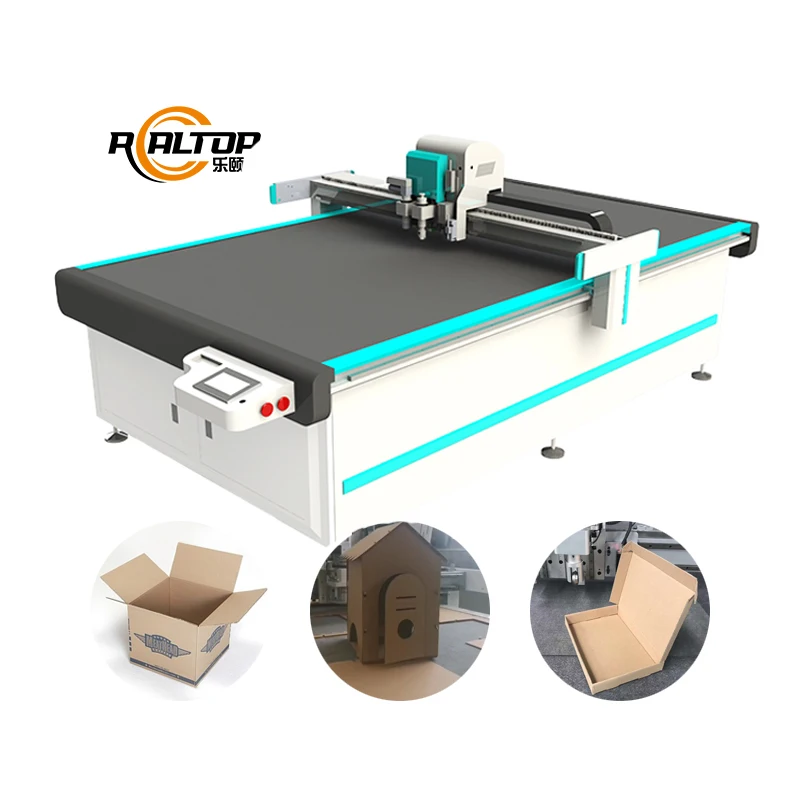
Design-Led Manufacturing — Both knife and laser cutting technologies developed in-house, so the configuration matches your packaging substrate rather than forcing a generic setup onto corrugated or foam stock.
Technical Specifications
| Parameter | Value |
|---|---|
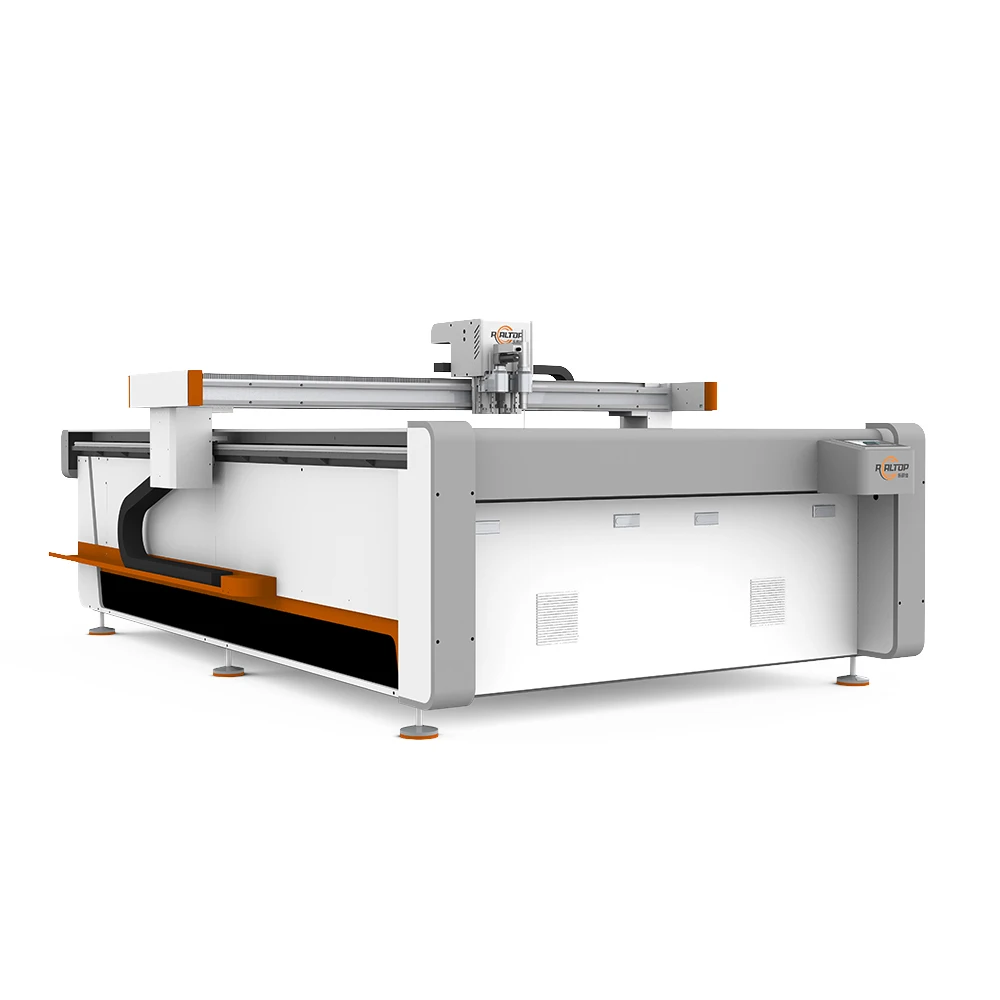
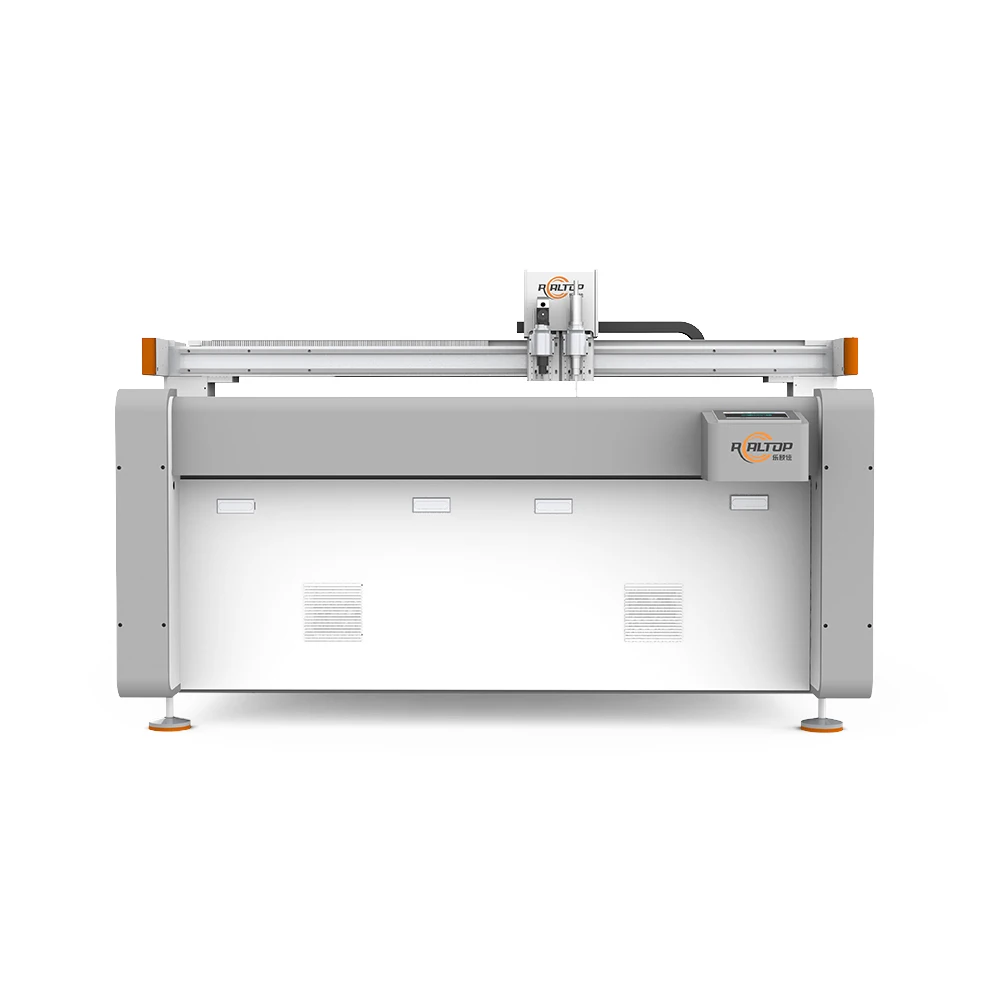
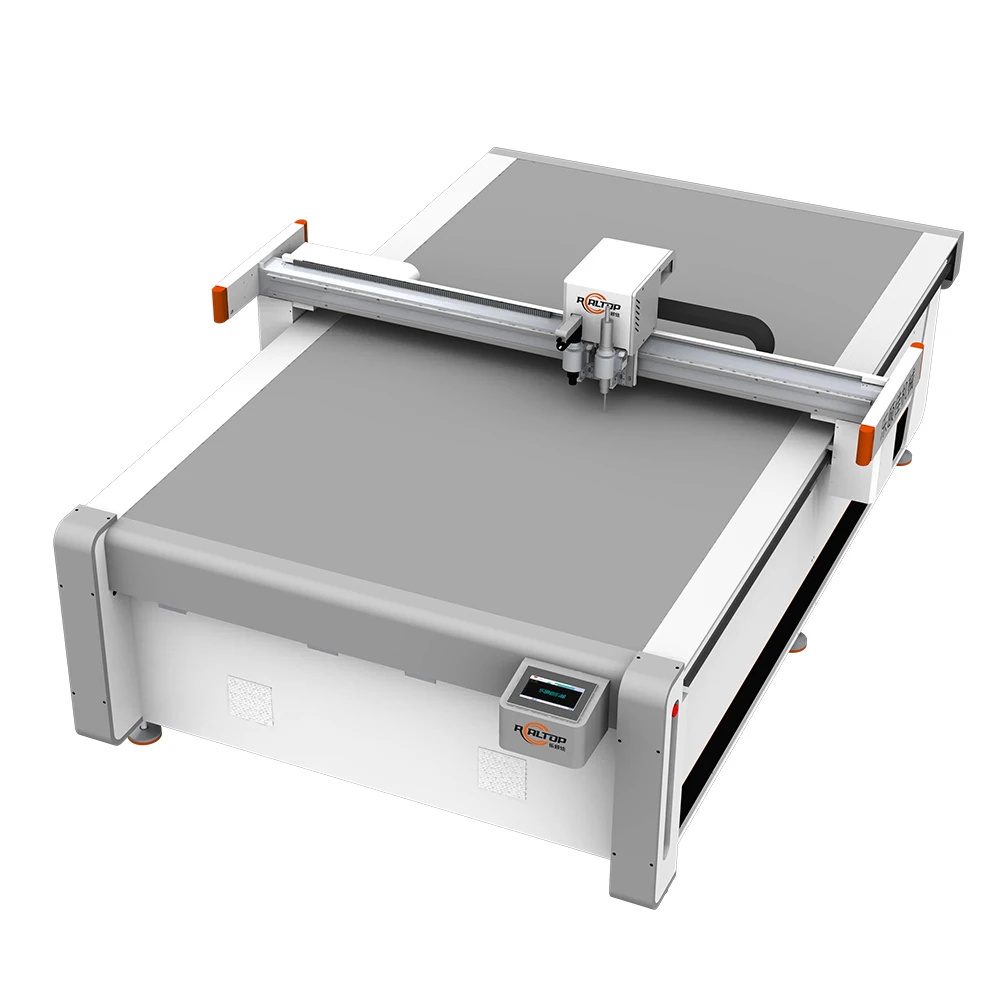
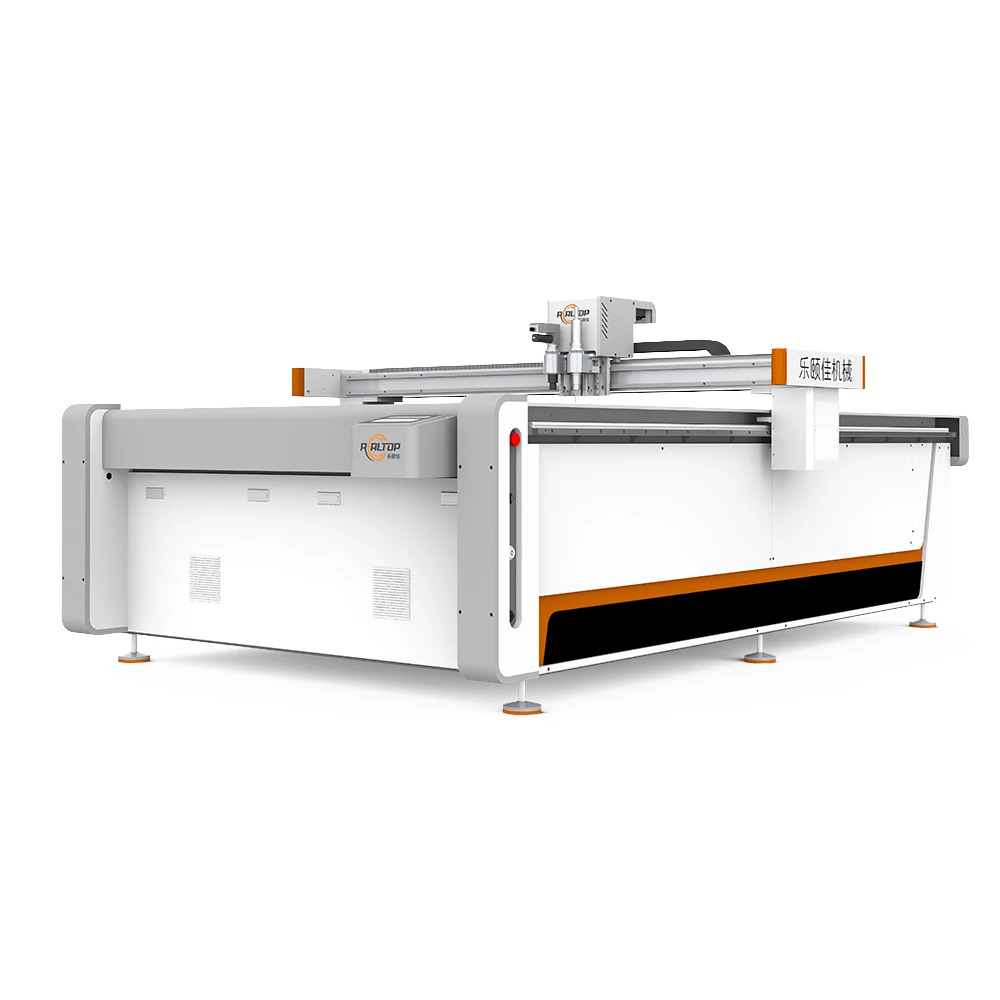
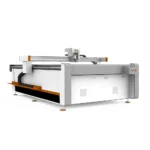
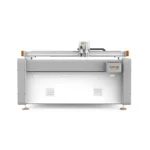
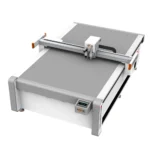
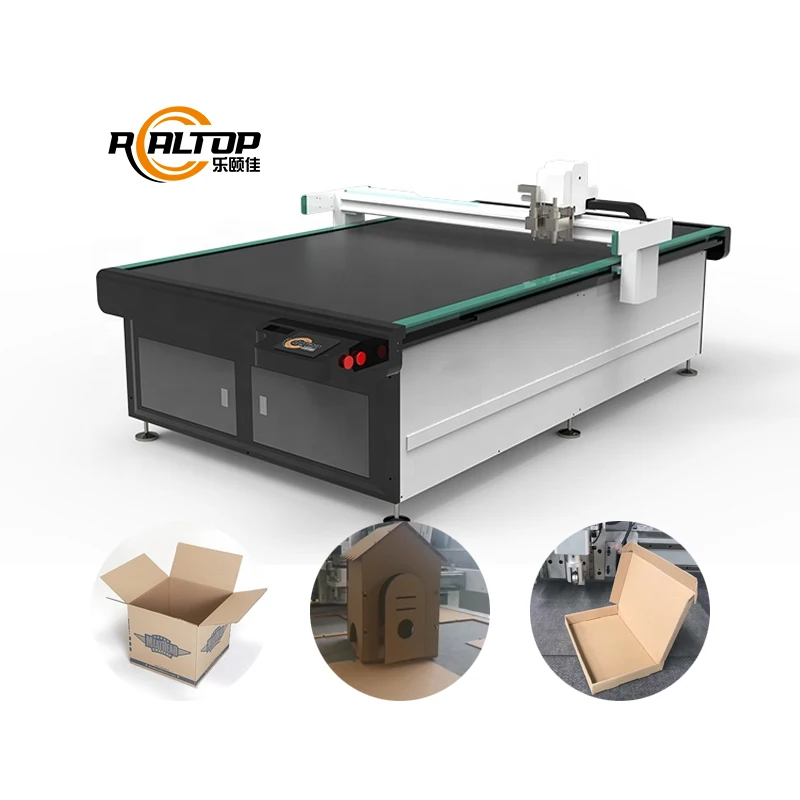
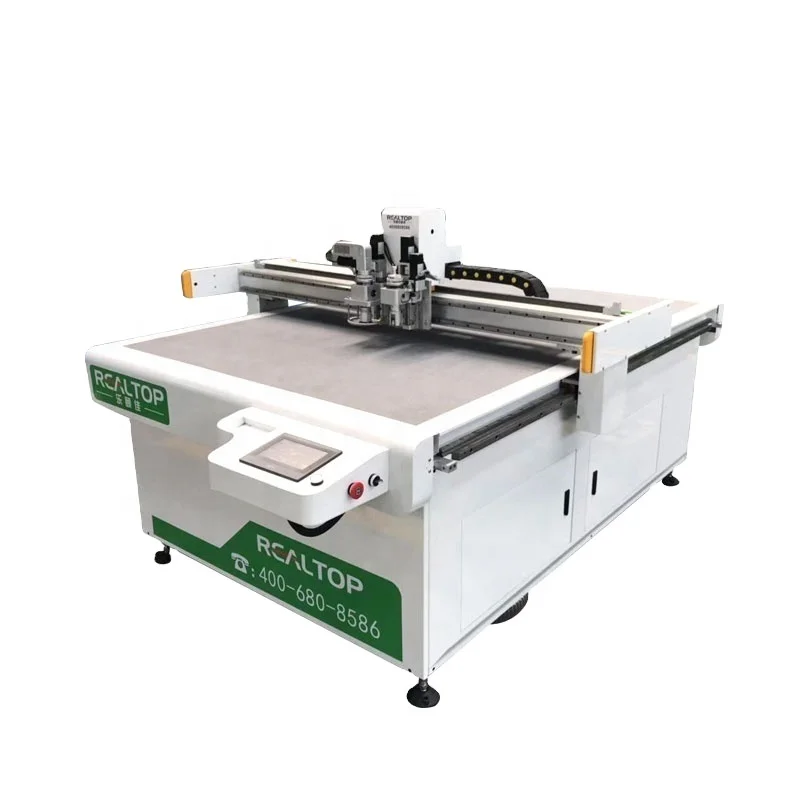
| Product Type | CNC Oscillating Knife Cutting Machine |
| Working Area | 1600×2500 mm |
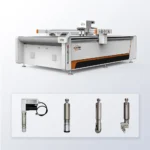
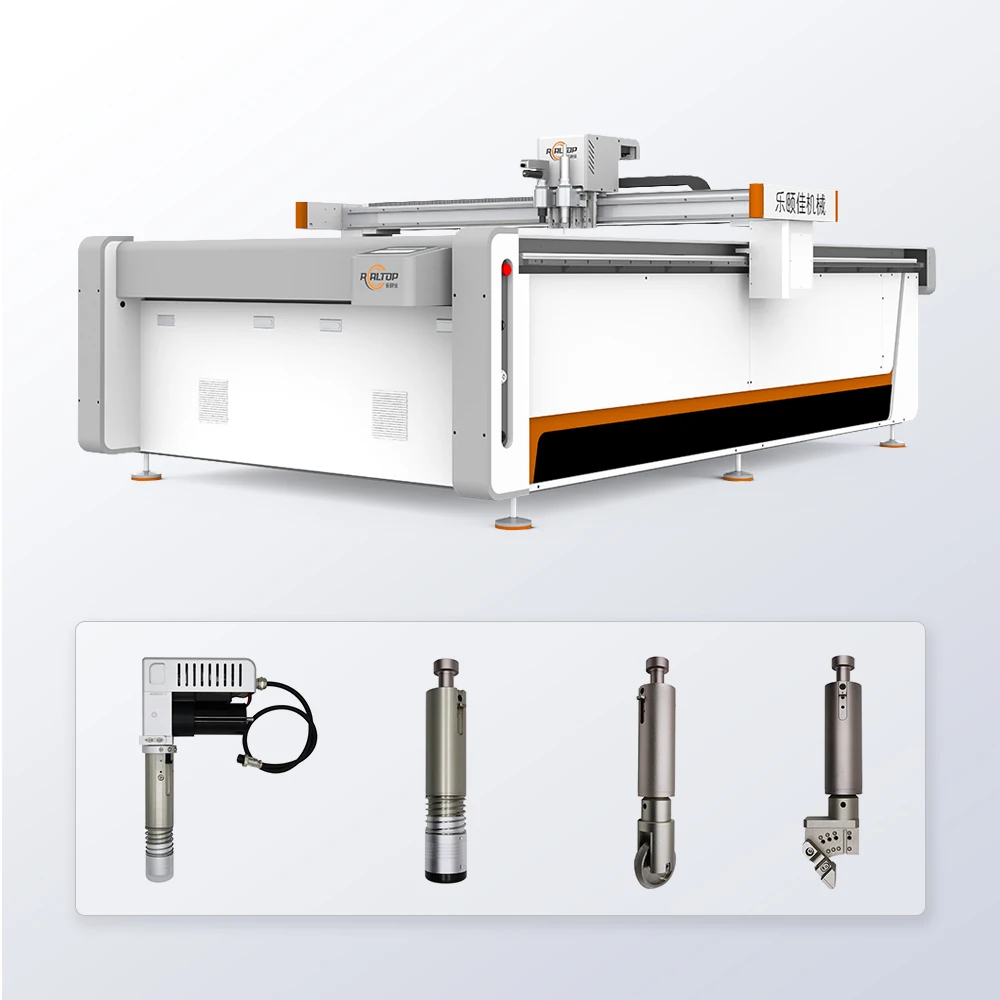
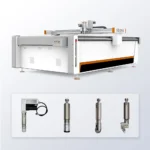
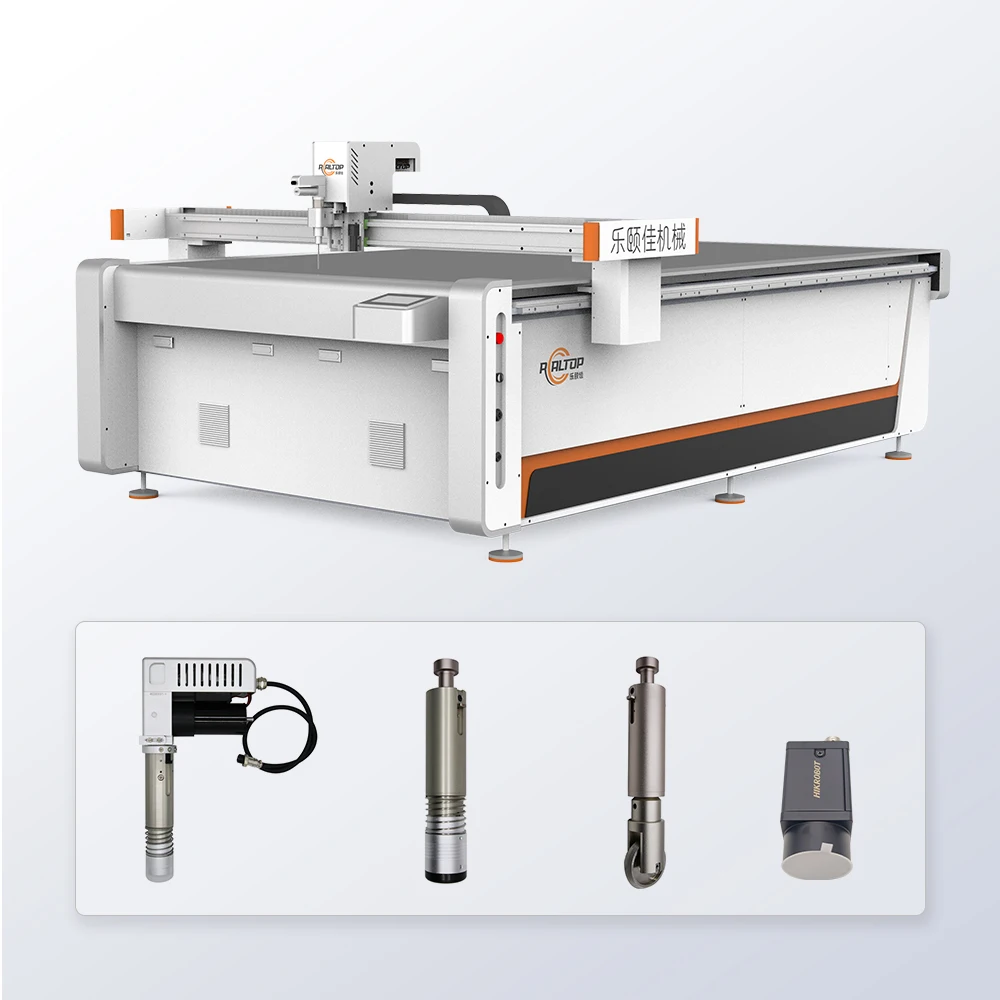
| Tool Head Options | Oscillating knife, Driven rotary knife, Creasing wheel, Kiss cutting tool, Pneumatic knife, Milling tool, V groove knife |
| Cutting Speed | 0–1500 mm/s |
| Cutting Thickness | ≤ 40 mm (basis not stated in source — confirm block format / material / thickness) |
| Cutting Accuracy | ±0.1 mm |
| Vacuum Pump Power | 9 kW |
| Vacuum Table | Aluminum bellows vacuum table |
| Control System | PLC control panel with optional display languages |
| Servo Motors | Panasonic, Delta, or Dorna options |
| Voltage Options | 110V, 220V, 380V (frequency not specified in source) |
| Supported File Formats | PLT, DXF, AI, PDF |
| Safety Devices | Infrared sensor device, emergency stop device |
| Machine Dimensions (L×W×H) | 3300×2100×1350 mm |
| Language Options | English, Russian, Italian, Chinese; special languages customizable |
Application Suitability
| Application | Material or Output |
|---|---|
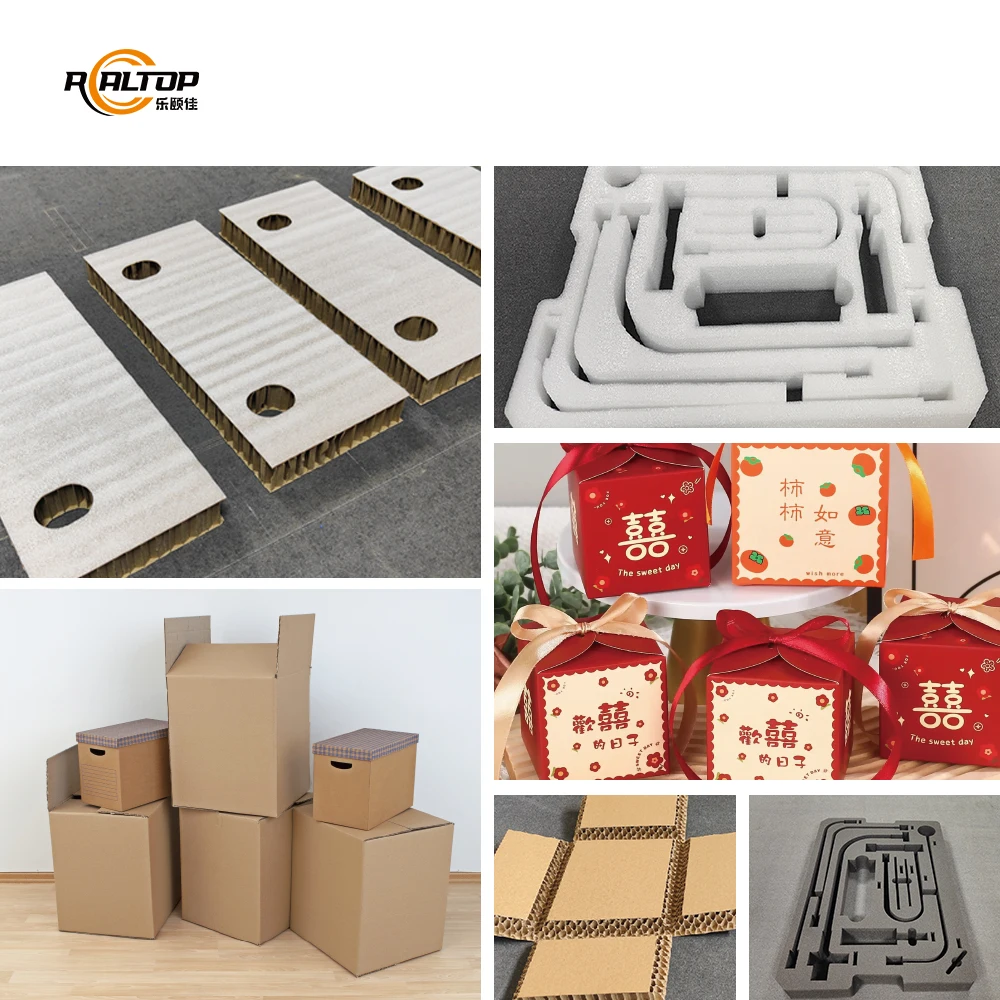
| Packaging sample making and short-run production | Corrugated cardboard (E-flute, B-flute, BC-flute), greyboard, cardstock |
| Protective insert fabrication | EVA foam, EPE foam, PU foam |
| Specialty packaging components | Art paper, specialty paper, rubber mats, thin plastic sheets (PVC, PET) |
| Composite and lined packaging | Adhesive-backed materials, composite boards, non-woven fabric, velvet and fleece |
| Leather and synthetic leather goods packaging | Leather, synthetic leather panels for luxury box inserts |
What a Working Area Number Leaves Out About Real Cutting Capacity
A machine quoted on bed size alone will not tell you whether it can handle your flute profile, ply count, or board density at sustained production pace.
I have walked into workshops where a cutting table was chosen strictly because the working area matched the sheet size on paper. The first week looked fine running standard cardstock. Then the shop switched to double-wall BC-flute corrugated, and the creasing wheel started splitting the top liner. The oscillating knife could not finish the cut in one pass, and the vacuum table could not hold the sheet flat. The buyer called me after the machine sat idle for days while they waited for replacement tool heads shipped across two time zones [NEED_CITE: typical downtime costs when cutting configuration mismatches material in short-run packaging shops]. A CNC oscillating knife cutting machine manufacturer worth working with will ask for your actual board samples before writing the quote, not after the deposit clears.
Tool Head Selection Dictates Your Edge Quality
Every packaging substrate demands a different cutting action. The oscillating knife handles corrugated flutes cleanly when stroke frequency and amplitude are matched to the flute depth and board density. The driven rotary knife is better suited for continuous contour cuts on foam inserts where the edge must remain crush-free. The creasing wheel scores fold lines on greyboard and cardstock without penetrating the surface, and the kiss cutting tool scores adhesive-backed labels without cutting through the backing sheet. Selecting the wrong tool head for a given material produces ragged edges on foam, split liners on corrugated, or incomplete cuts that require a second pass — each failure mode traceable to a configuration decision made before the machine left the factory.
Vacuum Hold-Down and Sheet Integrity at Speed
The aluminum bellows vacuum table provides a flat reference surface across the full working area, which matters when you are cutting lightweight art paper that lifts under the knife, or thick BC-flute corrugated where air leakage between flutes compromises suction. A single-zone vacuum system struggles with small parts nested in the center of a large sheet because the surrounding open area bleeds vacuum pressure. The configuration must account for your typical nesting pattern and part size range, not just the maximum sheet dimension [NEED_CITE: vacuum zoning requirements for small-part digital cutting on corrugated and lightweight board]. When a packaging sample maker cuts dozens of small carton blanks from a single sheet, inadequate hold-down is the difference between a clean production run and a pile of mis-cut waste.
Reading the Specs Beyond the Brochure Numbers
The ±0.1 mm cutting accuracy figure matters in packaging because carton blank dimensions determine whether a scored fold line lands on the registration mark or drifts by a visible margin. At 0–1500 mm/s cutting speed, the machine must maintain positional accuracy through acceleration and deceleration curves, which is why servo motor selection — Panasonic, Delta, or Dorna — is a configuration decision tied to your throughput requirement and material stiffness. The 9 kW vacuum pump powers the hold-down system across the full bed, and the actual suction at the cutting zone depends on table seal integrity and the porosity of your substrate. File format support for PLT, DXF, AI, and PDF means your design team can send artwork directly without converting through intermediate software that might distort contour paths or lose crease line attributes.
The Hidden Cost of Skipping Material Verification
When a buyer confirms a machine order based on standard cardboard test samples, the configuration is tuned for that specific density and thickness. Switching to high-grammage corrugated or dense EVA foam later exposes every assumption baked into the tool head stroke, vacuum zoning, and feed rate settings. The creasing wheel designed for 300 gsm cardstock will crack the surface of a 5-ply BC-flute board. The oscillating knife calibrated for 10 mm foam will leave uncut fibers in 35 mm EPE [NEED_CITE: tool wear acceleration when cutting configuration does not match actual substrate density and thickness]. These are not warranty claims — they are configuration errors that the buyer absorbs in lost production hours and expedited shipping for replacement parts.
Why Procurement Through This Facility Works
The in-house design team covers both knife and laser cutting technologies, so when a packaging insert requires a foam pocket cut by oscillating knife and a laser-perforated tear strip on the outer carton, both processes come from one engineering source rather than two separate vendors. Tool head and vacuum table configuration is specified against your actual material samples, not a generic catalog recommendation. Software compatibility with PLT, DXF, AI, and PDF is verified against your existing design workflow before the order is confirmed, preventing the common failure where purchased nesting software cannot import the shop’s existing file library. Voltage and control language are confirmed for the destination market — a 380V machine wired for 220V at the plug end is a preventable failure that still happens when specifications are assumed rather than documented. Sample cutting on your own material, shipped to your facility before commitment, removes guesswork from the configuration process.
Documentation & Verification
- Machine specification sheet listing each tool head and vacuum zone configured for your substrate
- Sample cutting report performed on your actual corrugated, foam, or greyboard stock
- Electrical schematic with voltage and frequency matched to destination market standards
- Software licence note confirming PLT, DXF, AI, or PDF import from your design workflow
- Factory test record documenting cutting accuracy and edge quality on your material before dispatch
- Spare parts list identifying consumable blades, creasing wheels, and vacuum seals by part number
Installation, Commissioning & Support
- Floor space of approximately 3300×2100 mm clearance required around the 1600×2500 mm working area
- Dedicated electrical circuit matching confirmed 110V, 220V, or 380V supply with correct frequency
- Machine arrives as a single assembled frame; vacuum pump and tool heads are pre-mounted and tested
- First-run commissioning includes cutting your supplied packaging material to verify accuracy and edge quality
- Operator training covers tool head changeover between oscillating knife, creasing wheel, and V groove knife
- Consumable spares kit includes oscillating blades, creasing wheels, and vacuum seals for initial operation
What to Share Before Requesting a Quotation
To avoid configuration mismatches, provide your primary substrate type with flute count or density, the thickest board or foam you plan to cut, your typical sheet size and nesting pattern, the daily volume you need to sustain, and your local voltage and frequency. If you run a specific packaging design software, confirm the export file format so compatibility can be verified before the order is placed. Sending a bundle of your actual material samples for test cutting is the most reliable way to lock in the right configuration.
Frequently Asked Questions
Q: How are tool heads selected for different flute counts, foam densities, and board thicknesses?
A: Each substrate requires a specific cutting action. Corrugated E-flute and B-flute respond well to a standard oscillating knife, while BC-flute may need higher stroke amplitude. Dense EVA foam requires adjusted oscillation frequency to avoid crushing. Creasing wheels are matched to board grammage. Configuration is finalized after test cutting your actual material, not from a generic chart.
Q: Can I send my own material for sample cutting before placing the order?
A: Yes. Sending your corrugated, greyboard, or foam stock allows us to cut, crease, and kiss-cut on the exact substrate you will run in production. The cut samples are shipped back to you so your team can inspect edge quality, fold accuracy, and nesting precision before any commitment is made.
Q: What voltage and plug configurations are confirmed before shipment?
A: The machine is available in 110V, 220V, and 380V configurations. Your local supply voltage, frequency, and plug type are confirmed during the specification stage, and the electrical schematic reflects the destination market standard. This is documented before production begins to prevent field wiring issues.
Q: What languages does the PLC and packaging design software support?
A: The PLC control panel supports English, Russian, Italian, and Chinese as standard options, with special languages configurable on request. Software file format compatibility with PLT, DXF, AI, and PDF is verified against your existing workflow before the order is finalized.
Q: What spare parts are included and how are replacements sourced?
A: The initial shipment includes a consumable spares kit covering oscillating blades, creasing wheels, and vacuum seals matched to your configured tool heads. A detailed spare parts list with part numbers is included in the documentation. Replacement parts are available for direct shipment from the factory when stock runs low.
You may also like

商品评价
Clear filtersThere are no reviews yet.