


-
 Courier delivery
-
 DHL Courier delivery
-
 Warranty 1 year
-
 Free 30-Day returns

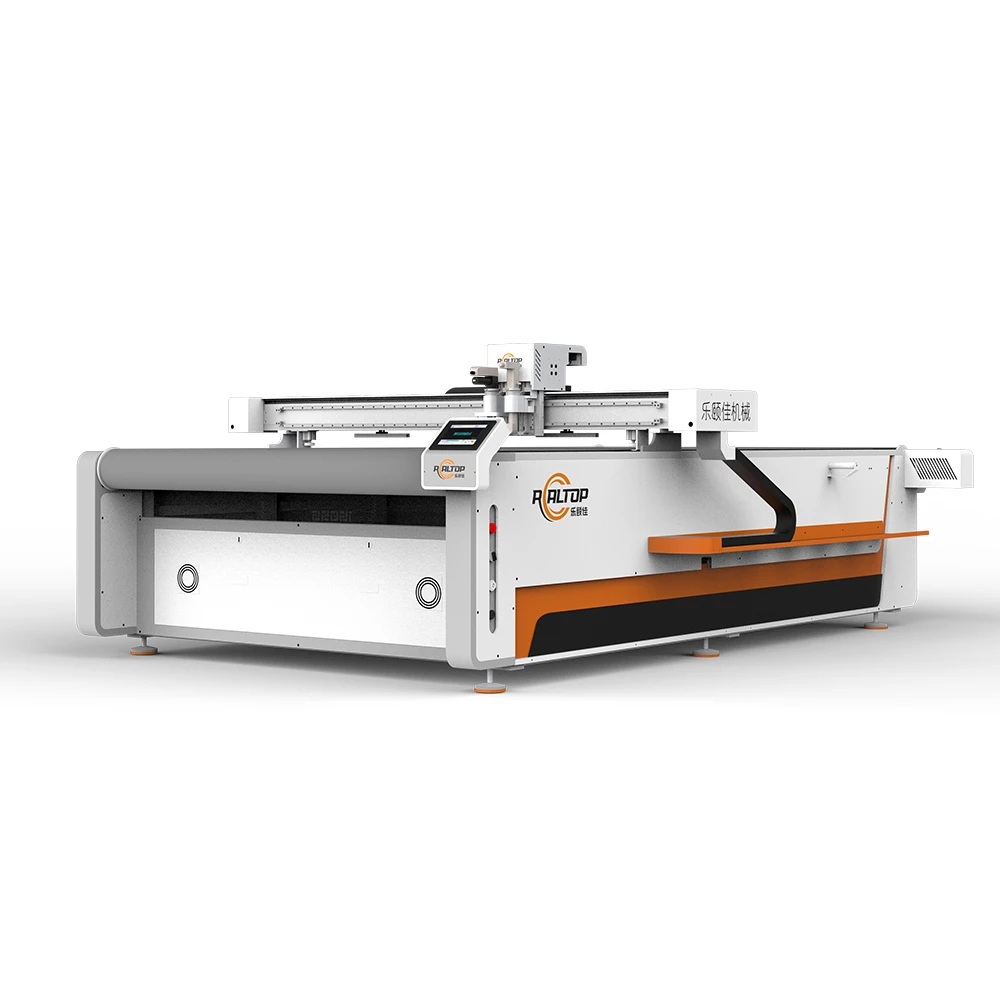
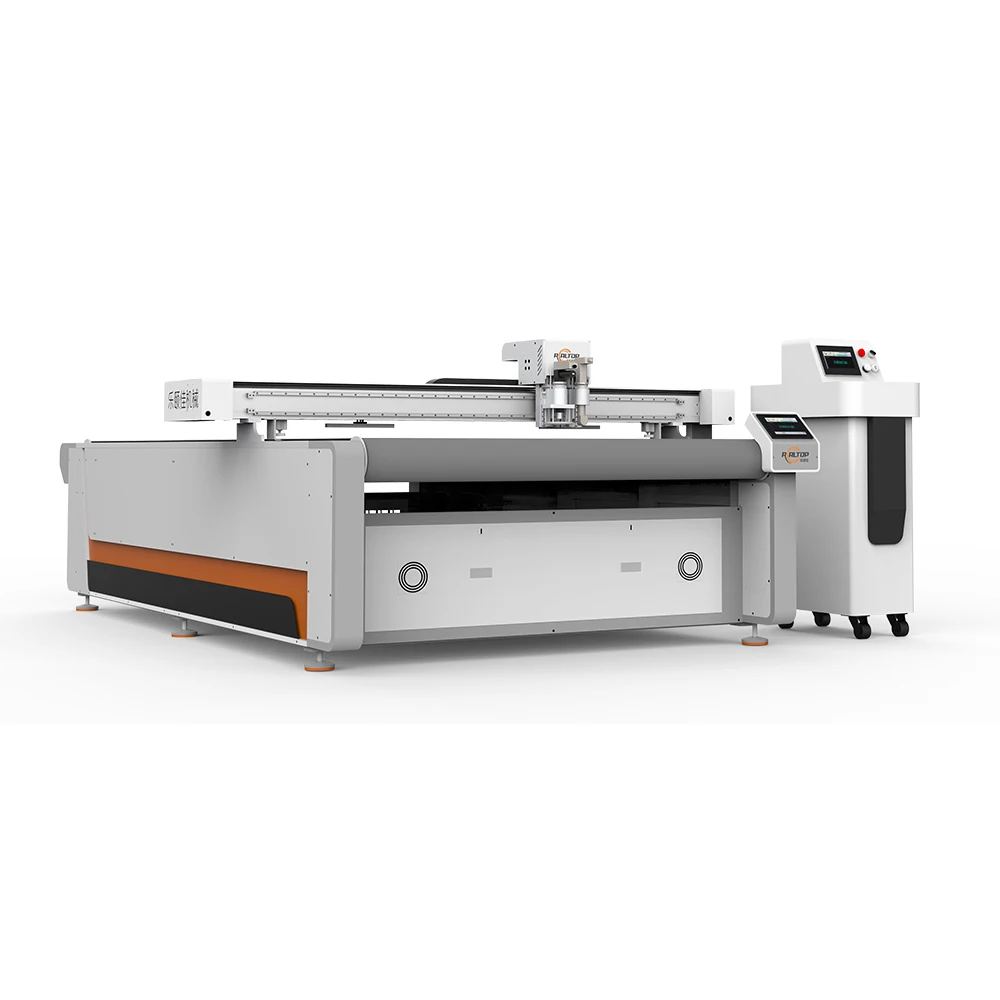
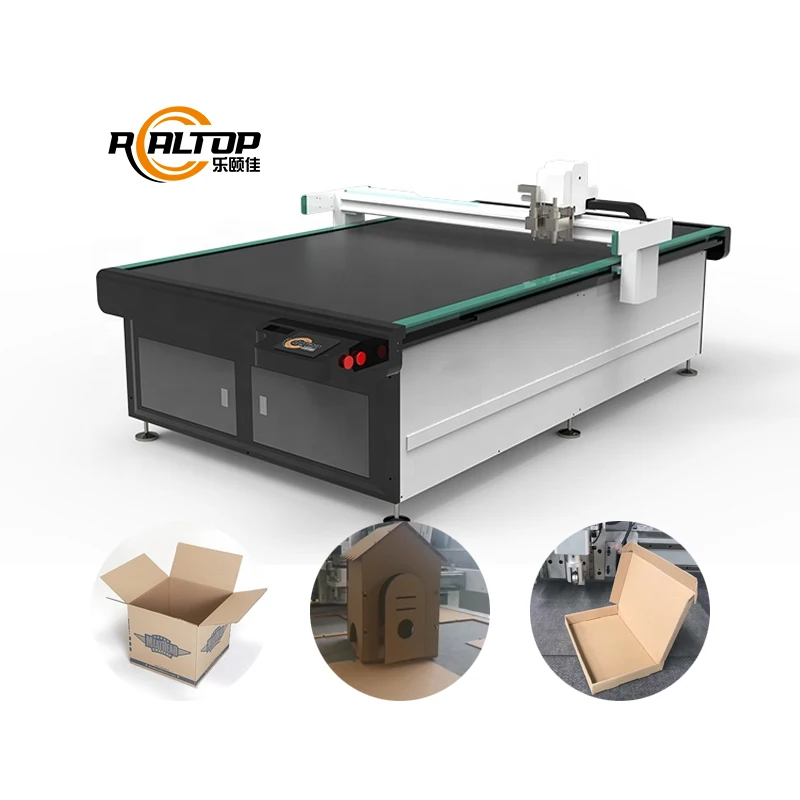
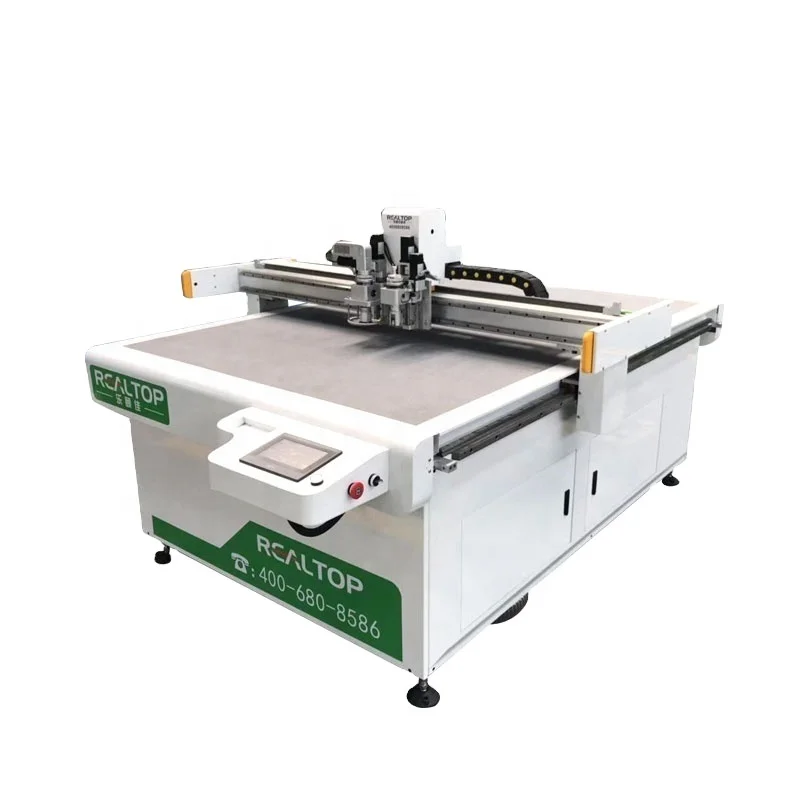
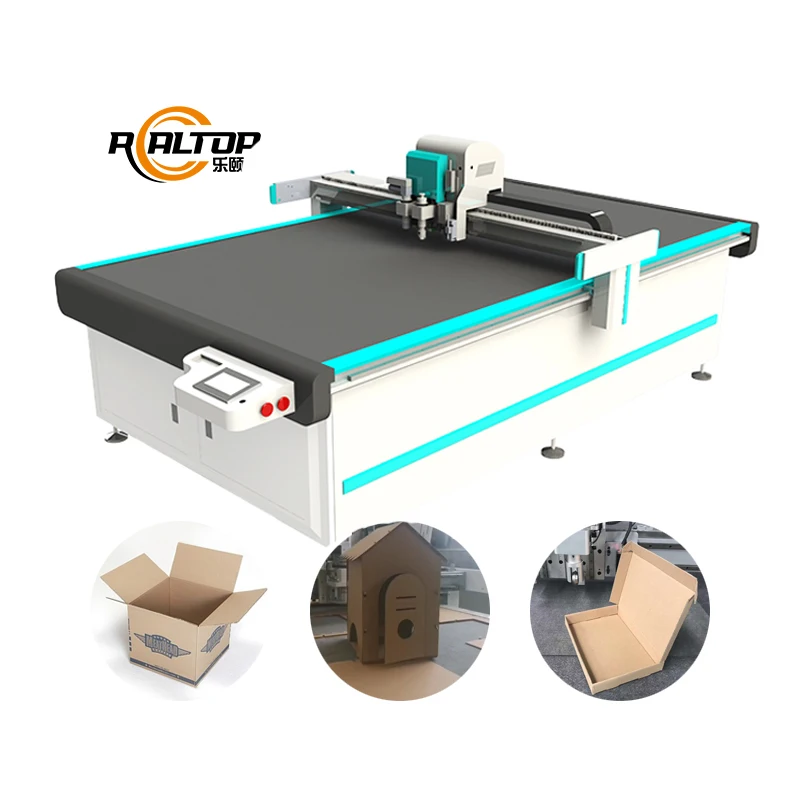
Factory-Built Frame Precision — Our Jinan facility machines every structural component of this oscillating knife cutting platform in-house, ensuring long-term alignment between the motion system and vacuum table surface.
Technical Specifications
| Parameter | Value |
|---|---|
| Product Type | CNC Oscillating Knife Cutting Machine |
| Working Area | 2500 × 2200 mm |
| Cutting Speed Range | 0 – 1500 mm/s |
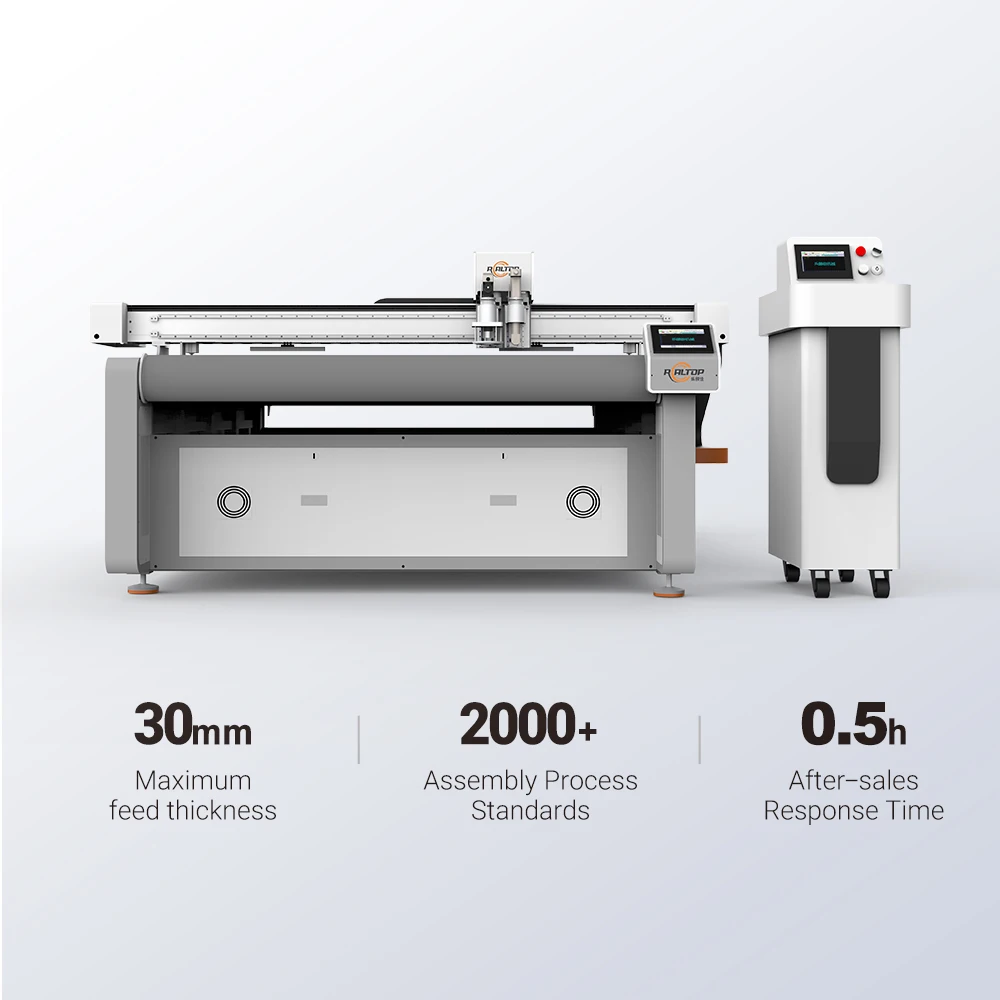
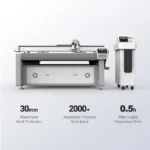
| Cutting Thickness Capacity | ≤ 30 mm (basis not stated in source — confirm material / density) |
| Positioning / Cutting Accuracy | ±0.1 mm |
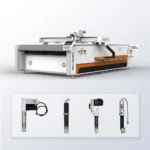
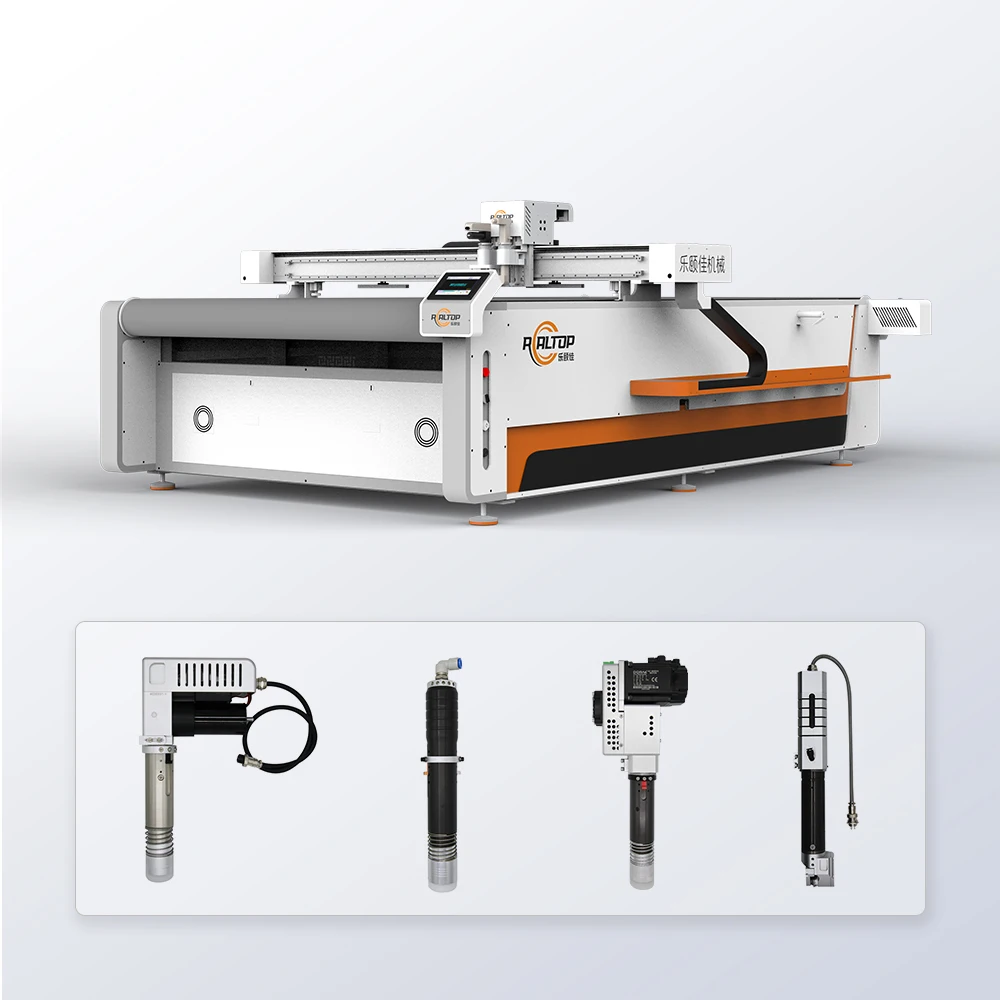
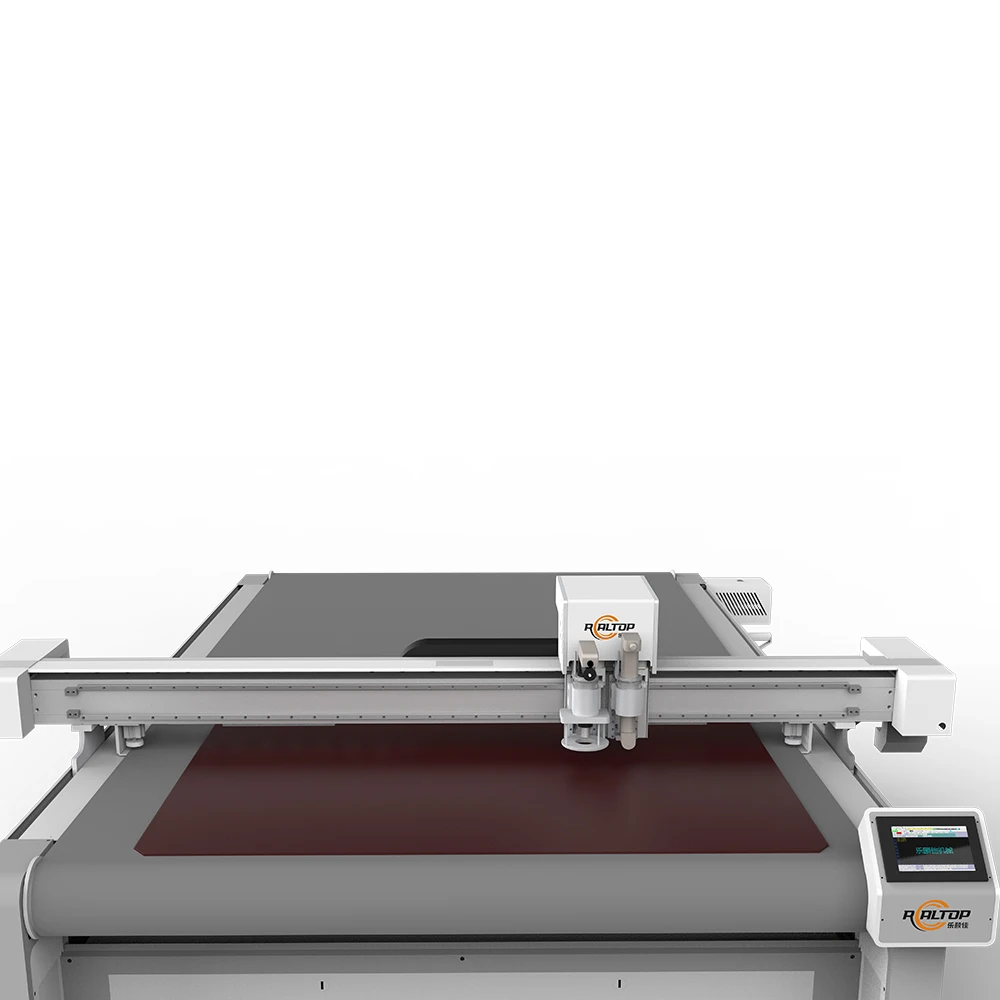
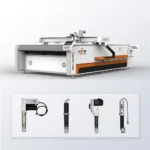
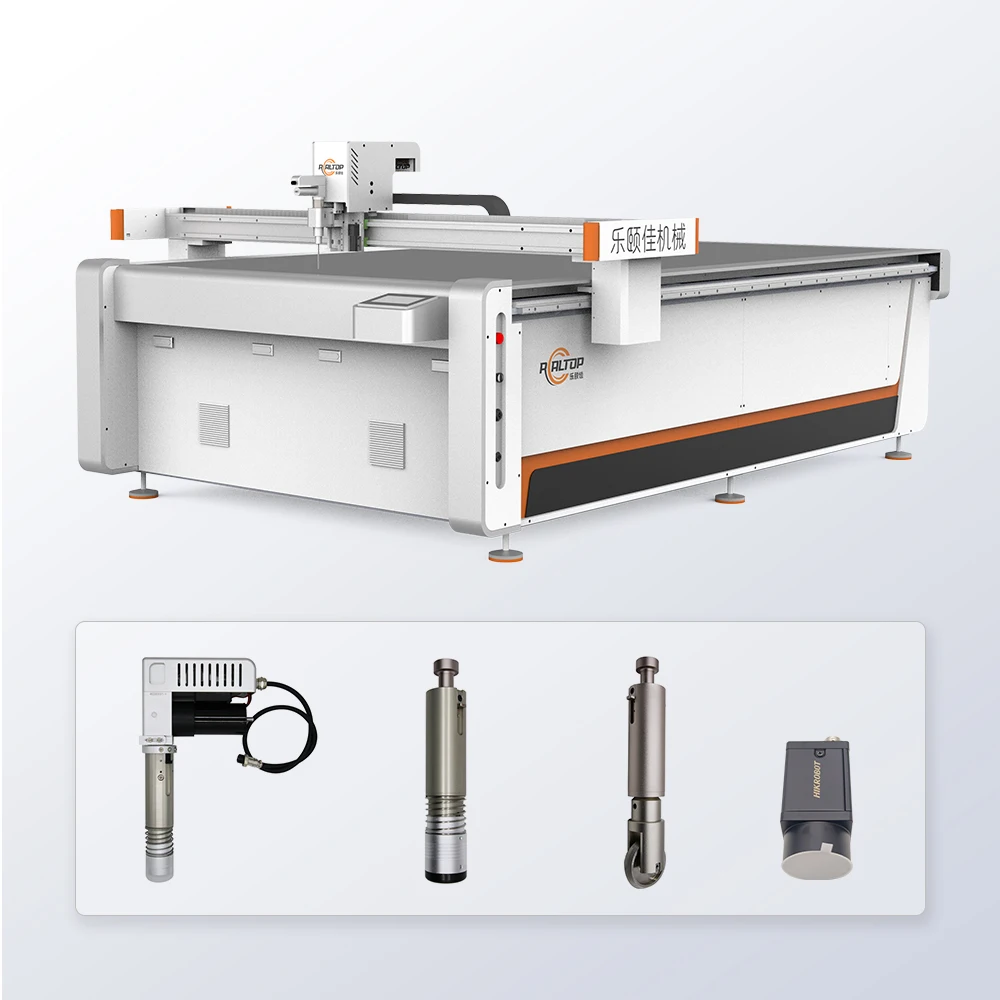
| Tool Head Options | Oscillating knife, Driven rotary knife, Creasing wheel, Kiss cutting tool, Pneumatic knife, Milling tool, V-groove knife |
| Vacuum Pump Power | 9 kW |
| Vacuum Table Construction | Aluminum bellows vacuum table |
| Servo Drive Options | Panasonic, Delta, Dorna (source value — verify against manufacturer catalog) |
| Voltage Options | 110V / 220V / 380V |
| Control System | PLC control panel with optional display languages |
| File Format Compatibility | PLT, DXF, AI, PDF |
| Safety Devices | Infrared sensor device, emergency stop device |
| Machine Dimensions (L×W×H) | 3300 × 2700 × 1350 mm |
| Language Options | English, Russian, Italian, Chinese (custom languages available) |
| Nesting Software | Included |
| Standards | CE |
Application Suitability
| Application | Material or Output |
|---|---|
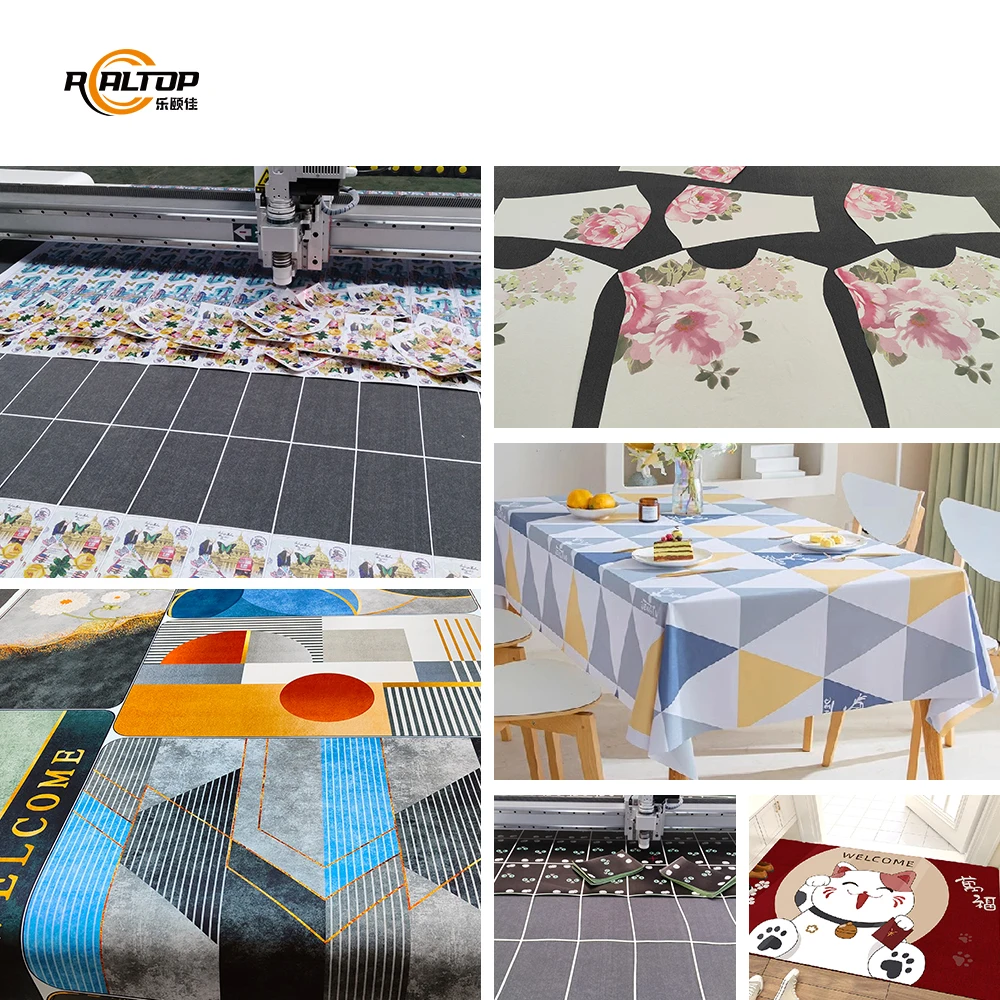
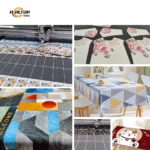
| Automotive floor mat production | Full-coverage car mats, loop mats, layered fabric composites |
| Home textile and carpet cutting | Coral fleece carpets, PVC mats with geometric and petal patterns |
| Yoga and fitness mat fabrication | Custom wave-edge mats, cut-out designs on foam and rubber layers |
| Garment multi-ply cutting | Woven fabric, knitted textiles, technical textiles stacked for batch cutting |
| Non-slip pad manufacturing | Rubber sheets, EVA foam, PTFE gasket stock |
Why Cutting Depth Specs Can Mislead Fabric Buyers
The number on the spec sheet only matters when matched to your actual material density and ply count.
I have seen buyers focus on a 30 mm thickness figure, then discover their densely woven technical fabric behaves nothing like the loose foam used to validate that rating. Cloth cutting involves variables that a single number simply cannot capture — weave tightness, coating layers, backing adhesives. When a CNC oscillating knife cutting machine manufacturer quotes maximum thickness without stating the test material, that figure becomes a starting point for conversation rather than a guarantee [NEED_CITE: industrial cutting thickness rating standards for textile machinery].
In-House Frame Machining and Motion Alignment
A cloth cutting platform lives or dies by the flatness of its working surface and the straightness of its gantry travel. Our Jinan core factory machines the frame components on the same site where final assembly takes place, which means alignment issues get caught before the machine leaves the building rather than during commissioning at your facility. This integration between fabrication and assembly is what allows the ±0.1 mm positioning accuracy to hold across the full 2500 × 2200 mm working area over years of continuous operation.
Tool Head Selection Driven by Your Fabric Sample
Every cloth type demands a different cutting action. Woven automotive mat material may require a high-frequency oscillating knife to shear through dense fibers cleanly, while a single-ply silk lining calls for a driven rotary knife that glides without fraying the edge. Our CNC oscillating knife cutting machine manufacturer approach involves testing your actual material sample on multiple tool heads before locking in the configuration. The seven available tool options — from kiss cutting tools for delicate vinyl overlays to V-groove knives for folding carton structures — exist so that the machine adapts to your production rather than forcing your material into a single cutting method [NEED_CITE: oscillating versus rotary knife cutting action on layered textiles].
Reading the Specs That Matter for Cloth Production
The 9 kW vacuum pump paired with the aluminum bellows table is sized to maintain suction across the entire cutting bed, which becomes critical when cutting small garment pattern pieces that tend to lift under knife drag. The PLC control panel with multi-language support means operators in different export markets can run nesting programs and adjust knife oscillation frequency without relying on translated manuals. File format compatibility across PLT, DXF, AI, and PDF ensures that pattern files from your existing design software feed directly into the nesting workflow without intermediate conversion steps that introduce dimensional errors. The infrared sensor and emergency stop system provides a safety perimeter around the moving gantry, a necessary addition when operators load and unload fabric sheets while the machine is cycling.
The Cost of Skipping Material Trials Before Order
When a buyer commits to a tool head and vacuum zoning configuration without running their specific cloth through the machine, problems surface weeks later on the production floor. Lightweight polyester chiffon lifts off an improperly zoned vacuum table mid-cut, ruining nested pattern layouts. Thick loop mat material compresses under the hold-down foot, then springs back after the knife passes, leaving partially severed fibers that require manual trimming. These failures are not machine defects — they are specification mismatches that a pre-order sample run would have exposed [NEED_CITE: vacuum table zoning requirements for lightweight textile cutting].
Why Source This Platform From Our Facility
Our in-house design team covers both knife and laser cutting technologies, so cloth buyers can evaluate which method truly suits their material before investing. The core factory controls frame fabrication, motion component sourcing, and final assembly under one roof, reducing the coordination gaps that cause specification drift. We configure the servo drive selection — Panasonic, Delta, or Dorna — based on the positioning responsiveness your fabric ply count demands. Every machine ships with a documented tool head and table configuration list tied to your sample test results, not a generic bill of materials. Voltage options spanning 110V to 380V and control panel language customization mean the machine arrives wired and labeled for your facility’s electrical supply and operator preference.
Documentation & Verification
- Machine specification sheet with confirmed tool head and vacuum zoning for your cloth type
- Electrical schematic and voltage confirmation matched to your facility power supply
- Sample cutting report on your fabric showing edge quality and cutting speed achieved
- CE declaration with test records from in-house validation before dispatch
- Software licence and file format compatibility note for your PLT, DXF, AI, or PDF workflow
- Spare parts list with recommended consumable knife blades and vacuum seal replacements
Installation, Commissioning & Support
- Floor space planning for the 3300 × 2700 × 1350 mm footprint with operator clearance zones
- Dedicated electrical circuit matching your confirmed 110V, 220V, or 380V supply specification
- Vacuum pump commissioning and table zone calibration on your production cloth material
- PLC control panel language setup and nesting software training for your operators
- First-run parameter tuning for knife oscillation frequency against your fabric thickness and ply count
- Consumable blade inventory planning based on your daily cutting volume and material abrasiveness
What We Need From Your Inquiry
To recommend the correct tool head, vacuum zoning, and servo configuration for your cloth cutting application, share the specific fabric types and maximum ply count you run, the largest sheet dimensions you process, and your facility’s available voltage and frequency. If your existing design workflow relies on a particular file format or nesting software, let us verify compatibility before the build begins. Sending a sample roll of your actual production material allows us to run cutting trials and confirm edge quality before any specification is finalized.
Frequently Asked Questions
Q: How does the design team determine the right tool head for my fabric type and thickness?
A: We run your actual cloth sample through multiple tool head options — oscillating, rotary, pneumatic — and document cut edge quality, knife wear rate, and achievable speed for each. The configuration that delivers the cleanest edge at sustainable knife life becomes the locked specification on your order.
Q: What quality control checks are performed at the factory before shipment?
A: Each unit undergoes frame flatness measurement, gantry travel repeatability testing, vacuum suction validation across all table zones, and a full cutting cycle on representative material. Electrical continuity and safety device function are verified against the schematic before crating.
Q: Can the voltage, control language, and frame configuration be customized for OEM branding?
A: Yes. Voltage is configurable across 110V, 220V, and 380V, and the PLC control panel supports multiple display languages including custom additions. Distributors and importers can specify branding elements, and we document every configuration choice before production begins.
Q: How is vacuum table zoning configured to prevent lightweight fabric from lifting?
A: The aluminum bellows table is divided into independently controlled suction zones. For small garment pieces, only the zones directly under the cutting path are activated, concentrating hold-down force where the knife exerts lateral drag on the material.
Q: What documentation ships with each cloth cutting machine?
A: Every unit includes a specification sheet, electrical schematic, voltage confirmation, tool head configuration list, sample cutting report, CE declaration, operation manual, software licence note, and a spare parts list with consumable blade recommendations.
You may also like

商品评价
Clear filtersThere are no reviews yet.