


-
 Courier delivery
-
 DHL Courier delivery
-
 Warranty 1 year
-
 Free 30-Day returns

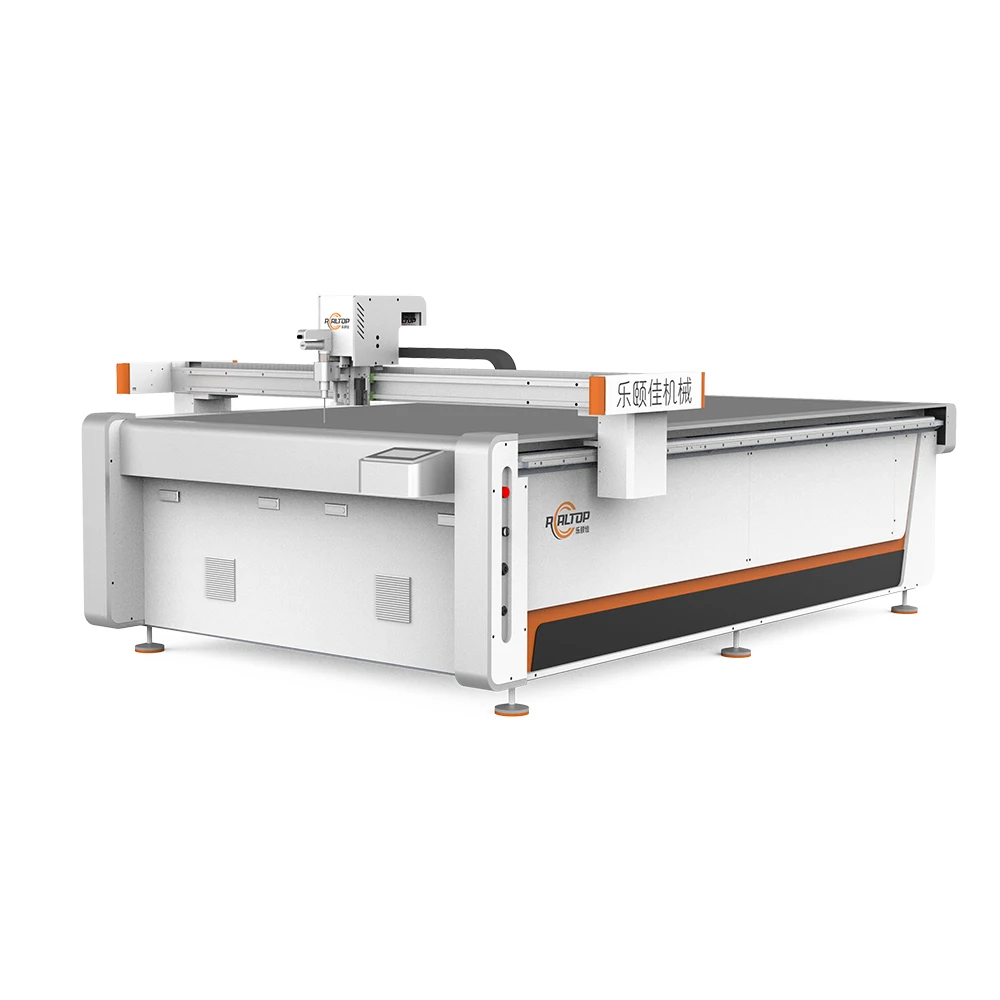
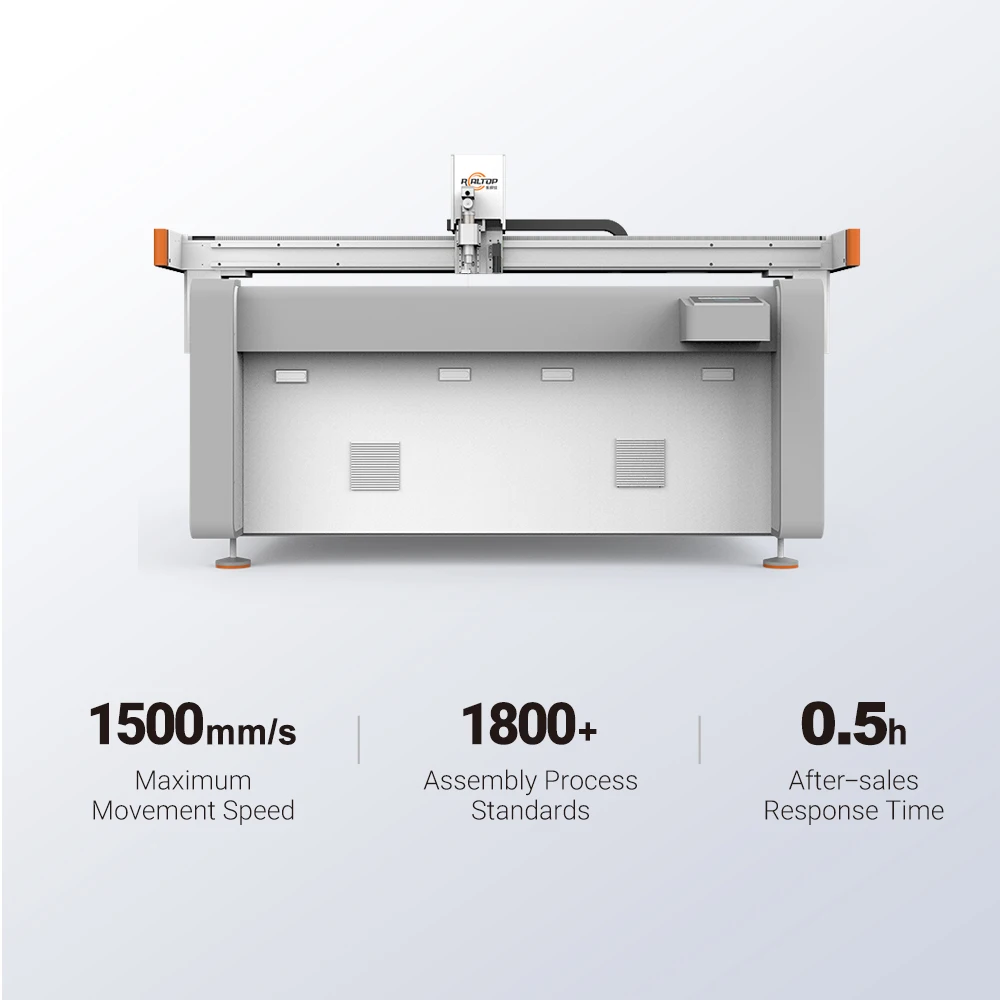
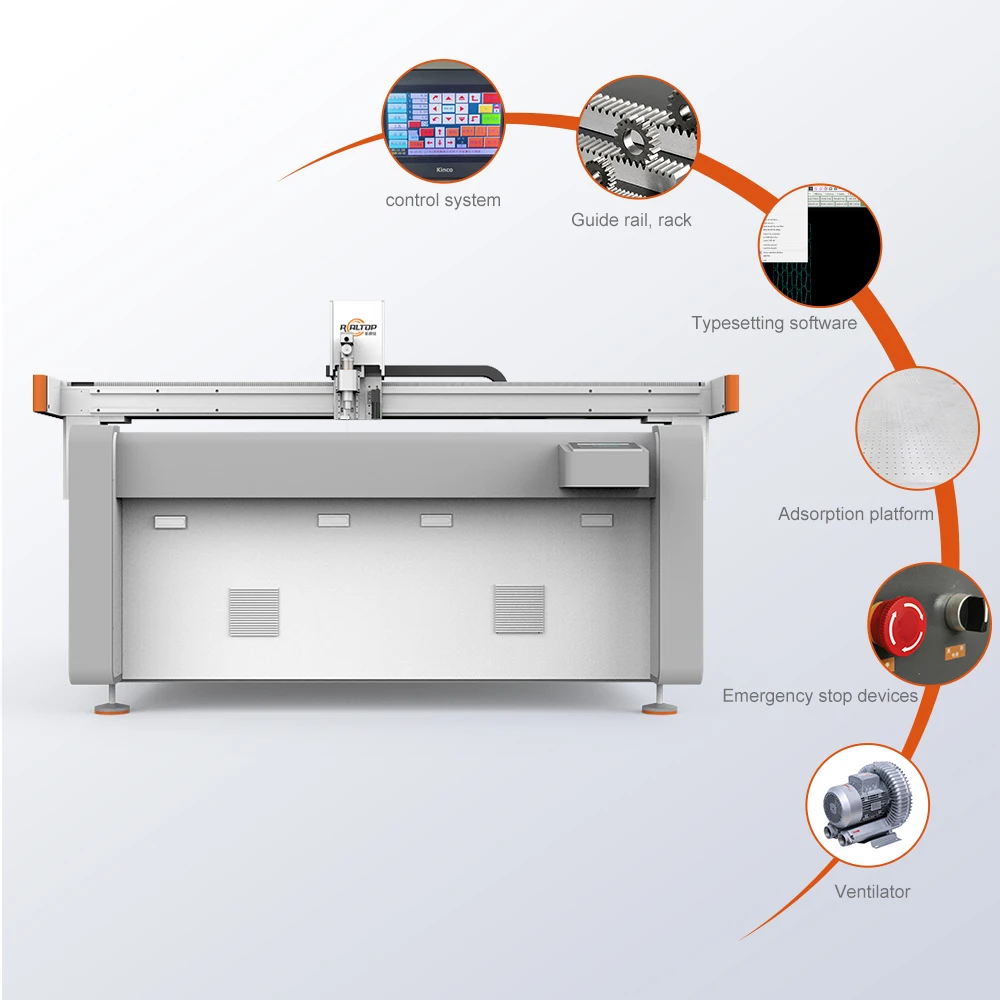
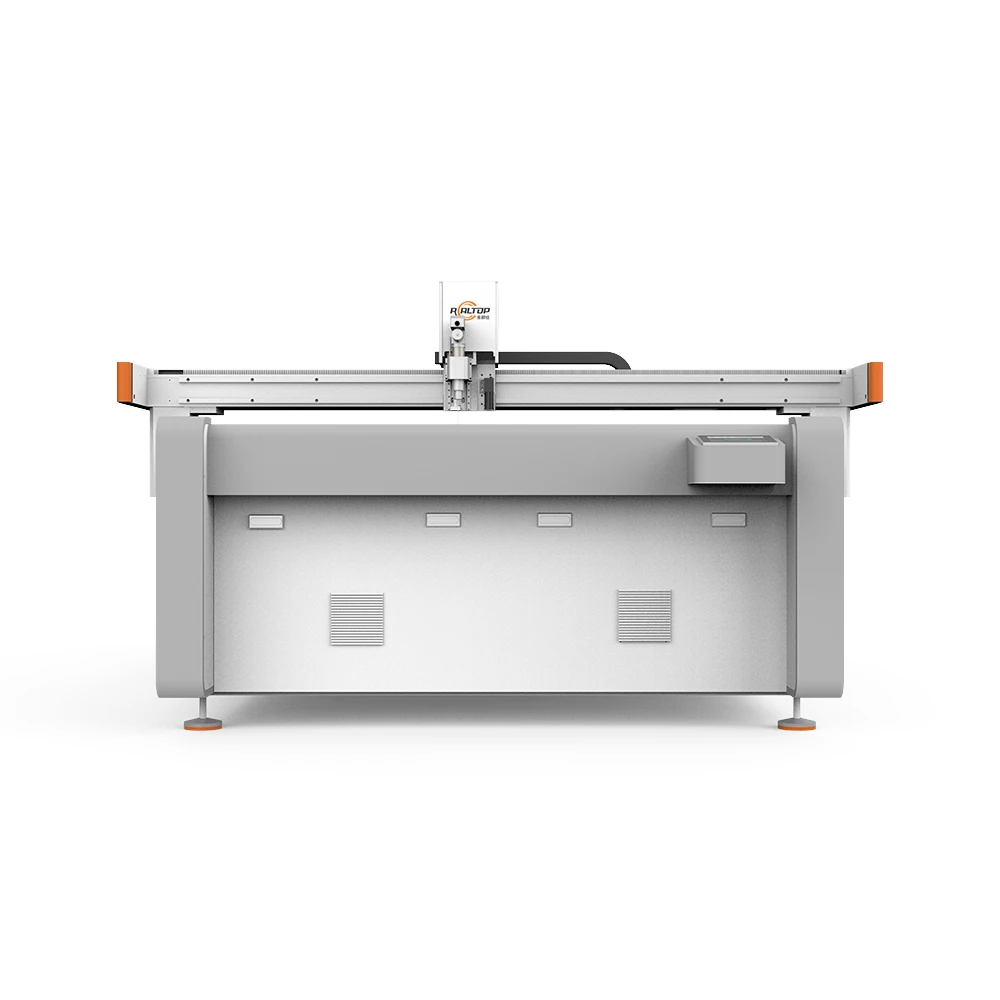
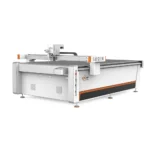
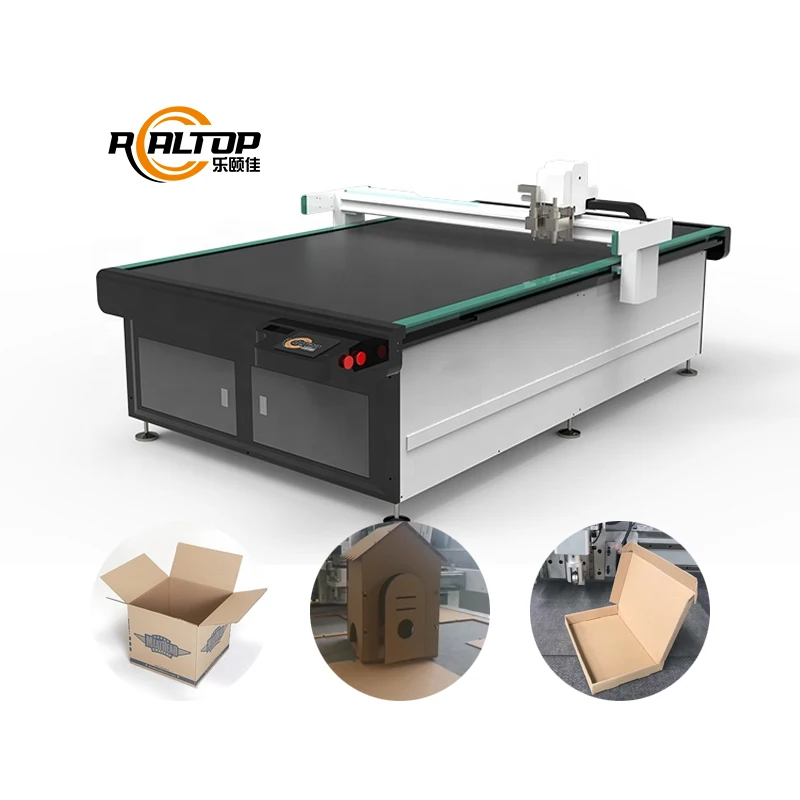
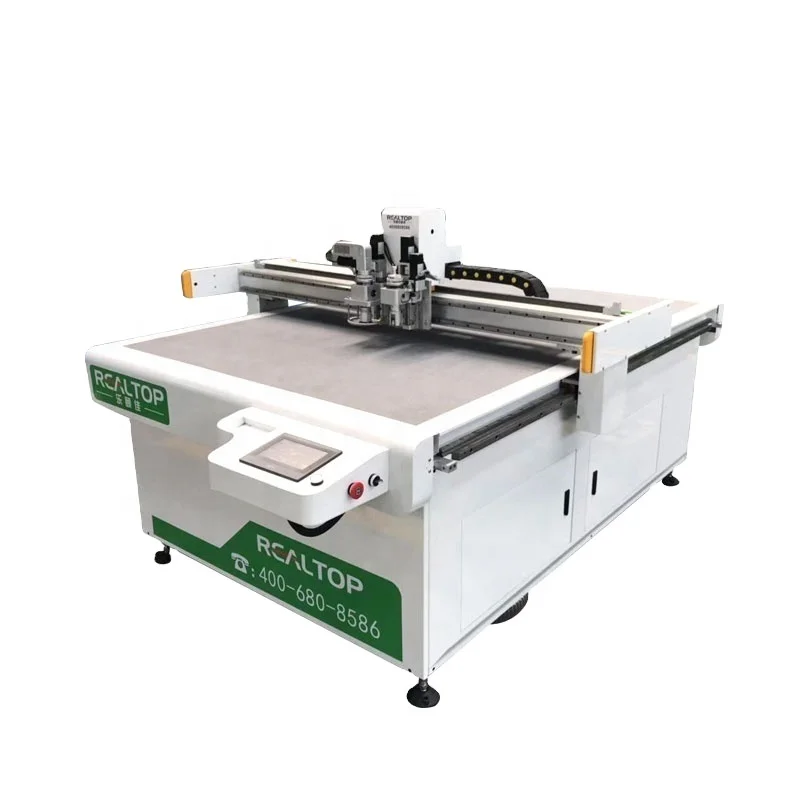
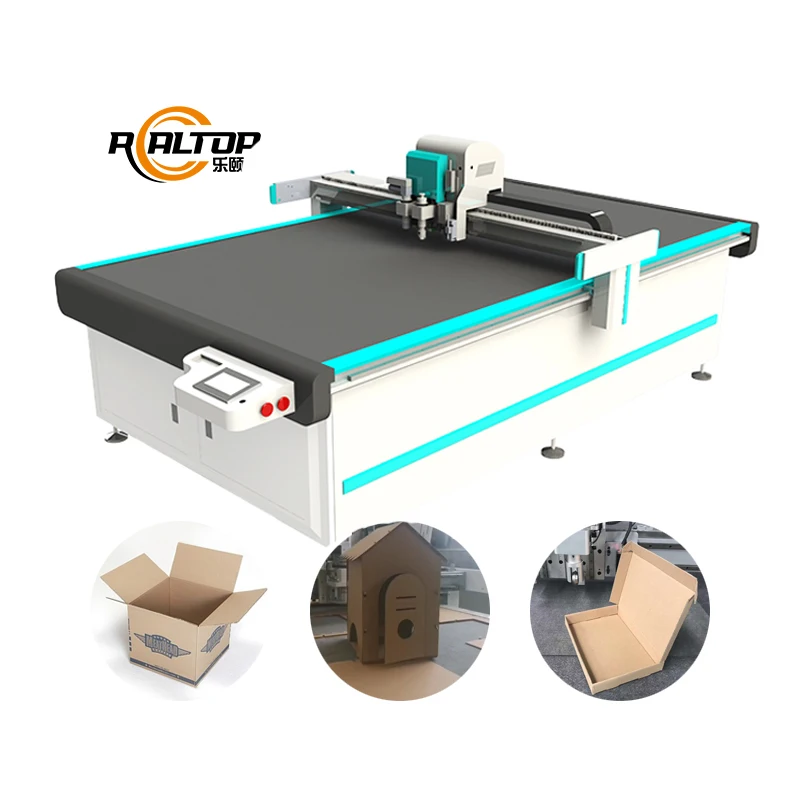
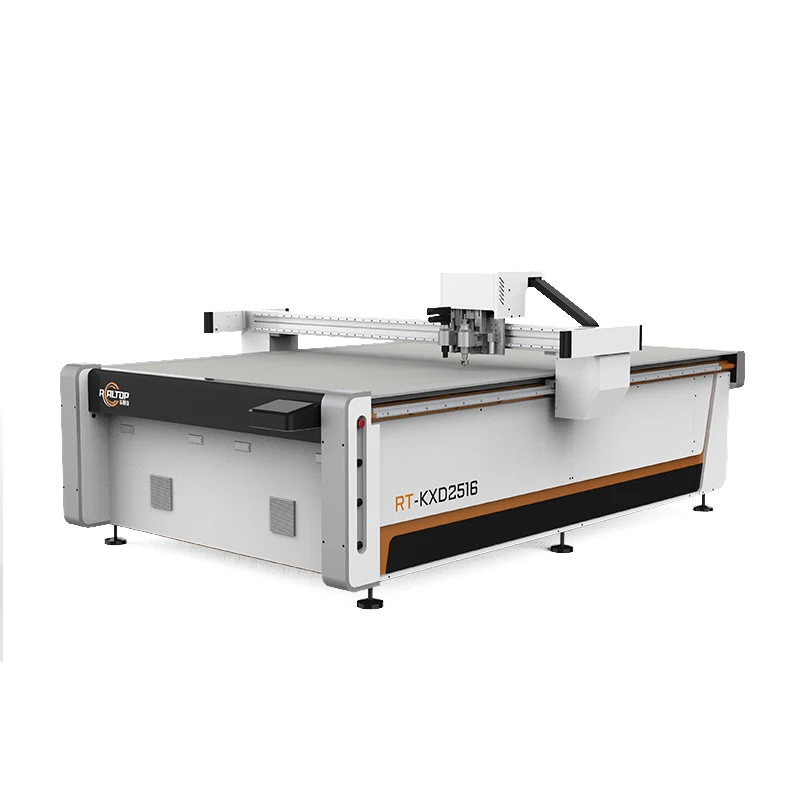
Direct Factory Build — Realtop designs and produces CNC oscillating knife cutting machines in-house, specifying tool head, vacuum zoning and electrical layout to match your composite material rather than shipping a generic flatbed.
Technical Specifications
| Parameter | Value |
|---|---|
| Product Type | CNC Oscillating Knife Cutting Machine |
| Working Area | 1600×2500 mm |
| Cutting Thickness Capacity | ≤ 30 mm |
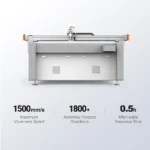
| Cutting Accuracy | ±0.1 mm |
| Cutting Speed Range | 0–2000 mm/s |
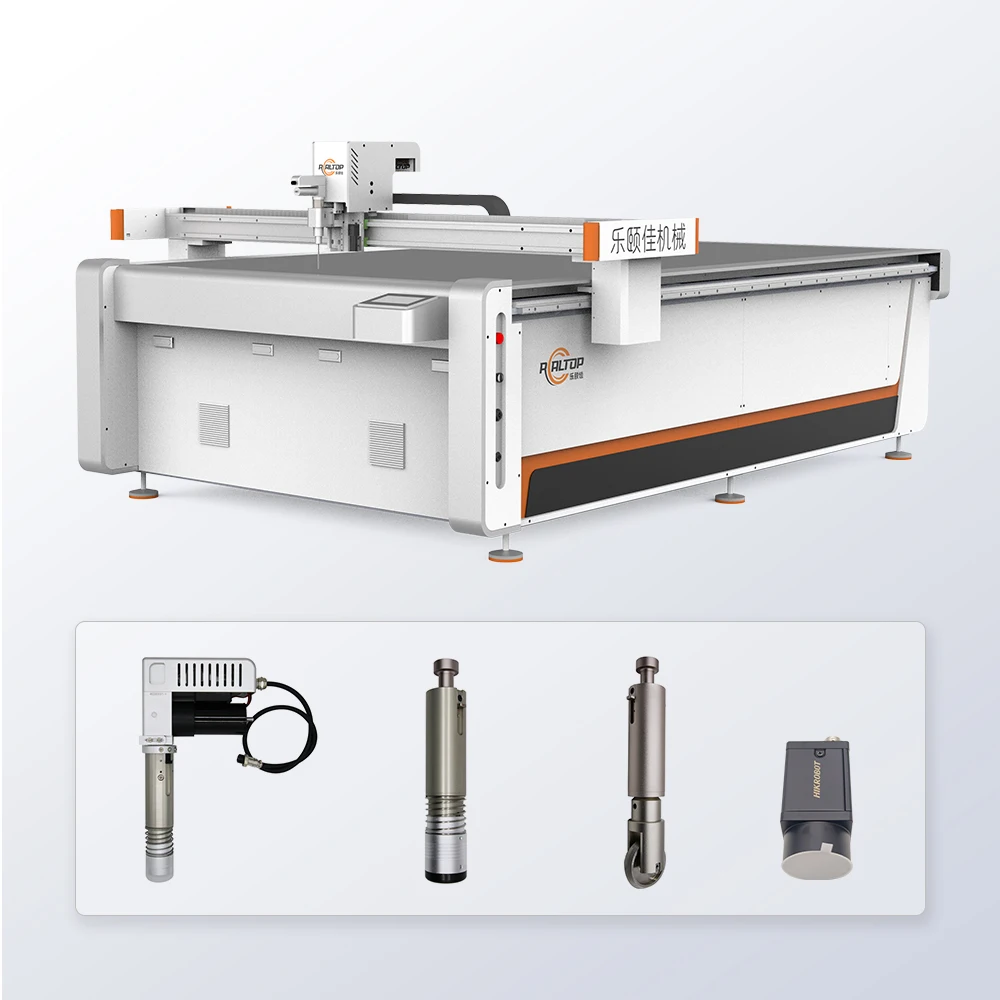
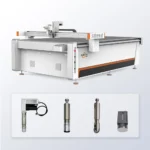
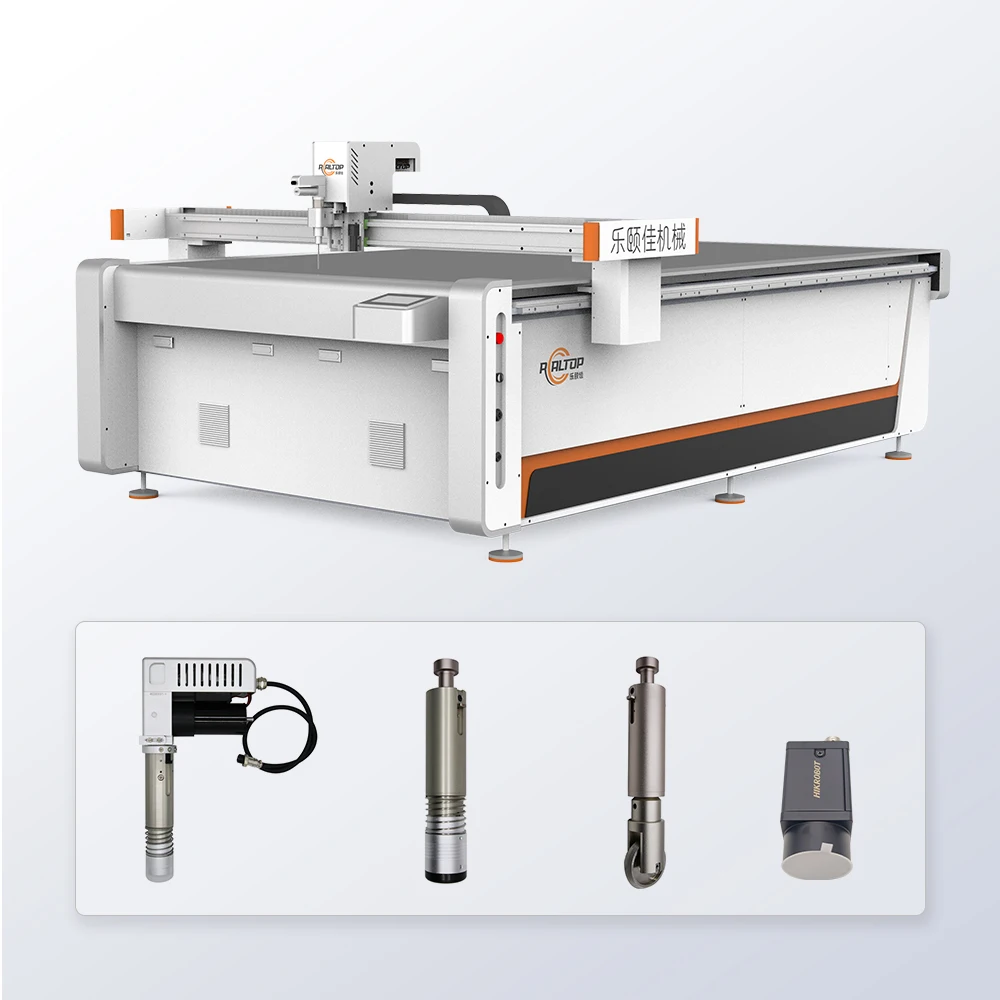
| Tool Head Options | Oscillating knife, Driven rotary knife, Creasing wheel, Kiss cutting tool, Pneumatic knife, Milling tool, V groove knife |
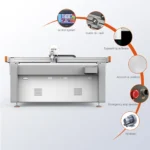
| Vacuum Table Type | Aluminum bellows vacuum table |
| Vacuum Pump Power | 9 kW |
| Machine Dimensions | 3300×2100×1350 mm |
| Control System | PLC control panel |
| Voltage Options | 110V, 220V, 380V |
| Servo Motor Options | Panasonic, Delta, Dorna (source value — verify against manufacturer catalog) |
| Display Language Options | English, Russian, Italian, Chinese (special languages customizable) |
| Supported File Formats | PLT, DXF, AI, PDF |
| Safety Features | Infrared sensor device and emergency stop device |
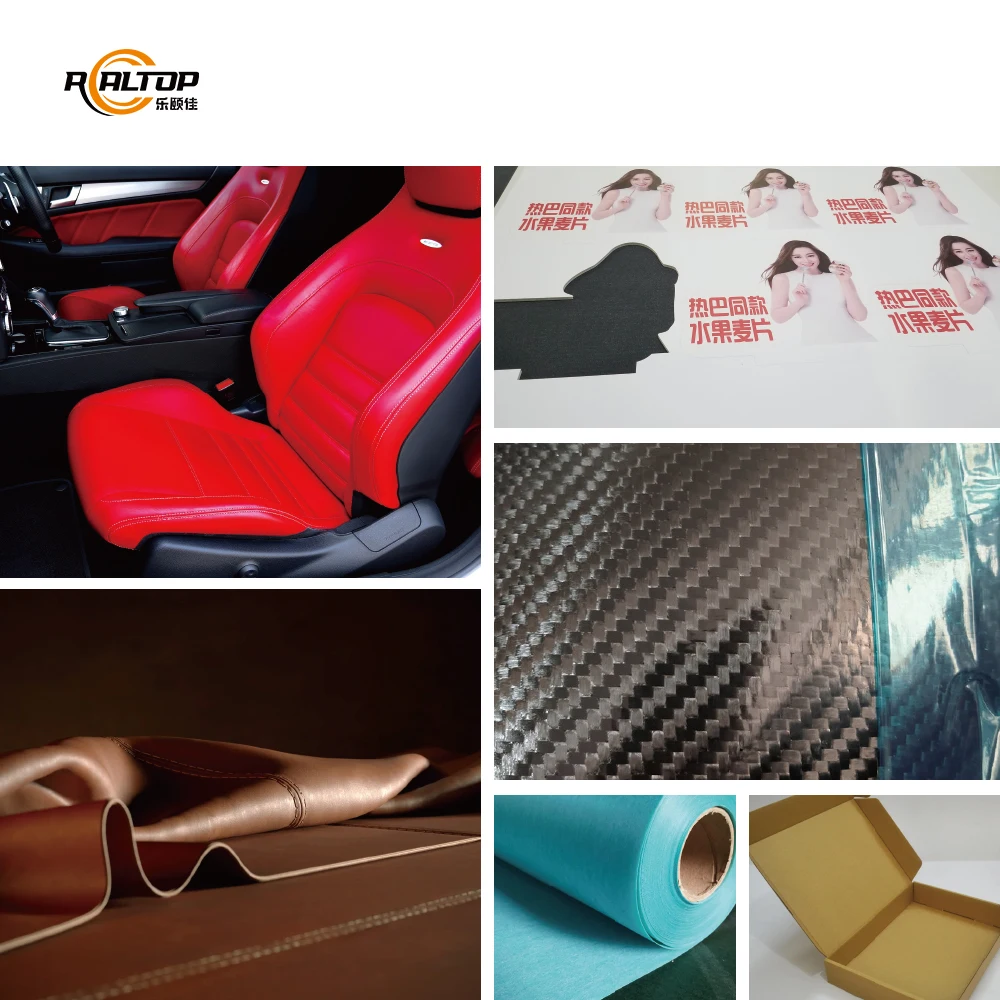
| Applicable Materials | Carbon fiber, Fiberglass, Aramid honeycomb, G10 epoxy board, PTFE, Rubber, Foam, EVA, PVC, Leather, Fabric, Acrylic, Cardboard, Carton, Mats |
Application Suitability
| Application | Material or Output |
|---|---|
| Aerospace component cutting | Carbon fiber prepreg, aramid honeycomb cores, thermal and acoustic insulation foam |
| Automotive and rail interior production | Carbon fiber covers, FRP panels, acoustic felt, damping pads, carpets, sealing strips |
| Wind power and new energy fabrication | Fiberglass cloth, carbon fiber cloth, vacuum infusion mesh, foam core materials, battery insulation sheets |
| Sporting goods and leisure manufacturing | Carbon fiber sheets and fabric, Kevlar, high-performance foam, composite fabrics for bicycle frames, helmets, surfboards, skis |
Why the Voltage Question Should Come Before the Price
Confirming the target market’s voltage and frequency before the order prevents weeks of downtime at the installation site.
I remember a shipment to a Middle East customer — a carbon fiber cutting unit that arrived to find the local supply incompatible with the motor wiring. The facility sat idle while a step-down transformer was sourced locally, costing the buyer three weeks of lost production time [NEED_CITE: voltage and frequency standards by export market]. That experience reshaped how I check every electrical schematic before a machine leaves the assembly floor. When you source a CNC oscillating knife cutting machine factory or OEM partner, the electrical discussion should happen at the quotation stage, not after the container is sealed. The cost of rewinding a motor or replacing a servo drive on-site far exceeds the time spent verifying a wiring diagram beforehand.
Cold-Cutting Process for Composite Integrity
Composite materials like carbon fiber prepreg and aramid honeycomb are sensitive to thermal input. Laser or hot-knife methods can melt resin matrices, seal edges that should remain open for lamination, or delaminate layered structures. The oscillating knife process cuts mechanically at high frequency, producing no heat at the cut line. This preserves the structural and chemical properties of the composite, which matters when a cut aerospace panel goes straight into an autoclave for curing. The ±0.1 mm accuracy ensures that nested parts stay within tolerance for downstream layup and assembly.
Vacuum Table Zoning and Material Hold-Down
Flexible composite fabrics and thin prepreg sheets lift easily under a fast-traveling knife head. The aluminum bellows vacuum table on this CNC oscillating knife cutting machine provides a flat, rigid surface with distributed suction across the working area. For small nested parts — such as gaskets or insulation pads — zoning the vacuum into isolated sections keeps each piece pinned to the table even after surrounding material is cut away. Without adequate zoning, a partially cut carbon fiber sheet can shift mid-cycle, ruining a batch of parts and wasting expensive prepreg material [NEED_CITE: vacuum table zoning requirements for flexible composites].
Matching Tool Heads to Composite Material Types
Not every composite responds to the same blade action. A standard oscillating knife handles carbon fiber cloth and fiberglass well, but thicker G10 epoxy boards or aramid honeycomb cores may require a pneumatic knife for deeper, cleaner penetration. V groove knives serve chamfered edges on sandwich panels, while milling tools address rigid composite boards that resist knife entry. The seven tool options available on this platform mean the cutting head is selected based on a sample test of your actual material — not guessed from a catalog. The PLC control panel switches between tool profiles so operators can run mixed-material jobs without manual recalibration.
The Cost of Overlooking Tool and Table Configuration
Buying a flatbed cutter on working area alone is a common mistake in composite fabrication. A machine with a single fixed knife may struggle with the full range of materials a shop handles — from thin Kevlar fabric to 25 mm foam cores. The wrong blade geometry tears aramid fibers rather than shearing them, leaving frayed edges that fail quality inspection. Inadequate vacuum hold-down on flexible prepreg causes wrinkles mid-cut, producing scrap. These are not machine defects; they are specification gaps that surface only when production begins [NEED_CITE: material-specific tooling requirements in composite cutting].
Why Procure From This Factory
Realtop maintains in-house design and production covering both the machine frame and the cutting technology, so tool head selection is engineered alongside the motion system rather than bolted on afterward. Every CNC oscillating knife cutting machine factory build undergoes a sample cutting test on the buyer’s own composite material before the order is confirmed, generating a documented cutting report. Electrical schematics and voltage configurations are verified per destination market, avoiding on-site transformer surprises. The heavy-duty precision-ground frame is built to sustain continuous composite cutting workloads without drift in axis alignment. Display language and control interface customization means operators in different regions can run the machine from day one without translation workarounds.
Documentation & Verification
- Machine specification sheet listing confirmed tool head and vacuum table configuration for your composite material
- Electrical schematic and voltage confirmation document matched to your facility’s power supply
- Sample cutting report produced on your actual carbon fiber, fiberglass or honeycomb material
- Factory test record with axis accuracy and cutting speed verification before dispatch
- Software licence and file format compatibility note for PLT, DXF, AI and PDF workflows
Installation, Commissioning & Support
- Foundation must accommodate the 3300×2100×1350 mm machine footprint with level tolerance for the aluminum bellows vacuum table
- Dedicated circuit required matching confirmed voltage option (110V, 220V or 380V) and the 9 kW vacuum pump load
- Machine ships as a single assembled unit; site access must accommodate full machine dimensions
- First-run commissioning includes PLC control panel parameter setup and servo motor calibration on your material
- Operator training covers tool head changeover across all seven available tools and vacuum zoning procedures
- Spare parts list provided covering oscillating knife blades, rotary knife consumables and vacuum seals
Requesting a Quotation
To move from inquiry to quotation, share the specific composite materials you cut, including type, thickness and maximum sheet dimensions. Indicate your daily or weekly cutting volume so the configuration can account for throughput demands. Confirm your facility’s voltage, frequency and preferred control language. If you want a sample cut on your own material before committing, send a representative sheet and we will return a cutting report with edge quality and accuracy data.
Frequently Asked Questions
Q: How is the cutting tool head selected to match specific composite materials and thicknesses?
A: We run a sample cutting test on your actual material — whether carbon fiber prepreg, aramid honeycomb or G10 epoxy board — and document which of the seven available tools produces the cleanest edge at the required thickness. The tool head recommendation is then locked into the machine specification before production begins.
Q: What voltage, plug and control language customization does the factory confirm before shipment?
A: Before production starts, we confirm your facility’s voltage and frequency, the required plug type, and the display language for the PLC control panel. The electrical schematic is reviewed against these requirements and signed off, so the machine connects directly to your supply without adapters or transformers.
Q: Can I send my own composite material for sample cutting before placing an order?
A: Yes. Send a representative sample of your carbon fiber, fiberglass, foam core or honeycomb material. We cut it on the configured machine, document edge quality, cutting speed and accuracy, and return a sample cutting report so you can evaluate the result before committing to a purchase order.
Q: What is the OEM and custom build scope for working area, tool head and vacuum zoning?
A: Custom builds can adjust the working area beyond the standard 1600×2500 mm, select from seven tool head options, configure vacuum table zoning for your part sizes, and adapt the frame to your production environment. All modifications are documented in the machine specification sheet before manufacturing begins.
Q: What documentation ships with the machine?
A: Each machine ships with a specification sheet, electrical schematic, voltage confirmation document, sample cutting report, factory test record, operation and maintenance manual, software licence note and spare parts list. CE declaration is included where applicable to your destination market.
You may also like

商品评价
Clear filtersThere are no reviews yet.