



-
 Courier delivery
-
 DHL Courier delivery
-
 Warranty 1 year
-
 Free 30-Day returns

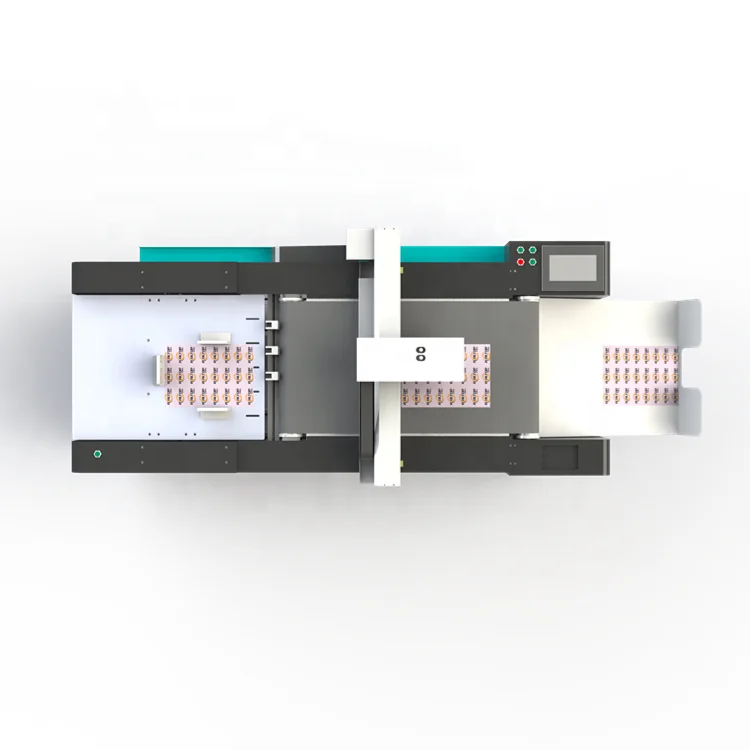
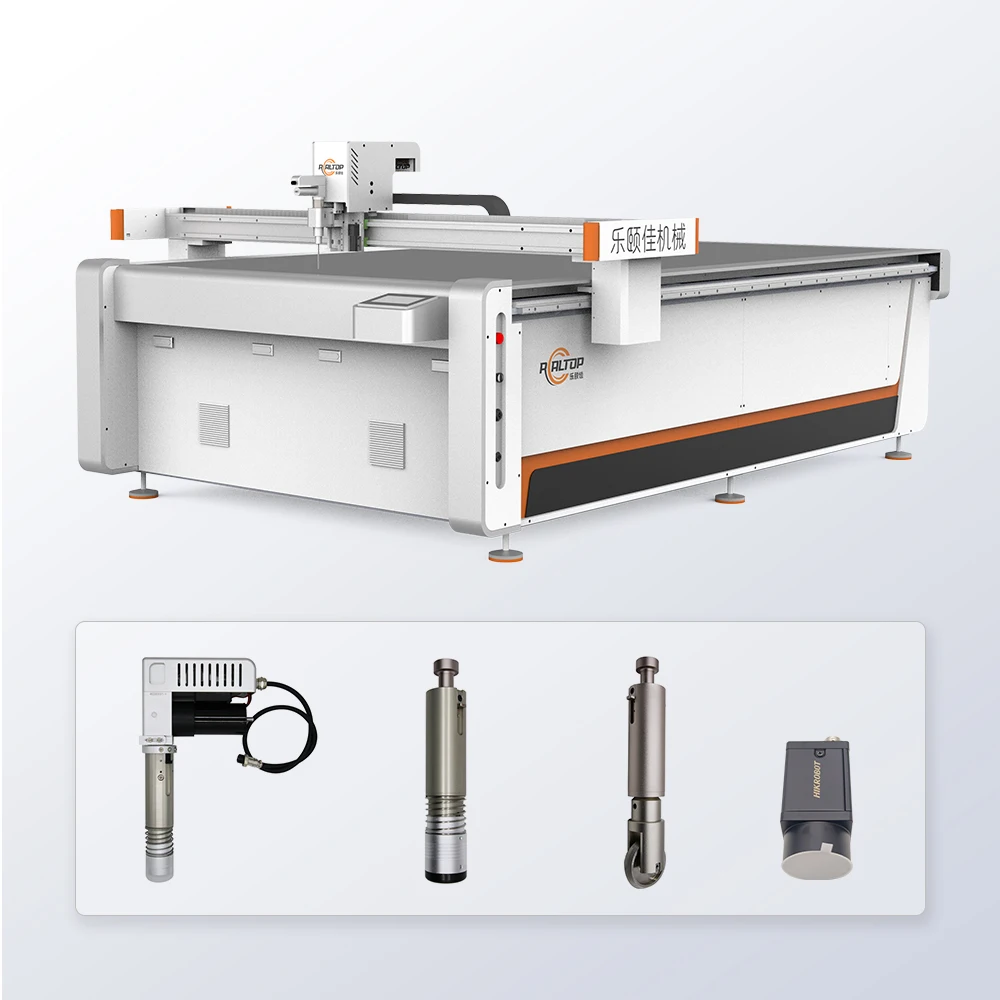
Tool Head Matched to Material — Every RTT6080 ships with cutting, kiss-cutting, creasing, and CCD tools configured for the buyer’s label stock and liner, verified by sample report before dispatch.
Technical Specifications
| Parameter | Value |
|---|---|
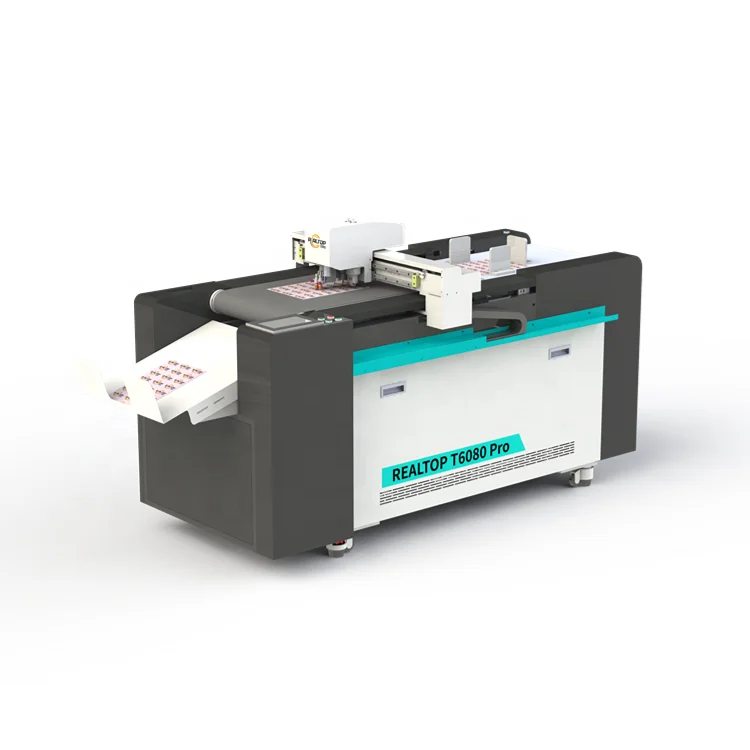
| Model | RTT6080 / RTT6080 Pro |
| Product Type | CNC Digital Sticker Cutting Machine |
| Max Working Area | 600mm × 800mm |
| Tool Group | Cutting tool, kiss cutting tool, creasing tool, CCD camera, high speed oscillating knife (Pro model) |
| Max Cutting Speed | 1500mm/s (basis not stated in source — confirm material / thickness) |
| Cutting Thickness | ≤2mm (RTT6080) / ≤5mm (RTT6080 Pro) |
| Positioning Accuracy | 0.05mm |
| File Format | DXF, PLT, PDF, AI |
| Transfer Method | Ethernet port |
| Rated Power | 3.2KW |
| Voltage | 220V/380V, 50Hz |
| CCD Camera | Included |
| Warranty | One year for whole machine |
Application Suitability
| Application | Material or Output |
|---|---|
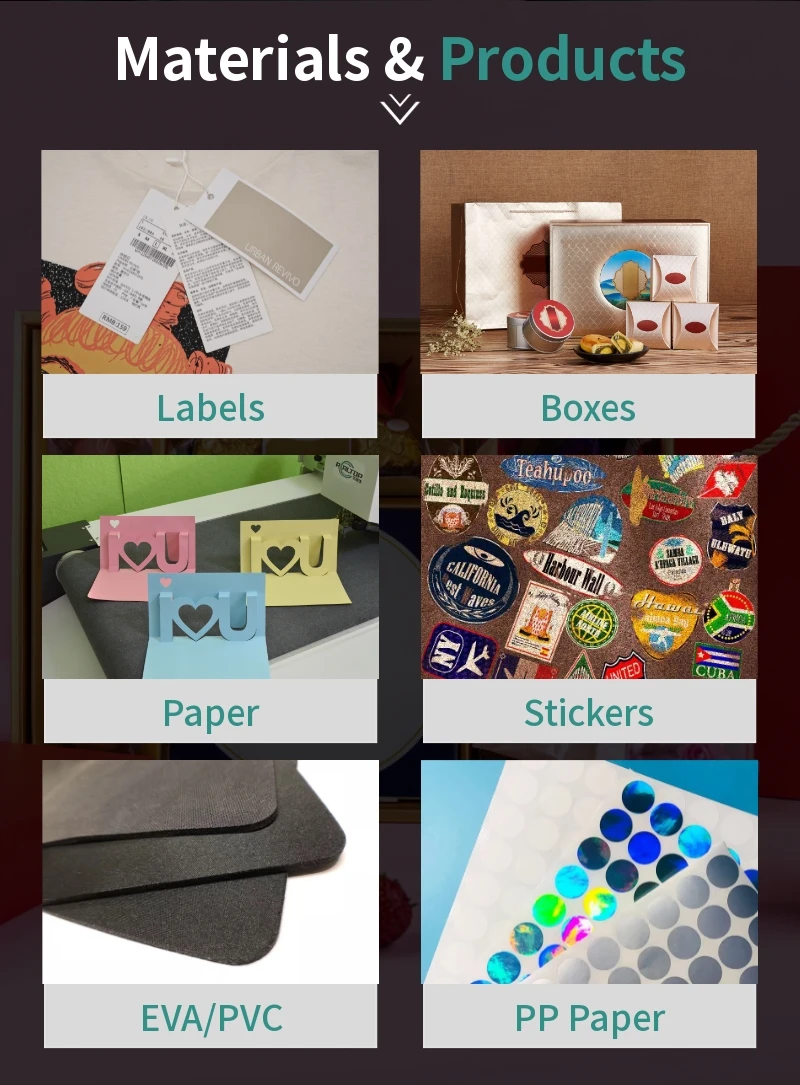
| Digital label converting | Self-adhesive vinyl, PET, PP films with kiss-cut and full-cut requirements |
| Signage and graphic finishing | Printed vinyl decals, self-adhesive window film, card stock |
| Packaging sample making | Thin board sticker stock requiring combined creasing and cutting |
| Sheet-fed label production | Short-to-medium run label sheets on coated paper and synthetic substrates |
When "CCD Contour Recognition" Fails on Your Artwork
A camera that tracks marks on the supplier’s test sheet but chokes on your registration marks at production speed turns an entire roll of labels into waste.
I have watched shops in Latin America discard thousands of printed stickers because the promised CNC digital sticker cutting machine manufacturer could not deliver reliable contour tracking on their specific ink density and mark geometry. The issue rarely lies with the camera hardware itself. Registration marks printed with low-contrast ink, stretched vinyl from humid storage, or marks placed too close to the sheet edge all defeat recognition algorithms [NEED_CITE: CCD registration mark detection failure modes in digital finishing]. The buyer assumed the feature worked universally and only discovered the gap after committing to a full production run.
Tool Head Selection by Label Material and Liner
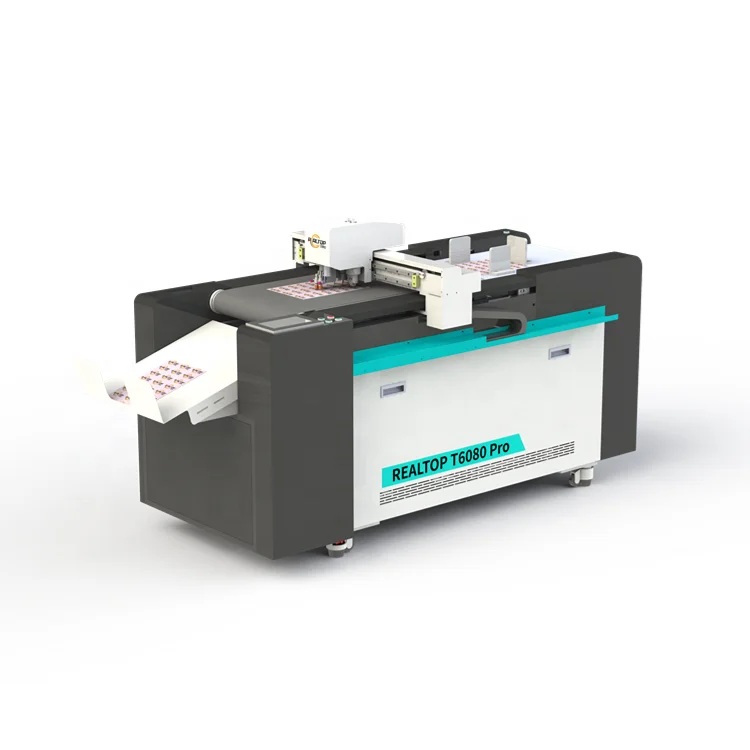
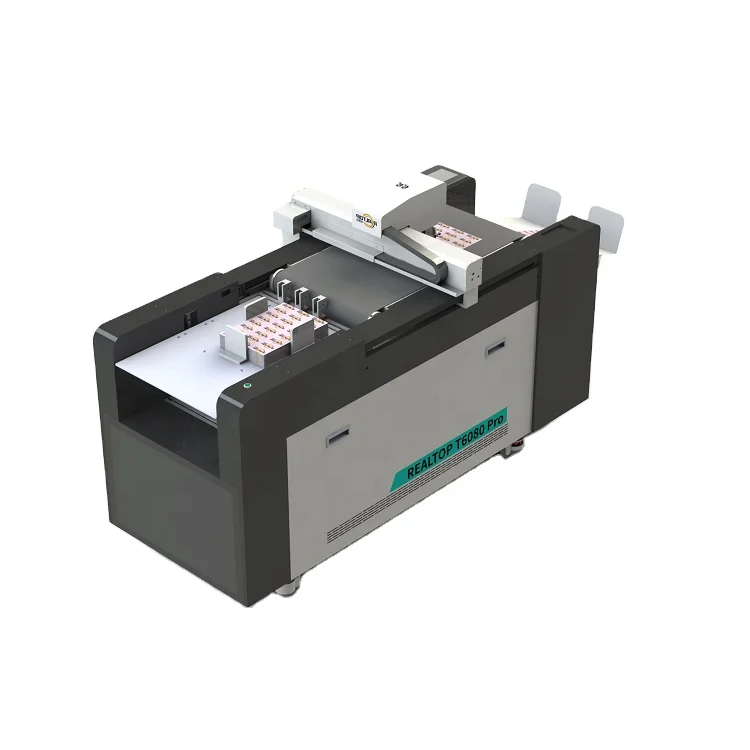
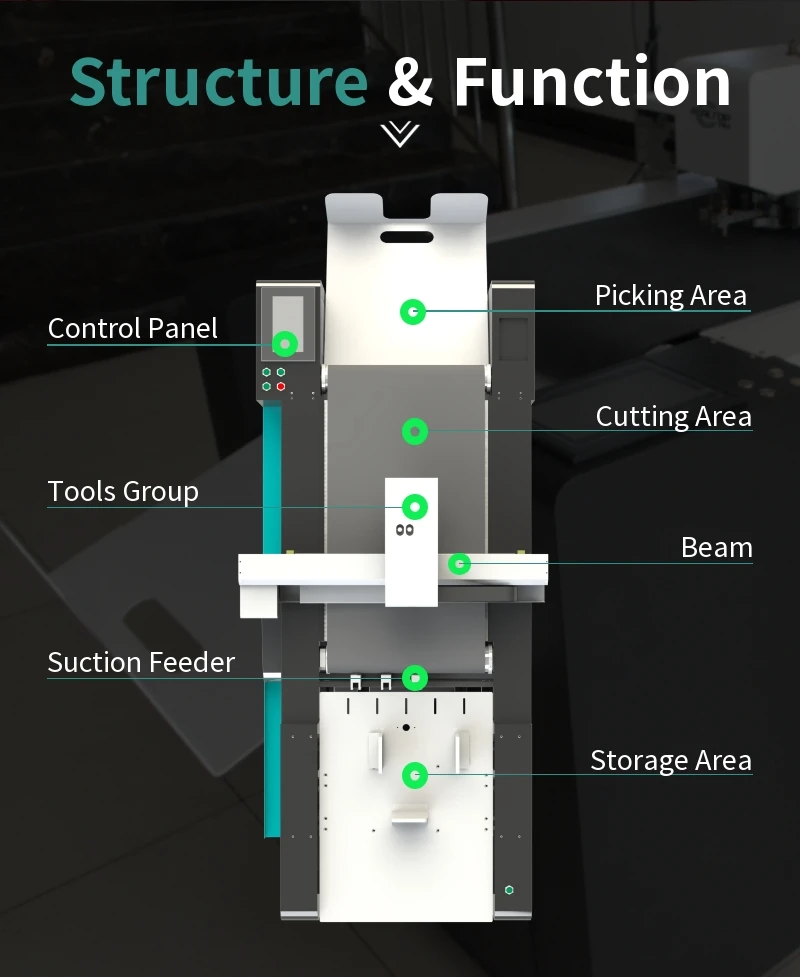
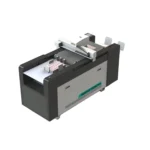
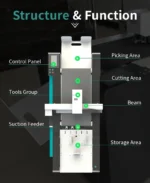
Choosing between full-cut, kiss-cut, and creasing heads is not a catalog exercise — it depends on your adhesive layer thickness, liner caliper, and whether the finished label must release cleanly from the sheet. The RTT6080 series carries all four tool positions so a single machine handles die-cut stickers, half-cut labels that stay on the carrier, and creased folding cartons without tooling changeover downtime. The RTT6080 Pro adds a high-speed oscillating knife for thicker gasket and foam materials up to 5mm, expanding the machine beyond graphic finishing into industrial flat stock.
Contour Tracking Verification Before Commitment
The CCD camera on the RTT6080 is included as standard, but a camera is only as reliable as the test it passed on your actual artwork. Before any order is finalized, sample cutting runs on the buyer’s own printed sheet confirm that registration marks are acquired at the intended cutting speed and that positional accuracy holds across the full 600mm × 800mm work area. Positioning accuracy rated at 0.05mm is meaningless if the vision system cannot lock onto your specific mark shape and contrast [NEED_CITE: contour cutting accuracy standards for digital label finishing].
What the Specs Mean on the Shop Floor
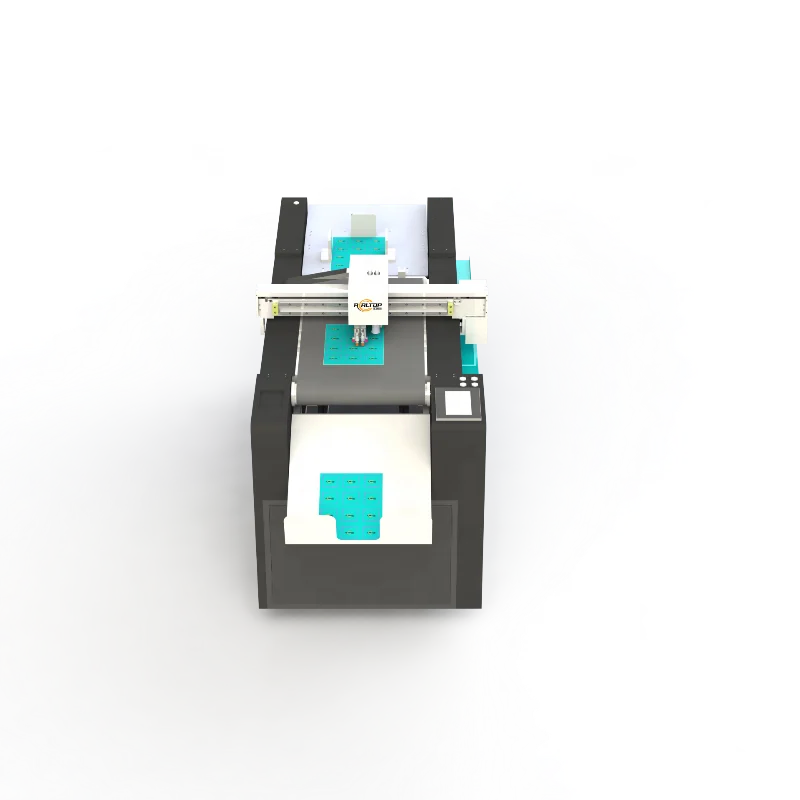
The 600mm × 800mm working area positions this CNC digital sticker cutting machine for sheet-fed production rather than roll-to-roll, making it practical for short-run digital print shops that gang multiple label designs onto a single sheet. The 3.2KW rated power is moderate for this format, reflecting the low inertia of knife cutting compared to spindle routing. Ethernet file transfer avoids the driver and cable-length limitations of USB, which matters in environments where the design workstation sits across the room from the machine. File format support for DXF, PLT, PDF, and AI covers the output of most vector design and nesting software used in label production. The RTT6080 handles materials up to 2mm thick, while the Pro model extends that ceiling to 5mm — a distinction that determines whether you can process thicker foam gaskets or magnetic vinyl on the same platform.
The Cost of Specifying Working Area Alone
A buyer who selects a sticker cutting machine based only on table size often discovers that the tool head cannot hold kiss-cut depth consistently across the full bed, or that vacuum zoning is too coarse to hold small label shapes flat during cutting. Ragged edges on thin vinyl, crushed foam cores, and liner cut-through on kiss-cut jobs all trace back to a configuration that was never matched to the specific material stack [NEED_CITE: vacuum hold-down requirements for small-format label cutting]. The damage shows up as scrapped sheets and missed delivery windows rather than a visible machine fault.
Why This Factory Builds It This Way
The RTT6080 comes from a facility that designs and produces both knife and laser cutting systems in-house, so the cutting method is selected based on the material rather than forced into whichever technology happens to be available. Tool head and table configuration are specified per label stock, adhesive type, and daily volume before the machine enters production. Software compatibility with the buyer’s existing DXF, PLT, PDF, or AI workflow is confirmed during the sample stage, not discovered after delivery. Voltage and control language are matched to the destination market — the 220V/380V, 50Hz configuration is verified against local supply before the electrical schematic is finalized. Every CNC digital sticker cutting machine manufacturer claims to offer customization, but here it means a documented configuration list, not a checkbox.
Documentation & Verification
- Machine specification sheet listing tool heads and table configuration per model
- Sample cutting report produced on your label stock, adhesive, and liner
- Electrical schematic and voltage confirmation matched to your market’s supply standard
- Software licence and file format compatibility note for your DXF/PLT/PDF/AI workflow
- Factory test record covering CCD tracking on your printed artwork before dispatch
Installation, Commissioning & Support
- 3.2KW rated power requires a dedicated circuit with correct breaker sizing at your facility
- 220V/380V dual-voltage capability confirmed against local supply before shipment
- Ethernet transfer setup verified between your design workstation and the RTT6080 on day one
- Kiss-cut depth calibration performed on your label stock during commissioning, not generic test material
- CCD camera tuning on your registration marks and ink density as part of initial training
- Spare knife blades and cutting strips included based on your material abrasiveness and daily volume
Before You Request a Quote
To specify the correct RTT6080 configuration, provide the label material type, adhesive layer, liner thickness, and maximum sheet size you plan to run. Confirm your local voltage and frequency, the file formats your design team exports, and whether kiss-cut, full-cut, or creasing is the primary operation. If your artwork uses non-standard registration mark shapes or low-contrast inks, send a printed sample so CCD tracking can be evaluated before the order is placed.
Frequently Asked Questions
Q: How is cutting thickness verified for my specific label stock and adhesive layer?
A: Cutting thickness depends on the combined stack of face stock, adhesive, and liner — not just the face material alone. We run sample cuts on your exact label stock before order confirmation, documenting kiss-cut depth, full-cut edge quality, and liner integrity in a written report so you can evaluate results against your release and application requirements.
Q: How do you confirm CCD contour recognition works with my printed artwork?
A: We test the CCD camera against your actual printed sheet, including your registration mark shape, ink density, and mark placement, at the cutting speed you intend to run. Tracking reliability is documented in the sample report so you can see performance on your artwork rather than on our generic test pattern.
Q: Which voltage and plug configuration ships with the machine for my market?
A: The RTT6080 supports 220V/380V at 50Hz. Before shipment, we confirm your facility’s supply voltage, phase, and plug standard, then document the electrical configuration in the schematic so the machine arrives ready for connection without transformer or adapter work on your end.
Q: What file formats does the control software accept and does it integrate with my workflow?
A: The software accepts DXF, PLT, PDF, and AI files. Before your order, we confirm compatibility with your specific design and nesting software versions, and document file transfer setup via Ethernet so your existing workflow remains intact without format conversion steps.
Q: How do I choose between the RTT6080 and RTT6080 Pro for my material and volume?
A: The RTT6080 cuts materials up to 2mm thick, suitable for most vinyl, film, and paper label stocks. The Pro model extends capacity to 5mm and adds a high-speed oscillating knife for thicker foam and gasket materials. Your choice depends on maximum material thickness and whether your production extends beyond labels into industrial flat stock.
You may also like

商品评价
Clear filtersThere are no reviews yet.