





-
 Courier delivery
-
 DHL Courier delivery
-
 Warranty 1 year
-
 Free 30-Day returns

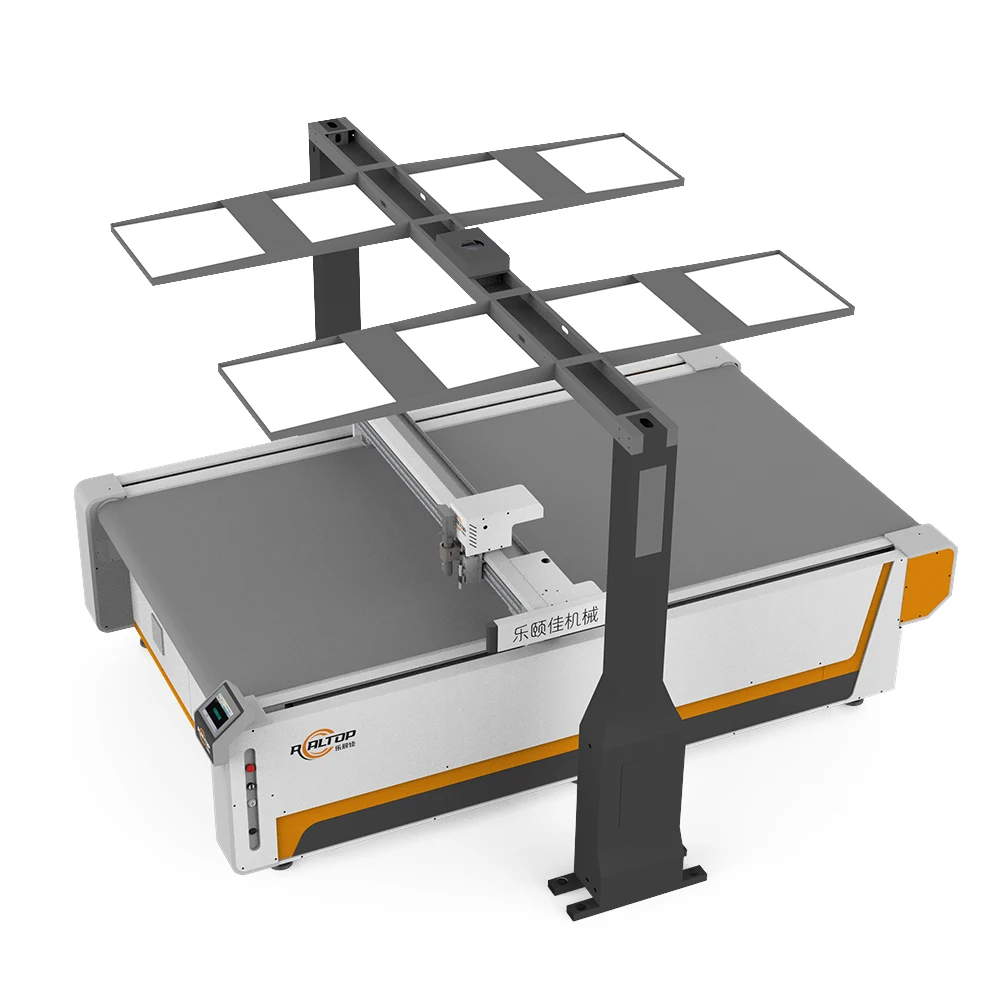
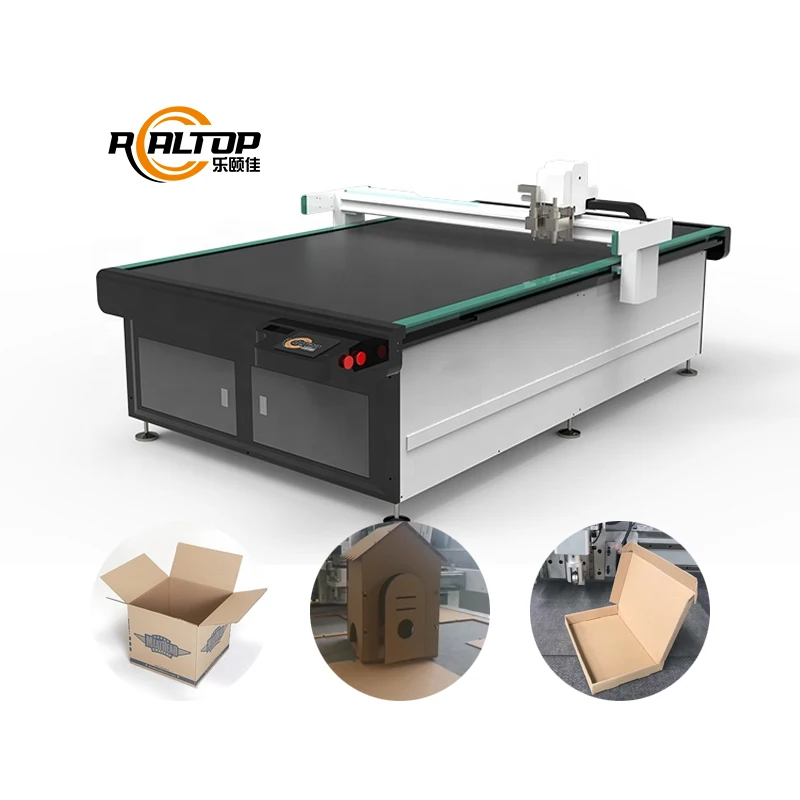
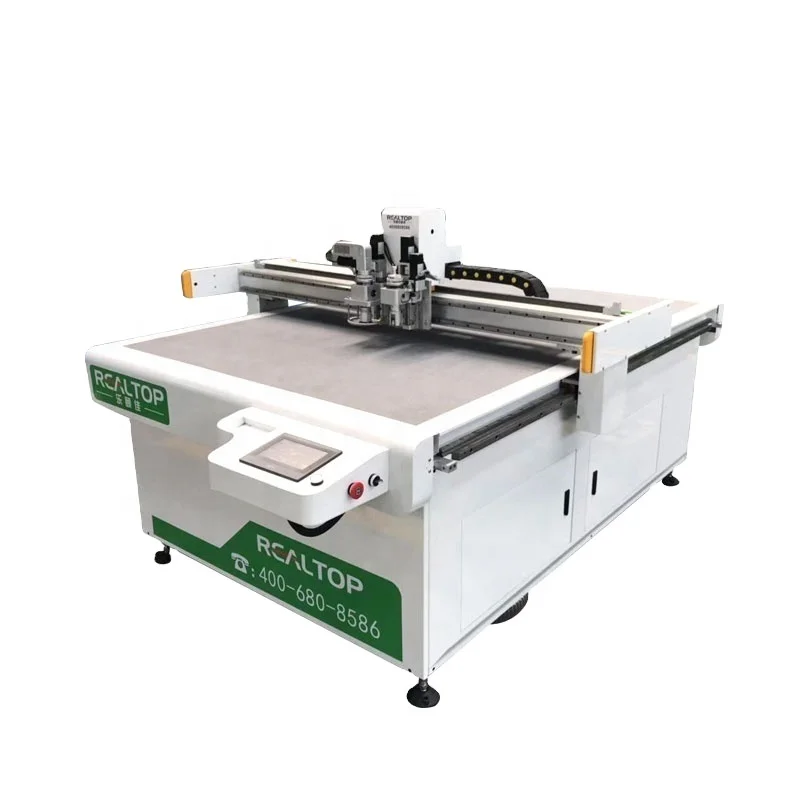
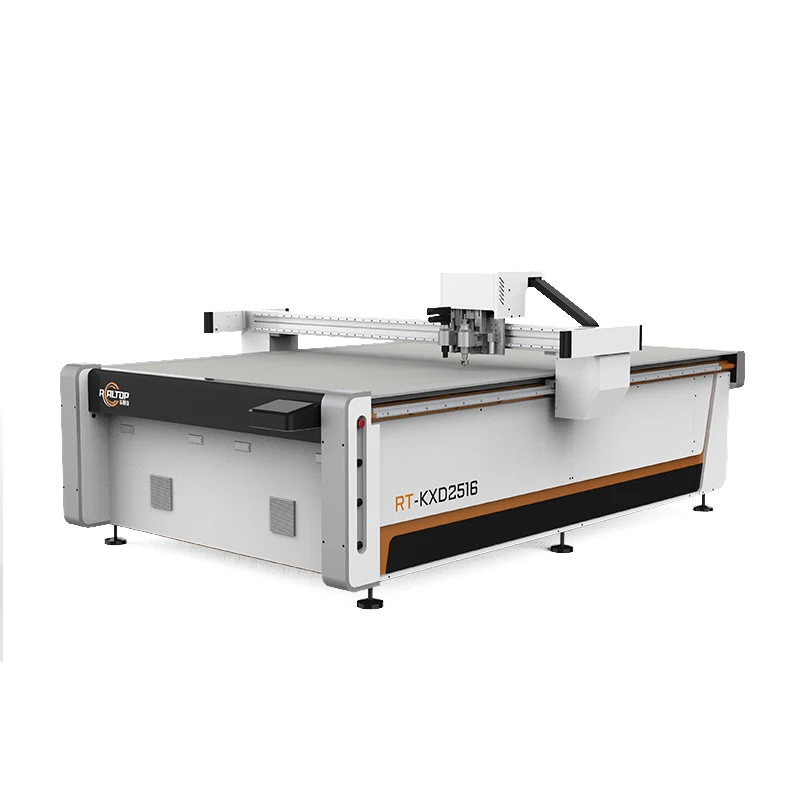
Configurable Tool Heads — Our Jinan factory builds the frame, motion system, and interchangeable cutting heads in-house, matching each 1625(Standard) unit to the buyer’s actual leather, textile, or composite material rather than shipping a generic setup.
Technical Specifications
| Parameter | Value |
|---|---|
| Model | 1625(Standard) |
| Product Type | CNC Oscillating Knife Cutting Machine |
| Working Area | 1600 × 2500 mm |
| Cutting Speed | 0–2000 mm/s |
| Cutting Thickness | ≤ 30 mm (basis not stated in source) |
| Cutting Accuracy | ±0.1 mm |
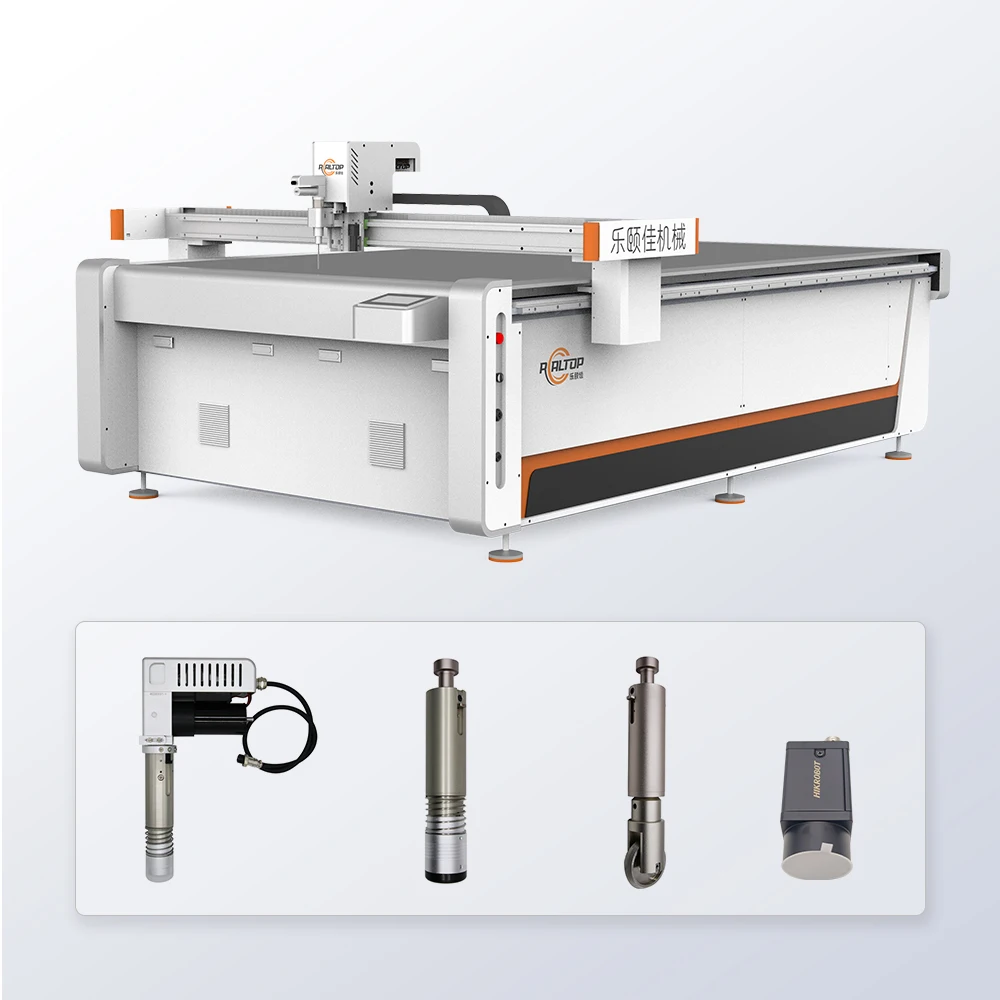
| Tool Head Options | Oscillating knife, Driven rotary knife, Creasing wheel, Kiss cutting tool, Pneumatic knife, Milling tool, V groove knife |
| Vacuum Pump | 9 kW |
| Vacuum Table | Aluminum bellows vacuum table |
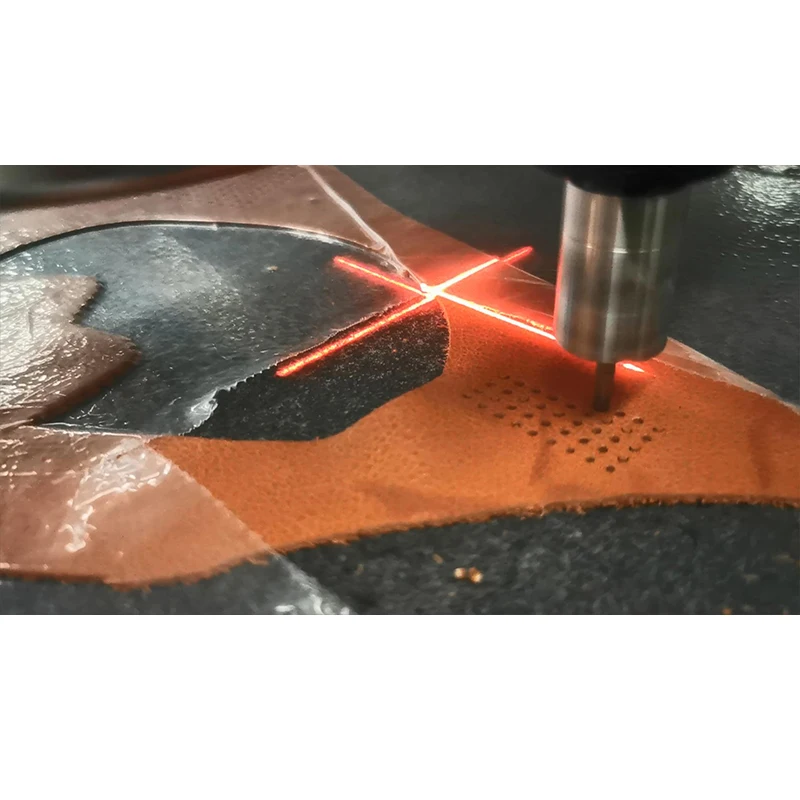
| Contour Recognition | CCD camera-based positioning for printed materials |
| Nesting System | Camera-based defect detection and auto-nesting |
| Servo Motor Options | Panasonic, Delta, Dorna |
| Voltage Options | 110V, 220V, 380V (frequency to be confirmed) |
| Supported File Formats | PLT, DXF, AI, PDF |
| Control System | PLC control panel with optional display languages |
| Software Language Options | English, Russian, Italian, Chinese (custom available) |
| Safety Devices | Infrared sensor device and emergency stop device |
| Machine Size | 3300 × 2100 × 1350 mm |
| Standards | CE declaration |
Application Suitability
| Application | Material or Output |
|---|---|
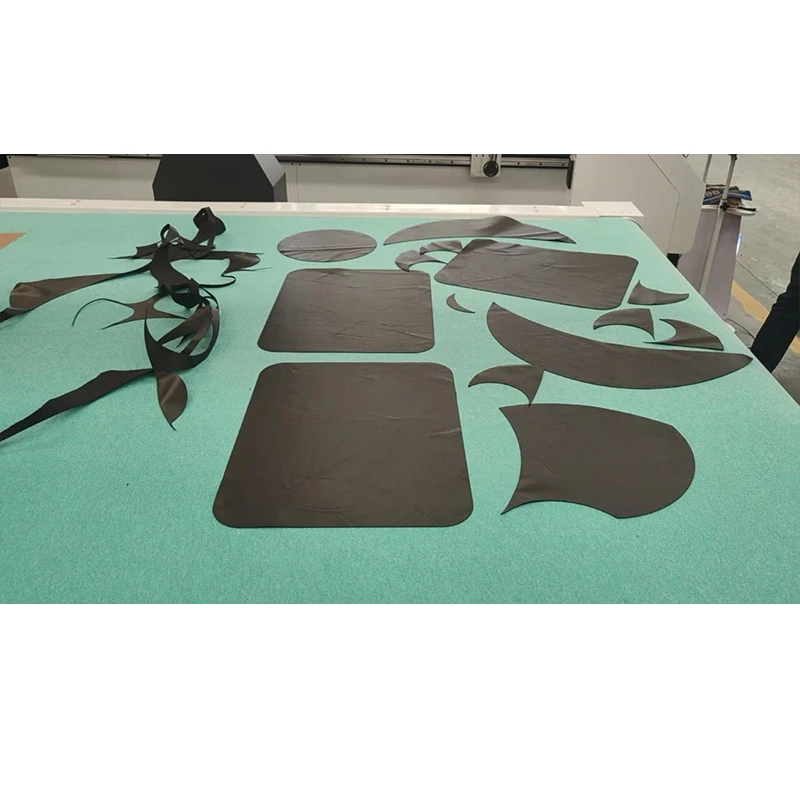
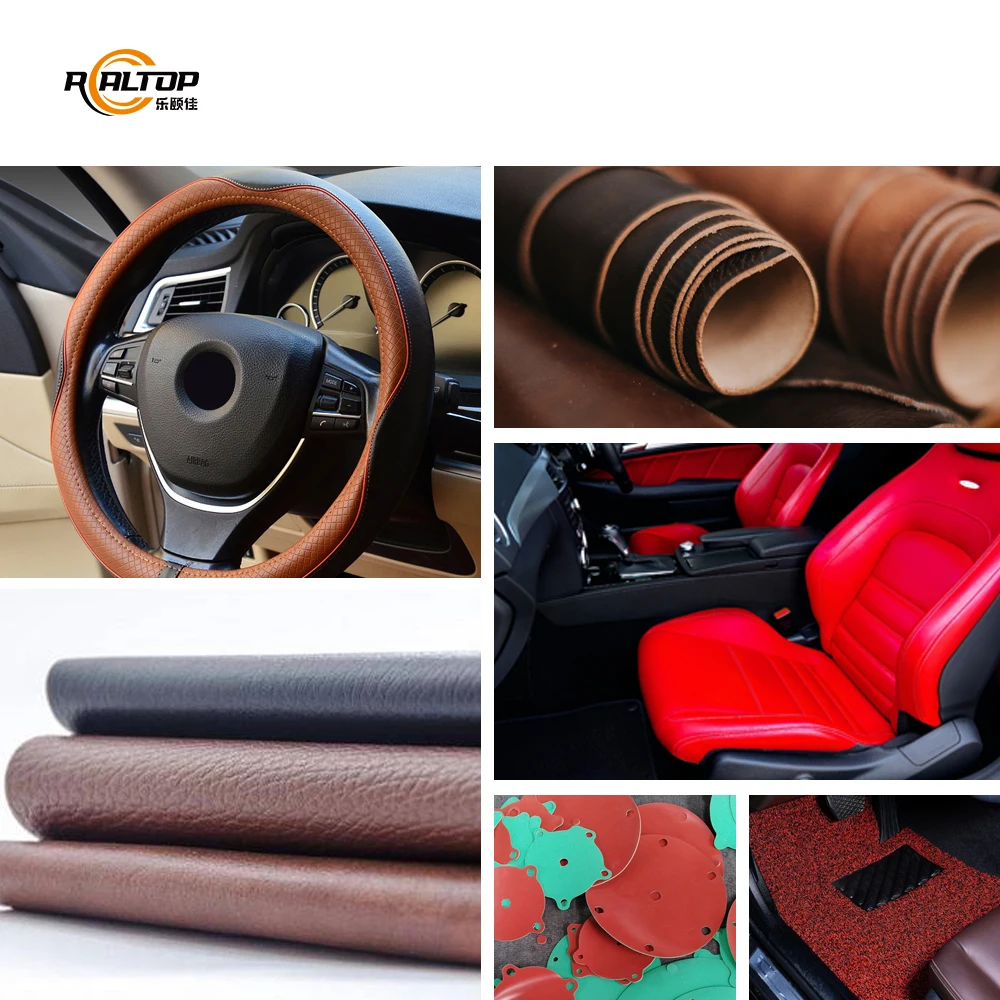
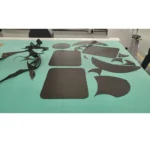
| Footwear and leather goods | Genuine leather shoe uppers, bag panels, and garment hides with CCD contour tracking |
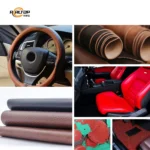
| Automotive interiors | PU leather, synthetic hide, and multi-layer seat cover composites |
| Home furnishings | Sofa upholstery fabrics, curtain panels, and lampshade textiles |
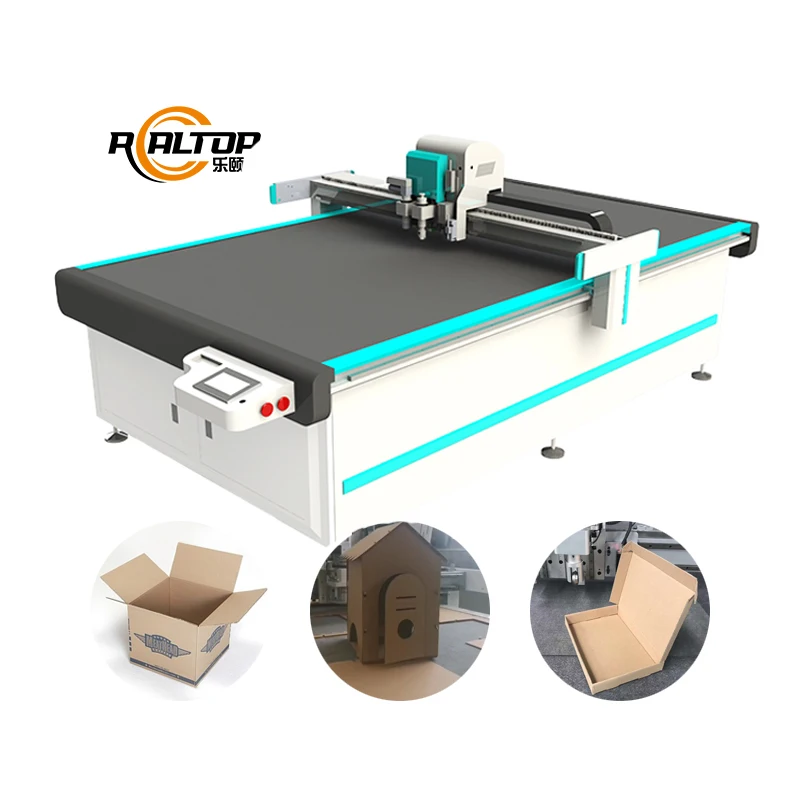
| Packaging sample making | Corrugated carton, foam board, and PVC sheets with creasing and kiss-cutting |
| Advertising and signage | Vinyl decals, vehicle wrap film, and adhesive sticker sheets |
Why Material Thickness Claims Fail Without a Sample Test
Before quoting the 1625(Standard), we run your actual material on our floor. A CNC Oscillating Knife Cutting Machine manufacturer that skips this step is guessing at tool pressure, vacuum zoning, and blade frequency — and the buyer discovers the gap after installation. [NEED_CITE: cutting force requirements vary across leather grades and backing layers]
I remember a car interior client who sent us a PU leather sample that cut cleanly at our standard settings. When the machine arrived at their line, the genuine leather hides they also ran had a denser fibre layer, and the blade could not finish the cut in one pass. The secondary cuts disrupted the entire cutting cell rhythm. Since that job, every order I handle goes through a documented sample cutting report on the buyer’s real production material before the specification is locked.
Matching the Tool Head to the Hide
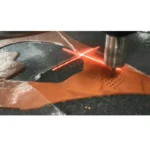
Leather, foam, and woven textiles each demand a different cutting action. The oscillating knife handles dense genuine leather and thick EVA foam by vibrating through the material at high frequency, while the driven rotary knife suits thinner rolled fabrics where a continuous slice produces a clean edge. For packaging and carton sample work, the creasing wheel scores fold lines and the kiss cutting tool cuts the top layer without damaging the backing. Specifying the wrong head is the most common reason a machine underperforms on arrival.
Vacuum Zoning and Small-Part Stability
The aluminum bellows vacuum table on this machine provides full-surface adsorption across the 1600 × 2500 mm working area. When cutting small leather components such as wallet panels or shoe tongue pieces, the 9 kW vacuum pump holds the material flat to prevent lift at the blade exit point. Proper zoning ensures suction is concentrated under the active cutting zone rather than bleeding across an empty table surface. [NEED_CITE: vacuum hold-down requirements for small-part CNC knife cutting]
Reading the Specs Beyond the Working Area
The ±0.1 mm cutting accuracy depends on the servo system and frame rigidity working together over the full 2500 mm travel length. Buyers choosing between Panasonic, Delta, and Dorna servo options should consider the speed and torque requirements of their specific material stack — heavier composites and multi-layer foam layups demand higher holding torque at low speeds. The 0–2000 mm/s cutting speed range is usable on thin vinyl and single-layer fabric, while thicker leather hides and 30 mm foam blocks require slower passes to maintain edge quality. The CCD camera system adds printed contour recognition for dyed or screen-printed materials, adjusting the cut path to register marks so that printed designs align with the cut profile. File format support covers PLT, DXF, AI, and PDF imports, which should be confirmed against the buyer’s existing nesting software workflow before production begins.
The Cost of Skipping Configuration Checks
A buyer who specifies only the working area and assumes the rest will fit often faces problems on the production floor. If the vacuum table zoning is not matched to the part size, small leather pieces shift mid-cut and the ±0.1 mm accuracy is lost before the blade finishes the path. If the voltage is not confirmed to the facility’s supply, the servo motors and 9 kW vacuum pump may trip breakers or run below rated output. [NEED_CITE: industrial voltage mismatch consequences on servo-driven CNC equipment]
Why Procurement Starts Here
The frame, motion components, and tool heads are designed and assembled in our Jinan factory, so modifications to the working area or tool combination can be addressed directly on the production floor. Every unit undergoes a factory test on the buyer’s material sample before crating. The electrical schematic and voltage confirmation are documented to match the destination facility’s power supply. Software licensing and file format compatibility are verified so the nesting workflow connects to the buyer’s existing design pipeline without rework. Custom control languages can be loaded onto the PLC panel before dispatch, reducing onboarding time for operators in different markets.
Documentation & Verification
- Factory test record with cutting results on your leather grade and thickness range
- Electrical schematic confirming voltage, frequency, and plug type for your facility
- Tool head and vacuum table configuration list matched to your material stack
- Software licence and file format compatibility note for PLT, DXF, AI, and PDF workflows
- Spare parts list with part numbers for blades, belts, and vacuum seals
- Operation and maintenance manual in the agreed control language
Installation, Commissioning & Support
- Floor space planning for the 3300 × 2100 mm machine footprint plus material feed clearance
- Dedicated circuit sizing for the 9 kW vacuum pump and servo motor startup load
- Assembly and leveling of the aluminum bellows vacuum table on site
- First-run parameter tuning for cutting speed, blade frequency, and vacuum zoning on your material
- Operator training on the PLC panel and CCD camera contour recognition workflow
- Scheduled blade replacement intervals and vacuum seal inspection routine
What We Need to Move Forward
To configure the right setup, share the material type, thickness range, and typical sheet dimensions you process. Let us know your daily cutting volume and whether you need contour recognition for printed patterns. Confirm the voltage and frequency at your facility and the preferred software language for the control panel. If possible, send a sample of your production material so we can run a cutting test and document the results before you commit to the order.
Frequently Asked Questions
Q: How is the tool head selected for my specific leather or composite material?
A: We run your actual material sample on the machine and document the cutting result. The oscillating knife suits dense genuine leather and thick foam, the driven rotary knife handles thin rolled fabrics, and the creasing or kiss cutting tool covers carton and packaging work. The selection is locked into your configuration list before the order is finalized.
Q: What voltage and language options are confirmed before shipment?
A: The machine supports 110V, 220V, or 380V supply, and frequency must be confirmed to match your facility. The PLC control panel and software interface are loaded with your chosen language — English, Russian, Italian, Chinese, or a custom option — before dispatch to avoid reconfiguration on site.
Q: Can I send my material for a sample cutting test before ordering?
A: Yes. We cut your production material on the factory floor and provide a sample report covering edge quality, cutting depth, and tool head recommendation. This ensures the configuration handles your actual hide thickness and composite layers before the machine is built.
Q: What documentation arrives with the machine?
A: You receive the electrical schematic with voltage confirmation, factory test record on your material, operation and maintenance manual, software licence with file format compatibility note, spare parts list, and CE declaration. All documents match the language agreed during order confirmation.
Q: Can the working area or tool head combination be customized?
A: Our in-house design team can adjust the configuration to fit your production line. The tool head combination, vacuum table zoning, and CCD camera integration are specified per your material and workflow, and the PLC panel language is set to your operator requirement.
You may also like

商品评价
Clear filtersThere are no reviews yet.