


-
 Courier delivery
-
 DHL Courier delivery
-
 Warranty 1 year
-
 Free 30-Day returns

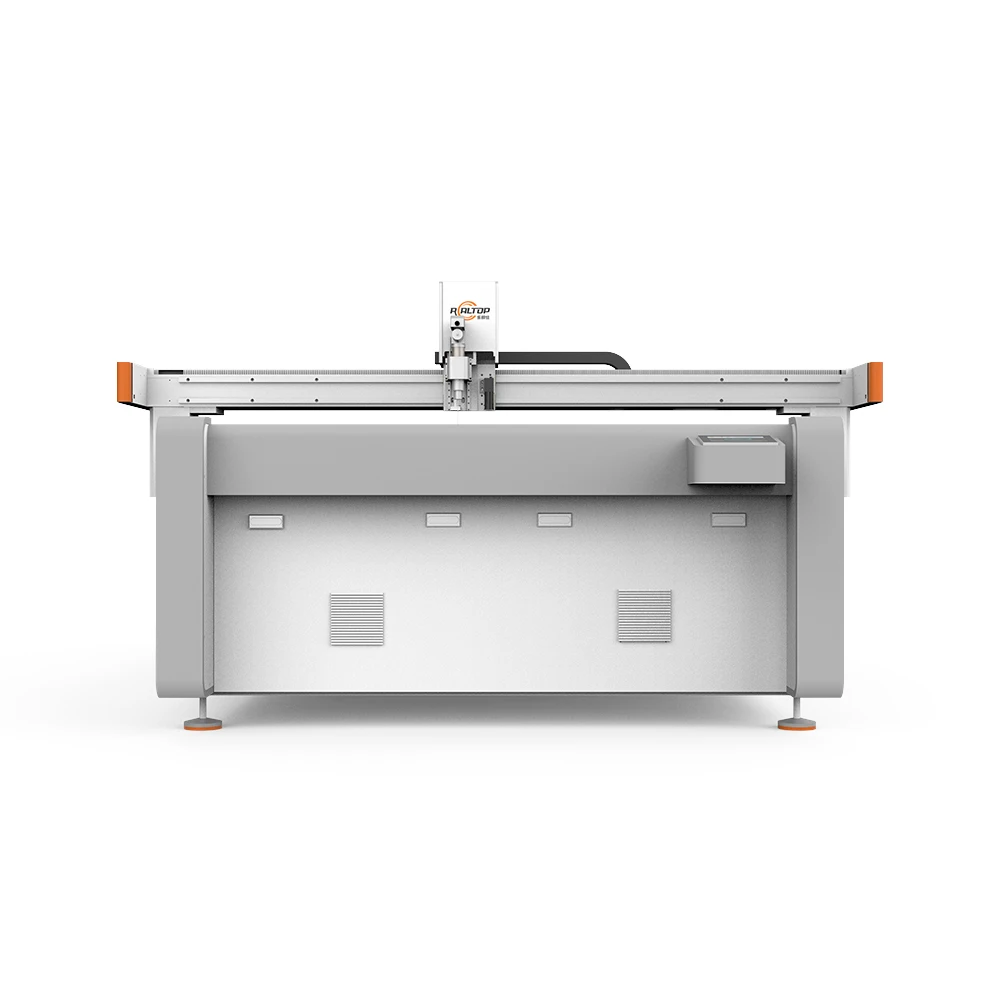
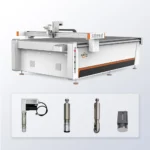
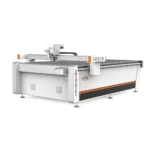
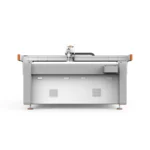
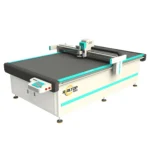
Factory-Built Frame & Motion — Every weld, machined surface and motion component on this fabric cutting table originates from our Jinan production floor, giving importers a single accountable source for build quality and OEM documentation.
Technical Specifications
| Parameter | Value |
|---|---|
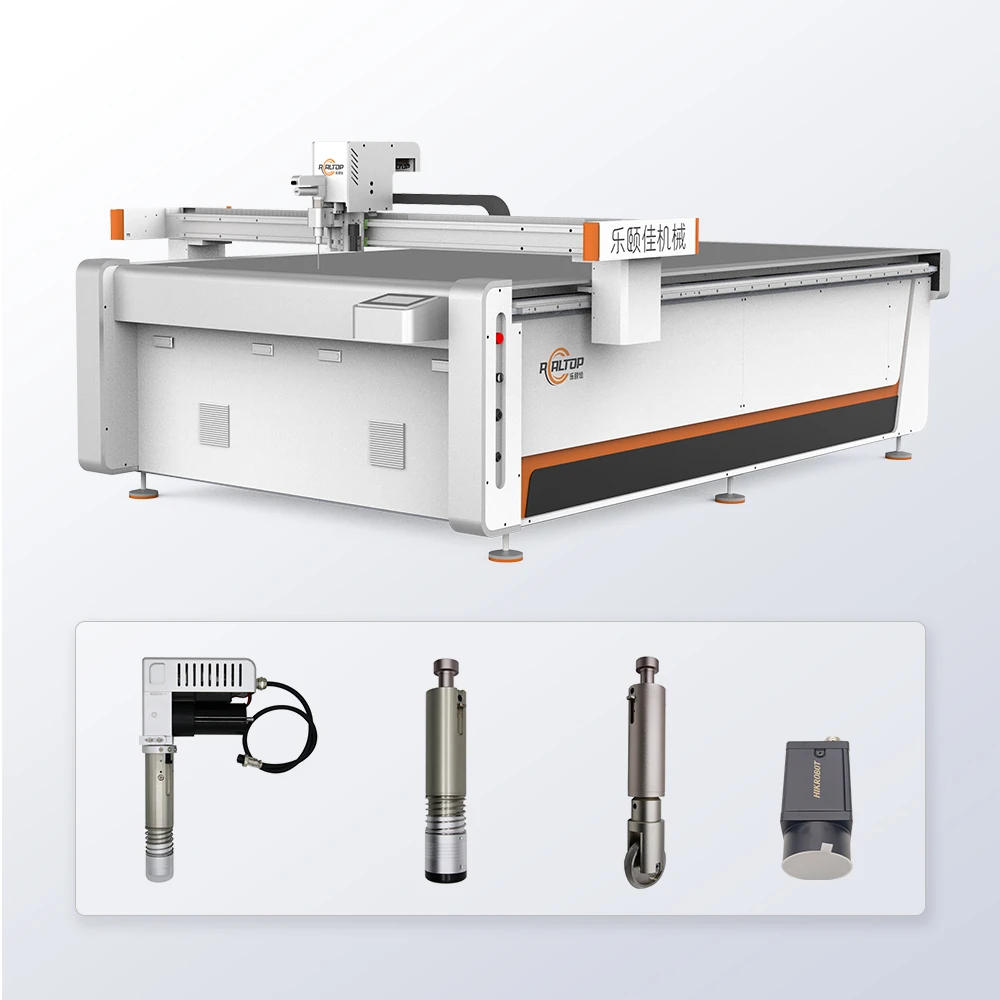
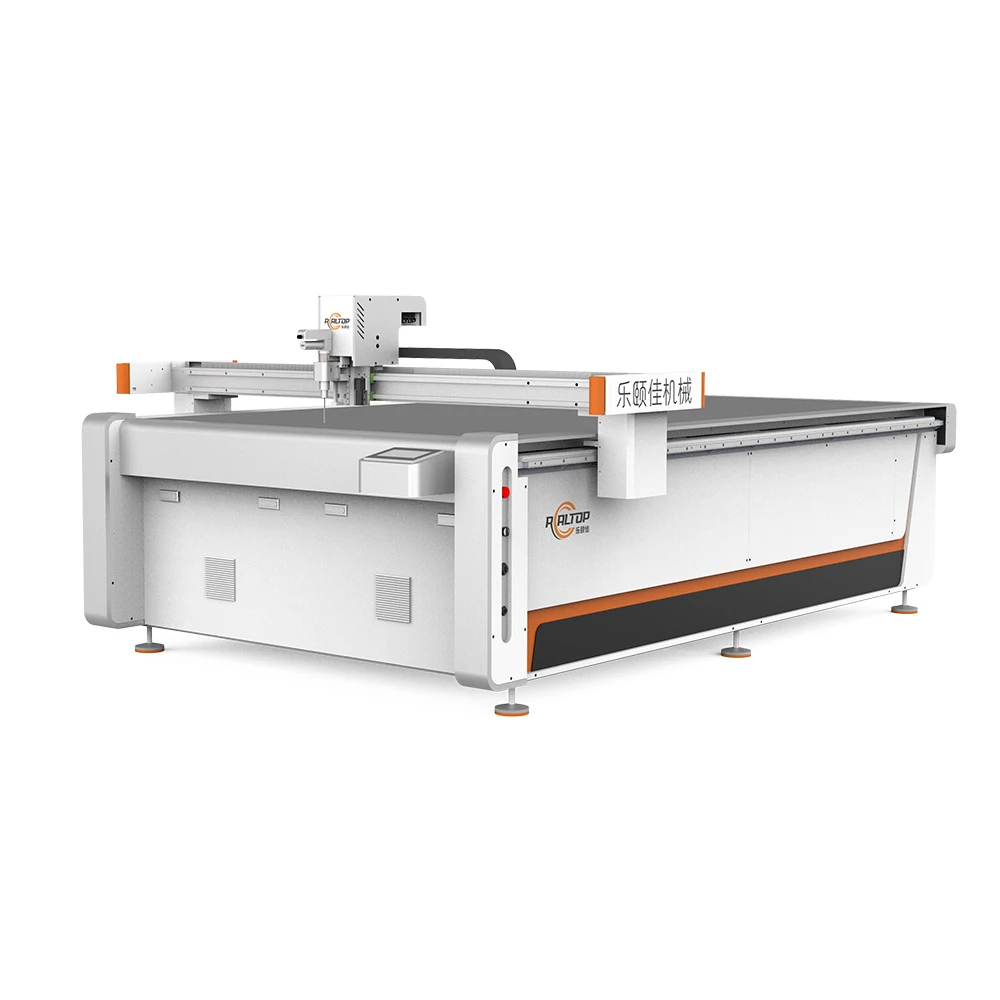
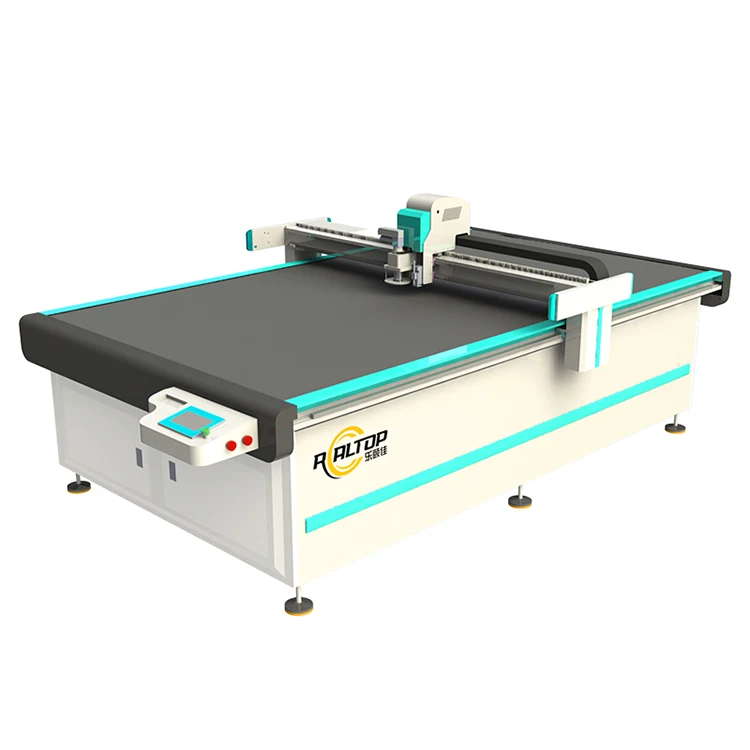
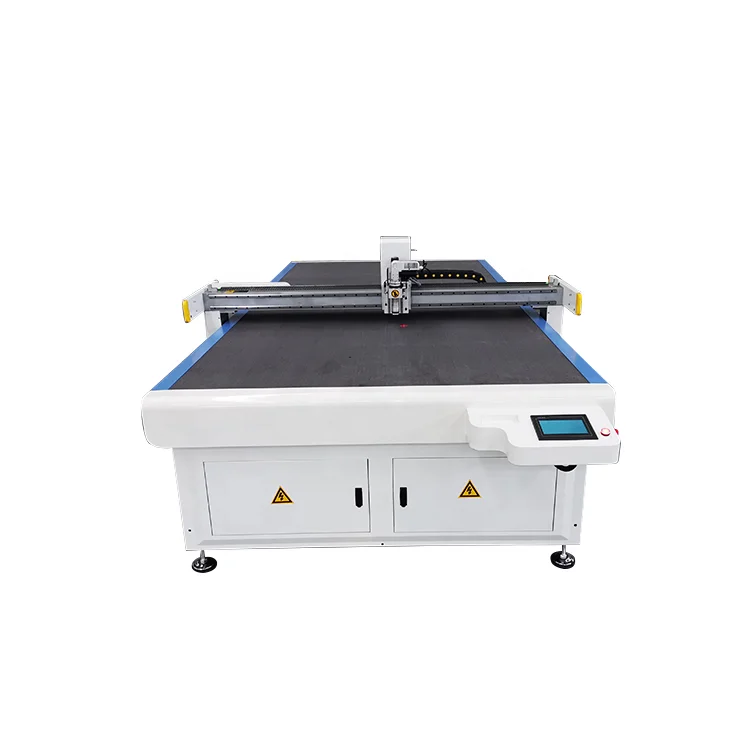
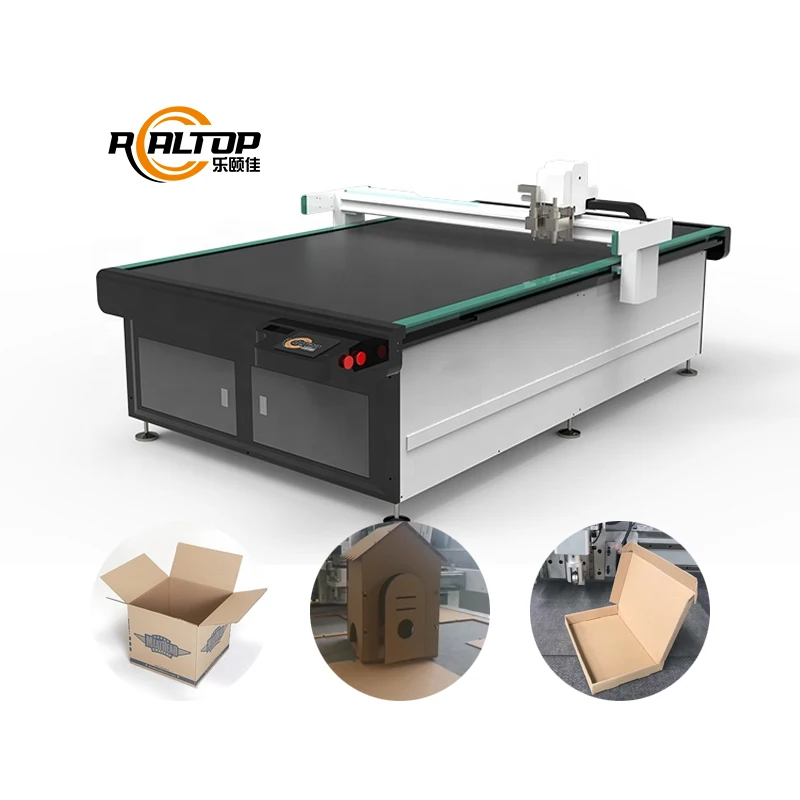
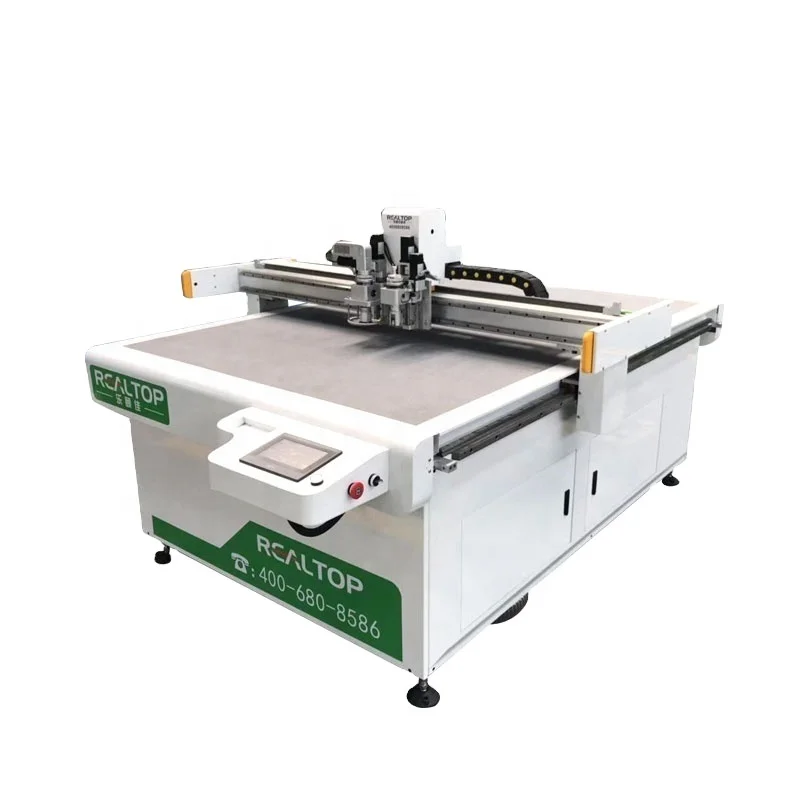
| Product Type | CNC Oscillating Knife Cutting Machine for Fabric |
| Working Area | 1600*2500mm |
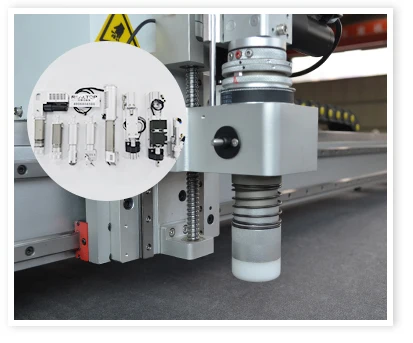
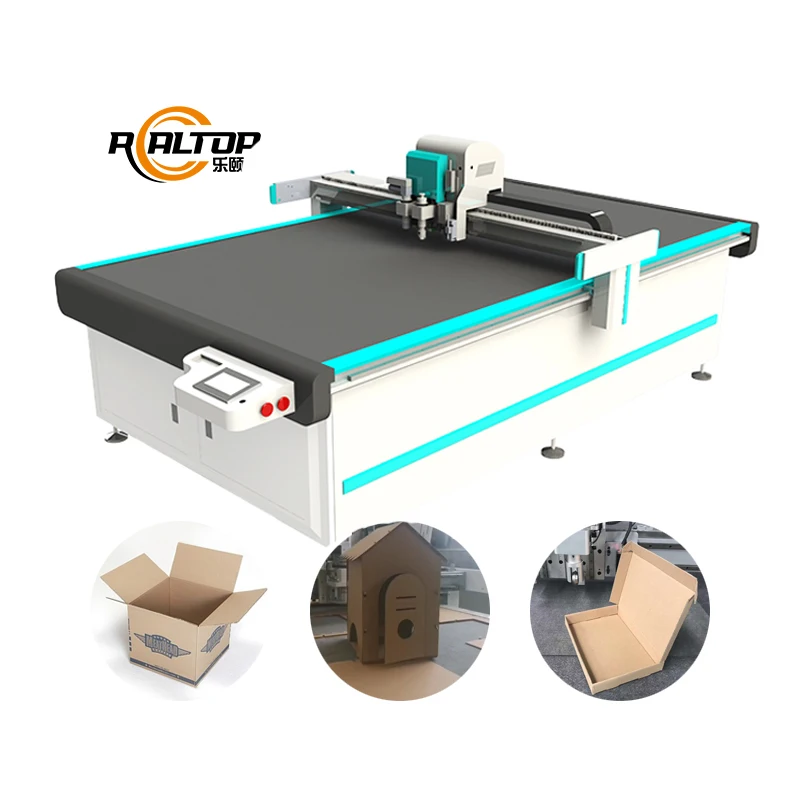
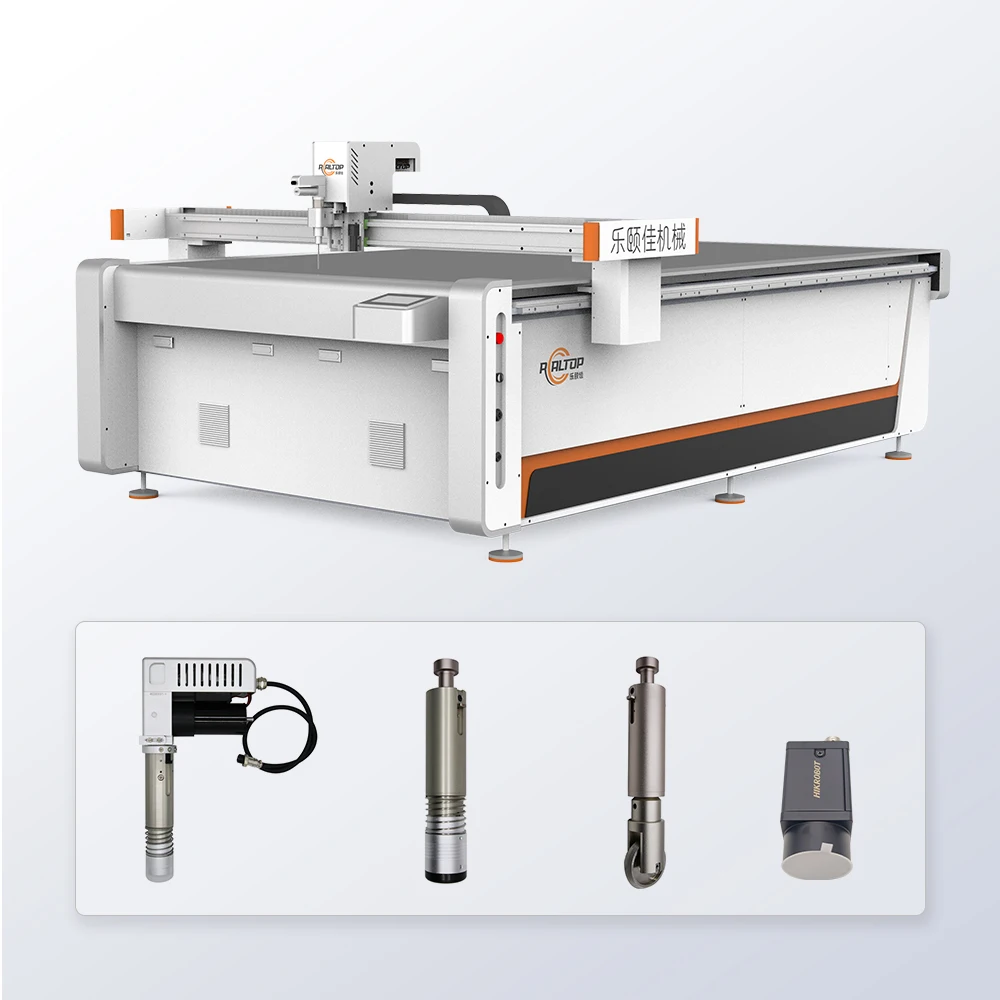
| Tool Head Options | Oscillating knife, Driven rotary knife, Creasing wheel, Kiss cutting tool, Pneumatic knife, Milling tool, V groove knife |
| Cutting Speed | 0-2000 mm/s (basis not stated in source — confirm material type, thickness and layer count) |
| Cutting Thickness | ≤ 30mm (basis not stated in source — confirm material density) |
| Cutting Accuracy | ±0.1 mm (basis not stated in source — confirm material and environmental conditions) |
| Vacuum Pump Power | 9KW |
| Voltage Options | 110V, 220V, 380V (frequency 50Hz/60Hz to be confirmed by market) |
| File Format Compatibility | PLT, DXF, AI, PDF |
| Servo Motor Brands Available | Panasonic, Delta, Dorna |
| Control Panel | PLC with optional display languages (English, Russian, Italian, Chinese, custom) |
| Vacuum Table | Aluminum bellows vacuum table |
| Safety Device | Infrared sensor device and emergency stop device |
| Machine Size | 330021001350 mm |
| Standards | CE |
Application Suitability
| Application | Material or Output |
|---|---|
| Apparel Manufacturing | Suits, knitwear, lace, complex patterned fabrics requiring nesting |
| Automotive Interiors | Seat fabrics, carpets, PVC mats needing burr-free edges |
| Home Textiles | Sofa fabrics, curtains, rugs processed in multi-layer stacks |
| Composite Processing | Carbon fiber prepreg, aramid weaves, specialty technical textiles |
Why a "Universal" Fabric Cutter Fails at the First Material Changeover
Matching the tool head to the specific textile construction prevents edge fraying, delamination and rejected panels before production even starts.
Sourcing a CNC oscillating knife fabric cutting machine manufacturer often feels straightforward until the first roll of coated composite arrives on the shop floor. Buyers frequently specify a machine based solely on working area dimensions, assuming the standard oscillating knife will handle everything from lightweight silk to heavy PVC-coated upholstery. In reality, a driven rotary knife might be mandatory for knitted fabrics that stretch under drag forces, while a pneumatic knife is needed to slice through dense non-wovens without crushing the fibers. When the wrong tool head meets an unexpected material, the operator spends hours adjusting blade frequency and downforce, only to produce ragged edges that the sewing department rejects [NEED_CITE: textile edge quality standards for automotive upholstery]. This is why sample cutting on the buyer’s actual material roll must happen before the purchase order is signed.
How the In-House Design Team Configures Each Textile Cutting Table
Our engineering group in Jinan does not assemble third-party frames and bolt on purchased gantries. The design team models the frame geometry, specifies the machining tolerances for the linear guide mounting surfaces, and validates the motion system under continuous production loads before releasing the drawing package to the shop floor. This vertical control means that when a distributor requests a specific CNC oscillating knife fabric cutting machine manufacturer configuration for high-volume garment nesting, the frame stiffness, servo sizing and vacuum zoning are all recalculated as an integrated system rather than patched together from catalog parts.
Precision Frame Construction for Long-Term Geometric Stability
A fabric cutting table that loses flatness after six months of two-shift operation will produce cumulative errors in nesting yield, wasting expensive technical textiles. The heavy-duty machine frame on this 1600×2500mm model is precision-ground after welding to relieve stress and establish a reference plane for the aluminum bellows vacuum table. The bellows design maintains consistent adsorption across the entire working area, holding multi-layer fabric stacks firmly in place even when small pattern pieces are being cut near the table edges [NEED_CITE: vacuum hold-down requirements for multi-layer textile cutting]. Distributors evaluating this platform can request the factory test record that documents flatness deviation measurements taken at multiple points across the table surface after the machine has completed its burn-in run.
Reading the Specs: What Thickness, Speed and Accuracy Actually Mean on the Floor
The stated cutting thickness of up to 30mm and cutting speed range of 0-2000 mm/s are baseline figures that shift dramatically depending on the fabric density, layer count and tool head selected. A stack of loosely woven cotton may cut cleanly at maximum speed with an oscillating knife, while the same speed on a dense rubberized composite will overload the blade and produce fused edges. The ±0.1 mm cutting accuracy figure assumes a stable ambient temperature and a properly tensioned material feed; in a humid workshop where natural fibers absorb moisture and expand, the effective tolerance window narrows. Buyers should treat these numbers as starting points for the sample cutting report rather than guaranteed daily production values, and confirm the specific basis with the application engineer before finalizing the specification sheet.
The Hidden Cost of Skipping the Tool Head Audit
Selecting a standard oscillating knife for all fabric types seems efficient at the quoting stage but generates expensive downstream problems. Coated synthetics cut with the wrong blade profile will delaminate, sending the top layer to the scrap bin while the substrate continues through the conveyor. Small pattern pieces on an inadequately zoned vacuum table lift during the final cut pass, shifting the piece just enough to throw off the sewing alignment. These failures rarely appear during the factory acceptance test because the test sample is often a single layer of standard material, not the multi-layer coated stack that defines the buyer’s actual production [NEED_CITE: common causes of delamination in coated textile cutting].
Why Importers Source This Machine Directly from the Production Floor
Dealing with the manufacturer that welds the frame, machines the motion surfaces and programs the PLC in-house eliminates the information gap that plagues integrator-sourced equipment. The design team can modify the tool head carriage to accept a specialized creasing wheel for cardboard pattern templates used in apparel sampling, a request that would require an integrator to negotiate with multiple subcontractors. OEM partners receive consistent documentation packages because the electrical schematic, software license and spare parts list all originate from the same engineering database. Factory-direct pricing is not the point here; the point is that when a voltage mismatch or control language issue surfaces during commissioning, the engineer who resolves it is the same one who designed the control cabinet layout.
Documentation & Verification
- Machine specification sheet listing the exact tool head and vacuum table configuration matched to your fabric type
- Electrical schematic with voltage, frequency and plug type confirmed for your destination market
- Factory test record documenting flatness, motion repeatability and sample cut dimensions before dispatch
- Sample cutting report produced on your supplied material roll with edge quality photographs
- Software license note confirming DXF, PLT, AI and PDF file format compatibility with your existing nesting workflow
- Spare parts list identifying blade types, vacuum pump consumables and servo drive components
Installation, Commissioning & Support
- Floor space planning must account for the 3300×2100×1350 mm machine footprint plus material roll staging and operator access zones
- Dedicated electrical circuit sized for the 9KW vacuum pump plus servo and PLC load at your confirmed voltage and frequency
- Machine arrives as a single assembled frame; rigging plan must address the full unit weight through your facility doorway
- First-power commissioning includes servo tuning, vacuum zone balancing and tool head offset calibration on your material
- Operator training covers PLC language selection, file import workflow, blade change procedures and nesting software navigation
- Preventive maintenance schedule covers linear guide lubrication, vacuum pump filter replacement and blade inventory planning
Moving from Inquiry to Sample Cut
To receive a configuration recommendation that actually matches your production reality, share the specific fabric construction, weight per square meter, maximum layer count and daily cutting volume you need to achieve. Confirm your local voltage and frequency standards, the control panel language your operators require, and whether your existing nesting software outputs DXF, PLT, AI or PDF files. Most importantly, send a roll of your most challenging material so the sample cutting report reflects the coated, laminated or high-elasticity textile that defines your reject rate, not a generic swatch from the showroom.
Frequently Asked Questions
Q: How does REALTOP’s build process differ from integrators assembling third-party components?
A: Our Jinan facility designs the frame geometry, machines the linear guide mounting surfaces and programs the PLC control in-house. This means a single engineering team validates how the motion system, vacuum table and tool head interact under load, rather than an integrator bolting together subsystems from different suppliers and hoping they perform as a unit.
Q: What OEM customization is available for distributors importing this machine?
A: Distributors can specify frame color, control panel language, branding placement on the machine enclosure and customized documentation packages including translated manuals. The software interface and electrical schematic are updated at the factory level so every unit shipped under your brand carries consistent configuration records and spare parts lists.
Q: Can the factory test the machine on my specific fabric before I commit to the order?
A: Yes, we require buyers to send a roll of their actual production material. The sample cutting report documents edge quality, cutting speed achieved and tool head performance on your specific textile construction, giving you evidence of capability before the purchase order is finalized rather than relying on generic demonstration fabrics.
Q: How are voltage, plug type and control language confirmed for different export markets?
A: Before production starts, the buyer receives an electrical schematic and voltage confirmation document listing the exact supply specifications, plug standard and PLC display language for the destination market. This document must be signed off to ensure the control cabinet is wired correctly and the operator interface matches the local workforce requirements.
You may also like

商品评价
Clear filtersThere are no reviews yet.