




-
 Courier delivery
-
 DHL Courier delivery
-
 Warranty 1 year
-
 Free 30-Day returns

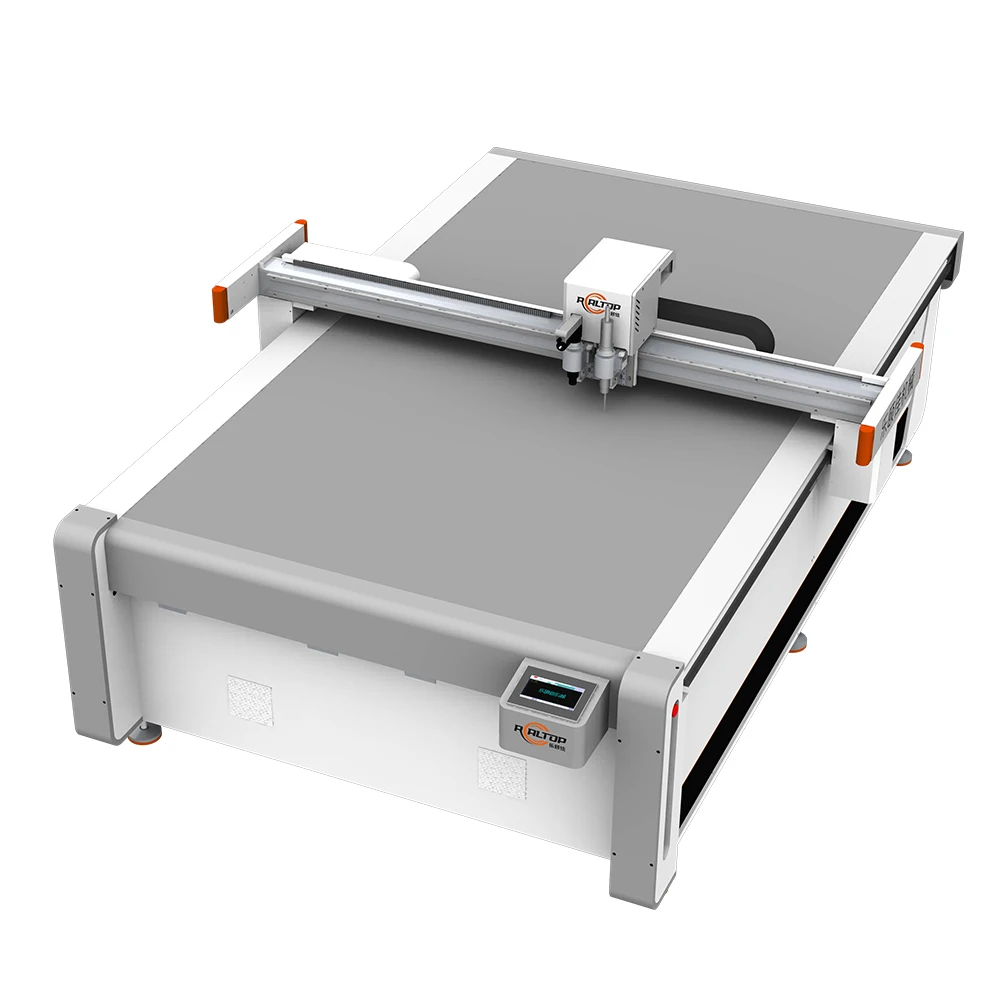
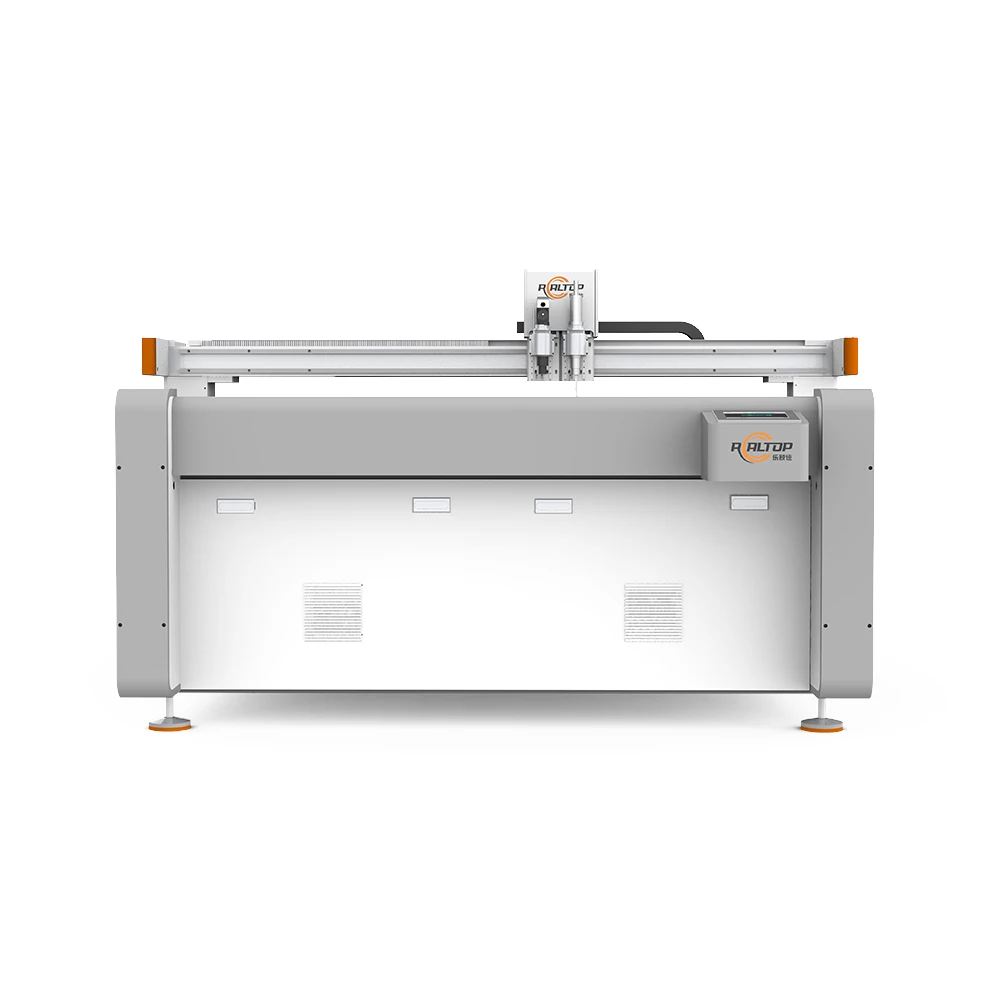
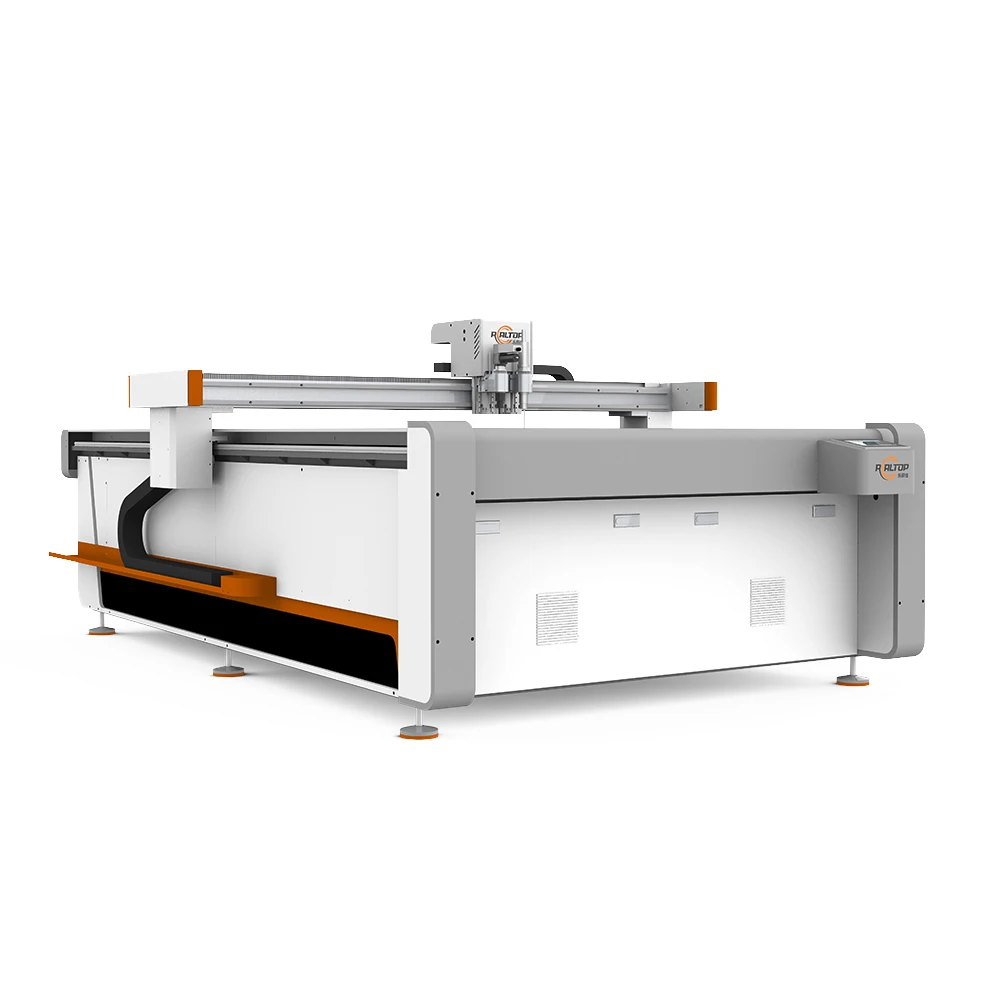
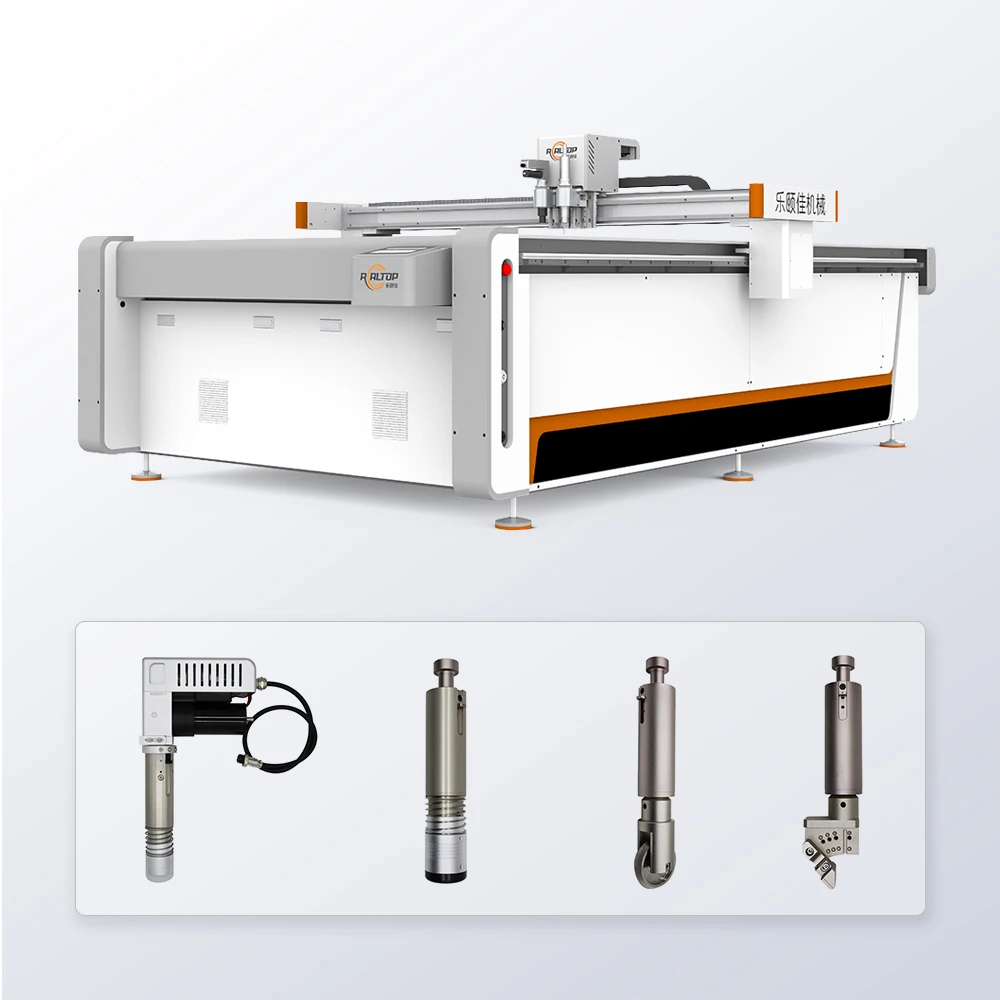
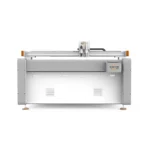
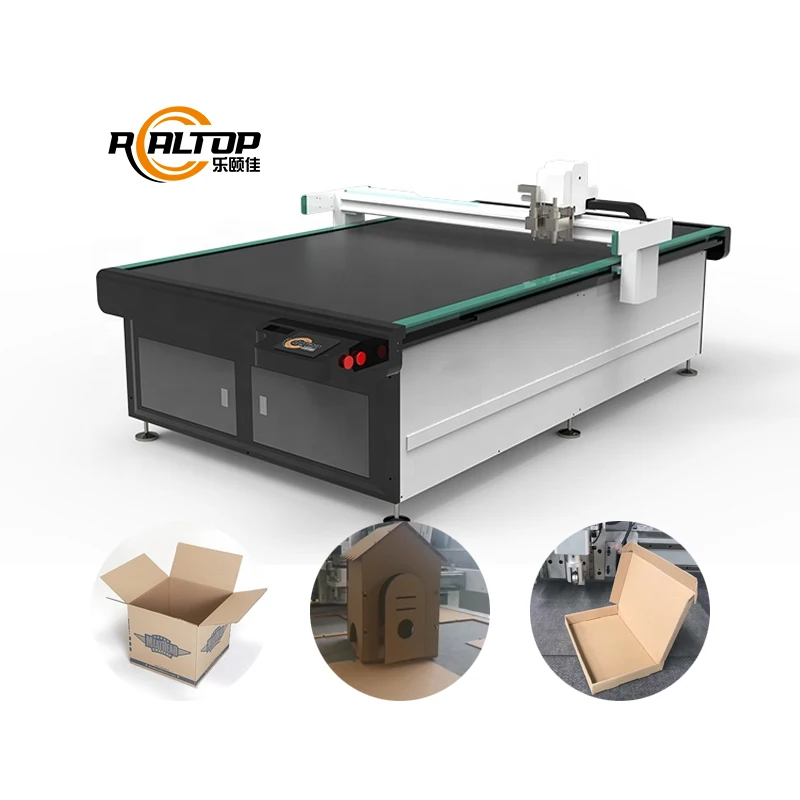
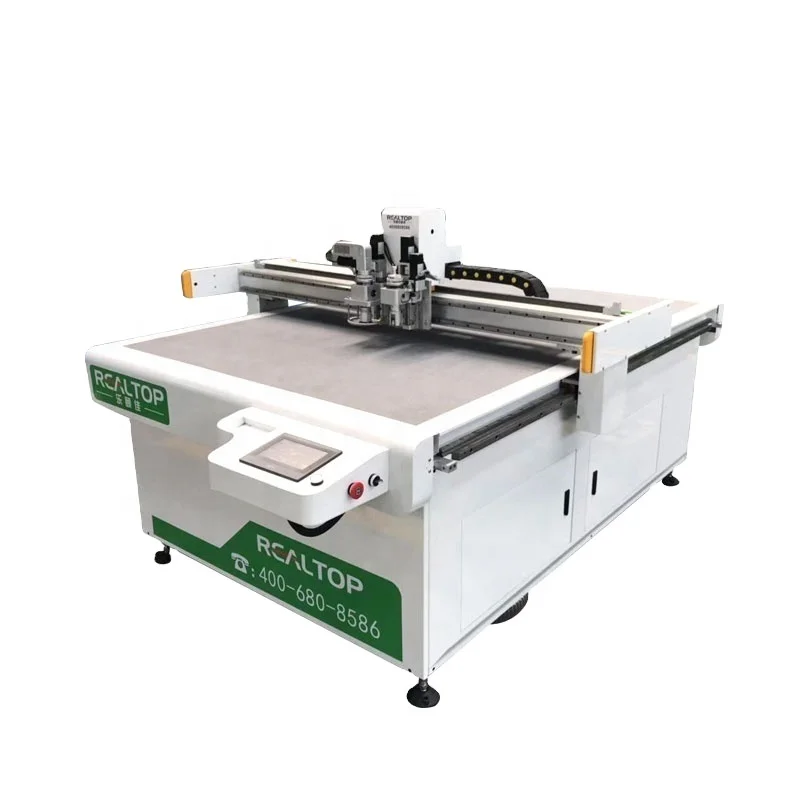
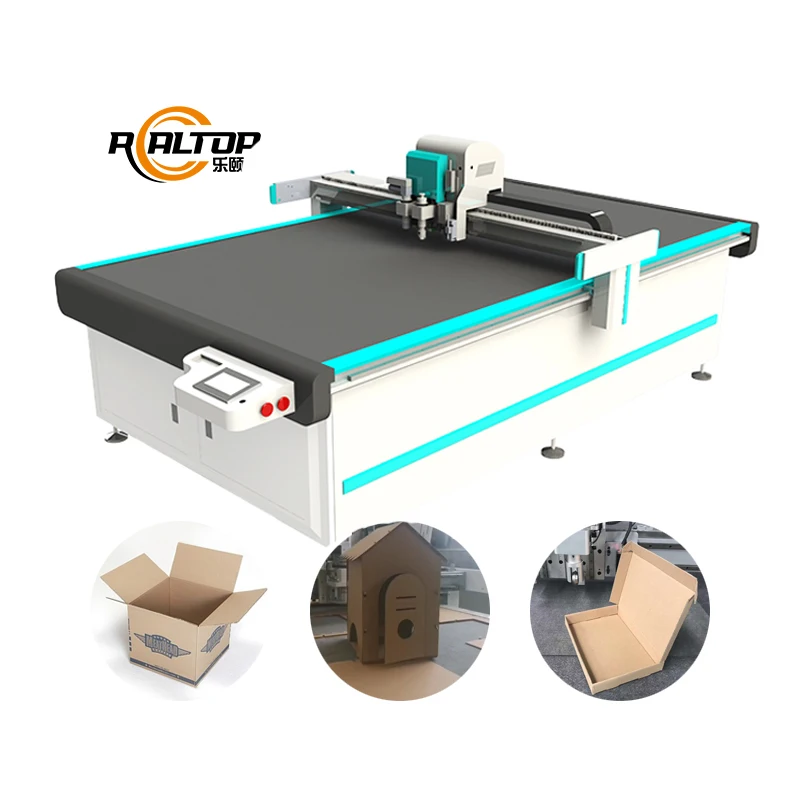
Precision-engineered tool heads for packaging — Every oscillating knife, V-groove and creasing wheel on the 1625 cutting table is configured at our Jinan factory only after your actual corrugated flute profile and board density arrive for sample testing.
Technical Specifications
| Parameter | Value |
|---|---|
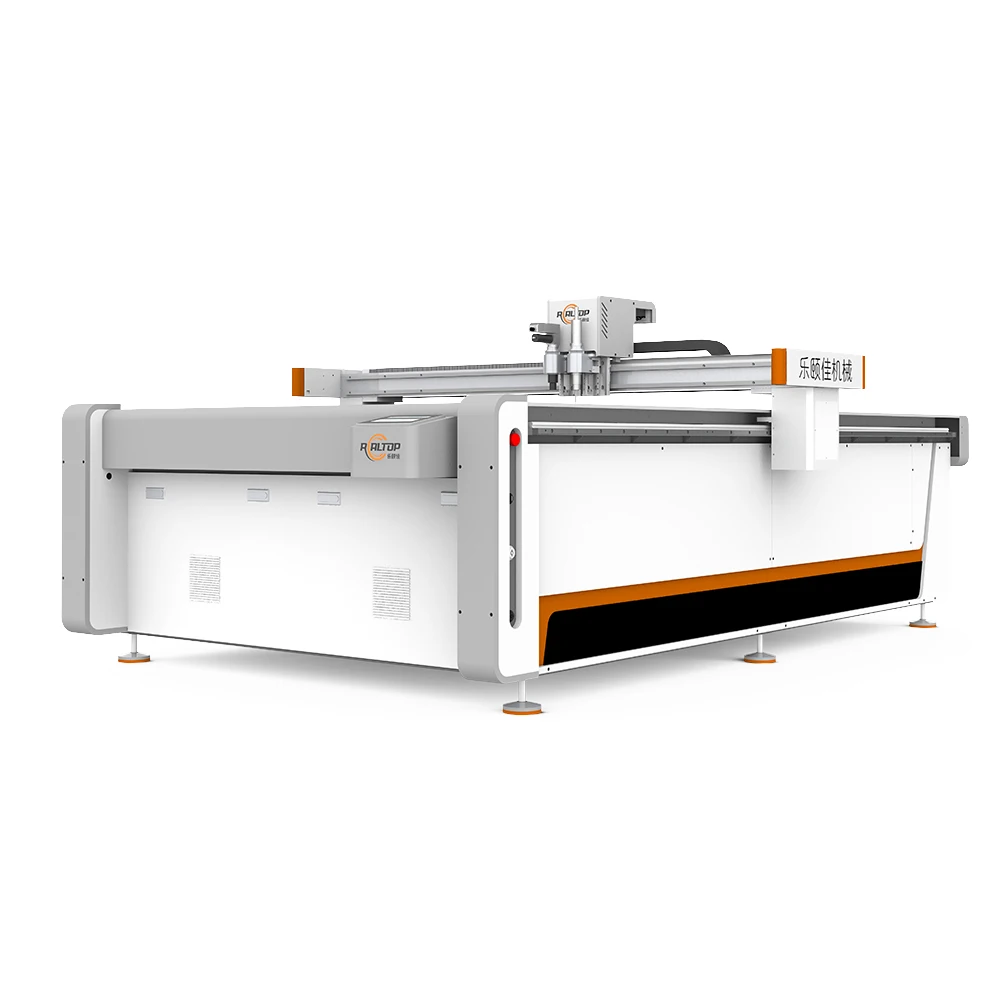
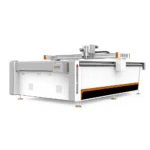
| Product Type | CNC Oscillating Knife Cutting Machine |
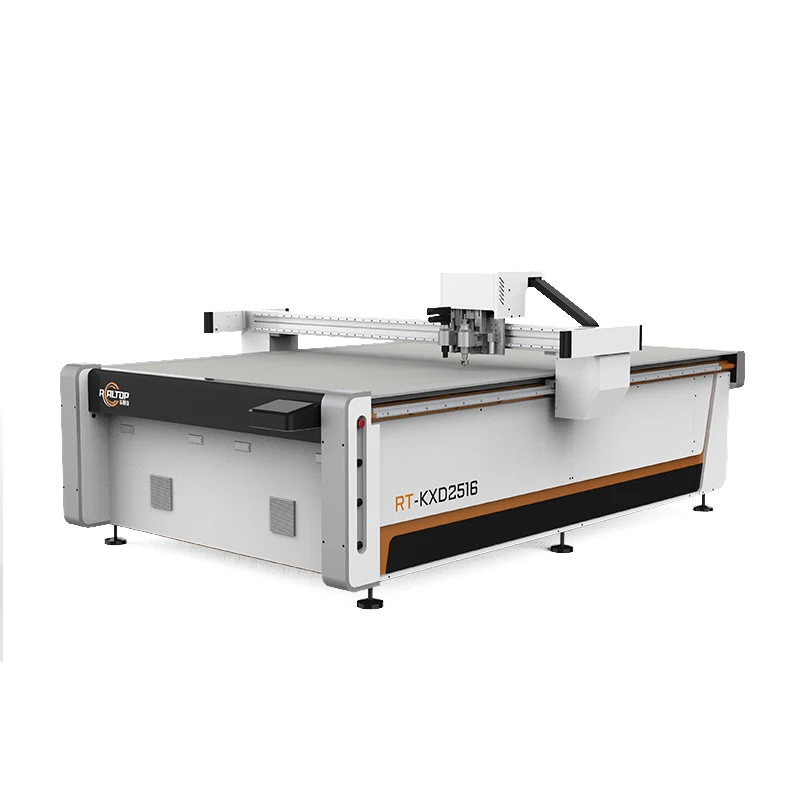
| Working Area | 1600×2500 mm |
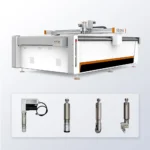
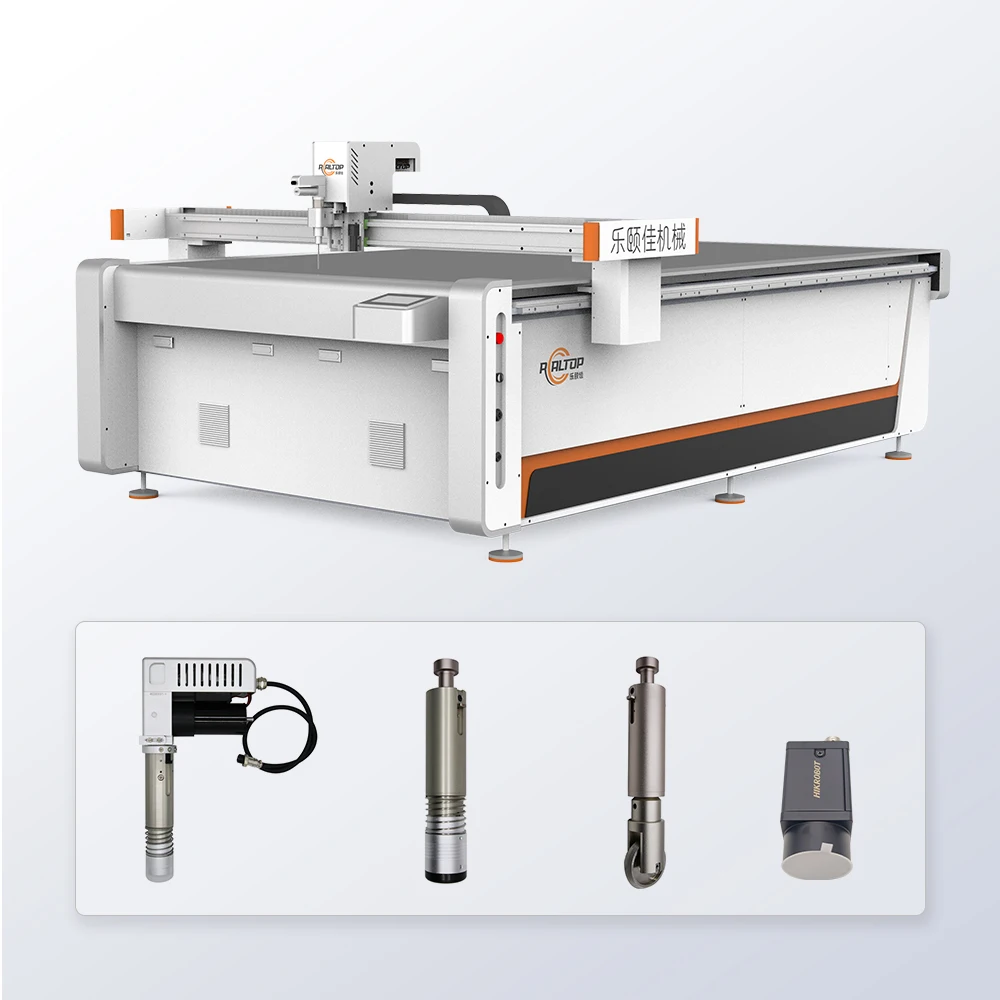
| Available Tool Heads | Oscillating knife, Driven rotary knife, Creasing wheel, Kiss cutting tool, Pneumatic knife, Milling tool, V groove knife |
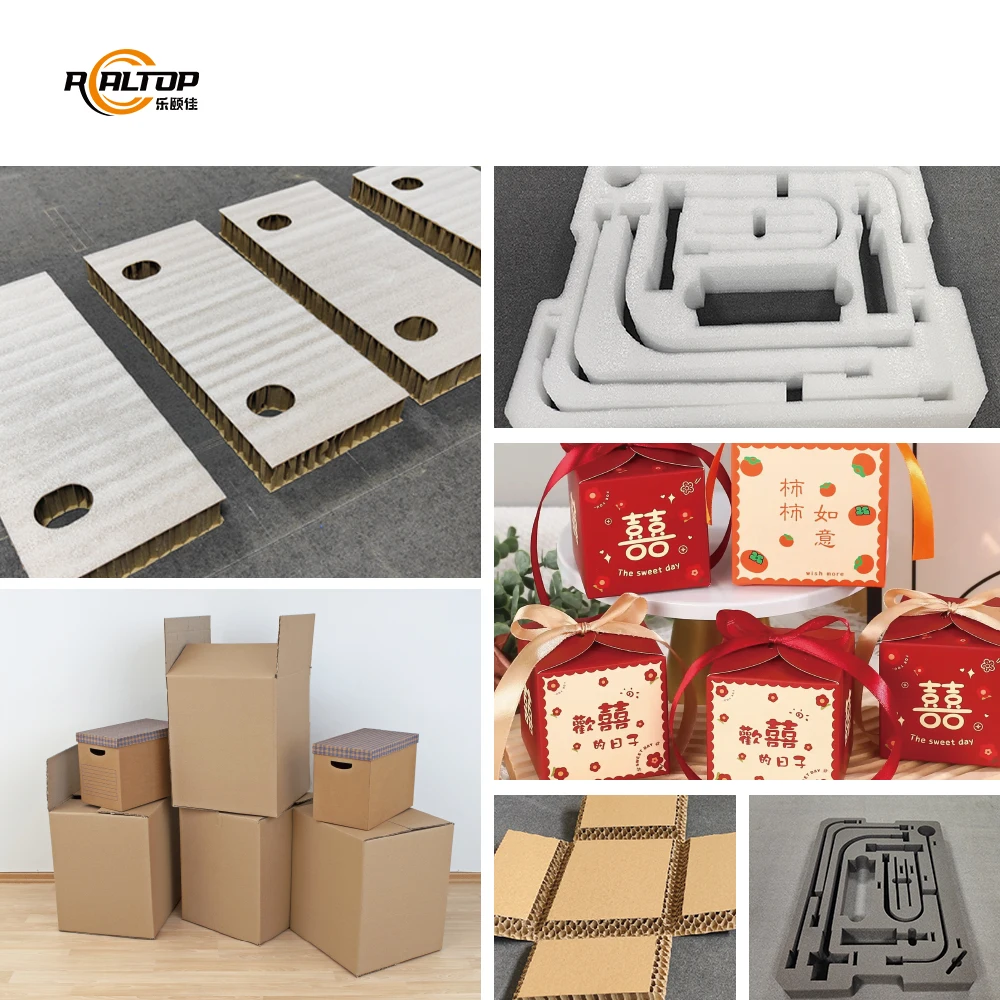
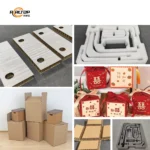
| Applicable Materials | Cardboard, Corrugated board, Greyboard, EVA, EPE, PU foam, Rubber mats, Fabric, PVC, PET sheets, Leather |
| Cutting Speed | 0–1500 mm/s |
| Cutting Thickness | ≤40 mm (basis to be confirmed per material density and flute type) |
| Cutting Accuracy | ±0.1 mm |
| Vacuum Pump Power | 9 kW |
| Vacuum Table Type | Aluminum bellows, full-surface adsorption |
| Voltage Options | 110V / 220V / 380V (frequency to be confirmed by destination market) |
| Control System | PLC with dedicated packaging structure design software |
| Servo Drive Options | Panasonic, Delta, Dorna |
| Supported File Formats | PLT, DXF, AI, PDF |
| Software Languages | English, Russian, Italian, Chinese (custom languages available) |
| Safety Devices | Infrared sensor, Emergency stop |
| Machine Dimensions (L×W×H) | 3300×2100×1350 mm |
| Certification | CE |
Application Suitability
| Application | Material or Output |
|---|---|
| Carton sample making | Corrugated E-flute, B-flute, BC-flute board |
| Short-run box production | Greyboard and cardstock up to 40 mm |
| Honeycomb board slotting | Honeycomb core with kraft or liner facing |
| Inner packaging inserts | EVA, EPE and PU foam sheets |
| Protective corner pads | Rubber mats and non-woven fabric layers |
| Luxury box prototyping | Art paper, specialty paper, velvet and fleece lining |
Why Board Grade Matters More Than Working Area
When a packaging converter specifies a machine by table size alone, the real failure shows up on the first production run — crushed flutes, ragged V-groove edges, or honeycomb cores that split along the fold line. The only honest way to configure a CNC oscillating knife cutting machine manufacturer can stand behind is to test your actual board grade before locking the tool head order.
I once watched a packaging line in Southeast Asia run an entire shift of honeycomb board only to find every fold cracked open during assembly. The cutting depth had been set against a sample the client mailed weeks earlier, but their bulk supplier shipped board with noticeably higher density. The creasing wheel that worked perfectly on the sample tore through the production stock. Every box in that batch went back to the flatbed for rework. [NEED_CITE: common causes of corrugated board cracking during folding operations]
Matching Seven Tool Heads to One Carton Workflow
A finished carton is never just a cut outline. It needs scored fold lines, V-grooved slots for rigid box corners, kiss-cut windows, and sometimes milled relief areas for internal fitments. The 1625 platform mounts all seven tool options on a single interchangeable head carriage, letting a packaging CNC cutting machine handle the full sample-to-short-run workflow without the operator swapping machines mid-job. The CNC oscillating knife cutting machine manufacturer builds each tool station independently so you can specify only the heads your production actually requires.
Vacuum Zoning That Holds Small Die-Cut Parts
Full-surface adsorption sounds adequate until you cut a sheet of E-flute into twelve small retail inserts and watch the corner pieces lift into the knife path. The aluminum bellows vacuum table on this unit divides the 1600×2500 mm surface into controllable zones. You open only the zones under active material, concentrating suction where the part actually sits. On short, light die-cut pieces, this zoning prevents the edge lift that otherwise forces a second pass or ruins a nesting layout entirely. [NEED_CITE: vacuum hold-down requirements for thin corrugated board cutting]
Reading the Specs That Actually Reach the Shop Floor
Cutting accuracy of ±0.1 mm matters most when you run printed carton stock where the knife path must track a pre-printed contour within the registration tolerance of the press. The PLC control paired with dedicated packaging structure design software means the operator imports DXF or AI files directly without a manual nesting detour through third-party CAD. The 9 kW vacuum pump is sized to maintain suction across the full aluminum bellows table at the machine’s rated cutting speed of 1500 mm/s. Voltage options span 110V through 380V, but frequency must match your local grid — running a 60 Hz motor on a 50 Hz supply drops the servo response and shortens spindle bearing life.
The Hidden Cost of Skipping Material Confirmation
Choosing a tool head from a catalogue photo instead of a sample-cut report creates problems that surface only after the machine is bolted to your floor. An oscillating knife set too deep for a thin greyboard crushes the bottom liner; set too shallow, it leaves a micro-tab that tears during stripping. A V-groove knife angled for standard B-flute will under-cut a double-wall BC-flute, leaving a hinge that folds unevenly. These mismatches do not show up as machine faults — they appear as scrap, and the operator blames the material supplier. [NEED_CITE: tool head selection criteria for corrugated board thickness ranges]
Why Source This Machine From the Jinan Factory
In-house design and assembly of both knife and laser platforms means the engineering team selects the cutting method that fits your material instead of forcing a single technology across every inquiry. Tool head combinations and vacuum zone layouts are locked to your specific board grade, not copied from a default configuration sheet. The dedicated packaging structure design software is tested for file format compatibility with your existing DXF and AI workflow before the order is confirmed. Voltage, plug type and control panel language are verified against the destination market’s electrical standards prior to shipment. Every unit undergoes a factory test on your supplied material, and the sample cutting report ships with the crate.
Documentation & Verification
- Machine specification sheet listing the exact seven-tool head combination assigned to your order
- Electrical schematic confirming voltage, frequency and plug type for your facility
- Sample cutting report produced on your own board grade and flute profile before dispatch
- Software licence and file format compatibility note covering PLT, DXF, AI and PDF imports
- Factory test record documenting cutting accuracy and vacuum hold-down on your material
Installation, Commissioning & Support
- Floor space of approximately 3300×2100 mm required, plus clearance for sheet loading on the long axis
- Dedicated 380V or 220V circuit sized for the 9 kW vacuum pump plus servo drive load
- Machine ships on a single skid; table and gantry arrive pre-assembled, requiring only utility connection
- First-run commissioning includes vacuum zone calibration and servo tuning on your production board stock
- Operator training covers tool head changeover, nesting software import and PLC language settings
- Spare oscillating knife blades and creasing wheels included; reorder part numbers listed in the manual
Preparing Your Inquiry
Tell us the exact board grade, flute profile and thickness you run most often, along with the daily sheet volume your line must cover. Share your current CAD file format and the nesting software already in your workflow so we can confirm compatibility. If your facility operates on a non-standard voltage or frequency, note that alongside the preferred control panel language.
Frequently Asked Questions
Q: How do you verify cutting thickness against my specific flute or honeycomb board?
A: We require a physical sample of your board — at least one full sheet — shipped to our Jinan factory before we finalize the configuration. Our team runs test cuts with the oscillating knife, V-groove and creasing wheel on that exact material, then documents cutting depth, edge quality and fold integrity in a sample cutting report you review before the order proceeds.
Q: Which tool head suits my board grade and folding requirement?
A: Standard single-wall corrugated typically runs on the oscillating knife with a creasing wheel for fold lines. Double-wall and honeycomb board often need the V-groove knife for clean slotting. We determine the correct combination only after testing your specific board density and flute profile on the machine, never from a generic chart.
Q: Is voltage, plug type and control language confirmed before shipment?
A: Yes. We verify your facility’s voltage and frequency, specify the correct plug standard for your market, and set the PLC display and packaging software to your preferred language. All three items are documented in the electrical schematic that ships with the machine.
Q: Can the software import my existing nesting files and packaging CAD formats?
A: The dedicated packaging structure design software natively reads PLT, DXF, AI and PDF files. Before your order is locked, we run a compatibility test using a sample file from your current workflow to confirm that layers, cut lines and crease marks translate correctly without manual re-drawing.
You may also like

商品评价
Clear filtersThere are no reviews yet.