


-
 Courier delivery
-
 DHL Courier delivery
-
 Warranty 1 year
-
 Free 30-Day returns

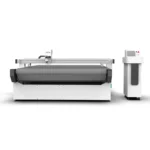
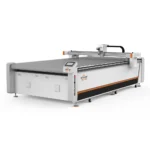
Material-Matched Cutting — REALTOP configures each 1625 oscillating knife table around your actual fabric weight, layer count and edge requirement, validated by sample cutting before the order is released.
Technical Specifications
| Parameter | Value |
|---|---|
| Model | 1625 |
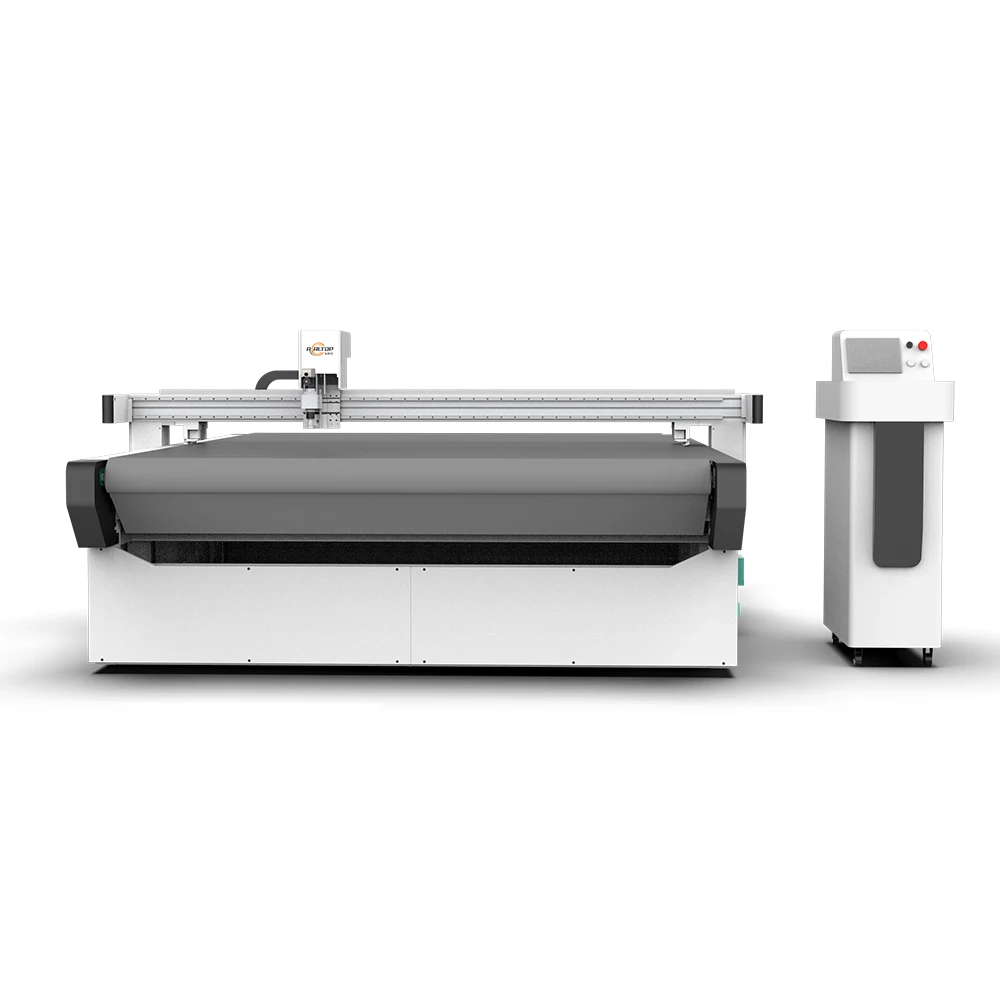
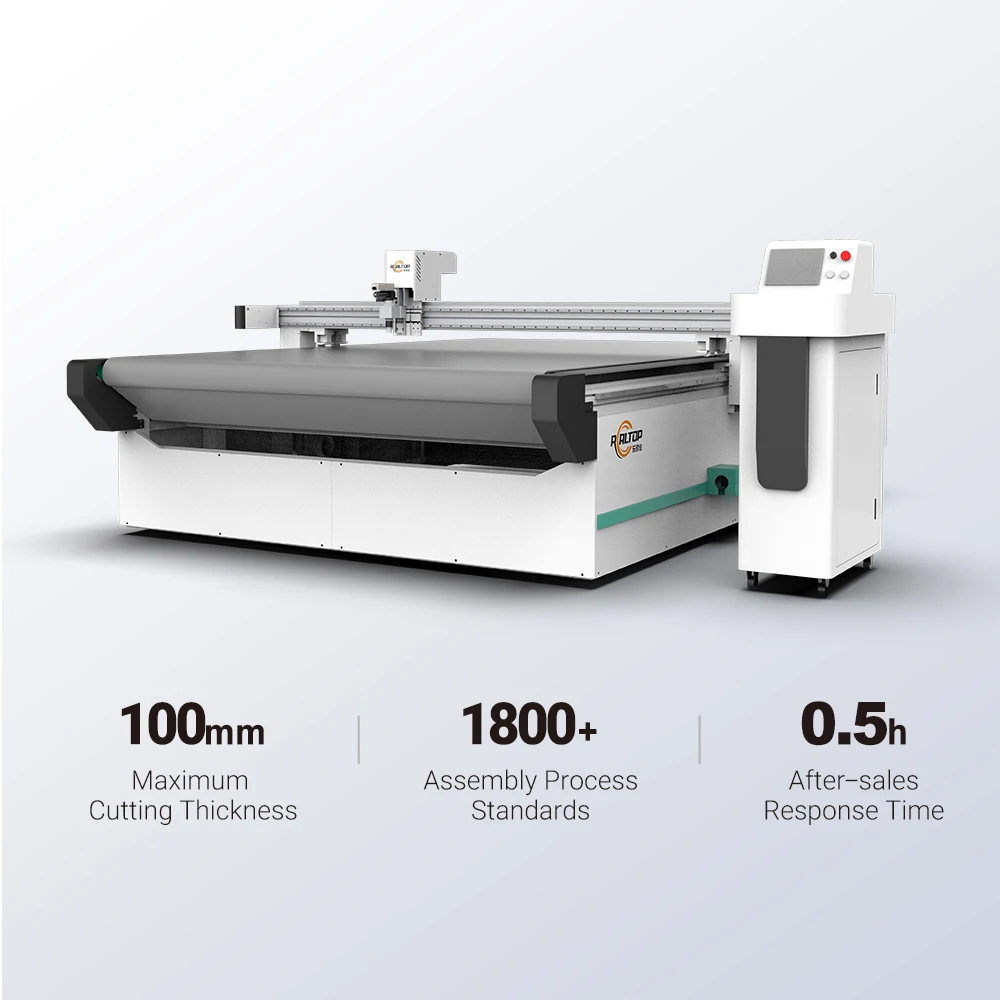
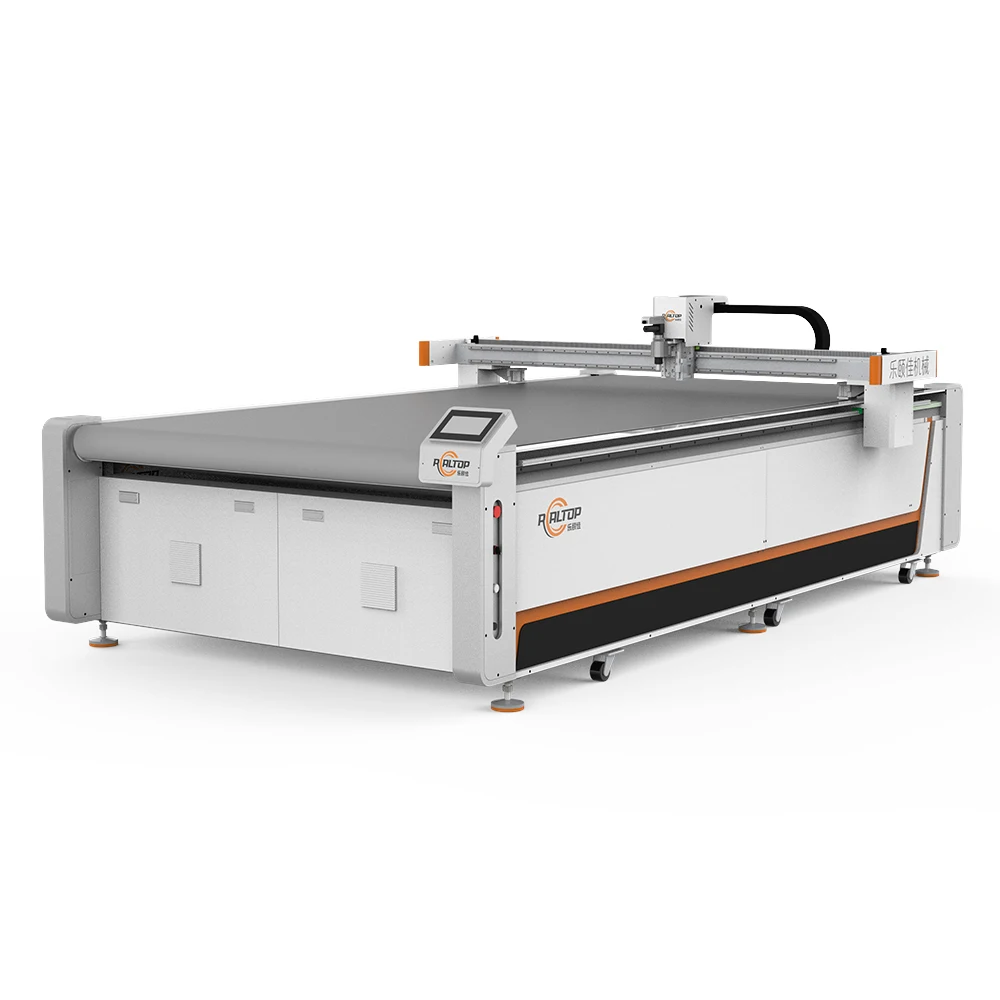
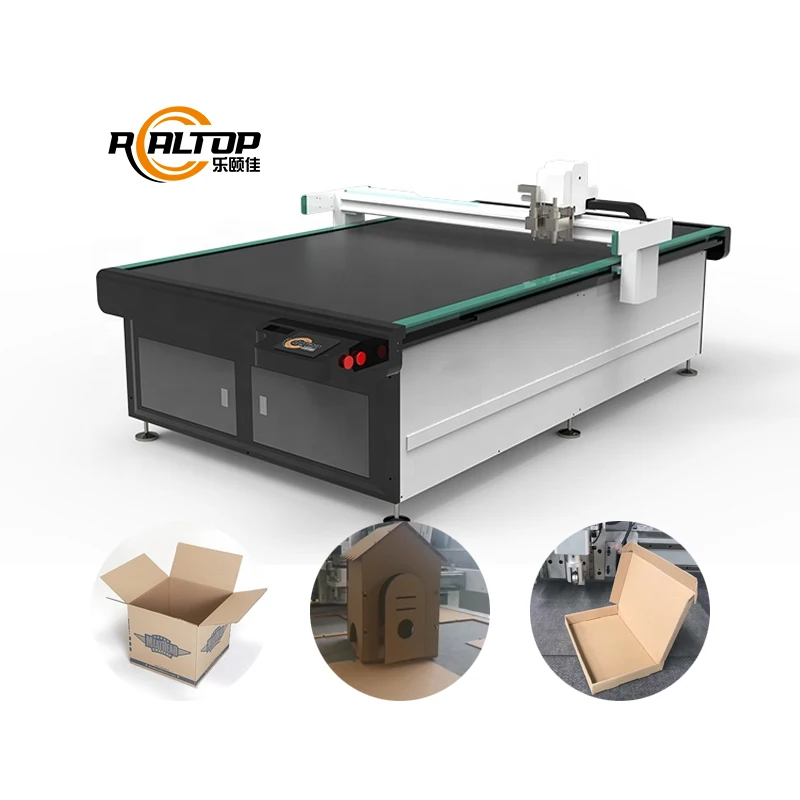
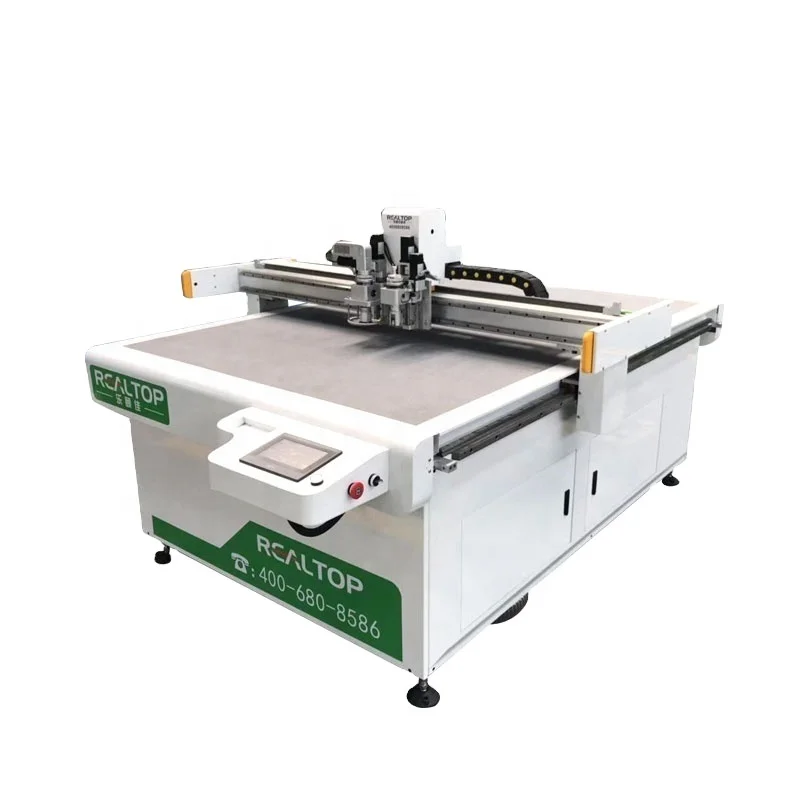
| Product Type | CNC Oscillating Knife Cutting Machine |
| Working Area | 1600×2500 mm |
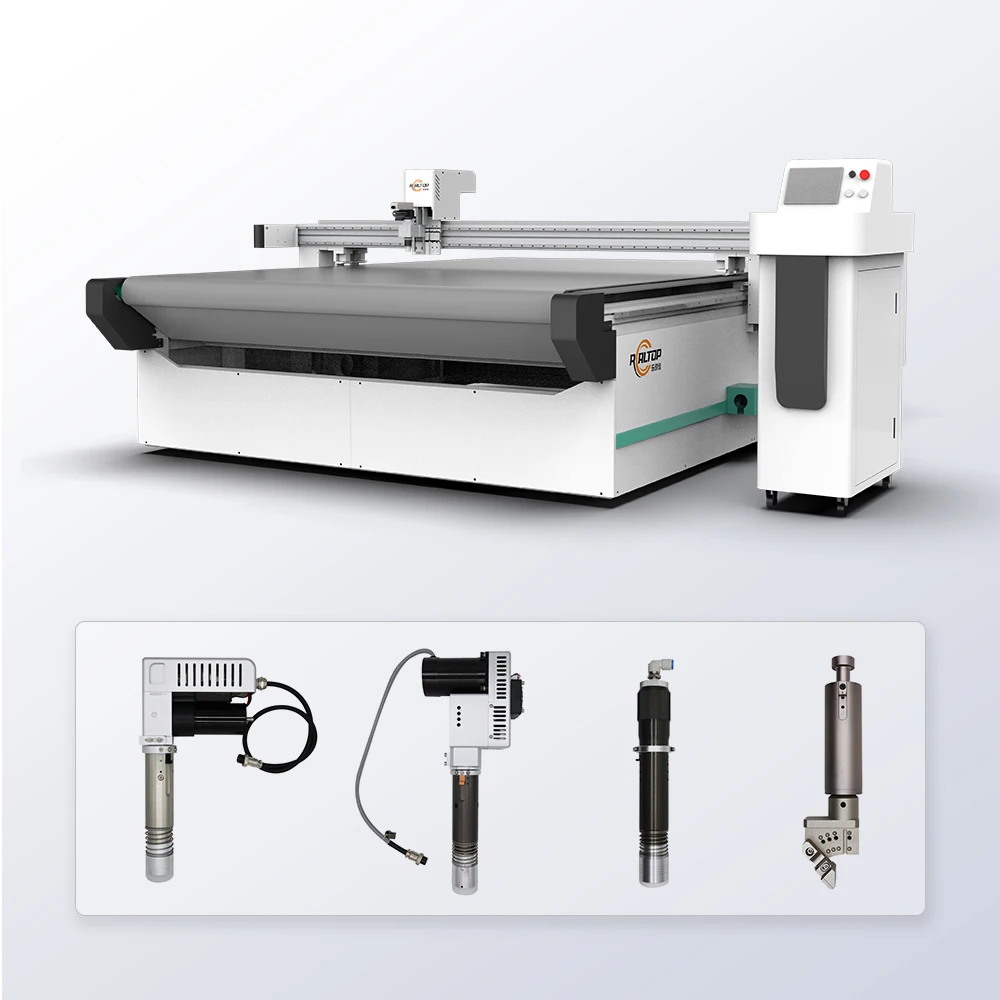
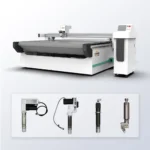
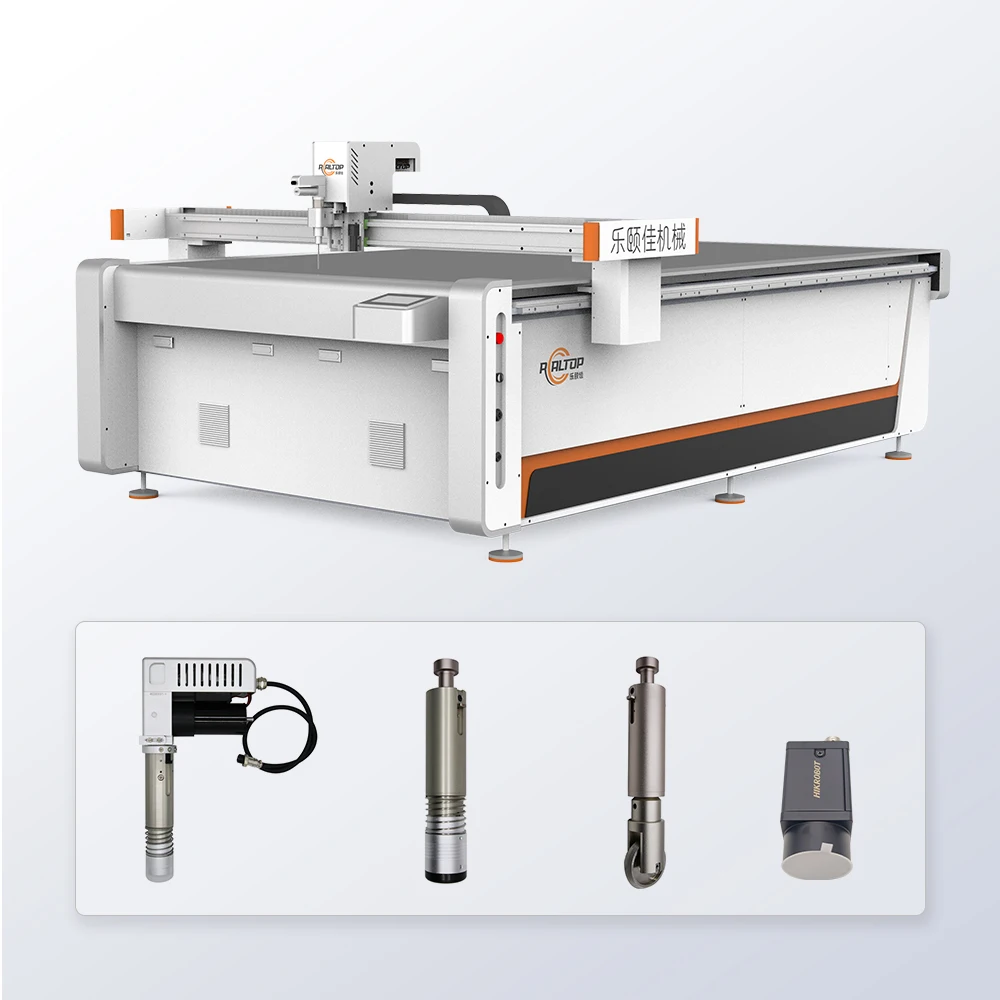
| Tool Head Options | Oscillating knife, Driven rotary knife, Creasing wheel, Kiss cutting tool, Pneumatic knife, Milling tool, V groove knife |
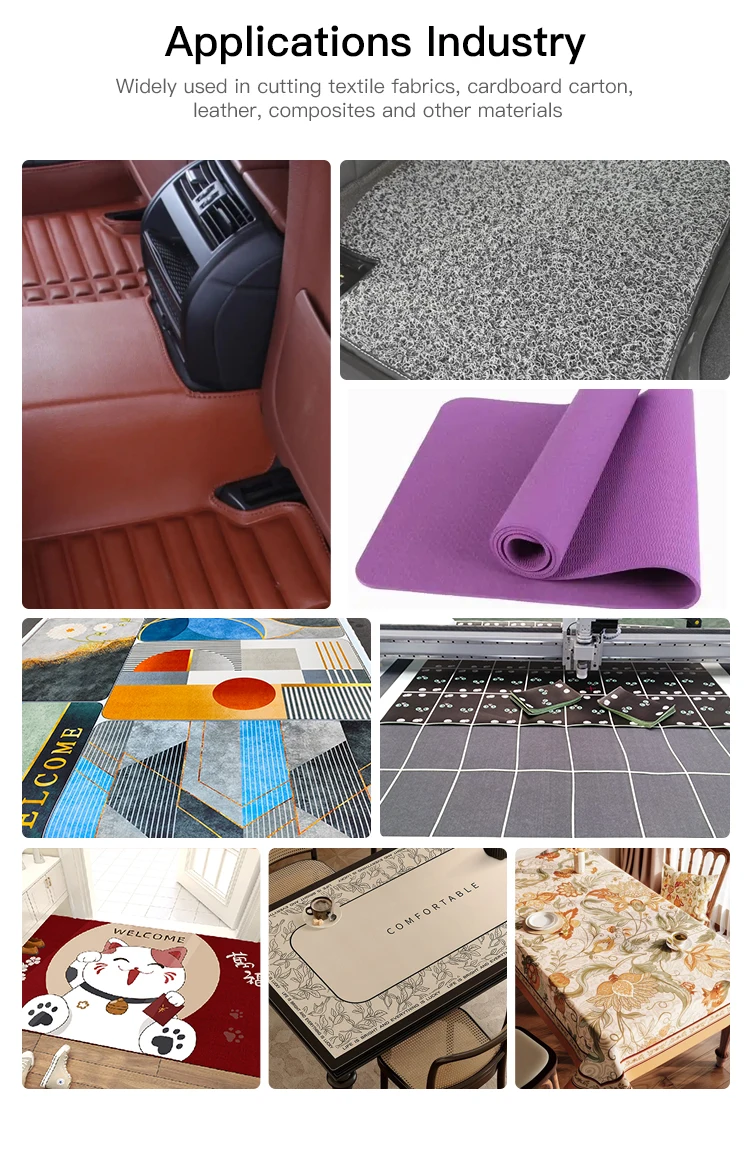
| Applicable Materials | Fabric, Cardboard, Carton, Mats, PVC, EVA, Leather, Acrylic, Foam, PTFE, Rubber |
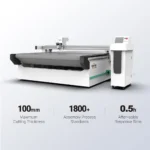
| Cutting Speed | 0–2000 mm/s |
| Cutting Accuracy | ±0.1 mm |
| Multi-layer Cutting Thickness (textile) | 30–50 mm (basis not stated in source — confirm block format / material / thickness) |
| Cutting Speed (textile fabric) | 1200–2000 mm/s (basis not stated in source — confirm block format / material / thickness) |
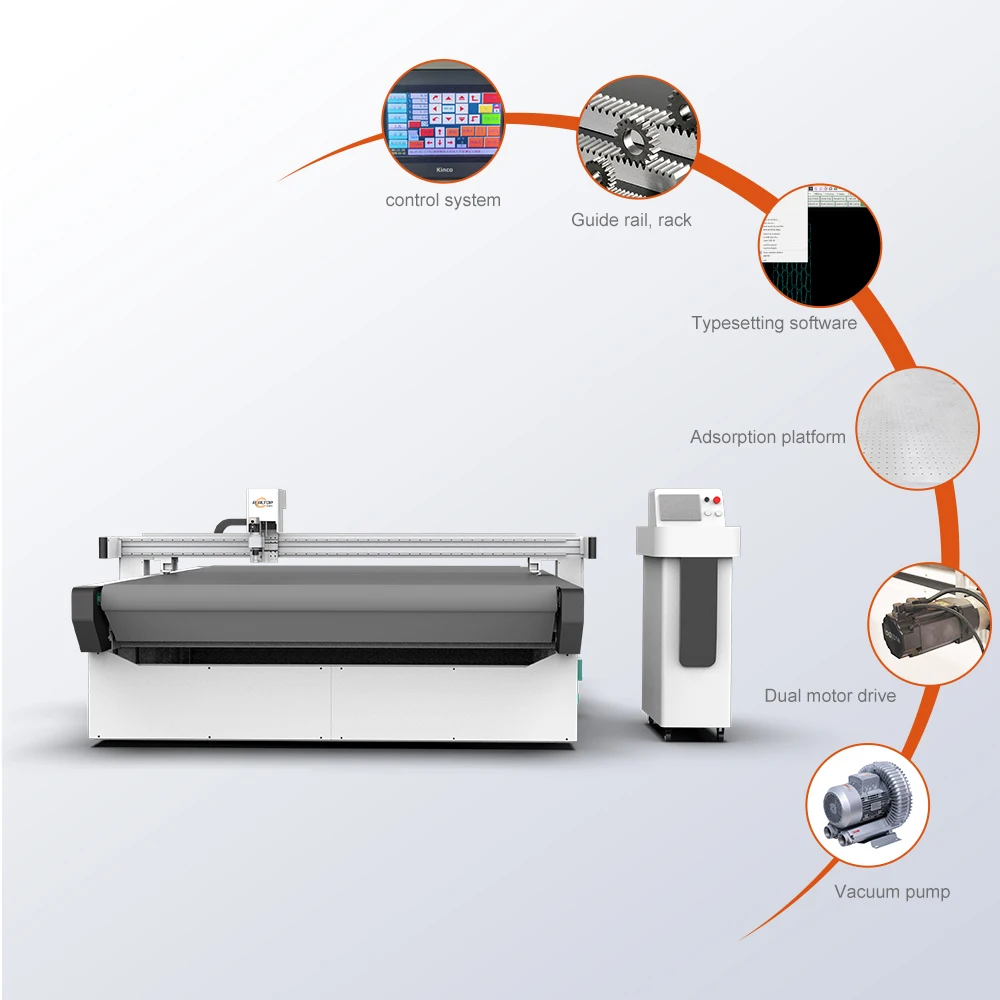
| Vacuum Table | Aluminum bellows vacuum table |
| Vacuum Pump | 9 kW |
| Voltage | 110V / 220V / 380V |
| Control System | PLC control panel with intuitive interface |
| Language Options | English, Russian, Italian, Chinese (special languages customizable) |
| File Format Compatibility | PLT, DXF, AI, PDF |
| Safety Device | Infrared sensor device and emergency stop device |
| Machine Size | 3300×2100×1350 mm |
| Servo Drive Options | Panasonic, Delta, Dorna |
| Standards | CE (certification details to be confirmed) |
Application Suitability
| Application | Material or Output |
|---|---|
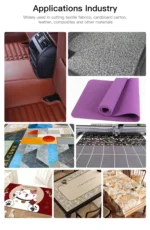
| Apparel manufacturing | Suits, knitwear, lace, complex woven and knitted fabrics in single or multi-layer lay-ups |
| Automotive interiors | Seat fabrics, carpets, PVC floor mats requiring burr-free contour cuts |
| Home textiles | Sofa upholstery fabrics, curtains, rugs and heavy decorative textiles |
| Composite material processing | Carbon fiber prepreg, aramid sheets and specialty technical fabrics |
Why Specified Cutting Depth Fails on Real Fabric Batches
A sample cut on 4 mm foam does not guarantee the same head will penetrate 8 mm composite sponge at line speed. When a CNC oscillating knife cutting machine manufacturer quotes a working area and a maximum thickness without testing your actual lay-up, the machine arrives under-configured. The knife stalls mid-cut, edges fray on multi-layer knits, and the production schedule slips while tool heads and vacuum zoning get reworked on the shop floor. [NEED_CITE: material density variation and its impact on oscillating knife penetration]
I saw this firsthand when a customer sent a 5 mm automotive seat cover sample, we matched the oscillating knife and vacuum pressure accordingly, and then their production batch came in at nearly double the thickness. The cutter could not push through, and we spent weeks reconfiguring the tool head and adjusting the feed parameters. Now I insist on seeing the actual production material before any configuration is locked in.
Tool Head Selection Dictates Edge Quality Across Fabric Types
Not every fabric responds the same way to a single blade geometry. The 1625 platform offers interchangeable heads — oscillating knife for dense woven layers, driven rotary knife for continuous contour work on knits, and pneumatic knife for thick compressible materials like foam-backed composites. Selecting the right head for your specific textile determines whether you get a clean shear cut or a crushed, delaminated edge that requires secondary trimming. This is the decision point where a CNC oscillating knife cutting machine manufacturer adds real value: matching tooling to material before metal is cut.
Vacuum Zoning and Its Role in Small-Piece Fabric Stability
The aluminum bellows vacuum table on this unit provides full-surface adsorption across the 1600×2500 mm bed. For large garment panels this keeps the lay-up flat, but small pieces — collar inserts, pocket facings, gussets — need zoned suction to prevent lift at the trailing edge during high-speed oscillation. Without proper zoning, cut pieces drift and the ±0.1 mm accuracy spec becomes theoretical. [NEED_CITE: vacuum hold-down requirements for small nested fabric parts]
Reading the Specs That Actually Matter on the Floor
The 9 kW vacuum pump generates enough negative pressure to hold multi-layer fabric stacks during rapid direction changes. The PLC control panel processes PLT, DXF, AI and PDF files directly, removing the need for intermediate conversion that often introduces path errors in nesting layouts. Servo drive selection — Panasonic, Delta or Dorna — affects acceleration response and positional repeatability; higher-inertia fabrics like dense carpet demand faster servo correction to maintain contour fidelity. The infrared sensor and emergency stop devices are wired into the safety loop independently, so an operator breach halts knife motion before the drive system completes its deceleration cycle.
What Happens When the Wrong Configuration Ships
Choosing a driven rotary knife for thick layered foam produces ragged edges that reject at the sewing station. Undersized vacuum zoning allows lightweight cut pieces to lift into the blade path, creating miscuts that waste material. Unconfirmed voltage at the factory means a 380V motor arrives in a 220V workshop, stalling production until a transformer is sourced locally. Each of these outcomes is preventable with pre-shipment sample cutting and documented configuration review. [NEED_CITE: cost of configuration rework after equipment installation]
Why Buyers Source This Platform From REALTOP
In-house design covers both knife and laser cutting, so the cutting method is chosen for your material rather than forced into whichever technology a single-line vendor happens to build. Tool head and table configuration are specified per your fabric type and production volume, documented in a configuration list you review before production starts. CCD camera positioning is available for printed contour work on textiles where registration marks must be tracked at cutting speed. Software compatibility — file formats, nesting workflow, language — is confirmed before the order, not discovered during commissioning. Sample cutting runs on your own material before you commit, producing a report that records the exact tool head, vacuum setting and cutting speed that worked.
Documentation & Verification
- Factory test record showing cut quality on your specific fabric weight and layer count
- Electrical schematic confirming voltage, frequency and plug type for your facility
- Tool head and vacuum table configuration list matched to your material profile
- Sample cutting report documenting blade type, speed and edge result on your textile
- Software licence with confirmed file format compatibility note
- Operation and maintenance manual in your selected control language
Installation, Commissioning & Support
- Floor space allocation based on 3300×2100×1350 mm machine footprint plus material feed clearance
- Dedicated electrical circuit sized for 9 kW vacuum pump plus servo and PLC combined draw
- Machine arrives partially assembled; bed leveling and gantry alignment completed on site
- First-run parameter tuning on your fabric with tool head pressure and oscillation frequency adjustment
- Operator training covering nesting software workflow, tool change procedure and daily vacuum filter maintenance
- Spare parts list including oscillating knife blades, rotary knife discs and vacuum table seals
What to Include in Your Inquiry
Provide the exact fabric types you cut — composition, weight per square meter, and whether you run single-ply or multi-layer lay-ups. Specify your target daily output in pieces or linear meters, the maximum sheet size you receive from your textile supplier, and your local voltage and frequency. If you work with printed fabrics that require contour recognition, note the registration mark format and typical print repeat length.
Frequently Asked Questions
Q: How do I select the correct tool head for my fabric type?
A: Dense woven fabrics and multi-layer stacks respond best to the oscillating knife, which shears cleanly through compressed layers. Continuous contour cuts on knits and stretch materials suit the driven rotary knife. Thick compressible materials like foam-backed composites need the pneumatic knife to control compression*fabric to confirm the match before building.
Q: Why must voltage and control language be confirmed before shipment?
A: The 1625 platform supports 110V, 220V and 380V configurations, and the PLC panel can display English, Russian, Italian, Chinese or custom languages. If these are not locked in during order review, the machine arrives with a motor that does not match your workshop supply and an interface your operators cannot read, delaying commissioning by weeks.
Q: What does sample cutting on my material involve?
A: You send a representative piece of your production fabric at actual lay-up thickness. We run multiple passes with different tool heads and vacuum settings, then document which combination achieved clean edges at production-relevant speed. The sample cutting report ships with the quotation so you can verify suitability before committing to the order.
Q: How does vacuum table zoning affect cutting small fabric pieces?
A: Small nested parts like collar inserts or pocket facings lose hold-down force near the bed edges and between suction zones. The aluminum bellows table provides full-surface adsorption, but zoning configuration must match your typical nest layout. We review your nesting files during specification to confirm that zoned vacuum coverage holds your smallest pieces through the final cut.
Q: Can the system track printed contours on fabric at production speed?
A: CCD camera positioning is available as an option for printed textile applications where the cutting path must follow registration marks on pre-printed fabric. The camera reads marks and adjusts the cut path in real time, but performance depends on mark contrast, print repeat consistency and fabric feed stability. We validate tracking accuracy on your printed sample during the pre-order cutting test.
You may also like

商品评价
Clear filtersThere are no reviews yet.