




-
 Courier delivery
-
 DHL Courier delivery
-
 Warranty 1 year
-
 Free 30-Day returns

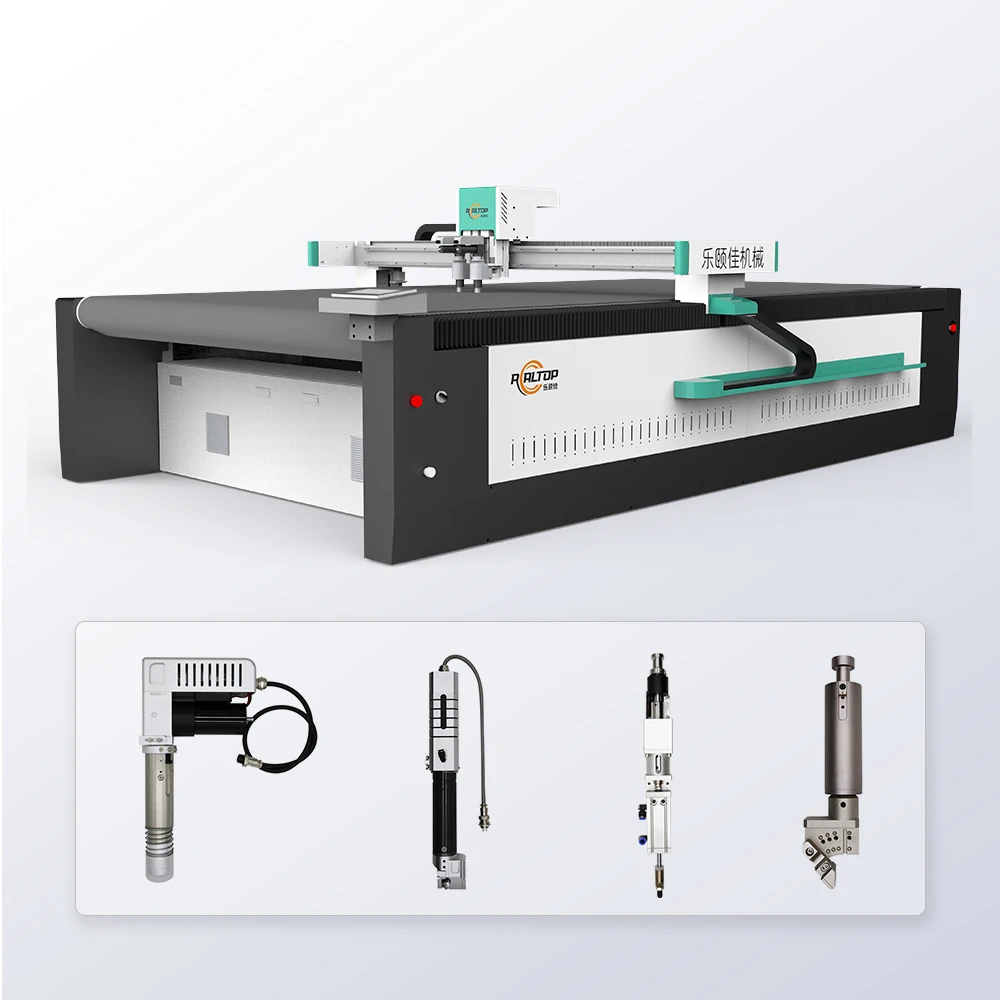
Tool Configuration By Material — Every cutting head and vacuum zone is matched to the buyer’s actual gasket stock after sample trials on their own material.
Technical Specifications
| Parameter | Value |
|---|---|
| Model | 1625 |
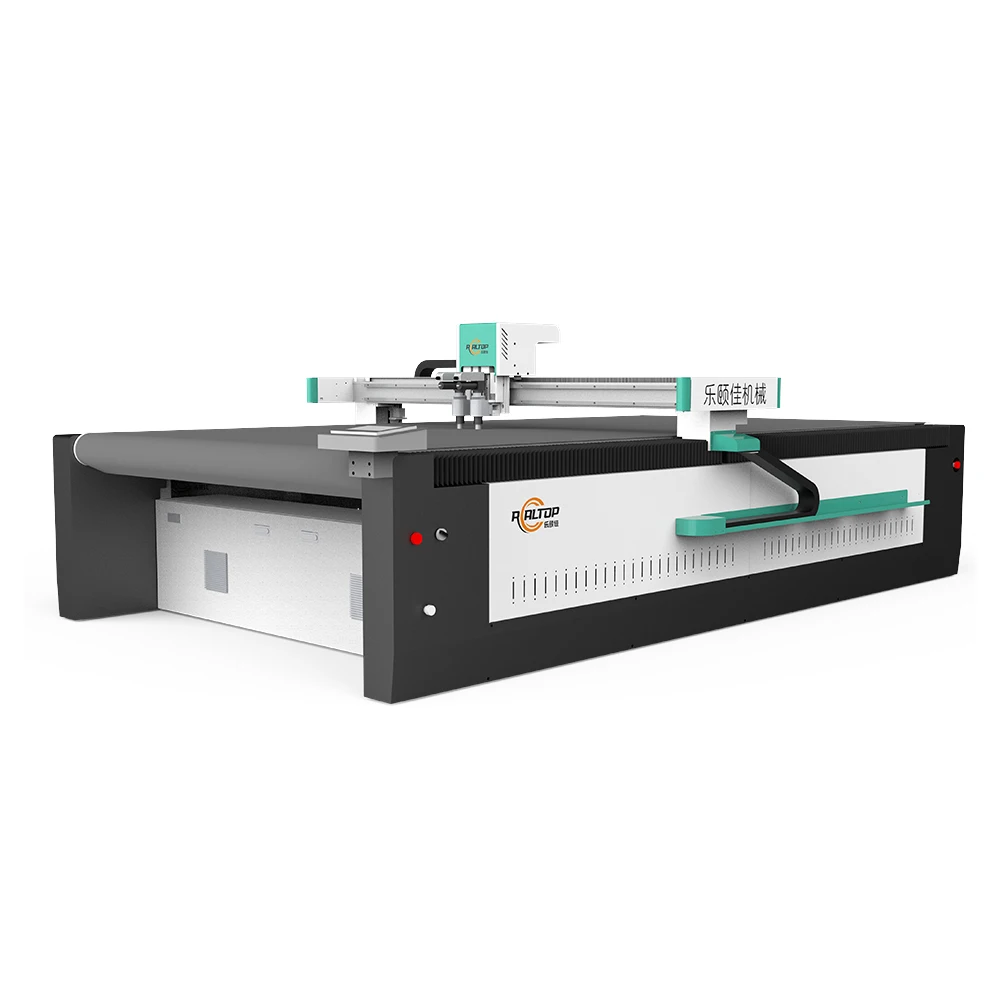
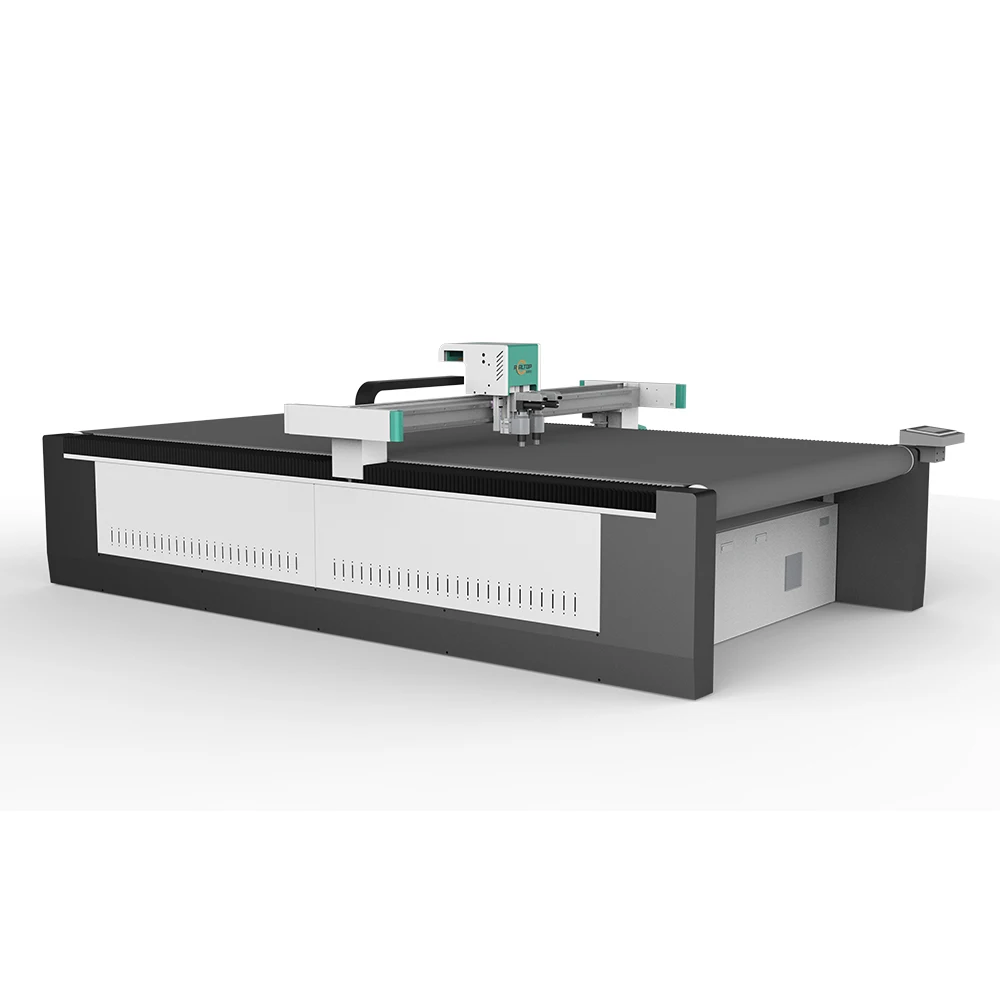
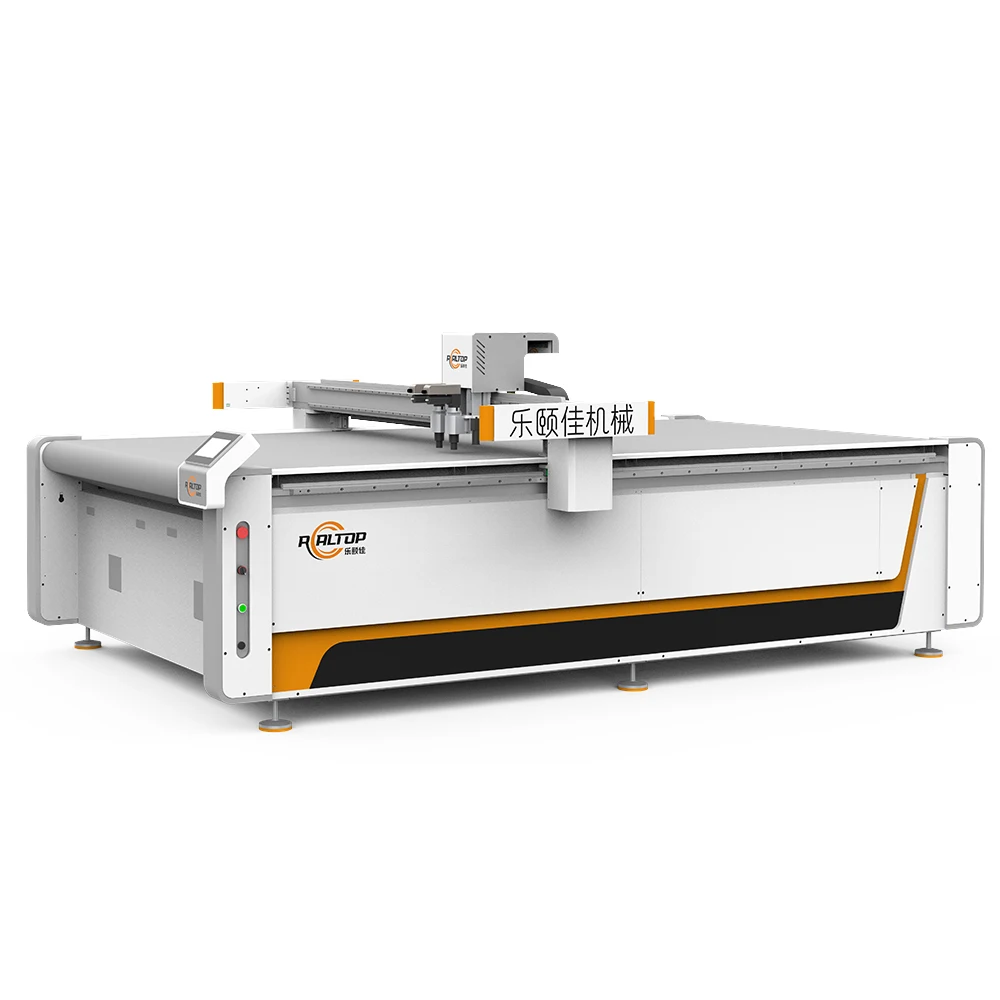
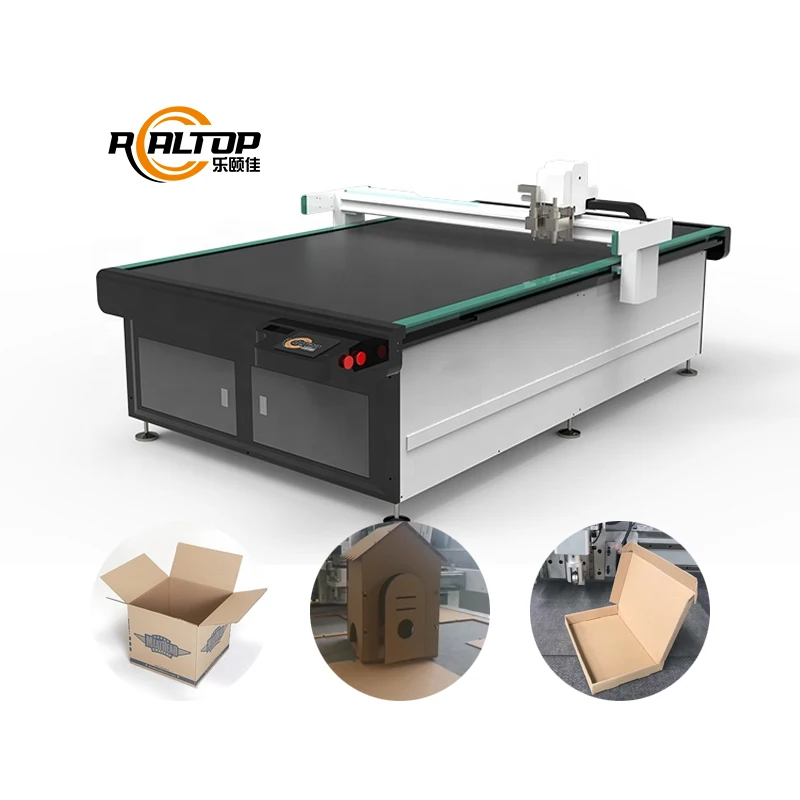
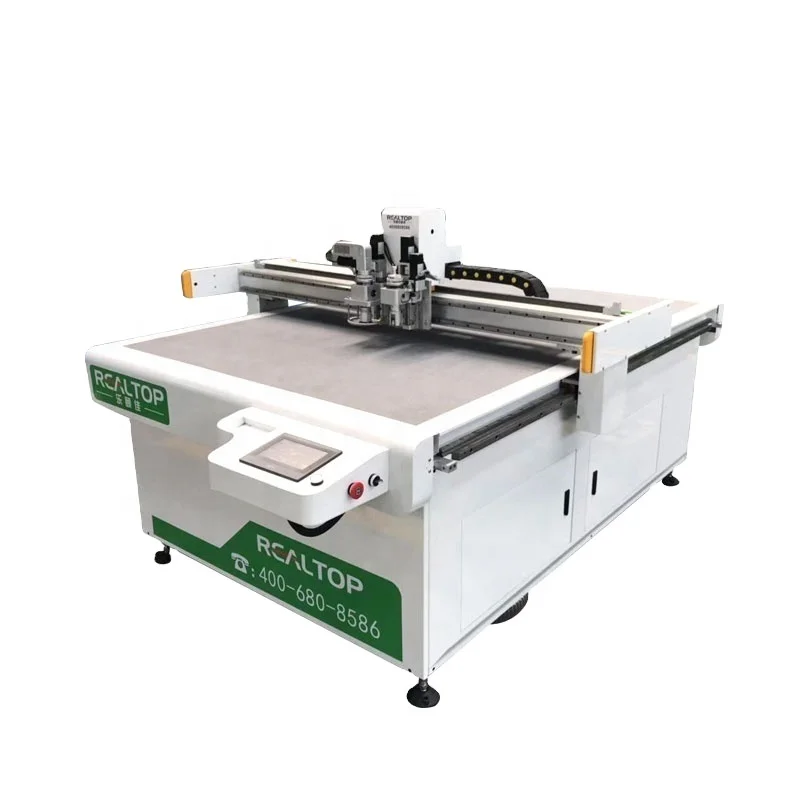
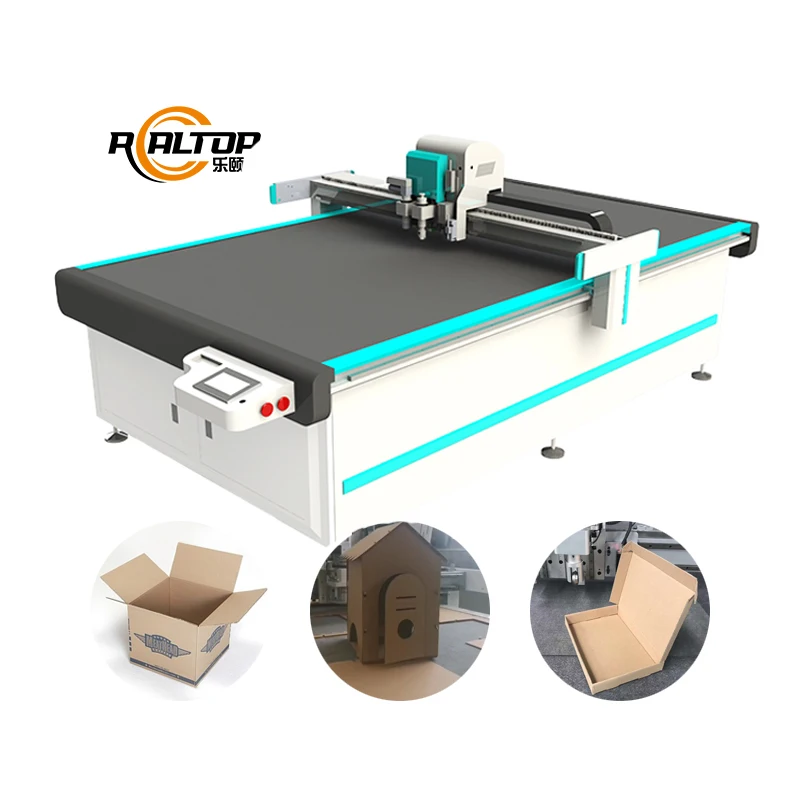
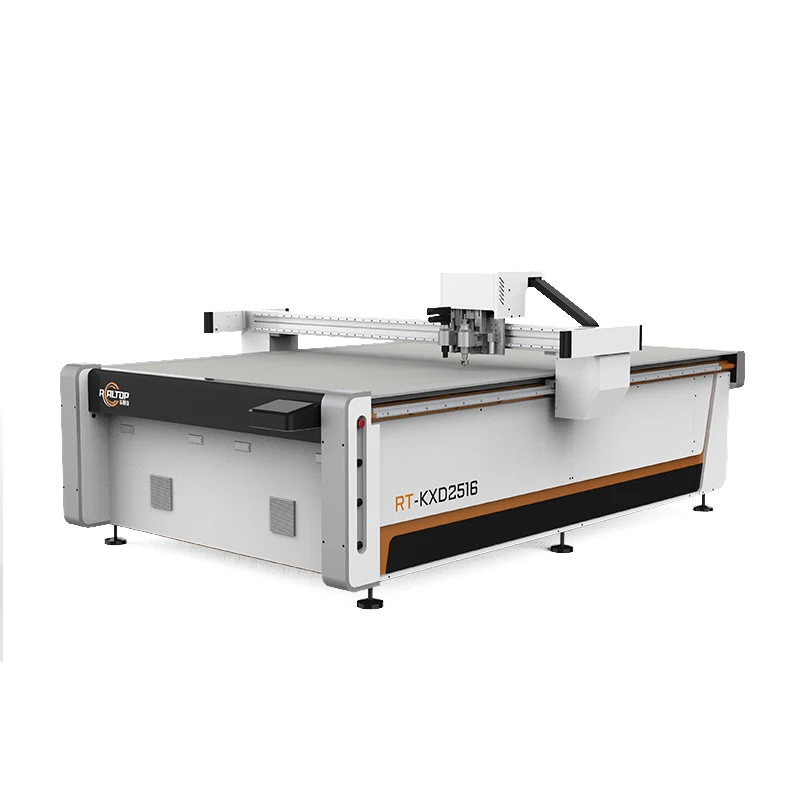
| Product Type | CNC Oscillating Knife Cutting Machine for Gasket and Composite Materials |
| Working Area | 1600 × 2500 mm |
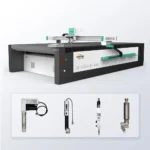
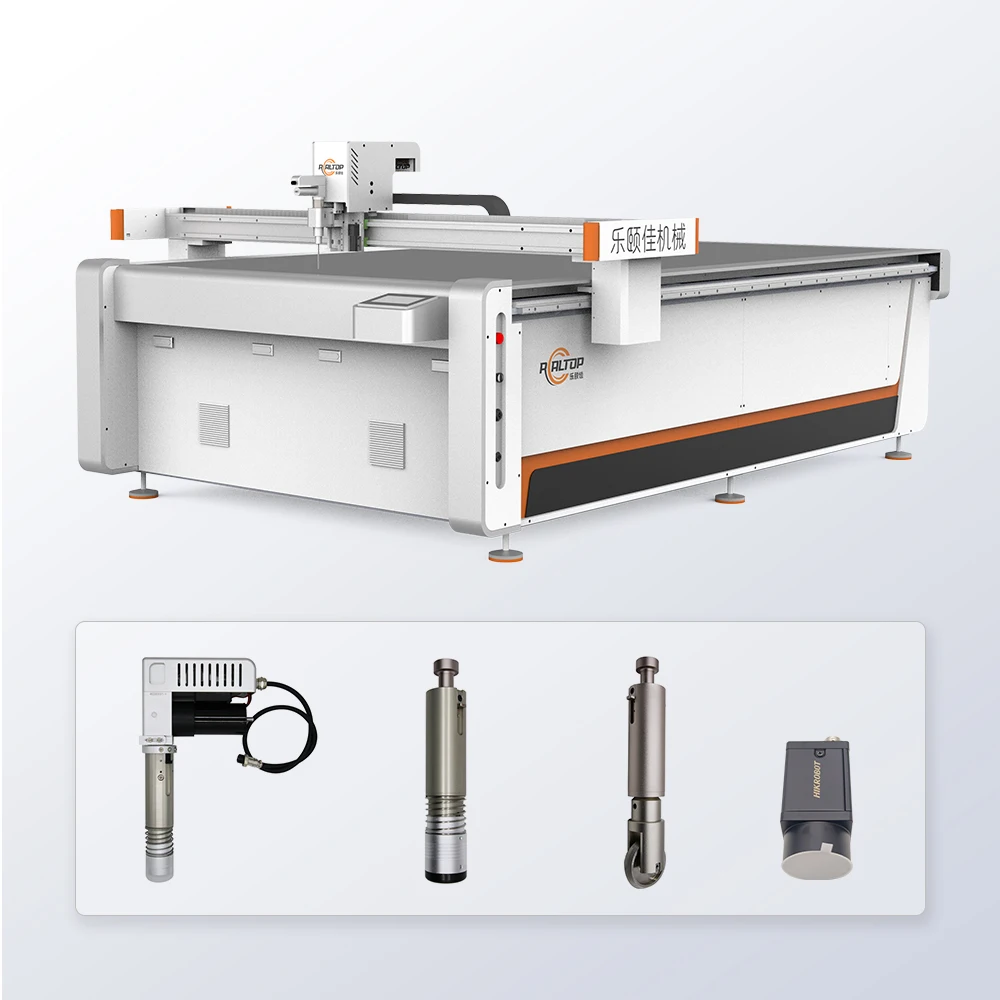
| Tool Head Options | Oscillating knife, Driven rotary knife, Creasing wheel, Kiss cutting tool, Pneumatic knife, Milling tool, V groove knife |
| Cutting Speed | 0–2000 mm/s |
| Cutting Thickness | ≤ 30 mm (basis not stated in source — confirm material type and density) |
| Cutting Accuracy | ±0.1 mm |
| Vacuum Pump | 9 kW |
| Vacuum Table | Aluminum bellows vacuum table |
| Control System | PLC control panel with intuitive interface |
| Servo Motors | Multiple options including Panasonic, Delta, and Dorna (source value — verify against manufacturer catalog) |
| Voltage Options | 110V, 220V, 380V |
| Profile Formats | PLT, DXF, AI, PDF |
| Safety Devices | Infrared sensor, emergency stop |
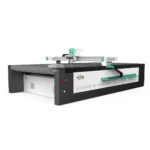
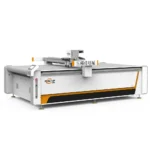
| Machine Size | 3300 × 2100 × 1350 mm |
| Machine Frame | Heavy-duty frame with precision-ground surface |
| Language Options | English, Russian, Italian, Chinese (special languages customizable) |
| Certification | CE |
Application Suitability
| Application | Material or Output |
|---|---|
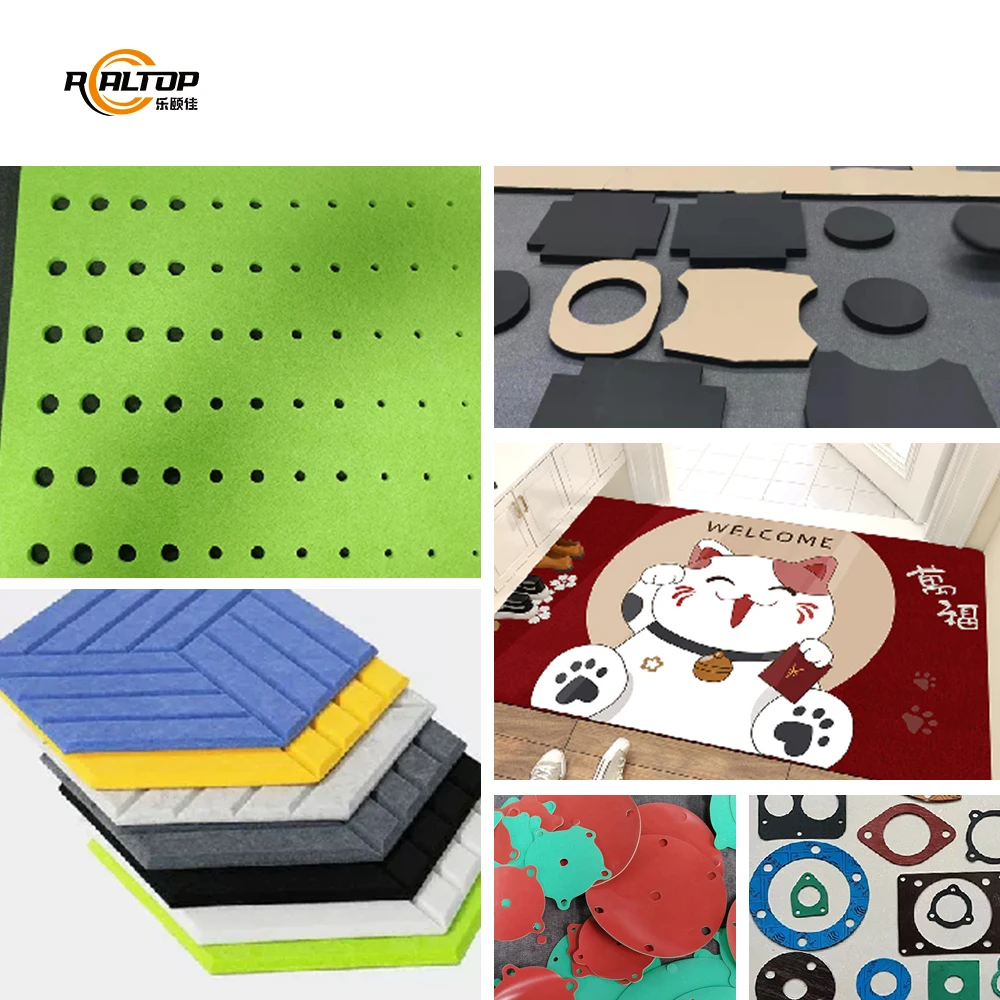
| Automotive gasket and sealing strip production | PTFE sheets, reinforced rubber, composite sealing materials |
| Aerospace thermal and acoustic insulation | Ceramic fiber blankets, aramid honeycomb, carbon fiber prepreg |
| Wind turbine blade core fabrication | Fiberglass cloth, vacuum infusion mesh, structural foam core |
| Battery insulation pad cutting | Silicone felt, mica sheets, composite insulating layers |
| Industrial flange gasket manufacturing | Non-asbestos fiber sheets, graphite composite, cork-rubber blends |
When the Spec Sheet Ignores Your Material Reality
Many buyers select a CNC oscillating knife cutting machine manufacturer based purely on working area and price, only to discover the knife head cannot handle their specific gasket density or the vacuum table fails to hold small sealing pieces flat during high-speed cuts.
The right configuration starts with your material, not the brochure.
I have stood in workshops where a machine ran perfectly on standard non-asbestos gasket sheets but tore through copper-wire-reinforced high-density stock within days. The oscillating knife chipped its edge, the vacuum zoning could not grip narrow flange gaskets, and production halted while a technician flew in to reconfigure tooling and parameters [NEED_CITE:]. Those shutdowns cost far more than getting the specification right before the order is placed.
Cold Cutting That Preserves Material Integrity
Gasket and composite materials often rely on specific fiber orientation, resin bonding, or layered structure to perform under pressure and temperature. A CNC oscillating knife cutting machine manufacturer using cold cutting technology avoids the thermal damage that laser or hot-knife methods introduce. No heat-affected zone means no melted edges on PTFE, no delamination of aramid honeycomb, and no compromised sealing surface on multi-layer composite gaskets. The cut edge leaves the material mechanically intact and ready for installation without secondary finishing.
Vacuum Zoning Configured for Gasket Geometry
Gasket cutting produces narrow strips, small flange seals, and intricate bolt-hole patterns that demand localized vacuum hold-down. A single-zone vacuum table leaves small pieces lifting during oscillating knife passes, producing dimensional drift and ragged edges. The aluminum bellows vacuum table on this system delivers consistent suction across the bed surface, and zoning can be configured to match the typical part geometry of your production [NEED_CITE:]. Proper zoning means a 15 mm wide sealing strip stays pinned to the table through the final pass.
Reading the Numbers Behind the Cut
The ±0.1 mm cutting accuracy is driven by the PLC-controlled motion system and servo motors, which maintain positional tolerance across the full 1600 × 2500 mm working area. For aerospace gaskets and battery insulation pads where fit tolerance is critical, this precision prevents rework and scrap. The 9 kW vacuum pump generates sufficient suction to hold porous and textured materials — without adequate vacuum, even a precise knife path produces dimensional error because the material shifts under cutting force. The interchangeable tool heads allow the operator to switch between an oscillating knife for dense rubber, a driven rotary knife for woven fabric layers, and a V groove knife for chamfered edges on foam insulation, all on the same machine.
What Happens When Configuration Is an Afterthought
Choosing the wrong tool head for a material does not just produce poor edges — it accelerates blade wear, increases downtime for tool changes, and forces operators to reduce cutting speed as a workaround. Inadequate vacuum zoning causes small gasket parts to shift mid-cut, turning what should be a nesting-optimized sheet into scrap. Voltage mismatches discovered at commissioning can delay startup by weeks while transformers are sourced locally [NEED_CITE:]. These are not theoretical failures; they appear regularly in facilities that specified machines by working area alone.
Why Source This Equipment From Realtop
In-house design covers both the mechanical frame and the tool head configuration, so the cutting system is engineered around gasket and composite materials rather than adapted from a generic sign-making platform. The specification process begins with your material type, thickness, sheet size, and daily volume before any configuration is recommended. Sample cutting on your actual gasket stock is performed before commitment, and a cutting report documents edge quality, dimensional accuracy, and cycle time. Voltage, plug type, and control language are confirmed and documented before production begins. Software compatibility with your existing nesting workflow — PLT, DXF, AI, or PDF file formats — is verified at the order stage.
Documentation & Verification
- Machine specification sheet listing confirmed tool heads and vacuum zone layout
- Electrical schematic with voltage and frequency matched to your facility supply
- Sample cutting report on your gasket or composite material with measured accuracy
- Factory test record documenting full-bed cutting cycle before crating
- Software licence and file format compatibility note for your nesting workflow
- Spare parts list matched to your selected tool head configuration
Installation, Commissioning & Support
- Heavy-duty frame requires level concrete floor with clearance for 3300 × 2100 × 1350 mm footprint
- Dedicated electrical circuit sized for 9 kW vacuum pump plus servo and control load at confirmed voltage
- Machine ships in single crate with tool heads and vacuum table pre-assembled for faster field setup
- First-run commissioning includes parameter tuning for your specific gasket material density and thickness
- Operator training covers tool head changeover, nesting software import, and PLC panel navigation in your language
- Wear parts inventory stocked per your tool head selection with replenishment guidance in the manual
Before You Request a Quotation
Provide the specific gasket or composite material type, density, and thickness range you will be cutting, along with typical sheet dimensions and the range of part geometries in your production. Specify your facility voltage, frequency, and preferred control language so the CNC oscillating knife cutting machine manufacturer can confirm electrical and interface compatibility before quoting. If you have existing nesting software or file formats in your workflow, share a sample file so compatibility can be verified against the system software.
Frequently Asked Questions
Q: How do I confirm the cutting thickness capacity for my specific gasket material?
A: The published ≤ 30 mm value depends heavily on material density and reinforcement type. We ask you to send a sample of your actual gasket stock — including any wire mesh, fiber reinforcement, or multi-layer structure. We run a cutting trial and document achievable thickness, edge quality, and cycle time in a sample cutting report before you commit to an order.
Q: Which tool head should I use for my gasket or composite material?
A: Oscillating knives suit dense rubber and fiber sheets, driven rotary knives handle woven and layered fabrics, and pneumatic knives work well on softer foam and insulation. The right choice depends on your material composition, thickness, and edge quality requirement. We test multiple heads during sample cutting and recommend the optimal configuration in the report.
Q: What voltage and language options are available for my market?
A: The system supports 110V, 220V, and 380V configurations, and control language options include English, Russian, Italian, Chinese, with custom languages available on request. Voltage, plug type, and frequency are confirmed against your local supply standard before production begins and documented in the electrical schematic.
Q: Can the system track printed contour marks on my gasket material?
A: CCD camera positioning is available as a configuration option for printed contour recognition. Tracking performance at production speed depends on mark contrast, print quality, and material surface. We verify tracking reliability during sample cutting using your actual printed material and report the results before order confirmation.
Q: How does the sample cutting process work?
A: You send us a representative sample of your gasket or composite material with your typical part files. We run cutting trials using different tool heads and parameters, then provide a report covering edge quality, dimensional accuracy, cutting speed, and recommended configuration. This allows you to evaluate real performance on your material before placing an order.
You may also like

商品评价
Clear filtersThere are no reviews yet.