




-
 Courier delivery
-
 DHL Courier delivery
-
 Warranty 1 year
-
 Free 30-Day returns

Customized cutting configurations — each RT-D2516/RT-S2516 setup is matched to buyer material samples before the build is locked in.
Technical Specifications
| Parameter | Value |
|---|---|
| Model | RT-D2516/RT-S2516 |
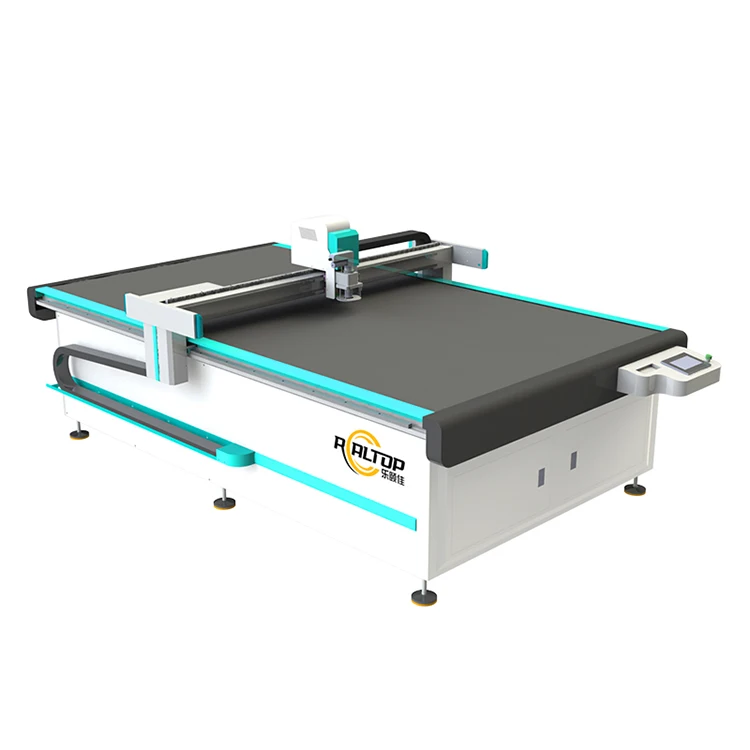
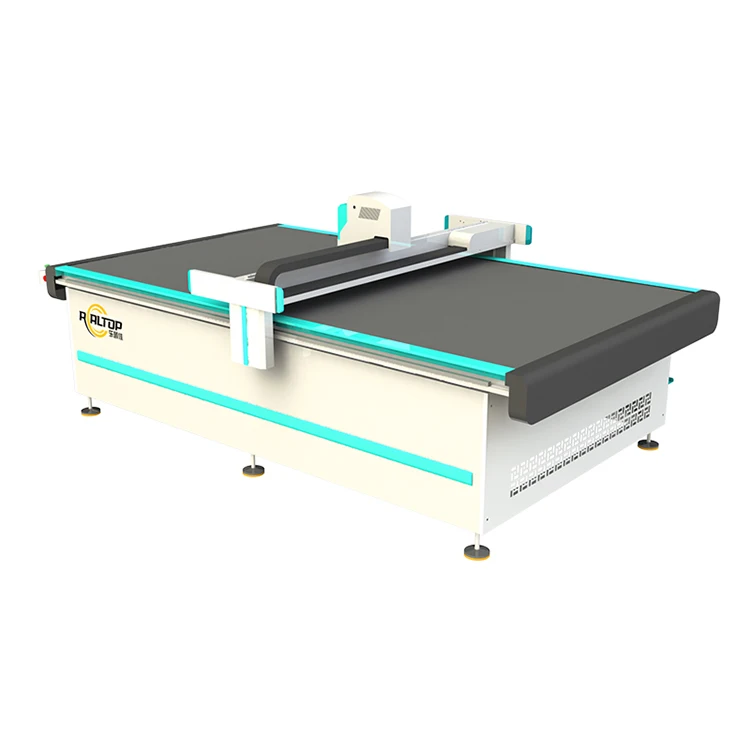
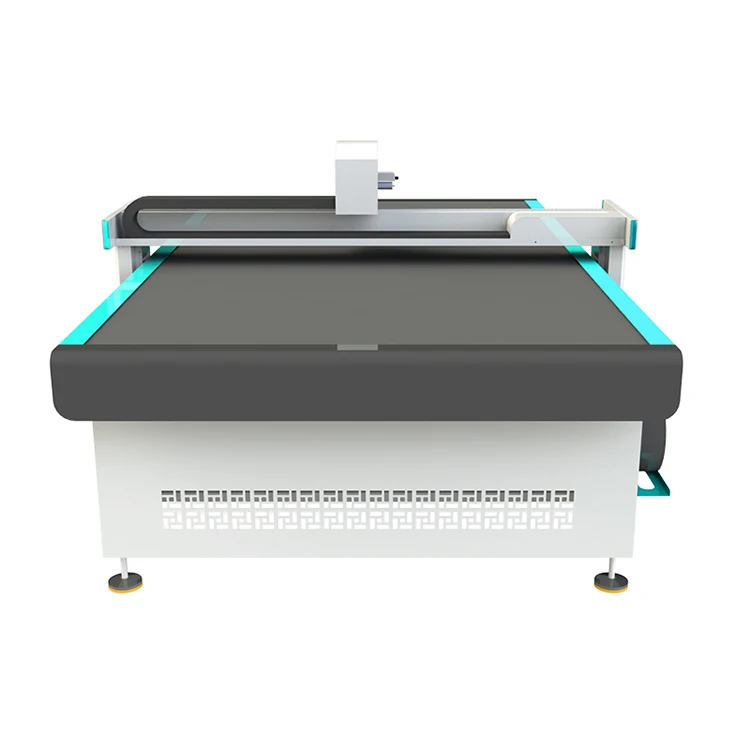
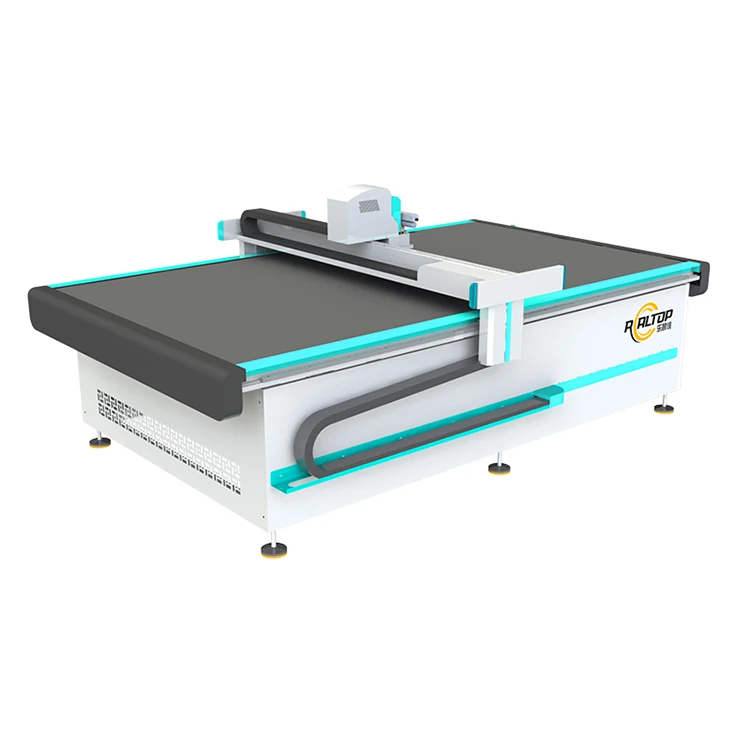
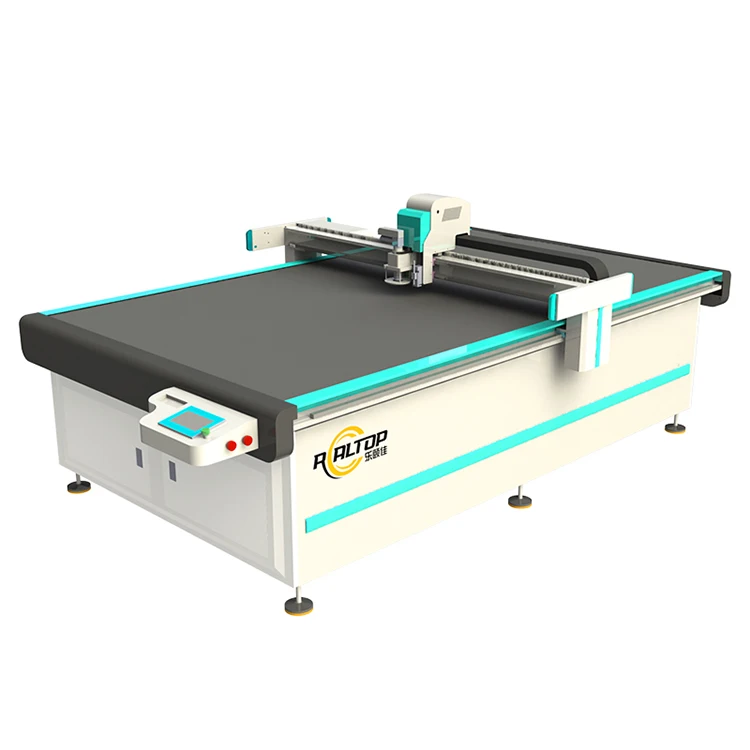
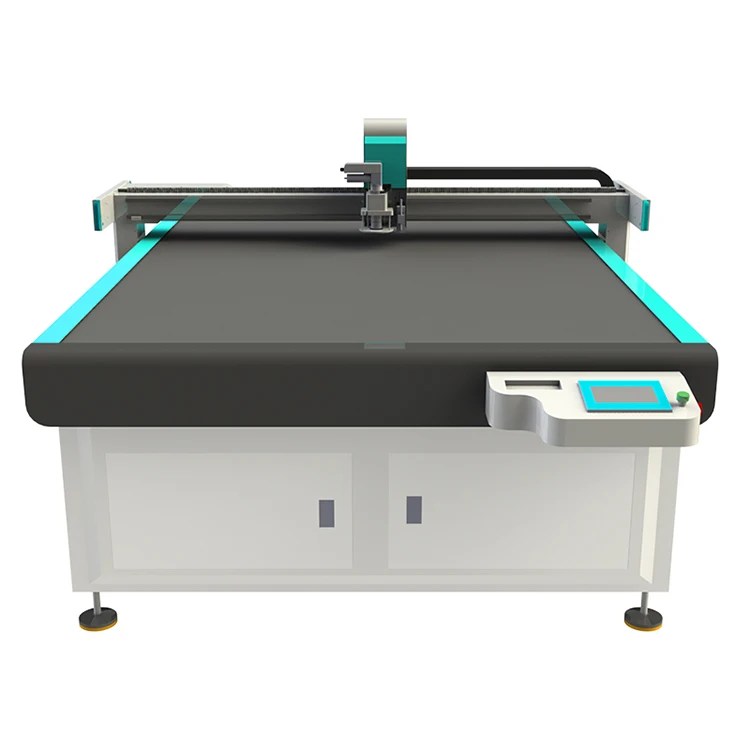
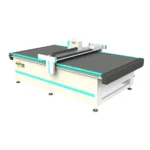
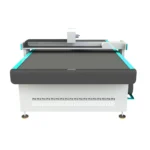
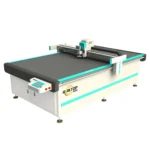
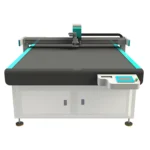
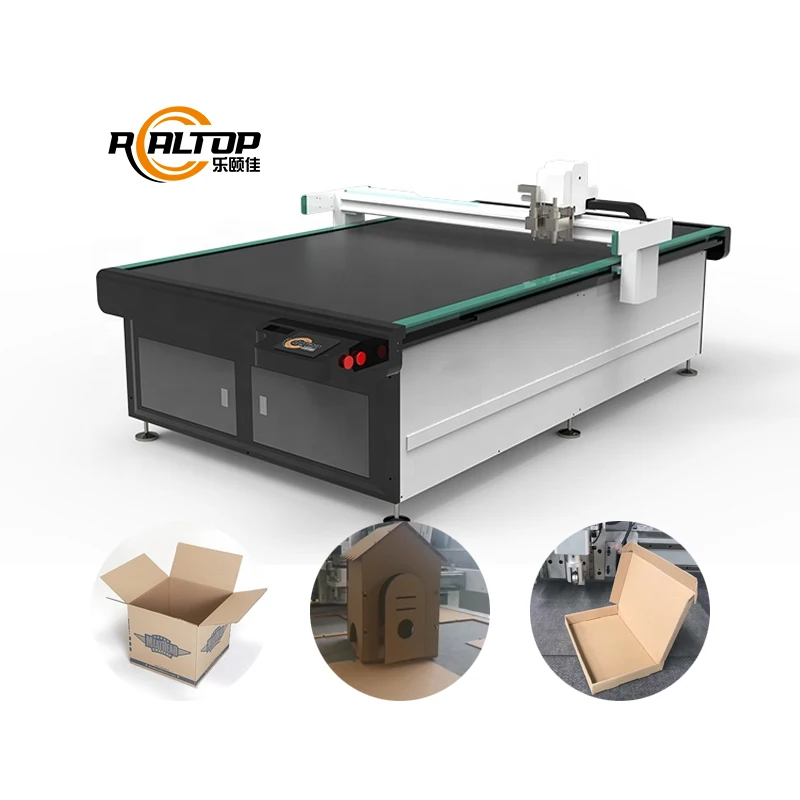
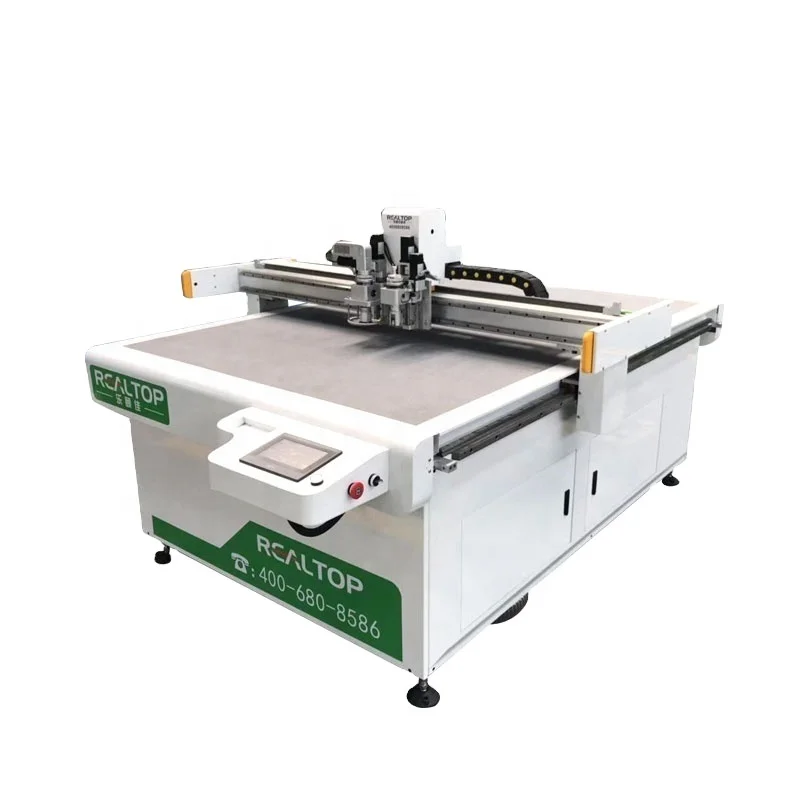
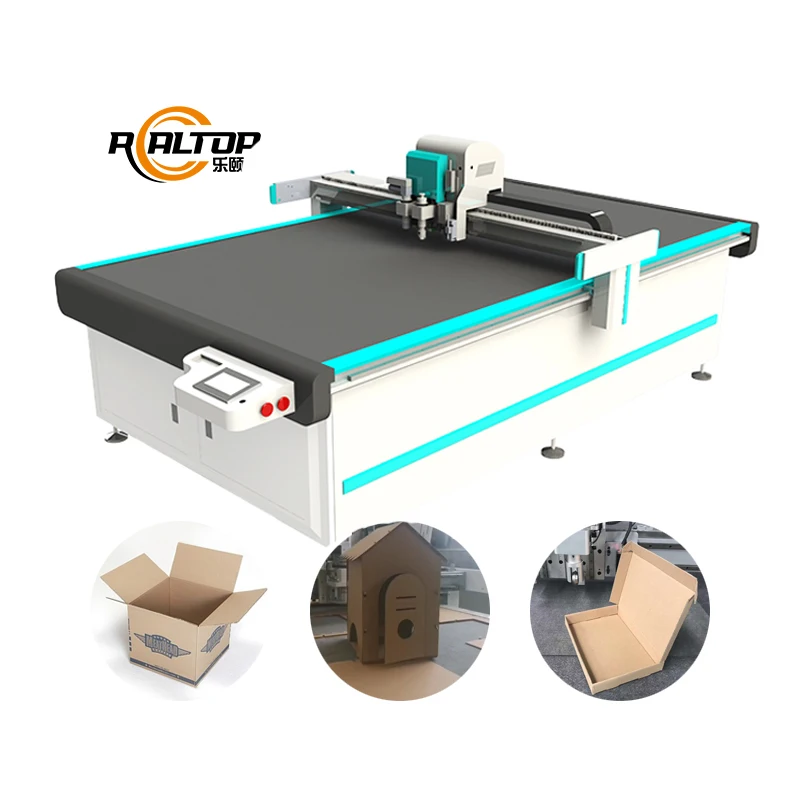
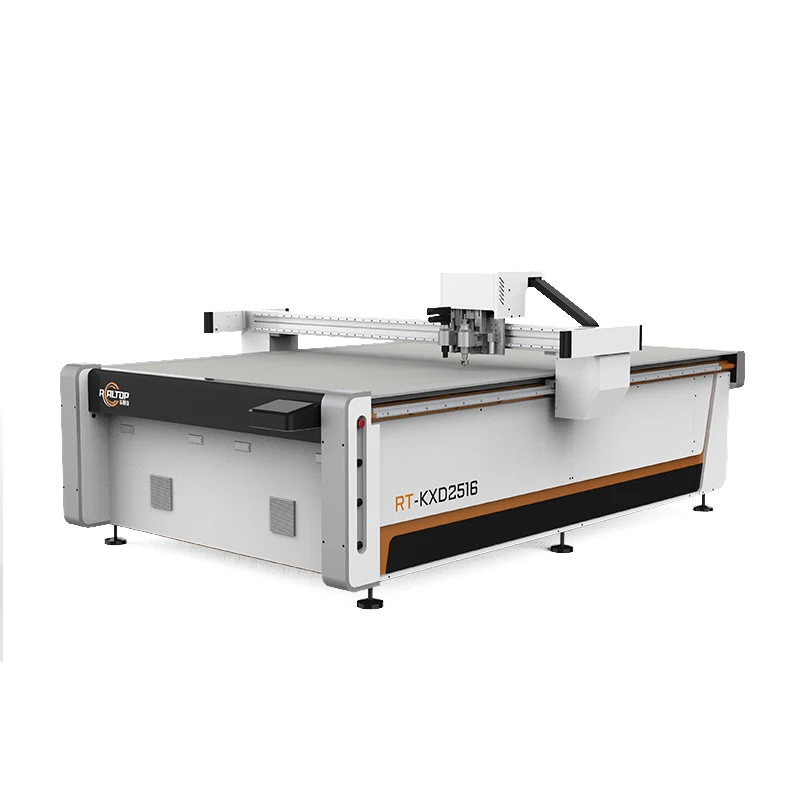
| Product Type | CNC Oscillating Knife Cutting Machine |
| Working Area | 1600×2500 mm |
| Overall Dimensions (L×W×H) | 3450×2300×1250 mm |
| Rated Power | 9 kW |
| Table Type | Flat vacuum table with auto feeding |
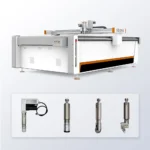
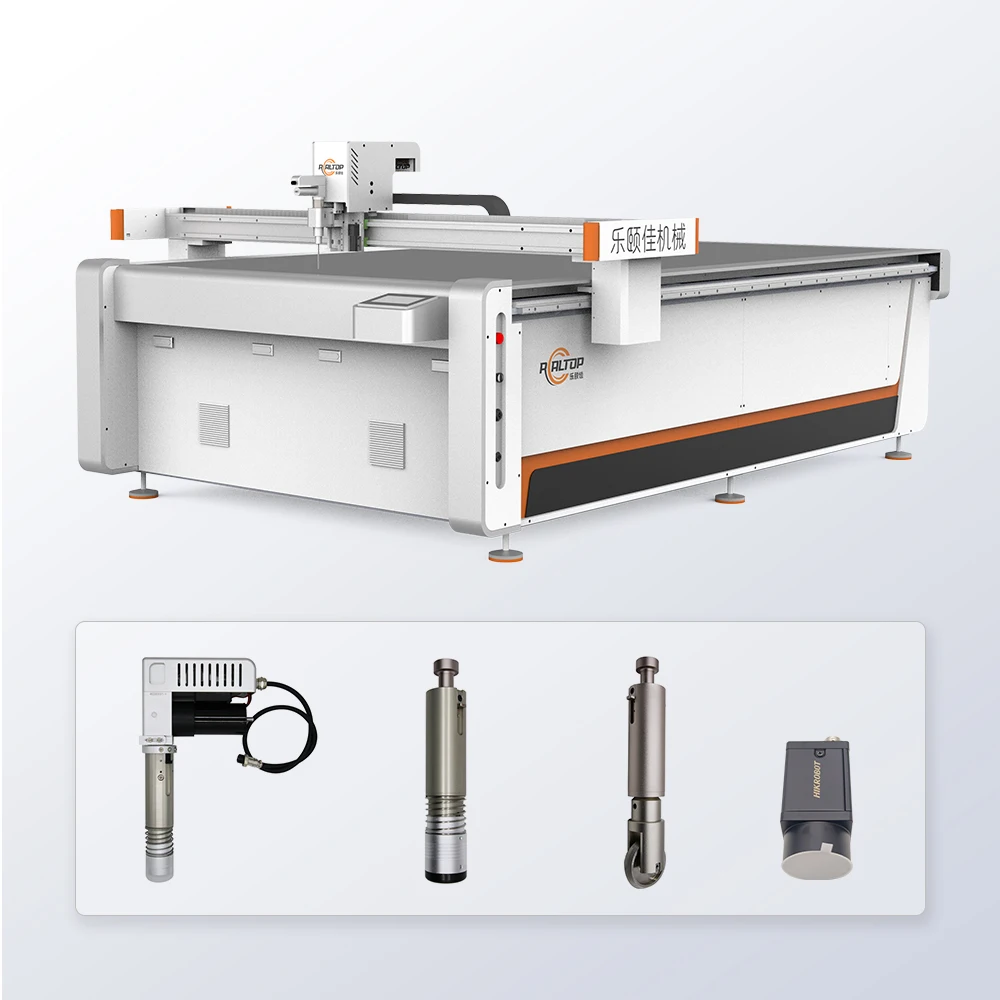
| Tool Head Type | Swiss imported knife with vibration full cutting, half cutting and cursor location |
| Safety Device | Infrared sensors |
| Translational Velocity | 800–1200 mm/s |
| Cutting Speed | 200–800 mm/s (varies according to material type and thickness) |
| Repeated Accuracy | ≤0.1 mm |
| Transmission System | Digital servo motor, linear guide, synchronous belt, imported ball screw |
| Servo Motor | Japanese Yaskawa |
| Linear Rail | Taiwan Hiwin |
| Instruction System | HP-GL compatible format |
| Voltage | 380V±10% |
| Conveyor Belt | Germany imported |
| Vacuum Pump | 7.5 kW |
| Assembly State | Complete machine |
| Standards | CE (source value — verify against manufacturer catalog) |
Application Suitability
| Application | Material or Output |
|---|---|
| Packaging sample making | Corrugated cardboard, single and multi-wall board, folding carton stock |
| Garment and footwear production | Leather, flexible textiles, sponge composite leather |
| Signage and soft material fabrication | PVC, soft glass, silicon sheets, rubber gasket material |
| Composite panel processing | Foam-core composites and layered flexible materials |
Why Material Samples Must Drive the Configuration, Not the Spec Sheet
A cutting table chosen only on working area and price often fails when the real material hits the vacuum bed. The corrugated cardboard cutting machine oscillating knife China market is crowded with units that quote maximum cutting area yet stumble on triple-wall board or dense composites because the tool head was never matched to the actual stock. Configuration must start from your material type, thickness and daily sheet volume, then the machine is built around that answer. I once watched a packaging workshop in Central Europe receive a machine rated for standard flute board; when they loaded heavier double-wall stock the knife edge deteriorated within the first shift and the cut speed dropped noticeably. That is a failure of the specification process, not of the steel frame. [NEED_CITE: common causes of cutting quality rejection in packaging sample shops]
Swiss Knife Mechanics for Corrugated and Flexible Stock
The oscillating knife head on the RT-D2516/RT-S2516 uses a Swiss imported blade assembly that delivers both full-depth vibration cutting and half-depth kiss cutting. Full vibration mode drives through corrugated cardboard layers without crushing the flute profile, while half cutting scores folding carton crease lines in a single pass. For leather and sponge composite materials, the same tool head adjusts stroke frequency to keep the edge clean without pulling fibres. The cursor location function adds a physical reference for repeat jobs, which matters when a packaging sample maker cuts short runs across dozens of box formats in a week.
Vacuum Zoning and Continuous Sheet Handling
The 7.5 kW vacuum pump holds workpieces against a flat table that extends to 1600×2500 mm, and the Germany-imported conveyor belt enables auto feeding for longer production runs. On small packaging samples or narrow gasket profiles, vacuum zoning becomes critical: without enough suction zones, lightweight parts lift during high-speed traversing and the oscillating knife drags the material. The flat table layout on this unit addresses that by distributing hold-down force across the cutting area. [NEED_CITE: vacuum table zoning standards for CNC flatbed digital cutting]
What the Transmission Specs Mean on the Shop Floor
Repeated accuracy of ≤0.1 mm comes from the combination of Japanese Yaskawa digital servo motors, Taiwan Hiwin linear rails and imported ball screws. In practical terms, that tolerance band keeps printed contour cuts aligned when the system reads registration marks on pre-printed corrugated sheets. The synchronous belt handles rapid traversing at 800–1200 mm/s between cut paths, so non-cutting travel time stays low on dense nesting layouts. The 9 kW rated power covers the vacuum pump, servo drives and spindle together, which is worth confirming against your workshop’s available circuit capacity before installation.
The Cost of Skipping the Sample-Cut Step
When a buyer signs an order based on a brochure spec sheet without seeing their own material cut, three problems typically surface after delivery. Edge quality on corrugated flutes may show compression or ragged fibres, forcing a secondary trim pass. The chosen blade profile may chip on denser composites within the first production day. And the vacuum hold-down may prove insufficient for the smallest parts in a nested layout, causing material lift and scrapped sheets. All of these issues are visible in a pre-order sample cutting report, which is why that step belongs in the procurement sequence before the commercial invoice. [NEED_CITE: buyer verification steps for industrial CNC cutting equipment]
Why Production Buyers Source the RT-D2516/RT-S2516 Here
The design team and core factory operate under one roof, so knife and laser cutting technologies are available from the same production line rather than through separate supply chains. Tool head and table configurations are specified per material type and volume, not picked from a fixed menu. CCD camera positioning can be added for printed contour work on packaging samples. Software compatibility is confirmed against your existing HP-GL workflow before the order is finalized. Voltage, plug type and control language are locked in during the specification stage, not discovered at unpacking. Sample cutting on the buyer’s own corrugated or flexible material runs before any commitment is made.
Documentation & Verification
- Machine specification sheet listing every confirmed parameter for your ordered configuration
- Electrical schematic with voltage and frequency matched to your local supply standard
- Tool head and table configuration record tied to your material sample test results
- Factory test record on your actual board grade or leather thickness before dispatch
- HP-GL file format compatibility note and software licence documentation
- Spare parts list identifying consumable blades and belt segments by part number
Installation, Commissioning & Support
- Floor space of at least 4000×3000 mm to accommodate the 3450×2300 mm footprint and operator access
- Dedicated 380V±10% three-phase circuit with capacity for the combined 9 kW machine and 7.5 kW vacuum pump load
- Complete machine delivery, no field assembly of the main frame required
- First-run parameter tuning on your specific corrugated flute or leather grade during commissioning
- Operator training covering blade change, vacuum zone adjustment and HP-GL file loading
- Consumable blade and conveyor belt segment supply with initial spare parts kit
Preparing Your Inquiry
Send the material type, thickness range and maximum sheet dimensions you will process daily. Include your workshop voltage and frequency, preferred control language, and whether your existing design files use HP-GL or a different format. If you have printed corrugated sheets requiring contour recognition, note that so the CCD positioning option can be evaluated before quotation.
Frequently Asked Questions
Q: How do I confirm the cutting capacity matches my board thickness rather than just the working area?
A: Request a sample cutting report run on your own corrugated grade at your target speed. The report shows actual edge quality, flute compression and knife wear after a defined run length. Working area alone tells you the maximum sheet size the table accepts, not whether the oscillating knife stroke and vacuum hold-down can handle your specific wall thickness.
Q: Which tool head configuration fits corrugated cardboard versus leather or foam?
A: The Swiss imported oscillating knife offers vibration full cutting for through-cuts on corrugated board and half cutting for crease scoring. For leather and sponge composites, stroke frequency adjusts to prevent fibre pull. Confirming the correct blade profile during the sample test avoids ragged edges or crushed foam on the production floor.
Q: Can the instruction system import my current design files?
A: The HP-GL compatible format covers most CAD outputs used in packaging sample design. Before the order is finalized, your file format and nesting workflow are verified for direct import. If your studio uses a different vector standard, software compatibility is confirmed in writing so no conversion step is needed after delivery.
Q: Is CCD camera positioning available for printed contour cuts on packaging samples?
A: CCD camera contour recognition is an available configuration on this platform. It reads printed registration marks on corrugated sheets to align cut paths with pre-printed graphics. This option should be specified during the quotation stage so the camera hardware and software module are integrated at the factory.
Q: What electrical and interface details are confirmed before shipment?
A: Voltage, plug type and control panel language are written into the specification sheet before production begins. The electrical schematic reflects your local supply standard. This prevents rewiring or transformer additions after the machine arrives at your facility.
You may also like

商品评价
Clear filtersThere are no reviews yet.