



-
 Courier delivery
-
 DHL Courier delivery
-
 Warranty 1 year
-
 Free 30-Day returns

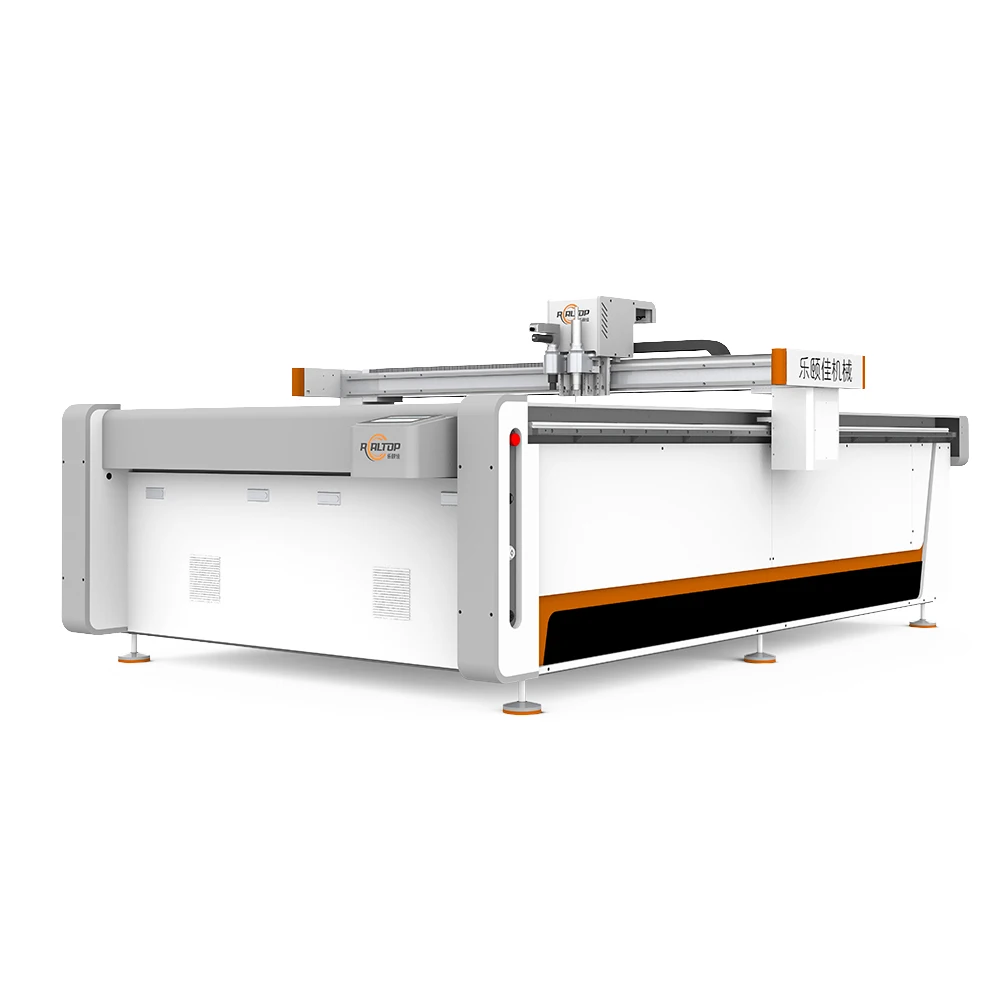
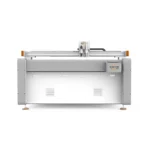
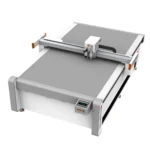
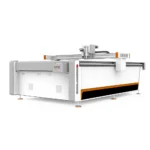
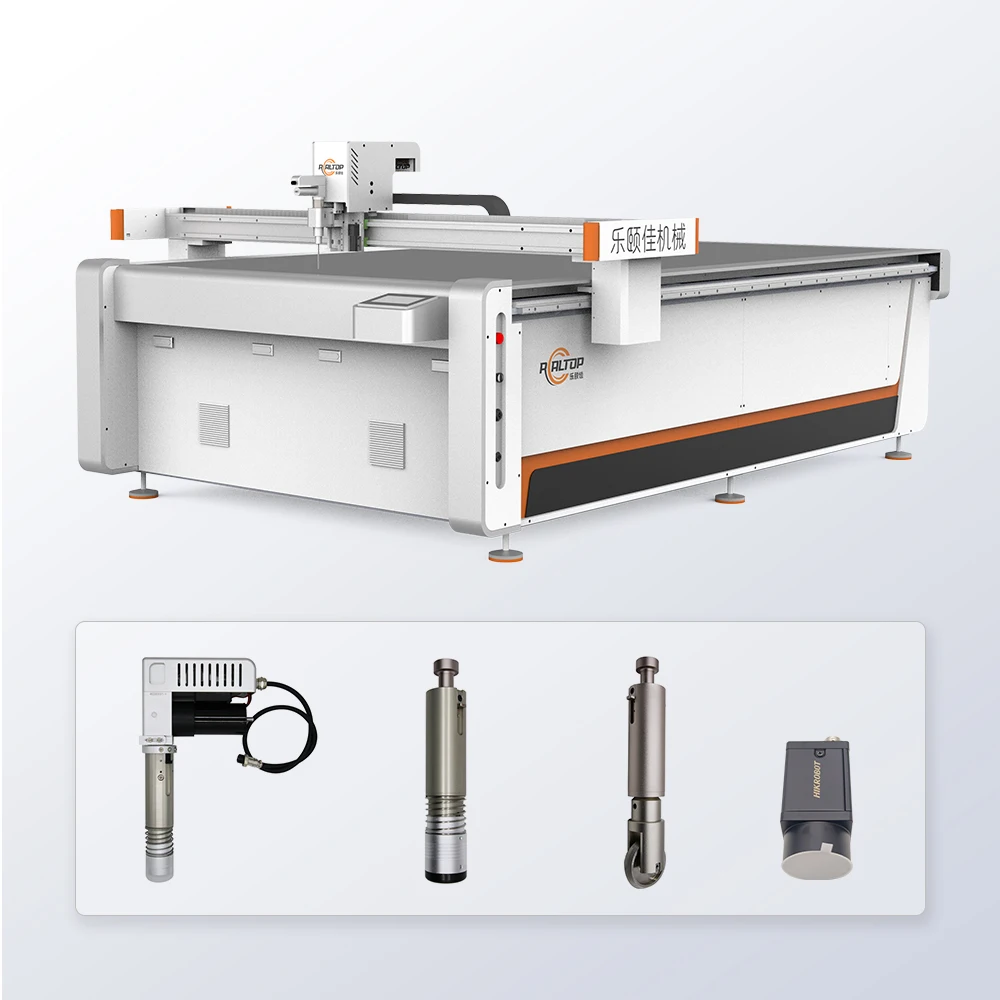
Tool Head Matched to Material, Not Working Area — our design team configures the 1625 oscillating knife head, creasing wheel and vacuum table after testing your corrugated flute type, foam density and daily carton volume.
Technical Specifications
| Parameter | Value |
|---|---|
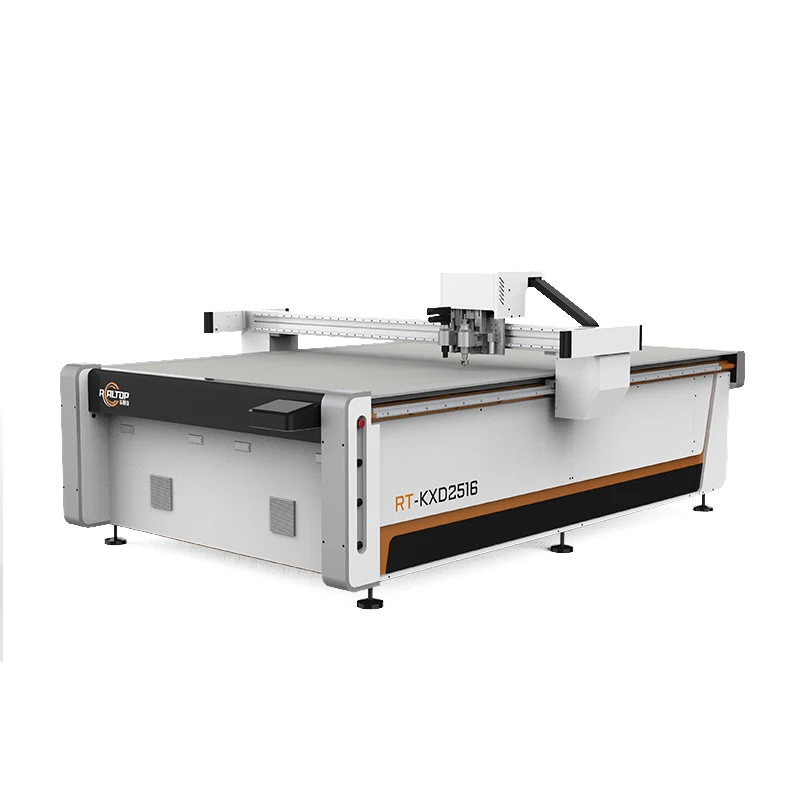
| Model | 1625 |
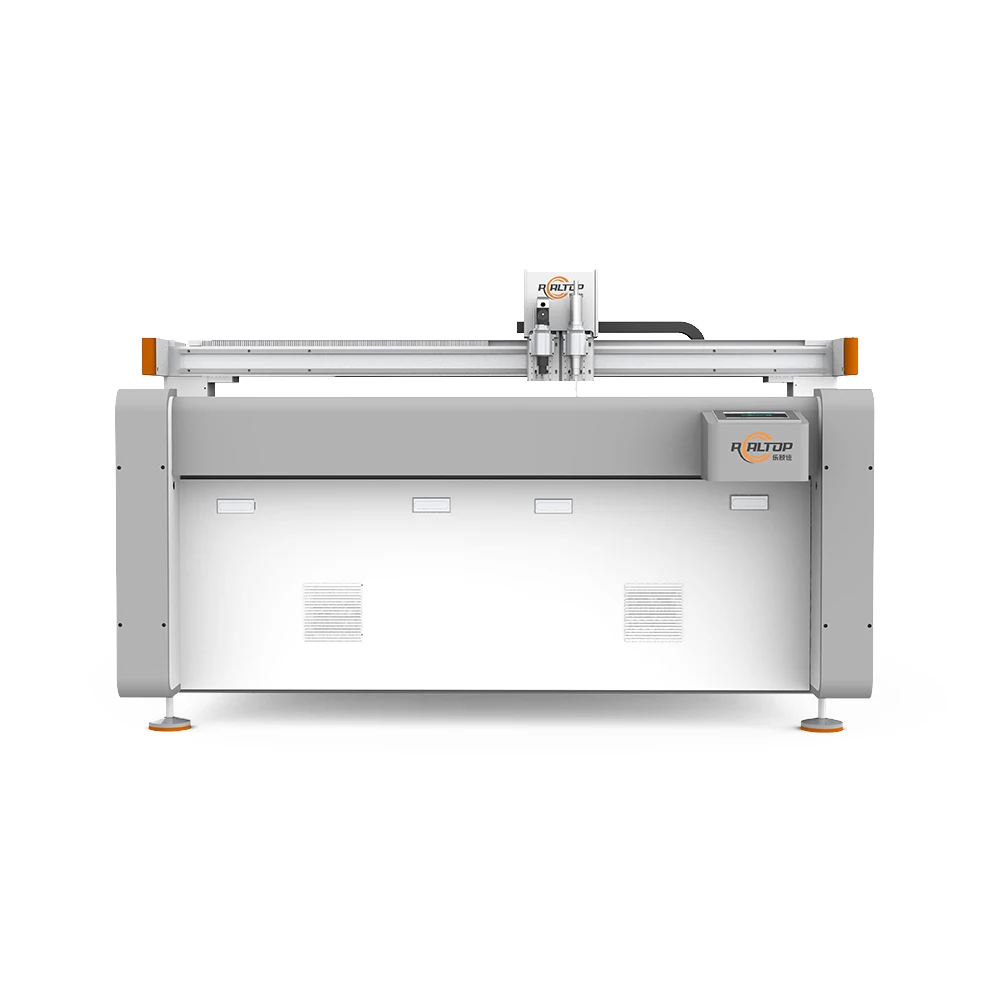
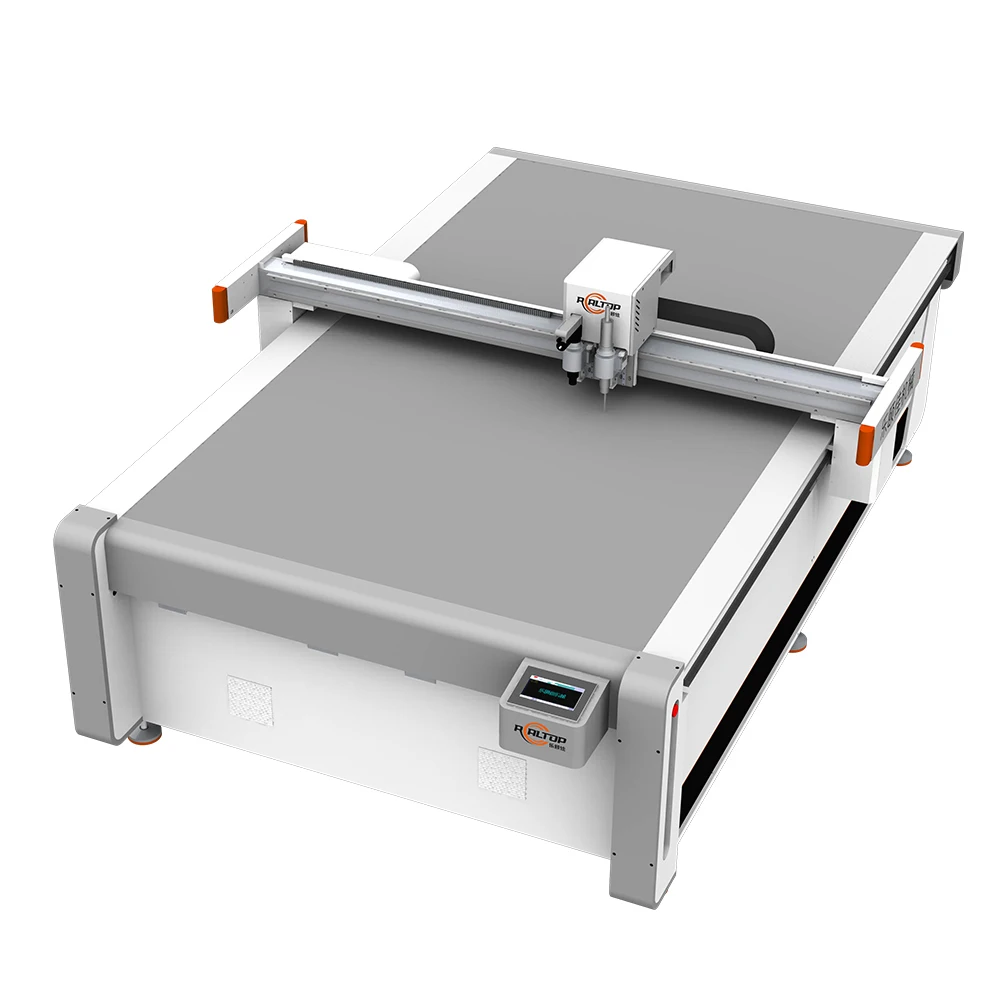
| Product Type | CNC Oscillating Knife Cutting Machine |
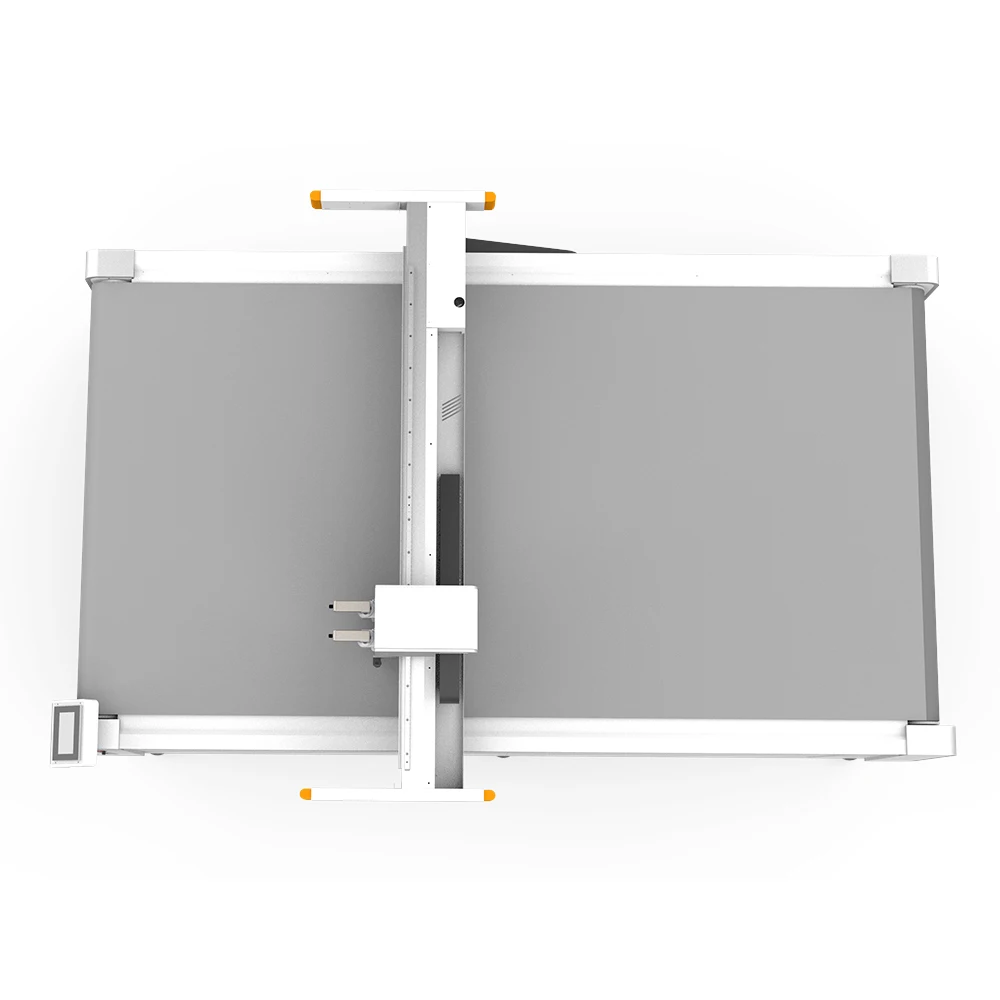
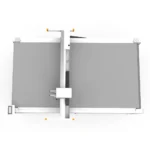
| Working Area | 1600 × 2500 mm |
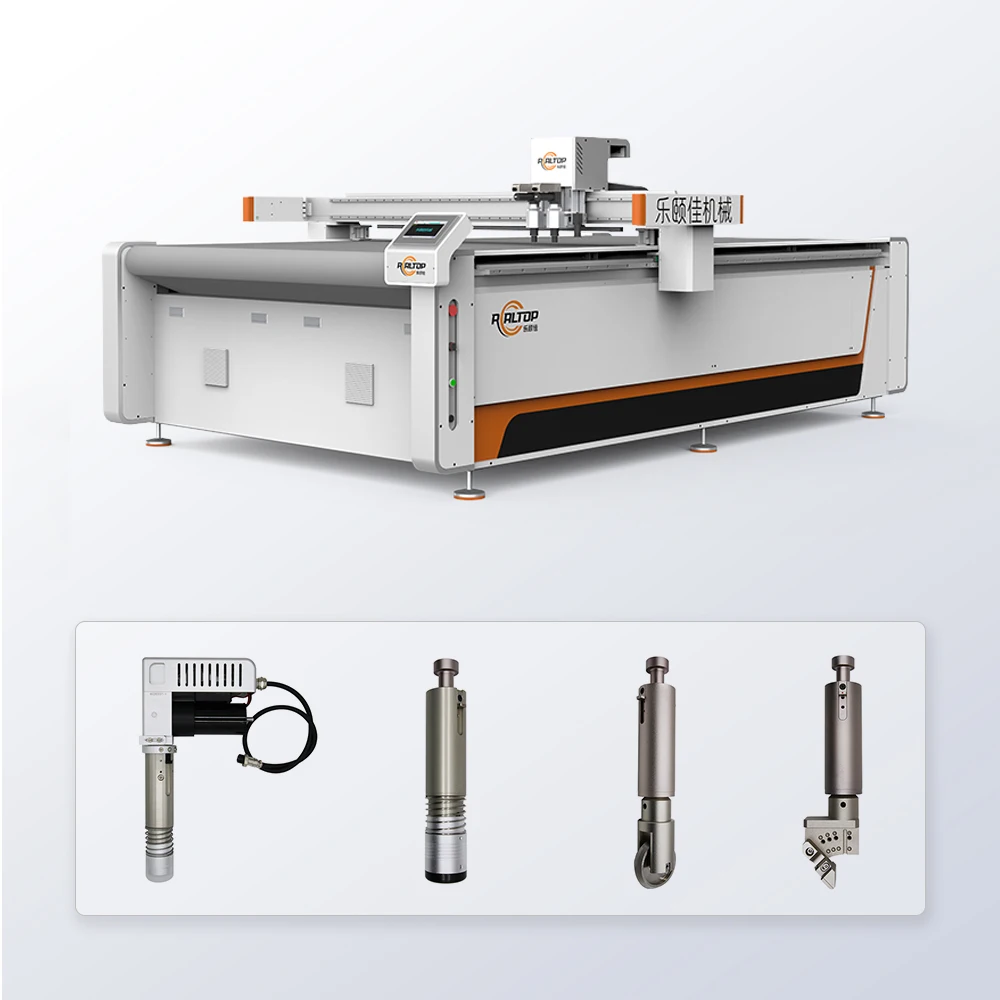
| Tool Head Options | Oscillating knife, Driven rotary knife, Creasing wheel, Kiss cutting tool, Pneumatic knife, Milling tool, V-groove knife |
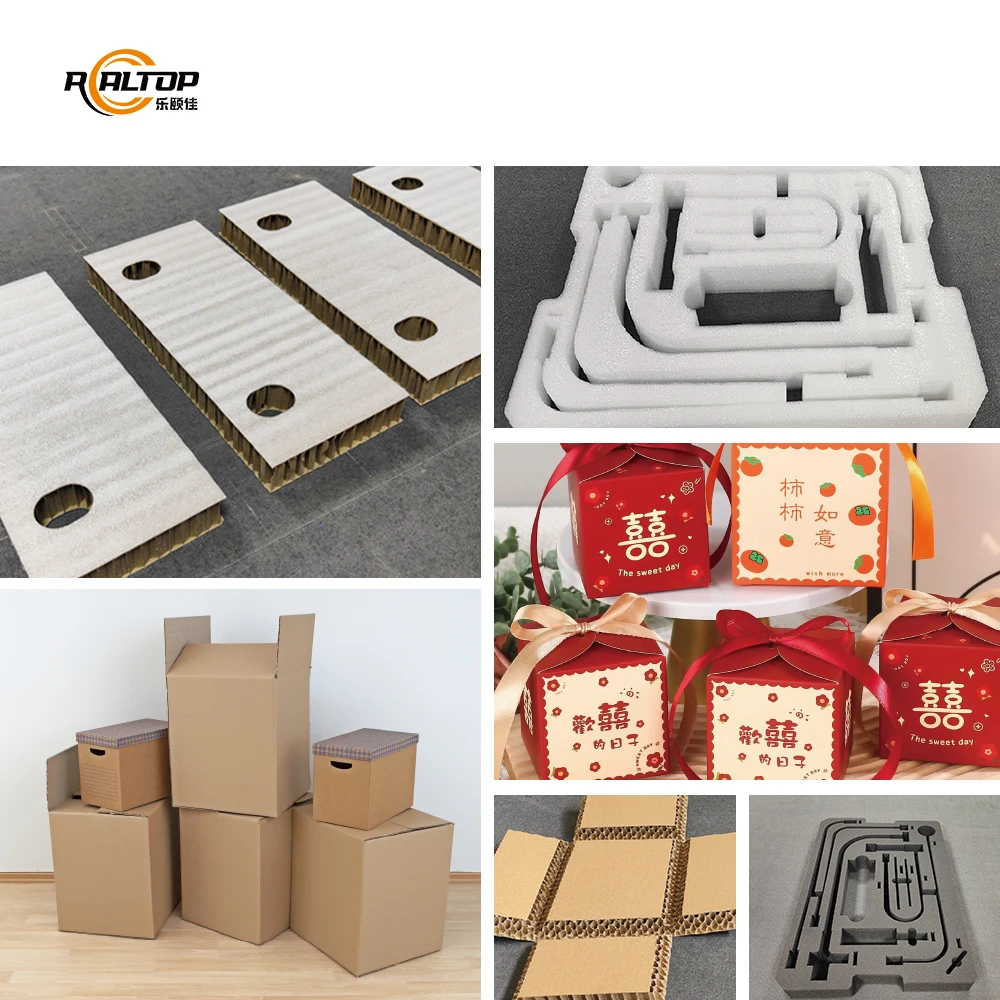
| Applicable Materials | Cardboard, Corrugated Board, Greyboard, Fabric, Leather, PVC, EVA, Foam, PTFE, Rubber, Acrylic, Mats |
| Cutting Speed | 0–1500 mm/s (basis to be confirmed depending on flute type and thickness) |
| Cutting Thickness | ≤ 40 mm |
| Cutting Accuracy | ±0.1 mm |
| Vacuum Pump Power | 9 kW |
| Vacuum Table | Aluminum bellows vacuum table |
| Voltage Options | 110 V / 220 V / 380 V |
| Supported File Formats | PLT, DXF, AI, PDF |
| Safety Devices | Infrared sensor device, Emergency stop device |
| Machine Dimensions | 3300 × 2100 × 1350 mm |
| Servo Motor Options | Panasonic, Delta, Dorna (source value — verify against manufacturer catalog) |
| Control System | PLC control panel with optional display languages |
| Software | Dedicated packaging box structure design software |
| Standards | CE (declared) |
Application Suitability
| Application | Material or Output |
|---|---|
| Corrugated carton sample making | E-flute, B-flute and BC-flute board |
| Greyboard and specialty paper box prototyping | Greyboard, cardstock, art paper |
| Protective insert cutting | EVA foam, EPE foam, PU foam |
| Gasket and seal production | Rubber mats, PTFE, composite sheets |
| Leather and synthetic leather nesting | Genuine leather, PU leather, synthetic leather |
| Thin plastic and vinyl cutting | PVC, PET, adhesive-backed films |
Why Board Thickness Dictates the Machine, Not the Other Way Around
A 1625 CNC oscillating knife cutting machine manufacturer who does not test your actual board before quoting is guessing.
Buyers often specify a packaging digital cutting table factory order purely on the 1600×2500 mm working area, only to discover the standard oscillating knife head cannot slice through five-layer corrugated board without leaving ragged fibres. We flew to a Middle East carton plant after their machine arrived with the wrong tool head configuration for their thickened BC-flute stock [NEED_CITE: field commissioning records on multi-wall corrugated board]. The fix required a different oscillation frequency, a stronger pneumatic clamping setup and revised vacuum zoning — issues that never appear on a generic specification sheet. When the tool head does not match the material, edge quality drops and the entire carton sample workflow stalls.
Designing the Tool Head Stack Around Your Flute Profile
Every CNC oscillating knife cutting machine manufacturer that ships a fixed tool head assumes all packaging substrates behave the same. The 1625 platform is built around interchangeable tool stations: oscillating knife for standard cutting, creasing wheel for fold lines, kiss cutting for adhesive-backed face stock and V-groove knife for thick greyboard channel cuts. A packaging digital cutting table factory order should specify which stations the buyer needs based on their actual carton structure, not on a default configuration.
Vacuum Table Zoning for Small Blanks
A full-sheet corrugated board holds itself flat under gravity, but a 150×100 mm carton blank will lift at high oscillation speeds if the vacuum zone is too large. The aluminum bellows vacuum table divides the 1600×2500 mm surface into independent suction areas so operators activate only the zones under the active workpiece [NEED_CITE: vacuum table zoning standards in flatbed digital cutting]. This prevents lift and edge drift on short-run packaging jobs where nesting places many small pieces across the bed.
Specs That Decide Daily Output Quality
The ±0.1 mm cutting accuracy matters most when carton blanks must slot together without adhesive tolerance. A PLC control panel with language options means the local operator reads alarms and tool-change prompts directly, reducing setup errors on shift changes. The dedicated packaging box structure design software imports PLT, DXF, AI and PDF files so the buyer’s existing design workflow stays intact. At 9 kW vacuum pump power, the table maintains suction on porous corrugated stock where weaker pumps lose grip [NEED_CITE: vacuum hold-down force requirements for corrugated substrates]. Servo motor selection between Panasonic, Delta and Dorna lets the buyer balance motion smoothness against regional spare parts availability.
What a Wrong Configuration Costs on the Production Floor
Choosing a drag knife for multi-wall corrugated board crushes the flute structure at the entry point, leaving visible compression lines on the finished carton face. Skipping the creasing wheel and using the oscillating knife for fold lines produces splintered hinges that fail during box assembly. A packaging digital cutting table factory quote that omits voltage confirmation can result in a 380 V machine arriving at a 220 V workshop, halting installation for weeks while a transformer is sourced [NEED_CITE: industrial voltage mismatch incidents in export equipment]. None of these failures show up in a brochure.
Why Production Starts With a Sample, Not a Brochure
Our design team handles both knife and laser platforms in-house, so the 1625 is recommended based on cutting physics, not on which machine sits in the showroom. Tool head and table configuration is specified per material after a sample cutting test on the buyer’s own stock. Voltage, plug type and control language are confirmed in writing before the machine enters production. The factory test record documents actual cutting results on the buyer’s material, not on a standard test piece. Documentation travels with the machine: electrical schematic, software licence, file format compatibility note and spare parts list.
Documentation & Verification
- Machine specification sheet listing your confirmed tool heads and vacuum zones
- Electrical schematic with your voltage and phase confirmed before production
- Sample cutting report run on your corrugated flute and board thickness
- Software licence and file format compatibility note for PLT, DXF, AI and PDF
- Packing photographs taken at the factory before the crate is sealed
Installation, Commissioning & Support
- 3300 × 2100 mm footprint requires level concrete floor with clearance for material feed
- Dedicated 380 V or 220 V circuit confirmed against the shipped electrical schematic
- Tool head calibration on your actual corrugated board during first-day commissioning
- PLC language set to operator preference before training begins on-site
- Oscillating knife blades and creasing wheels listed in the spare parts schedule
Before Requesting a Quotation
Send the exact corrugated flute type, board thickness and typical carton blank dimensions you run daily. Confirm your workshop voltage, frequency and the control language your operators need. Let us know which file formats your design team currently uses so we verify software compatibility before the CNC oscillating knife cutting machine manufacturer quotation is issued.
Frequently Asked Questions
Q: How do you confirm the correct tool head for my corrugated flute type and board thickness?
A: We ask you to send a sample of your actual board — not a data sheet reference. Our team runs it through the oscillating knife, creasing wheel and V-groove stations, then documents which tool head combination delivers clean edges and intact flute structure at your required cutting thickness.
Q: Can I send my own material for a sample cutting test before placing the order?
A: Yes. We require it. The sample cutting report records edge quality, cutting speed and vacuum hold-down performance on your specific corrugated stock, foam or leather, so you see the result before committing to production.
Q: What voltage and control language options are available, and how are they confirmed before shipment?
A: The 1625 is available in 110 V, 220 V and 380 V configurations. We confirm your local supply voltage, plug type and the PLC display language in writing before the machine enters the build queue, preventing field rewiring delays.
Q: How does the vacuum table zoning handle small carton blanks without lift during cutting?
A: The aluminum bellows vacuum table divides the work area into independently controlled zones. Operators activate suction only under the active nesting area, so small blanks remain flat even at higher oscillation speeds.
Q: What is the factory build process and quality control for the machine frame and motion system?
A: Every frame is welded, stress-relieved and machined in our core factory. The motion system is assembled and run on-site before disassembly for shipping, with a factory test record documenting axis travel accuracy and cutting repeatability.
You may also like

商品评价
Clear filtersThere are no reviews yet.