


-
 Courier delivery
-
 DHL Courier delivery
-
 Warranty 1 year
-
 Free 30-Day returns

In-house design team — Every tool head and vacuum zone is matched to your actual fabric stack before the order is signed, not guessed from a catalog page.
Technical Specifications
| Parameter | Value |
|---|---|
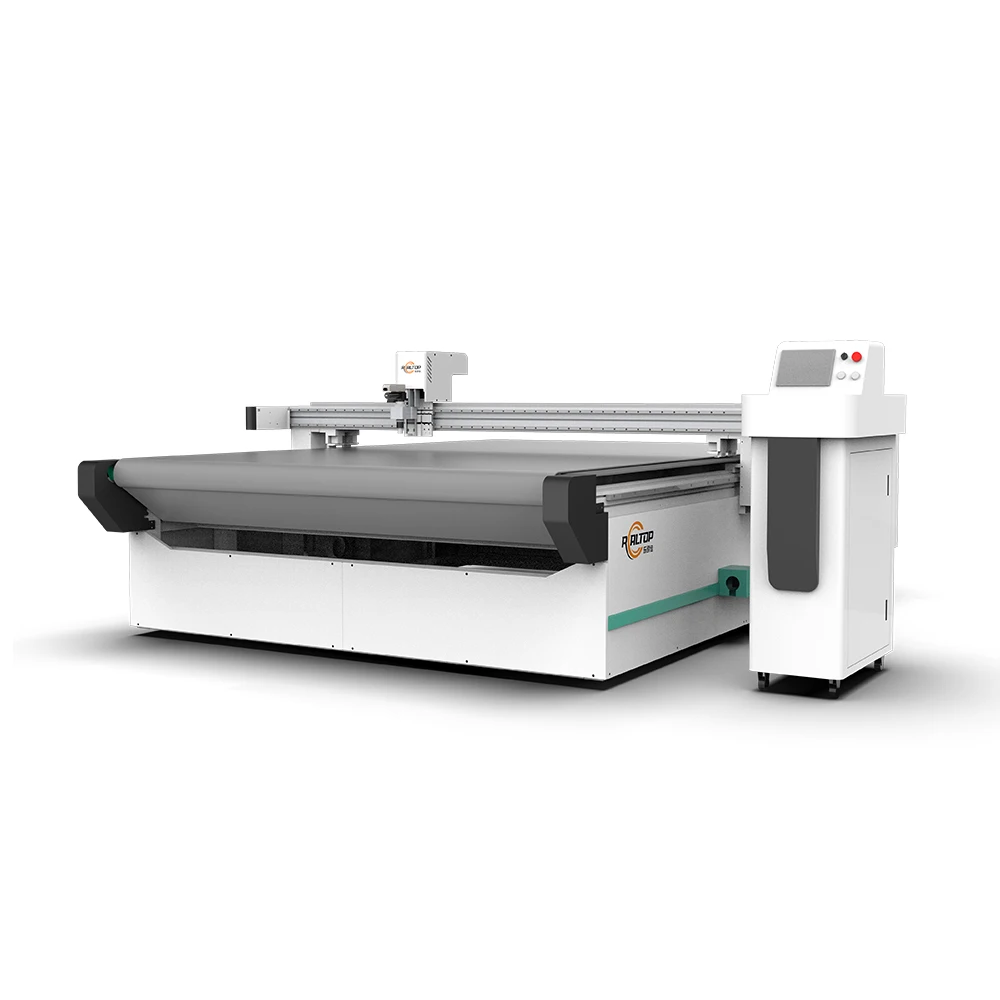
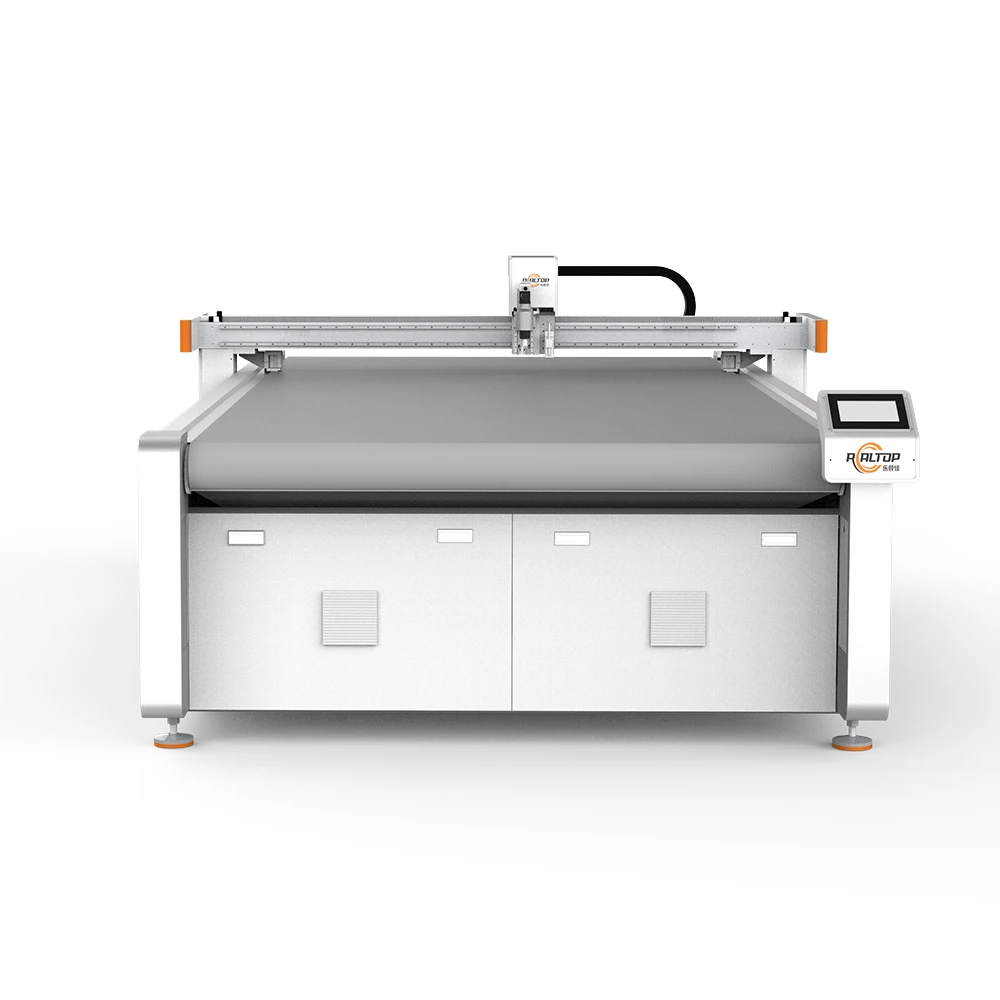
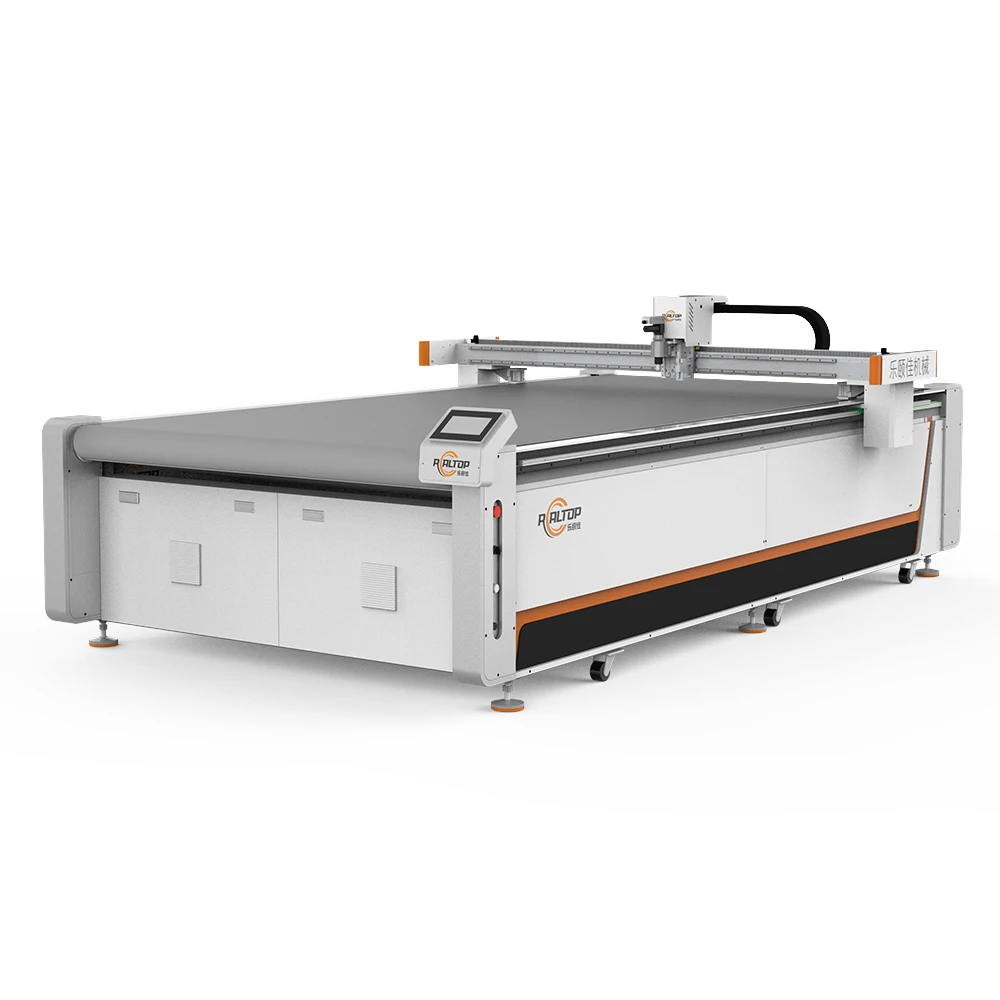
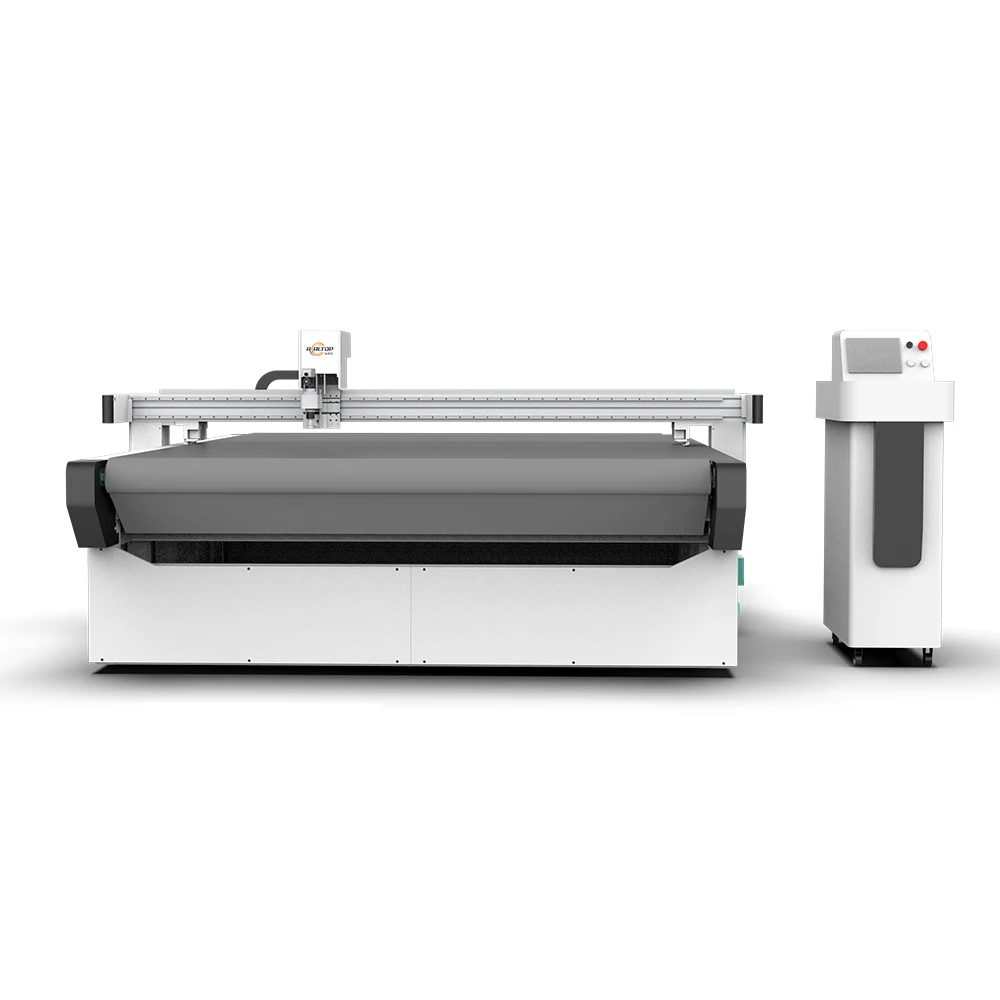
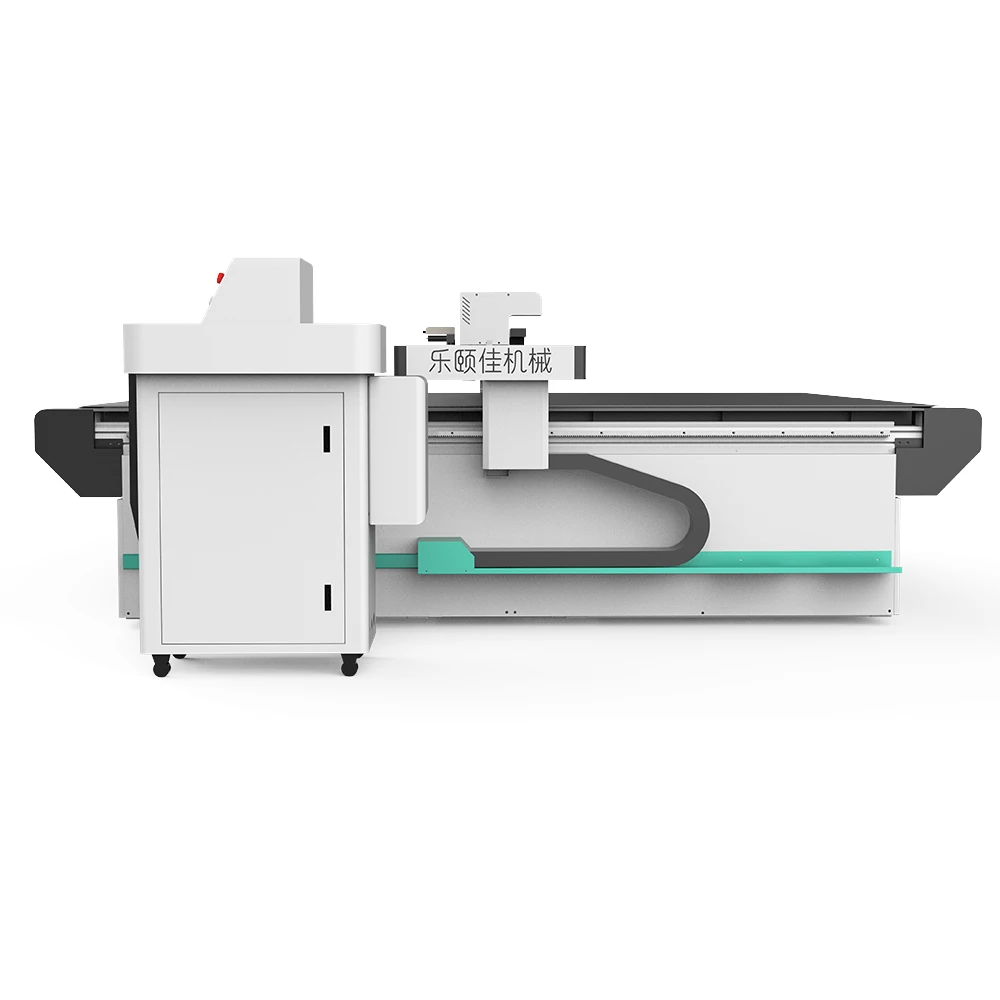
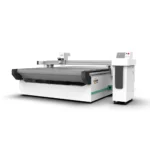
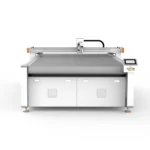
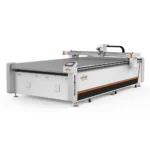
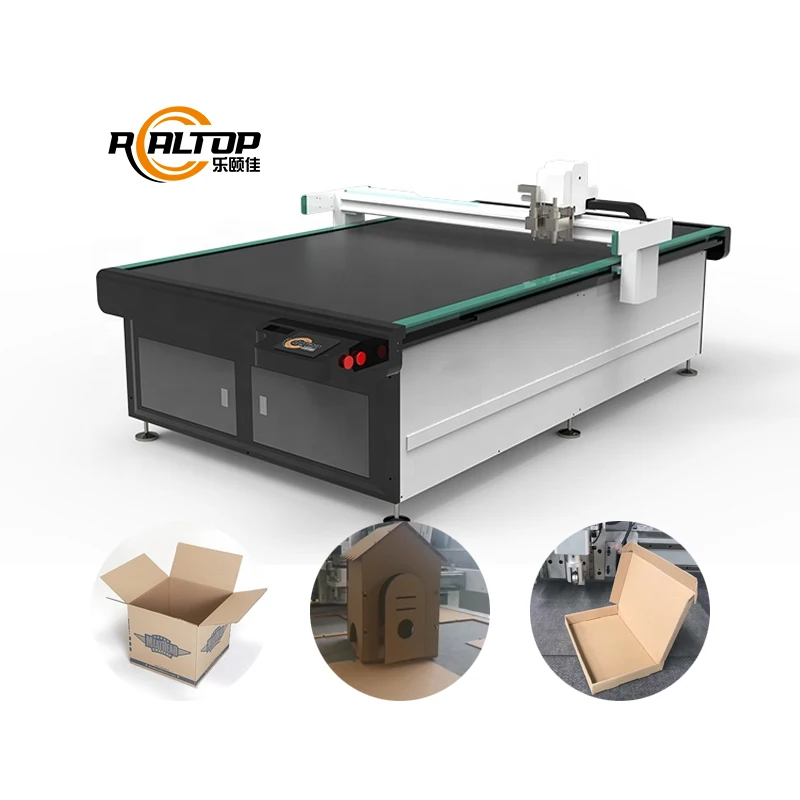
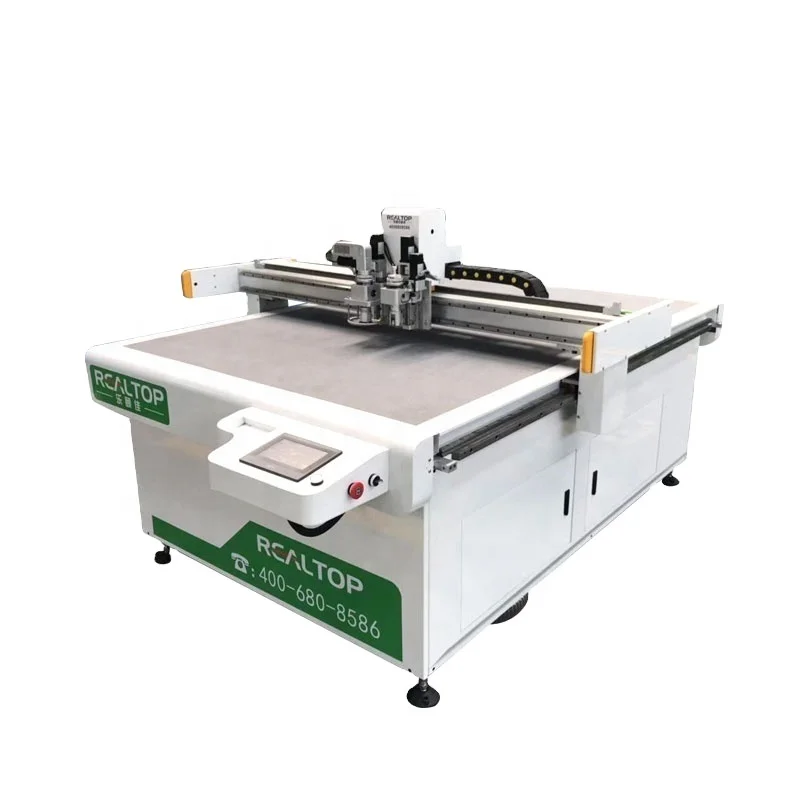
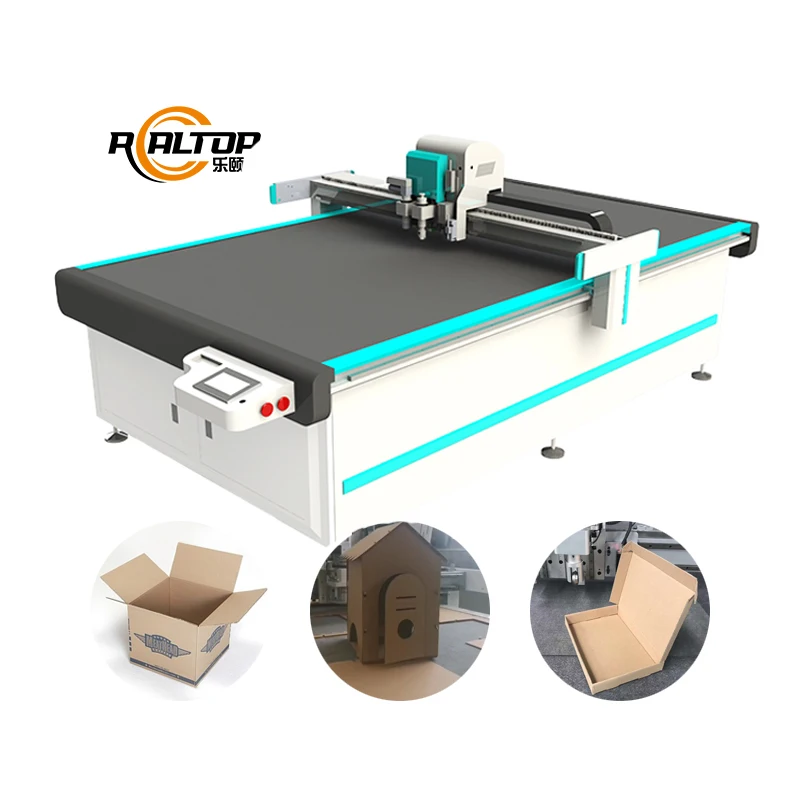
| Product Type | CNC Oscillating Knife Cutting Machine |
| Model | 1625 |
| Working Area | 1600 × 2500 mm |
| Cutting Thickness | Up to 30 mm (single layer), up to 50 mm multi-layer (basis not stated in source) |
| Cutting Speed | 0–2000 mm/s (basis to be confirmed for specific material and layer count) |
| Cutting Accuracy | ± 0.1 mm |
| Repeat Positioning Accuracy | ± 0.1 mm |
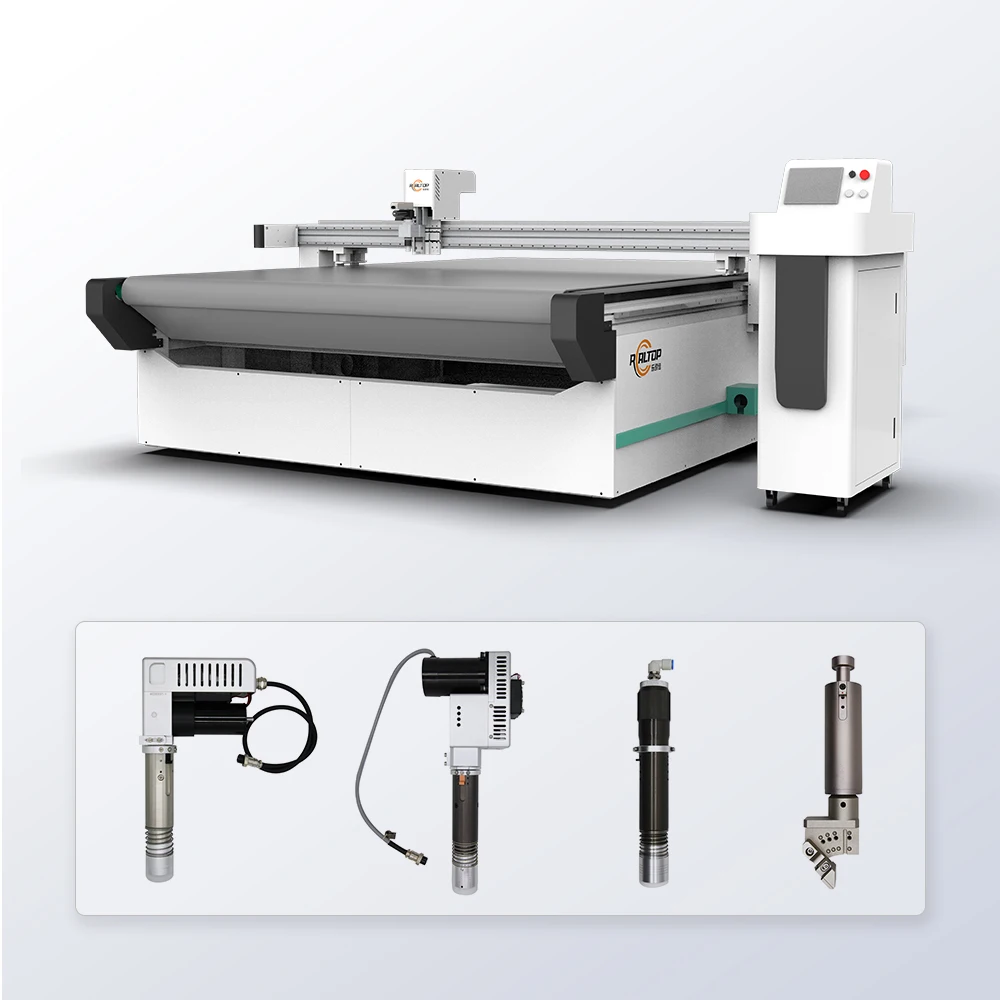
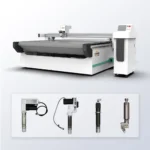
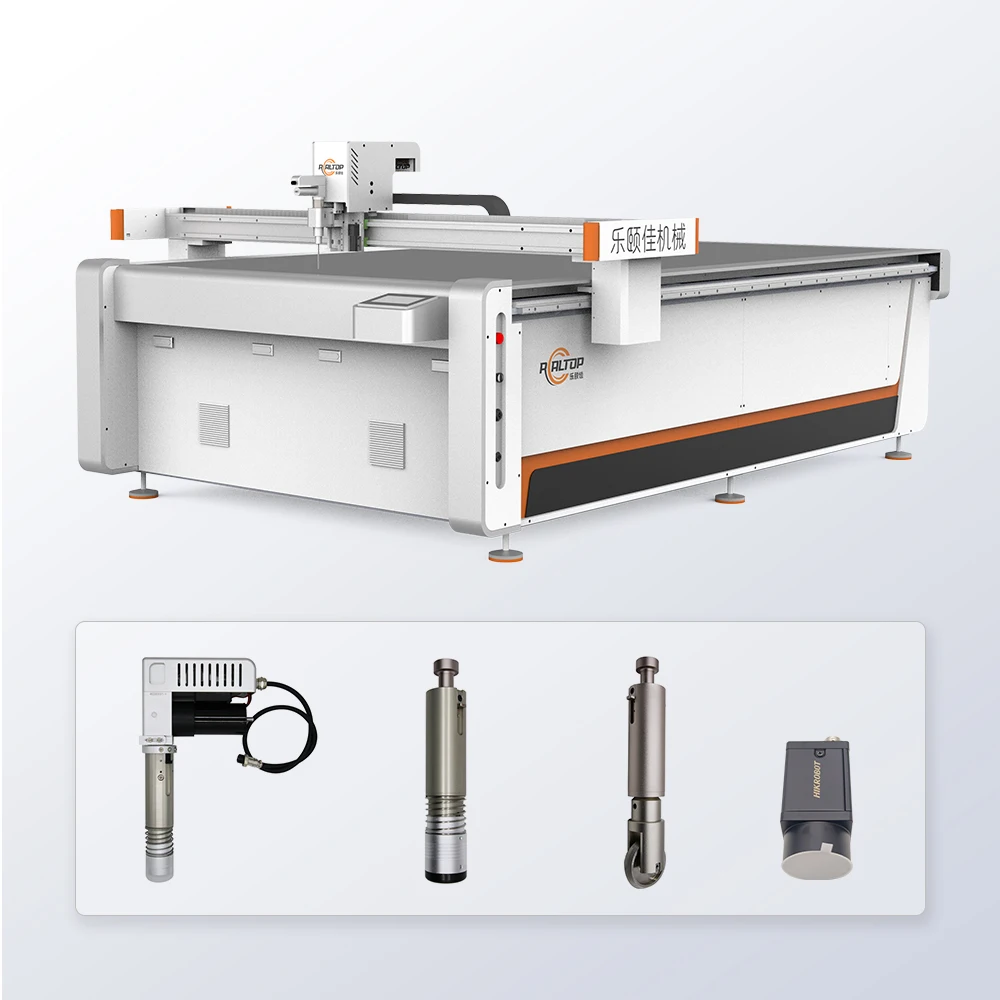
| Tool Head Options | Oscillating knife, Driven rotary knife, Creasing wheel, Kiss cutting tool, Pneumatic knife, Milling tool, V-groove knife |
| Vacuum Pump | 9 kW |
| Vacuum Table | Aluminum bellows type with full-surface adsorption |
| Servo Motors | Panasonic, Delta, or Dorna (selectable) |
| Control System | PLC control panel with multi-language display |
| Software Languages | English, Russian, Italian, Chinese, customizable |
| File Formats | PLT, DXF, AI, PDF |
| Voltage Options | 110V, 220V, 380V (frequency and phase configuration to be confirmed) |
| Machine Size | 3300 × 2100 × 1350 mm |
| Safety Device | Infrared sensor and emergency stop |
| Certification | CE |
Application Suitability
| Application | Material or Output |
|---|---|
| Apparel manufacturing | Suit fabrics, knitwear, lace, multi-layer garment textiles |
| Automotive interiors | Seat fabrics, carpets, PVC mats, composite leather |
| Home textiles | Sofa upholstery, curtain panels, woven rugs |
| Composite processing | Carbon fiber prepreg, aramid layers, specialty technical textiles |
Why Material Thickness Should Dictate Configuration, Not Just Bed Size
A 1600 × 2500 mm working area tells you nothing about whether the blade will cleanly pierce a 20 mm foam-backed automotive carpet.
I remember standing next to a machine that cut sample polyester beautifully at the factory, then struggled badly once the buyer ran TPU-coated composite leather in actual production. The oscillating frequency was too low for that coating density, and every cut edge delaminated. The buyer had paid for a bed size, not a cutting solution. When sourcing a CNC Oscillating Knife Cutting Machine manufacturer, the first question should always be what material will actually sit on that table, at what thickness, and how many layers will stack during a typical shift. [NEED_CITE: material-dependent cutting force and blade wear behavior in textile production]
Tool Head Matching for Fabric Behavior
Different fabrics respond to blade action in fundamentally different ways. A woven polyester layer may shear cleanly under a standard oscillating knife, while a non-woven felt or a foam-bonded composite needs a driven rotary knife to pull through without dragging the bottom layers. The 1625 offers seven interchangeable tool heads — from kiss cutting for delicate single-layer lace to pneumatic knife for thick upholstery stacks — so the cutting method follows the material rather than forcing every fabric into one blade type. This flexibility is what separates a machine that runs for years from one that sits idle whenever the fabric order changes.
Vacuum Adsorption and Small Part Stability
A common failure point in fabric cutting is small pieces lifting off the table mid-cut, especially when the vacuum zones are too broad to generate enough localized suction. The aluminum bellows vacuum table on this unit provides full-surface adsorption with high flatness, holding down nested pattern pieces that conventional plenum tables would let drift. [NEED_CITE: vacuum hold-down requirements for nested small textile parts] For garment panels or automotive trim pieces with intricate contours, that consistent surface pressure means the CCD camera contour recognition can track printed marks at production speed without the material shifting under the tool head.
Reading the Specs That Actually Matter
The ± 0.1 mm cutting and repeat positioning accuracy matters most when downstream assembly expects fabric pieces to align with foam cores or adhesive die lines — even a small deviation across a 1600 mm cut length compounds into visible misalignment on a finished seat cover. The 9 kW vacuum pump rating should be read against the table area it must serve; a powerful pump on a poorly zoned table will still leave edges lifting. Servo motor selection — Panasonic, Delta, or Dorna — affects how smoothly the gantry accelerates and decelerates at pattern corners, which directly influences edge quality on tight curves. The PLC control panel with optional display languages eliminates the operator confusion that happens when a machine arrives with an interface the floor staff cannot read.
The Hidden Cost of Skipping Sample Validation
Buyers who commit based on a brochure spec sheet and skip material sample cutting frequently discover problems only after the machine is installed and production pressure is on. Wrong tool head selection for a coated composite produces ragged edges that require secondary trimming, turning what should be a cut-and-stack workflow into a bottleneck. Voltage mismatches caught after shipment mean weeks of downtime waiting for a transformer or a rewound motor. [NEED_CITE: on-site commissioning delays caused by unconfirmed voltage and tooling specifications] Software incompatibility with the buyer’s existing nesting files forces manual re-drawing of patterns, which negates the productivity gain the machine was supposed to deliver.
Why Procurement Starts Here
In-house design and production cover both knife cutting and table engineering, so configuration decisions are made by the people who build the machine rather than passed through a trading intermediary. Tool head and vacuum table configurations are documented per material type and daily production volume before the order is confirmed. Sample cutting on the buyer’s own fabric, with a written report on edge quality and cutting depth, precedes any financial commitment. Voltage, plug type, and control panel language are locked in before production starts, preventing the most common on-site commissioning failures. CCD camera positioning and software file format compatibility are verified against the buyer’s actual print marks and nesting workflow.
Documentation & Verification
- Machine specification sheet listing confirmed tool heads and vacuum table zoning
- Electrical schematic with voltage, frequency, and phase configuration locked per destination
- Sample cutting report on your fabric type showing edge quality at target thickness
- Tool head and table configuration list matched to your stated daily production volume
- Software license note confirming PLT, DXF, AI, and PDF import with nesting workflow compatibility
- Factory test record capturing run parameters before packing and dispatch
Installation, Commissioning & Support
- Floor space planning based on the 3300 × 2100 mm machine footprint plus material loading clearance
- Dedicated power circuit sized for the 9 kW vacuum pump and selected voltage configuration
- Assembly of aluminum bellows vacuum table sections and belt alignment on arrival
- First-run calibration of oscillating knife depth against your actual fabric stack thickness
- Operator training on PLC control panel functions in the confirmed display language
- Spare blade and tool head wear parts list provided for local procurement planning
- Scheduled maintenance intervals for servo motors and vacuum pump documented in manual
What to Include in Your Inquiry
To match the right configuration to your production floor, provide the fabric types and thicknesses you run most often, the number of layers you stack per cut, and your typical daily output target. Include your facility voltage, frequency, and preferred plug standard, along with the control panel language your operators need. If you have existing nesting files or print marks for CCD tracking, send sample files so software compatibility can be confirmed before quotation.
Frequently Asked Questions
Q: How is the correct tool head selected for my fabric type and layer count?
A: We review your material samples — including coating type, backing, and total stack thickness — then recommend from the seven available tool heads. A sample cut is performed on your actual fabric before configuration is finalized, so edge quality is verified against your production standard rather than assumed from a general specification sheet.
Q: Can I send my own material for sample cutting before placing an order?
A: Yes. Send representative fabric samples including any coated or bonded variants you run. We perform cutting trials, document edge quality, cutting depth, and speed, then share a written sample cutting report so you can evaluate results before any commercial commitment is made.
Q: What voltage and control language options are confirmed before shipment?
A: Voltage is configurable across 110V, 220V, and 380V options, with frequency and phase confirmed to match your facility. Control panel display language — from English, Russian, Italian, Chinese, or a custom option — is locked in before production so operators can use the machine from day one without translation delays.
Q: How does the vacuum table handle small pattern pieces that tend to lift?
A: The aluminum bellows vacuum table provides full-surface adsorption across the 1600 × 2500 mm working area. High flatness and consistent suction distribution keep nested garment panels and small automotive trim pieces firmly held during cutting, preventing drift that would compromise contour accuracy.
Q: What file formats does the software accept for nesting workflows?
A: The system accepts PLT, DXF, AI, and PDF files. Software file format compatibility is verified against your existing nesting workflow during the pre-order stage, ensuring your current design files load without conversion or manual re-drawing.
You may also like

商品评价
Clear filtersThere are no reviews yet.