


-
 Courier delivery
-
 DHL Courier delivery
-
 Warranty 1 year
-
 Free 30-Day returns

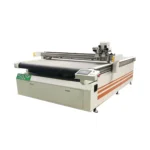
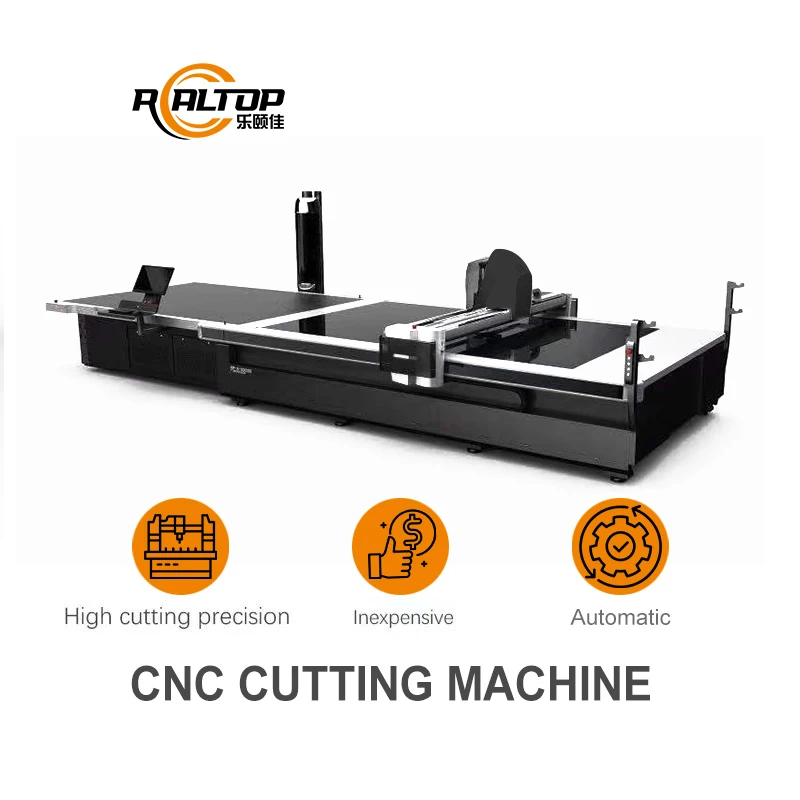
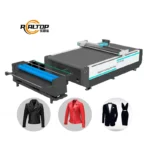
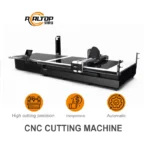
Tooling Matched to Material — Every CNC oscillating knife cutting machine from our Jinan line is configured against your actual fabric, leather or foam sample before the build begins, ensuring the tool head and vacuum zoning solve the cutting problem rather than create a new one.
Technical Specifications
| Parameter | Value |
|---|---|
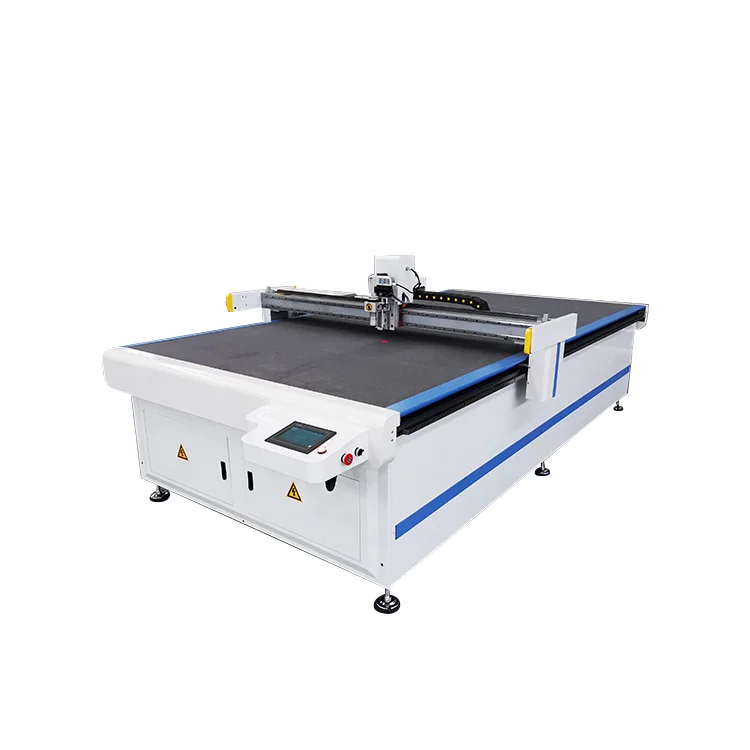
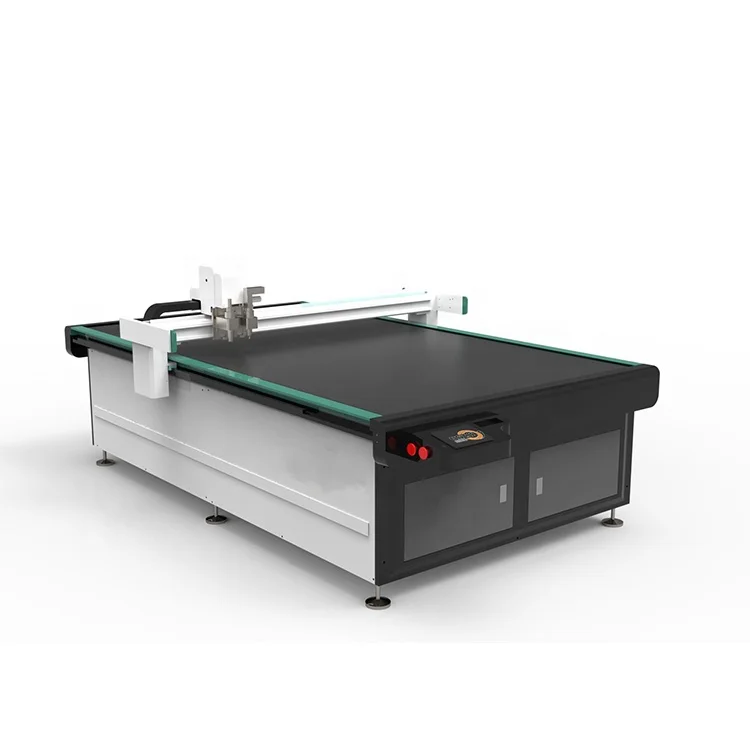
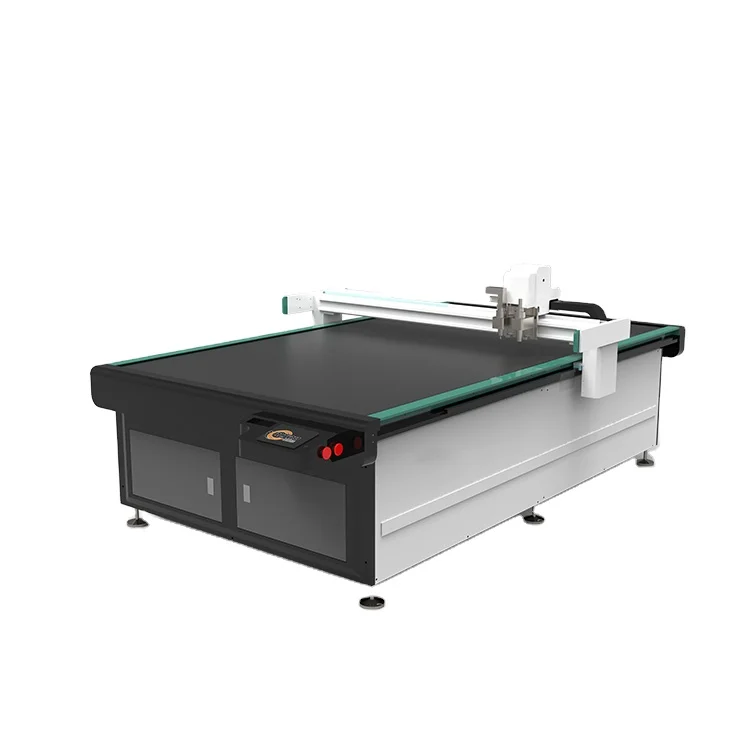
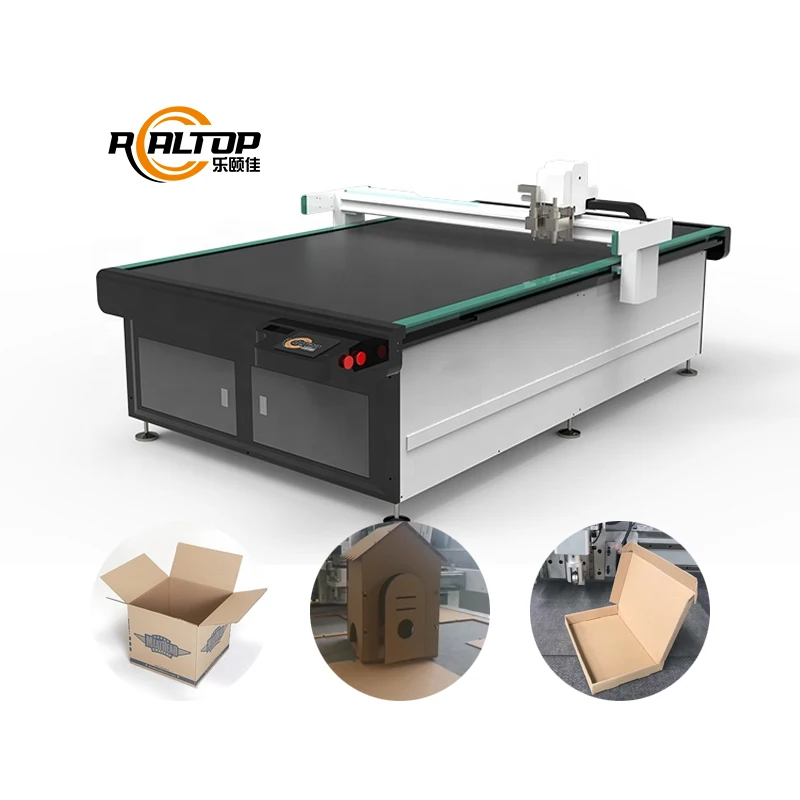
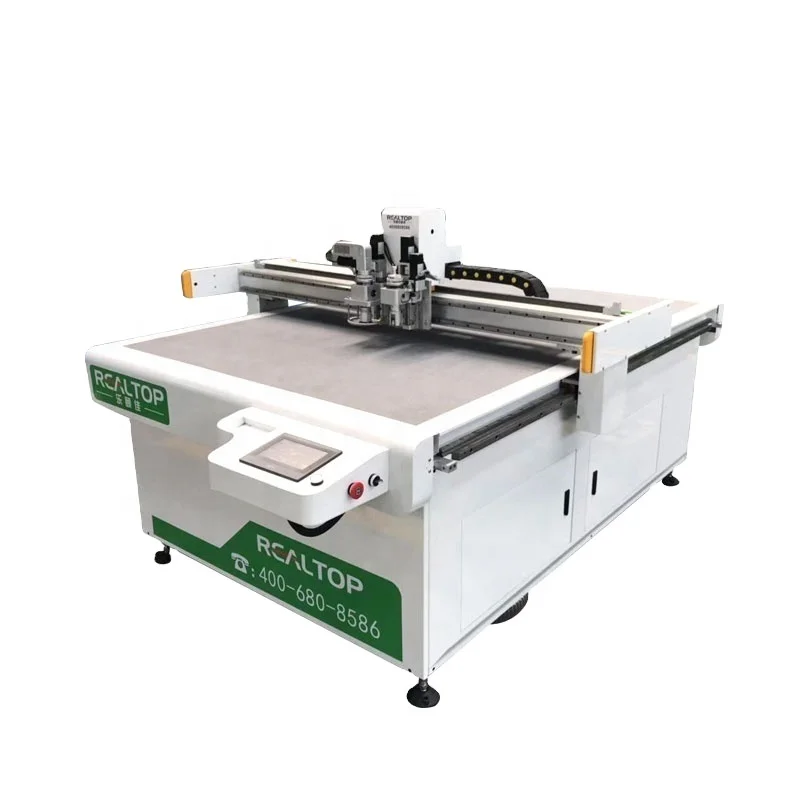
| Product Type | CNC Oscillating Knife Cutting Machine |
| Working Area | 1600×2500 mm |
| Overall Dimensions (L×W×H) | 3450×2300×1250 mm |
| Rated Power | 9 kW |
| Voltage | 380V ±10% (customizable for local grid) |
| Control System | CNC |
| Transmission System | Digital servo motor, linear guide, synchronous belt, ball screw (Delta servo, Taiwan Hiwin rail) |
| Translational Velocity | 800–1200 mm/s |
| Cutting Thickness | 20–80 mm (basis not stated in source — confirm material / density / tool head) |
| Repeated Accuracy | ≤0.1 mm |
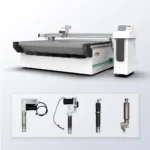
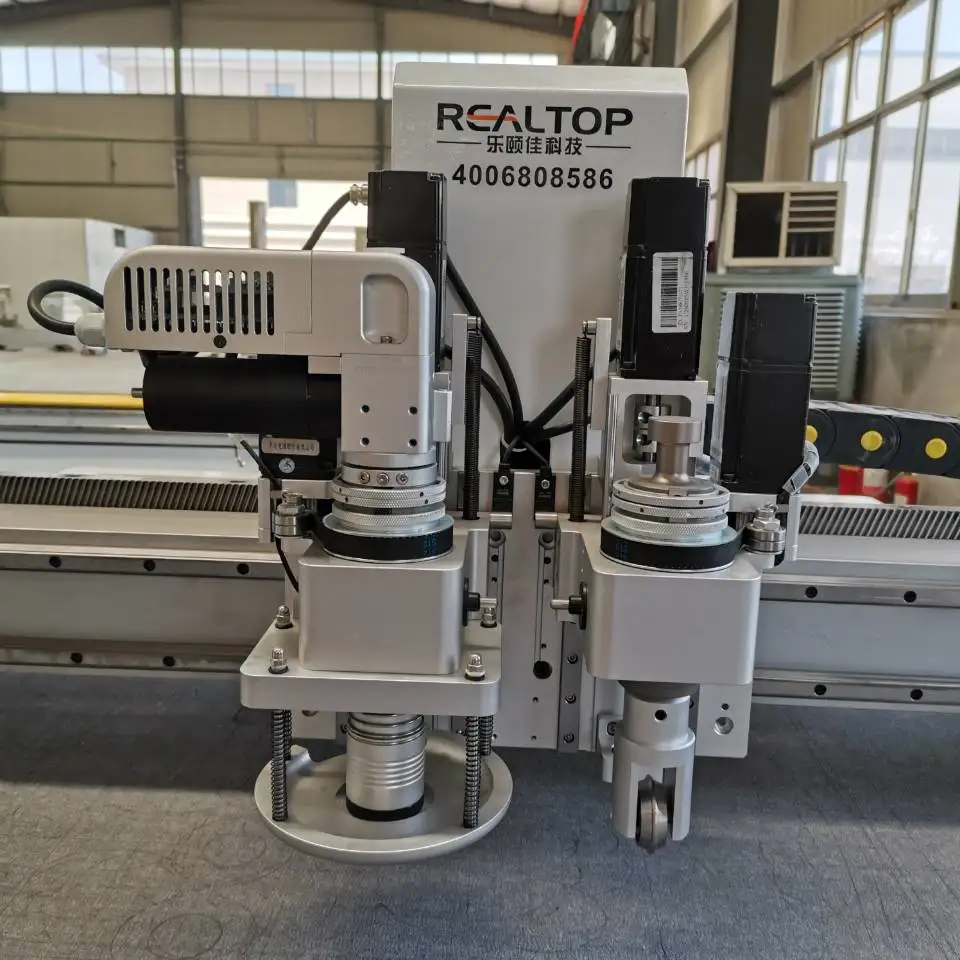
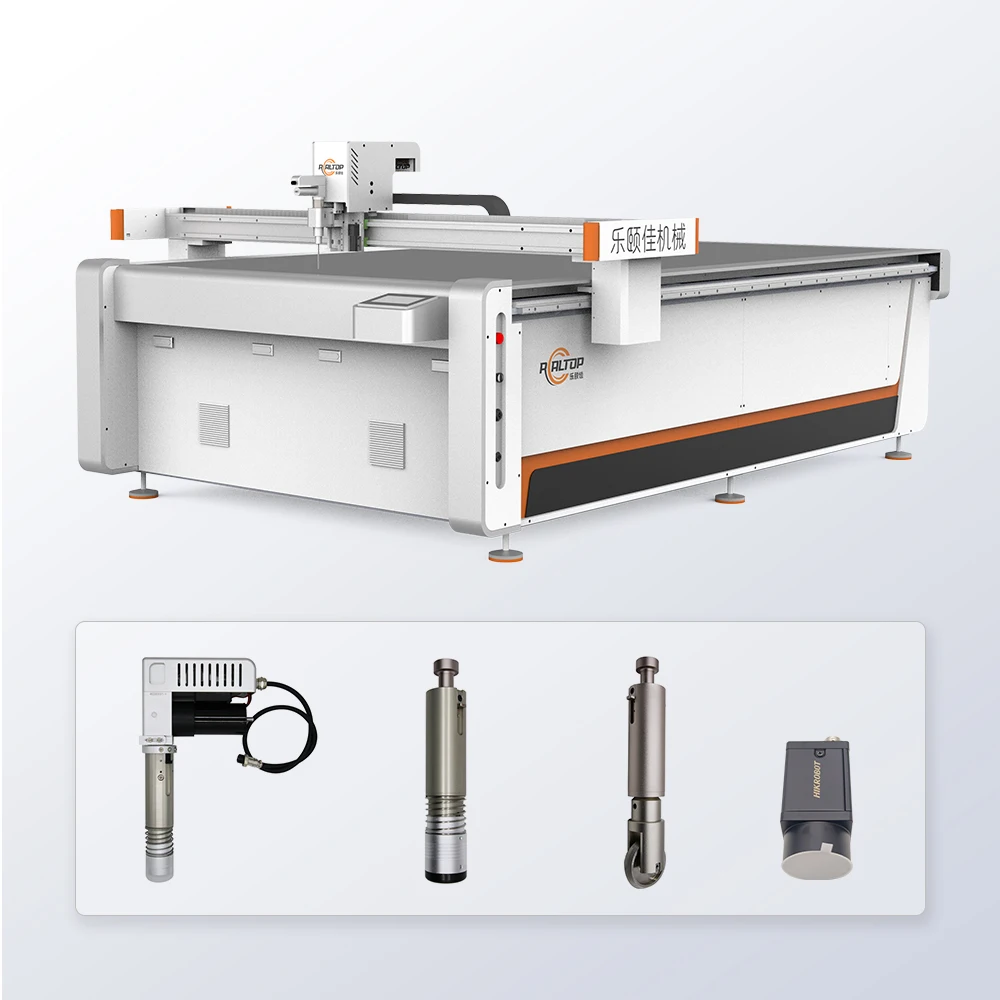
| Tool Head Options | Oscillating knife, pneumatic knife, high-power vibrating knife, circular knife, V-cutting knife, drag knife, creasing wheel, dotted line knife, punching, brush |
| Visual Positioning | Small CCD camera mark point positioning, panoramic camera recognition, projection positioning |
| Vacuum Table | Magnesium-aluminum alloy, fluorocarbon PVDF coating, anodic oxidation |
| Vacuum Pump | 7.5 kW, integrated aviation aluminum shell, built-in silencer sponge |
| Safety Device | Infrared induction blocking, anti-collision, emergency stop |
| Instruction System | HP-GL compatible format |
| Optional Configuration | Germany imported conveyor belt, auto feeding |
| Software Language Options | English, Russian, Italian, Chinese (special languages customizable) |
| Warranty | 3 years (verify against specific contract terms) |
Application Suitability
| Application | Material or Output |
|---|---|
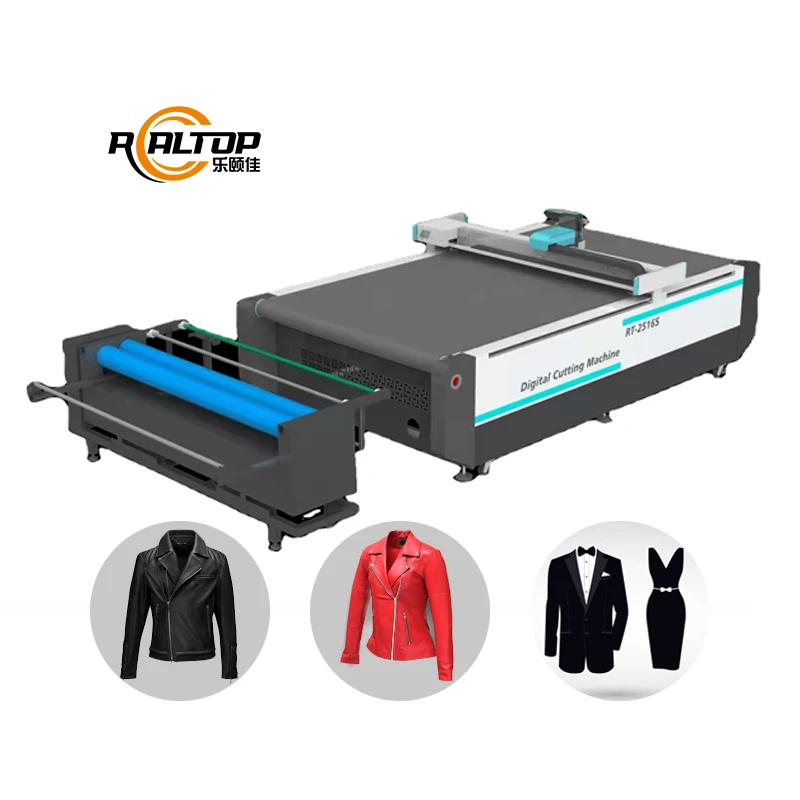
| Garment & Footwear Production | Cutting irregular outlines on fabric, textile, shoe material, and luggage material with automatic nesting |
| Automotive Interior Fabrication | Processing sponge, composite leather, PU, EVA, XPE, and foam board for seating and acoustic insulation |
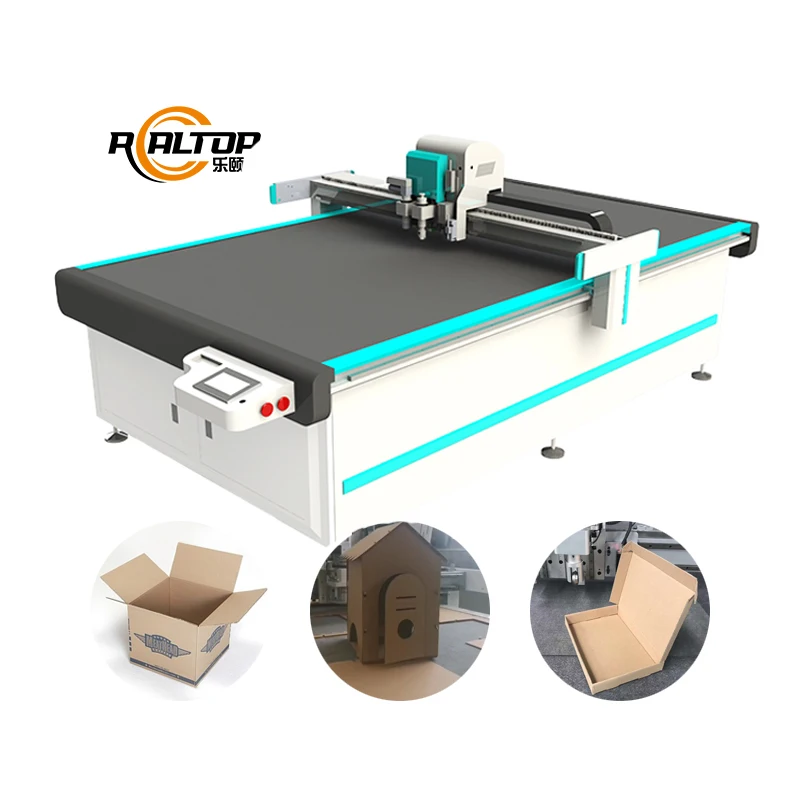
| Packaging & Sample Making | Creasing and cutting cardboard, corrugated cardboard, plastic boxes, and film using drag knife and punching tools |
| Soft Furnishings & Carpets | High-volume cutting of non-woven fabric, carpet, and floor mats requiring zoned vacuum hold-down |
| Gasket & Sealing Production | Precision cutting of fiberglass, PTFE, ETFE, PP, PE, and composite sealing materials |
The Hidden Cost of "Universal" Thickness Ratings
A stated cutting range of 20–80 mm is meaningless unless tied to a specific material density and tool head configuration.
When a machine is sold on working area alone, the cutting depth specification often comes from a best-case scenario—low-density foam cut with a standard oscillating knife. When that same machine hits high-density acoustic insulation or layered composite leather, the knife pressure falls short, leaving ragged edges or uncut fibers that force manual rework. [NEED_CITE: industrial cutting parameters and material density variations]. Our approach at the assembly level is to reject the concept of a "universal" setting; we match the knife amplitude, frequency, and vacuum pressure to the physical sample you intend to produce.
Platform Engineering for Mixed-Material Workshops
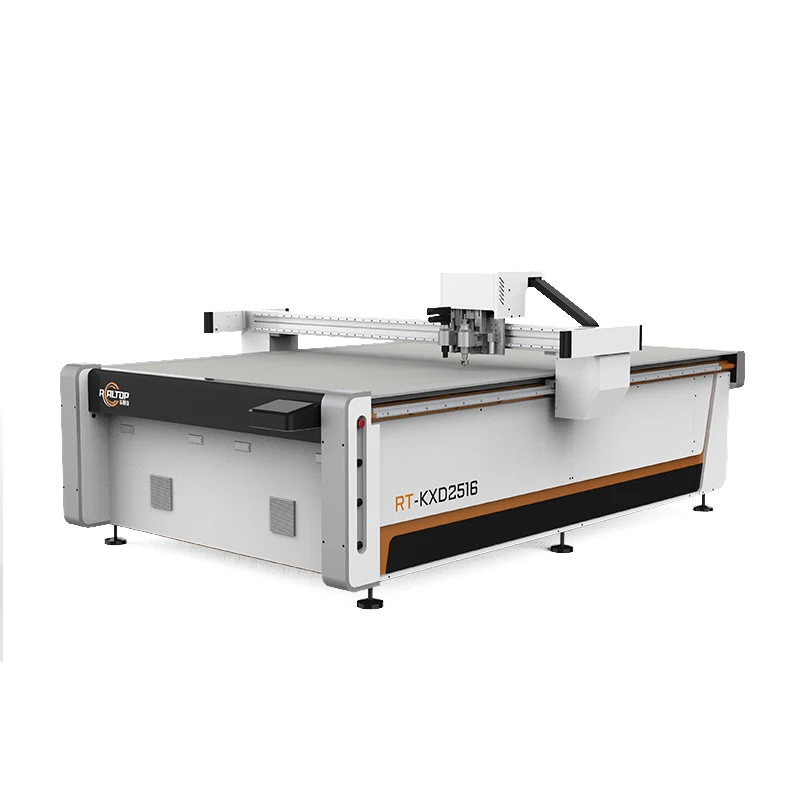
A CNC oscillating knife cutting machine manufacturer must account for the reality that modern workshops rarely cut a single material. The RT-D2516 and RT-S2516 platforms are built around a multi-tool carriage that holds an oscillating knife, drag knife, creasing wheel, and punch simultaneously. This allows a packaging sample maker to switch from creasing corrugated board to cutting vinyl stickers without manual tool changes, maintaining registration accuracy within 0.1 mm across different tooling stations.
Vacuum Zoning and Small-Part Stability
The magnesium-aluminum alloy vacuum table is finished with a fluorocarbon PVDF coating to resist adhesive buildup and scratching during high-speed cutting. More importantly, the table is divided into independently controlled suction zones. When cutting small gaskets or intricate garment patterns, the system only activates the zones under the cutting path, preventing the material lift that occurs when vacuum is spread across a large, empty table surface. [NEED_CITE: vacuum table zoning principles for CNC flatbed cutters].
Matching Motion Components to Cutting Resistance
The choice of Delta digital servo motors paired with Taiwan Hiwin linear guides addresses the specific resistance profile of dense technical textiles. When cutting multi-layer composites or heavy foam, the carriage faces intermittent load spikes as the knife enters and exits the material. The synchronous belt and ball screw transmission system maintains the 800–1200 mm/s translational velocity without the positional drift that can occur on machines using lower-grade motion components, ensuring the final part matches the CAD file geometry.
Specifying for Voltage and Grid Stability
The standard 380V ±10% electrical system is designed for industrial environments, but export markets often face voltage fluctuation outside this tolerance. [NEED_CITE: export machinery voltage confirmation procedures]. The electrical schematic and transformer configuration are adjusted based on the destination market before the machine leaves the Jinan factory, preventing the control system resets and servo faults that plague machines installed on unstable local grids.
What Happens When Tooling and Material Mismatch
Selecting the wrong tool head for a specific material produces immediate, visible defects. On closed-cell foam, an oscillating knife with insufficient amplitude crushes the cell structure rather than shearing it, leaving a compressed, uneven edge. On layered fabric, a drag knife that lacks the necessary downforce causes ply shift, resulting in pattern distortion that only appears after the pieces are removed from the table. These failures are rarely caught during a quick factory demonstration using standard test materials. [NEED_CITE: tool head selection criteria for oscillating knife cutters].
Manufacturing Control from Frame to Software
The seamless steel welded frame undergoes high-temperature tempering and CNC-machined finishing to lock in geometric accuracy, a step that prevents the bed from warping under the thermal stress of continuous operation. This physical stability is paired with software compatibility checks; we verify that the buyer’s existing DXF, PLT, or AI file formats import correctly into the nesting workflow before the order is finalized. The in-house design team at Realtop builds both the knife and laser cutting platforms, allowing a buyer to select the cutting method that actually suits the material rather than being forced into a single technology.
Documentation & Verification
- Sample cutting report generated on the buyer’s specific fabric or foam density
- Tool head and vacuum zone configuration list matched to material type and thickness
- Electrical schematic confirming voltage, plug type, and frequency for target market
- Factory test record with photographs of cutting edge quality and dimensional accuracy
- Software licence and file format compatibility note for existing CAD workflows
- Operation and maintenance manual in selected control language
Installation, Commissioning & Support
- Leveling feet and anchor points positioned to support the 3450×2300 mm footprint on a standard concrete slab
- Dedicated 380V circuit with verified amperage capacity for the 9 kW rated load
- Delivery as a single assembled unit requiring only power connection and vacuum pump hose routing
- On-site parameter tuning for local material batches during the initial commissioning phase
- Training on tool head switching, blade replacement, and vacuum zone programming
- Spare parts list including oscillating knife blades, CCD calibration targets, and vacuum pump seals
Preparing Your Material Specification Sheet
To determine the correct configuration, we require a physical sample of the material you intend to cut, including its exact thickness, density, and any adhesive backing. Please confirm the daily production volume and the maximum sheet size you will load, as this dictates whether the standard 1600×2500 mm table or a conveyor-fed option is more appropriate. Specify the local voltage and frequency, and the preferred language for the control interface and software documentation.
Frequently Asked Questions
Q: How do you verify the 20–80 mm cutting thickness claim for my specific foam density?
A: The stated range is a general guideline. We require a physical sample of your material to run a cutting test at our Jinan facility. The resulting sample report will document the exact tool head, knife amplitude, and cutting speed used to achieve a clean edge on your specific density, forming the basis of the machine configuration we quote.
Q: Can the machine handle both woven fabric and rigid corrugated cardboard in the same shift?
A: Yes, the multi-tool carriage allows you to load an oscillating knife for fabric and a creasing wheel plus drag knife for cardboard simultaneously. The software stores separate tooling parameters for each material, so the machine automatically adjusts downforce and speed when switching between jobs without manual recalibration.
Q: What happens if my factory voltage fluctuates beyond the 380V ±10% tolerance?
A: Voltage instability can damage the servo drives and control system. During the order confirmation, we review your local grid specifications. If fluctuation is a known issue, we can specify a voltage stabilizer or adjust the transformer configuration to match your site’s actual power conditions before shipment.
Q: How does the CCD camera positioning handle stretched or distorted printed fabrics?
A: The panoramic camera recognition system identifies fiducial marks across the entire cutting area. The software calculates any distortion or stretch in the print and automatically adjusts the cutting path to match the actual position of the graphic, ensuring contour accuracy even on flexible textiles that shift during handling.
Q: What file formats does the nesting software accept from our existing design team?
A: The control system is HP-GL compatible and natively imports standard formats such as DXF, PLT, and AI. Before the order is finalized, we request sample files from your design workflow to verify compatibility and ensure the nesting algorithm achieves the material yield you require for your specific production patterns.
You may also like

商品评价
Clear filtersThere are no reviews yet.