


-
 Courier delivery
-
 DHL Courier delivery
-
 Warranty 1 year
-
 Free 30-Day returns

Tooling Matched to Material — Every oscillating knife, creasing wheel and kiss-cut configuration is specified against the buyer’s actual board grade and flute profile before the order is confirmed.
Technical Specifications
| Parameter | Value |
|---|---|
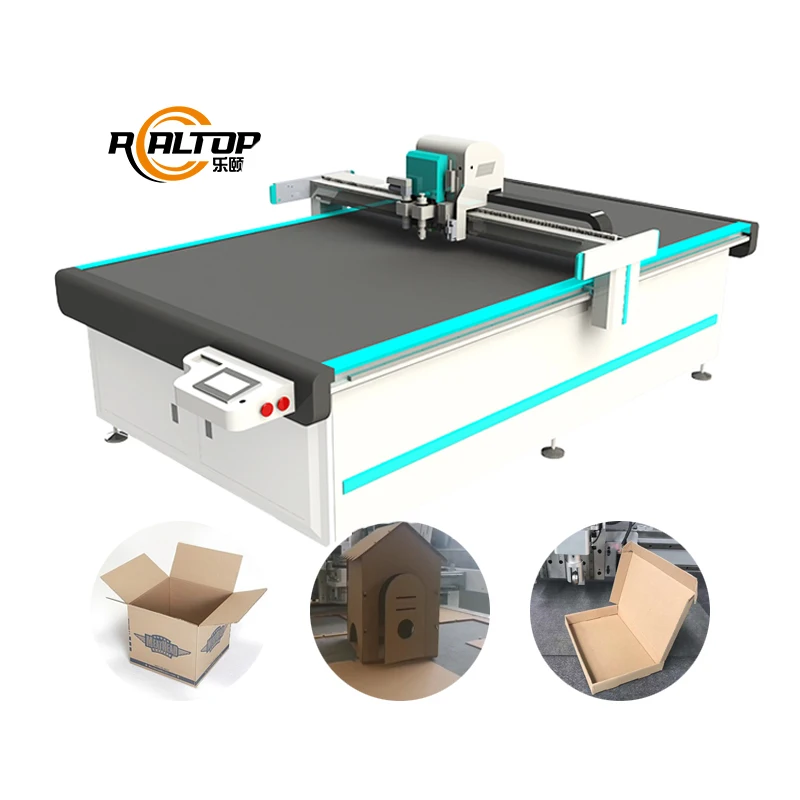
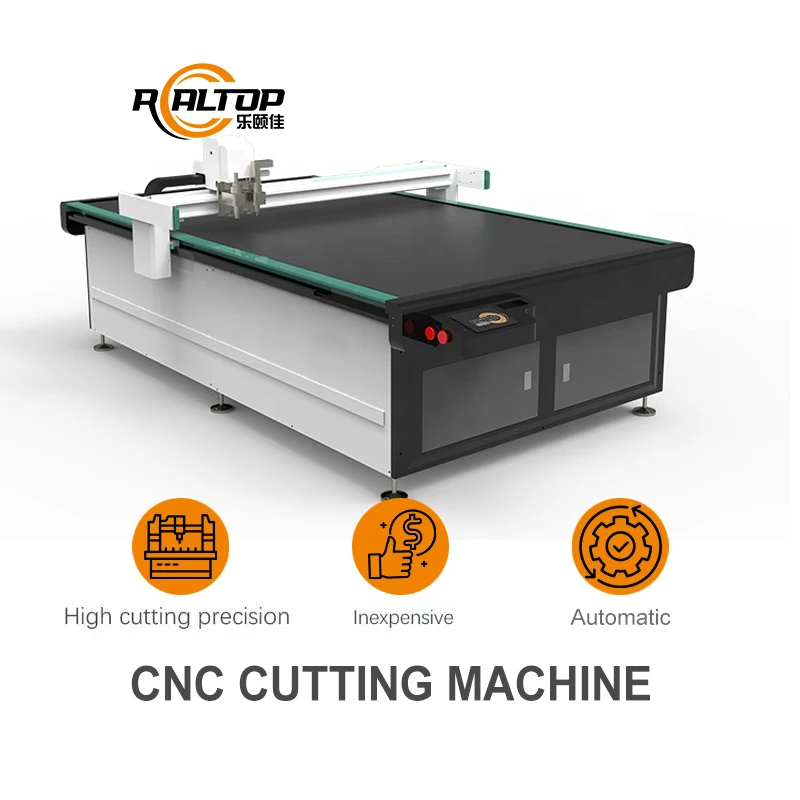
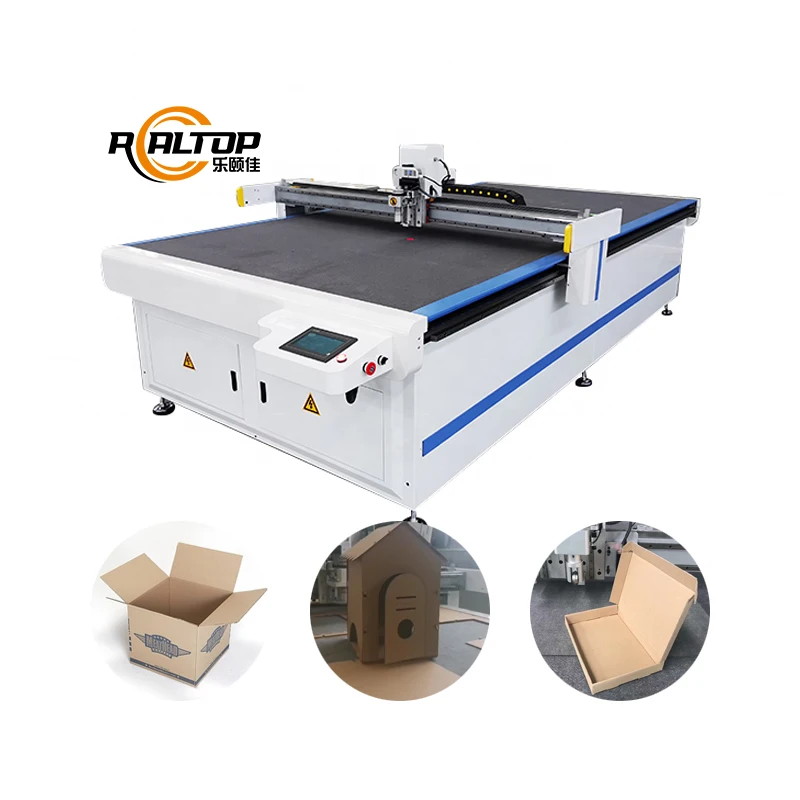
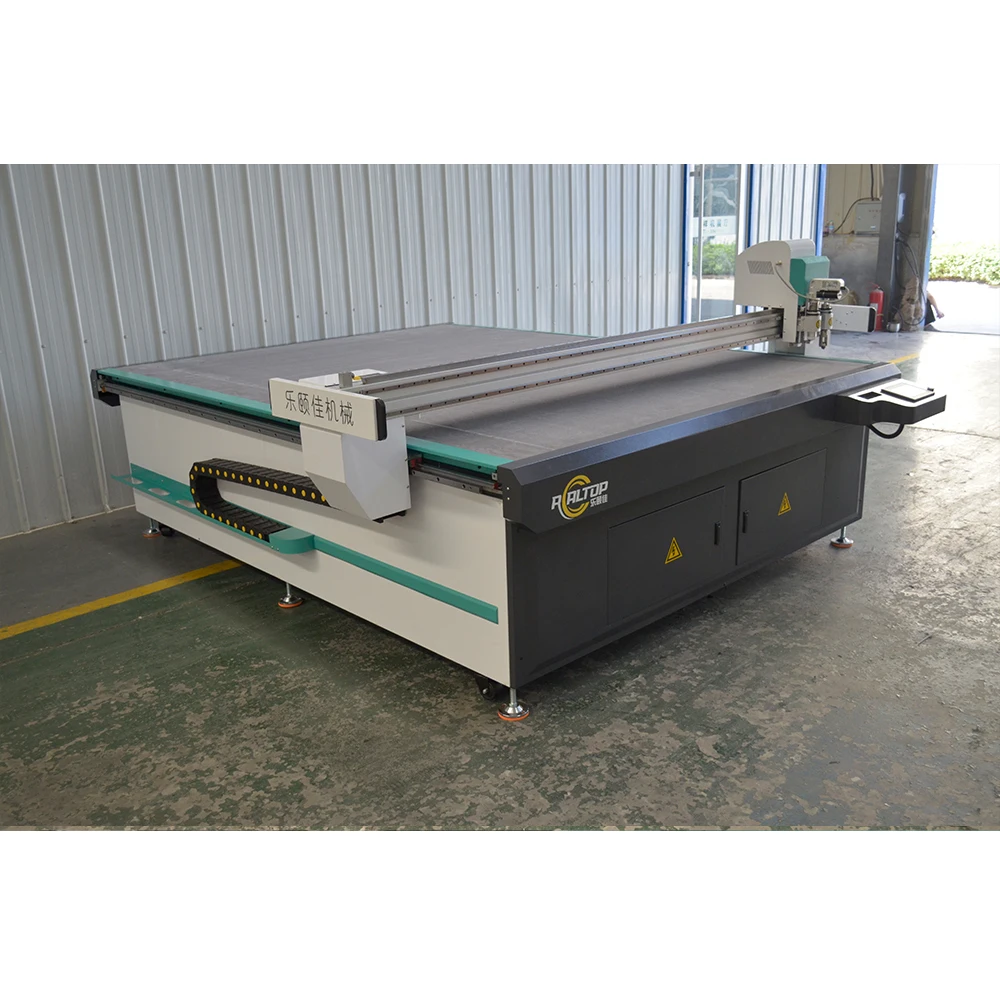
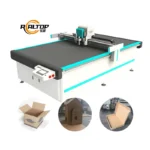
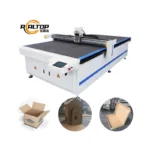
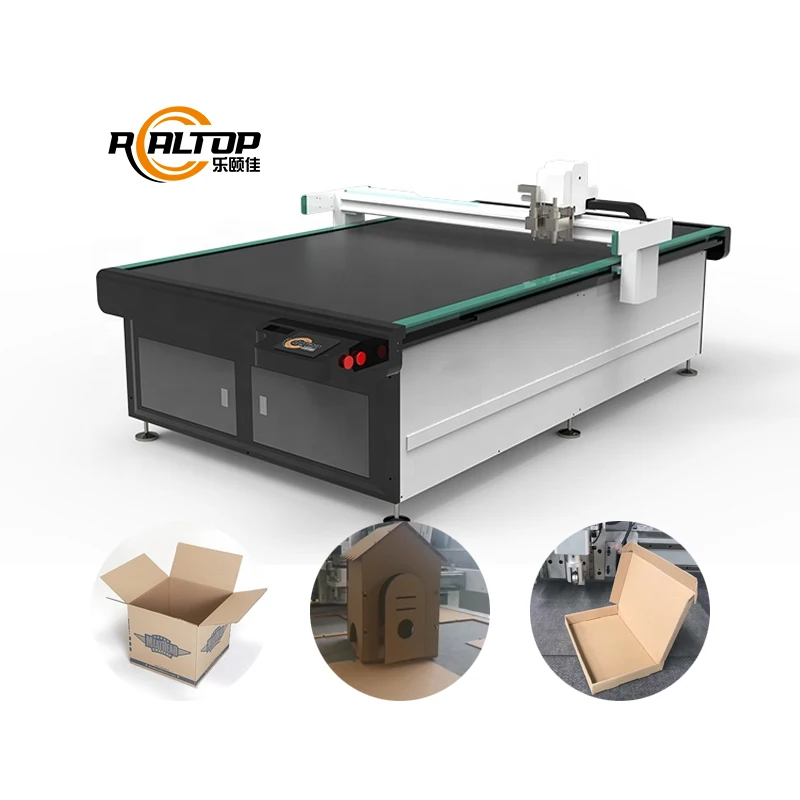
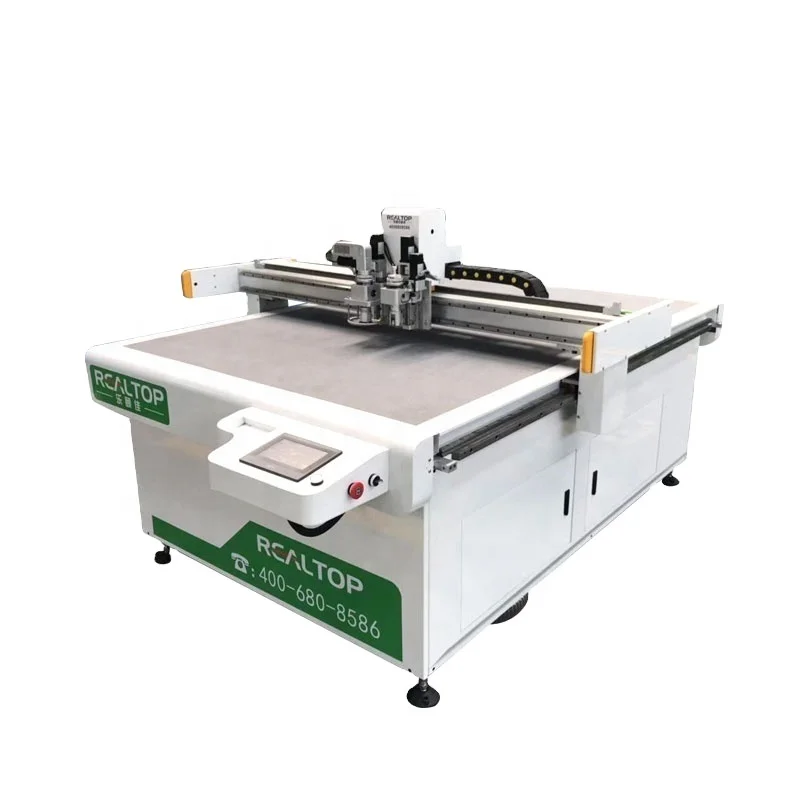
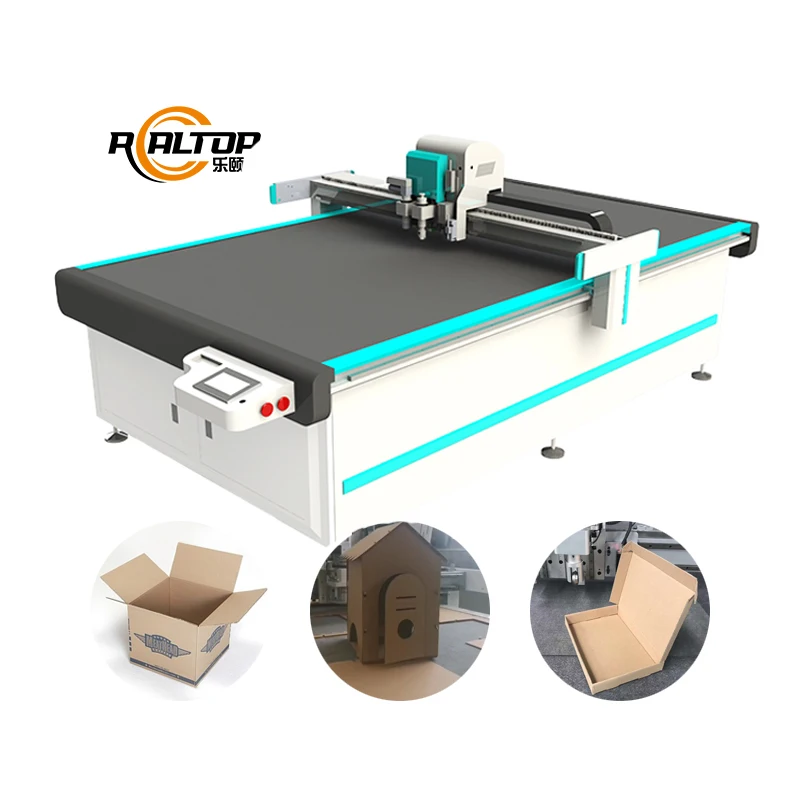
| Product Type | CNC Flatbed Digital Cutting Machine (Oscillating Knife) |
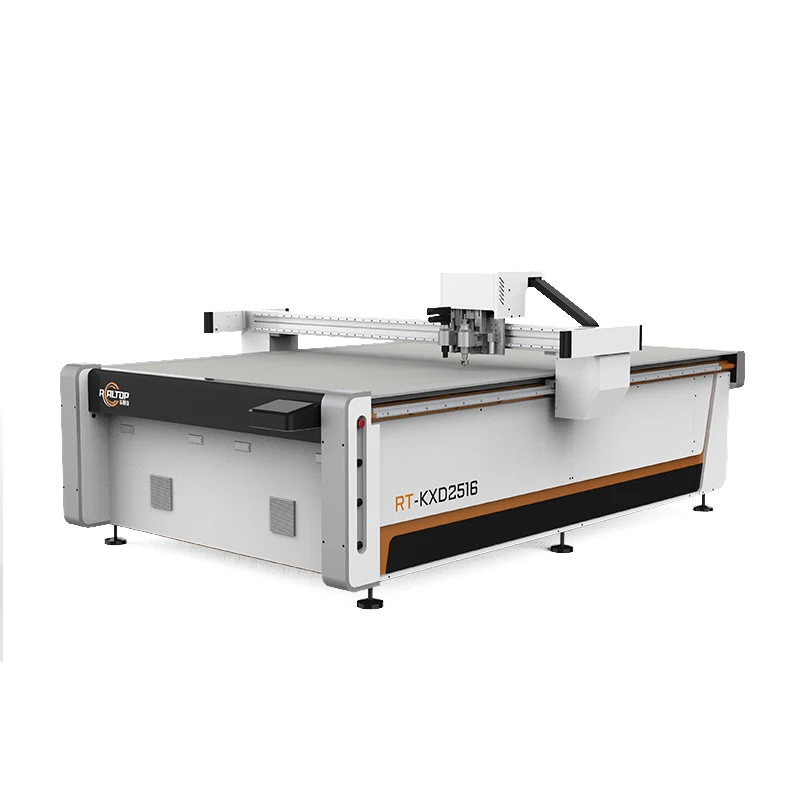
| Model | RT–R2513 / RT-D2516 / RT-S2516 |
| Working Area | 2500×1300 mm (RT–R2513) / 1600×2500 mm (RT-D2516 / RT-S2516) |
| Machine Size | 3550×1910×1400 mm / 3450×2300×1250 mm |
| Rated Power | 9 kW |
| Voltage | 380 V (frequency and plug type to be confirmed) |
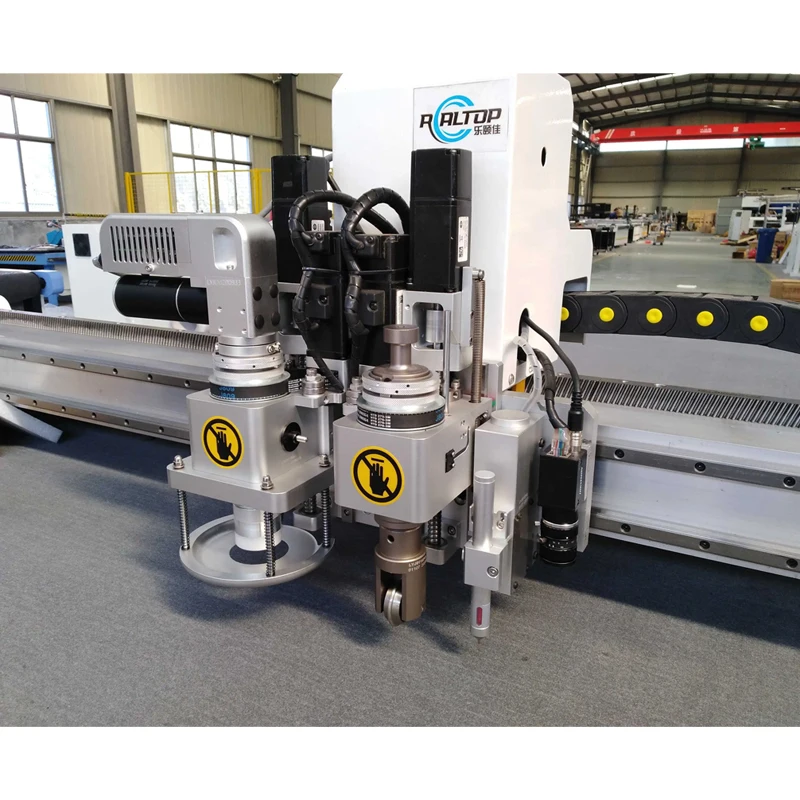
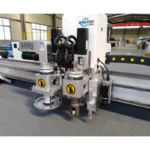
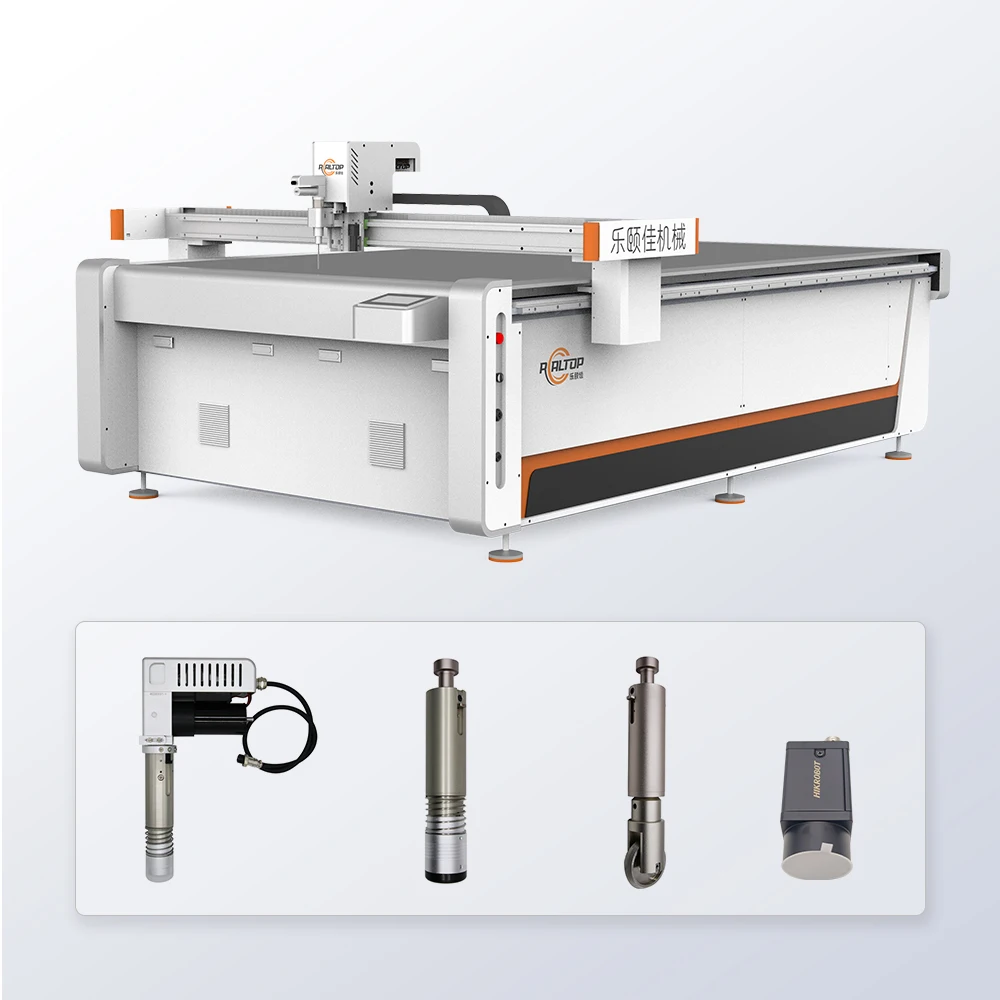
| Cutting Tools | Oscillating knife, creasing tool, kiss-cut knife, round punch |
| Cutting Thickness | ≤18 mm (basis not stated in source — confirm material type and density) |
| Fixing Method | Vacuum system with 7.5 kW pump |
| Transmission Method | Ethernet port |
| Profile Formats | DXF, OLT, PDF, AI |
| Repeated Accuracy | <0.05 mm |
| Servo Motor | Dongling servo (Delta servo available in alternative configuration) |
| Safety Device | Infrared sensors |
| Frame | Welded thick square seamless steel structure, high-temperature treated |
| Vacuum Table | Aluminum alloy honeycomb structure |
| Guide Rail | Taiwan Hiwin rail |
| Conveyor Belt | Germany imported (available in configured options) |
| Auto Feeding | Available (optional configuration) |
| Blade Included | 10 pieces of oscillating blades |
| Warranty | 1 year (excluding felt and knife blades) |
| Delivery Time | <30 working days |
| Software Language | Customizable (English, Russian, Italian, Chinese) |
| Control Language | Customizable |
| Assembly State | Fully assembled |
| Standards | CE (to be verified against current certification scope) |
Application Suitability
| Application | Material or Output |
|---|---|
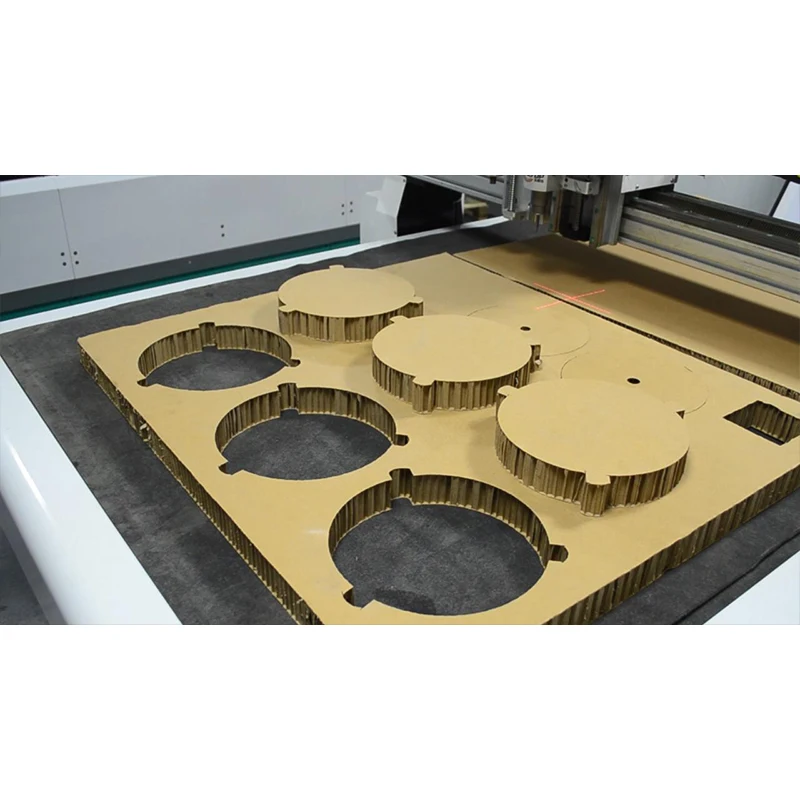
| Carton and packaging sample making | Corrugated board, greyboard, folding carton stock up to 18 mm |
| Sticker and label contour cutting | Vinyl, adhesive-backed paper, printed label stock |
| Corrugated box short-run production | Single, double and triple-wall corrugated formats |
| Gift box and display packaging | Specialty papers, laminated boards, foam inserts |
| Leather and flexible material cutting | Leather, synthetic leather for packaging inserts and dividers |
Why "Maximum Cutting Thickness" Is Not the Number That Matters
A board’s density, flute profile and moisture content determine whether a knife can actually hold an edge through a full shift — not the headline thickness figure on a brochure.
I have watched buyers compare two CNC flatbed digital cutting machine manufacturer quotes side by side, pick the one with the higher stated cutting depth, and then discover on delivery that three-layer corrugated board crushes under the drag knife instead of cutting cleanly. The oscillating knife handles dense flutes differently than a drag knife handles solid fibre, and no single thickness number captures that difference [NEED_CITE: material density and flute geometry effects on oscillating knife cutting]. Asking for a sample cut on your own stock before commitment is the only way to confirm edge quality and tool life in your actual production environment.
Frame Rigidity and Long-Term Cutting Accuracy
A welded thick square seamless steel frame with high-temperature treatment resists the torsional loads generated when an oscillating knife drives through dense corrugated board at speed. Without that thermal stress relief, micro-distortions accumulate in the frame over months of production, pushing the repeated accuracy beyond the stated <0.05 mm tolerance. For packaging sample makers running short batches with tight dimensional requirements, that drift shows up as misaligned crease lines on the second or third prototype of the day.
Vacuum Table Zoning and Small-Part Stability
The aluminum alloy honeycomb vacuum table paired with a 7.5 kW vacuum pump provides uniform adsorption across the full working area. In carton sample production, small flaps and internal dividers tend to lift under knife pressure when vacuum zoning is insufficient or when zones do not follow the cutting path. Proper zone configuration directs suction only to the active cutting region, which holds small corrugated parts flat without requiring the operator to tape sheets down between cuts [NEED_CITE: vacuum zoning principles for flatbed digital cutting tables].
Tool Head Versatility in a Single Pass
The combination of oscillating knife, creasing tool, kiss-cut knife and round punch in one cutting head means a carton prototype can be cut, creased and perforated without manual tool changes or secondary operations. This matters for packaging sample makers who iterate through several board grades in a single session — switching from 3 mm E-flute to 12 mm B-flute requires only a software parameter change, not a physical reconfiguration of the tool head.
Reading the Specs That Actually Affect Your Output
The cutting thickness rating of ≤18 mm is a starting reference, but the real constraint for packaging work is how the oscillating knife frequency interacts with the specific flute structure of your corrugated board. Higher frequency oscillation slices through multi-wall corrugated cleanly, while lower frequency tends to separate the liner from the medium. The Taiwan Hiwin guide rail maintains linear positioning during these high-frequency strokes, which directly affects whether crease lines land within the tolerance required for automated folding and gluing downstream. Ethernet transmission of cutting files avoids the data loss that USB transfer can introduce with complex nested layouts containing hundreds of small sticker contours. The DXF, OLT, PDF and AI file format support means most packaging design workflows connect directly to the nesting software without intermediate conversion steps [NEED_CITE: file format compatibility in digital packaging cutting workflows].
The Cost of Guessing Your Configuration Wrong
When a packaging producer selects a machine based on working area alone and then loads 15 mm triple-wall corrugated onto a table configured for light carton stock, the result is ragged edges, premature blade wear and a vacuum system that cannot hold the sheet flat. The knife motor works harder, the spindle accumulates wear and within months the cutting quality degrades to the point where sample approval rates drop. All of this is preventable with a sample cutting report on the buyer’s own material before the purchase order is signed [NEED_CITE: oscillating knife wear patterns on abrasive corrugated materials].
Why Procurement Teams Source This Equipment Here
In-house design and production covering both knife and laser cutting technologies means the cutting method is matched to the packaging material rather than forced into a single technology. Tool head and table configuration is specified per board grade, flute type and production volume before the order enters manufacturing. Sample cutting on the buyer’s own material is completed and documented before commitment, so edge quality and cutting speed are verified facts, not brochure claims. Voltage, plug type and control language are confirmed against the destination market’s electrical standards. The software licence and file format compatibility note ensures the buyer’s existing CAD or packaging design files import correctly on day one [NEED_CITE: industrial equipment export voltage and language customization practices].
Documentation & Verification
- Machine specification sheet listing every configured tool head and table zone
- Electrical schematic and voltage confirmation for destination market frequency
- Sample cutting report on buyer’s board grade with edge photographs
- Tool head and table configuration list matched to buyer’s material
- Software licence and file format compatibility note before dispatch
- Factory test record showing repeated accuracy measurement before crating
Installation, Commissioning & Support
- Fully assembled delivery requiring only power connection and level adjustment on site
- 9 kW rated power demands a dedicated 380 V circuit with confirmed frequency and plug type
- 7.5 kW vacuum pump requires separate electrical provision and exhaust routing
- 2500×1600 mm working area needs minimum 4×3.5 m floor space with operator clearance
- Infrared sensor calibration and safety zone verification during commissioning
- Ten oscillating blades included with reorder specifications documented in spare parts list
What to Prepare Before Requesting a Quote
Send the specific board grades, flute types and thicknesses you run most frequently, along with typical sheet dimensions and whether you need creasing in the same pass as cutting. Confirm your workshop’s voltage, frequency and available floor space so the configuration matches your electrical infrastructure. If you work with printed sticker stock that requires contour recognition, note the print mark format and registration method your current workflow uses.
Frequently Asked Questions
Q: How is cutting thickness verified for my specific cardboard grade and flute type?
A: We run a sample cut on your actual board stock before any order is confirmed. The sample cutting report documents edge quality, cutting depth and knife wear after multiple passes, so you see real results on your material rather than a generic thickness rating. Board density and flute structure affect cutting behaviour far more than the headline millimetre number.
Q: Which tool head configuration handles both cutting and creasing in one pass?
A: The oscillating knife and creasing tool are mounted in the same cutting head, allowing the machine to cut the outer contour and press crease lines without stopping for manual tool changes. This is configured based on your most common board thickness so the creasing wheel depth matches your folding requirements.
Q: How is vacuum table zoning configured for small carton parts to prevent lift?
A: The aluminum alloy honeycomb table divides into multiple vacuum zones that activate only under the active cutting area. This keeps small flaps and internal dividers held flat during knife travel without requiring the operator to reposition or tape sheets between cuts.
Q: What file formats does the software accept and how does it integrate with existing workflows?
A: The included nesting software imports DXF, OLT, PDF and AI files directly. Before shipment, we confirm file format compatibility with a test import of your actual production files, and the software licence and system language are configured to match your operator’s requirements.
Q: What voltage, plug type and control language options are confirmed before shipment?
A: The standard configuration runs on 380 V, but frequency and plug type must match your local electrical standards. Control panel language is customizable across English, Russian, Italian and Chinese. All electrical specifications are documented in the schematic and confirmed with the buyer before manufacturing begins.
You may also like

商品评价
Clear filtersThere are no reviews yet.