



-
 Courier delivery
-
 DHL Courier delivery
-
 Warranty 1 year
-
 Free 30-Day returns

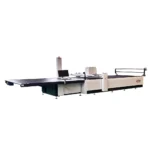
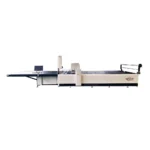
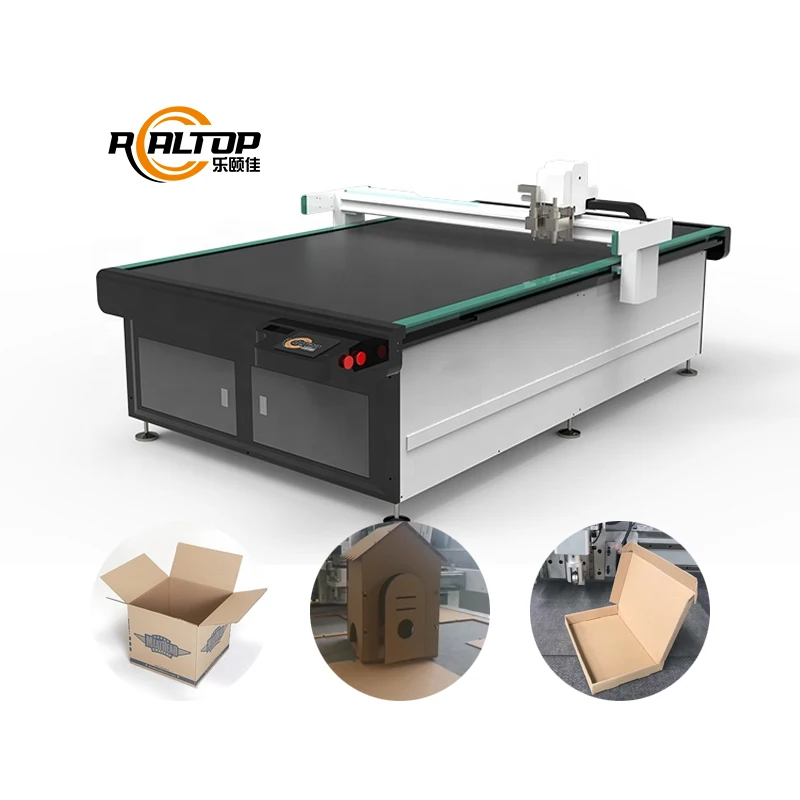
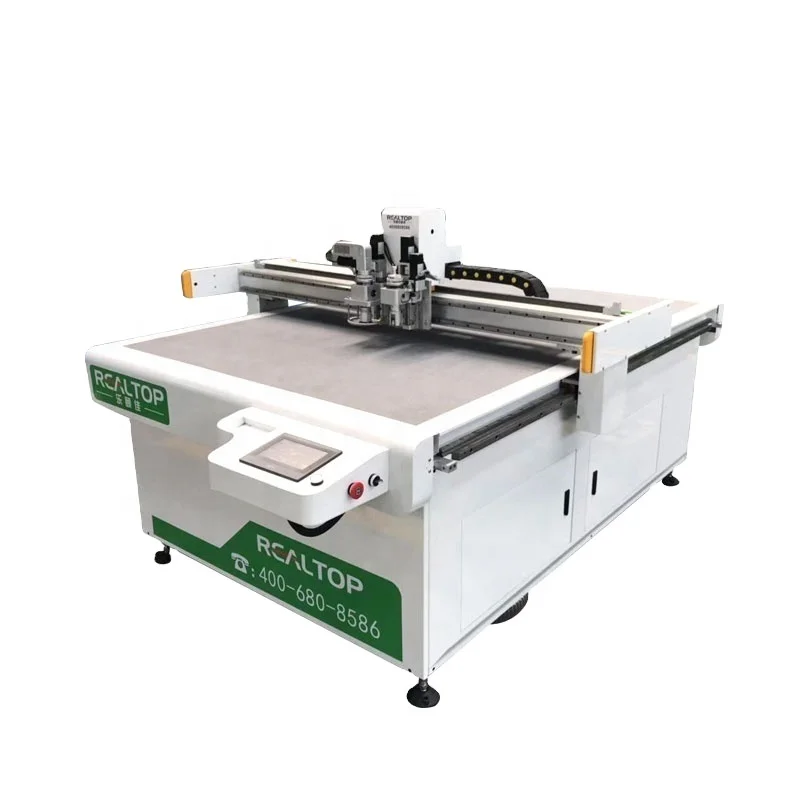
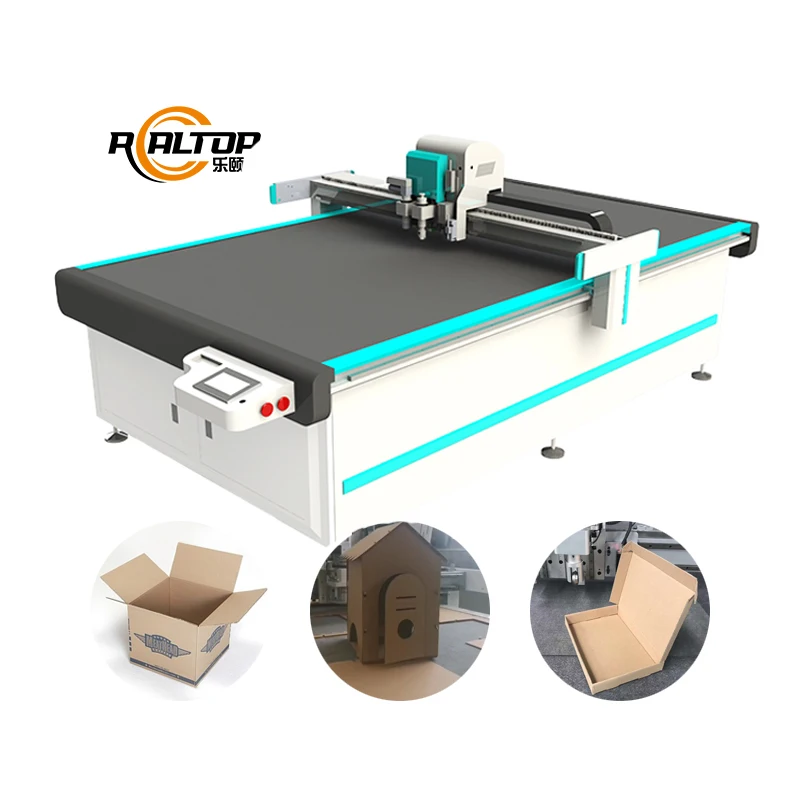
Precision-matched cutting systems — Every CNC fabric cutting machine is configured after sample testing on the buyer’s own material, ensuring knife type, vacuum zoning and blade grinding match the specific textile weight and ply count.
Technical Specifications
| Parameter | Value |
|---|---|
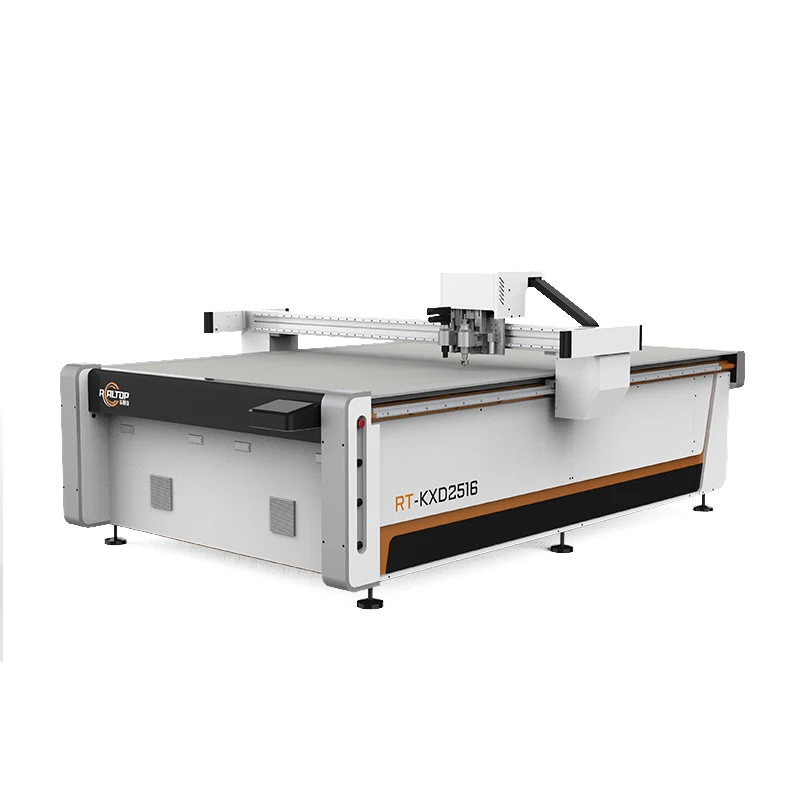
| Product Type | CNC Oscillating Knife Cutting Machine |
| Working Area Options | 1700×2000mm / 1900×2000mm / 2300×3300mm |
| Max Operating Speed | 80 m/min |
| Average Cutting Speed | 12 m/min (basis not stated in source — confirm material, thickness and layer count) |
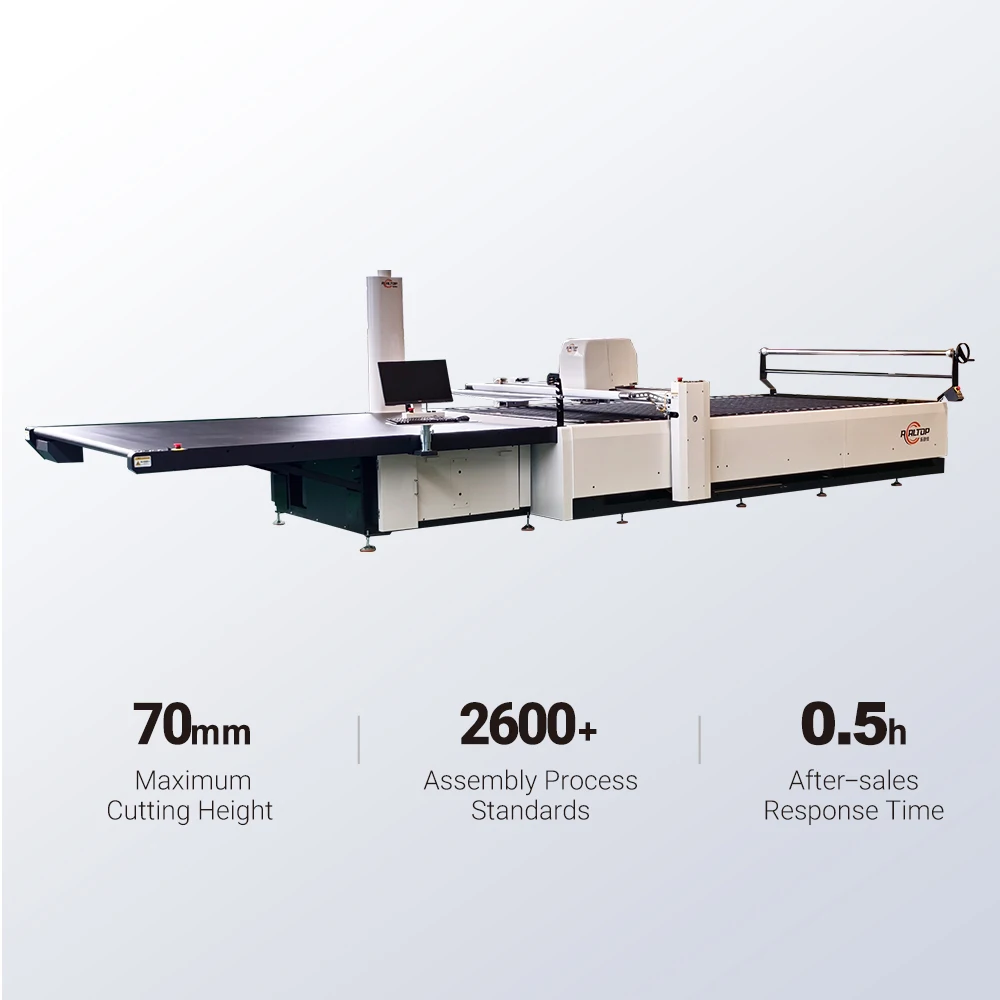
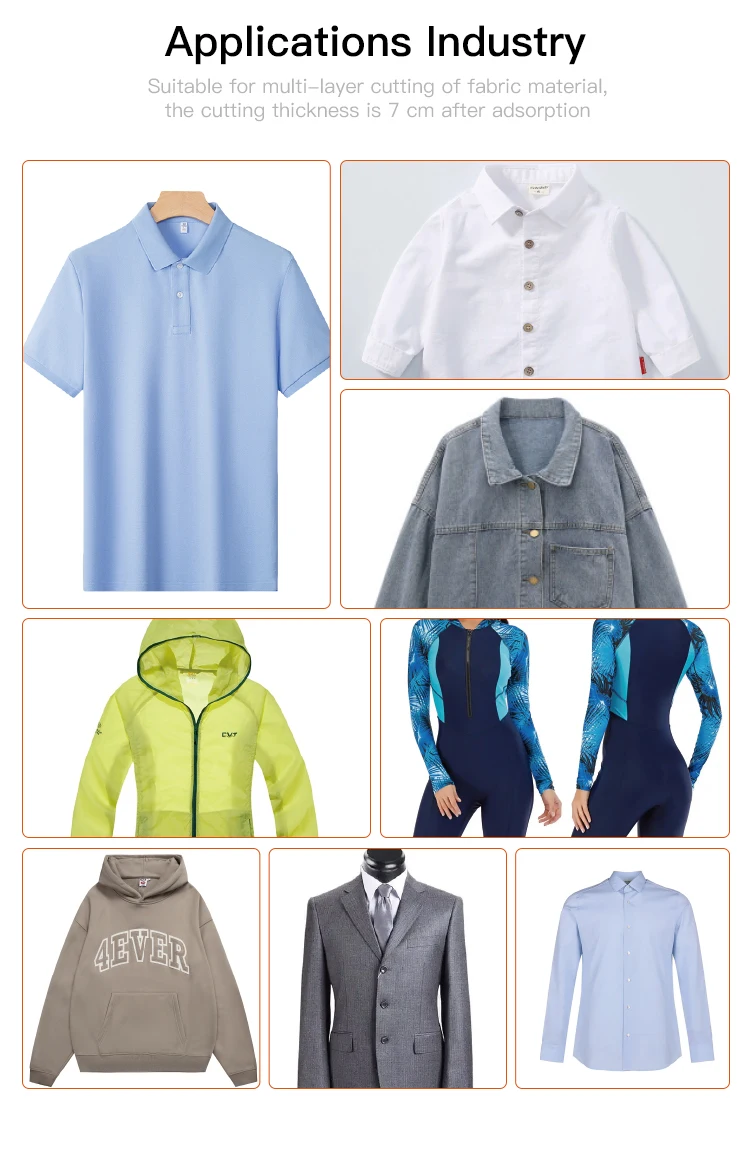
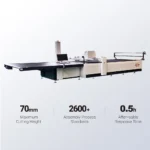
| Cutting Thickness Capacity | Up to 70 mm (after vacuum adsorption, multi-layer) |
| Voltage & Frequency | 380V / 50Hz (customizable per market) |
| Rated Max Power | 26 kW (rated or peak not specified in source) |
| Air Flow Volume | 160 L/min |
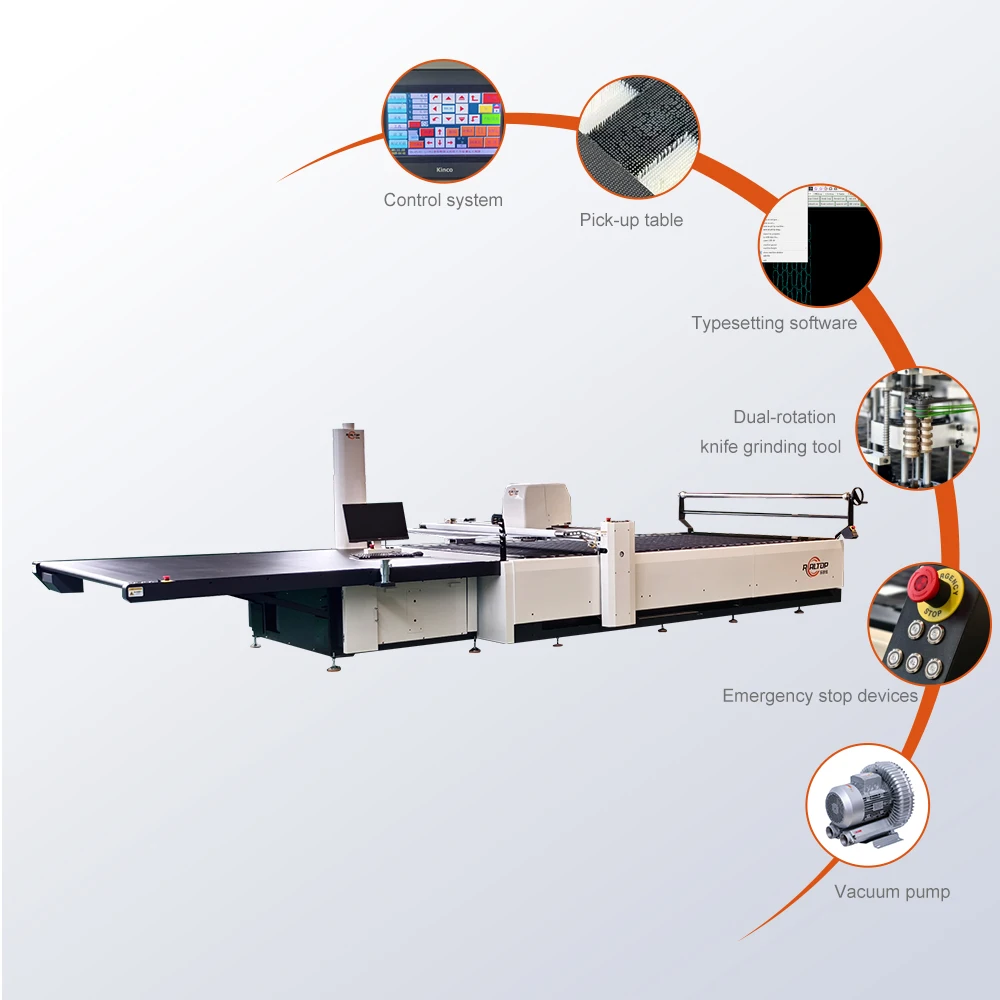
| Control System | PLC panel with selectable display languages |
| Blade Grinding Method | Double rotary sharpener |
| Servo Motor Options | Panasonic / Delta / Dorna |
| Vacuum Table | Aluminum bellows vacuum platform |
| Vacuum Pump | Custom high-efficiency, aerospace-grade aluminum casting |
| Machine Frame | Heavy-duty with precision-ground surface |
| Repeat Positioning Accuracy | ±0.1 mm |
| Compatible File Formats | DXF / PLT / AI / PDF |
| Interface Languages | English, Russian, Italian, Chinese; custom languages available |
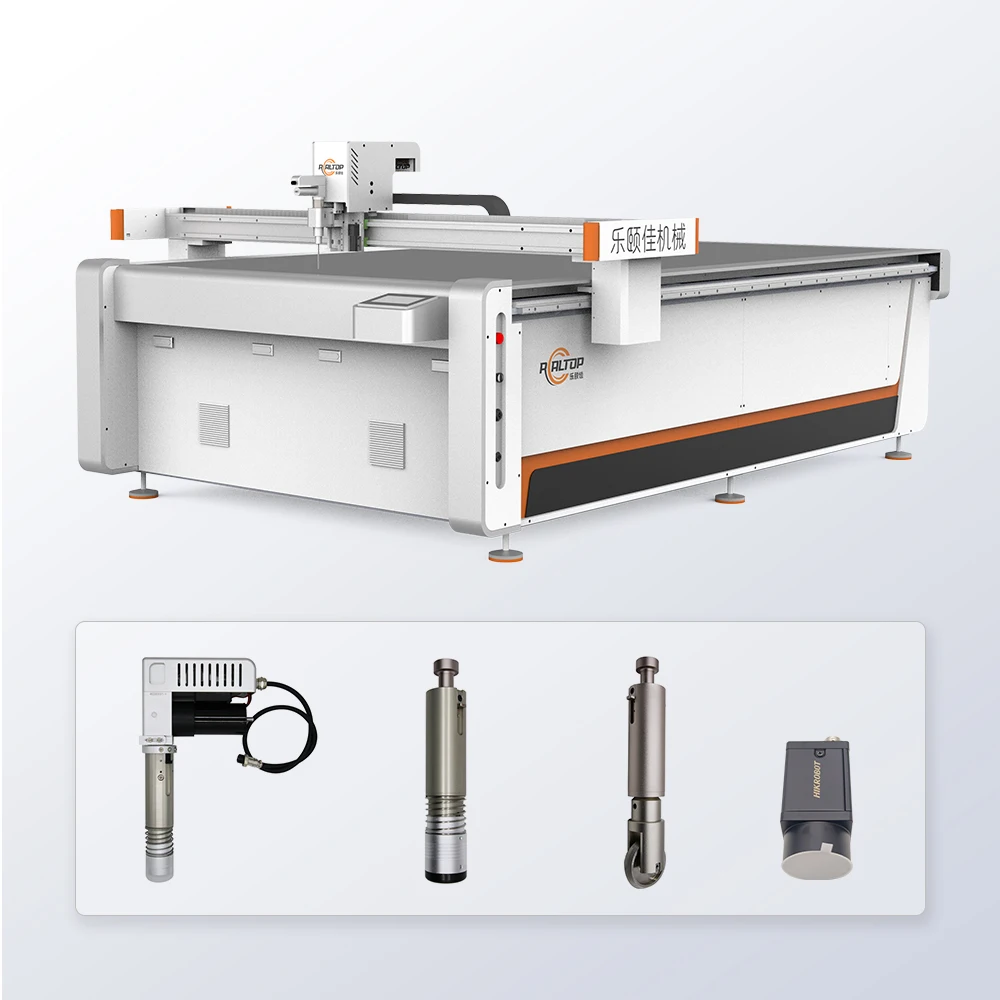
| Tool Head | Interchangeable oscillating knife |
| Certification | CE |
Application Suitability
| Application | Material or Output |
|---|---|
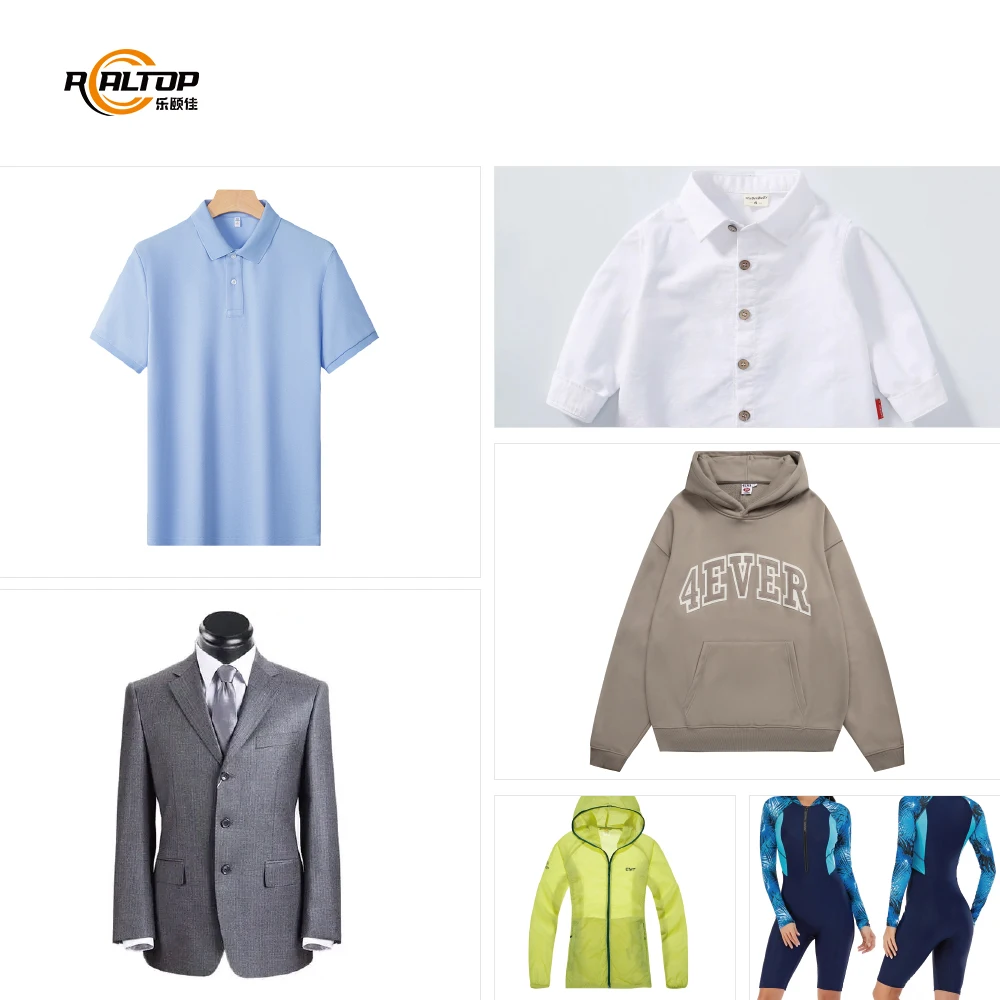
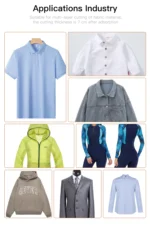
| Suit and formalwear cutting | Woven wool, worsted blends, lining fabrics in multi-ply lays |
| Knitwear and active apparel | Jersey, interlock, spandex blends requiring low-tension hold-down |
| Lace and delicate textiles | Open-weave lace, tulle, embroidered panels |
| Home textile production | Sofa upholstery fabrics, curtain panels, rug backing |
| Automotive textile interiors | Headliner fabrics, seat cover textiles, trunk liner materials |
| Flexible composite materials | Foam-backed textiles, laminated fabrics up to 70 mm compressed |
Why "Working Area" Is the Wrong First Question for Fabric Cutting
The cutting method and tool head must match the material before the table size matters.
Too many buyers start with a working area and then discover the oscillating knife cannot cleanly shear their compressed multi-layer lay at full depth. The vacuum zoning holds the perimeter fine, but small pattern pieces lift mid-cut because the zone layout was never checked against the actual nest [NEED_CITE: vacuum zone sizing for small nested parts]. A CNC fabric cutting machine manufacturer worth engaging will ask for your fabric type, ply count and lay height before quoting a table size.
Knife and Laser Under One Roof
Realtop designs both oscillating knife and laser cutting systems in-house, which means the cutting method is chosen to suit the fabric rather than forced into whatever machine happens to be on the showroom floor. A woven wool suit fabric behaves very differently from a synthetic lace under a CO2 beam, and having both technologies available means the recommendation is driven by edge quality and production volume, not by limited product range.
Matching the Tool Head to the Textile
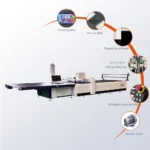
The interchangeable oscillating knife head on this CNC fabric cutting machine handles materials from 0.1 mm single-ply lace up to 70 mm compressed multi-layer lays. Blade oscillation frequency and stroke are adjusted through the PLC panel depending on whether you are cutting a delicate knit that frays under drag-knife pressure or a dense upholstery weave that needs aggressive vertical shear [NEED_CITE: oscillating knife stroke settings for textile density].
Reading the Specification Sheet Like a Production Manager
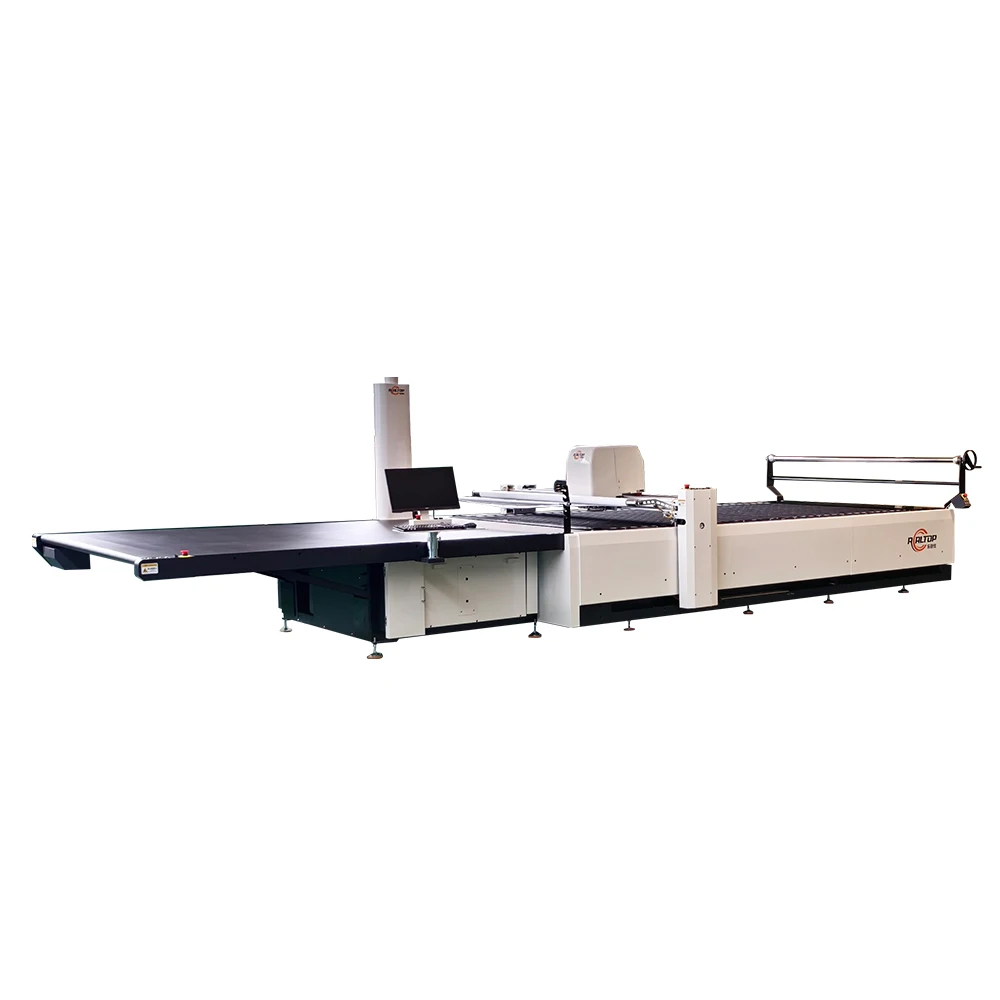
The 160 L/min air flow volume drives the aluminum bellows vacuum platform — a figure that tells you whether small pattern pieces will stay flat when the knife exits a tight corner. Repeat positioning accuracy of ±0.1 mm matters most when you are nesting collar pieces with match-points that must align at the sewing stage. The double rotary sharpener keeps the blade edge consistent across long production runs, which directly affects how often you stop to change blades on a 70 mm multi-ply lay. File format compatibility with DXF, PLT, AI and PDF means your existing nesting software feeds straight into the PLC without a re-draw step.
The Hidden Cost of Skipping Sample Cutting
When a fabric producer commits to a cutting table without running their actual material through it first, the most common surprise is edge fuzzing on knits or incomplete shear-through on compressed wovens at the bottom of the lay. That discovery usually happens after the machine is installed, the vacuum pump is wired and the first production order is late. Reconfiguring vacuum zones or swapping to a higher-frequency oscillating head after delivery costs both downtime and re-commissioning time [NEED_CITE: post-delivery tool head reconfiguration lead time].
Why Fabric Producers Source Here
In-house design covering both knife and laser means the cutting method recommendation is based on your textile, not on clearing inventory. Tool head and vacuum table configuration are specified per material and production volume before the order is placed. CCD camera positioning is available for printed contour work on woven and knitted panels. Software compatibility with your existing DXF or AI nesting workflow is confirmed in writing before production begins. Voltage, plug type and control panel language are locked down per destination market so there are no surprises at the electrical cabinet on arrival day.
Documentation & Verification
- Machine specification sheet listing confirmed voltage, frequency and selected tool head for your fabric range
- Sample cutting report produced on your own textile with measured edge quality and ply separation
- Electrical schematic showing circuit layout and vacuum pump wiring for your facility electrician
- Software licence and file format compatibility note covering DXF, PLT, AI and PDF import paths
- Factory test record with photographs documenting vacuum hold-down and positioning accuracy before crating
- Packing photographs showing crate blocking and knife head protection for ocean freight
Installation, Commissioning & Support
- Floor space planning based on selected working area up to 2300×3300mm plus operator clearance and material staging zones
- Dedicated 380V / 50Hz circuit with confirmed amperage for the 26 kW max power draw and vacuum pump startup surge
- Machine arrives fully assembled on heavy-duty frame; leveling and vacuum platform calibration performed on-site
- First-run parameter setting for oscillation frequency, vacuum zone activation and blade grinding interval on your fabric
- Operator training on PLC panel including language switch, nest loading and double rotary sharpener maintenance cycle
- Spare parts list covering oscillating knife blades, sharpener stones and vacuum bellows seals sized to your usage rate
What to Include in Your Inquiry
Send your fabric type, typical ply count and maximum compressed lay height so the tool head and vacuum zoning can be matched before quotation. Include your facility voltage and frequency along with preferred control panel language. If you already run a nesting workflow in DXF or AI format, share a sample file so software compatibility is confirmed before the build starts. Offer to ship a roll of your production material for sample cutting — the resulting report gives you a baseline edge quality reference before commitment.
Frequently Asked Questions
Q: How is cutting speed and thickness verified against my specific fabric type and layer count?
A: Before any order commitment, you ship a sample of your production fabric and we run it through at your target ply count. The resulting sample cutting report documents edge quality, shear-through completeness and any vacuum hold-down adjustments needed, giving you a verified baseline rather than a catalog claim.
Q: What voltage, plug type and control language are confirmed before shipment?
A: Voltage, frequency, plug standard and PLC panel language are all locked in writing during the specification confirmation stage. This ensures the electrical cabinet and operator interface match your facility requirements before the machine enters production, avoiding on-site rewiring or language workarounds.
Q: How do I confirm software compatibility with my existing nesting workflow?
A: Send a sample DXF, PLT, AI or PDF file from your current nesting software. We import it during the pre-order phase and verify that layers, cut paths and match-points translate correctly through the PLC, documenting the result in the software compatibility note that ships with the machine.
Q: Can I send my material for sample cutting before placing the order?
A: Yes — sending your actual production fabric is part of the standard sales process. We cut it at your specified ply count and lay height, then share a detailed report with photographs and edge quality assessment so you can evaluate results before committing to a purchase order.
Q: What is the OEM and customization scope for working area, tool head and vacuum zone configuration?
A: Working area is selectable across multiple standard sizes up to 2300×3300mm, and vacuum zone layout is configured around your typical nest geometry. Tool head options, servo motor brand selection and control panel language are all adjustable per order, with full documentation reflecting the chosen configuration.
You may also like

商品评价
Clear filtersThere are no reviews yet.