





-
 Courier delivery
-
 DHL Courier delivery
-
 Warranty 1 year
-
 Free 30-Day returns

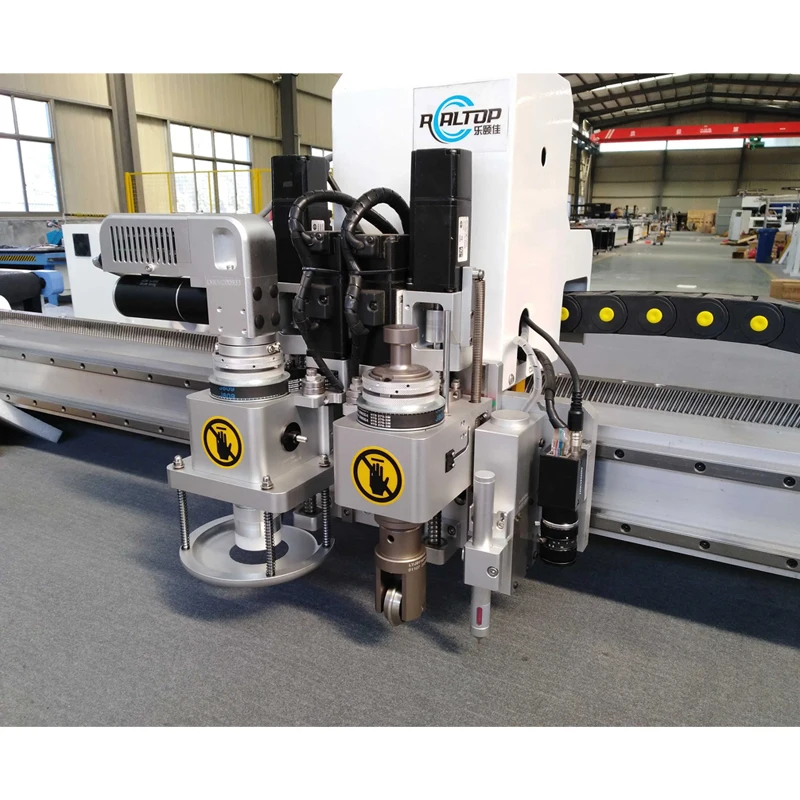
Precision Toolhead Matching — we configure oscillating knife, creasing and punch tools to your specific flexible material density before the frame leaves our Jinan assembly floor.
Technical Specifications
| Parameter | Value |
|---|---|
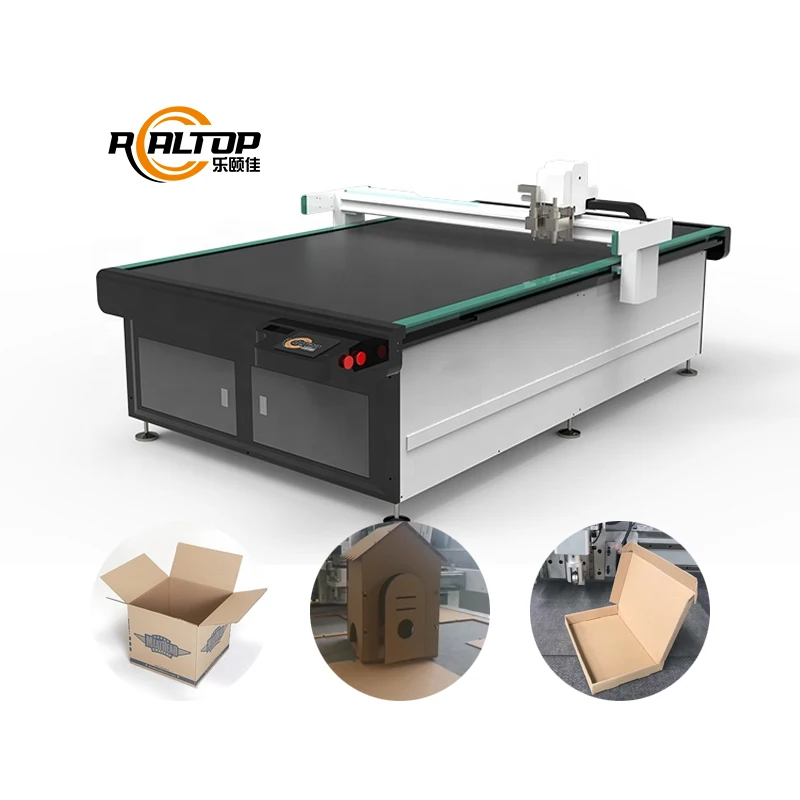
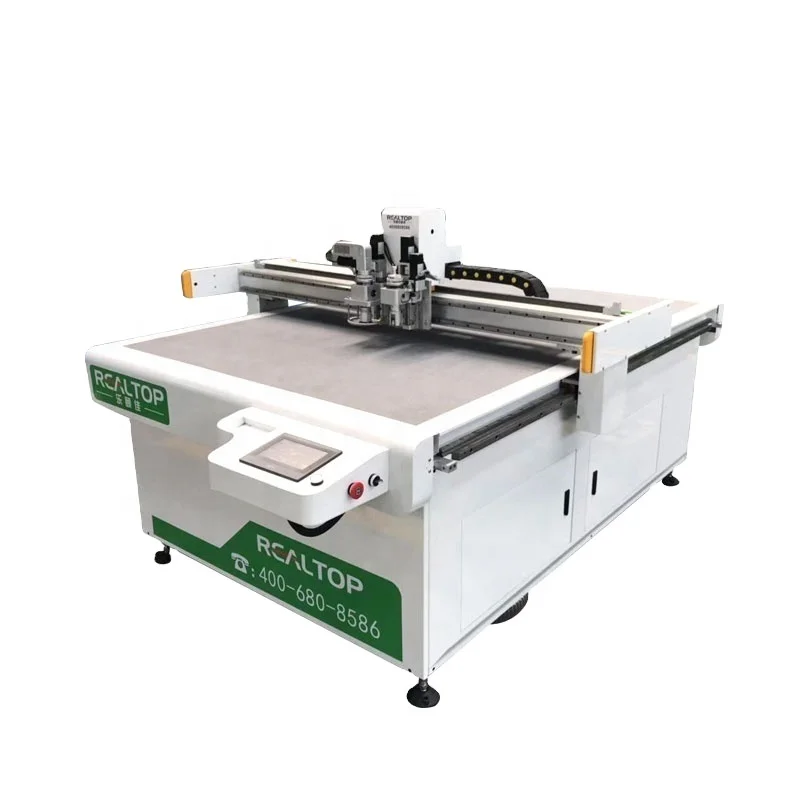
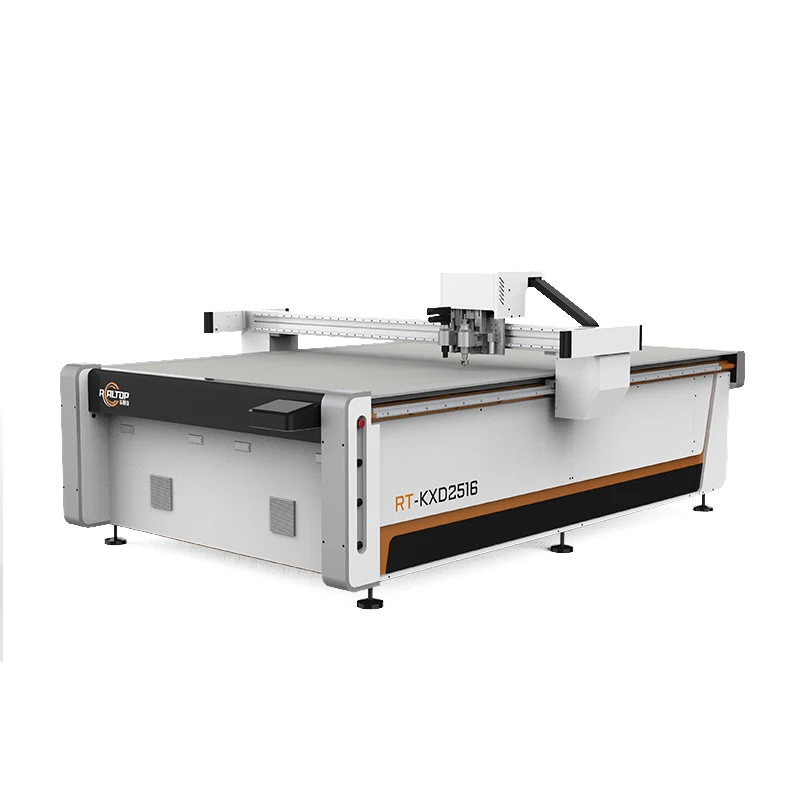
| Product Type | CNC Oscillating Knife Cutting Machine |
| Model | RT–R2513 / RT-D2516 / RT-S2516 |
| Working Area | 2500×1300 mm (RT–R2513); 1600×2500 mm (RT-D2516 / RT-S2516) |
| Machine Size | 3550×1910×1400 mm (RT–R2513); 3450×2300×1250 mm (RT-D2516 / RT-S2516) |
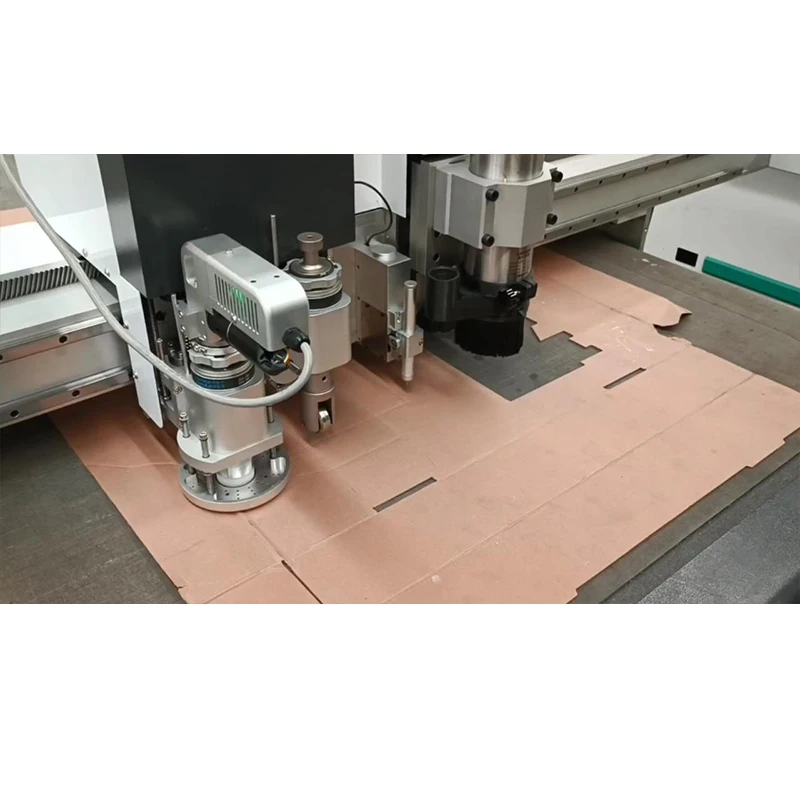
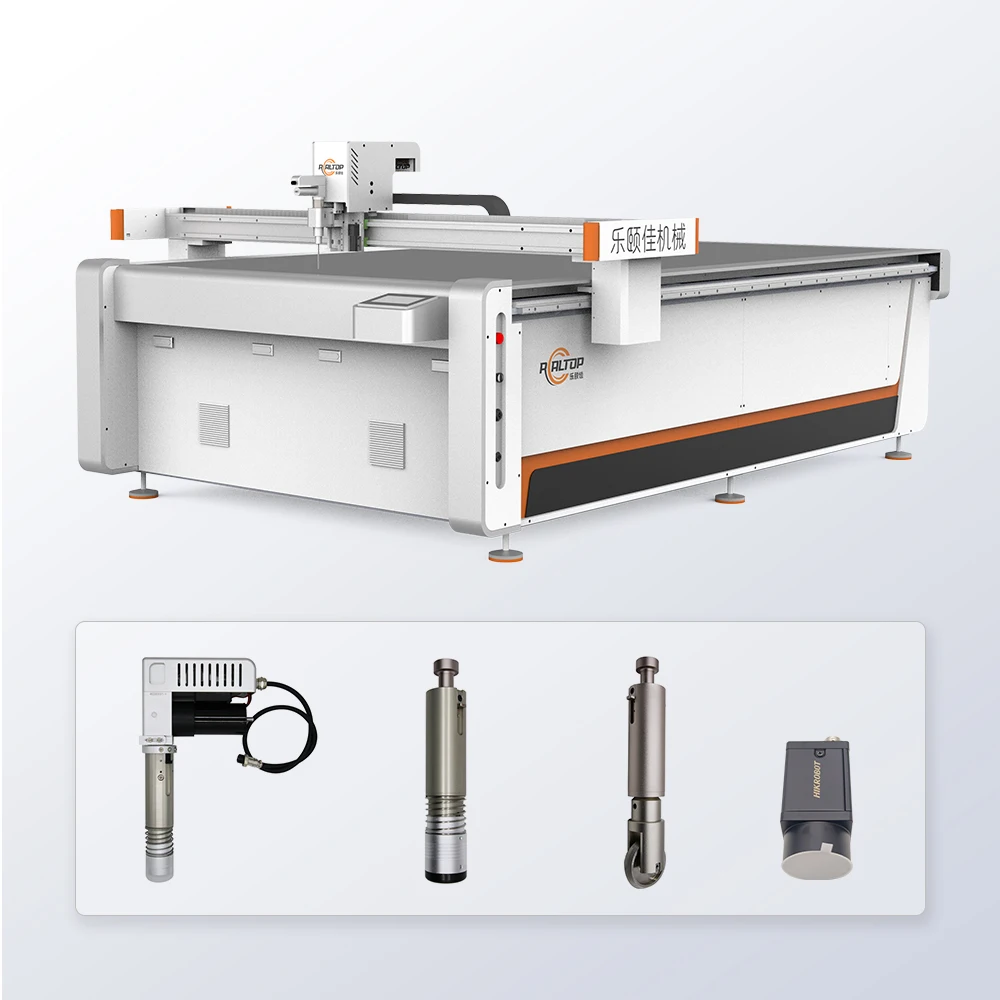
| Cutting Tools | Oscillating knife, creasing tool, kiss-cut knife, round punch |
| Fixing Method | Vacuum system with aluminum alloy honeycomb platform |
| Rated Power | 9 kW |
| Voltage | 380 V (frequency to be confirmed: 50 Hz or 60 Hz) |
| Servo Motor | Dongling servo (Delta servo available as configuration option) |
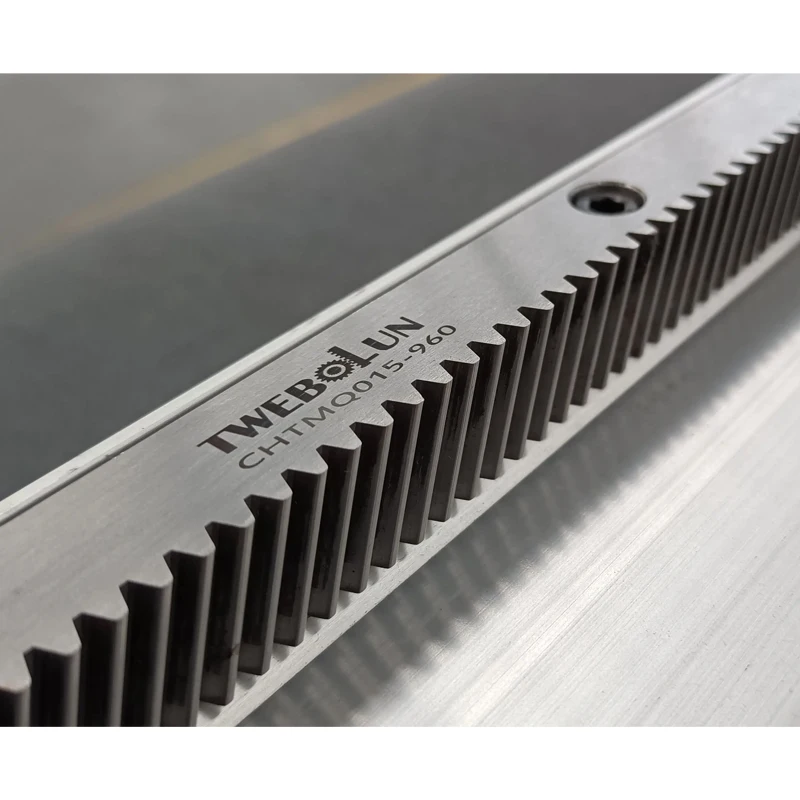
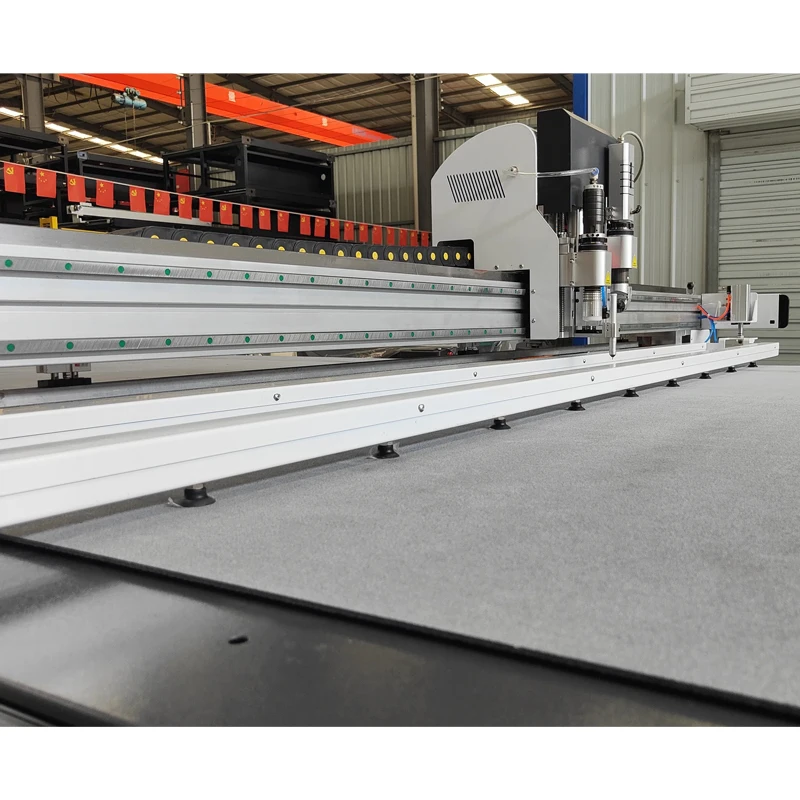
| Transmission Components | Rack transmission, imported straight-line square guide |
| Cutting Thickness | ≤18 mm (basis not stated in source — confirm material type and density) |
| Repeated Accuracy | <0.05 mm |
| Safety Device | Infrared sensors, emergency stop |
| Conveyor Belt | Wear-resistant anti-pull felt (composite fiber construction) |
| Software & File Formats | DXF, OLT, PDF, AI; professional carton cutting software included |
| Control Language | Customizable (English, Russian, Italian, Chinese) |
| Warranty | 1 year (excluding felt and knife blades) |
| Blade Supply | 10 oscillating blades included |
Application Suitability
| Application | Material or Output |
|---|---|
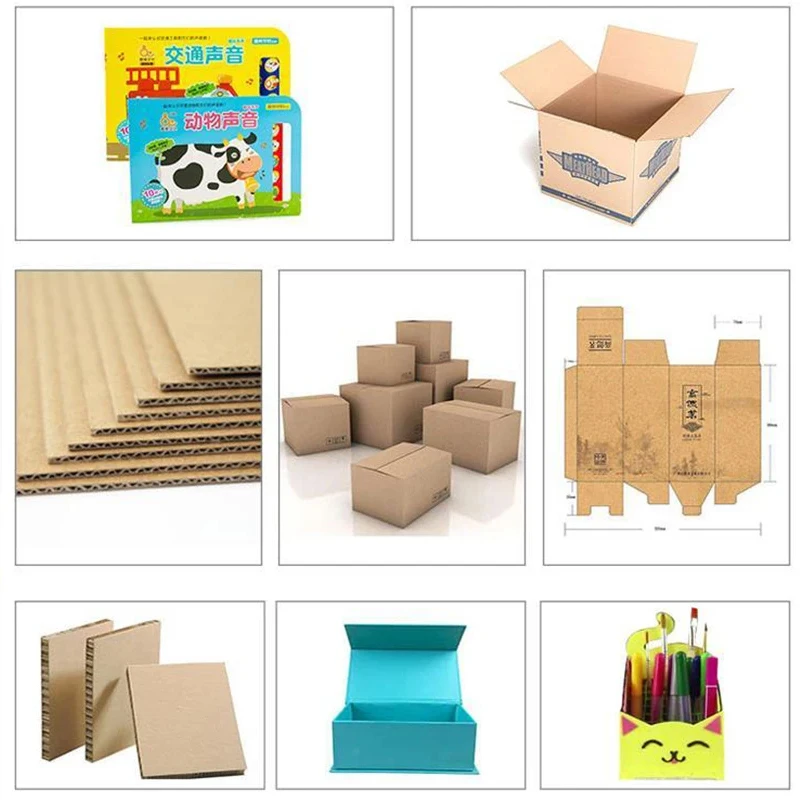
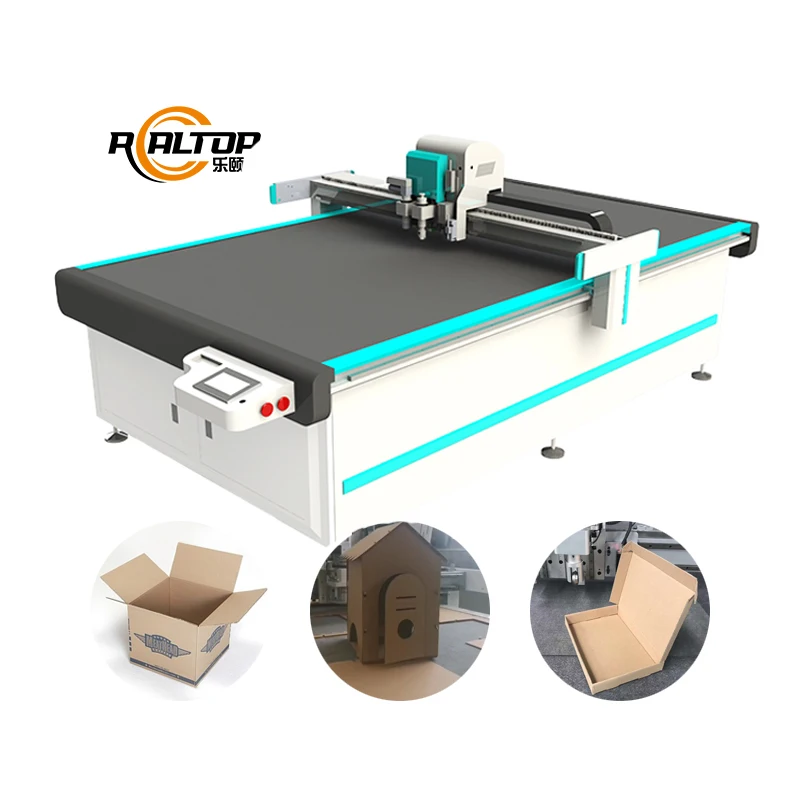
| Packaging carton sample making | Corrugated board, grey board, card stock up to working thickness limit |
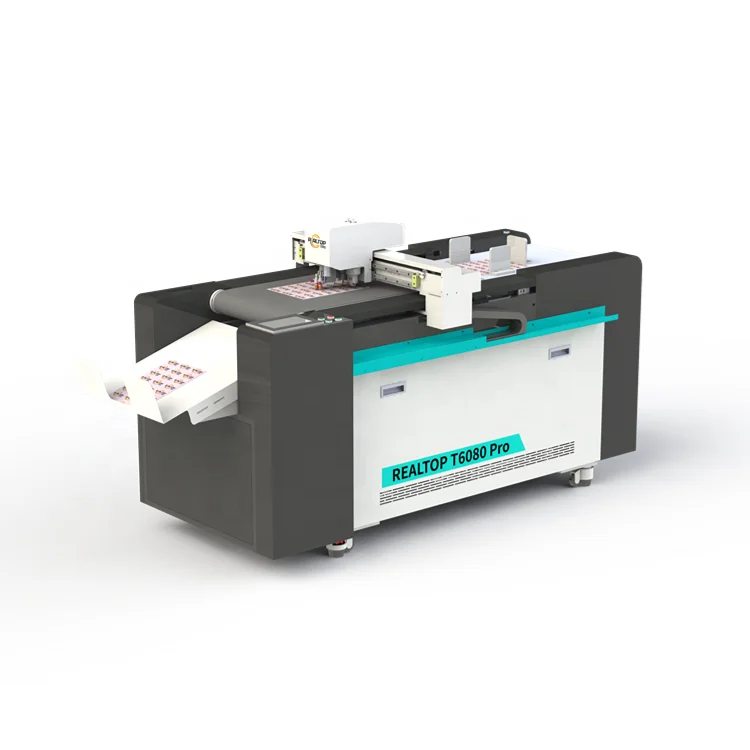
| Sticker and label production | Self-adhesive vinyl, PP paper, sticker sheets on release liner |
| Leather goods fabrication | Split leather, bonded leather, synthetic PU hides |
| Advertising and signage | PVC foam board, KT board, printed contour vinyl |
| Gasket and seal cutting | Non-asbestos fiber sheet, rubber compound, cork composite |
What "Working Area Only" Specifying Gets Wrong on a CNC Knife Cutting Machine
The cutting area tells you nothing about whether the toolhead, vacuum zoning and blade stroke can handle your actual material stack.
I once watched a buyer lose an entire batch of glass-fiber reinforced composite sheets because his machine had been specified purely by table size. The oscillating frequency and blade geometry were set for soft PVC, and the edge delamination was immediate. A CNC knife cutting machine manufacturer who does not ask for your material sample before quoting is guessing with your production budget. The wrong toolhead on a rigid composite will chip edges within hours, and the vacuum zones designed for large-format corrugated will let small gasket parts lift mid-cut [NEED_CITE: material-specific toolhead selection guidelines for oscillating knife systems].
Frame Build and Motion Accuracy on the Assembly Floor
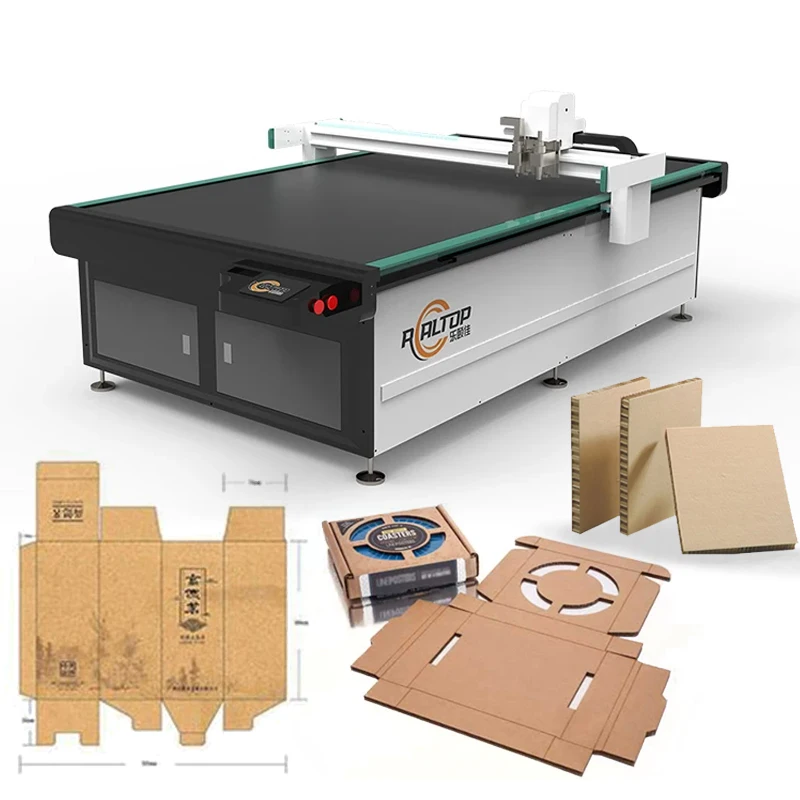
The RT–R2513 and its larger-format siblings use rack transmission paired with imported linear square guides to deliver <0.05 mm repeatability across the full working envelope. On our Jinan floor, I check rack-to-pinion backlash on every unit before sign-off because even minor play compounds across a 2500 mm travel and shows up as mismatched crease lines on carton samples. A CNC knife cutting machine lives or dies by how true the gantry tracks over long production runs.
Vacuum Zoning and the Small-Part Problem
The aluminum alloy honeycomb vacuum platform is divided into independently controlled zones, which matters most when nesting small sticker or gasket parts that lack the surface area to hold themselves flat under a single-zone pump. When a corner lifts at cutting speed, the oscillating knife snags and tears rather than shears. We map the buyer’s typical nest layout to the zone grid before finalizing the pump specification.
Reading the Spec Sheet Against Your Material Stack
Cutting thickness is listed at ≤18 mm, but that figure changes meaning depending on whether you run dense rubber gasket stock or soft foam. Rated power of 9 kW covers both the servo drives and the 7.5 kW vacuum pump option, so confirm the electrical draw for your site. The servo choice between Dongling and Delta affects torque delivery at high oscillation frequencies — harder composites demand the higher-torque option. Repeated accuracy of <0.05 mm holds only when the linear guides are free of particulate ingress; our assembly protocol includes sealed wiper blocks on each carriage. Software imports DXF, OLT, PDF and AI, but confirm your nesting workflow exports cleanly before the machine ships [NEED_CITE: file format interoperability standards in digital cutting workflows].
The Hidden Cost of Skipping the Sample Cut
Buyers who skip a material sample test often discover mid-production that the kiss-cut depth on their release liner is inconsistent across the bed, leaving either uncut bridges or scored backing paper. Wrong conveyor felt tension lets stretchy PU leather drift under the drag knife, ruining registration on printed contour work. These are not warranty claims — they are configuration mismatches that a pre-shipment sample cut would have exposed before the crate was nailed shut [NEED_CITE: pre-shipment sample testing protocols for industrial cutting equipment].
Why Source This CNC Knife Cutting Machine Here
In-house design covers both the welded frame and the motion system, so when a buyer needs a longer Z-axis stroke for thicker foam, the modification is engineered rather than bolted on. We run every RT–R2513, RT-D2516 and RT-S2516 through a factory test on the buyer’s own material before crating. Tool head selection — oscillating knife, creasing wheel, kiss-cut, round punch — is documented against the material data sheet, not left to the operator’s first day on the floor. Voltage, plug type and control language are locked in at order confirmation so the machine powers up correctly on arrival. Professional carton cutting software is licensed and tested against the buyer’s file formats before dispatch.
Documentation & Verification
- Machine specification sheet matching your confirmed toolhead and table configuration
- Electrical schematic with voltage and frequency locked to your facility supply
- Factory test record run on your material with measured edge quality and tolerance
- Software license and file format compatibility note for DXF, OLT, PDF, AI workflows
- Spare parts list covering oscillating blades, felt sections and vacuum pump consumables
- Packing photographs documenting crate condition before container loading
Installation, Commissioning & Support
- Confirm floor leveling within tolerance across the 3550×1910 mm footprint for RT–R2513
- Dedicated 380 V circuit with confirmed frequency before the servo drives energize
- Machine ships partially assembled; gantry and toolhead require on-site alignment
- First-run parameter tuning on your material thickness and cutting speed
- Operator training covers tool change, vacuum zone mapping and software nesting
- Ten oscillating blades included; reorder schedule based on your material abrasiveness
Preparing Your Inquiry
Share the exact material type, density and maximum thickness you plan to cut, along with your typical sheet dimensions and daily volume. Tell us your facility voltage and frequency, preferred control language, and whether your existing design files are in DXF, AI or another format. If you have printed contour work, send a sample print so we can verify CCD tracking feasibility before quoting.
Frequently Asked Questions
Q: How do I match the toolhead and cutting depth to my material?
A: Send us a sample of your actual material — type, thickness and density. We test oscillating knife stroke, blade angle and creasing wheel pressure on our floor, then document the configuration. This prevents the common mistake of using a soft-PVC setup on glass-fiber composites, which destroys blade edges and delaminates the sheet within hours.
Q: Will voltage, plug and control language be correct for my country?
A: We confirm voltage and frequency at order stage — 380 V at either 50 Hz or 60 Hz depending on your grid. Plug type and control panel language are locked in before assembly. The software interface and manuals are set to your chosen language so operators can work from day one without translation delays.
Q: Is CCD contour recognition available for printed mark tracking?
A: CCD camera positioning is available as a configuration option for printed contour cutting on stickers, labels and signage vinyl. We verify mark contrast and camera read speed against your actual print file before shipment, ensuring the system tracks accurately at production speed rather than only during slow test passes.
Q: Will the vacuum table hold small nested parts flat?
A: The honeycomb platform uses zoned suction, meaning the bed is divided into independently valved sections. We map your typical nest layout to confirm enough zones activate under your smallest parts. This prevents corner lift that causes the oscillating knife to snag instead of shearing cleanly through the material.
Q: How do I arrange a sample cut on my own material?
A: Ship us a roll or sheet batch of your production material. We run it through the configured toolhead, measure edge quality, cutting depth consistency and cycle time, then send you a sample cutting report with photographs and the cut pieces. You evaluate results before committing to the order.
You may also like

商品评价
Clear filtersThere are no reviews yet.