


-
 Courier delivery
-
 DHL Courier delivery
-
 Warranty 1 year
-
 Free 30-Day returns

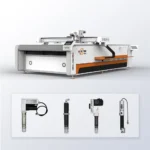
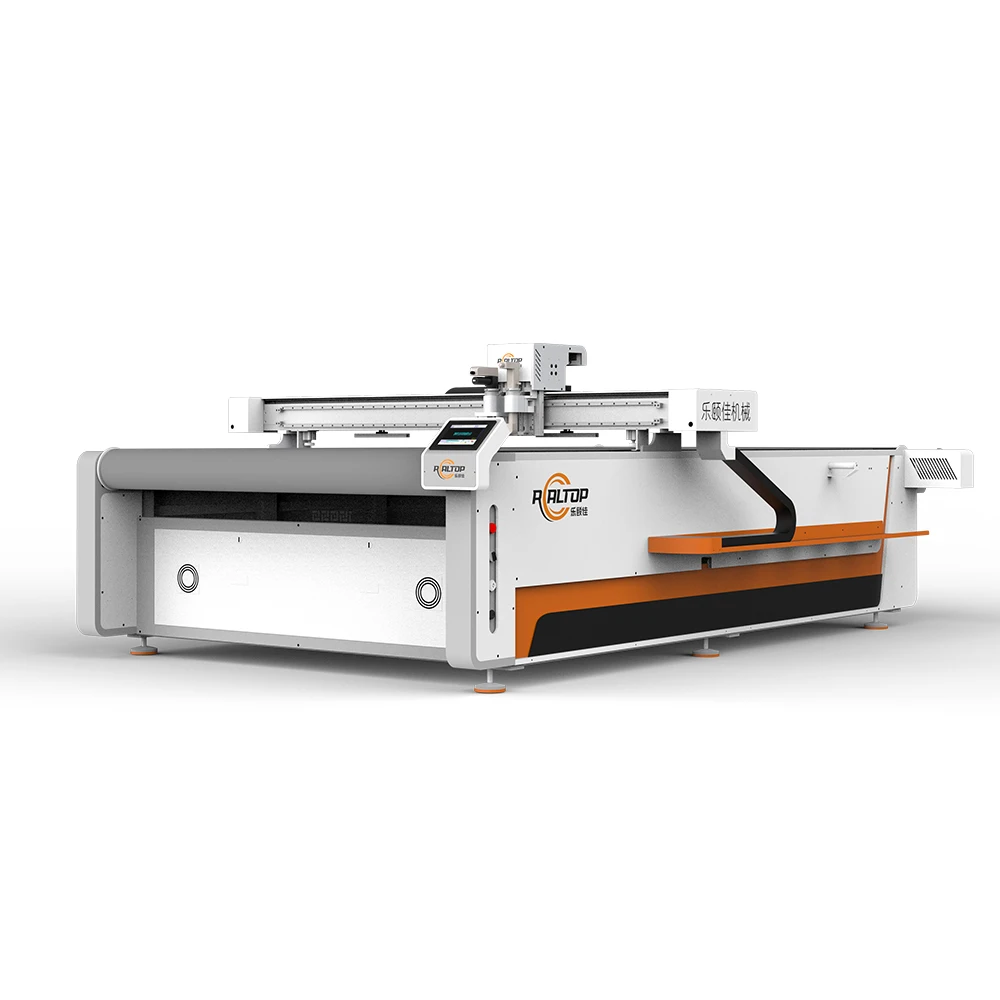
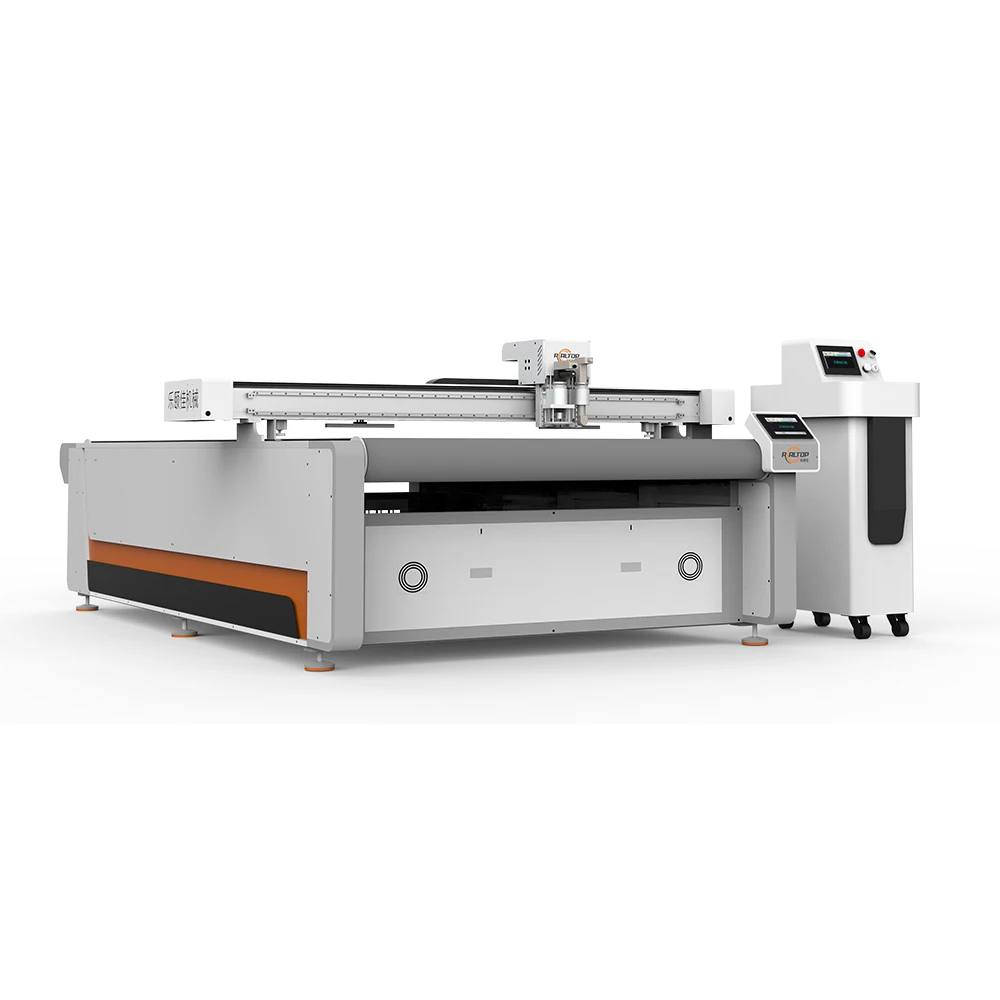
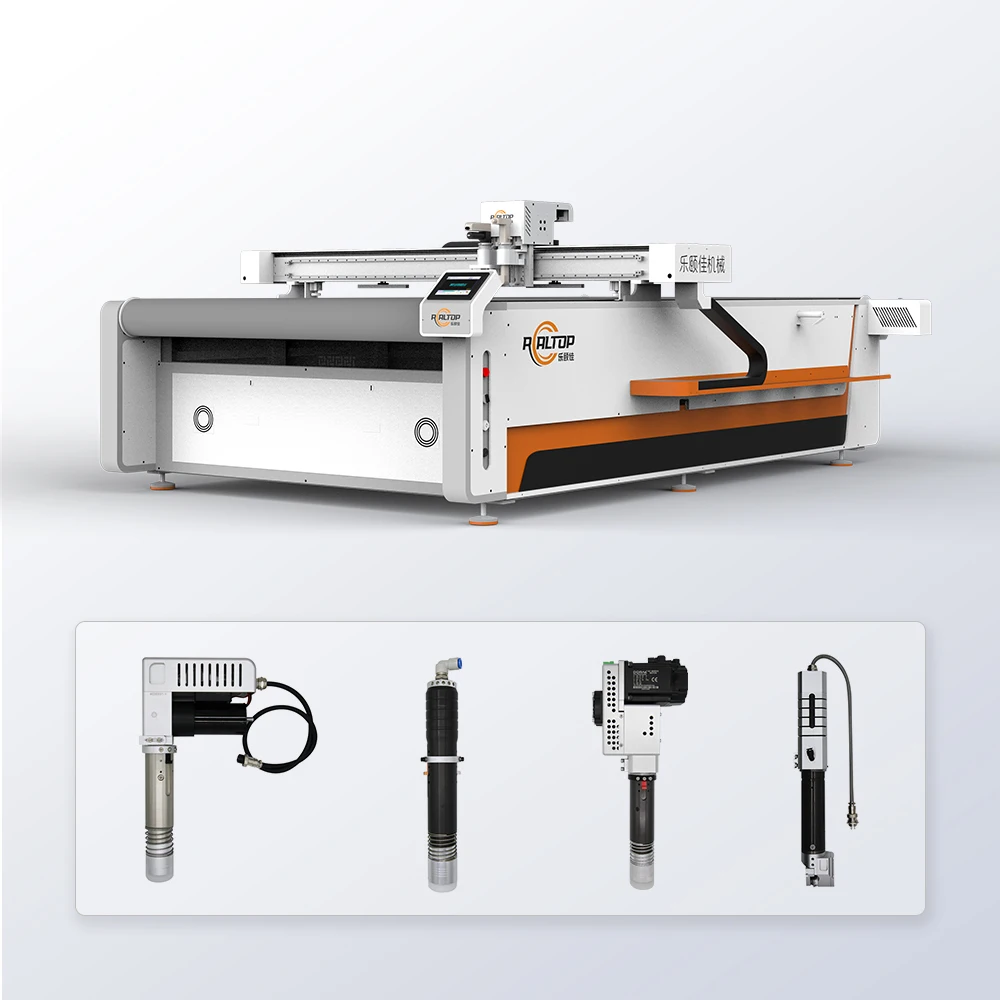
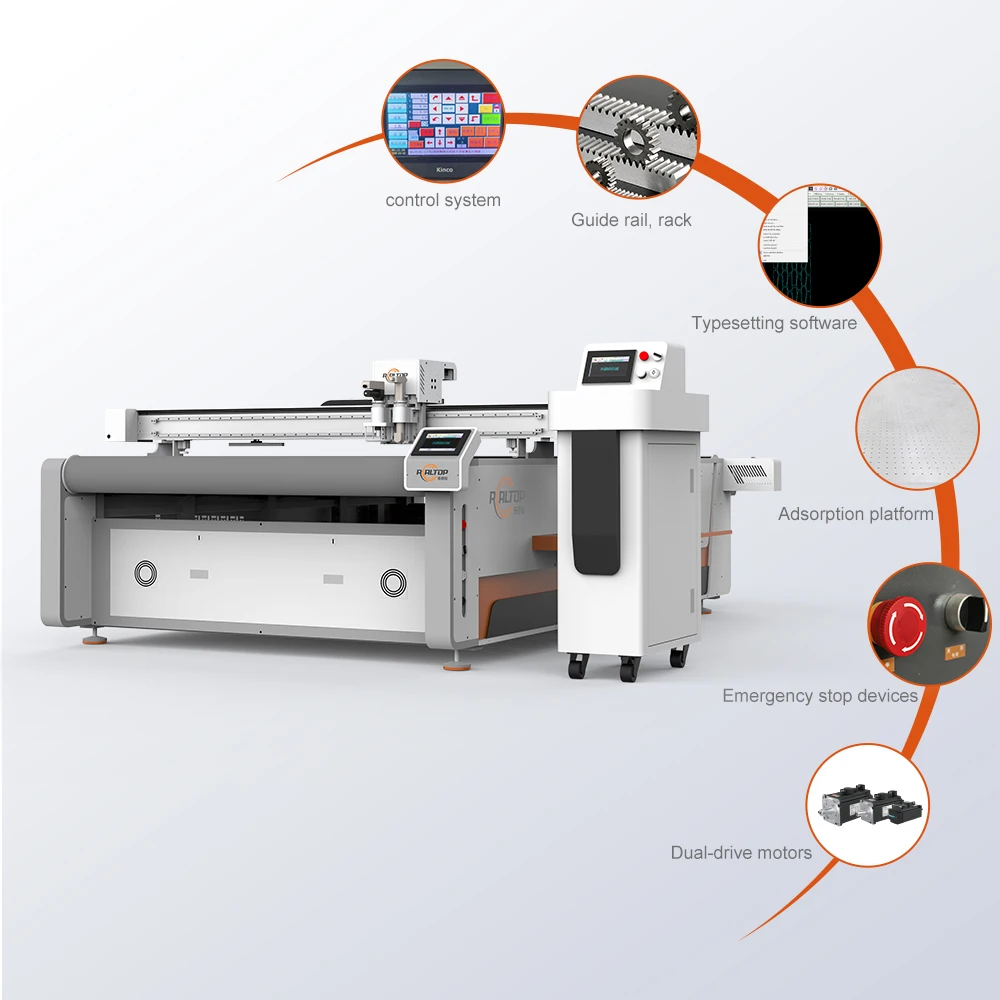
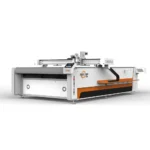
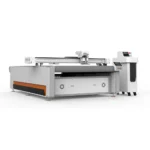
Integrated Tooling and Motion Design — the 1625 platform engineers both the knife head array and the gantry drive as a single system, so cutting force, vacuum holding, and servo response are matched to your fabric weight and ply count from day one.
Technical Specifications
| Parameter | Value |
|---|---|
| Product Type | CNC Oscillating Knife Cutting Machine |
| Working Area | 1600 × 2500 mm |
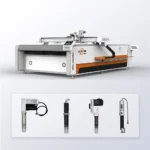
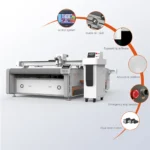
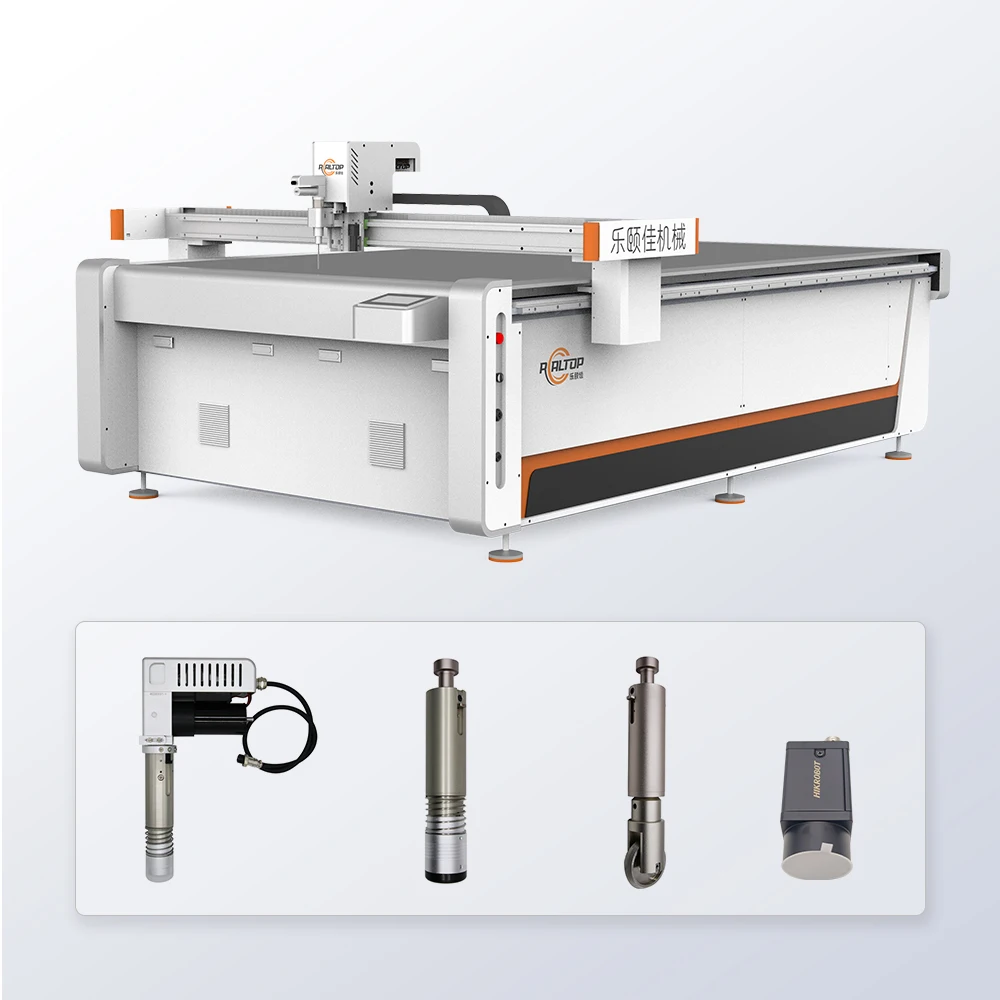
| Tool Head Options | Oscillating knife, Driven rotary knife, Creasing wheel, Kiss cutting tool, Pneumatic knife, Milling tool, V-groove knife |
| Cutting Speed | 0–2000 mm/s |
| Maximum Cutting Thickness | ≤ 30 mm |
| Cutting Accuracy | ± 0.1 mm |
| Repeat Positioning Accuracy | ± 0.1 mm |
| Vacuum Table | Aluminum bellows vacuum table |
| Vacuum Pump | 9 kW |
| Control System | PLC control panel |
| Servo Drive Options | Panasonic, Delta, Dorna (source value — verify against manufacturer catalog) |
| Voltage Options | 110V, 220V, 380V (configurable) |
| Language Options | English, Russian, Italian, Chinese (customizable) |
| Compatible File Formats | PLT, DXF, AI, PDF |
| Safety Devices | Infrared sensor, Emergency stop |
| Machine Dimensions | 3300 × 2100 × 1350 mm |
| Software Feature | Dedicated packaging box structure design software |
| Multi-layer Cutting | up to 30–50 mm (basis not stated in source — confirm material type and layer count) |
| CE Certification | Applicable (verify certificate scope) |
Application Suitability
| Application | Material or Output |
|---|---|
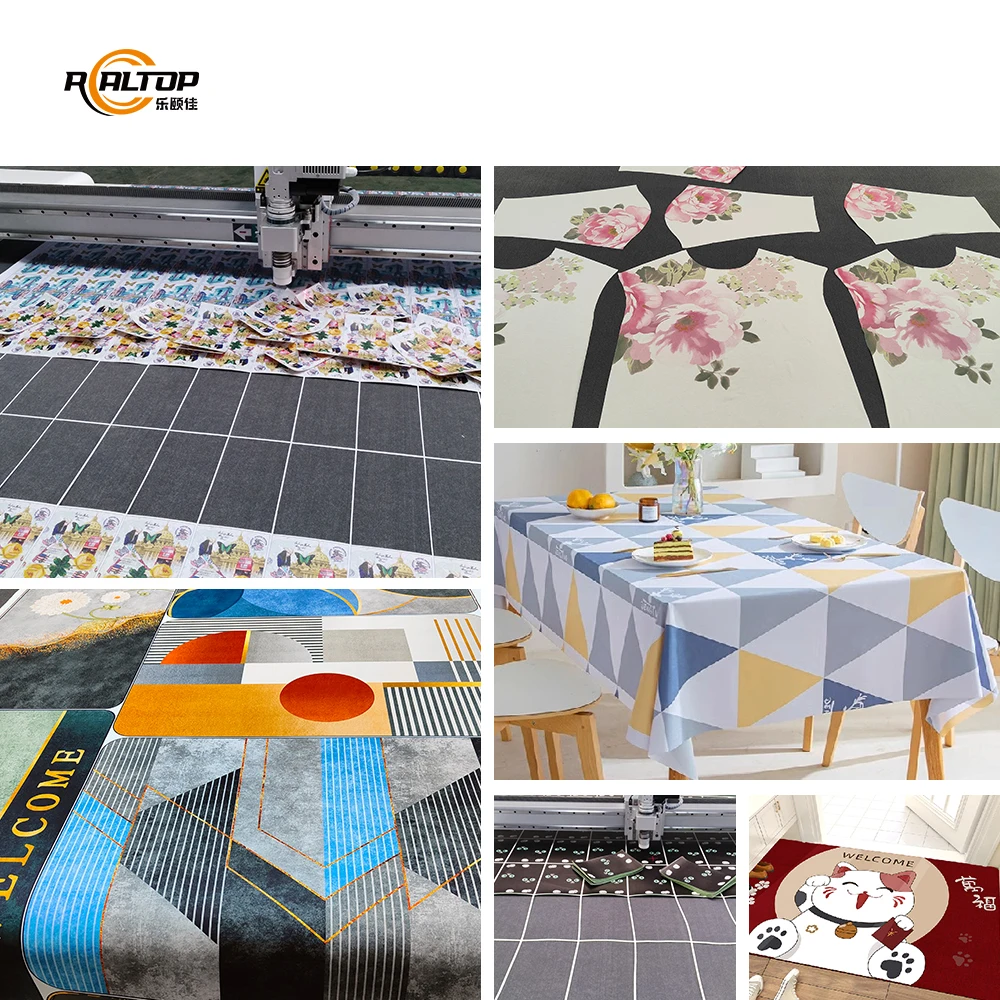
| Apparel Manufacturing | Suits, knitwear, lace, complex woven and technical fabrics |
| Automotive Interiors | Seat fabrics, carpets, PVC floor mats, headliner textiles |
| Home Textiles | Sofa upholstery fabrics, curtain panels, area rugs |
| Composite Processing | Carbon fiber prepreg, aramid weaves, specialty laminates |
What a Working-Area Number Hides About Your Fabric
A 1600 × 2500 mm bed tells you nothing about how the machine holds a five-ply stack of slippery lycra at 2000 mm/s.
I spent weeks in a Santiago sportswear plant watching a cutter drift off registration marks because the vacuum zones were sized for rigid board, not lightweight knits. The buyer had chosen the machine on table dimensions and price alone. When production started, small pattern pieces lifted, the oscillating knife caught an edge, and entire lays were scrapped. That kind of loss repeats every shift until the vacuum zoning and tool head are re-specified for the actual material. The 1625 is configured around the fabric, ply count, and daily cut volume before the machine is built [NEED_CITE: vacuum holding requirements for multi-layer textile cutting].
How the 1625 Holds Multi-Ply Fabric Without Drift
The aluminum bellows vacuum table delivers full-surface adsorption across the 1600 × 2500 mm working area, rather than relying on a few large zones that lose grip on small pattern pieces. When you cut nested garment panels from multi-layer knits, the vacuum must keep every ply flat under the oscillating knife at speeds up to 2000 mm/s. The table flatness is precision-ground so that even thin, slippery fabrics stay registered throughout the cutting cycle. This matters most when the nesting software places small collar or cuff pieces between larger body panels — each piece must hold independently.
Matching the Knife Tool to the Fabric Edge Requirement
An oscillating knife handles woven and non-woven fabrics with a clean shear cut, while a driven rotary knife suits continuous long cuts on knits where a dragging blade would pull the weave. The 1625 platform allows up to seven tool options — including creasing wheel, kiss cutting, pneumatic knife, milling, and V-groove — so the configuration is chosen per material and edge standard. A CNC oscillating knife cutting machine manufacturer that forces one tool head across every textile job will leave you with frayed edges on technical fabrics or crushed pile on plush materials [NEED_CITE: edge quality standards in garment and automotive textile cutting].
Reading the Specs That Actually Affect Your Output
Cutting accuracy at ± 0.1 mm and repeat positioning accuracy at ± 0.1 mm define how well the machine returns to the same coordinate across thousands of cycles. In garment production, this determines whether a notch mark aligns with its corresponding notch on the mating panel after sewing. The 9 kW vacuum pump must be paired with correct table zoning — undersized pump capacity on a large table causes partial loss of suction, and small pieces lift mid-cut. File format compatibility with PLT, DXF, AI, and PDF means your existing nesting workflow imports directly without conversion through intermediate software that can distort curves. Voltage configurability across 110V, 220V, and 380V ensures the servo drives receive stable power at your facility’s frequency [NEED_CITE: voltage and frequency standards by export market].
The Cost of a Configuration Chosen After Delivery
Selecting the wrong tool head after the machine arrives means weeks of compromised edge quality before a replacement head is sourced and shipped. A vacuum table specified without proper zoning forces operators to tape small pieces down by hand, slowing every lay and introducing registration errors. Voltage mismatches — like running a 380V/50Hz machine on a 220V/60Hz supply without a correctly rated transformer — can stall production entirely while the correct electrical infrastructure is arranged. I have seen machines sit idle for weeks because the buyer’s local supply was never confirmed on the electrical schematic before shipment [NEED_CITE: industrial electrical compatibility in Latin American manufacturing].
Why This Build Approach Works for Textile Buyers
In-house design covering both the knife tooling and the gantry motion system means the cutting force and servo response are tuned together, not assembled from unrelated components. Tool head and table configuration is specified per fabric type, ply count, and daily volume rather than offered as a generic package. Sample cutting on your own material is completed before you commit, confirming edge quality, cutting depth, and vacuum holding under real conditions. The PLC control panel supports multiple display languages and imports your existing nesting files, so operator training stays short. Voltage, plug type, and control interface language are confirmed on the electrical schematic and signed off before production begins.
Documentation & Verification
- Machine specification sheet listing every tool head and vacuum zone confirmed for your fabric
- Electrical schematic with voltage, frequency, and plug type signed before build
- Tool head and table configuration list matched to your material and ply count
- Sample cutting report on your fabric showing edge quality and dimensional accuracy
- Software licence and file format compatibility note for PLT, DXF, AI, PDF
- Factory test record documenting repeatability and vacuum holding before dispatch
Installation, Commissioning & Support
- Requires level floor space for the 3300 × 2100 × 1350 mm machine footprint with clearance for material loading
- Dedicated electrical circuit matching confirmed voltage (110V, 220V, or 380V) and frequency
- Vacuum pump 9 kW circuit must be separately protected to avoid servo drive interference
- PLC control panel configured in your chosen language before first power-on
- Initial calibration of oscillating knife depth against your specific fabric stack
- Spare oscillating knife blades and rotary knife consumables stocked at your site
- Vacuum table bellows inspected at scheduled intervals to maintain flatness
What to Include in Your Enquiry
Send your primary fabric types with weight per square meter and maximum ply count you plan to cut. Specify your workshop voltage, frequency, and the plug standard in your country. Note the display language your operators require and confirm which file formats your nesting software outputs.
Frequently Asked Questions
Q: How is the correct tool head selected for my fabric type and thickness?
A: We review your material samples — including weight, weave or knit structure, and ply count — then recommend from oscillating knife, driven rotary knife, pneumatic knife, or other available tools. A sample cut on your own fabric confirms edge quality and cutting speed before the configuration is locked into your order.
Q: What voltage and plug type are confirmed before shipment?
A: Your facility voltage (110V, 220V, or 380V), frequency, and local plug standard are confirmed on the electrical schematic before production. This prevents the situation where a machine arrives and cannot be powered without sourcing an external transformer, which can delay commissioning by weeks.
Q: Can the machine import my existing nesting files directly?
A: The system accepts PLT, DXF, AI, and PDF formats. We verify file import compatibility during the pre-order sample process using your actual nesting output, so you confirm your workflow transfers without curve distortion or missing layers before the machine is built.
Q: How does vacuum zoning prevent small fabric pieces from lifting?
A: The aluminum bellows vacuum table is divided into zones that can be activated independently. When your nesting layout includes small pattern pieces, only the relevant zones draw suction, maintaining full holding force across the active area rather than spreading suction across the entire 1600 × 2500 mm surface.
Q: What does the sample cutting process involve before I place an order?
A: You send your fabric — or we source a representative sample — and we cut it on the 1625 using the tool head and vacuum configuration proposed for your order. The sample cutting report documents edge quality, dimensional accuracy, and cutting speed, giving you physical evidence before commitment.
You may also like

商品评价
Clear filtersThere are no reviews yet.