






-
 Courier delivery
-
 DHL Courier delivery
-
 Warranty 1 year
-
 Free 30-Day returns

In-house cutting technology matching — we pair oscillating knife or laser to your fabric, leather or composite material instead of forcing one method across every production job.
Technical Specifications
| Parameter | Value |
|---|---|
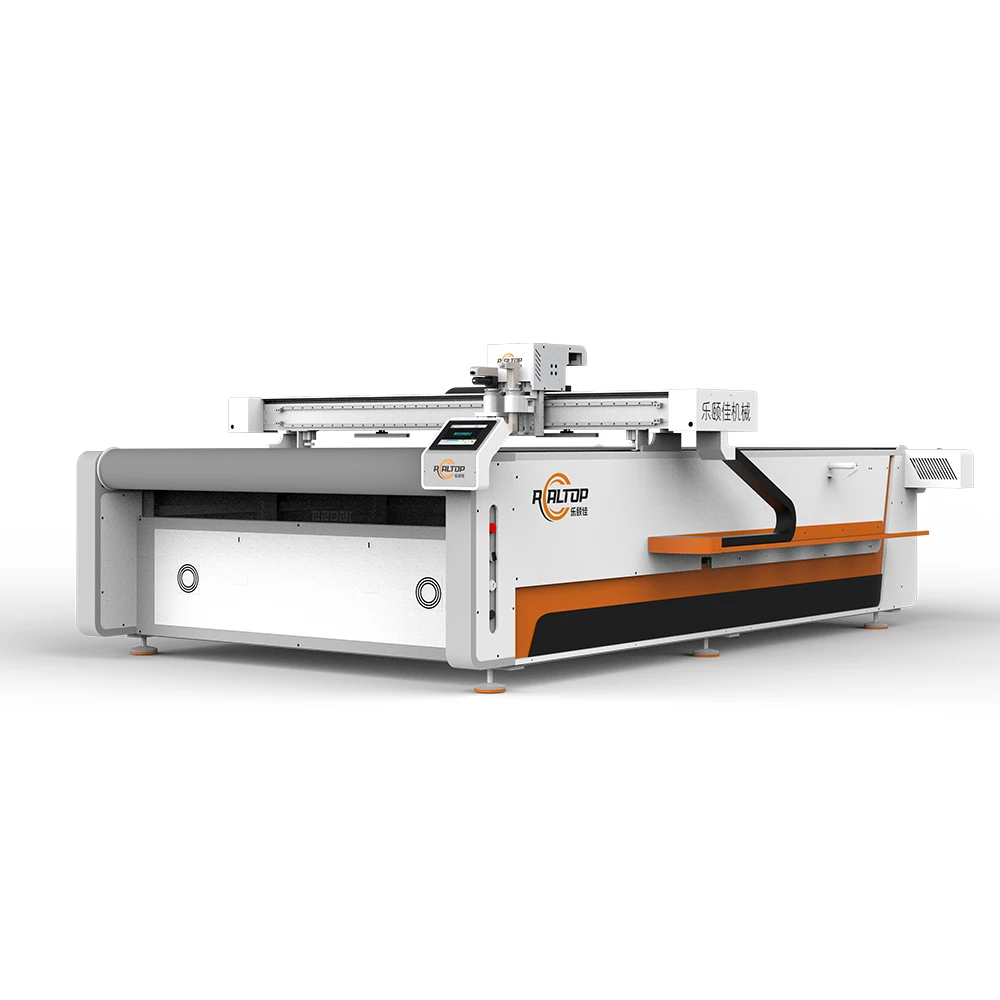
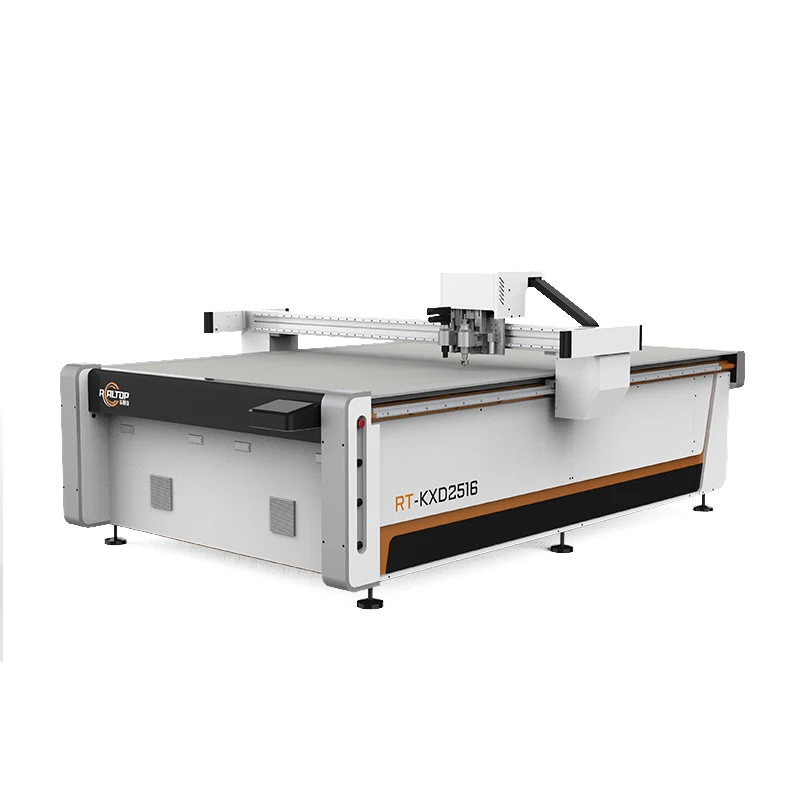
| Model | RT-D2516 / RT-S2516 |
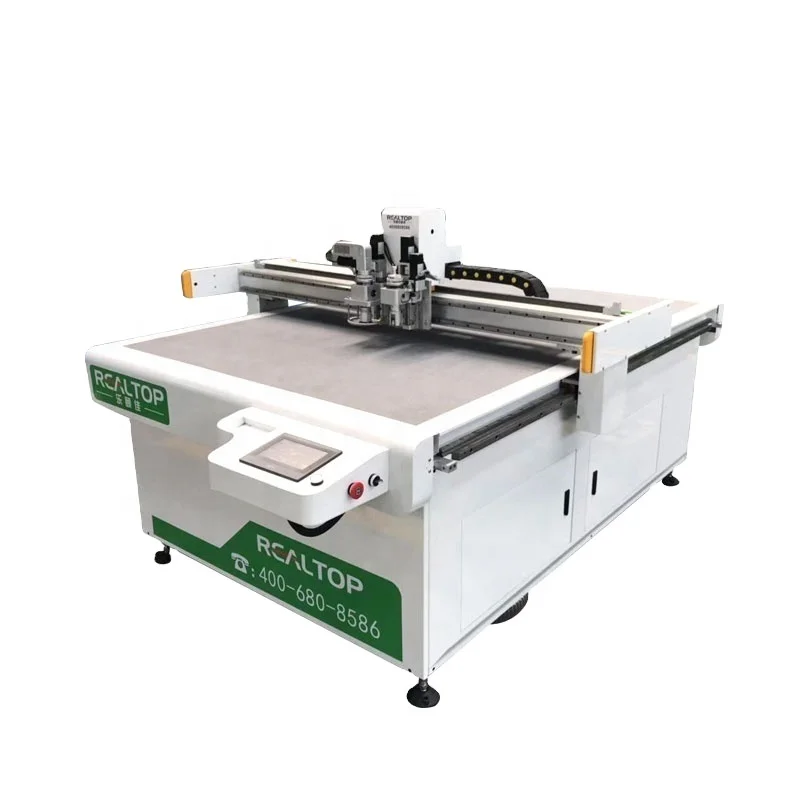
| Product Type | CNC Digital Cutting Machine |
| Working Area | 1600 × 2500 mm |
| Machine Size | 3450 × 2300 × 1250 mm |
| Rated Power | 9 kW |
| Table Options | Flat working table / Auto feeding table |
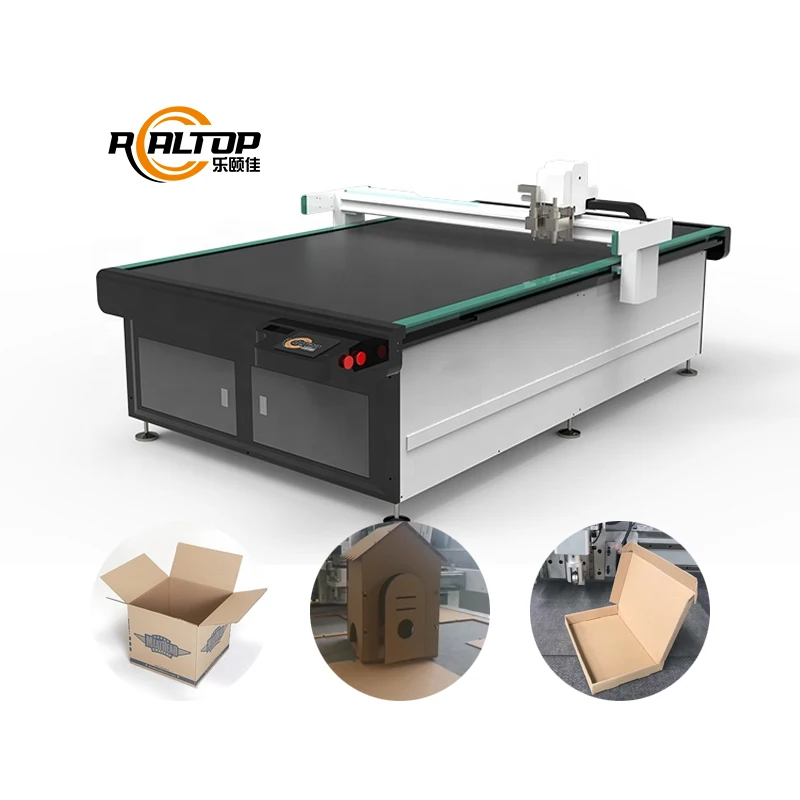
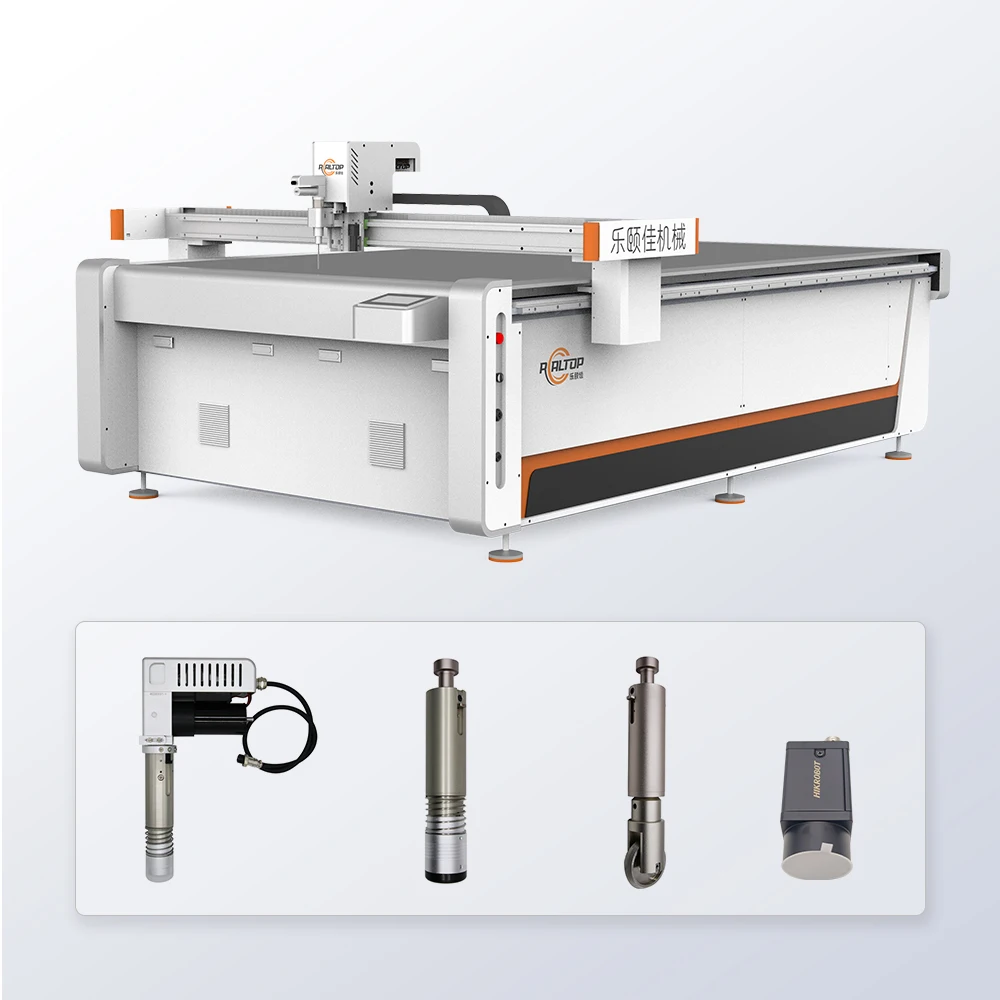
| Multifunctional Head | Swiss imported knife with vibration full cutting, vibration half cutting, and cursor location |
| Safety Device | Infrared sensors, responsive emergency stop |
| Translational Velocity | 800–2000 mm/s |
| Cutting Speed | 200–800 mm/s (varies according to different cutting materials) |
| Repeated Accuracy | ≤0.1 mm |
| Transmission System | Digital servo motor, linear guide, synchronous belt, ball screw (imported) |
| Instruction System | HP-GL compatible format |
| Voltage | 380V ±10% |
| Vacuum Platform | Aluminum air box adsorption platform (integrated or split box) |
| Vacuum Pump | 7.5 kW |
| Conveyor Belt | Germany imported |
| Servo Motor Option | Made in China / Made in Japan |
| Control Panel | Touch screen with multiple language support |
| Software | Auto typesetting, supports PLT, DXF, AI formats |
| Cutting Thickness | ≤100 mm (varies with the material) |
| Standards | CE or other certifications — verify with manufacturer |
Application Suitability
| Application | Material or Output |
|---|---|
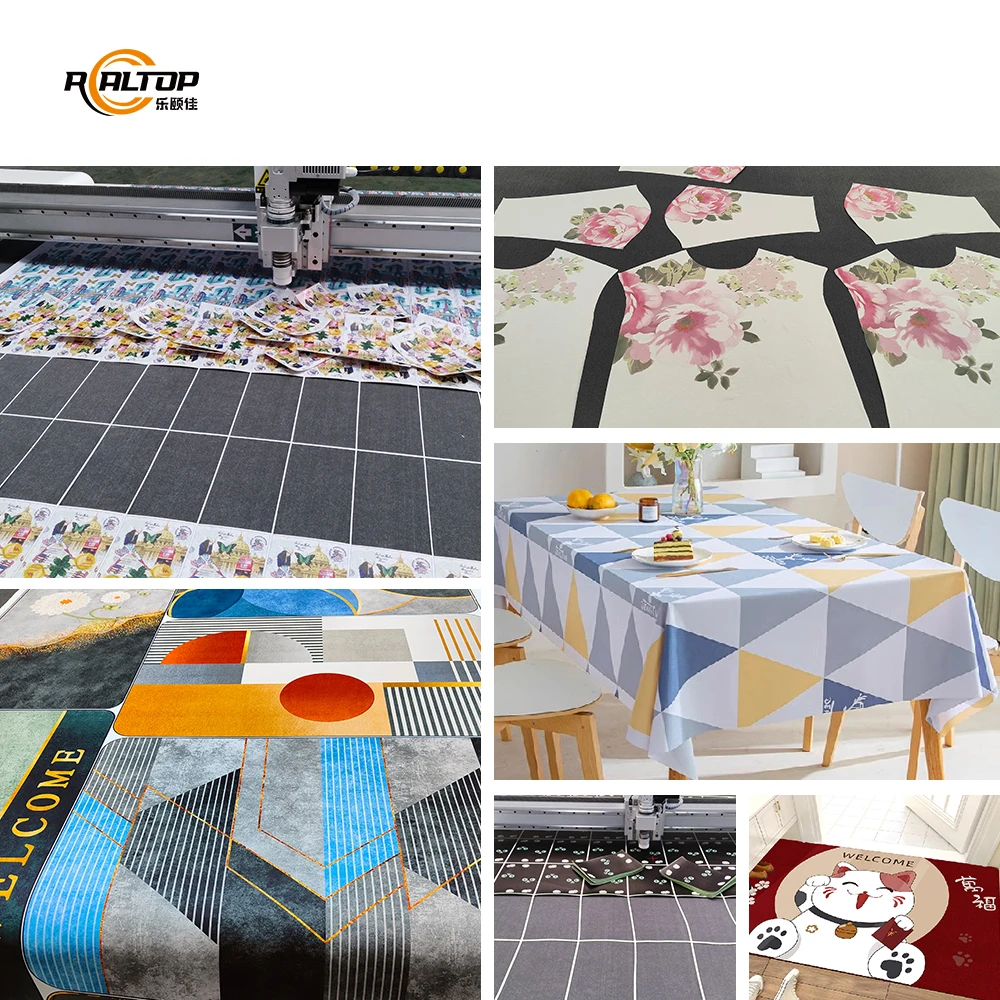
| Garment and footwear cutting | Fabric, clothing cloth, shoe material, luggage material, non-woven fabric |
| Automotive interior and gasket production | Sponge composite leather, PU, EVA, XPE, gasket material |
| Soft home furnishing and carpet processing | Carpet, sponge, upholstery fabric, textile |
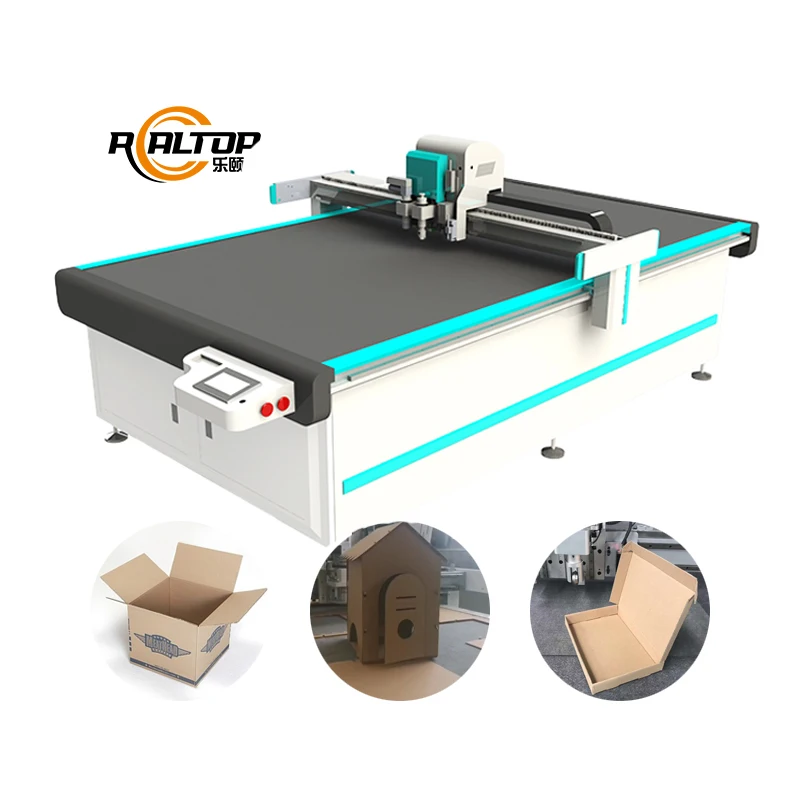
| Advertising, signage and packaging | PVC sheet, sticker, film, corrugated cardboard, plastic box |
| Sports and outdoor goods | Soft glass, silicon, rubber, composite materials |
| Industrial sealing and insulation | PTFE, ETFE, fiberglass, carbon fiber, rubber |
Why "Cutting Thickness ≤100 mm" Is Not the Whole Story
Real cutting depth depends on your exact material density, layer count, and knife pressure — not a single spec-sheet number.
A buyer once sent us a data sheet from another CNC digital cutting machine manufacturer showing 100 mm maximum thickness. When the machine arrived, it struggled to cleanly cut through 20 mm of multi-layer waterproof composite fabric because the vacuum hold-down was undersized and the vibration frequency was wrong for that material stiffness [NEED_CITE: material density and compression behavior under oscillating knife cutting]. The cutting speed figure of 200–800 mm/s also shifts depending on whether you are slicing a single layer of cotton or driving through stacked technical textiles. We run your actual material on our RT-D2516 or RT-S2516 before any order is confirmed so you see the edge quality and cycle time in front of you.
Knife Configuration Matched to Fabric Behavior
The Swiss imported knife head on this CNC digital cutting machine supports both vibration full cutting and half cutting, giving operators flexibility when switching between through-cutting heavy canvas and kiss-cutting adhesive-backed vinyl. Vibration frequency and stroke length are adjusted per material — a stiff carbon fiber prepreg requires a different oscillation profile than a soft sponge composite. The cursor location function lets the operator verify registration points before committing to a full sheet run. This matters when you process short runs of varied materials across the same shift.
Vacuum Adsorption That Actually Holds Small Parts Down
The aluminum air box platform is available in integrated or split box zoning. Split zoning directs suction only to the area under the cutting head, which keeps small garment pattern pieces from lifting when the knife exits a cut [NEED_CITE: vacuum table zoning principles for CNC flatbed cutting]. The 7.5 kW vacuum pump paired with the Germany imported conveyor belt on the auto-feeding RT-S2516 variant maintains consistent hold-down even as the belt advances material through the 1600 × 2500 mm working area. For lightweight non-woven fabric, reduced vacuum zones prevent the material from puckering around the knife path.
What the Drive System Numbers Mean for Your Cut Quality
The repeated accuracy of ≤0.1 mm comes from the combination of imported linear guides, ball screws, and synchronous belts driven by digital servo motors. When cutting nested garment panels, this tolerance keeps pattern pieces within sewing allowances across the entire 1600 × 2500 mm bed. The Delta servo motor option handles rapid directional changes during intricate shoe upper contours, while the Japan-sourced servo option suits buyers who prefer established motion control supply chains in their local service network. Both options maintain the 800–2000 mm/s translational velocity needed to reposition between nested parts without sacrificing the 200–800 mm/s cutting speed range. The Taiwan Hiwin rail contributes to long-term geometric stability as the machine cycles through thousands of cutting hours.
The Cost of Specifying a Machine on Working Area Alone
Choosing a CNC oscillating knife cutting table based only on bed size leads to problems downstream. A machine with adequate area but insufficient vacuum pump capacity will let small gasket parts shift mid-cut, producing scrap. Buyers who skip the material trial often discover that the standard knife holder deflects under the lateral load of dense composite leather, leaving ragged edges on curves [NEED_CITE: tool deflection in oscillating knife cutting of dense composites]. Wrong tool head selection for the material produces crushed foam or frayed textile edges that require secondary trimming. Voltage mismatches discovered after shipment mean weeks of downtime while transformers are sourced locally.
Why Procurement Teams Source the RT-D2516 / RT-S2516 Here
Our design team engineers both knife and laser cutting systems in-house, so we recommend the right cutting method for your material rather than pushing a single technology. Every RT-D2516 and RT-S2516 leaves our Jinan factory with a tool head and table configuration matched to your specific fabric or composite stock. We confirm CCD camera positioning, software file compatibility, and multi-language control settings before production starts. Sample cutting on your actual material is standard practice — not an optional extra. Voltage, plug type, and control panel language are locked in at the quotation stage so the machine connects and runs on arrival.
Documentation & Verification
- Machine specification sheet listing your confirmed tool head and table configuration
- Electrical schematic with voltage and frequency validated for your market
- Sample cutting report on your own fabric or composite material with edge quality photos
- Factory test record documenting repeated accuracy and cutting speed on your material
- Software licence and file format compatibility note covering PLT, DXF, and AI imports
- Operation and maintenance manual in your selected control language
Installation, Commissioning & Support
- Foundation leveling for the 3450 × 2300 × 1250 mm frame with anchor bolt specifications provided
- Dedicated 380V ±10% circuit with breaker sizing matched to the 9 kW rated load and 7.5 kW vacuum pump
- Auto-feeding conveyor belt tensioning and tracking adjustment during on-site commissioning
- Touch screen language setup and auto typesetting software configuration for your PLT, DXF, or AI workflow
- Operator training on vibration full cutting and half switching for your specific material stack
- Spare knife blades and vacuum belt sections identified in the shipped spare parts list
What We Need From You to Build the Right Configuration
Send us your actual material samples with thickness, layer count, and daily volume targets. Tell us your workshop voltage and frequency, preferred control language, and whether you need the flat table or auto-feeding variant. If you already run nesting software upstream, share a sample file so we verify format compatibility on the auto typesetting system before we quote.
Frequently Asked Questions
Q: How is cutting thickness verified for my specific material and what is the basis for the stated capacity?
A: The ≤100 mm figure is a general range — actual depth depends on material density, stiffness, and layer structure. We cut your real material sample on the RT-D2516 or RT-S2516 before order confirmation, documenting edge quality, achievable speed, and required knife pressure in a written sample cutting report.
Q: What tool head options are available and how do you select the right one for my material?
A: The machine supports vibration full cutting, vibration half cutting, and cursor location using a Swiss imported knife. We select blade type, oscillation frequency, and stroke based on your material test results — dense composites need different settings than soft sponges or woven textiles.
Q: Can voltage, plug type, and control language be customized for my market?
A: Yes. The standard voltage is 380V ±10%, and we confirm your local supply specifications before production. Plug type, touch screen language, and software interface language are locked in during the quotation stage to avoid post-delivery delays.
Q: What is the OEM capability and customization range for working area and configuration?
A: The RT-D2516 and RT-S2516 are produced in our own Jinan factory with in-house design capability. We adjust table configuration, vacuum zoning, servo motor origin, and feeding system to match your production workflow and material range.
Q: How do you ensure build quality and what factory testing is performed before shipment?
A: Every unit undergoes a full factory test including repeated accuracy verification across the 1600 × 2500 mm bed, vacuum hold-down validation, and cutting runs on your material. A signed test record and packing photographs are shared before dispatch.
You may also like

商品评价
Clear filtersThere are no reviews yet.