


-
 Courier delivery
-
 DHL Courier delivery
-
 Warranty 1 year
-
 Free 30-Day returns

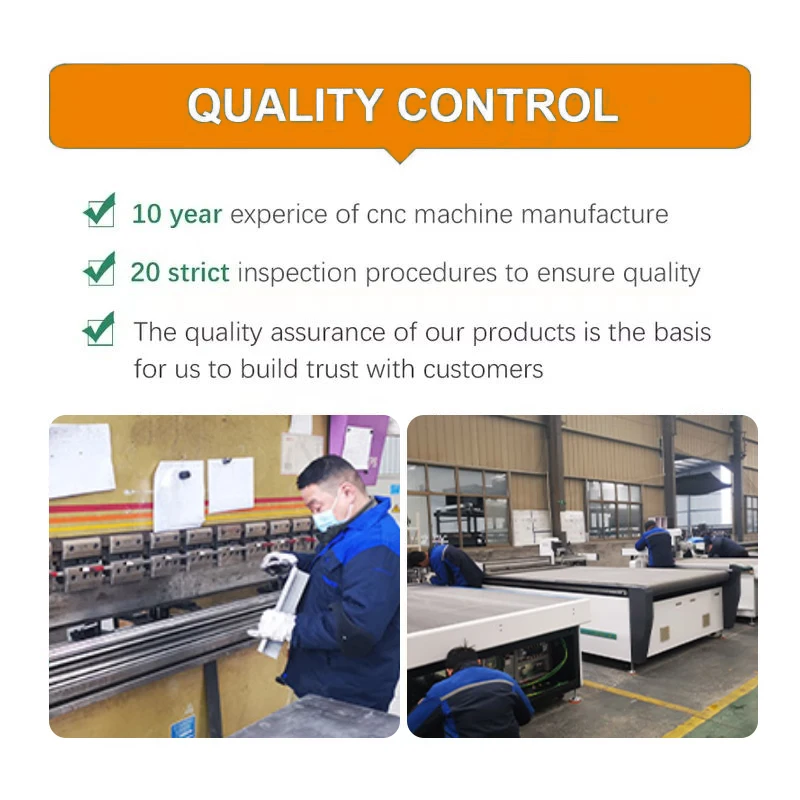
OEM capability backed by core factory production — Realtop CNC knife cutting machine manufacturer handling brand-specific builds from frame welding to final electrical sign-off, not a trading desk forwarding catalog pages.
Technical Specifications
| Parameter | Value |
|---|---|
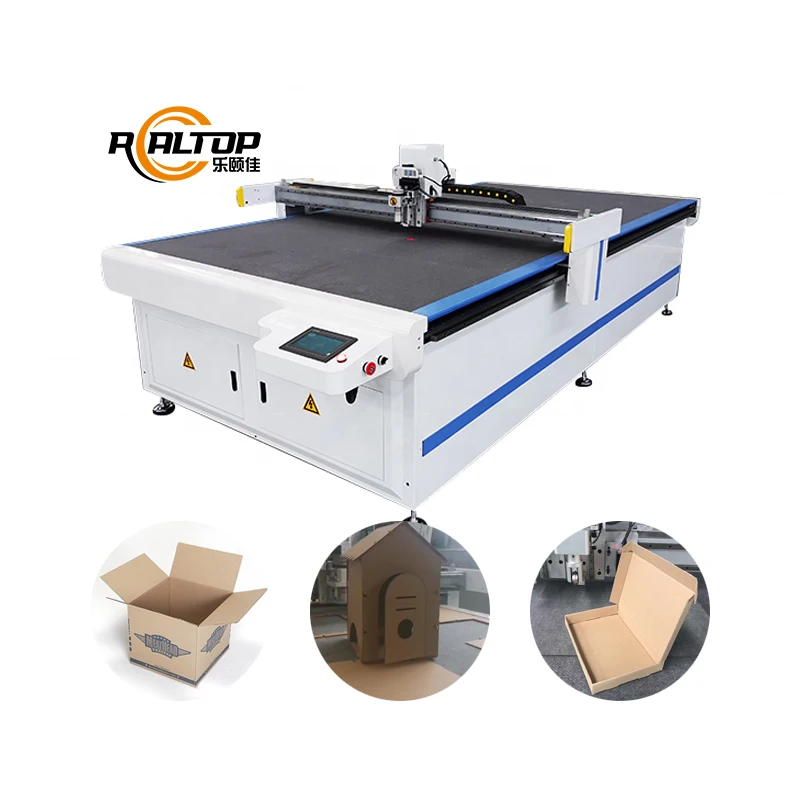
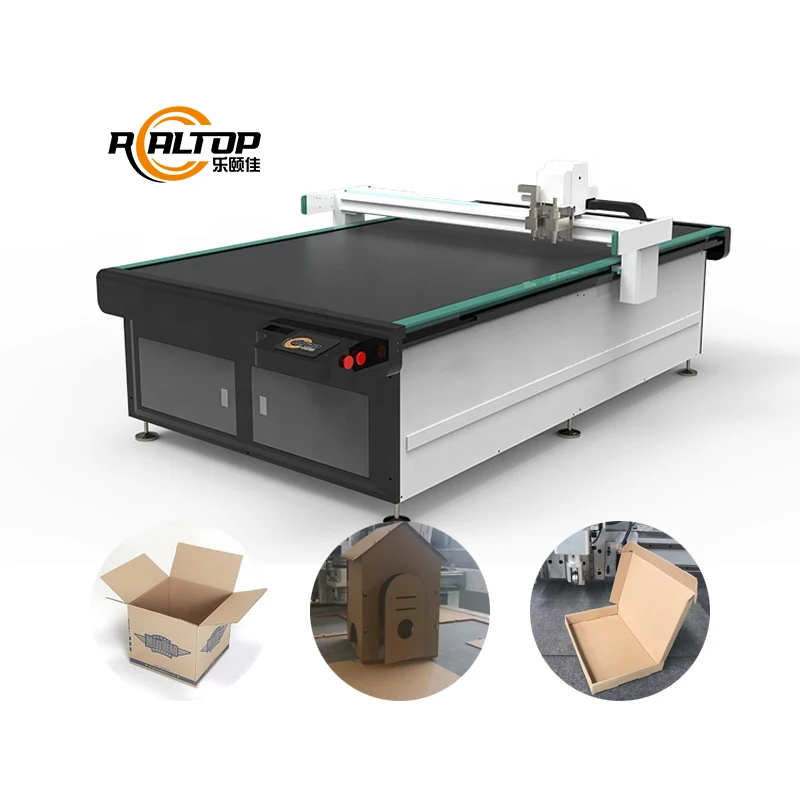
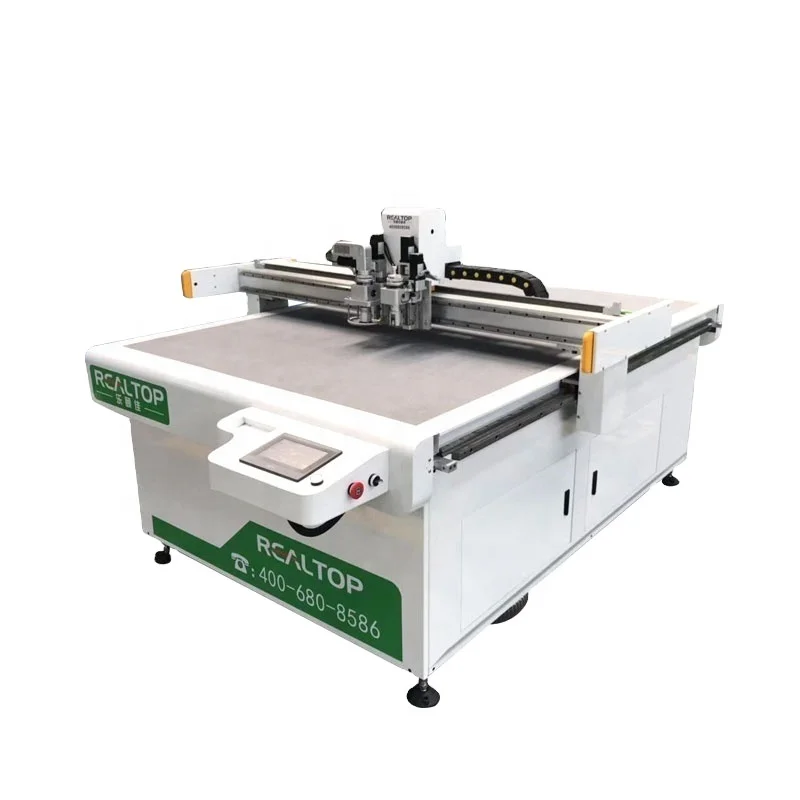
| Model | RT-D2516/RT-S2516 |
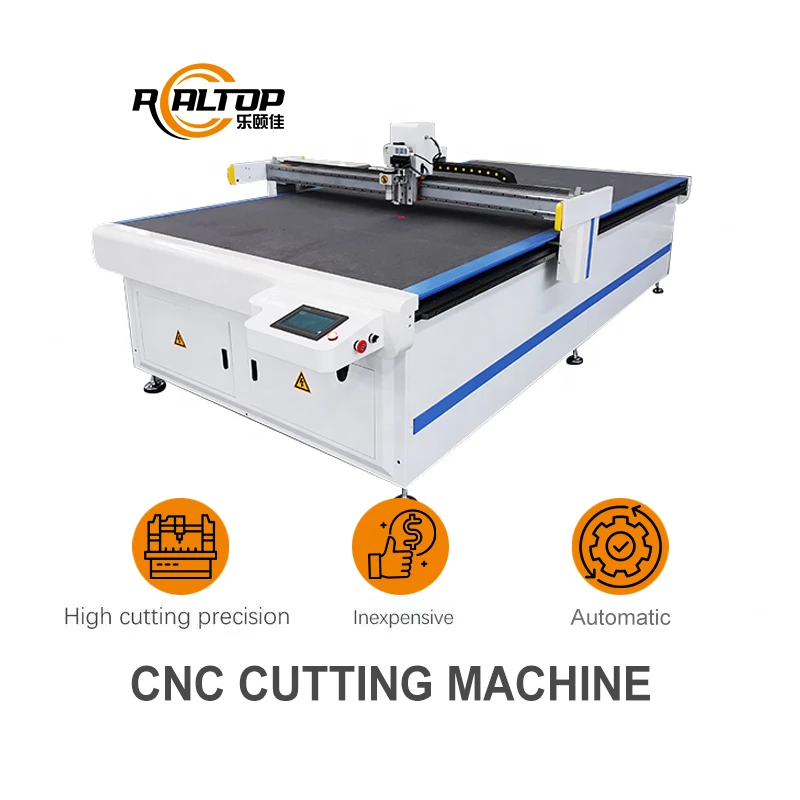
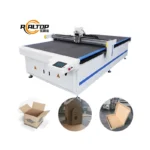
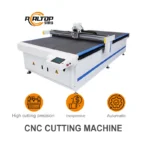
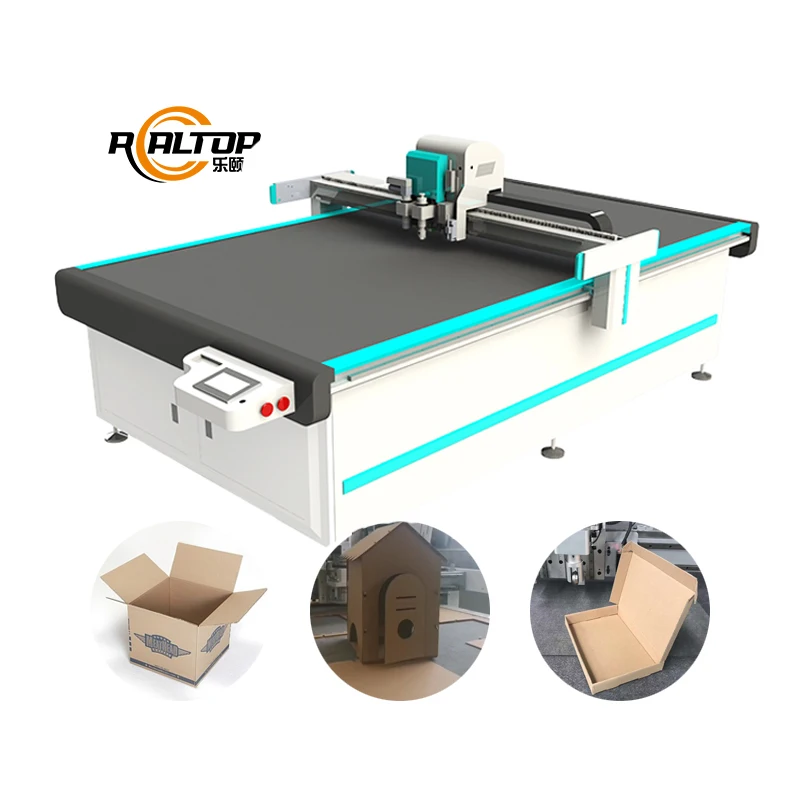
| Product Type | CNC Oscillating Knife Cutting Machine |
| Working Area | 1600 × 2500 mm |
| Machine Size | 3450 × 2300 × 1250 mm |
| Rated Power | 9 kW |
| Vacuum Pump | 7.5 kW |
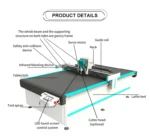
| Worktable Type | Flatbed with aluminum alloy honeycomb vacuum table |
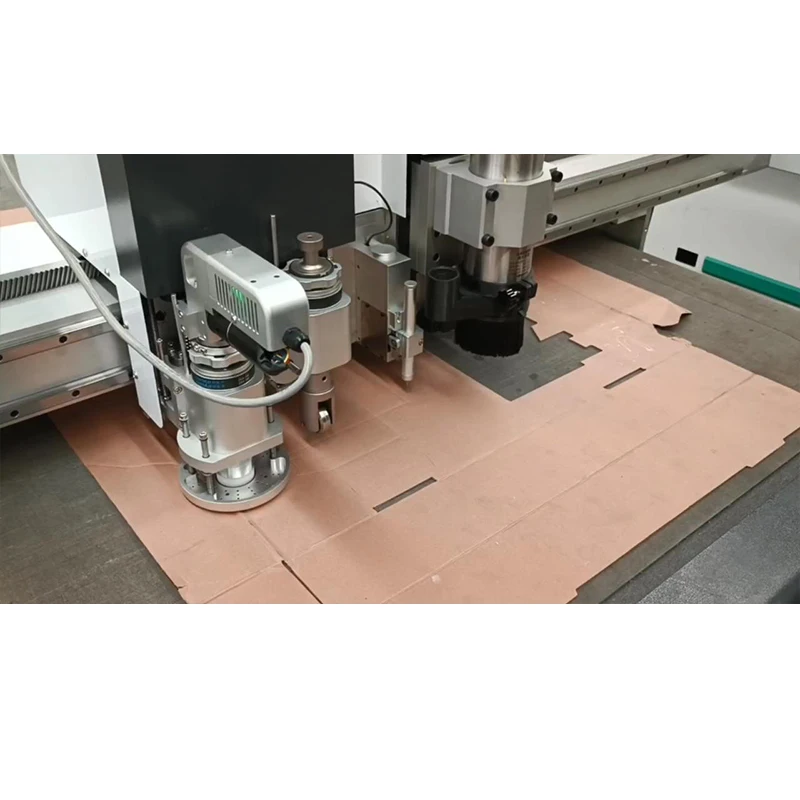
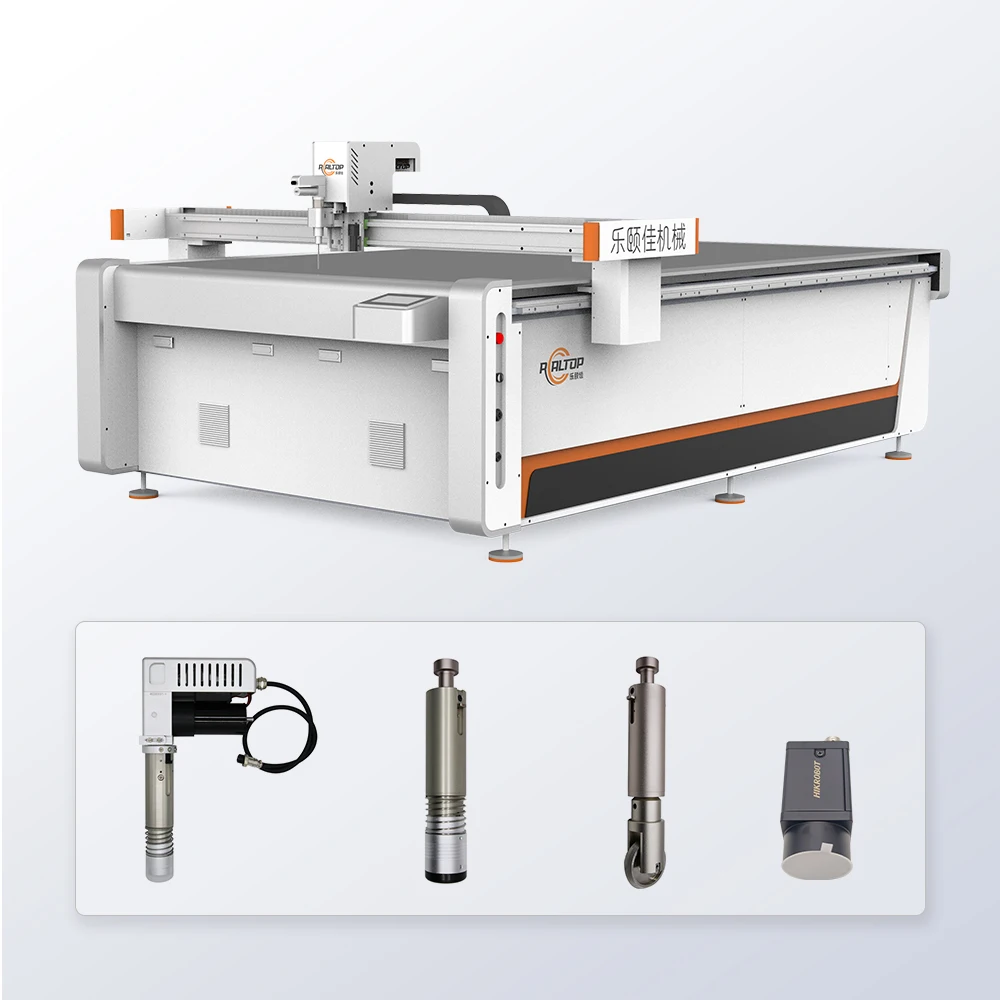
| Tool Head | Swiss imported oscillating knife with full cutting, half cutting and cursor location |
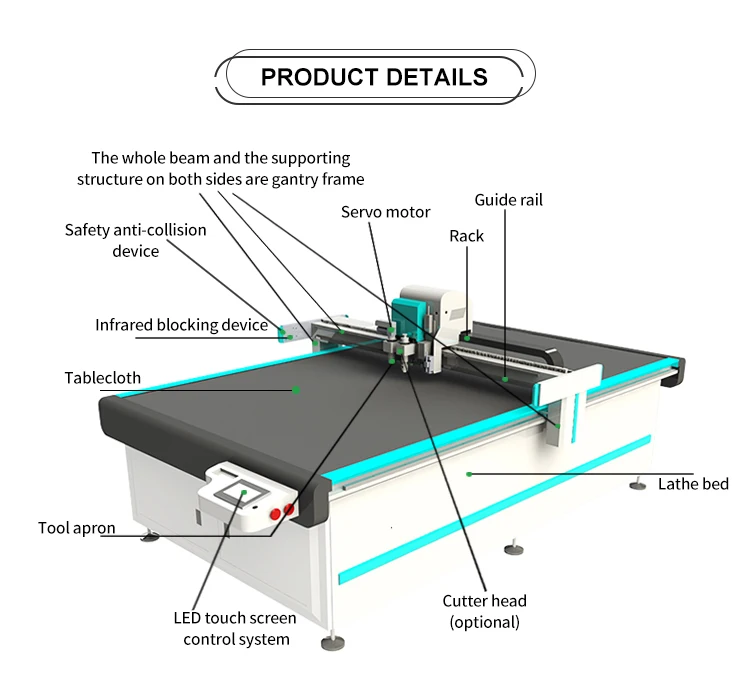
| Safety Device | Infrared sensors |
| Translational Velocity | 800–1200 mm/s |
| Cutting Speed | 200–800 mm/s (according to different cutting materials) |
| Repeated Accuracy | ≤0.1 mm |
| Transmission System | Digital servo motor, linear guide, synchronous belt, ball screw |
| Servo Motor | Delta |
| Guide Rail | Taiwan Hiwin |
| Conveyor Belt | Germany imported |
| Frame Structure | Welded thick square seamless steel, high temperature treated |
| Instruction System | HP-GL compatible format |
| Voltage | 380V ± 10% |
| Software | Professional carton nesting software, customized language support |
| Standards | CE (declared where applicable) |
Application Suitability
| Application | Material or Output |
|---|---|
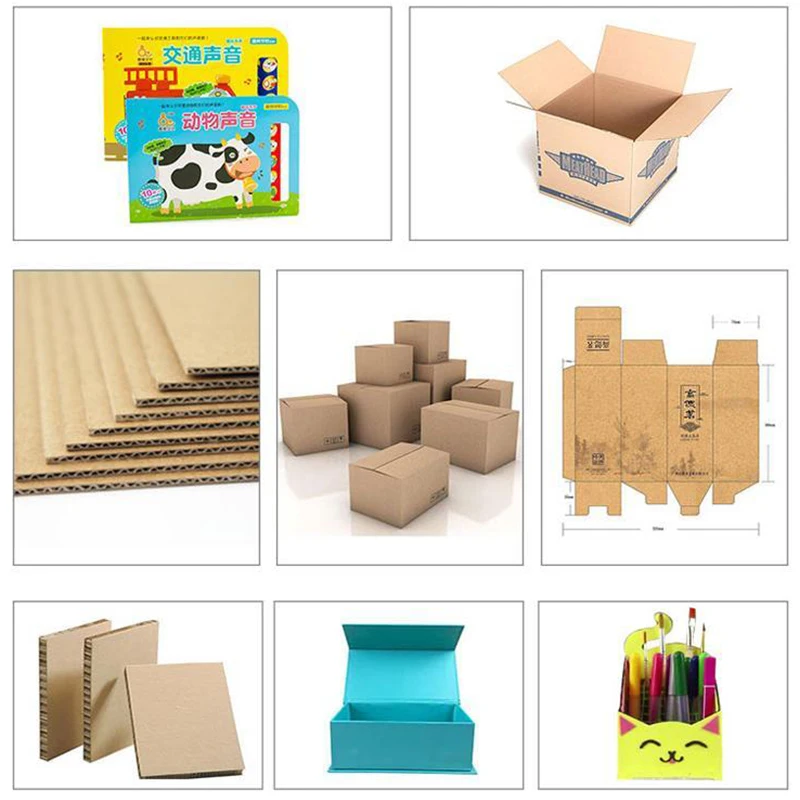
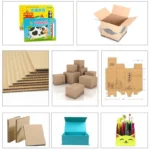
| Cardboard carton box packaging | Single-wall and double-wall corrugated board, greyboard |
| Express and snack food packaging | Foldable carton stock, kraft paper laminates |
| High-end gift box packaging | Rigid board, magnetic-closure box stock |
| Sticker and label production | Self-adhesive vinyl, pattern sticker sheets |
| Billboard and business card output | PVC foam board, coated cardstock |
| Leather goods manufacturing | Natural and synthetic leather, composite leather hides |
| Flexible clothing materials | Fabric rolls, sponge composite leather, textile layers |
| Automotive interiors and home furnishings | Soft trim materials, flexible composite sheets |
Why the Voltage Question Should Come Before the Price on a CNC Knife Cutting Machine
A misquoted voltage can strand a fully paid machine on the dock for weeks while transformers are sourced. When buyers focus on working area and cutting speed first, the electrical specification often gets treated as an afterthought. Yet a CNC knife cutting machine manufacturer shipping a 380V unit into a 220V three-phase market creates a problem no software patch can fix [NEED_CITE: voltage and frequency standards by export market]. The servo motors, vacuum pump and control cabinet are all wound for a specific supply. Reworking them after arrival means rewinding motors or replacing drives — costs and delays that wipe out any price advantage negotiated at the quotation stage. Confirming the target facility’s actual supply, including tolerance and frequency, before the order is locked prevents this category of post-shipment failure entirely.
Frame Construction and Long-Term Positional Accuracy
The RT-D2516/RT-S2516 platform is built on a welded thick square seamless steel frame that goes through high-temperature treatment after welding. This stress-relief step matters because a flatbed cutting table spanning 1600 × 2500 mm cannot afford to warp under its own weight over months of vibration cycles. When the gantry travels at translational velocities up to 1200 mm/s, any residual stress in the frame gradually releases as microscopic distortion, pushing the repeated accuracy beyond its ≤0.1 mm specification. Heat-treated frames hold their geometry longer, which is why this CNC knife cutting machine manufacturer specifies the process at the frame stage rather than relying on post-assembly shimming.
Servo and Guide Rail Pairing for Repeatable Tool Paths
Delta digital servo motors drive the gantry through Taiwan Hiwin linear guides, with synchronous belts and ball screws completing the transmission chain. The pairing matters because the oscillating knife head performs full cuts, half cuts and cursor location moves within a single tool path — each transition demands that the carriage stop and redirect without losing positional reference. On corrugated board or composite leather, a missed step translates directly into a ragged crease line or a die-cut that misses the printed contour. This is where component selection moves from brochure language to measurable edge quality on the shop floor [NEED_CITE: servo and linear guide matching practices in CNC flatbed design].
Reading the Specs That Actually Govern Cut Quality
The 7.5 kW vacuum pump paired with an aluminum alloy honeycomb table addresses a problem buyers frequently discover only after commissioning: small parts lifting off the bed mid-cut. Honeycomb structure distributes suction more evenly across the 1600 × 2500 mm zone than a drilled MDF plenum, so a nested sheet of stickers or carton blanks stays flat even when the knife exits a cut and vacuum bleeds through the kerf. The Swiss imported oscillating tool head handles the material engagement side — its vibration frequency and stroke determine whether a double-wall corrugated flutes cleanly or crushes. Cutting speed ranging from 200 to 800 mm/s reflects the spread from dense materials like rubber and silicon to lighter flexible fabrics, and the correct speed is set per material, not maximized across the board.
The Hidden Cost of Specifying Working Area Without Material Context
A buyer who selects a flatbed based solely on sheet size often discovers the machine was configured with a light-duty drag knife suitable for thin vinyl. When that same machine is asked to crease and cut double-wall corrugated, the tool head stalls, the liner tears, and the vacuum zoning proves insufficient for the heavier stock [NEED_CITE: tool head selection mismatch consequences in flatbed cutting]. Reworking the specification after delivery means swapping the tool carriage, upgrading the vacuum pump and potentially rewiring the control cabinet for a higher draw — changes that cost more than specifying correctly from the start.
What Building In-House Means for Your Order
Realtop’s in-house design team engineers each CNC knife cutting machine manufacturer build around the buyer’s confirmed material, not around a fixed catalog model. The core factory handles frame welding, heat treatment, assembly and electrical integration under one roof, which means a change in vacuum zoning or control language is addressed in production planning, not outsourced to a third party. Tool head and table configuration are specified per material and production volume before the order enters the build queue. Software compatibility and file format are confirmed against the buyer’s existing workflow, so the nesting software speaks to the CAD system already in use on the production floor.
Documentation & Verification
- Machine specification sheet listing the confirmed tool head and vacuum configuration for your material
- Electrical schematic with voltage and plug standard locked to your target market before shipment
- Sample cutting report produced on your own corrugated, leather or fabric stock before order confirmation
- Factory test record documenting repeated accuracy and cutting speed verification on the assembled unit
- Operation and maintenance manual with customized control language matching your operator requirements
- Spare parts list covering oscillating knife blades, vacuum seals and guide rail carriages
Installation, Commissioning & Support
- Floor space must accommodate the 3450 × 2300 × 1250 mm footprint with clearance for sheet loading on the 1600 × 2500 mm bed
- Dedicated three-phase circuit matching the confirmed 380V ± 10% supply with the agreed plug standard and frequency
- Machine ships as a single assembled unit; gantry and tool head require alignment check after positioning on leveled foundation
- First-run commissioning includes vacuum zoning test, servo calibration and cutting speed validation on buyer-supplied material
- Operator training covers tool head changes, nesting software workflow and HP-GL file import procedures
- Preventive maintenance schedule addresses Hiwin guide rail lubrication, synchronous belt tension and vacuum pump filter replacement
What We Need to Move Your Inquiry Forward
Share the material type, thickness range and maximum sheet size your operation runs daily. Confirm your facility’s three-phase voltage, frequency and the control language your operators require. If you have an existing nesting workflow or preferred file format, send a sample file so software compatibility can be verified before quotation.
Frequently Asked Questions
Q: What is the difference between OEM and standard configuration on your knife cutting machines?
A: Standard configuration ships with our default tool head, vacuum zoning and control language. OEM builds adjust the frame color, control panel layout, software branding and documentation to match your company identity. The mechanical and electrical core remains the same production-grade platform, and every OEM unit goes through the same factory test record and sample cutting verification before dispatch.
Q: How do you confirm voltage, plug and control language for different export markets?
A: Before the order enters production, we request your facility’s supply specification — voltage, phase, frequency and plug type. The electrical schematic is then drawn to that standard, the servo motors and vacuum pump are wired accordingly, and the control interface is loaded in your requested language. All three points are locked on the specification confirmation document you sign off before build begins.
Q: Can I visit the factory and see the machine running on my material before placing an order?
A: Yes. We encourage buyers to send representative material samples or visit our Jinan production facility. We run cutting tests on the RT-D2516/RT-S2516 platform with your actual stock, document edge quality, cutting speed and vacuum hold-down performance, and share the sample cutting report before any commercial commitment is made.
Q: What documentation do you provide with each machine for customs and end-user handover?
A: Each unit ships with the machine specification sheet, electrical schematic, CE declaration where applicable, factory test record, operation and maintenance manual in the agreed language, software license note with file format compatibility details, spare parts list and packing photographs. This set covers customs clearance and gives your technicians everything needed for installation and operator training.
Q: How is the frame built and heat-treated to ensure long-term accuracy?
A: The frame is fabricated from thick square seamless steel sections, fully welded into a single rigid structure. After welding, the entire frame undergoes high-temperature stress-relief treatment to eliminate residual stresses introduced during fabrication. This prevents gradual distortion under the gantry’s dynamic loads, keeping the repeated accuracy within ≤0.1 mm over extended production runs.
You may also like

商品评价
Clear filtersThere are no reviews yet.