


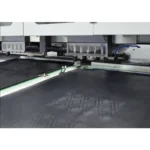
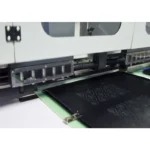
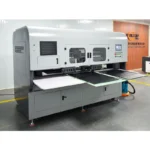
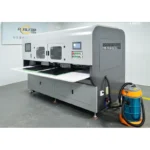

-
 Courier delivery
-
 DHL Courier delivery
-
 Warranty 1 year
-
 Free 30-Day returns

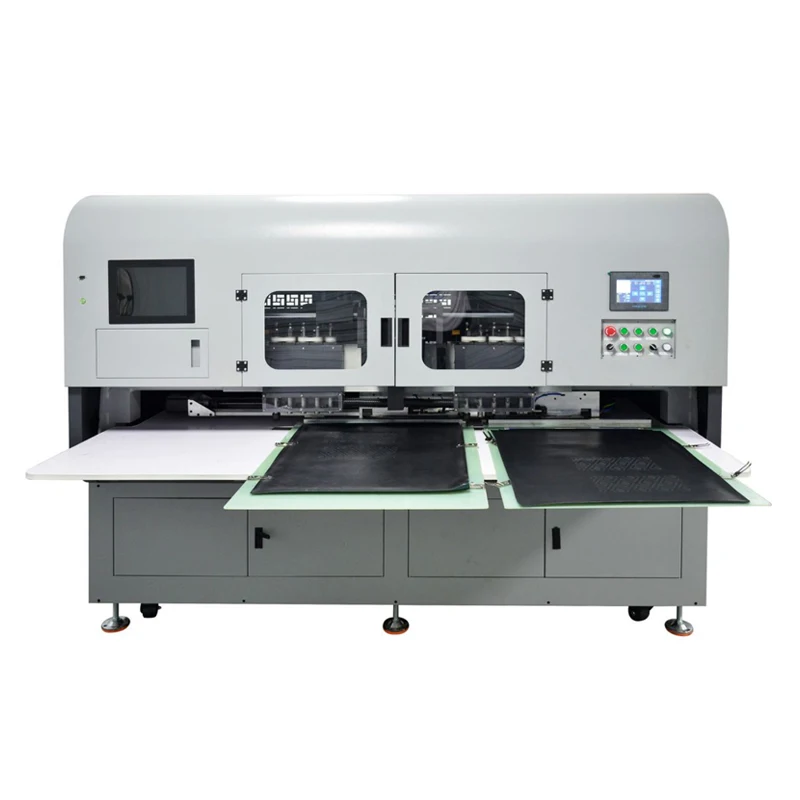
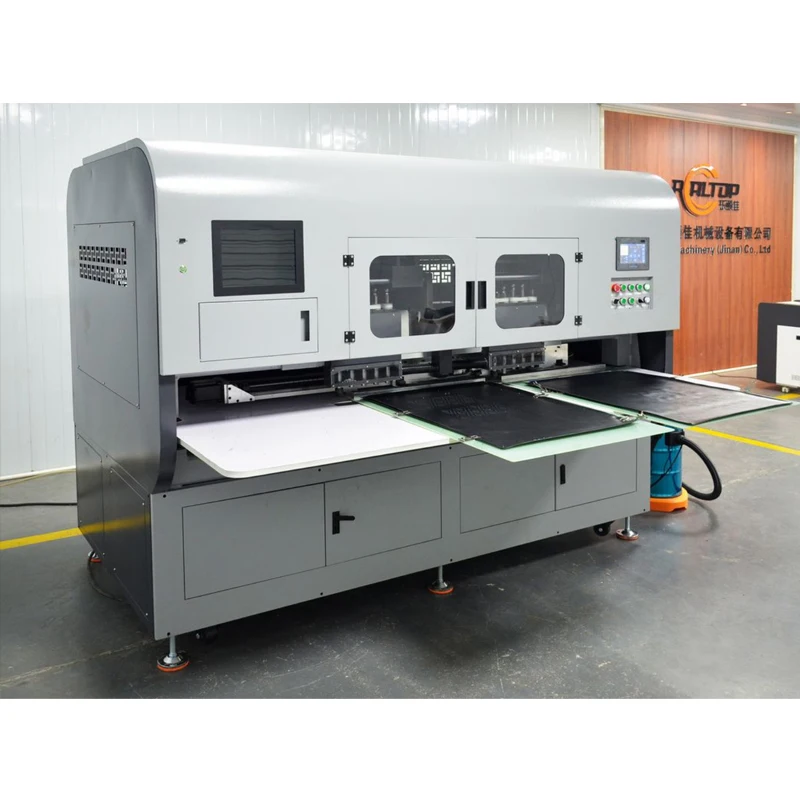
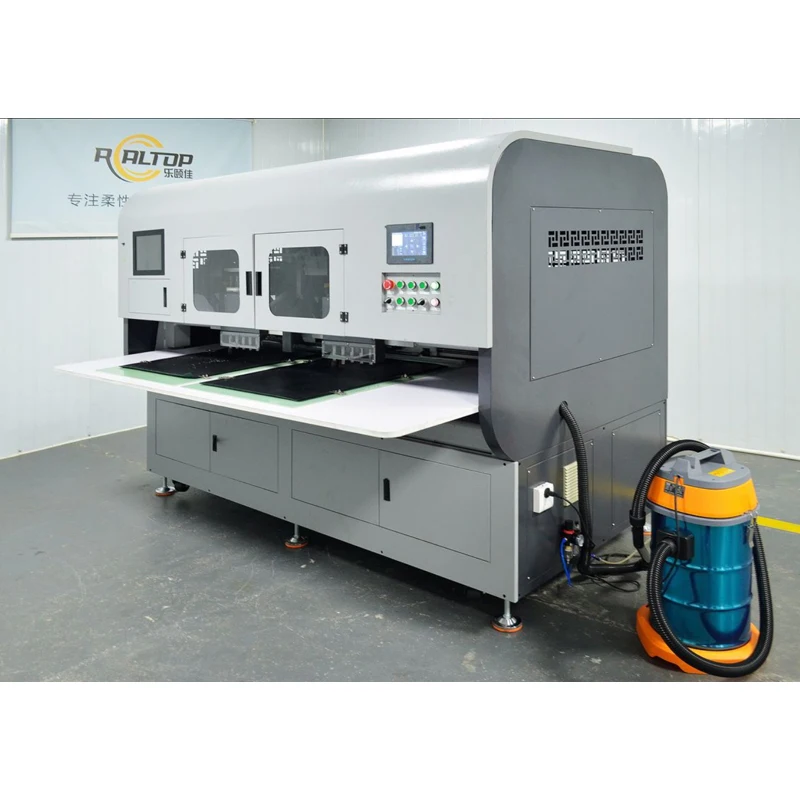
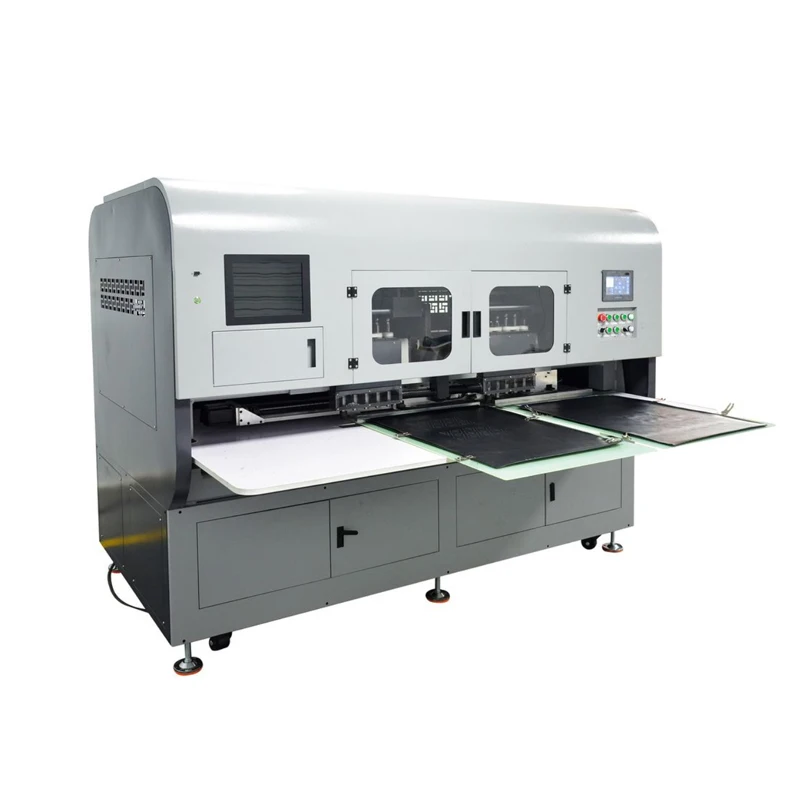
In-house punching and cutting technology — Realtop designs and builds the RT-A2 frame, motion system and NC control on the same production line as its CNC knife cutters, giving distributors a single verified source for both perforation and cutting equipment.
Technical Specifications
| Parameter | Value |
|---|---|
| Model | RT-A2 |
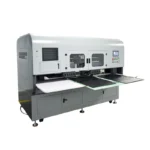
| Product Type | Automatic Electric Eyelet Punching Machine |
| Punching Area | 600 × 500 mm |
| Material Thickness Range | 1 – 6 mm |
| Hole Diameter Range | 0.8 – 12 mm |
| Punch Jig Options | 12 optional punch jigs |
| Punching Accuracy | ±0.1 mm |
| Equipment Tolerance | ±0.02 mm |
| Punching Speed | 900 punches/min (basis not stated in source — confirm material type, thickness and hole pattern) |
| Control System | NC system with smart cutter function, auxiliary leather positioning, break-point memory |
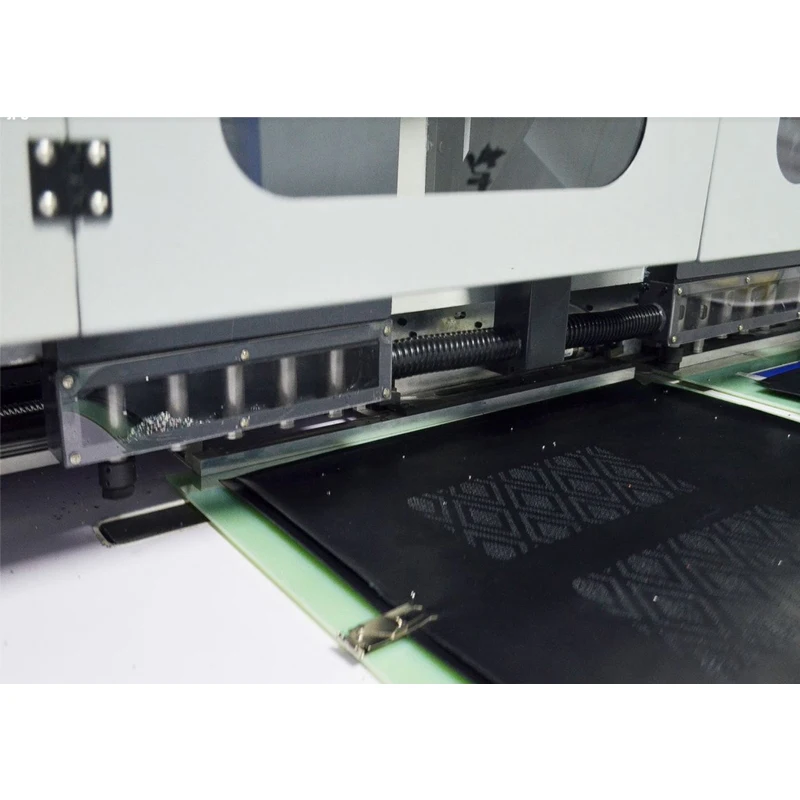
| Dust Extraction | Independent dust collecting system |
| Compressed Air Pressure | 5 – 6 bar |
| Power Supply Voltage | 220V |
| Power Frequency | 50/60 Hz |
| Rated Power | 1.5 kW |
| Overall Dimensions (L × W × H) | 1800 × 1510 × 1600 mm |
| Machine Net Weight | 1000 kg |
| Assembly State | Fully assembled |
| Angle Adjustment | Dedicated window for computer angle and height adjustment mechanism |
Application Suitability
| Application | Material or Output |
|---|---|
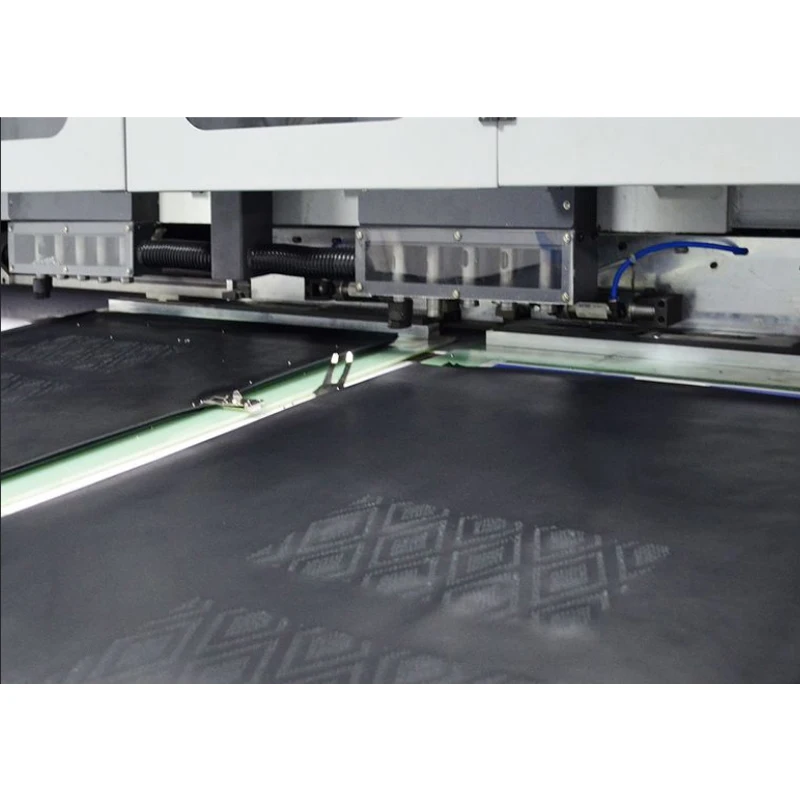
| Perforated car seat upholstery | Natural and synthetic leather hides, 1 – 6 mm thickness |
| Automotive headrest and steering wheel covers | Leather and flexible composite panels |
| Shoe upper perforation | Leather, synthetic uppers and textile-reinforced PU |
| Handbag and luggage decorative punching | Finished leather goods requiring dense hole patterns |
| Sofa panel ventilation holes | Upholstery-grade leather and flexible vinyl |
Why "900 Punches per Minute" Means Nothing Without Context
Punching speed is only meaningful when tied to the exact material, thickness and hole diameter you intend to produce.
Distributors routinely receive machines quoting peak stroke rates tested on thin, single-layer synthetic offcuts. When the same Automatic Electric Eyelet Punching Machine manufacturer rate is applied to 5 mm natural leather with a 1.2 mm punch jig, the actual cycle slows considerably and punch wear accelerates. I have watched importers accept a speed figure at face value, only to discover on the showroom floor that the machine stalls or leaves ragged edges on the very material their customers need processed. The NC system on this unit includes smart cutter optimization and break-point memory, which helps recover interrupted runs, but it cannot compensate for a punching speed claim that was never validated against production-grade stock. [NEED_CITE: material density and thickness effect on punching cycle time]
Frame Rigidity Behind the ±0.02 mm Tolerance
Equipment tolerance of ±0.02 mm on the RT-A2 reflects the rigidity of the welded steel frame and the precision of the linear motion components chosen during assembly. A punching head that deflects even slightly under repeated impact will drift from the programmed hole position, accumulating error across a long perforation run. Our production team stress-relieves the main frame before machining the mounting surfaces, ensuring that the punch jig seats square to the workpiece every cycle. This is the kind of build discipline that matters when a leather goods factory runs hundreds of hides per shift and cannot afford misaligned ventilation patterns on a car seat panel.
NC Control With Break-Point Memory for Interrupted Runs
The NC system stores the last executed position so that an operator can pause the machine, replace a worn punch jig or clear a material jam, then resume without re-running the entire pattern file. In a footwear workshop where a single upper may contain over two hundred holes of varying diameters, losing progress means scrapping an expensive piece of cut leather. Break-point memory also supports batch work: once the first panel is verified, the operator loads the next hide and the system picks up where it left off, maintaining hole placement consistency across the batch. [NEED_CITE: NC break-point memory in industrial perforation equipment]
What the Specification Sheet Actually Tells You
The 1 – 6 mm material thickness range is governed by the punch stroke force and the clearance between the upper punch and lower die. Thicker stock demands greater tonnage per stroke, and running 6 mm leather at the upper end of the range will naturally reduce achievable speed compared to 1 mm synthetic. The 0.8 – 12 mm hole diameter range is covered by twelve optional punch jigs; selecting the correct jig for the target diameter prevents burrs and material tearing around the hole edge. The independent dust collecting system pulls leather dust and micro-fibres away from the punching zone, which keeps the linear guides clean and extends bearing service intervals. The dedicated angle and height adjustment window lets an operator fine-tune the punch head position for different hide thicknesses without reaching into the machine cavity, reducing setup errors that lead to mis-punched panels.
The Cost of Skipping Pre-Delivery Material Testing
Importing a punching machine without a factory test on your own leather stock is a gamble that usually surfaces after the container has been unpacked. A punch jig that performs cleanly on the factory’s sample hide may crush the grain layer on a thicker automotive upholstery leather, leaving visible deformation around every hole. I have seen distributors spend an entire week swapping die sets and adjusting stroke depth on-site because the original test was done on a material that was never going to be in production. Requesting a sample punching report on the buyer’s own material, thickness and hole pattern before shipment eliminates this risk and sets a documented baseline for acceptance. [NEED_CITE: pre-delivery material testing protocol for leather processing machinery]
Why Source the RT-A2 From the Builder, Not a Trading Desk
In-house design means the engineering team that sized the RT-A2 frame also specifies the NC control parameters, so punching logic and mechanical capability are developed together rather than sourced separately. The same factory that builds CNC oscillating knife cutters for leather and fabric also assembles this punching unit, giving distributors a single point of accountability for both cutting and perforation equipment. Pre-shipment testing is run on the buyer’s actual material and hole pattern, not a generic sample, and the test record travels with the machine. Voltage, frequency and compressed air specifications are confirmed against the destination market before production begins, avoiding the costly rewiring and regulator swaps that occur when a 220V / 50 Hz machine arrives in a 60 Hz territory. OEM branding and custom punch jig tooling are handled on the same production line, keeping lead times predictable for distributors building a private-label range.
Documentation & Verification
- Factory test record run on the buyer’s leather type, thickness and hole pattern before dispatch
- Electrical schematic confirming 220V, 50/60 Hz wiring and compressed air circuit at 5 – 6 bar
- Punch jig selection chart matched to the twelve available jig diameters from 0.8 mm to 12 mm
- CE declaration documentation for the RT-A2 model upon request
- Operation and maintenance manual covering NC system functions and break-point memory procedure
- Spare parts list identifying punch jigs, die inserts and dust filter consumables
Installation, Commissioning & Support
- Level the 1800 × 1510 mm footprint on a concrete floor capable of supporting 1000 kg static load
- Provide a dedicated 220V circuit with correct frequency matching the confirmed 50 or 60 Hz rating
- Machine ships fully assembled; position and connect compressed air supply at 5 – 6 bar before first run
- Calibrate punch angle and height adjustment mechanism against the buyer’s thickest production leather
- Train operators on NC break-point memory recovery and smart cutter function for interrupted patterns
- Stock replacement punch jigs and dust extraction filters from the supplied spare parts list
Before You Request a Quotation
Send us the leather or synthetic material type, thickness range and the specific hole diameters your production requires so we can recommend the correct punch jig set and confirm achievable punching performance on your stock. Let us know your local voltage and frequency standard, compressed air availability and whether you need OEM branding or custom tooling for your distribution market. If you are adding the RT-A2 to an existing cutting line, share your current workflow and nesting file format so we can verify NC software compatibility before the order is finalized.
Frequently Asked Questions
Q: How can I verify that the punching speed applies to my leather type and hole pattern?
A: Send a sample of your production leather along with the hole diameter and pattern file. We run the RT-A2 on your material at our factory and provide a video record plus a written test report showing actual cycle time, edge quality and punch wear after a sustained run. This establishes a realistic baseline before the machine ships.
Q: Can the voltage and compressed air setup be changed for my country’s standard?
A: Yes. Voltage and frequency are confirmed during the order stage. We wire the 1.5 kW motor and NC control to match your local supply and label the electrical panel accordingly. The compressed air regulator is set to your available line pressure within the 5 – 6 bar operating range and verified during the factory test.
Q: Is OEM branding available for distributors adding this to their product range?
A: OEM branding is handled on the same production line. We apply your logo, color scheme and model designation to the machine body, control panel and documentation package. Custom punch jig tooling beyond the standard twelve options can also be manufactured in-house to match your market’s specific perforation requirements.
Q: How do I select the right punch jig from the twelve available options?
A: Jig selection depends on hole diameter, material thickness and the edge finish your customer expects. We provide a jig selection chart with the machine and can recommend the optimal punch-and-die clearance for each material in your product mix. Custom diameters outside the 0.8 – 12 mm range can be tooled on request.
Q: What documents and test records ship with the machine?
A: Each RT-A2 ships with a factory test record run on the buyer’s material, an electrical schematic, a punch jig selection chart, an operation and maintenance manual covering NC functions, a spare parts list and a CE declaration where applicable. All documents are provided in English or the buyer’s requested language.
You may also like

商品评价
Clear filtersThere are no reviews yet.