



-
 Courier delivery
-
 DHL Courier delivery
-
 Warranty 1 year
-
 Free 30-Day returns

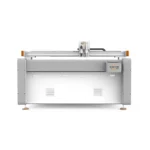
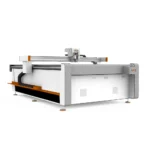
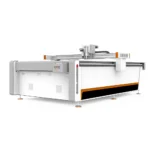
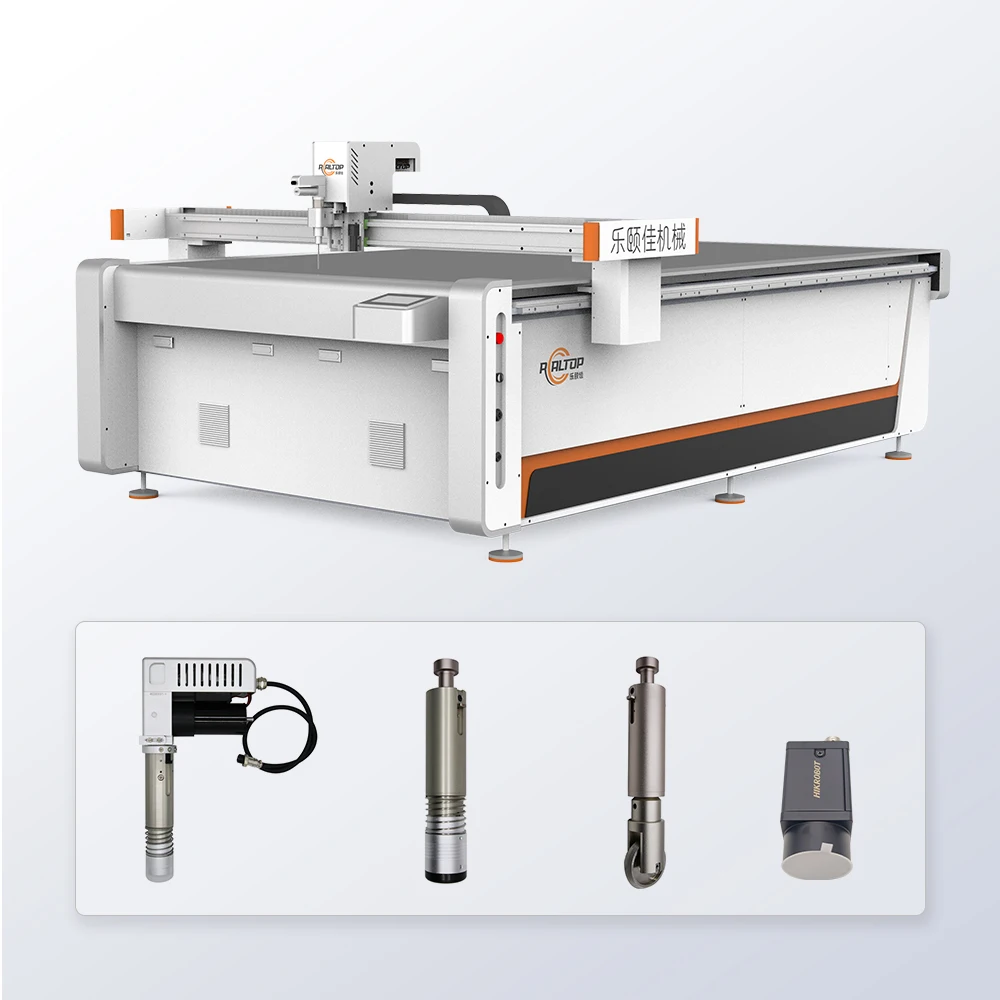
Integrated knife and laser design — tool heads and vacuum zoning are configured against your actual board grade rather than forced into a single cutting method.
Technical Specifications
| Parameter | Value |
|---|---|
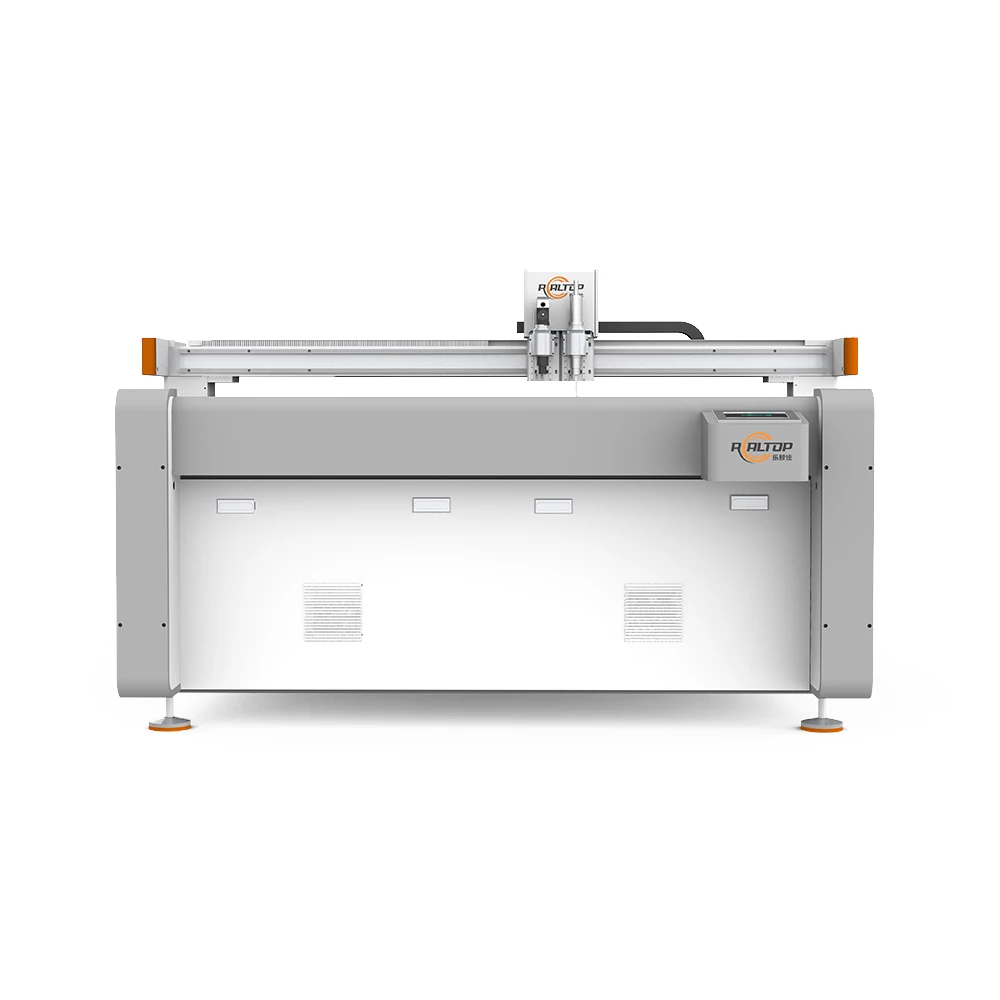
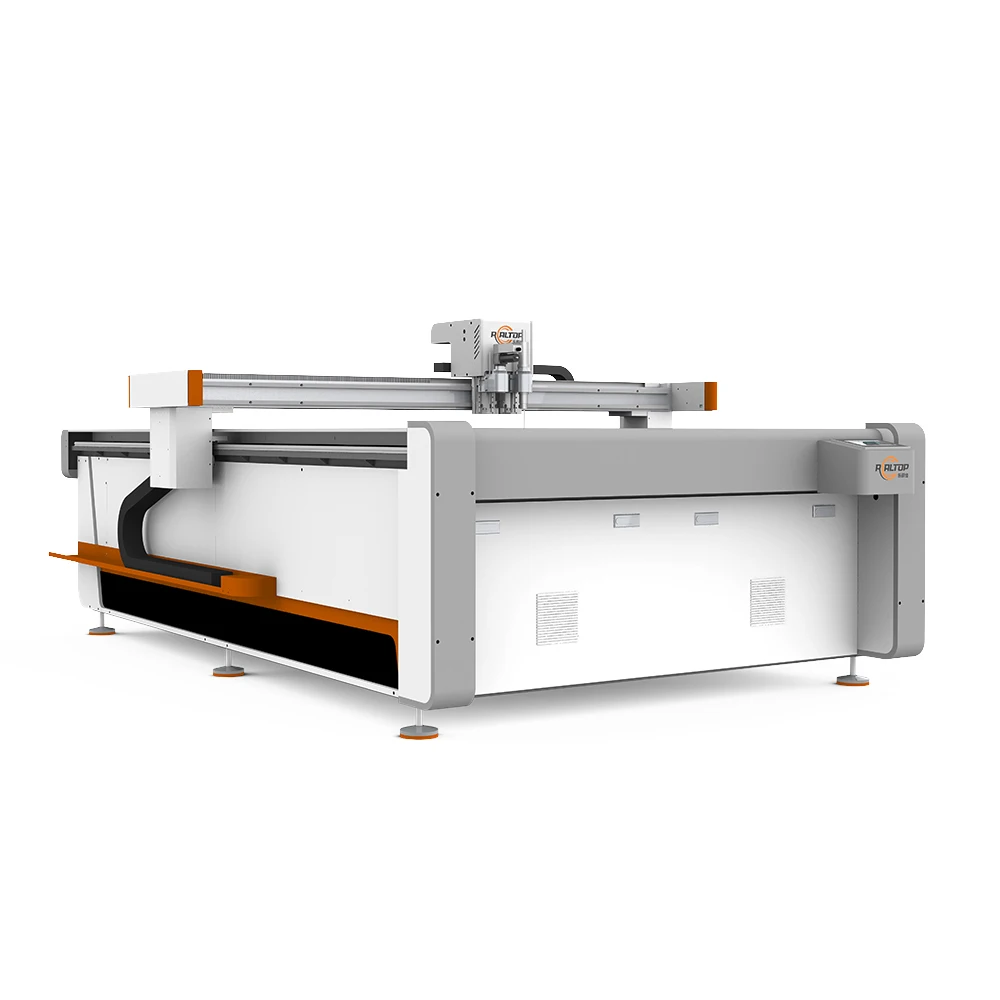
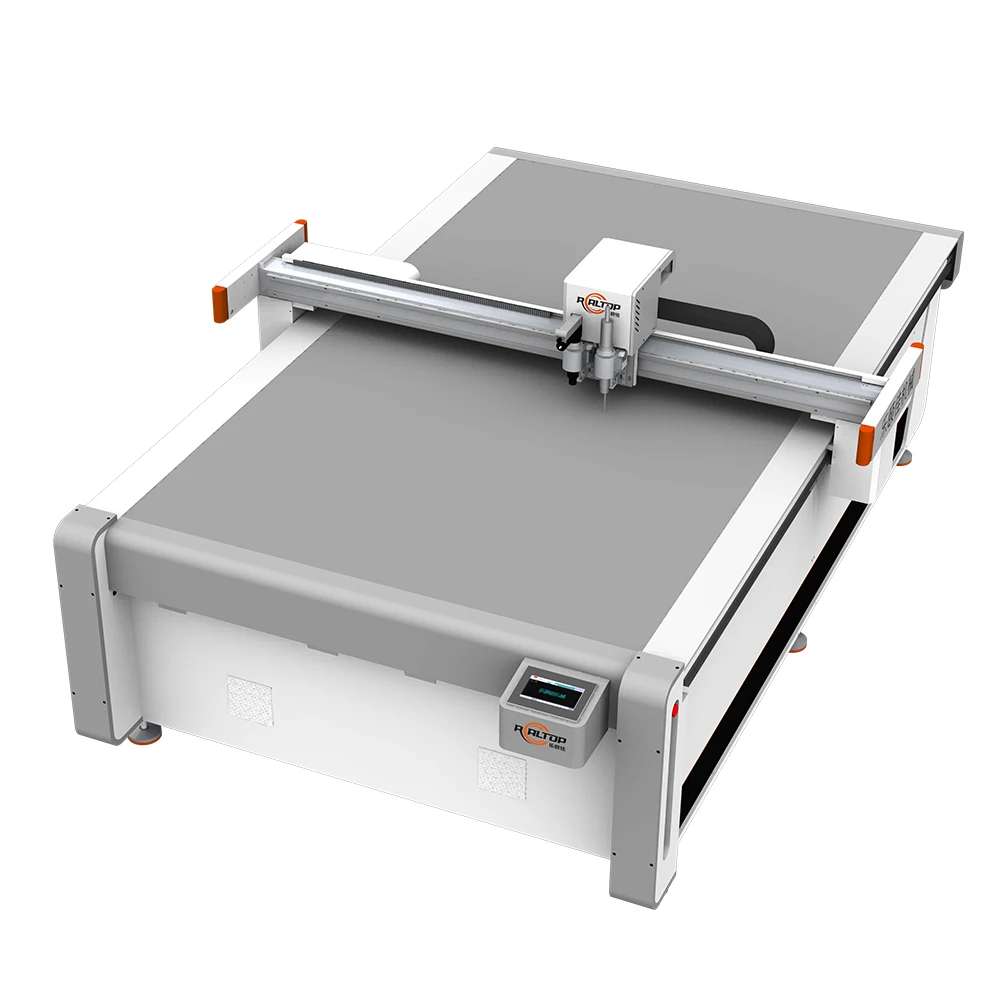
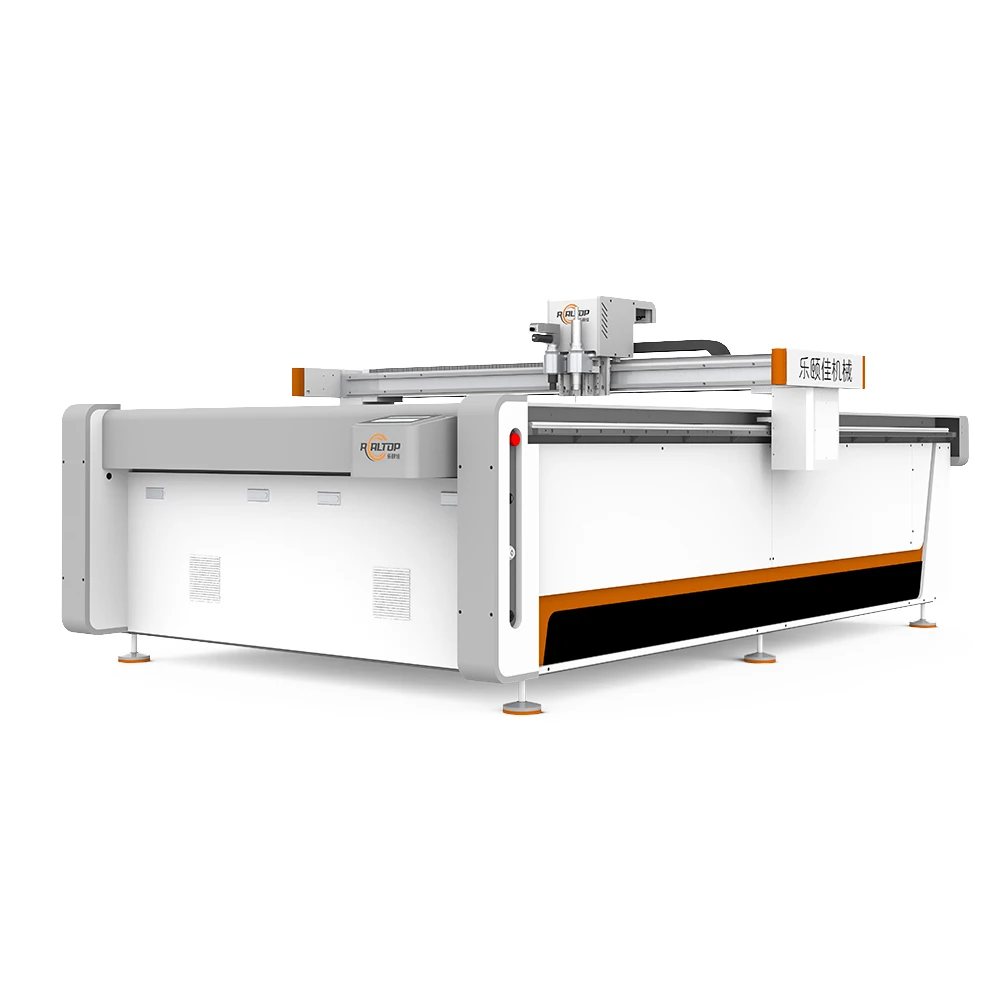
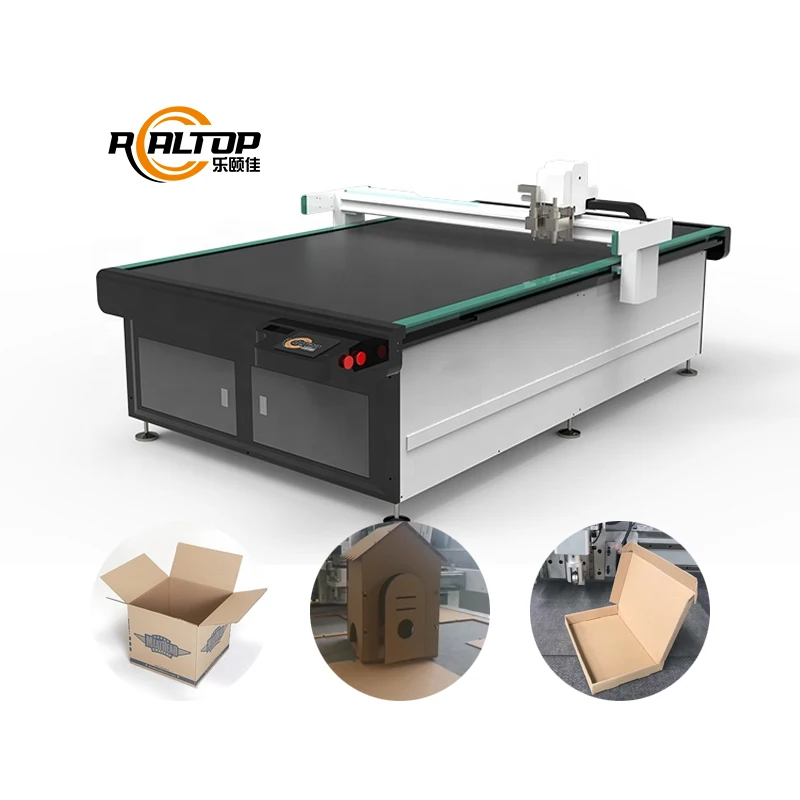
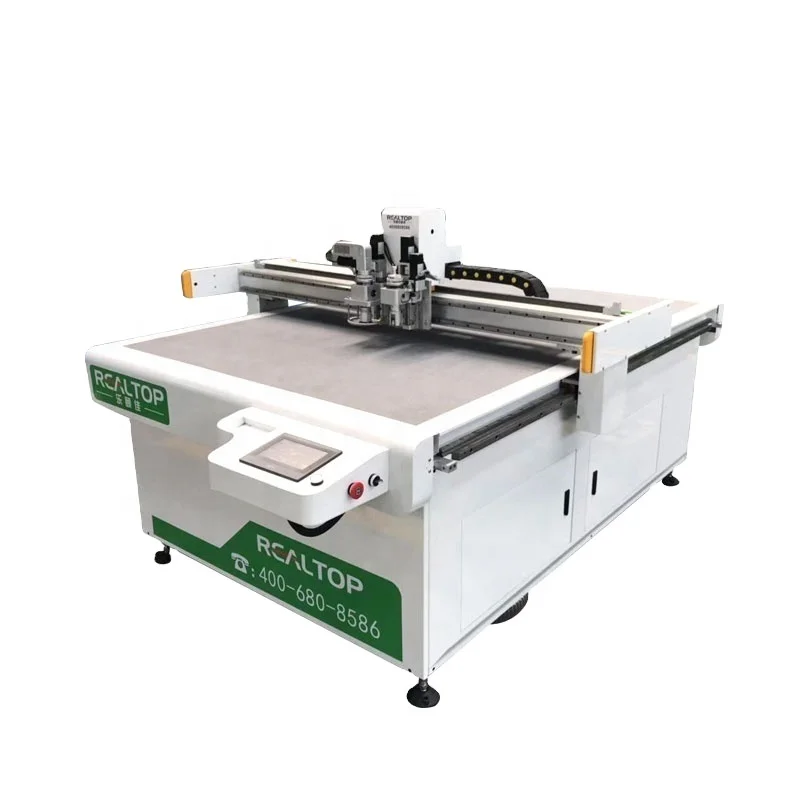
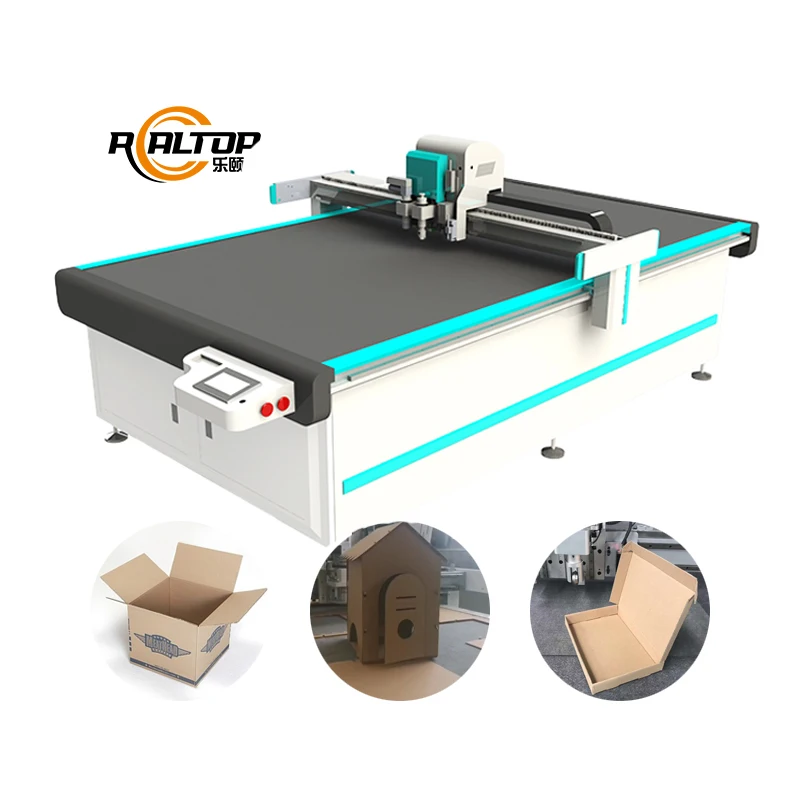
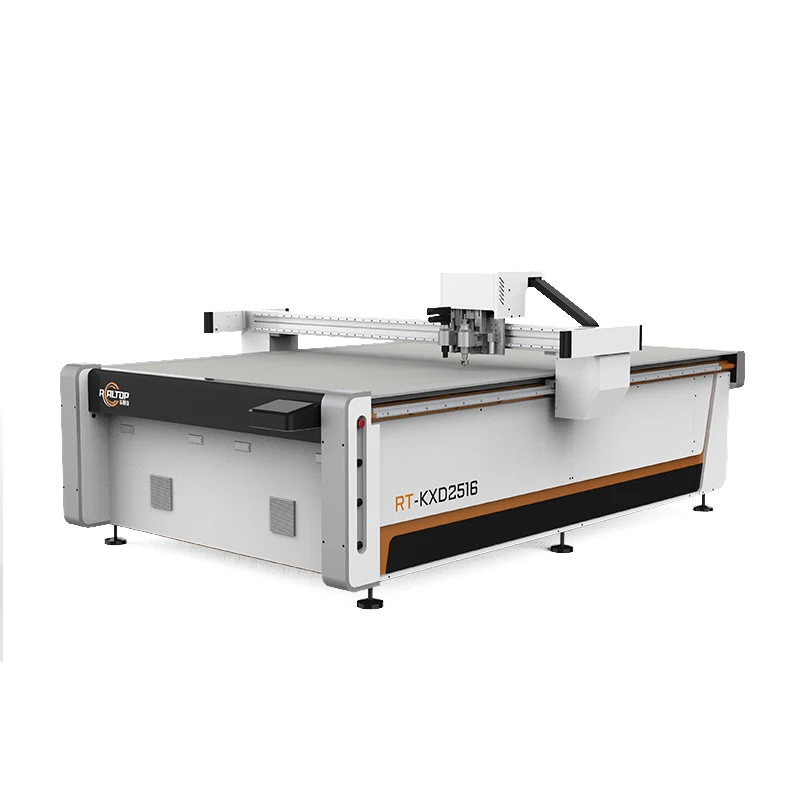
| Product Type | CNC Oscillating Knife Cutting Machine for Packaging |
| Working Area | 1600 × 2500 mm |
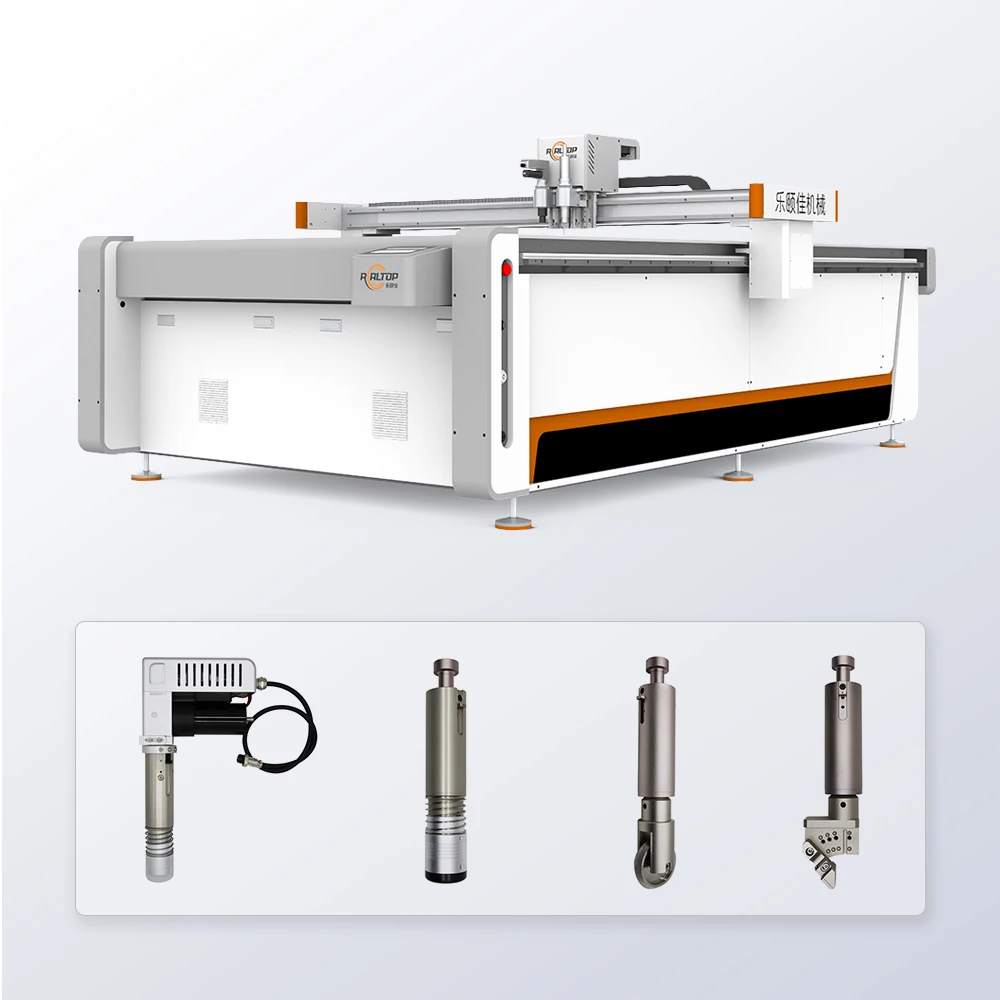
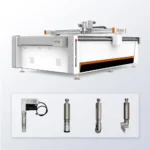
| Tool Head Options | Oscillating knife, Driven rotary knife, Creasing wheel, Kiss cutting tool, Pneumatic knife, Milling tool, V groove knife |
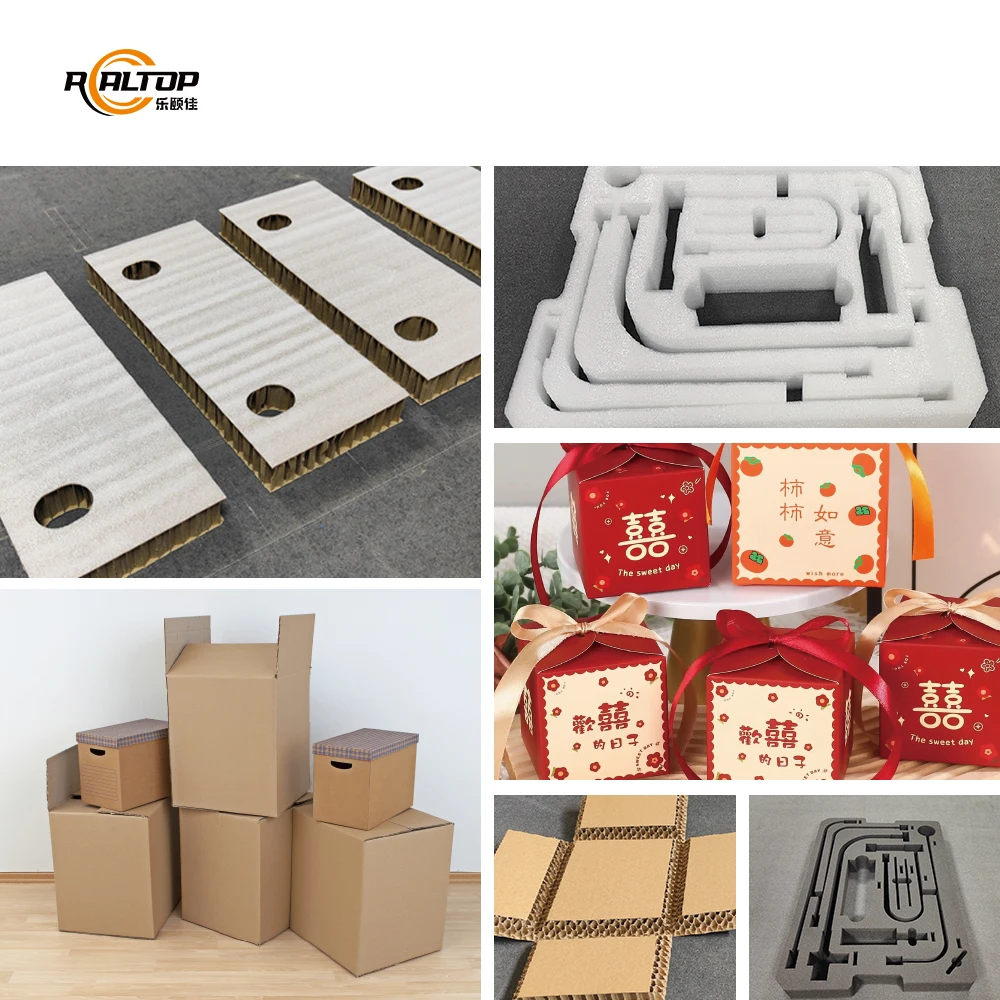
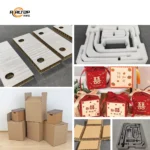
| Applicable Materials | Corrugated cardboard, Greyboard, Cardstock, Art paper, EVA/EPE/PU foam, Rubber mats, Velvet/fleece, Non-woven fabric, PVC/PET, Leather, Synthetic leather, Composite and adhesive-backed materials |
| Cutting Speed | 0–1500 mm/s |
| Cutting Thickness | ≤ 40 mm |
| Cutting Accuracy | ±0.1 mm |
| Vacuum Pump | 9 kW |
| Vacuum Table | Aluminum bellows vacuum table with high flatness and sealing |
| Control System | PLC control panel with intuitive interface |
| Servo Motor Options | Panasonic, Delta, Dorna (source value — verify against manufacturer catalog) |
| Software | Dedicated packaging box structure design software |
| Supported File Formats | PLT, DXF, AI, PDF |
| Voltage Options | 110V, 220V, 380V |
| Language Options | English, Russian, Italian, Chinese, customizable |
| Safety Device | Infrared sensor device and emergency stop device |
| Machine Size | 3300 × 2100 × 1350 mm |
| Standards | CE (2026 Certified) |
Application Suitability
| Application | Material or Output |
|---|---|
| Packaging sample making and carton prototyping | E-flute, B-flute, BC-flute corrugated cardboard, greyboard, cardstock |
| Short-run customized packaging production | Art paper, adhesive-backed composites, thin plastic sheets (PVC, PET) |
| Display and POS packaging fabrication | EVA/EPE/PU foam boards, composite and foam-backed boards |
| Protective insert and gasket cutting | Rubber mats, velvet/fleece fabric, non-woven fabric, synthetic leather |
The Voltage and Language Oversight That Stalls Day-One Commissioning
We confirm voltage, plug type, and control panel language against your destination market before the machine leaves the factory.
I spent years doing after-sales across Latin America, and the most expensive service call is the one where the machine sits silent on the workshop floor because the electrical supply does not match the control cabinet. A corrugated board converter in Mexico once received a carton sample maker wired for 380V three-phase when the site only had 220V single-phase available, and the Spanish-language interface had never been loaded into the PLC. The first production day turned into a full week of troubleshooting over international calls [NEED_CITE: voltage and frequency standards by export market]. As a CNC oscillating knife cutting machine manufacturer, we treat electrical and interface confirmation as a production milestone, not a shipping afterthought. Every order ships with an electrical schematic matched to the buyer’s facility and the control language pre-loaded and verified during the factory test.
Multi-Tool Head Configuration Matched to Board Grade
Selecting the correct tool head for each cut type is where packaging sample quality is won or lost. An oscillating knife handles straight and curved cuts through corrugated flutes cleanly, while a creasing wheel compresses fold lines without fracturing the outer liner. For V-groove folds on thick greyboard, the V groove knife removes a precise channel so the board folds at a sharp angle without cracking. This CNC oscillating knife cutting machine supports all seven tool head options on a single carriage, letting one setup produce a complete carton prototype from cut to crease to kiss-cut window without manual tool changes.
Vacuum Zoning That Holds Small Parts Flat
Corrugated board tends to warp, and once a cut part releases internal stress it can lift off the table surface mid-cycle. The aluminum bellows vacuum table on this machine maintains high flatness across the full 1600 × 2500 mm working area, and the 9 kW vacuum pump provides enough suction to hold lightweight cardstock as well as heavier BC-flute sheets. The table zoning allows sections to be activated independently, so small packaging components like insert dividers or corner braces stay pinned down even when surrounded by cut-away waste. Without proper zoning, these small pieces shift into the knife path and produce scrap [NEED_CITE: vacuum hold-down requirements for corrugated digital cutting].
What the Specification Sheet Actually Means for Your Production
The ±0.1 mm cutting accuracy matters most when packaging prototypes must slot together for structural testing — a die-cut carton sample that is off by half a millimeter on each tab will not assemble square, and the client sees the flaw immediately. The 0–1500 mm/s cutting speed range gives the operator control over edge quality: slower passes on thin art paper prevent tearing, while faster speeds on E-flute corrugated board keep prototype turnaround times practical. The PLC control panel runs dedicated packaging box structure design software, importing PLT, DXF, AI, and PDF files directly so design iterations do not require re-drawing in a separate CAD program. For facilities running multiple board grades, the interchangeable tool heads mean the machine transitions from cutting 1.5 mm cardstock to 40 mm EVA foam inserts by swapping the tool and adjusting the oscillation frequency, not by changing machines.
The Hidden Cost of Under-Specified Tooling
When a buyer specifies a machine by working area alone and leaves tool head selection to chance, the first sample cut usually reveals the mismatch. A drag knife dragged through BC-flute corrugated board crushes the flutes instead of slicing them, leaving a compressed edge that looks defective in a client presentation. A creasing wheel set to the wrong depth scores through the outer liner rather than compressing it, so the fold line cracks and the carton fails a drop test. These problems are not machine faults — they are specification gaps that surface after the equipment is installed and the buyer is already committed [NEED_CITE: tool head selection criteria for corrugated board grades]. The fix is to run the buyer’s own material on the machine before the order is finalized, documenting edge quality and crease depth in a sample cutting report.
Why Source This Machine from the Factory That Designs It
In-house design covering both knife cutting and table engineering means the vacuum zoning and tool head configuration are developed together, not sourced from separate suppliers and assembled without coordination. Each machine leaves the factory with a tool head list matched to the buyer’s stated material range, verified during the pre-shipment test. Software compatibility is confirmed at order — the file formats the buyer’s existing design workflow uses are tested on the actual control system before production begins. Voltage, plug type, and control language are documented on the electrical schematic and checked against the destination market. The sample cutting test runs the buyer’s own corrugated board, foam, or composite material so edge quality, crease accuracy, and vacuum holding performance are demonstrated on the exact stock that will run in production.
Documentation & Verification
- Machine specification sheet listing every tool head and vacuum zone configuration confirmed for your material range.
- Electrical schematic with voltage, plug type, and circuit requirements matched to your facility before dispatch.
- Sample cutting report on your own corrugated board or foam stock with edge quality and crease depth documented.
- Software licence with file format compatibility note covering PLT, DXF, AI, and PDF import verification.
- Operation and maintenance manual translated into your selected control panel language.
- Spare parts list identifying consumable blades, creasing wheels, and vacuum seals with part numbers.
Installation, Commissioning & Support
- Floor space of at least 3300 × 2100 mm plus clearance for material loading on the 1600 × 2500 mm table.
- Dedicated circuit matching confirmed voltage (110V, 220V, or 380V) with stable supply for the 9 kW vacuum pump.
- Machine ships with tool heads pre-mounted; vacuum table leveling verified at factory and re-checked on site.
- First-run parameter setting covers oscillation frequency, cutting depth, and vacuum zone mapping for your primary board grade.
- Operator training covers tool head changes, file import workflow, and PLC interface navigation in your chosen language.
- Consumable blade and creasing wheel replacement schedule provided based on your material abrasiveness.
What to Include in Your Inquiry
To match the right tool head and vacuum configuration to your production, share the specific board grades or foam densities you run, the maximum sheet size and thickness, and your daily prototype volume. Confirm the voltage and frequency available at your facility, and the control language your operators require. If you have existing packaging structure design files, send a sample so we can verify format compatibility on the dedicated software before the order is placed. Requesting a sample cut on your own material is the most direct way to validate edge quality and crease performance before commitment.
Frequently Asked Questions
Q: How is the correct tool head and creasing wheel selected for my specific flute type and board thickness?
A: Each flute profile and board thickness responds differently to oscillation frequency and creasing pressure. We run your actual corrugated material on the machine, testing the oscillating knife for cut quality and the creasing wheel for fold-line depth. The results are documented in a sample cutting report so you can evaluate edge finish and crease integrity before confirming the tool head configuration for your order.
Q: What voltage, plug type, and control panel language are confirmed before shipment?
A: Your facility voltage, frequency, and plug standard are confirmed during the quotation stage and recorded on the electrical schematic. The PLC control panel language is loaded and tested during the factory acceptance run. We ship the machine with the correct electrical configuration and language pre-installed, not as a field adjustment after arrival.
Q: Can the machine import my existing packaging structure design files and nesting workflow?
A: The dedicated packaging software supports PLT, DXF, AI, and PDF file import. During the order confirmation stage, we test your actual design files on the control system to verify that layers, cut lines, and crease lines import correctly. Any format incompatibility is identified and resolved before the machine enters production, not discovered during operator training.
Q: How is vacuum table zoning configured to prevent small carton parts from lifting during cutting?
A: The aluminum bellows vacuum table is divided into zones that can be activated independently. For small packaging components, only the zones directly under the part are engaged, concentrating suction where it is needed. We map the zone layout to your typical nesting pattern during the factory test so small inserts and dividers remain flat through the final cut.
Q: What does the sample cutting test on my material cover before I commit to the order?
A: The test uses your actual corrugated board, foam, or composite stock. We document cutting edge quality at production speed, crease depth and liner integrity on fold lines, and vacuum hold-down stability across the nesting layout. A full sample cutting report with photographs accompanies the results, giving you a clear record of what the machine produces on your material before the order is finalized.
You may also like

商品评价
Clear filtersThere are no reviews yet.