


-
 Courier delivery
-
 DHL Courier delivery
-
 Warranty 1 year
-
 Free 30-Day returns

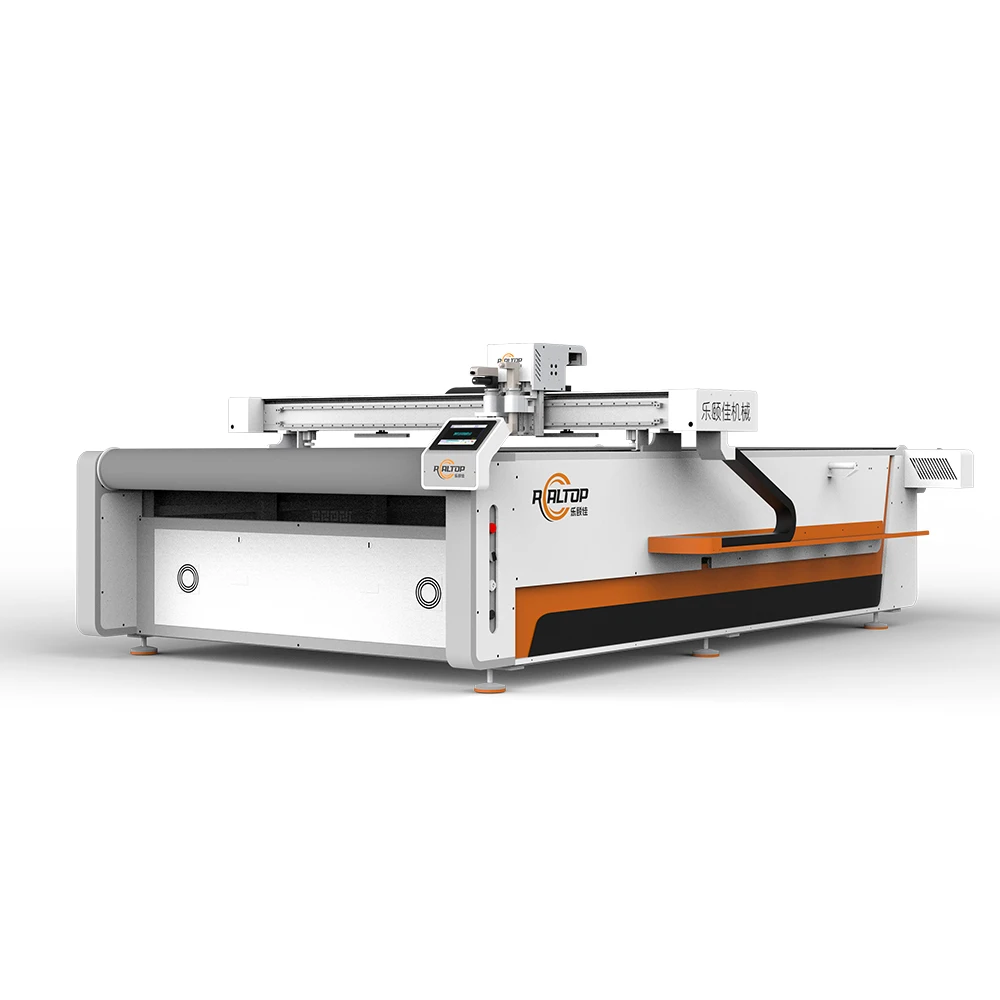
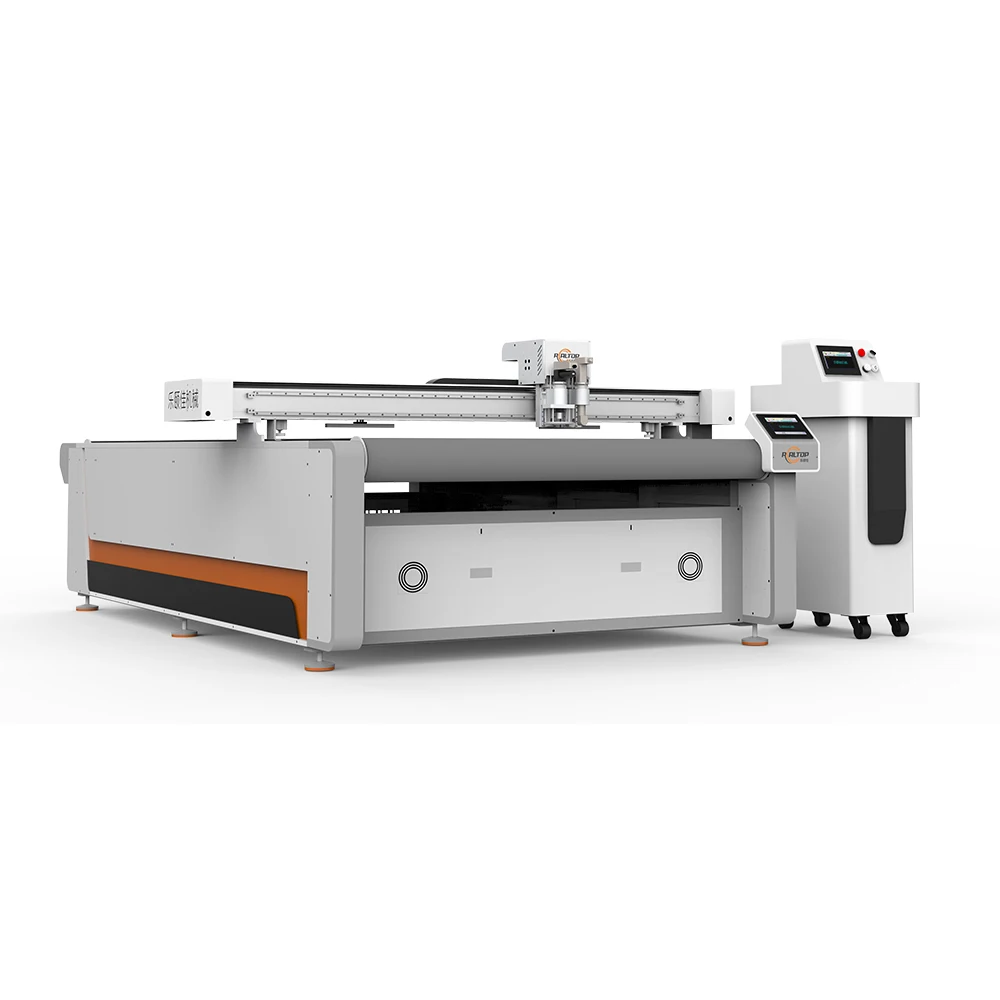
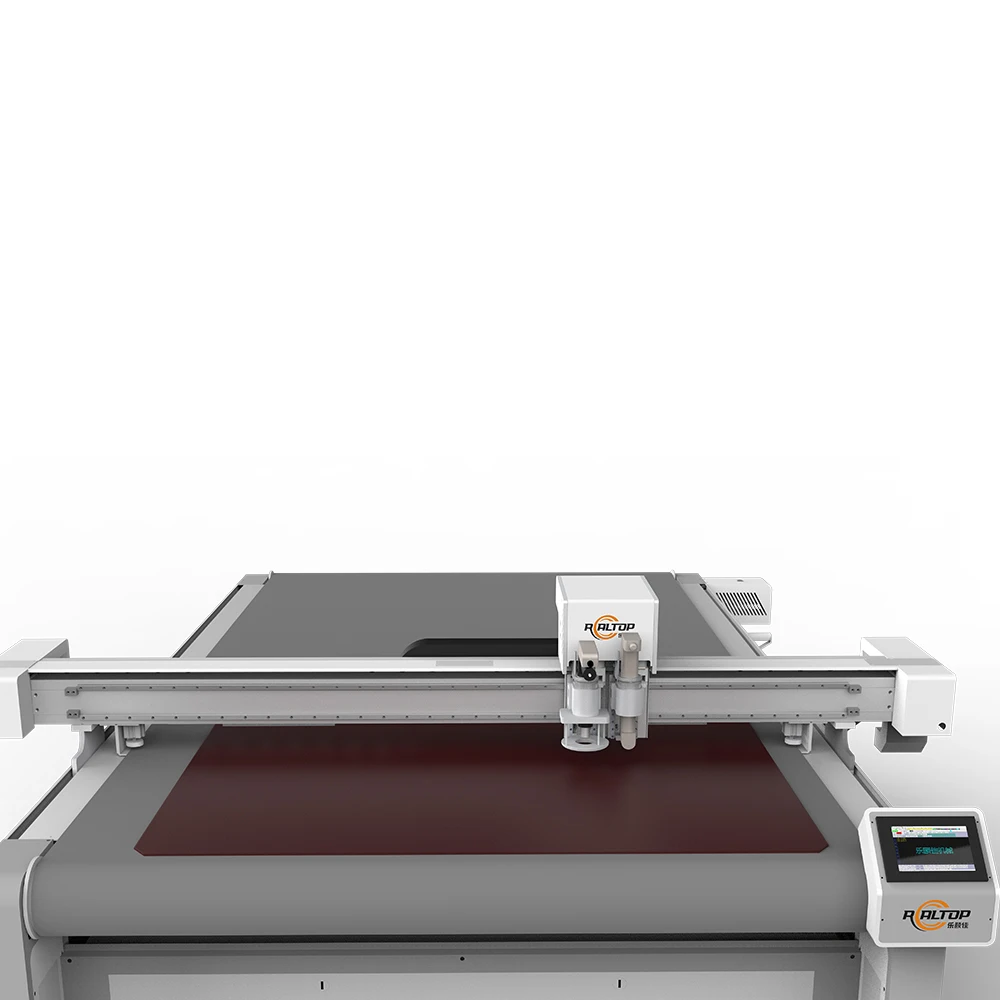
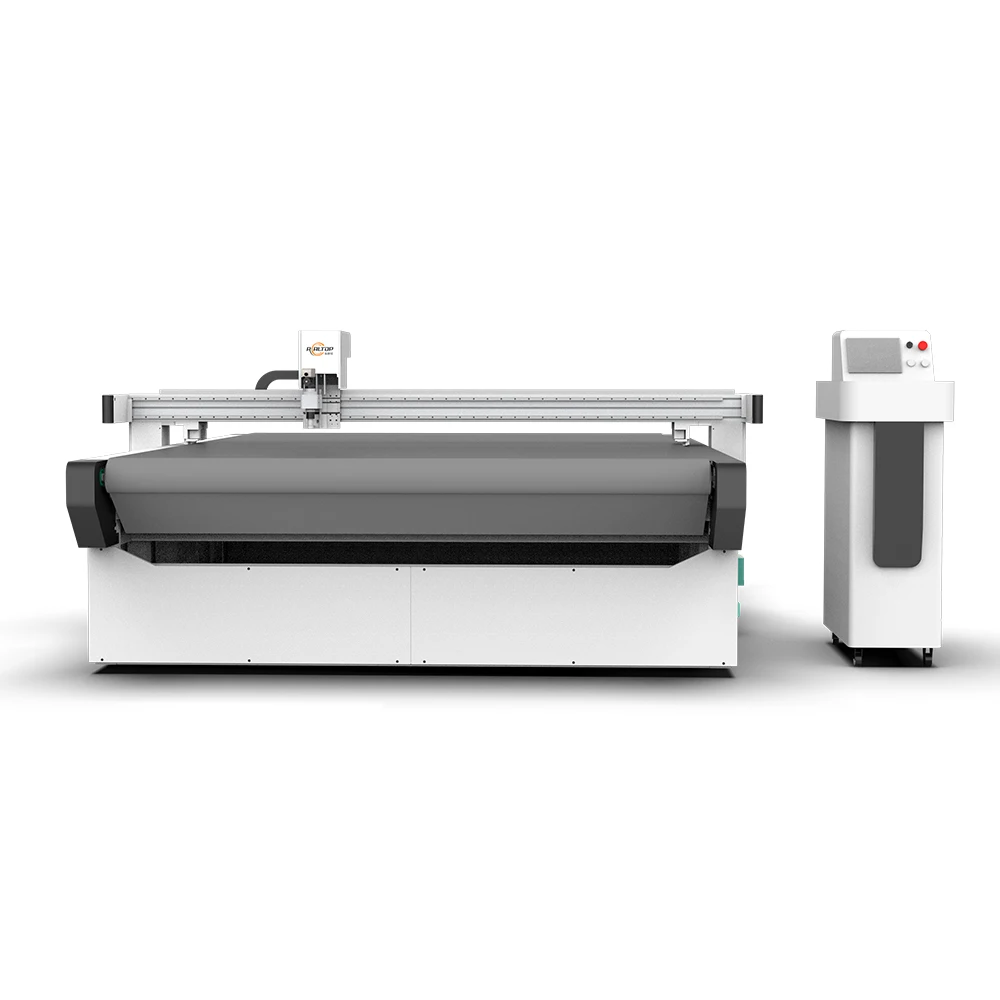
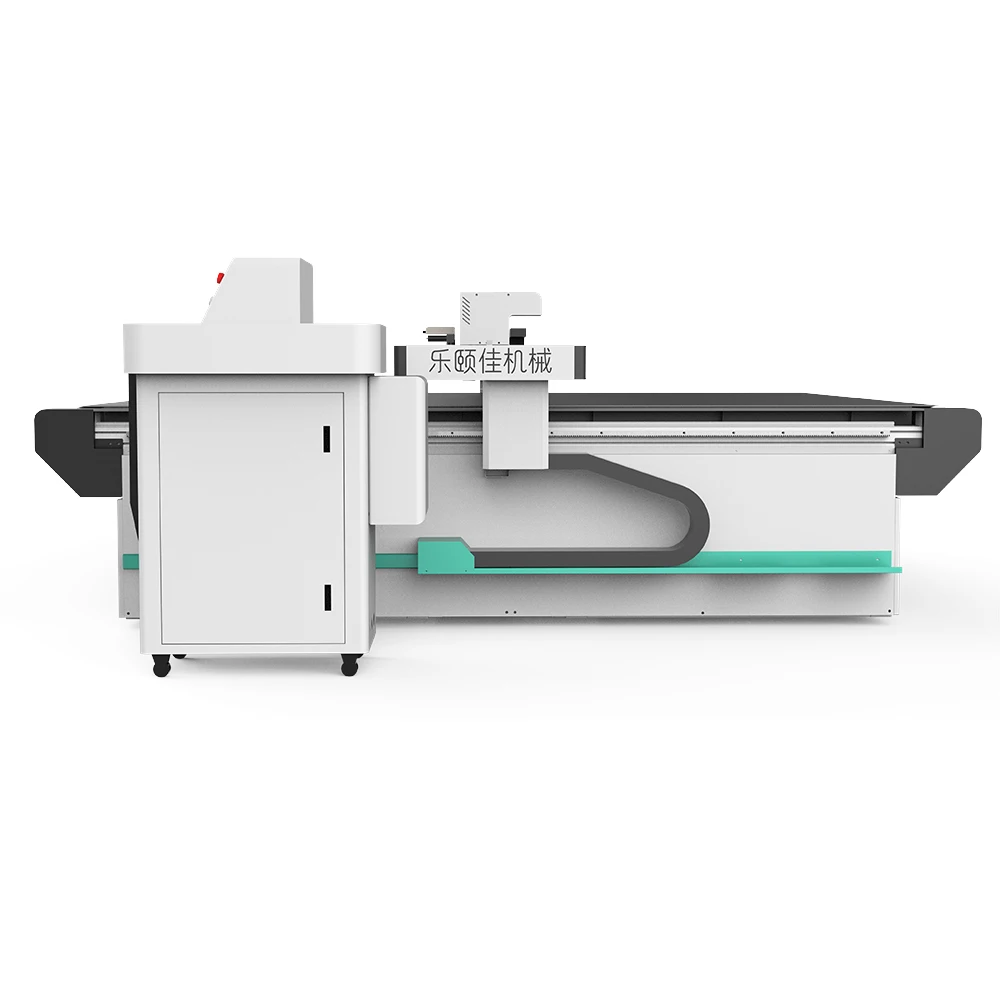
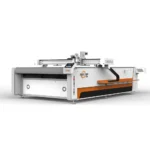
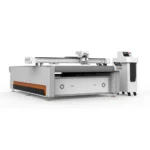
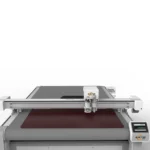
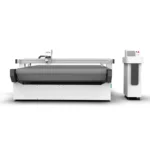
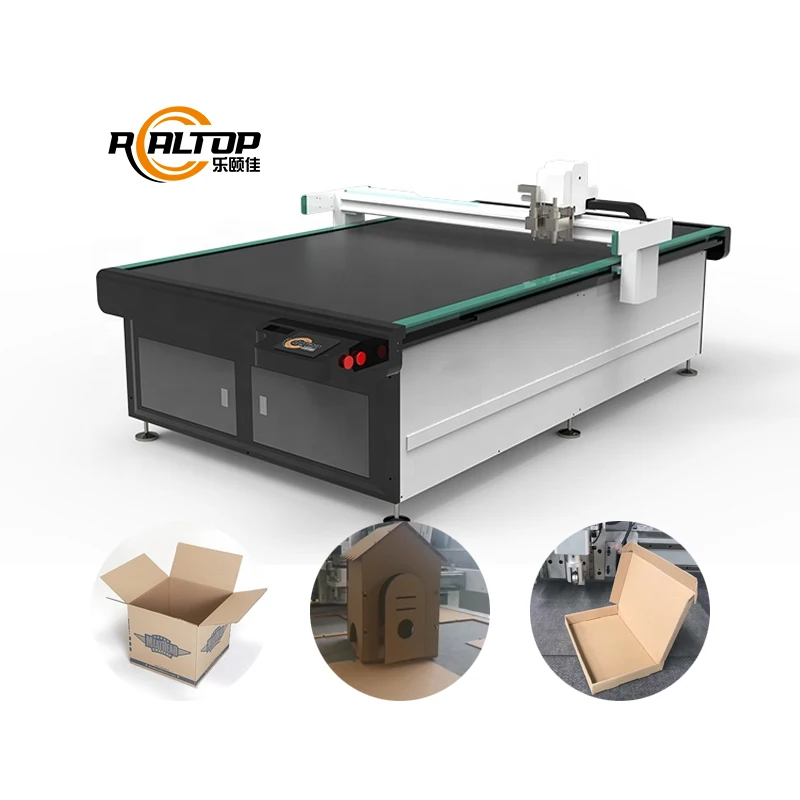
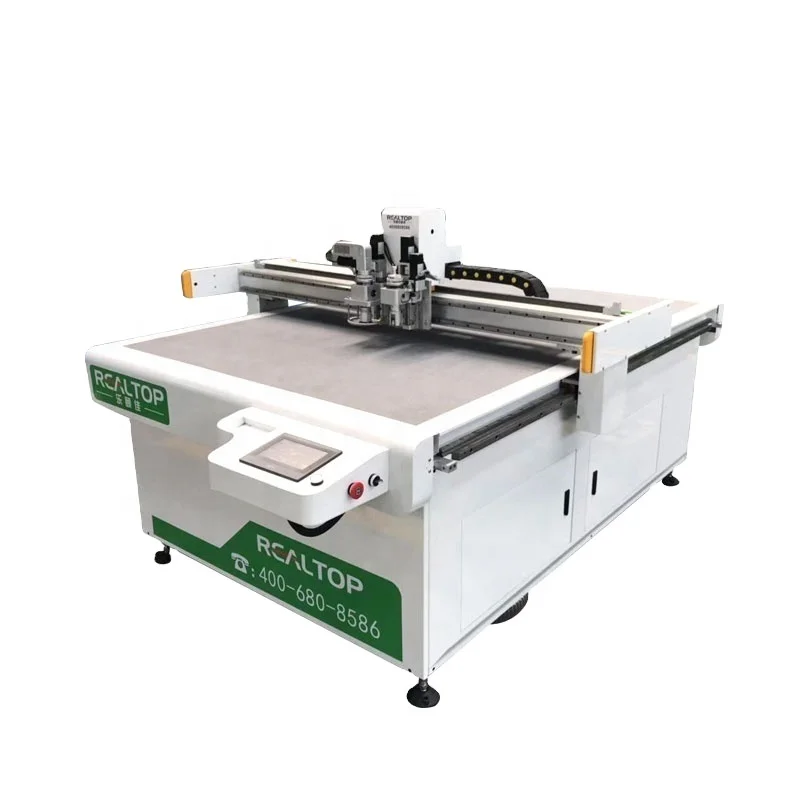
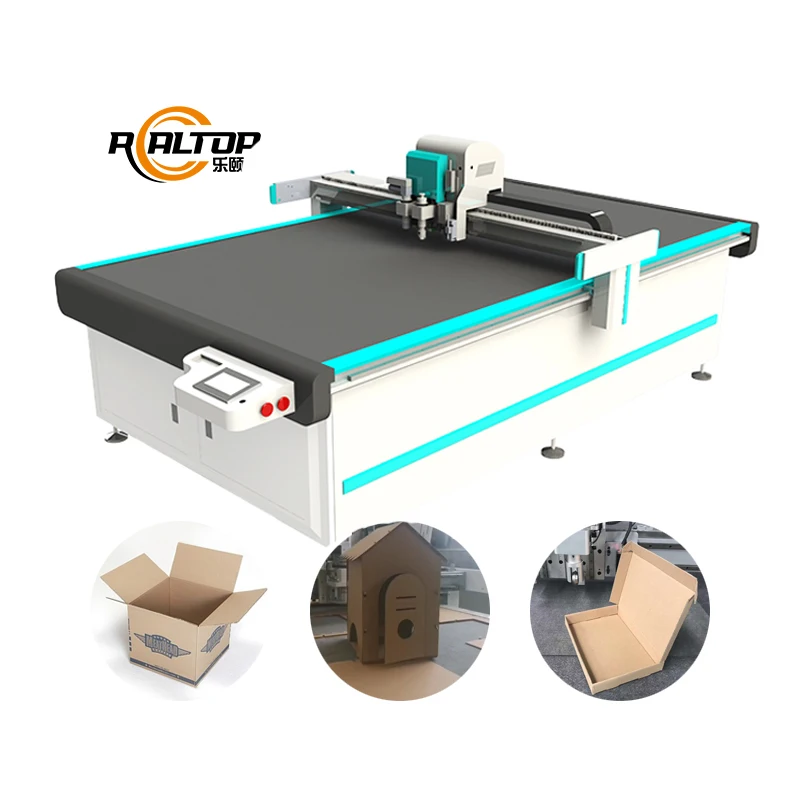
Core Factory Build — Frame, motion, tooling and control are designed and assembled under one roof, so the 1625 CNC oscillating knife cutting machine leaves the shop as a verified system rather than a bolted-together kit.
Technical Specifications
| Parameter | Value |
|---|---|
| Model | 1625 |
| Product Type | CNC Oscillating Knife Cutting Machine |
| Working Area | 1600×2500 mm |
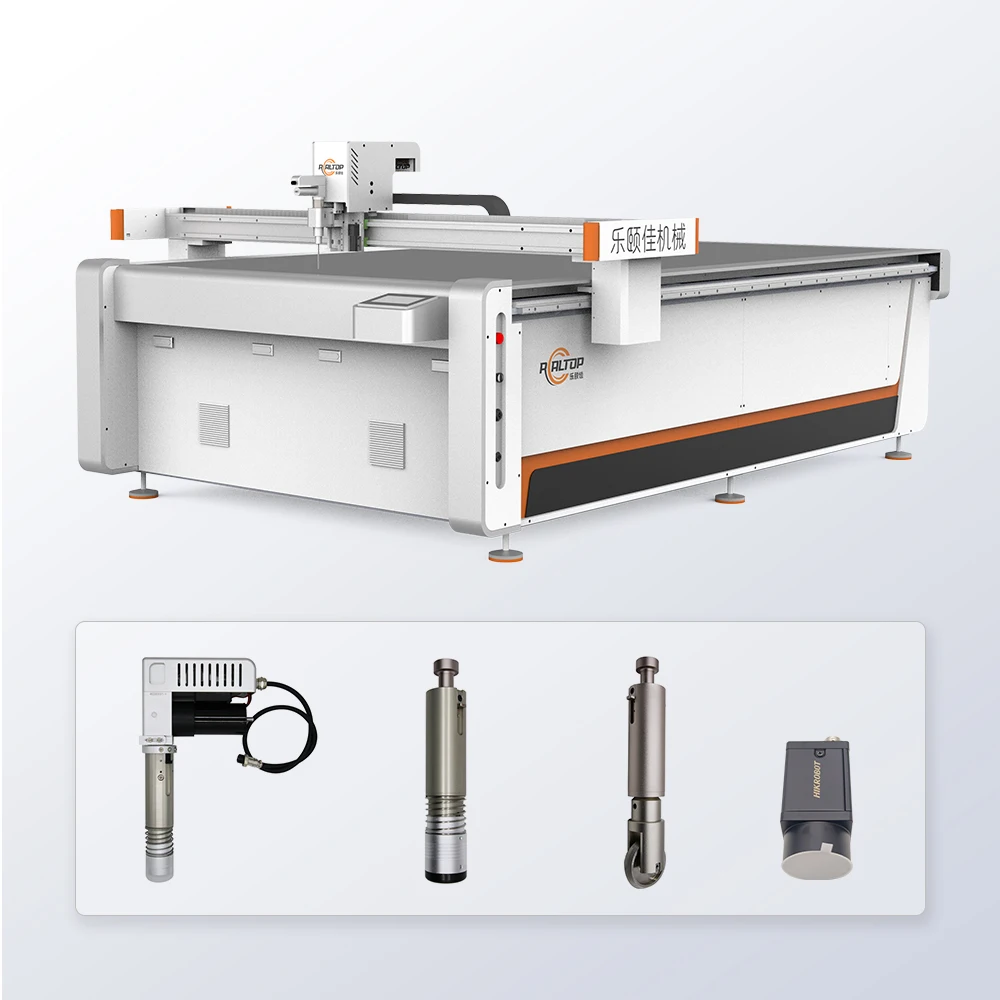
| Tool Head Options | Oscillating knife, Driven rotary knife, Creasing wheel, Kiss cutting tool, Pneumatic knife, Milling tool, V-groove knife |
| Cutting Speed | 0–2000 mm/s |
| Cutting Thickness | ≤ 30 mm (basis not stated in source — confirm block format / material / thickness) |
| Positioning Accuracy | ±0.1 mm |
| Vacuum Pump Power | 9 kW |
| Vacuum Table | Aluminum bellows vacuum table |
| Servo Motor Options | Panasonic, Delta, Dorna |
| Control Panel | PLC with intuitive interface |
| Voltage Options | 110V, 220V, 380V |
| Profile Format Compatibility | PLT, DXF, AI, PDF |
| Safety Device | Infrared sensor device and emergency stop device |
| Machine Size | 3300×2100×1350 mm |
| Language Options | English, Russian, Italian, Chinese, custom languages available |
| Certification | CE |
Application Suitability
| Application | Material or Output |
|---|---|
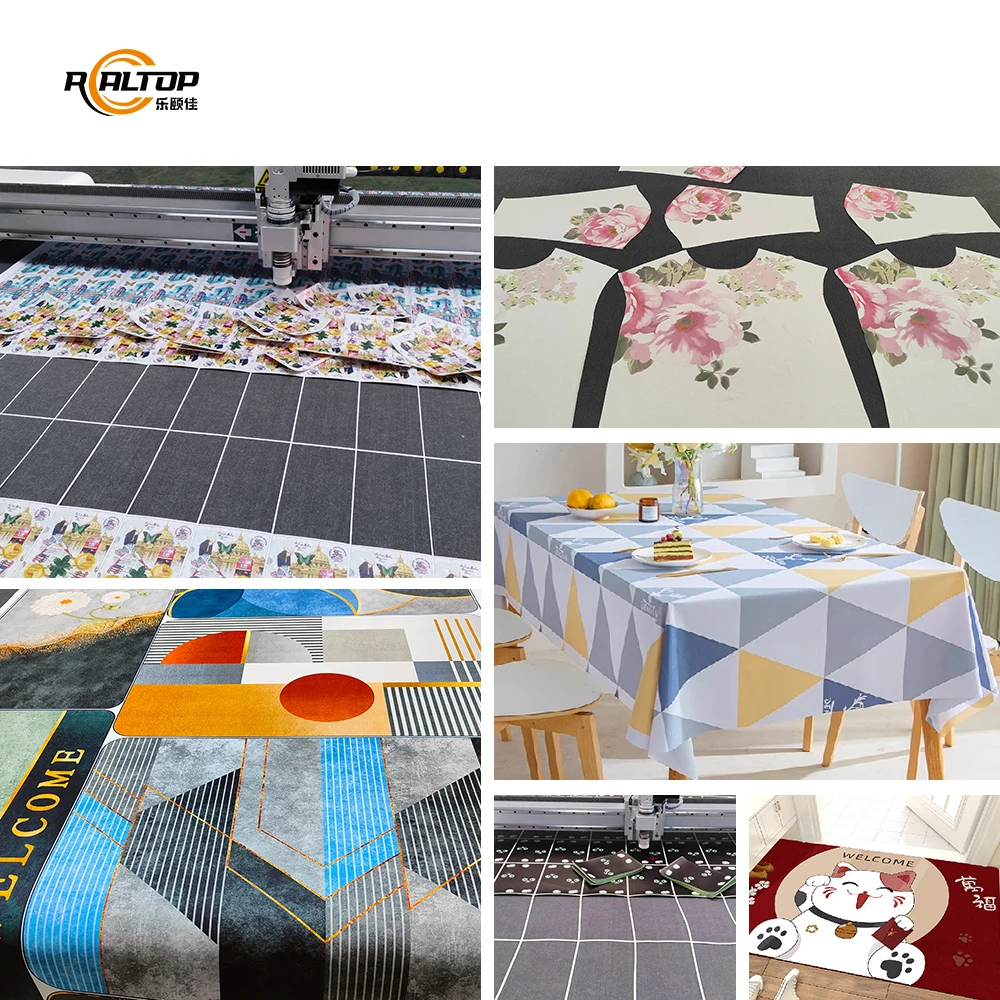
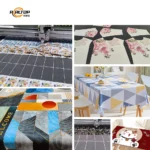
| Apparel manufacturing | Suits, knitwear, lace, complex pattern-matching fabrics |
| Automotive interiors | Seat fabrics, carpets, PVC mats |
| Home textiles | Sofa fabrics, curtains, rugs, multi-layer fabric stacks |
| Composite processing | Carbon fiber prepreg, aramid, specialty technical materials |
| General non-metal cutting | Cardboard, carton, EVA, leather, acrylic, foam, PTFE, rubber |
What "30 mm Cutting Thickness" Actually Means on the Shop Floor
Thickness ratings only hold when the material density, layer count and tool head are matched as a system — not quoted as a single number.
I have walked into workshops where a machine rated for a given thickness was struggling to push through a foam stack that was technically within spec but far denser than the test sample used at the factory. The blade was chattering, the vacuum hold-down was losing grip on the bottom layers, and the operator was running at half speed just to keep edges acceptable. A CNC oscillating knife cutting machine manufacturer that does not ask for your actual material stack before quoting is leaving you to discover these limits on your own time [NEED_CITE: material density variation in foam and composite cutting].
How the Tool Head Decision Gets Made
Every material family responds differently to blade geometry and stroke frequency. An oscillating knife handles dense, single-ply composites and gasket materials cleanly, while a driven rotary knife suits long, continuous cuts through multi-layer woven fabrics. The 1625 platform supports seven tool head options, and the correct choice depends on the specific material you run most days — not a generic recommendation from a catalogue. A CNC oscillating knife cutting machine manufacturer worth working with will cut your actual material before the order is placed.
Vacuum Table Zoning and Multi-Layer Stability
Holding down a full sheet is straightforward. Holding down small nested parts after the surrounding material is cut away is where most vacuum tables fall short. The aluminum bellows vacuum table on the 1625 is designed for full-surface adsorption, which matters when cutting automotive carpet or multi-layer home textile stacks where a lifted edge at the bottom layer produces a rejected piece [NEED_CITE: vacuum hold-down requirements in multi-layer fabric cutting].
Reading the Specs That Matter Beyond Working Area
A 1600×2500 mm working area tells you what fits on the table. Positioning accuracy of ±0.1 mm tells you whether nested parts will align with printed marks across that entire surface. The 9 kW vacuum pump power rating indicates how well the table holds material under aggressive cutting speeds, and the servo motor selection — Panasonic, Delta, or Dorna — directly affects how smoothly the tool head tracks direction changes at the upper end of the 0–2000 mm/s speed range. These parameters together determine whether the machine cuts production-ready parts or requires secondary trimming.
The Cost of Skipping Configuration Verification
Buyers who confirm working area and skip everything else tend to discover problems in the first week. Wrong tool head selection produces ragged edges on woven fabric or crushes foam rather than slicing it. Insufficient vacuum zoning lets small parts drift during the final cuts in a nesting layout. A control panel in the wrong language slows every operator interaction. These are not warranty claims — they are configuration failures that halt production while you wait for replacement tooling or a software update [NEED_CITE: tool head and material mismatch in CNC knife cutting].
Why Buyers Source This Machine Directly from the Factory
REALTOP designs both knife and laser cutting systems in-house, which means the 1625 is recommended because your material suits oscillating knife cutting — not because it is the only method available. The frame and motion components are built and tested at the core factory before shipment. Tool head and vacuum table configurations are specified per material sample, not pulled from a default list. Software compatibility with PLT, DXF, AI and PDF workflows is confirmed in writing before production begins. Voltage, plug type and control language are locked down so the machine arrives ready to run on your shop floor.
Documentation & Verification
- Machine specification sheet with confirmed tool head and vacuum table configuration for your material
- Electrical schematic and voltage confirmation matching your facility supply
- Sample cutting report produced on your actual fabric, leather or composite stock
- Factory test record showing positioning accuracy and vacuum performance under load
- Software licence and file format compatibility note for PLT, DXF, AI and PDF imports
Installation, Commissioning & Support
- Floor space planning based on the 3300×2100×1350 mm machine footprint plus material handling clearance
- Dedicated circuit installation matching confirmed 110V, 220V or 380V supply requirements
- Assembly and leveling on site with vacuum table flatness verification before first cut
- Servo tuning and tool head calibration for your primary material and cutting speed
- Operator training on PLC interface in your confirmed language with nesting workflow setup
- Spare parts list covering blades, knife holders and vacuum table seals for planned maintenance
What to Include in Your Inquiry
Send the material type, typical sheet dimensions, layer count and daily cutting volume so the tool head and vacuum configuration can be matched before a quotation is issued. Specify your facility voltage and frequency, preferred control language, and whether you need sample cutting on your own material before committing to the order.
Frequently Asked Questions
Q: How is cutting thickness verified against my specific material and layer stack?
A: We request a sample of your actual material — including the backing, adhesive layers or foam density if applicable — and run test cuts at your target layer count. The sample cutting report documents edge quality, achievable speed and maximum clean cutting depth, so the thickness rating is confirmed against your production reality rather than a generic lab sample.
Q: Which tool head configuration is recommended for my material?
A: The decision starts with your primary material and production pattern. Oscillating knife suits dense composites and gasket stock. Driven rotary knife handles multi-layer woven fabrics at speed. Creasing wheel and V-groove tools cover packaging and carton work. We confirm the recommendation through sample cutting before the tool head is built into your machine.
Q: What voltage, plug type and control language are confirmed before shipment?
A: Voltage is selected from 110V, 220V or 380V options and confirmed in writing along with plug type and frequency before production starts. The PLC control panel language — English, Russian, Italian, Chinese or a custom option — is set and verified during the factory test so no configuration is left for on-site guessing.
Q: Can I send my material for sample cutting before committing to the order?
A: Yes. Sending your material is the standard process. We run it on the 1625 platform with the proposed tool head and vacuum configuration, then share a sample cutting report covering edge quality, cutting depth and speed. You approve the results before the machine enters production.
You may also like

商品评价
Clear filtersThere are no reviews yet.