


-
 Courier delivery
-
 DHL Courier delivery
-
 Warranty 1 year
-
 Free 30-Day returns

Per-Material Tooling Strategy — we configure each oscillating knife head and vacuum zone against the buyer’s actual EVA foam density rather than quoting a generic table spec.
Technical Specifications
| Parameter | Value |
|---|---|
| Model | 1625 |
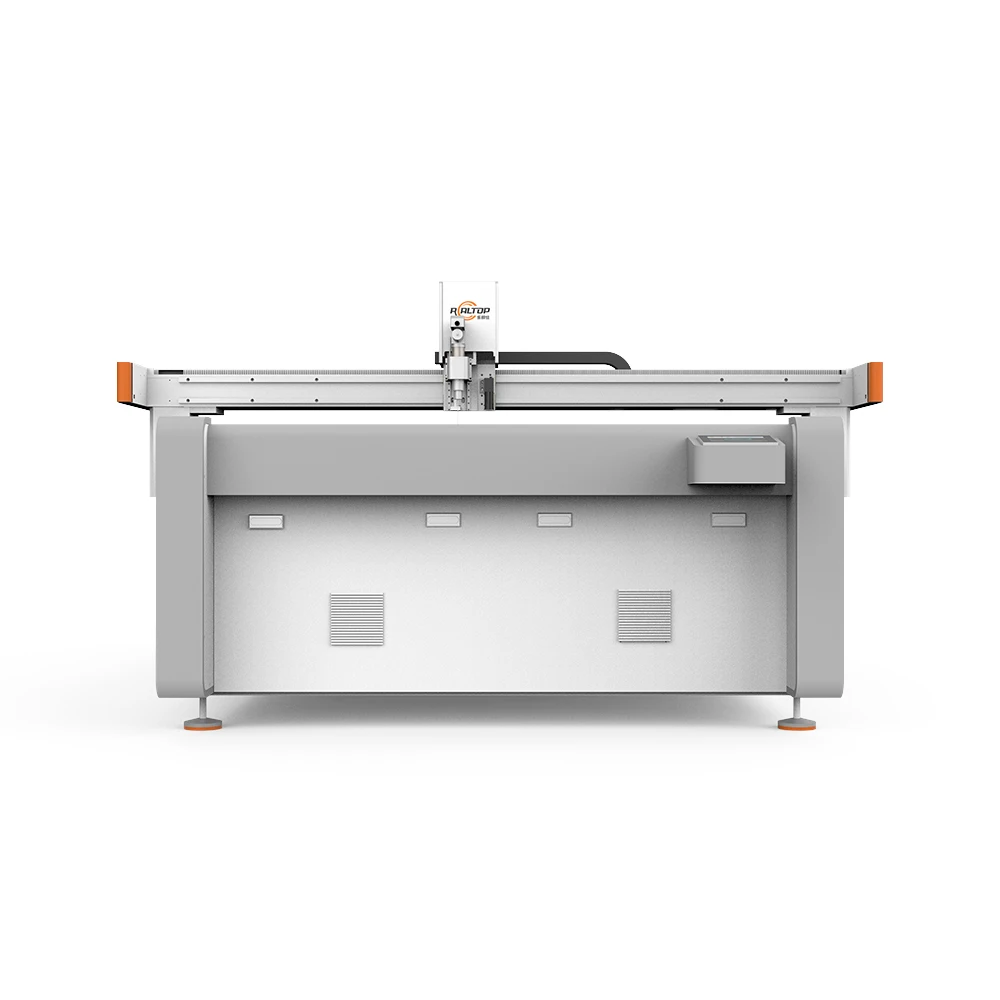
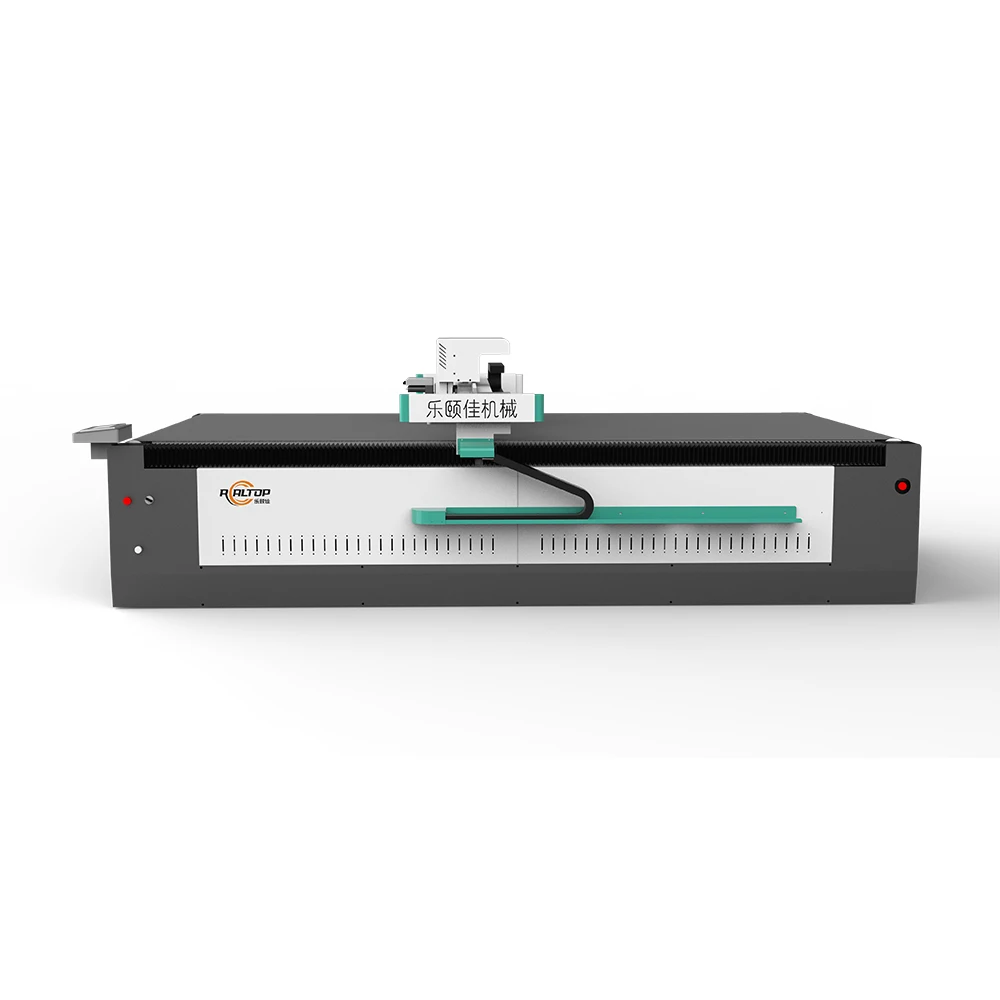
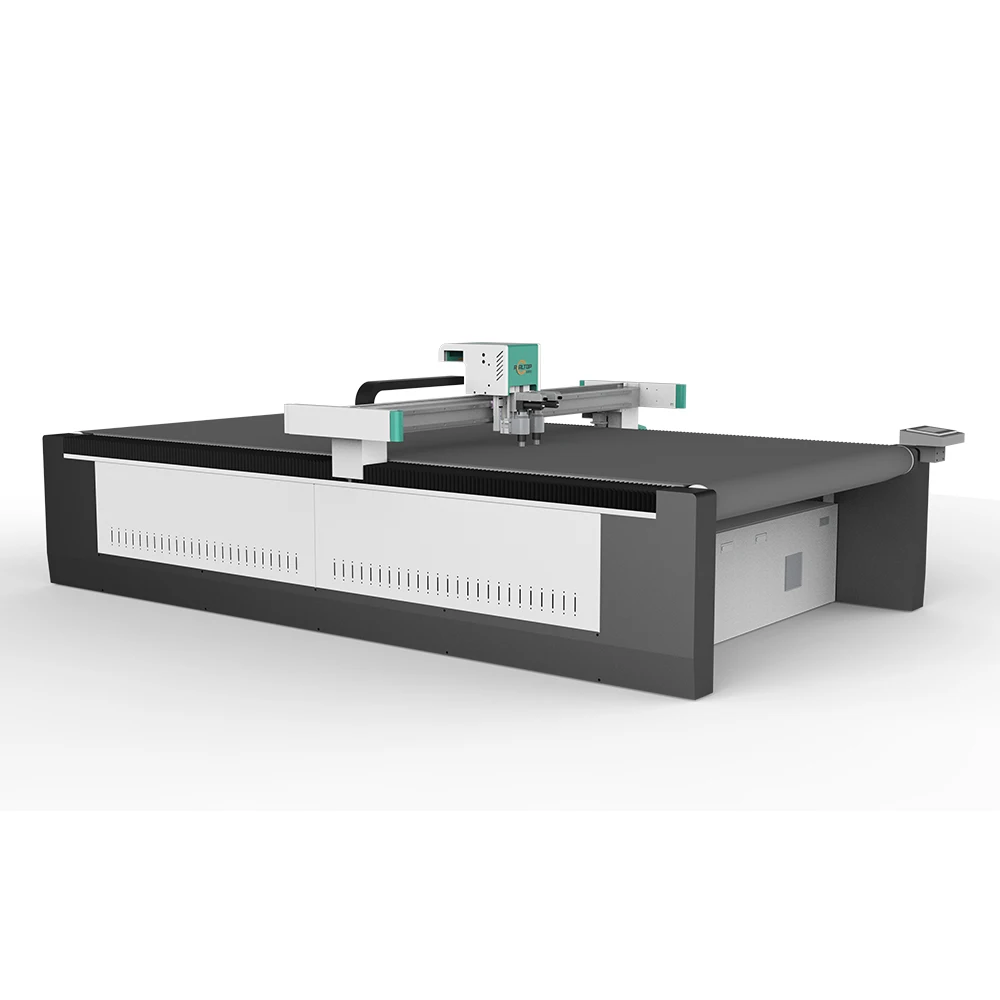
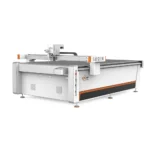
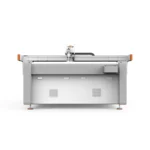
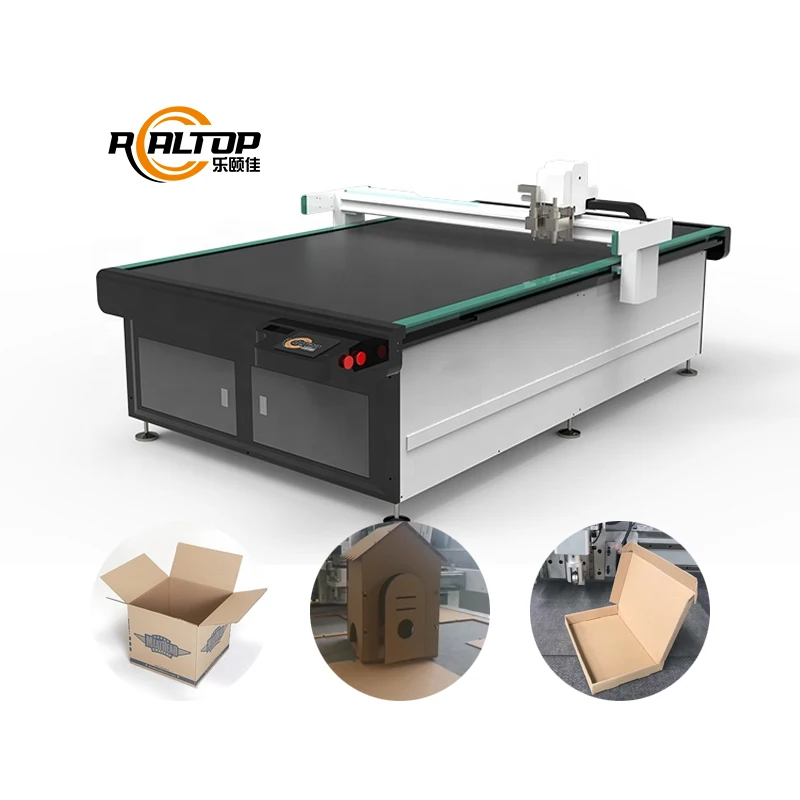
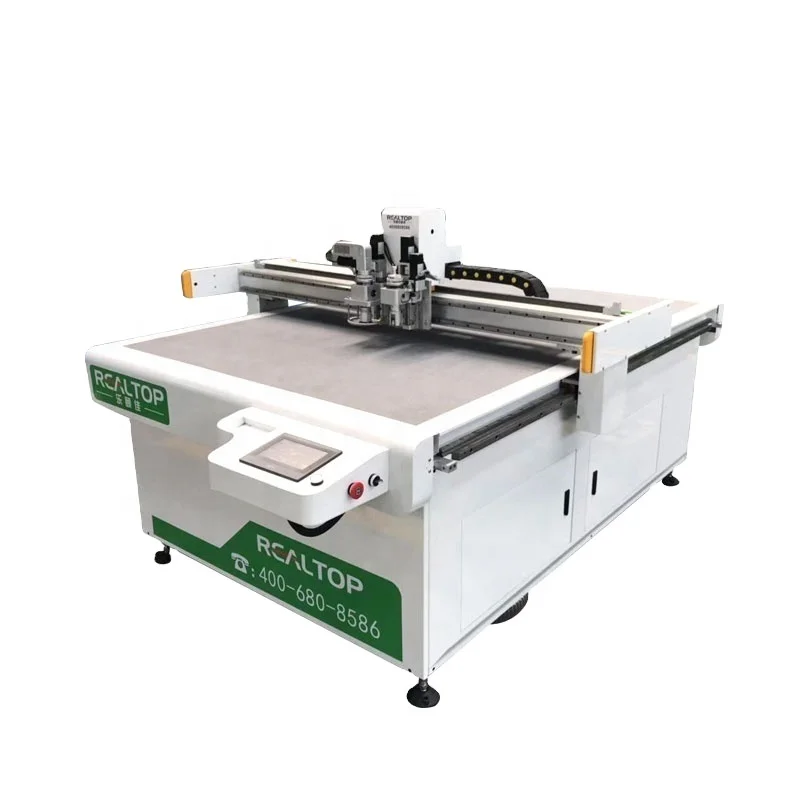
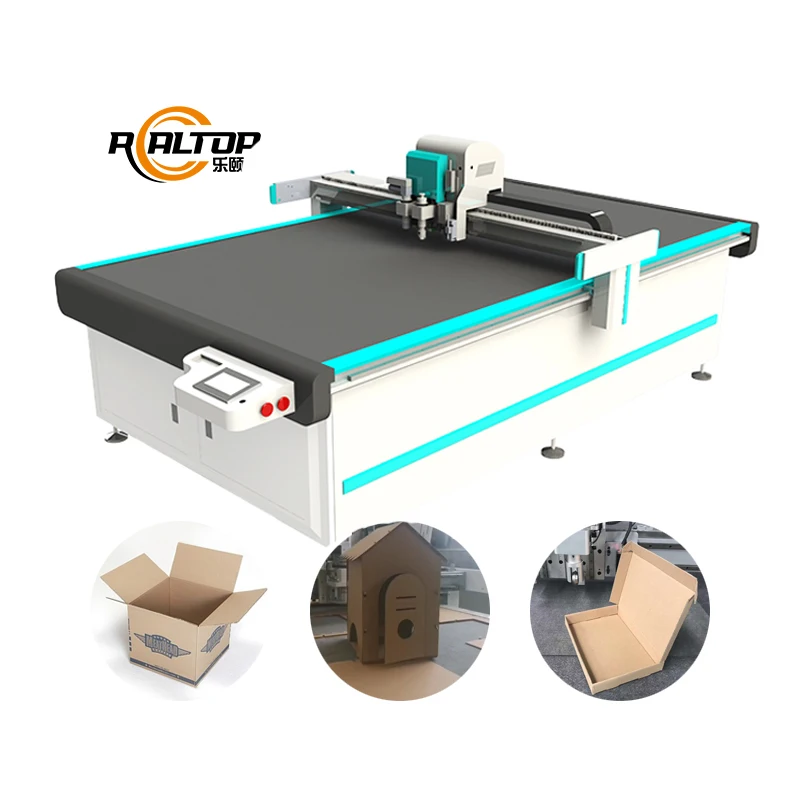
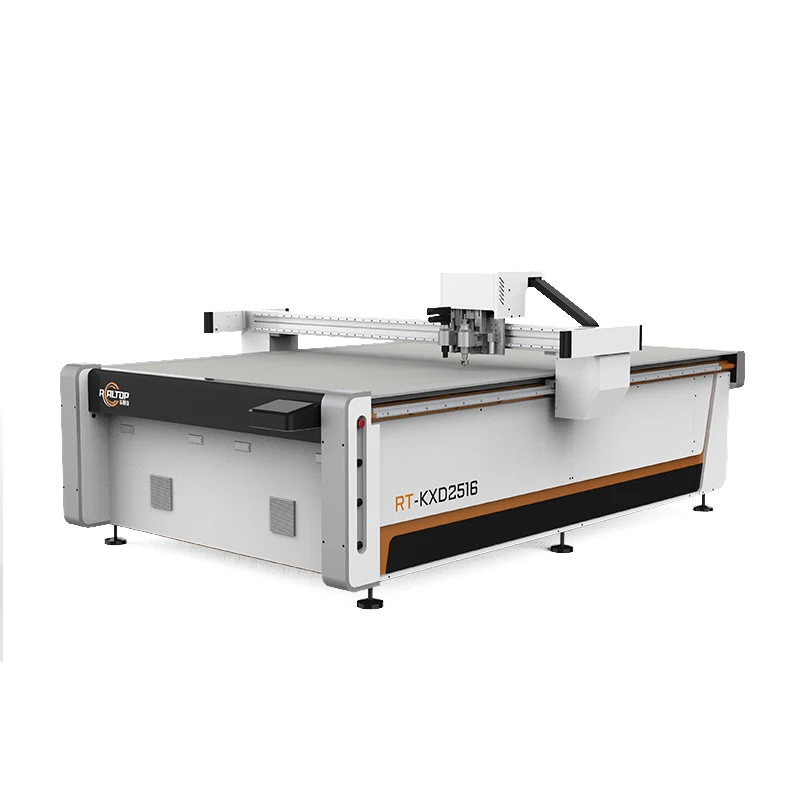
| Product Type | CNC Oscillating Knife Cutting Machine |
| Working Area | 1600×2500 mm |
| Cutting Speed | 0–1500 mm/s |
| Maximum Cutting Thickness | ≤ 40 mm |
| Cutting Accuracy | ±0.1 mm |
| Vacuum Pump Power | 9 kW (basis not stated in source) |
| Voltage Options | 110V / 220V / 380V |
| Overall Dimensions | 3300×2100×1350 mm |
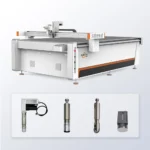
| Tool Head Options | Oscillating knife, Driven rotary knife, Creasing wheel, Kiss cutting tool, Pneumatic knife, Milling tool, V groove knife |
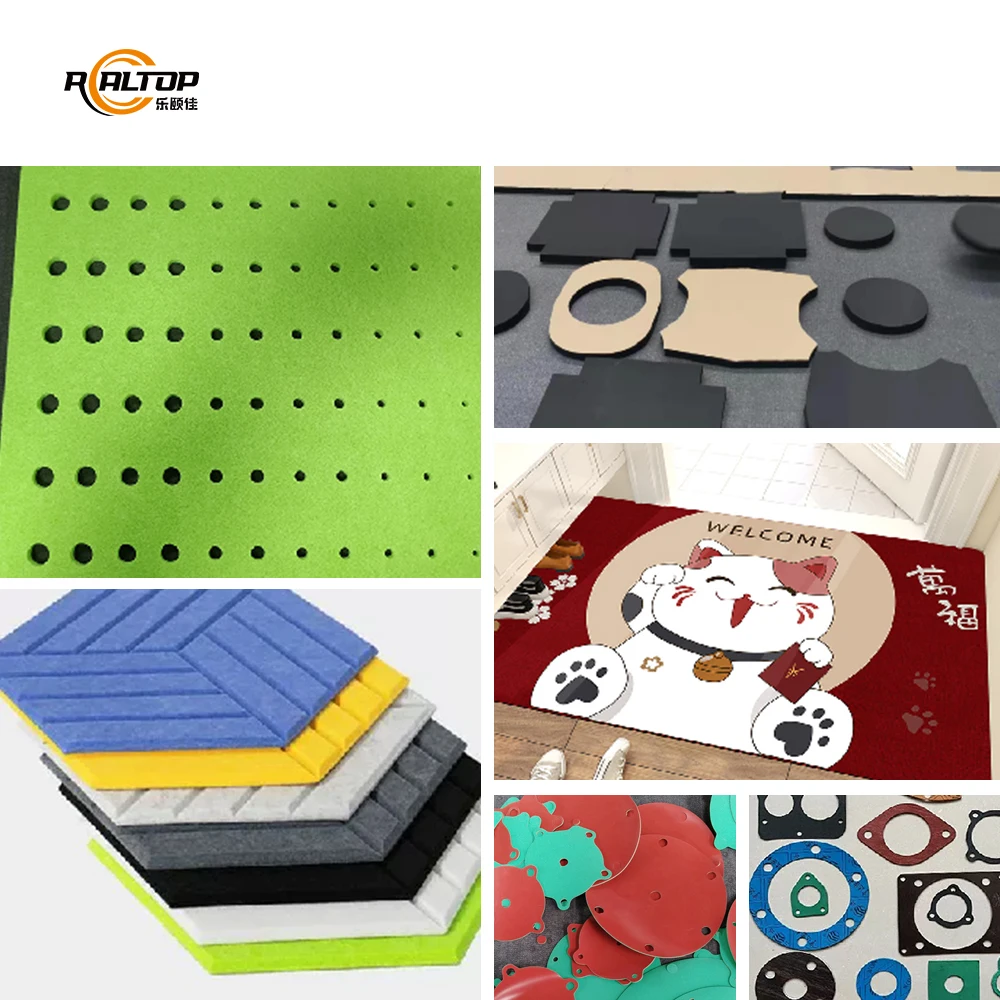
| Applicable Materials | Fabric, Cardboard, Carton, Mats, PVC, EVA, Leather, Acrylic, Foam, PTFE, Rubber |
| File Format Compatibility | PLT, DXF, AI, PDF |
| Control System | PLC control panel (source value — verify against manufacturer catalog) |
| Vacuum Table Type | Aluminum bellows vacuum table |
| Servo Motor Options | Panasonic, Delta, Dorna (source value — verify against manufacturer catalog) |
| Safety Devices | Infrared sensor device, Emergency stop device |
| Language Options | English, Russian, Italian, Chinese, custom languages available |
| Standards | CE (certifications image referenced in source, specific standards to be confirmed) |
Application Suitability
| Application | Material or Output |
|---|---|
| Packaging sample making and short-run production | Corrugated cardboard, greyboard, art paper, EVA/EPE/PU foam |
| Signage and display cutting | PVC foam board, acrylic sheet, corrugated plastic |
| Garment, footwear and leather pattern cutting | Natural and synthetic leather, textile fabric, nonwoven |
| Automotive interior and gasket production | Rubber, PTFE, composite gasket materials, foam seals |
| Composite and foam fabrication | EVA, EPE, PU foam up to 40 mm, rubber mats |
What "Up to 40 mm Cutting Depth" Leaves Out When the Foam Fights Back
Cutting depth alone does not determine whether the edge will hold — the oscillation amplitude and vacuum hold-down must match the foam density you actually run.
A few years ago, a shipment went to the Middle East where the buyer had tested on 3 mm EVA samples but ran 15 mm high-density EVA in daily production. The knife stalled mid-sheet, the foam tore at the edges, and the vacuum table could not keep small gasket blanks flat. A CNC oscillating knife cutting machine manufacturer quoting a single depth number without asking about density is leaving the real problem off the table. The tool head that slices 3 mm packaging foam cleanly will compress and drag through dense EVA, producing ragged edges that fail downstream inspection [NEED_CITE: oscillation amplitude requirements for closed-cell foam materials].
Matching Tool Head Amplitude to Foam Cell Structure
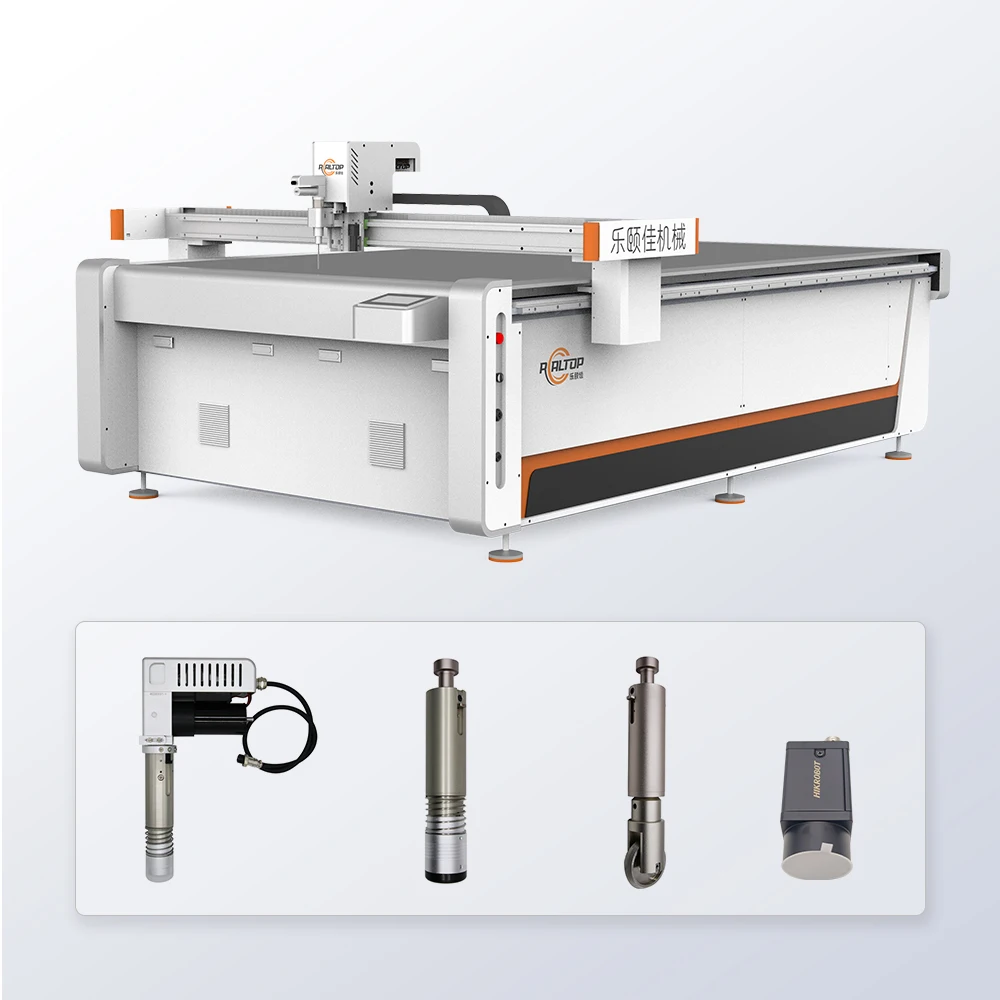
Every foam type behaves differently under a reciprocating blade. Open-cell EPE tears if the oscillation frequency is too low, while closed-cell EVA at high density demands high amplitude to prevent the blade from riding the compression wave ahead of the cut. This CNC oscillating knife cutting machine offers interchangeable heads — oscillating knife, driven rotary knife, pneumatic knife — so the selection is made against the specific material cell structure, not the catalog heading.
Why Vacuum Zoning Decides Small-Part Yield
Large sheets hold themselves down through sheer weight, but gasket blanks and packaging inserts under a certain surface area will lift and shift the moment the knife exits the cut. The aluminum bellows vacuum table on this unit provides a flat sealing surface, yet the real question is how the zones are configured for your typical nest layout. A single-zone table running small EVA parts wastes pump energy and still loses pieces at the edges [NEED_CITE: vacuum table zoning principles for CNC flatbed cutting].
Reading the Specifications Beyond the Brochure Numbers
The 1600×2500 mm working area accommodates standard full-size foam sheets and large corrugated boards without repositioning, which matters for nesting efficiency on packaging sample runs. The ±0.1 mm cutting accuracy keeps gasket outlines within tolerance for automotive seal assemblies where bolt-hole alignment is non-negotiable. Cutting speed ranges from 0 to 1500 mm/s, but the usable speed on 15 mm EVA is considerably lower than on 2 mm cardboard — the PLC control panel allows the operator to set profiles per material so the next job does not inherit the last job’s parameters. File import covers PLT, DXF, AI, and PDF, and compatibility with the buyer’s existing nesting software should be confirmed before the machine enters production [NEED_CITE: CNC cutting software file format interoperability standards].
The Cost of Specifying a Machine by Working Area Alone
Buyers who choose a flatbed cutter based on table size first discover the real expenses after commissioning. A machine with a powerful vacuum pump but poor zone segmentation will consume more energy per shift while still losing parts. A single fixed-amplitude tool head forces the operator to slow the feed rate on dense materials, extending cycle time and pushing delivery dates. Wrong voltage wiring at the destination site adds rework days and potential motor damage that no warranty covers cleanly [NEED_CITE: industrial voltage mismatch consequences in exported machinery].
Why Production Teams Source This Equipment from the Jinan Factory Line
In-house design covers both the knife cutting table and the tool head assemblies, meaning the configuration is built as a system rather than sourced from separate suppliers and bolted together. Every unit is tested against the buyer’s own material stock before it leaves the factory floor — the same EVA sheet density, the same corrugated grade, the same leather weight that will run in the destination workshop. Voltage, plug type, and control language are locked in at the order stage so there are no surprises when the container opens. The servo motor selection — from available options to be confirmed — is specified to match the torque demand of the heaviest material in the buyer’s range. Sample cutting reports document edge quality, cutting depth, and cycle time on the actual material, not on a generic demo sheet.
Documentation & Verification
- Machine specification sheet listing the exact tool head and vacuum table configuration matched to your declared material
- Electrical schematic with voltage and frequency confirmation aligned to your facility power supply
- Sample cutting report generated on your own EVA foam or cardboard stock before order confirmation
- Factory test record documenting cutting accuracy and edge quality on your specified material range
- Operation and maintenance manual in the confirmed control language with spare parts list included
- CE declaration documentation for market entry where applicable
Installation, Commissioning & Support
- Foundation leveling for the 3300×2100×1350 mm frame to maintain table flatness across the full 1600×2500 mm working area
- Dedicated power circuit matching the confirmed voltage option and the 9 kW vacuum pump draw plus servo load
- On-site assembly of the aluminum bellows vacuum table sections with seal integrity check before first vacuum pull
- PLC control panel parameter setup for each material type in the buyer’s production mix during initial commissioning
- Operator training covering tool head changeover between oscillating knife, driven rotary knife, and creasing wheel
- Spare parts list covering blades, vacuum seals, and bellows elements with reorder lead times documented
Preparing Your Inquiry with the Right Production Data
To move past a generic quote, send the material type, maximum thickness, and density or hardness grade you run most often. Include your typical sheet size and the daily volume in pieces or square meters so the nesting layout and tool head selection can be sized accordingly. Confirm your facility voltage, frequency, and the control language your operators need — these details lock in the electrical build before production starts rather than after.
Frequently Asked Questions
Q: How does REALTOP confirm the right tool head for my specific material and thickness?
A: We ask for a sample of your actual production material — not a generic catalog reference — and run test cuts using different head options. The oscillating knife, driven rotary knife, and pneumatic knife each behave differently on dense EVA versus open-cell foam. The sample cutting report documents which head produced the cleanest edge at the required depth.
Q: What voltage, plug type, and control language options are available, and how are they confirmed?
A: Voltage options include 110V, 220V, and 380V, with frequency and plug type matched to your local standard. The PLC control panel supports English, Russian, Italian, Chinese, and custom languages. These are confirmed in writing at the order stage, and the electrical schematic reflects the final specification before the machine enters assembly.
Q: Can I send my own material for sample cutting before placing an order?
A: Yes — sample cutting on the buyer’s own material is standard procedure, not an optional extra. Send a sheet of your typical EVA foam, corrugated board, or leather at the thickness you actually produce. The resulting report covers edge quality, achievable cutting speed, and any tool head adjustments needed.
Q: What software and file formats does the machine support?
A: The system accepts PLT, DXF, AI, and PDF files. Before the order is finalized, we verify that your existing nesting software and design files import correctly, including contour paths and layer structures. This prevents workflow interruptions after the machine is commissioned on your shop floor.
Q: Can the frame size, working area, or vacuum zoning be customized to my production layout?
A: OEM customization covers frame dimensions, table size, and vacuum zone segmentation to match your typical part sizes and sheet formats. This is scoped during the inquiry stage, where your nesting layout and daily material mix determine whether the standard 1600×2500 mm table and default zoning are sufficient or require modification.
You may also like

商品评价
Clear filtersThere are no reviews yet.