


-
 Courier delivery
-
 DHL Courier delivery
-
 Warranty 1 year
-
 Free 30-Day returns

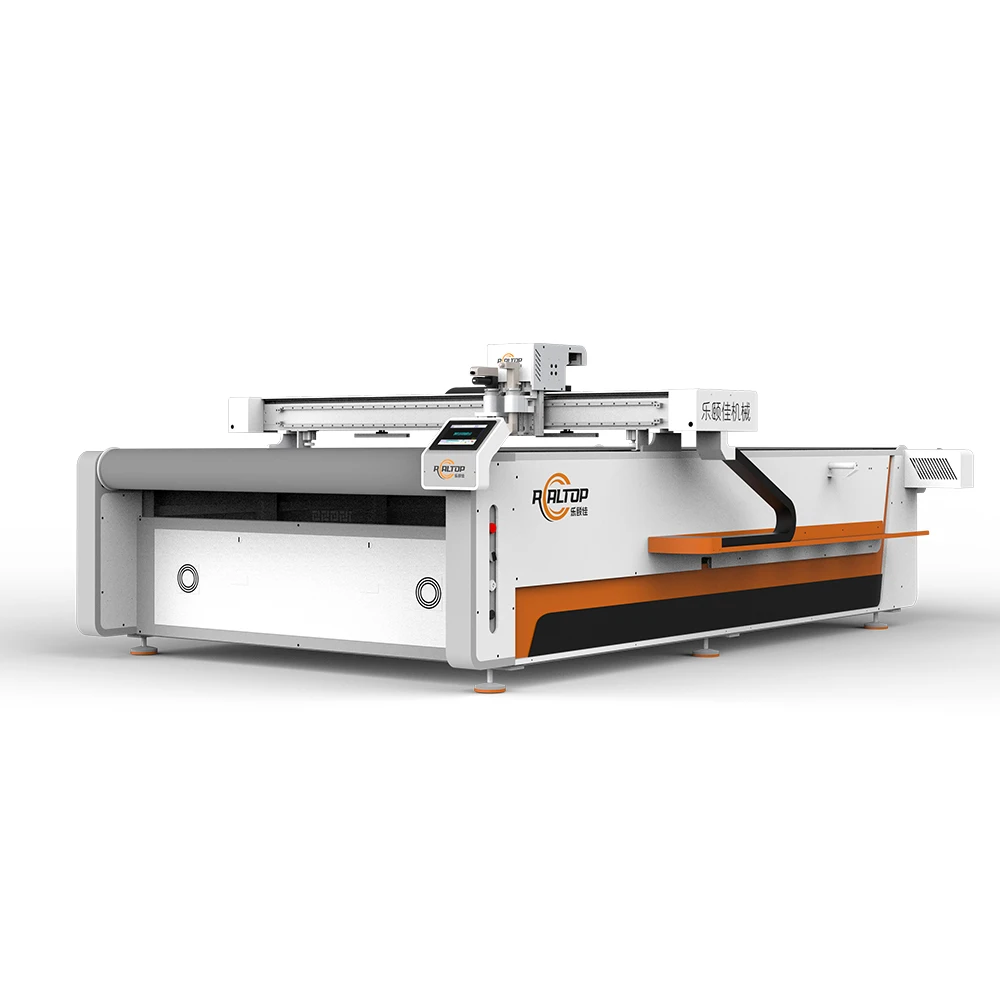
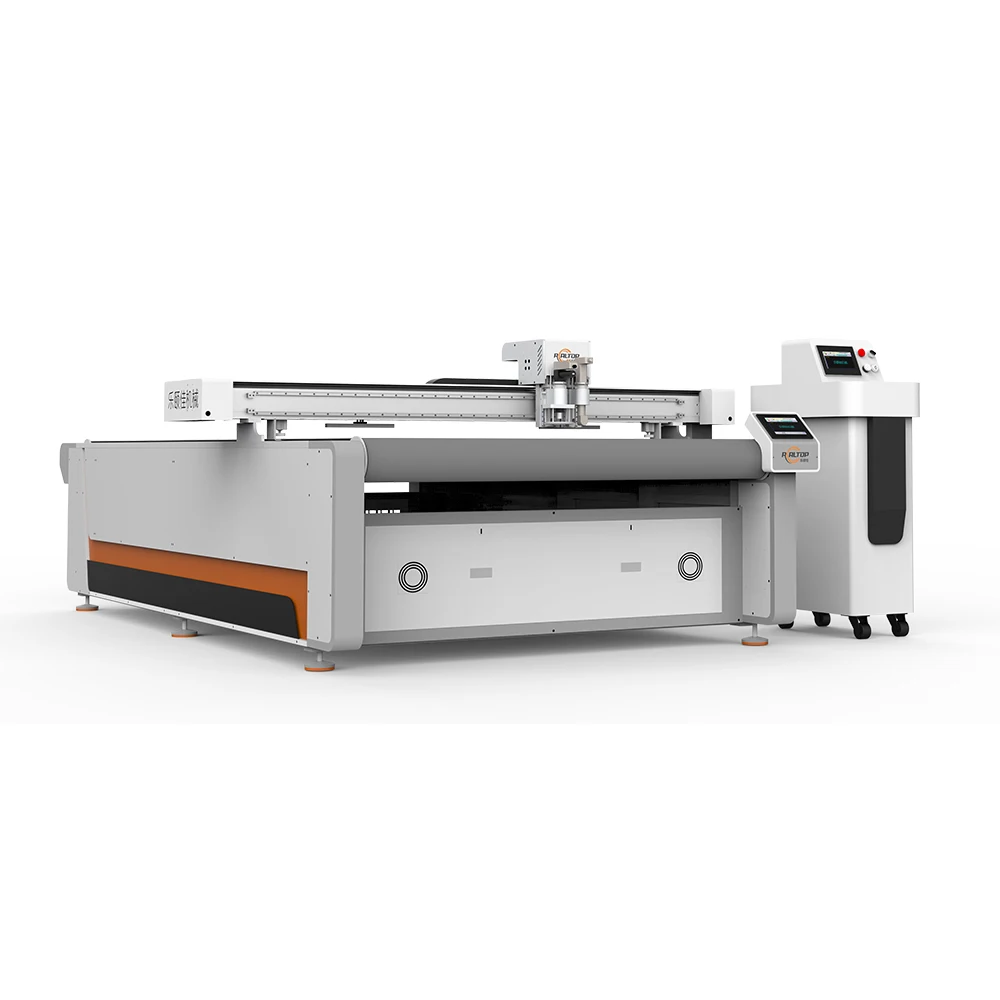
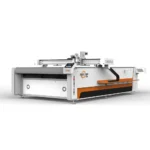
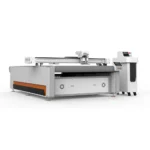
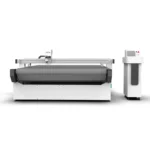
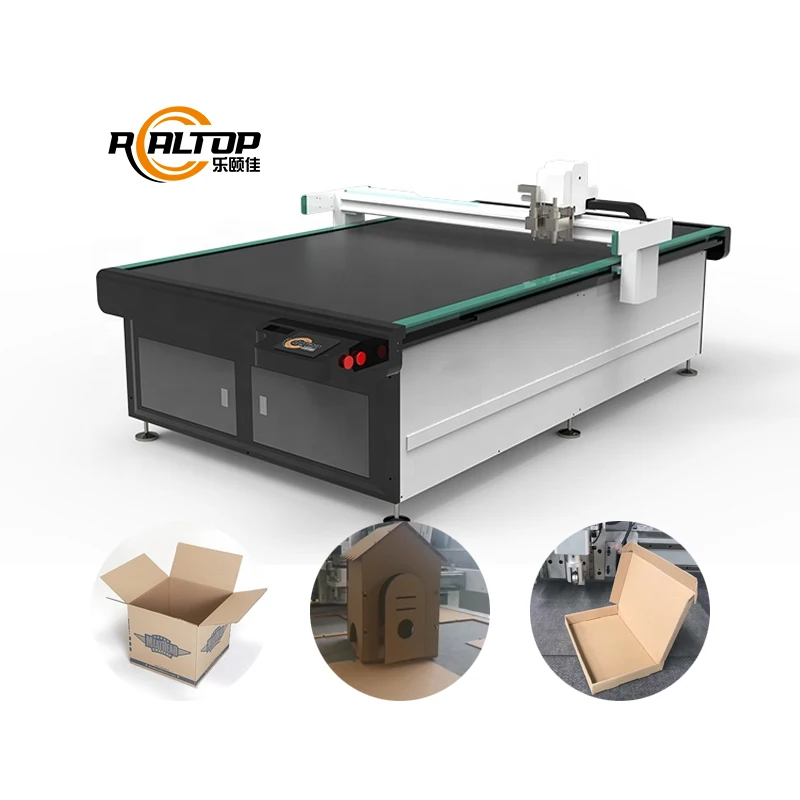
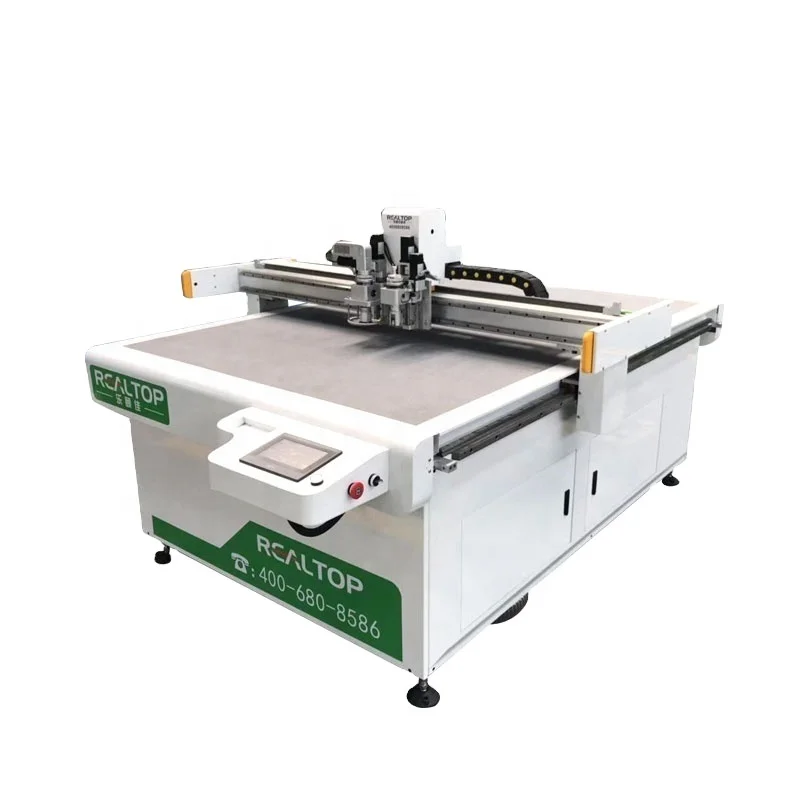
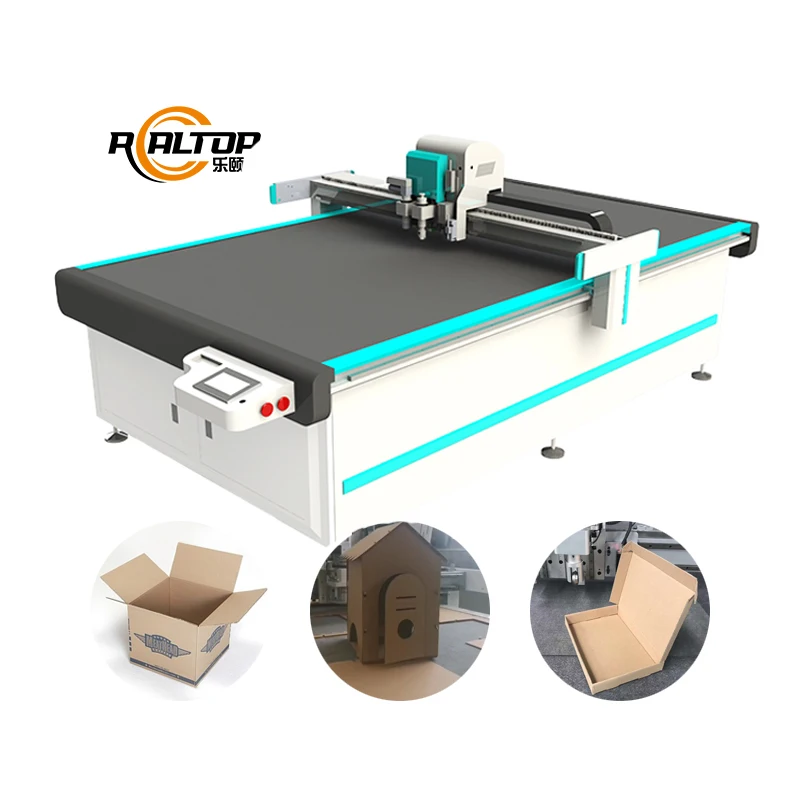
In-House Design Coverage — tool head, vacuum zoning and software configured to your material specification before the 1625 CNC oscillating knife cutting table enters production.
Technical Specifications
| Parameter | Value |
|---|---|
| Product Type | CNC Oscillating Knife Cutting Machine |
| Working Area | 1600 × 2500 mm |
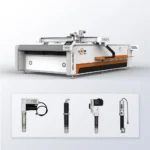
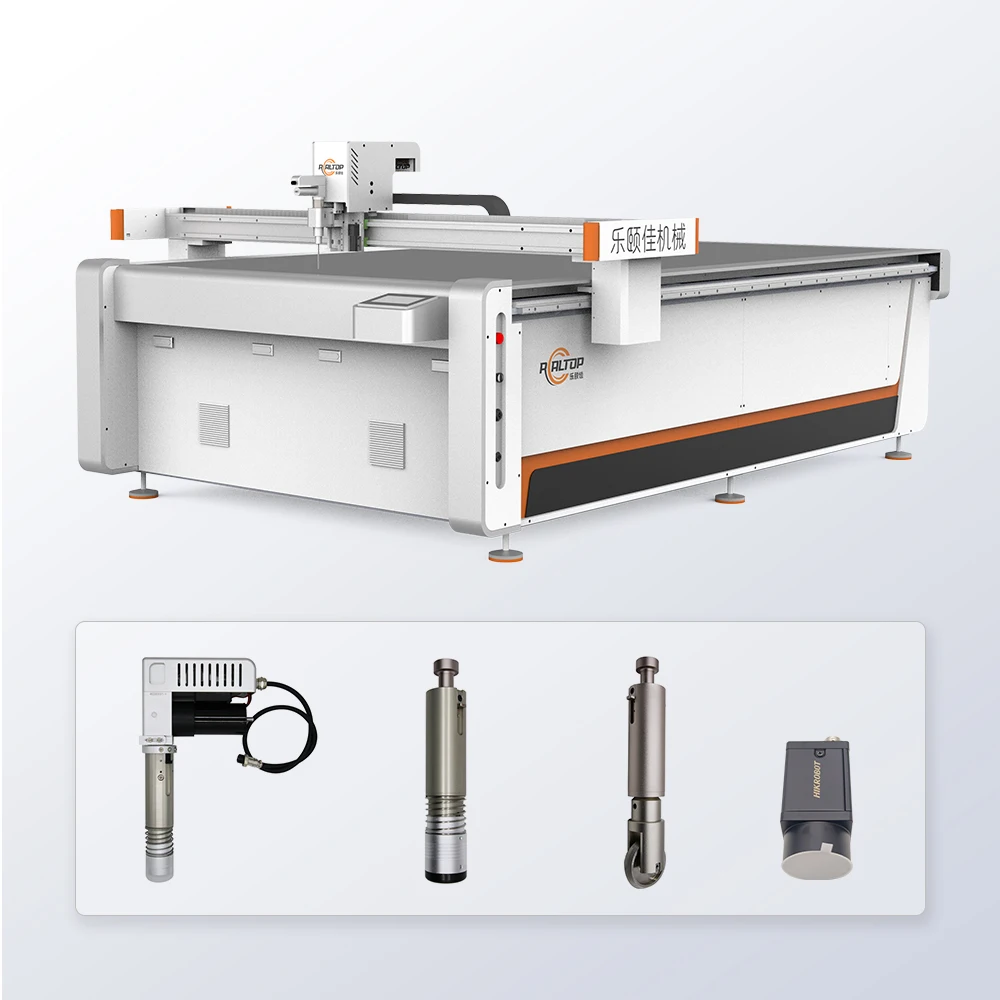
| Available Tools | Oscillating knife, Driven rotary knife, Creasing wheel, Kiss cutting tool, Pneumatic knife, Milling tool, V groove knife |
| Cutting Speed | 0–2000 mm/s |
| Cutting Thickness | Up to 30 mm |
| Positioning Accuracy | ±0.1 mm |
| Vacuum Pump | 9 kW |
| Vacuum Table | Aluminum bellows vacuum table |
| Voltage Options | 110V / 220V / 380V (configurable) |
| Control System | PLC control panel (source value — verify against manufacturer catalog) |
| Servo Motor Options | Panasonic, Delta, Dorna (source value — verify against manufacturer catalog) |
| Profile Formats | PLT, DXF, AI, PDF |
| Safety Devices | Infrared sensor, emergency stop |
| Software Languages | English, Russian, Italian, Chinese (custom available) |
| Machine Dimensions | 3300 × 2100 × 1350 mm |
Application Suitability
| Application | Material or Output |
|---|---|
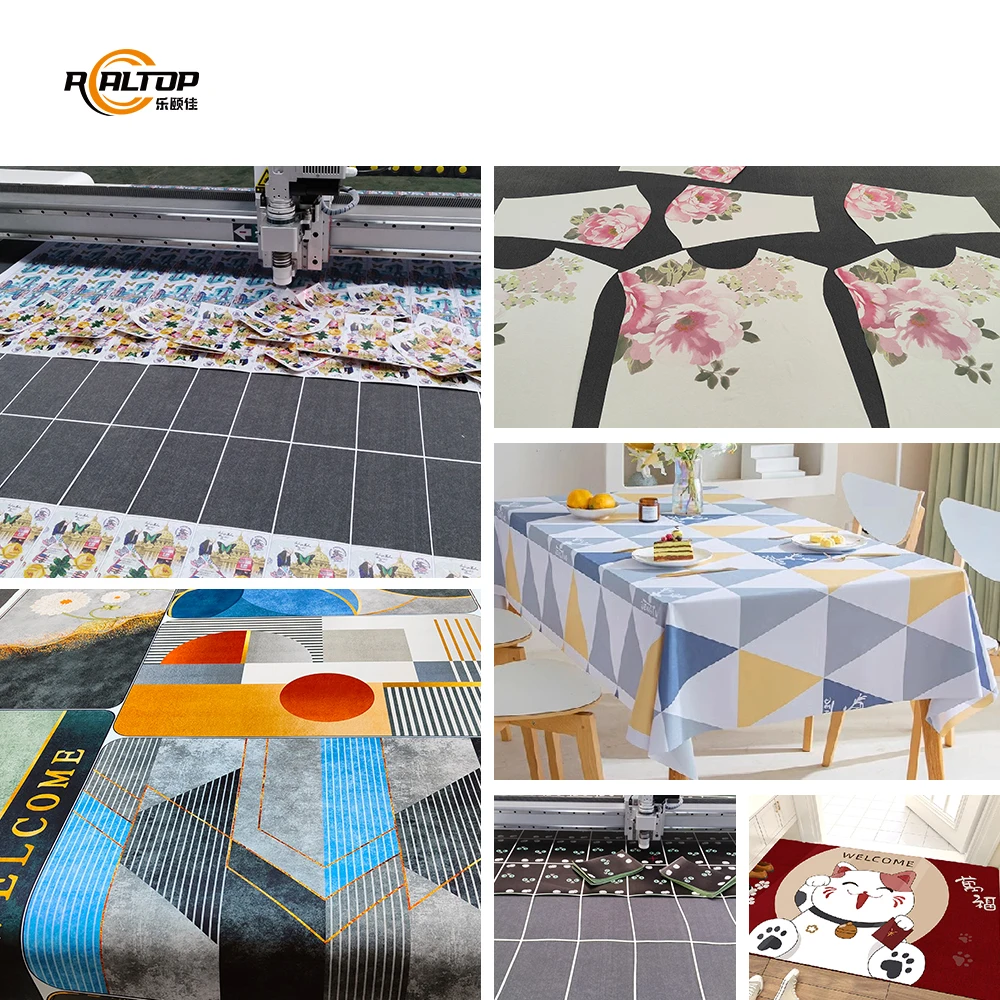
| Apparel manufacturing | Suits, knitwear, lace, complex pattern-matched fabrics in multi-layer stacks |
| Automotive interiors | Seat fabrics, carpets, PVC floor mats |
| Home textiles | Sofa fabrics, curtains, area rugs |
| Composite processing | Carbon fiber prepreg, aramid, specialty reinforcement materials |
| Signage and packaging | Corrugated board, folding carton, PVC display sheets |
| Gasket and insulation | PTFE, rubber, EVA, closed-cell foam up to 30 mm |
Why the Wrong Tool Head Ruins a Perfect Working Area
A machine sized by working area alone cannot guarantee edge quality on polypropylene nonwoven, multi-layer fleece, or flame-retardant treated fabrics — tool head selection determines the cut, not the table dimensions. Confirming the cutting method against your actual roll stock eliminates the most common cause of post-delivery disappointment. [NEED_CITE: common causes of CNC cutting machine rejection at installation]
When a buyer specifies a flatbed cutter based on sheet size without running their own material, the first production run often reveals frayed edges on nonwovens or crushed cells on foam. The oscillating knife frequency, blade geometry, and downstroke pressure each shift depending on fiber composition, coating, and thickness. A machine that handles standard polyester beautifully may tear through treated polypropylene unless the tool head parameters are dialed in on that exact substrate. This is why sample cutting on buyer-supplied material is a non-negotiable step before order confirmation for any CNC oscillating knife cutting machine manufacturer serious about fit.
Matching Tool Heads to Nonwoven and Fabric Behavior
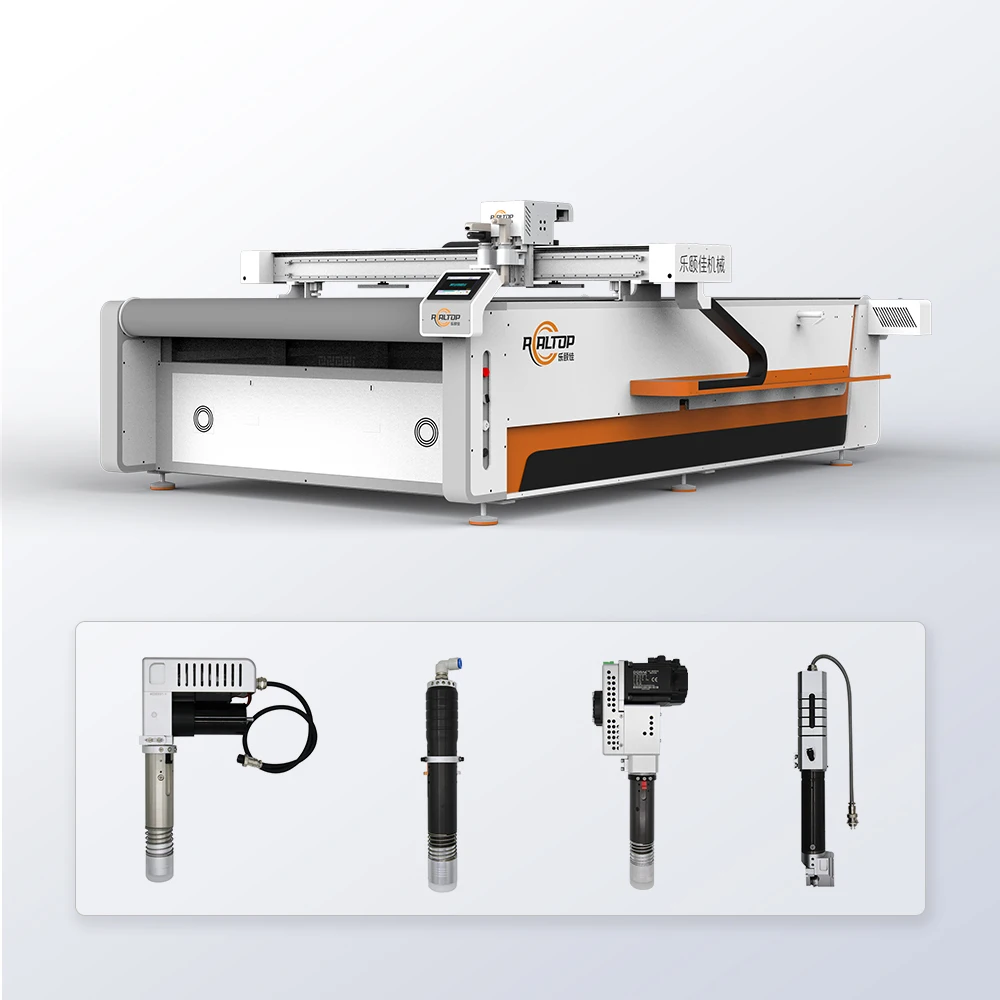
The 1625 platform offers seven distinct tool options on a single gantry: oscillating knife, driven rotary knife, creasing wheel, kiss cutting, pneumatic knife, milling, and V-groove knife. For polypropylene nonwoven and woven technical textiles, the oscillating knife delivers a clean severed edge by vibrating the blade at high frequency while the gantry moves — preventing the material from pulling or shifting. Heavier multi-layer stacks of automotive carpet or sofa fabric benefit from the pneumatic knife, which uses air pressure to drive a straight blade through the full depth in a single pass.
Vacuum Table Zoning for Flexible Sheet Materials
The aluminum bellows vacuum table paired with the 9 kW pump addresses a frequent failure point in fabric cutting: small parts lifting off the bed mid-cut. [NEED_CITE: vacuum hold-down principles for flexible materials on CNC flatbeds] When cutting nested garment panels or automotive interior components, the vacuum must maintain flatness across the entire 1600 × 2500 mm surface while allowing individual zones to remain sealed even when the cutting path opens a gap. Without adequate zoning, a partially cut piece loses suction and shifts, producing a scrap part and forcing a re-run.
Reading the Specs That Actually Affect Your Output
The ±0.1 mm positioning accuracy matters most when cutting pattern-matched fabrics or nested pieces that must align during assembly — any deviation accumulates across a multi-layer stack and compounds through downstream sewing or bonding. The 0–2000 mm/s cutting speed range gives operators room to slow down on intricate lace or contour work and accelerate on long straight cuts across standard fleece. Supported file formats (PLT, DXF, AI, PDF) mean most design offices can send production files directly without format conversion. The PLC control panel and servo drive options from Panasonic, Delta, or Dorna provide the motion control backbone that sustains accuracy over continuous production shifts.
The Cost of Skipping Material Trials
Buyers who skip sample cutting on their specific roll stock frequently discover after shipment that the quoted speed produces ragged edges on coated or treated nonwovens. The vacuum table may hold standard polyester firmly but struggle with lighter-weight substrates that allow air leakage at the edges. Software nesting that works on a supplier’s demo file may fail to import the buyer’s proprietary DXF layer structure. [NEED_CITE: risks of skipping pre-shipment material testing on CNC equipment] These issues are all resolvable — but only if they surface before the machine leaves the factory rather than during the buyer’s first production week.
Why Procurement Teams Evaluate This Source
The 1625 CNC oscillating knife cutting table is designed and built in-house, covering both knife and laser technologies under one roof — so a buyer processing mixed materials can match cutting method to substrate rather than forcing one approach. Tool head and vacuum table configurations are documented per material specification, not selected from a generic default list. Voltage, plug type, and control language are confirmed against the buyer’s facility electrical standard before production begins. Sample cutting reports on buyer-supplied material accompany every order, providing verifiable edge quality data before commitment. Software file format compatibility is tested with the buyer’s actual nesting files during the pre-order phase.
Documentation & Verification
- Machine specification sheet listing all configured tool heads and vacuum zones
- Electrical schematic with confirmed voltage, frequency, and plug type for target facility
- Sample cutting report on buyer-supplied polypropylene nonwoven or composite material
- Factory test record documenting positioning accuracy and cutting speed validation
- Software licence and file format compatibility note for PLT, DXF, AI, and PDF workflows
- Spare parts list matched to the selected tool head and servo motor configuration
Installation, Commissioning & Support
- 9 kW vacuum pump requires a dedicated circuit sized to local electrical code
- Machine footprint of 3300 × 2100 mm needs clear access on three sides for material loading
- Servo motors and PLC control panel calibrated on-site after leveling the aluminum bellows table
- Voltage and control language set to facility specification before dispatch, re-verified at startup
- Operator training covers tool head changeover, vacuum zone selection, and nesting file import
- Wear parts including oscillating knife blades and vacuum seals included in initial spare kit
What to Include in Your Inquiry
Provide your material type, roll width, maximum thickness, and whether you cut single-ply or multi-layer stacks. Specify the voltage and frequency at your facility along with the control language your operators need. If you have existing nesting software or file formats in your workflow, share a sample file so compatibility can be confirmed before quotation.
Frequently Asked Questions
Q: How do I confirm the machine can handle my material thickness and type before ordering?
A: Send a sample of your actual roll stock — including polypropylene nonwoven, coated fabrics, or composite prepreg. We run cutting trials on the 1625 platform with multiple tool heads, document edge quality, cutting depth, and achievable speed, and share the sample cutting report before you place an order.
Q: Which tool head is right for my material — oscillating knife, rotary knife or pneumatic?
A: It depends on fiber composition, thickness, and whether you cut single-ply or stacked layers. Oscillating knife suits most woven and nonwoven fabrics up to moderate thickness. Pneumatic knife handles heavier multi-layer stacks. We test your material across relevant options and recommend based on edge quality results.
Q: What voltage, plug type, and control language will be configured for my market?
A: The 1625 supports 110V, 220V, and 380V configurations. Voltage, frequency, plug type, and PLC control language are confirmed against your facility specification before production. Software interface language options include English, Russian, Italian, and Chinese, with custom languages available on request.
Q: Can the software import my existing DXF, AI, or PLT files and nesting workflow?
A: The system accepts PLT, DXF, AI, and PDF natively. Before order confirmation, we test your actual production files through the nesting software to verify layer recognition, cut path sequencing, and output compatibility — eliminating format conversion issues after delivery.
You may also like

商品评价
Clear filtersThere are no reviews yet.